
 No.14 Waihuan Road, CBD, Zhengzhou, China
 +86-18703635966

No.14 Waihuan Road, CBD, Zhengzhou, China
+86-18703635966
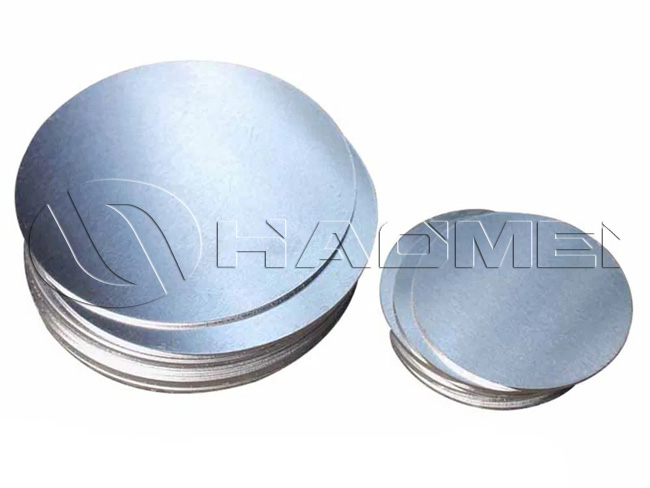
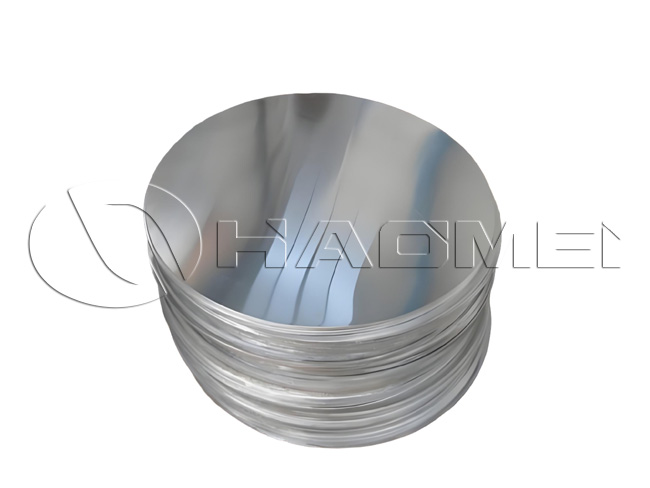
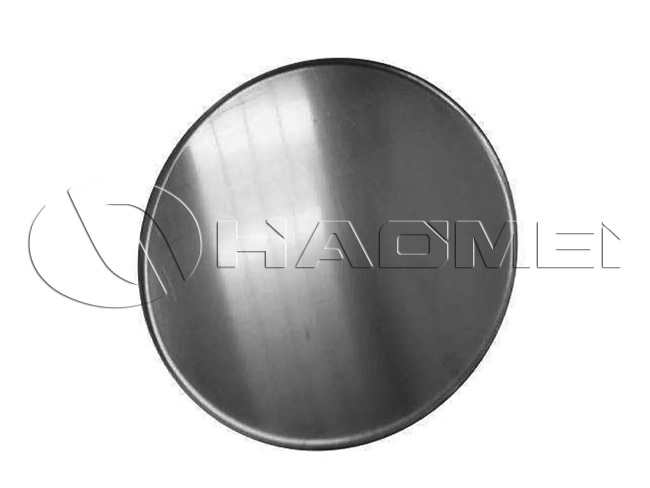
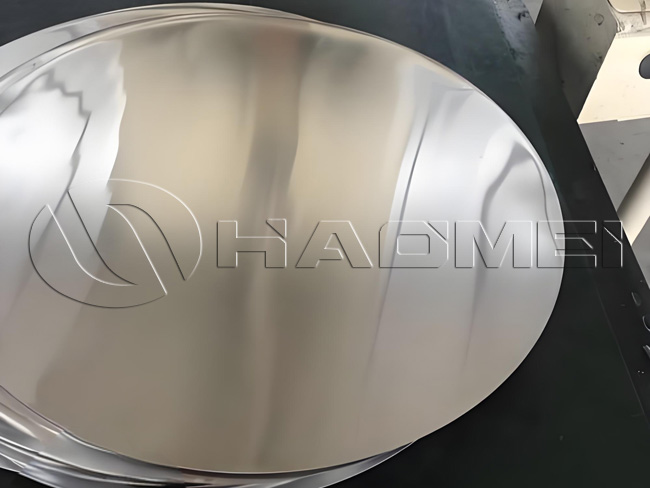
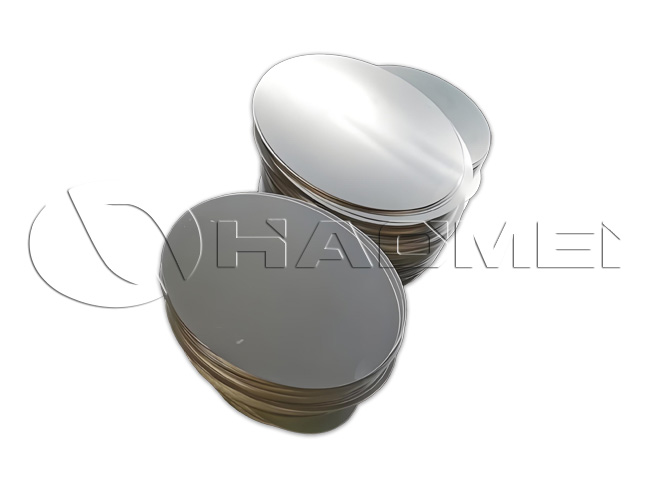
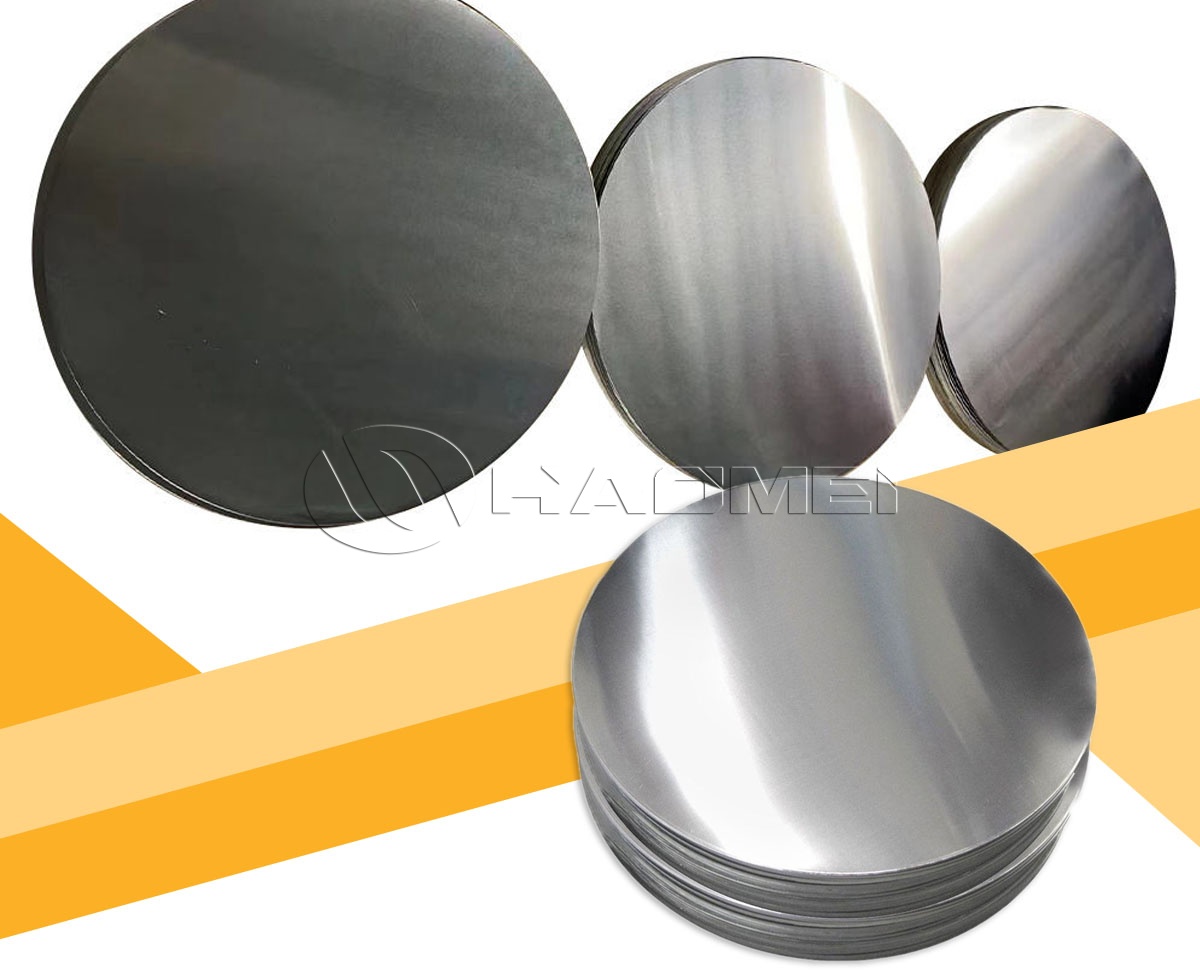
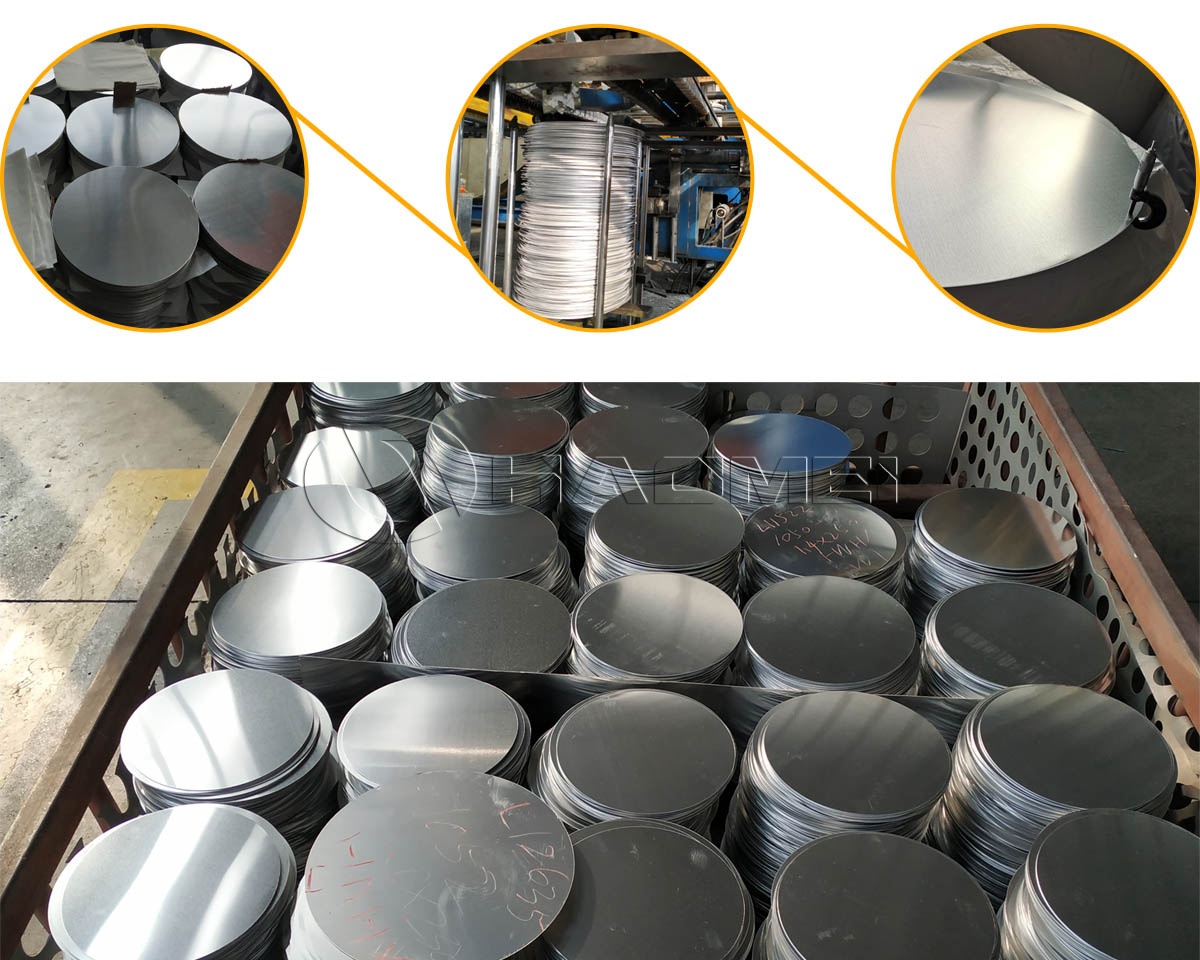
As a manufacturer of aluminum circle blanks, we produce DC/CC 3003 H22 aluminum circles for kitchen utensil and cookware fabrication. These discs are designed for customers who require consistent forming performance, controlled hardness, reliable surface quality, and stable dimensional tolerances in automated or semi-automated production.
3003 aluminum alloy is widely used for kitchen utensils because it combines good corrosion resistance with higher strength than commercially pure aluminum. In the H22 temper, the material provides a balanced condition for spinning, stamping, shallow drawing, pressing, and secondary forming operations. Our production process allows us to supply aluminum circles from direct chill cast material and continuous cast material according to the end-use requirements of each customer.
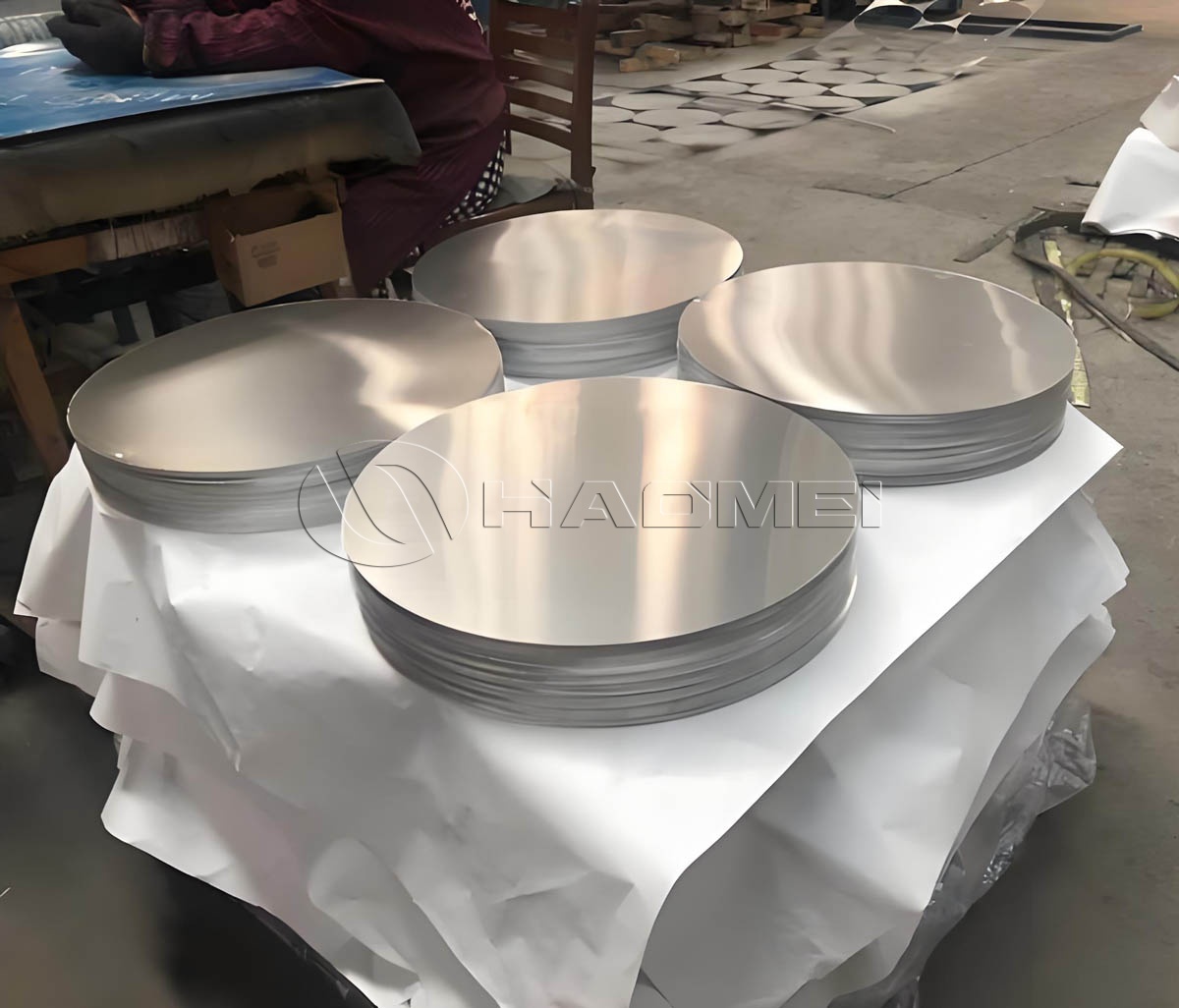
3003 is an aluminum-manganese alloy. Manganese improves the strength of the aluminum base while maintaining useful workability and corrosion resistance. For kitchen utensil production, this balance is important because the disc must retain adequate rigidity after forming while remaining workable during processing.
The H22 temper indicates that the aluminum has been strain hardened and partially annealed. Compared with softer O temper aluminum circles, 3003 H22 aluminum discs offer improved strength and resistance to deformation. Compared with harder tempers, H22 retains practical forming capability for a range of utensil components.
Our 3003 H22 aluminum circles are commonly processed into:
Frying pan bodies and shallow cookware components.
Saucepan bottoms and cookware shells.
Baking trays and kitchen serving items.
Lids, covers, and utensil bases.
Food containers and stamped household products.
Small appliance housings and heat-related kitchen components.
For applications requiring a wider selection of cookware grades, diameters, and surface treatments, customers can review our Aluminum Circles for Cookware range.
We manufacture aluminum circles from both DC and CC coils. The appropriate route depends on the required forming depth, thickness, surface standard, mechanical properties, and production budget.
DC refers to direct chill casting. In this route, aluminum slabs are cast, homogenized, hot rolled, cold rolled, annealed when required, and slit before circle blanking. DC material is generally selected for demanding cookware applications that require stronger deep drawing performance, stable grain structure, and high consistency after forming.
For deep-drawn pots, cookware shells, and products requiring repeated deformation, DC 3003 H22 aluminum circles provide dependable process stability. The controlled rolling and annealing sequence supports more uniform mechanical properties across the coil and from batch to batch.
CC refers to continuous casting. This route combines casting and rolling in a continuous process, providing an efficient material option for standard utensil parts, shallow stamping, spinning, and general forming applications. CC aluminum circles can offer practical cost control while maintaining appropriate quality for many kitchen product categories.
Before recommending DC or CC material, our technical team reviews the customer's forming method, drawing ratio, thickness, final geometry, coating requirements, and expected production volume. This helps prevent material selection issues before mass production begins.
The following table shows the typical supply range for our DC/CC 3003 H22 aluminum circle discs. Final specifications can be confirmed according to the order and forming application.
| Parameter | Typical Specification |
|---|---|
| Alloy | AA 3003 / EN AW-3003 |
| Temper | H22 |
| Production route | DC or CC |
| Thickness range | 0.50 mm to 6.00 mm |
| Diameter range | 100 mm to 1,200 mm |
| Diameter tolerance | Typically +/-0.5 mm to +/-2.0 mm, depending on diameter |
| Thickness tolerance | According to agreed standard and coil thickness |
| Surface finish | Mill finish, clean surface, optional protective film |
| Edge condition | Smooth blanked edge, burr controlled |
| Flatness | Controlled according to thickness and diameter |
| Mechanical property | Suitable for stamping, spinning, pressing, and shallow drawing |
| Standard references | ASTM B209, EN 485, GB/T 3880, or customer specification |
| Packaging | Paper interleaving, plastic protection, palletized export packing |
The chemical composition of 3003 alloy is controlled in accordance with applicable standards. Manganese is the principal alloying element, while iron, silicon, copper, zinc, and other elements are maintained within standard limits. We conduct incoming material verification and process control to support stable alloy performance.
Our aluminum circle manufacturing process is designed to minimize defects that can affect utensil production. Depending on the selected route, the production sequence includes coil preparation, slitting, leveling, blanking, inspection, packing, and shipment preparation.
For DC material, the process begins with controlled slab production and rolling. For CC material, coil quality is monitored from continuous casting through subsequent rolling and finishing. We select source coils based on the intended thickness, temper, surface condition, and forming requirements.
During blanking, we use controlled tooling and production settings to maintain roundness and edge quality. Burrs, uneven edges, scratches, oil contamination, and shape deviations can affect downstream pressing and spinning operations. Our inspection procedures therefore focus on the characteristics most relevant to kitchen utensil manufacturers.
Key quality checks include:
Alloy and temper verification.
Thickness measurement at multiple positions.
Diameter and roundness inspection.
Surface inspection for scratches, stains, dents, and rolling marks.
Edge and burr assessment.
Flatness control.
Packing inspection before container loading.
For customers with specific production conditions, we can align inspection items with agreed drawings, samples, or technical specifications. This is particularly useful for aluminum discs used in high-volume utensil lines where consistent blank quality supports efficient tooling performance.
Cookware aluminum discs are often subject to spinning, press forming, trimming, riveting, coating, or assembly after blanking. The performance of the initial aluminum circle has a direct effect on yield, forming stability, and finished-product appearance.
3003 H22 aluminum circles are suitable for applications requiring moderate strength and controlled formability. They perform well in shallow drawing and spinning operations, especially where the final product needs more rigidity than a pure aluminum equivalent. However, the actual suitability for deep drawing depends on the component geometry, tooling radius, lubrication, process speed, and reduction rate.
For deep or complex draw operations, we normally recommend confirming the required drawing depth before material selection. In some cases, a softer temper or DC route may be more appropriate than a standard CC H22 material. Our factory can provide trial samples for customers who need to validate forming performance before a production order.
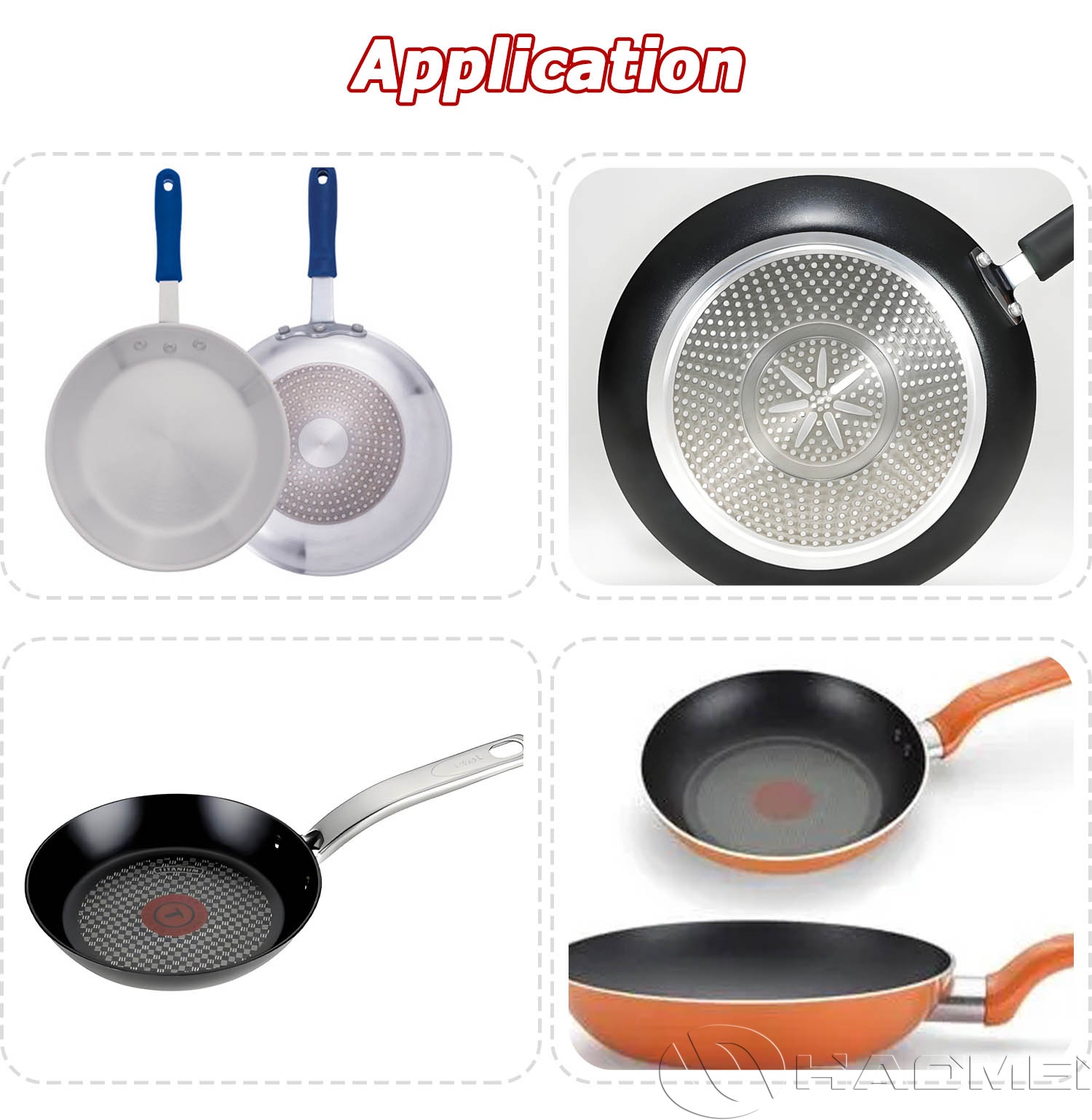
A clean, uniform surface is important for kitchen utensils because many finished products receive polishing, non-stick coating, anodizing, painting, printing, or decorative treatment. Surface defects on the aluminum circle can remain visible after forming or become more noticeable after coating.
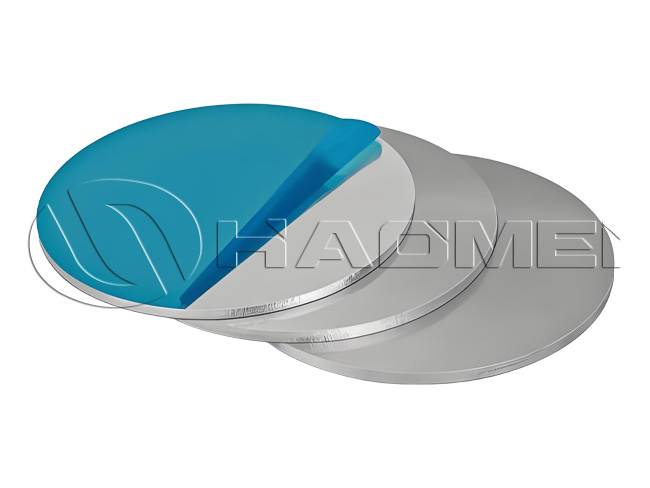
We supply mill-finish 3003 H22 aluminum circles with controlled surface cleanliness. Where required, protective film can be applied to reduce handling scratches during transport and processing. Interleaving paper is also available for sensitive surface applications.
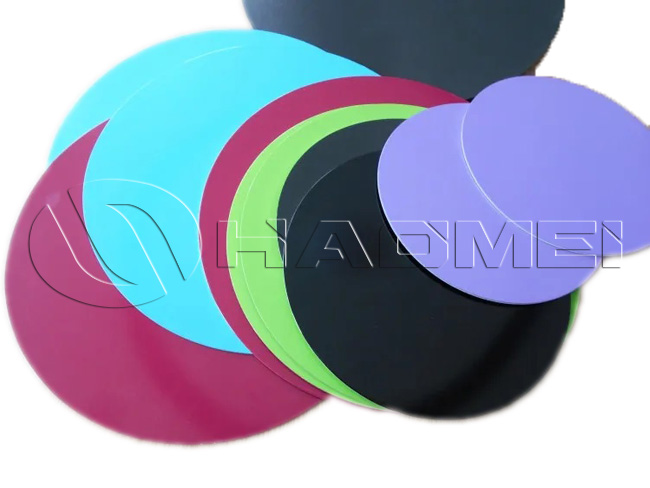
For customers producing coated or decorative kitchen items, we can discuss surface requirements before production. Our product range also includes Color Coated Aluminum Circle options for applications where pre-finished material is appropriate.
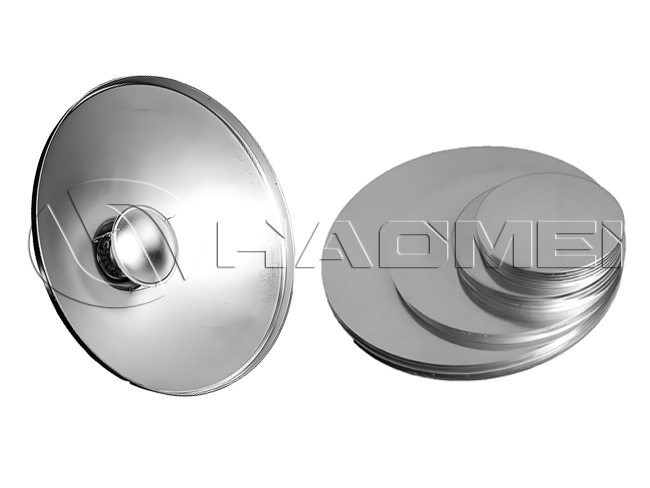
Our factory supplies standard and customized aluminum circle sizes. Diameter, thickness, packaging method, and tolerance requirements can be adjusted according to the customer's equipment and finished utensil design.
When placing an inquiry for 3003 H22 aluminum circles, we recommend providing the following information:
Alloy and temper requirement, such as 3003 H22.
DC or CC material preference, if specified.
Required diameter and thickness.
Tolerance requirements for diameter, thickness, and flatness.
Intended forming process, such as stamping, spinning, or drawing.
Surface requirement, including mill finish or protective film.
Quantity per size and expected order frequency.
Packing, labeling, and destination port requirements.
This information allows us to prepare an accurate technical and commercial quotation. It also helps us recommend the appropriate production route and inspection standard for the intended kitchen utensil application.
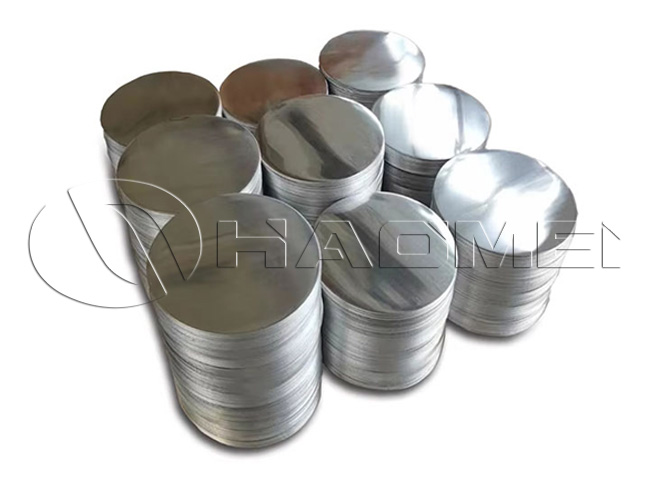
As an aluminum circle manufacturer serving export customers, we use packaging methods designed for container transportation and warehouse handling. Aluminum discs are typically packed with paper interleaving, moisture-resistant protection, plastic wrapping, reinforced outer covering, and pallet support where required.
Each package can be labeled with alloy, temper, thickness, diameter, batch information, net weight, and customer reference details. Proper packing is essential because edge damage, moisture exposure, and surface abrasion can affect usability after delivery.
We also coordinate production scheduling according to material availability, order size, blanking capacity, inspection requirements, and shipping arrangements. For repeat orders, we maintain specification records to support continuity across batches.
DC/CC 3003 H22 kitchen utensil aluminum circles provide a practical material solution for manufacturers of cookware and household metal products. With suitable strength, corrosion resistance, and controlled workability, these aluminum discs support stable production of formed kitchen components.
Our factory focuses on material consistency, accurate blanking, surface inspection, and application-based specification control. Whether the requirement is for DC aluminum circles used in demanding forming operations or CC aluminum circles for standard utensil production, we can manufacture according to the technical needs of the final product.
By confirming alloy, temper, dimensions, forming method, and quality expectations before production, we help customers obtain aluminum circle discs that integrate efficiently into their kitchen utensil manufacturing process.


Office Address:
No.14 Waihuan Road, CBD, Zhengzhou, China
Contact Us
HAOMEI Aluminum offer an custom aluminum circle for you!
whatsapp: +86-18703635966
Email: sales@alummc.com
Email: alummc@hotmail.com
Request Free Sample & Quotation
Copyright © 2026 By HAOMEI Aluminum CO., LTD. All Rights Reserved. Sitemap
 +86-18703635966
 sales@alummc.com
 8618703635966
