
 No.14 Waihuan Road, CBD, Zhengzhou, China
 +86-18703635966

No.14 Waihuan Road, CBD, Zhengzhou, China
+86-18703635966
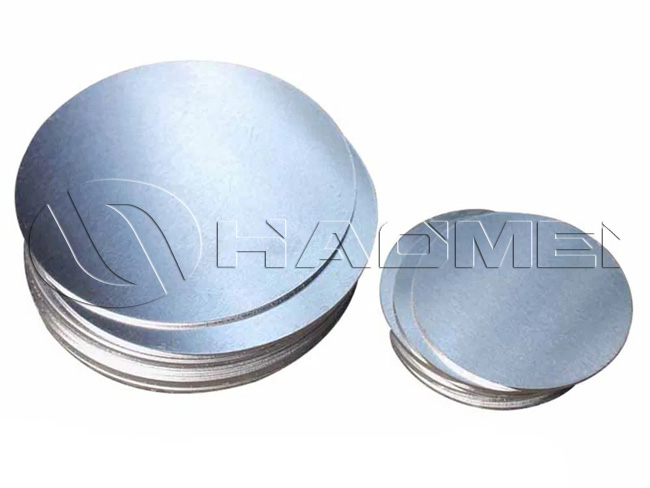
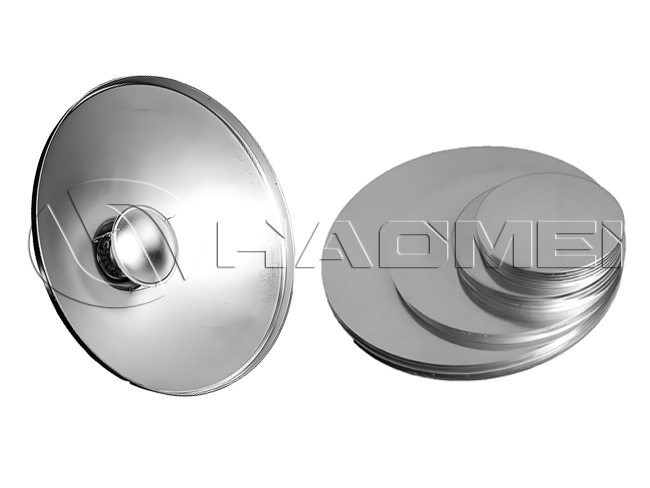
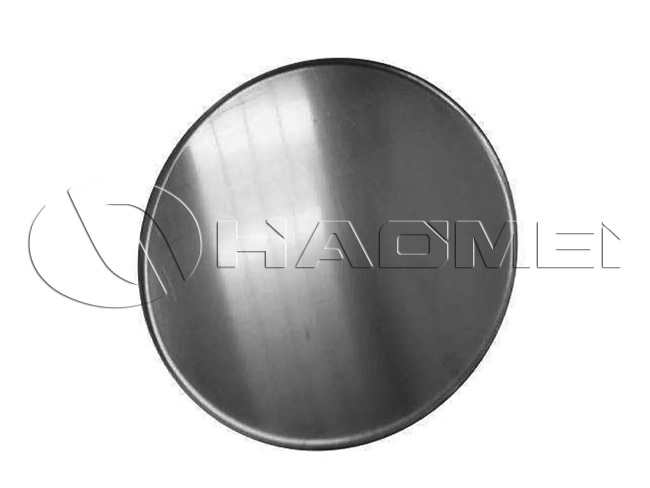
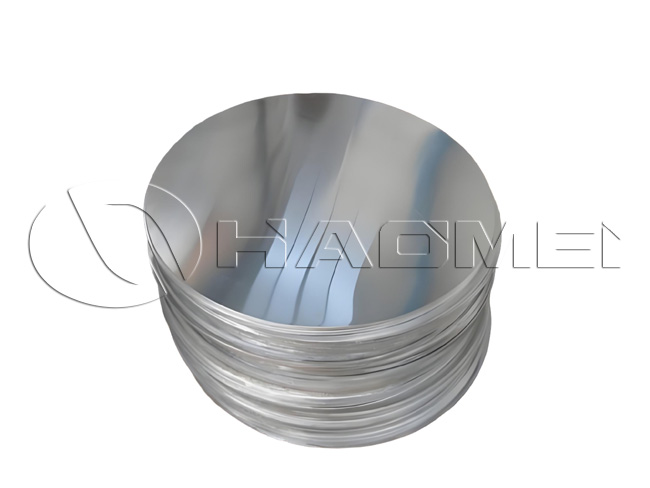
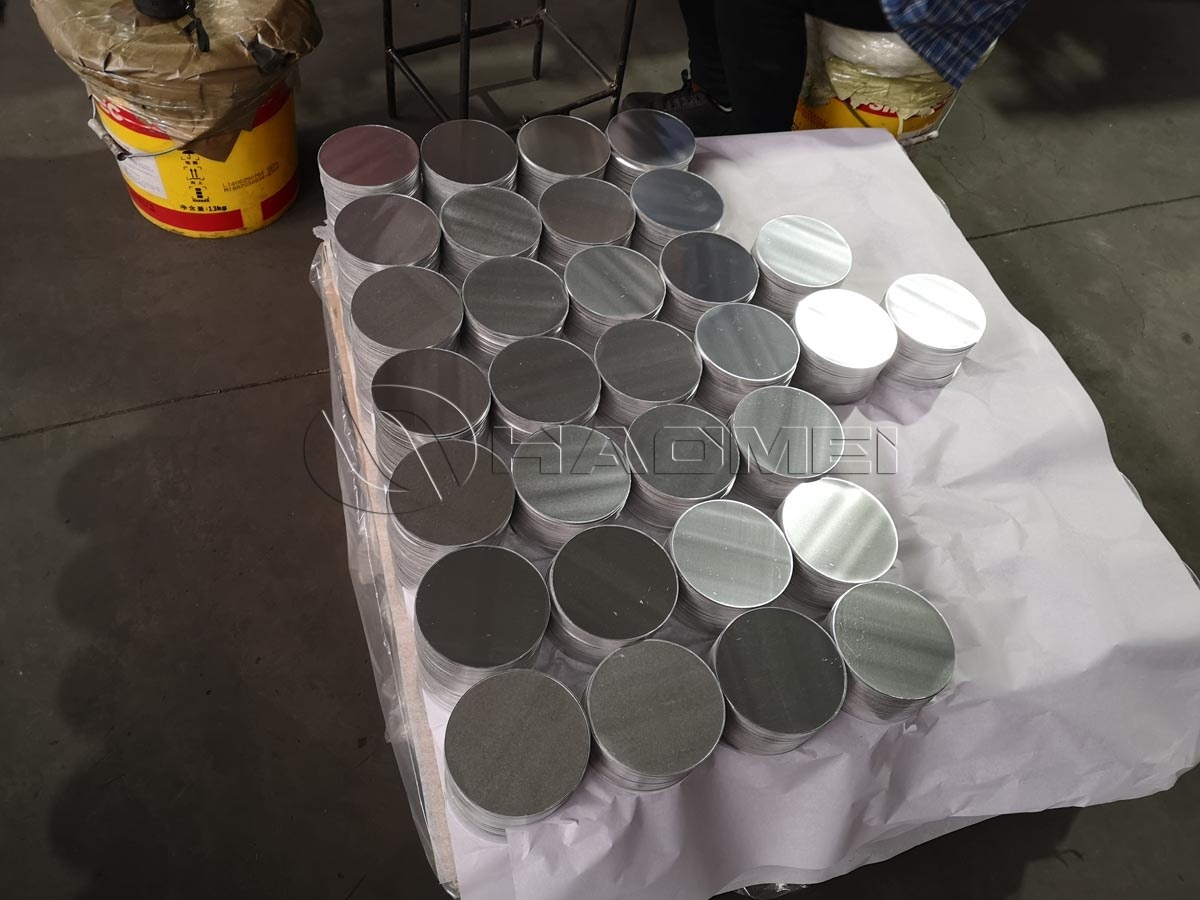
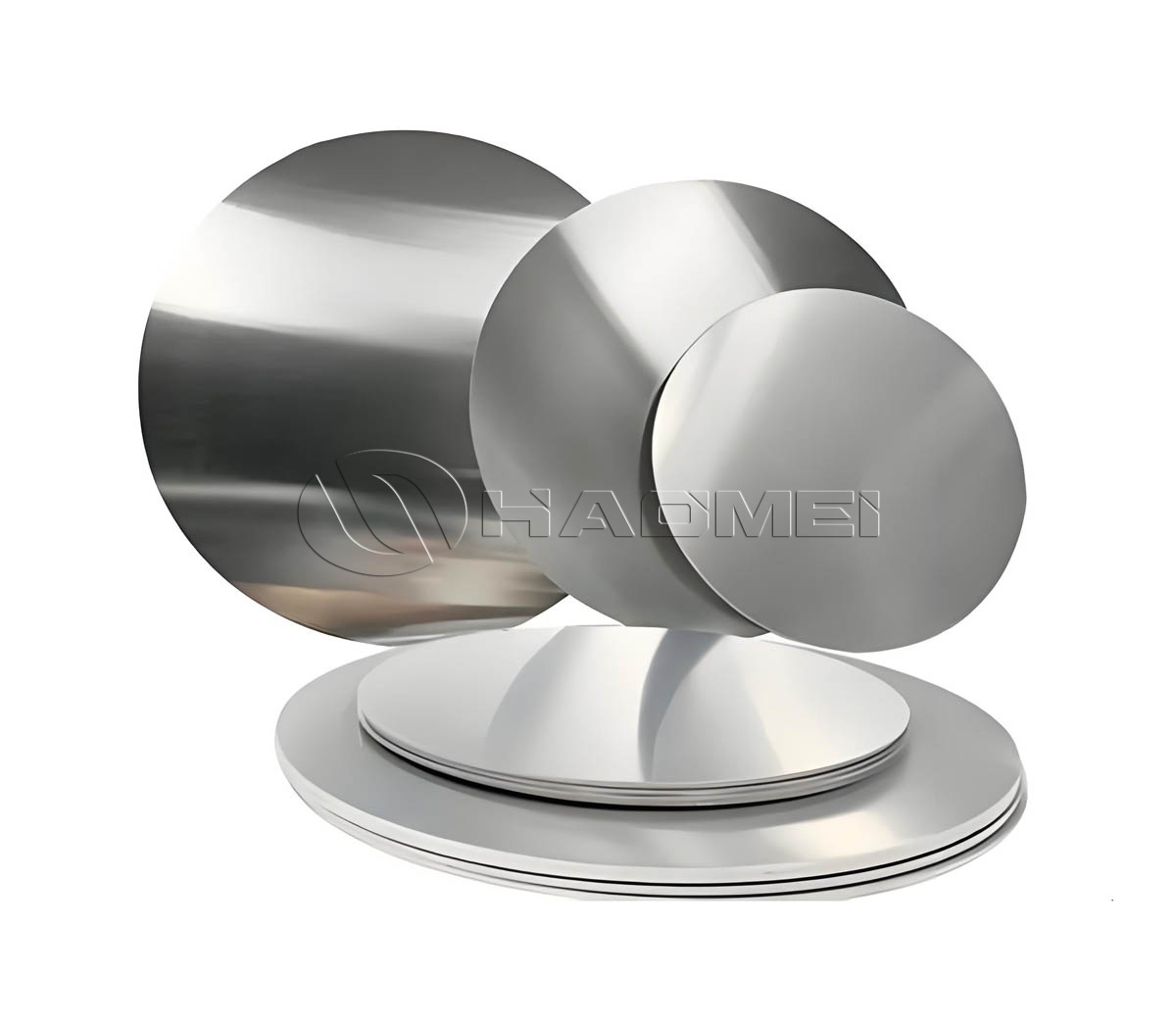
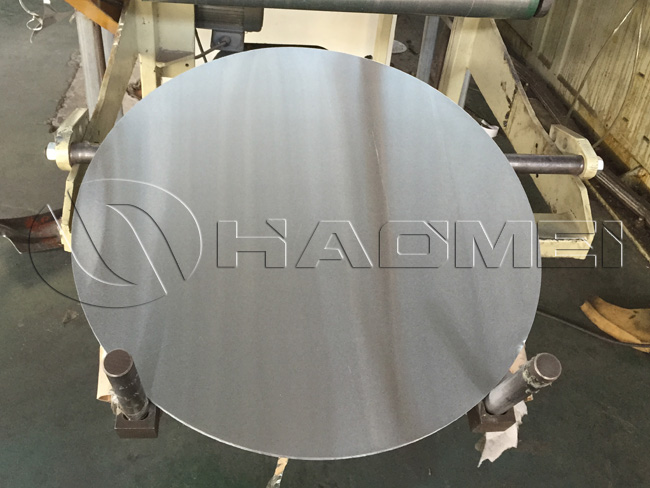
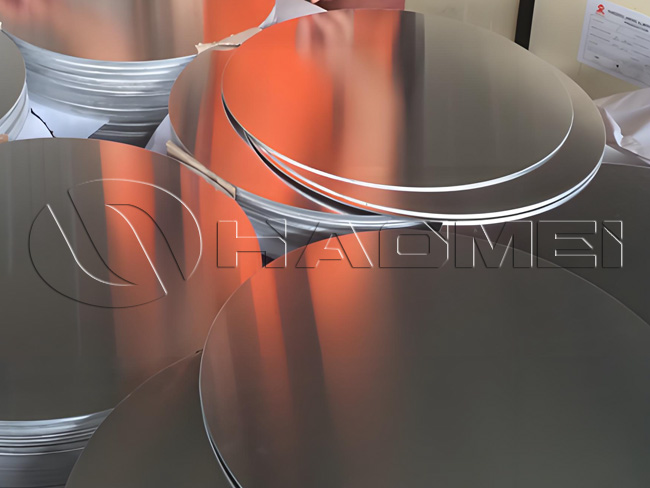
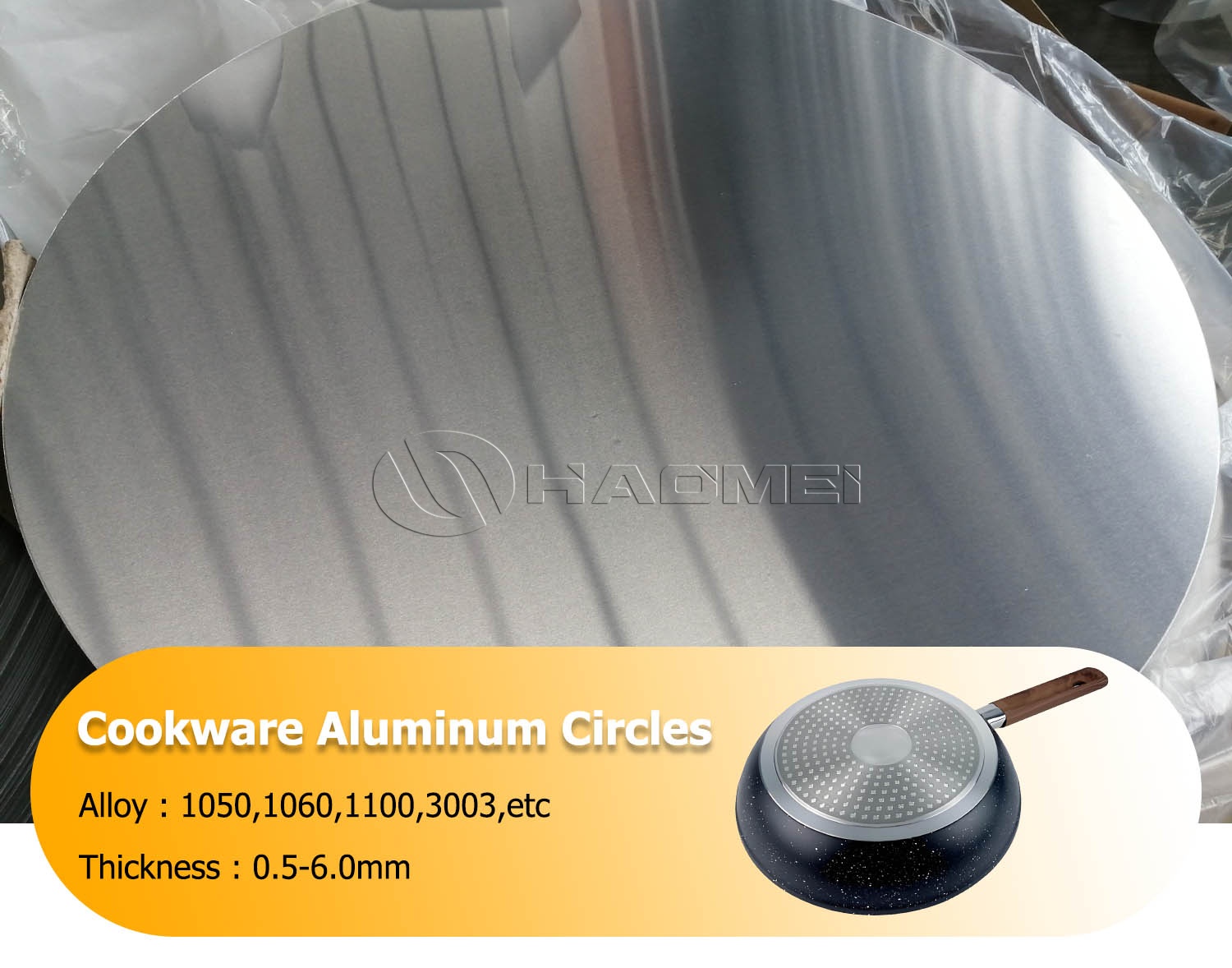
An 8-inch aluminum circle for frying pans is a precision-cut round aluminum blank designed for cookware forming operations. At our factory, we manufacture aluminum circle discs for frying pan bodies, shallow pans, omelet pans, saucepans, and related cookware components. The 8-inch diameter, equivalent to approximately 203.2 mm, is commonly selected for compact cookware products requiring consistent forming performance and controlled material thickness.
For cookware manufacturers, the quality of the aluminum circle directly affects deep drawing, spinning, stamping, bottom flatness, surface finishing, and final pan appearance. We therefore control alloy composition, grain structure, temper condition, dimensional tolerance, edge quality, and surface cleanliness throughout production.
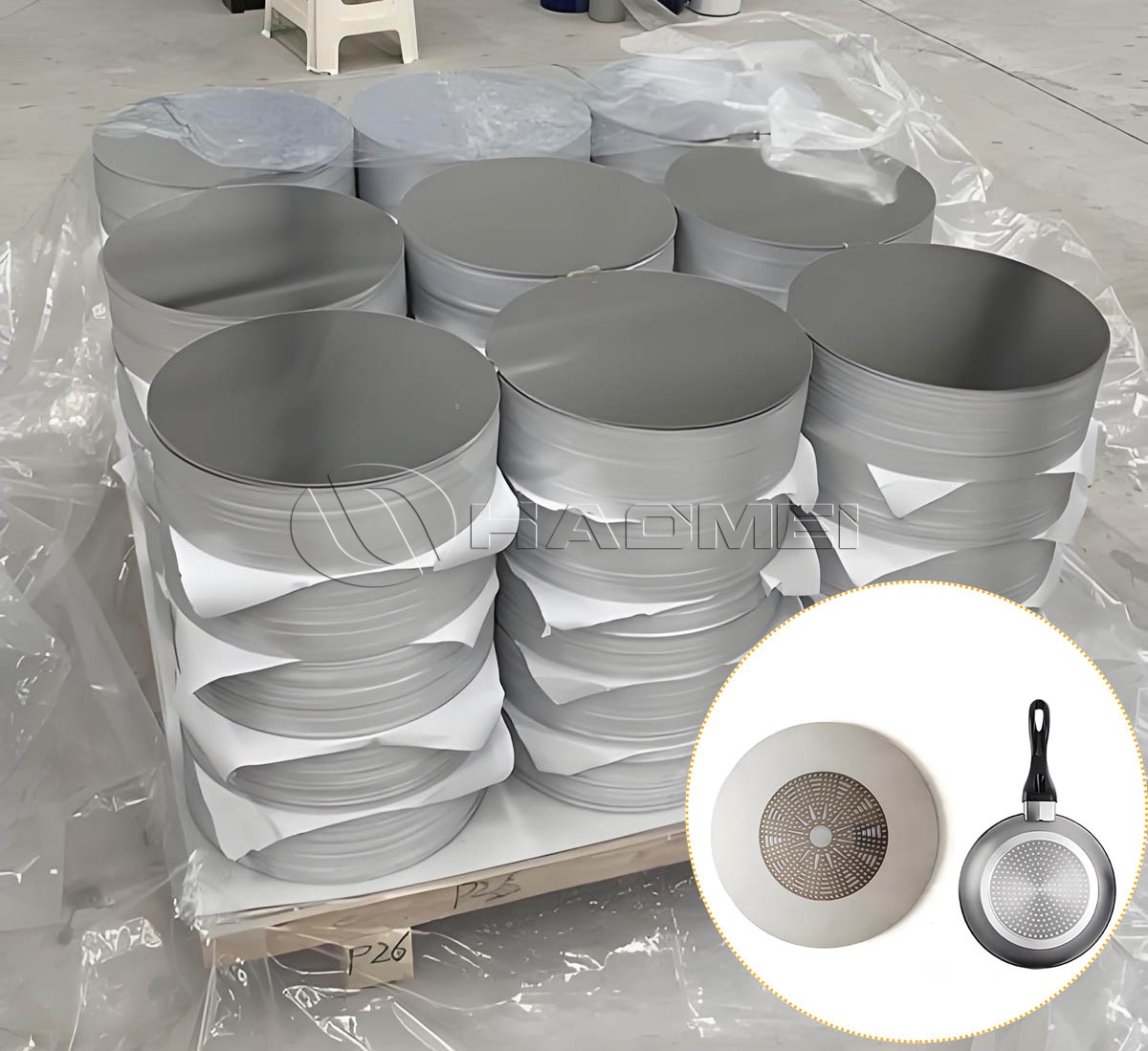
A frying pan aluminum blank must do more than meet a nominal diameter. During production, the disc is exposed to mechanical deformation, including deep drawing, pressing, spinning, trimming, and sometimes impact bonding with stainless steel induction bases. Material consistency is essential to prevent cracking, wrinkling, uneven wall thickness, or surface defects.
Our 8-inch aluminum circle discs are produced from qualified aluminum coils and sheets through controlled blanking processes. Depending on the cookware design and forming depth, we can supply hot rolled aluminum circles or cold rolled aluminum circles with appropriate temper selection.
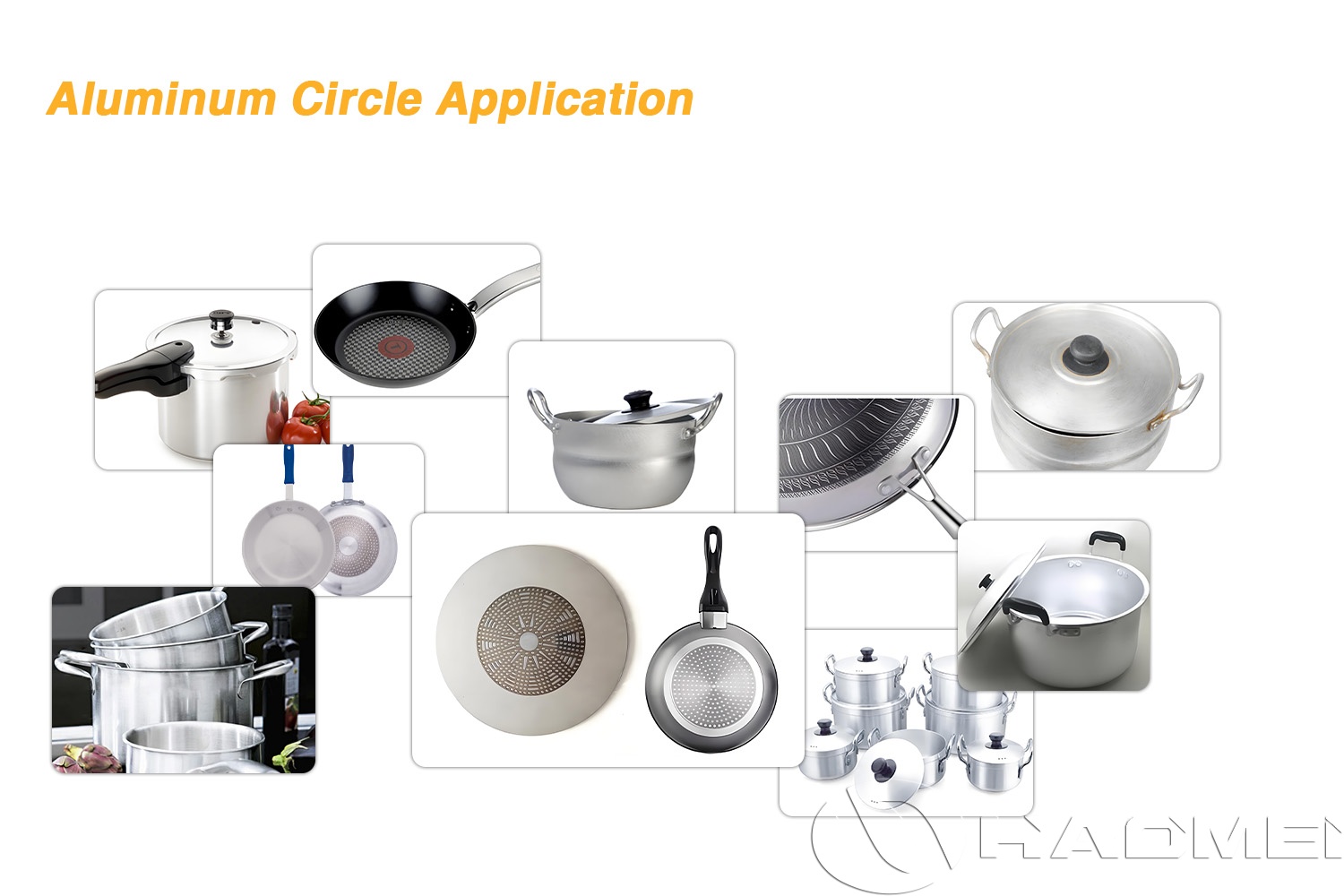
The most common alloys for frying pan production are 1050, 1060, 1070, 1100, 3003, and 3004. Pure aluminum grades offer excellent thermal conductivity and good workability, while 3003 and 3004 alloys provide higher strength for cookware requiring improved durability or more demanding forming conditions.
For manufacturers producing cookware at different sizes, our Aluminum Circles for Cookware range can be supplied in customized diameters, thicknesses, and surface conditions.
Excellent Thermal Conductivity: Aluminum conducts heat quickly and evenly, allowing the pan to heat up rapidly and minimizing localized hotspots.
Lightweight: Compared to steel, aluminum discs are lighter, making the finished frying pan easier to handle.
Superior Formability: Suitable for processes such as stamping and deep drawing, meeting requirements for various pan depths and shapes.
Good Corrosion Resistance: Using the appropriate aluminum alloy ensures suitability for everyday kitchen environments.
Uniform Thickness: The 8-inch discs offer consistent dimensions, facilitating even heat distribution and mass production.
High Surface Quality: Suitable for subsequent surface treatments like anodizing or coating, enhancing the pan's durability and appearance.
The following specifications represent common production ranges for an 8-inch aluminum circle for frying pans. Final parameters are confirmed according to the pan geometry, forming process, coating requirement, and customer drawings.
| Parameter | Typical Specification | Notes |
|---|---|---|
| Product name | 8-inch aluminum circle disc | For frying pans and cookware forming |
| Diameter | 203.2 mm | Custom diameter tolerance available |
| Diameter range | 200-205 mm | Based on trimming and final pan design |
| Thickness range | 0.80-4.00 mm | Selected according to pan depth and structure |
| Common thicknesses | 1.5 mm, 1.8 mm, 2.0 mm, 2.5 mm, 3.0 mm | Frequently used for frying pan bodies |
| Alloy | 1050, 1060, 1070, 1100, 3003, 3004 | Alloy selection depends on strength and formability |
| Temper | O, H12, H14, H16, H18 | O temper is common for deep drawing |
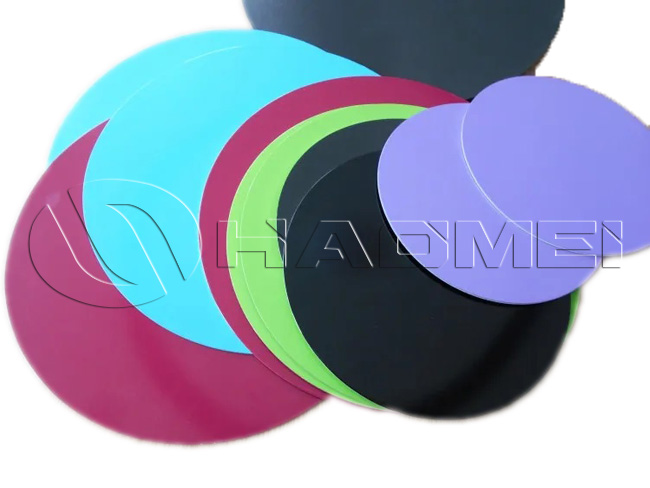
| Surface | Mill finish, bright finish, anodized-ready | Free from oil, scratches, and visible defects |
| Edge condition | Smooth, burr-controlled | Supports safer and cleaner forming |
| Flatness | Controlled according to thickness | Important for stamping and bonding operations |
| Production process | Hot rolled or cold rolled | Determined by forming depth and quality requirements |
| Packaging | Paper interleaving, export pallets, wooden cases | Protects discs during ocean shipment |
Selecting the correct aluminum alloy is one of the first decisions in cookware manufacturing. The alloy should match the intended production method, final cookware positioning, and downstream finishing process.
The 1050, 1060, and 1070 series are commercially pure aluminum grades with high aluminum content. These alloys are widely used for standard aluminum cookware because they offer good thermal conductivity, low density, and strong formability. In O temper, they are suitable for drawing and spinning applications where the pan design includes moderate depth.
For economy-grade frying pans, a 1050 or 1060 aluminum circle disc can provide stable processing performance when thickness, lubrication, die condition, and forming ratio are properly controlled.
3003 aluminum contains manganese, which increases strength compared with pure aluminum grades. It is often selected for cookware that needs better rigidity, improved dent resistance, or a more substantial wall structure. 3004 aluminum offers further strength and is suitable for certain formed cookware products requiring enhanced mechanical performance.
For deeper frying pans, multi-step drawing, or cookware with a heavier-duty design, 3003 aluminum circle material may be a practical choice. Our technical team reviews the intended draw depth, tooling method, and bottom construction before recommending a suitable alloy and temper.
Temper has a direct effect on how an aluminum circle behaves during frying pan forming. A material that is too hard may crack at the sidewall or rim during drawing. A material that is too soft may deform excessively, creating wrinkles or inconsistent pan geometry.
O temper is the standard option for deep drawing aluminum discs. It provides high elongation and a softer grain structure, allowing the blank to flow more evenly into the die. This is particularly important when producing frying pans with taller sidewalls, curved profiles, or shaped pouring lips.
H12 and H14 tempers may be used for shallower pressing applications or cookware designs that require additional stiffness. However, the appropriate temper should always be assessed together with alloy, thickness, tooling clearance, lubrication, and the number of forming stages.
Our factory can produce 8-inch aluminum circles with controlled temper conditions to support customer forming operations. For projects using hot rolled feedstock, our Hot Rolled Aluminum Circle products are available for cookware applications requiring reliable deep drawing performance.
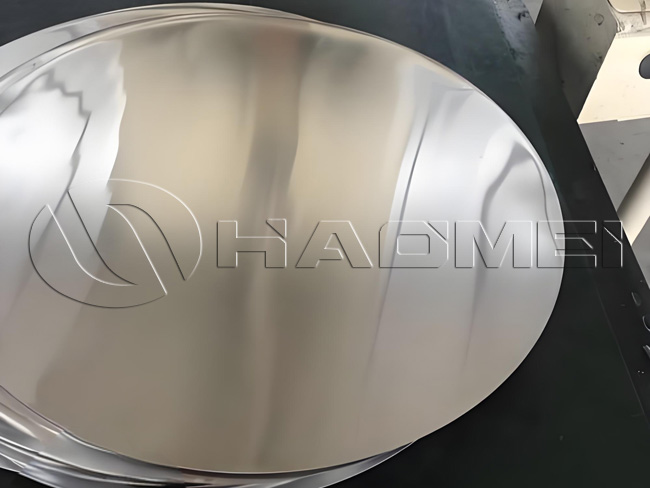
Surface quality is critical because the aluminum circle becomes the visible and functional base material of the finished frying pan. After forming, the pan may be polished, anodized, painted, coated with PTFE or ceramic nonstick layers, or bonded with a stainless steel induction plate. Any significant surface defect can become more visible after these operations.
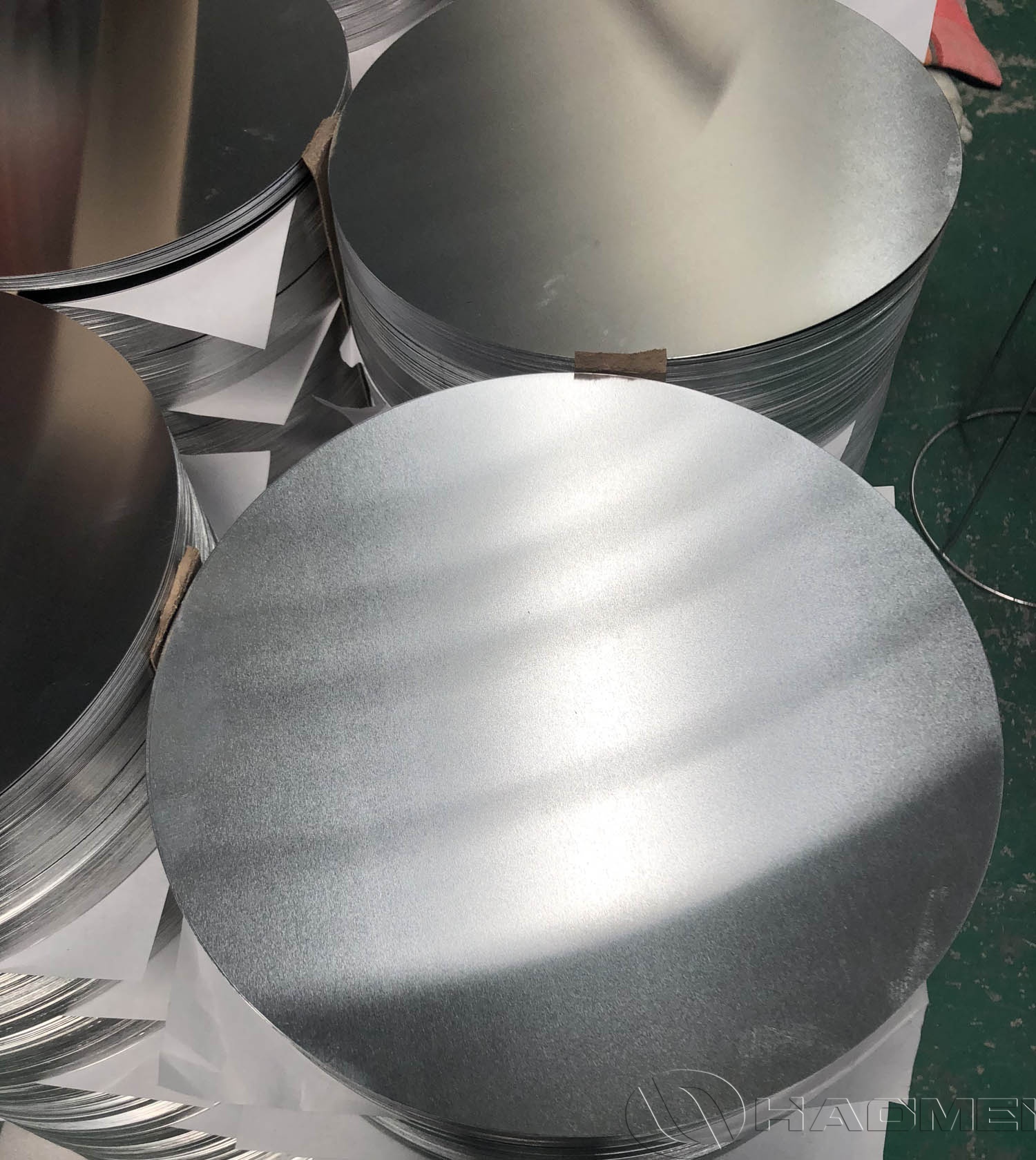
We inspect aluminum circles for common defects such as scratches, roller marks, edge cracks, oxidation stains, oil spots, dents, inclusions, and uneven surface brightness. Our production process focuses on clean surfaces suitable for cookware fabrication and finishing.
For nonstick frying pan production, a stable and clean surface supports pretreatment and coating adhesion. For anodized cookware, surface uniformity helps achieve a more consistent final appearance. Where customers require a specific roughness range or bright mill finish, this can be included in the purchase specification.
An 8-inch frying pan aluminum blank must fit the customer's stamping or drawing die consistently. Diameter variation can affect material flow and trimming allowance, while poor edge quality can initiate cracks during forming.
We control blanking accuracy through maintained tooling and inspection procedures. The disc edge is checked for excessive burrs, slivers, deformation, and non-roundness. The required diameter tolerance depends on the customer's tooling setup and the final pan design. For example, a blank used for deep drawing may require a different tolerance strategy than a disc intended for shallow stamping.
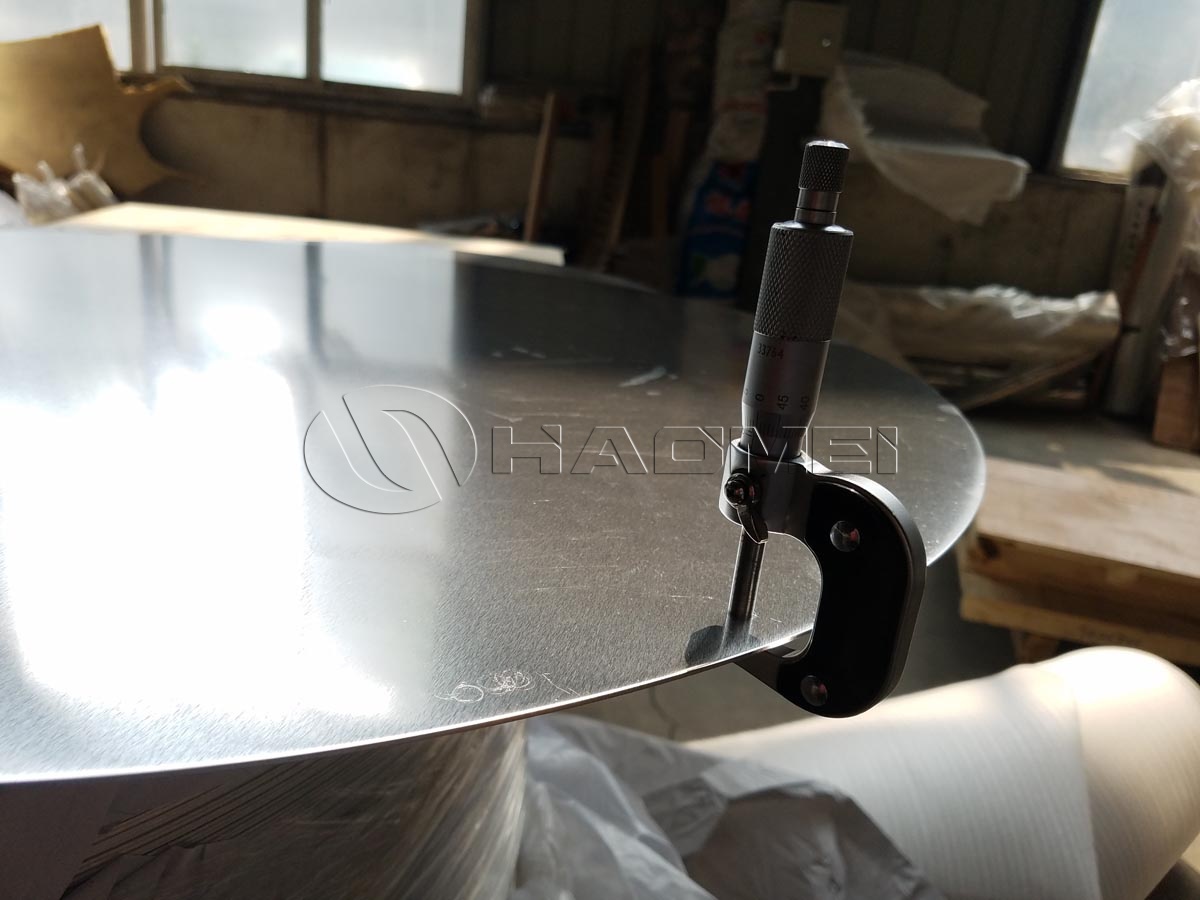
Thickness consistency is equally important. Uneven thickness can lead to unbalanced heat distribution, irregular pan walls, or variations in deep drawing behavior. Our quality control process includes thickness measurement at multiple positions across the aluminum circle disc.
Our manufacturing process begins with aluminum coil or sheet selection according to the specified alloy, temper, thickness, and finish. The material is then processed through leveling, slitting where required, blanking, inspection, interleaving, and export packing.
The core production stages include:
Raw material verification for alloy and thickness.
Surface inspection before blanking.
Precision cutting into 8-inch aluminum circle discs.
Diameter, thickness, flatness, and edge burr inspection.
Separation with protective paper or film when specified.
Palletizing and moisture-protected export packaging.
For large-volume cookware orders, we can arrange production by batch to maintain stable material characteristics. Batch traceability is managed through production records, allowing customers to identify the supplied alloy, temper, dimensions, and inspection status.
The ideal thickness depends on the cookware structure rather than the diameter alone. An 8-inch aluminum circle may be used for a lightweight single-layer pan, a coated frying pan, or a pan designed for an added induction base. Each application has different requirements.
| Frying Pan Type | Recommended Thickness Range | Material Consideration |
|---|---|---|
| Lightweight nonstick pan | 1.2-1.8 mm | 1050 or 1060, usually O temper |
| Standard household frying pan | 1.8-2.5 mm | 1050, 1060, or 3003 |
| Heavy-duty frying pan | 2.5-3.5 mm | 3003 or 3004 for improved rigidity |
| Induction-ready pan body | 2.0-3.5 mm | Thickness depends on bonded steel base design |
| Deep-sided pan | 1.8-3.0 mm | O temper preferred for drawing performance |
A thicker aluminum circle can improve heat storage and pan rigidity, but it also increases material consumption and forming load. We assist customers in balancing these factors based on their cookware design and manufacturing equipment.
Before shipment, our 8-inch aluminum circles for frying pans are inspected against the agreed specifications. Typical checks include diameter, thickness, surface appearance, flatness, edge condition, alloy identification, and packaging integrity.
The discs are normally separated with paper to reduce abrasion during transport. They are packed on wooden pallets or in wooden cases suitable for export shipment. Moisture-proof wrapping can be added for sea freight, especially for destinations with long transit periods or humid storage conditions.
As a manufacturer, we support buyers with material samples, specification confirmation, and batch-based production planning. For custom cookware programs, customers can provide drawings, required dimensions, alloy grades, temper, surface standards, and expected forming methods.
An 8-inch aluminum circle for frying pans is a key semi-finished material for reliable cookware production. Appropriate alloy selection, O temper formability, thickness control, clean surface quality, accurate diameter, and burr-controlled edges all contribute to efficient forming and consistent finished pans.
Our factory manufactures aluminum circle discs for frying pan applications with customized specifications for global cookware producers. Whether the requirement is a lightweight coated pan, a deep-drawn pan, or a thicker induction-ready cookware body, we can produce aluminum blanks matched to the relevant forming and finishing process.

Office Address:
No.14 Waihuan Road, CBD, Zhengzhou, China
Contact Us
HAOMEI Aluminum offer an custom aluminum circle for you!
whatsapp: +86-18703635966
Email: sales@alummc.com
Email: alummc@hotmail.com
Request Free Sample & Quotation
Copyright © 2026 By HAOMEI Aluminum CO., LTD. All Rights Reserved. Sitemap
 +86-18703635966
 sales@alummc.com
 8618703635966
