
 No.14 Waihuan Road, CBD, Zhengzhou, China
 +86-18703635966

No.14 Waihuan Road, CBD, Zhengzhou, China
+86-18703635966
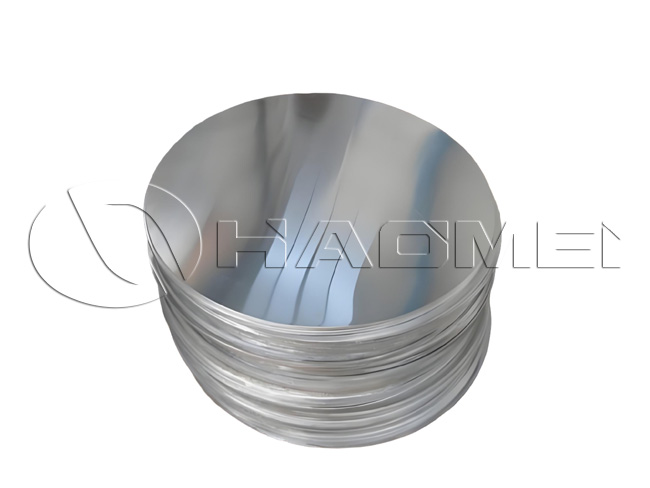
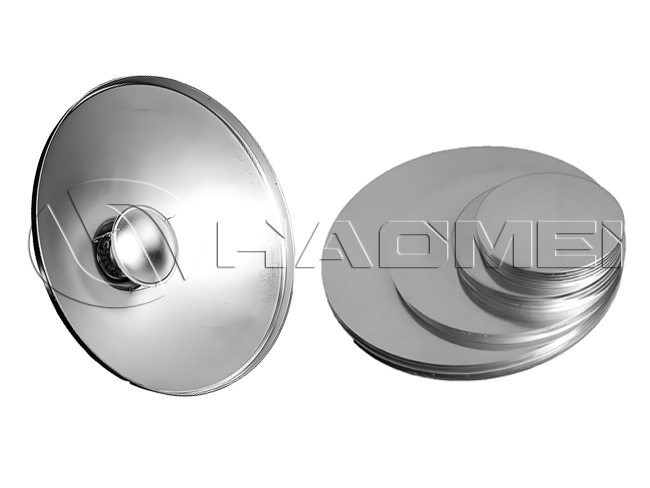
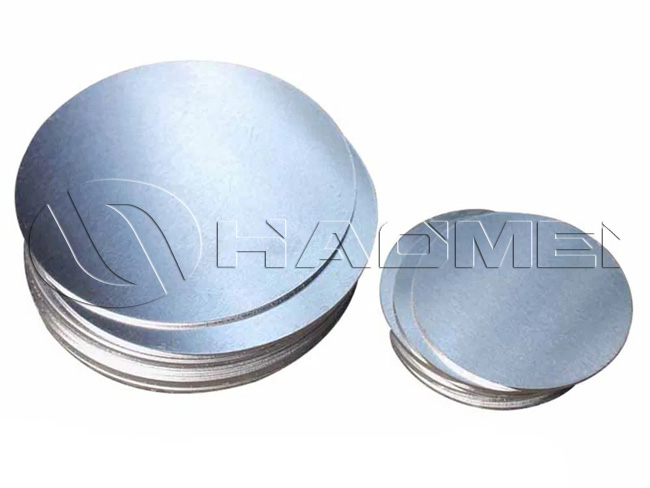
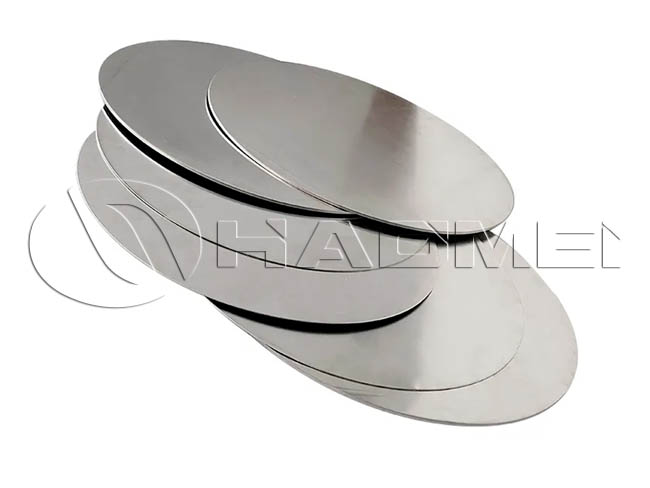
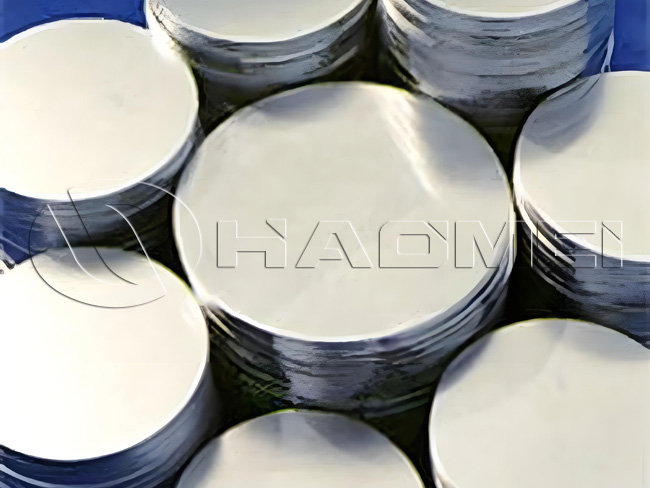
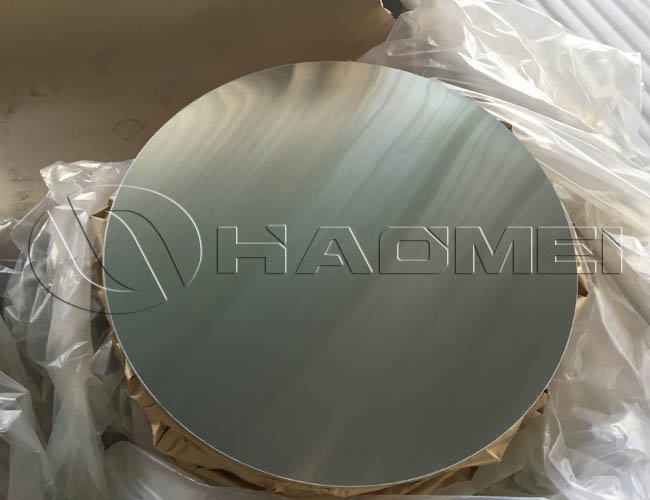
As a manufacturer of cookware aluminum materials, we produce aluminum circles for induction frying pans with controlled alloy composition, thickness tolerance, surface condition, and forming performance. These aluminum discs are used as the heat-conductive body material for frying pans and as components in composite cookware structures with magnetic induction bases.
Aluminum itself is not ferromagnetic and cannot directly respond to an induction cooktop. Therefore, an induction frying pan normally combines an aluminum pan body with a stainless steel induction plate, a ferritic stainless steel base, or a multilayer clad bottom. The aluminum circle remains essential because it provides fast and even heat transfer, low product weight, good formability, and a stable surface for non-stick coating or other finishing processes.
Our production process is designed for cookware factories that require reliable deep drawing, spinning, stamping, bonding, and coating performance. We supply aluminum circles for induction frying pans according to drawing depth, pan geometry, base construction, and downstream manufacturing requirements.
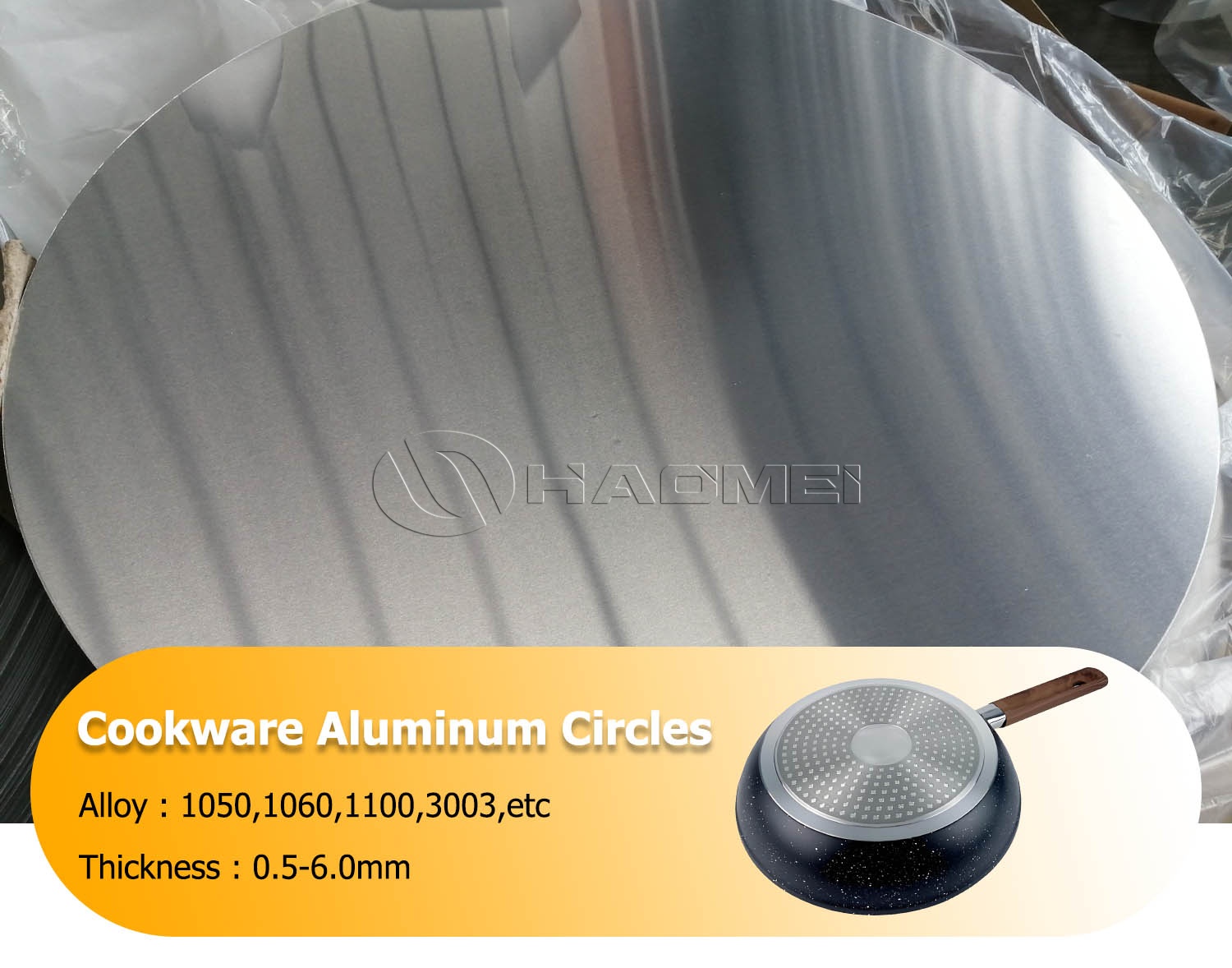
In an induction frying pan, the aluminum circle usually forms the main pan body. After drawing or spinning, it becomes the cooking cavity, sidewall, rim, and part of the bottom structure. A magnetic stainless steel disc or induction plate is then attached to the exterior base through impact bonding, brazing, adhesive bonding, welding, or other cookware manufacturing methods.
The aluminum disc for frying pan production must perform consistently in several stages:
Blank cutting and edge inspection.
Deep drawing, shallow drawing, or metal spinning.
Trimming, beading, and handle-hole punching.
Bottom bonding with an induction stainless steel plate.
Sandblasting, polishing, coating, anodizing, or non-stick application.
Final assembly and flatness inspection.
For this reason, the selection of cookware aluminum circle material should not be based only on thickness and diameter. Metallurgical condition, grain structure, surface cleanliness, edge quality, and mechanical consistency directly influence forming yield and final pan performance.
We manufacture aluminum circles in common cookware alloys, including 1050, 1060, 1070, 1100, 3003, and selected 3004 grades. The most suitable alloy depends on the pan design, drawing ratio, required strength, and bottom bonding method.
1050 and 1060 aluminum circles are widely used for general cookware because of their high aluminum content, strong thermal conductivity, and good deep drawing capability. These grades are appropriate for frying pans with moderate wall thickness and conventional forming depths. They also provide a clean substrate for non-stick coating systems after proper pretreatment.
3003 aluminum circle material contains manganese, which improves strength compared with 1xxx series alloys. It is commonly selected for frying pans that require better deformation resistance, stronger sidewalls, or improved durability during fabrication. For many induction cookware programs, 3003 offers a practical balance between formability and structural strength.
For deeper or more demanding pan profiles, 3004 may be considered where higher strength is needed. Material selection should be confirmed according to drawing depth, tooling condition, wall-thinning allowance, and the design of the induction base.
| Alloy | Typical Temper | Main Characteristics | Common Frying Pan Application |
|---|---|---|---|
| 1050 | O, H14 | High conductivity, excellent ductility | Light-duty and standard coated frying pans |
| 1060 | O, H14 | Good formability, clean surface, stable processing | Deep-drawn cookware bodies |
| 1100 | O, H14 | Good corrosion resistance and forming performance | General cookware and spun pans |
| 3003 | O, H14, H24 | Higher strength with good workability | Durable frying pans and induction pan bodies |
| 3004 | O, H14, H24 | Improved strength for demanding shapes | Deep or reinforced cookware designs |
Our aluminum circles for induction frying pans can be manufactured to customer drawings and process specifications. The following ranges represent commonly supplied cookware material dimensions.
| Parameter | Typical Range | Notes |
|---|---|---|
| Alloy | 1050, 1060, 1070, 1100, 3003, 3004 | Selected according to forming and strength requirements |
| Temper | O, H12, H14, H16, H24 | O temper is commonly used for deep drawing |
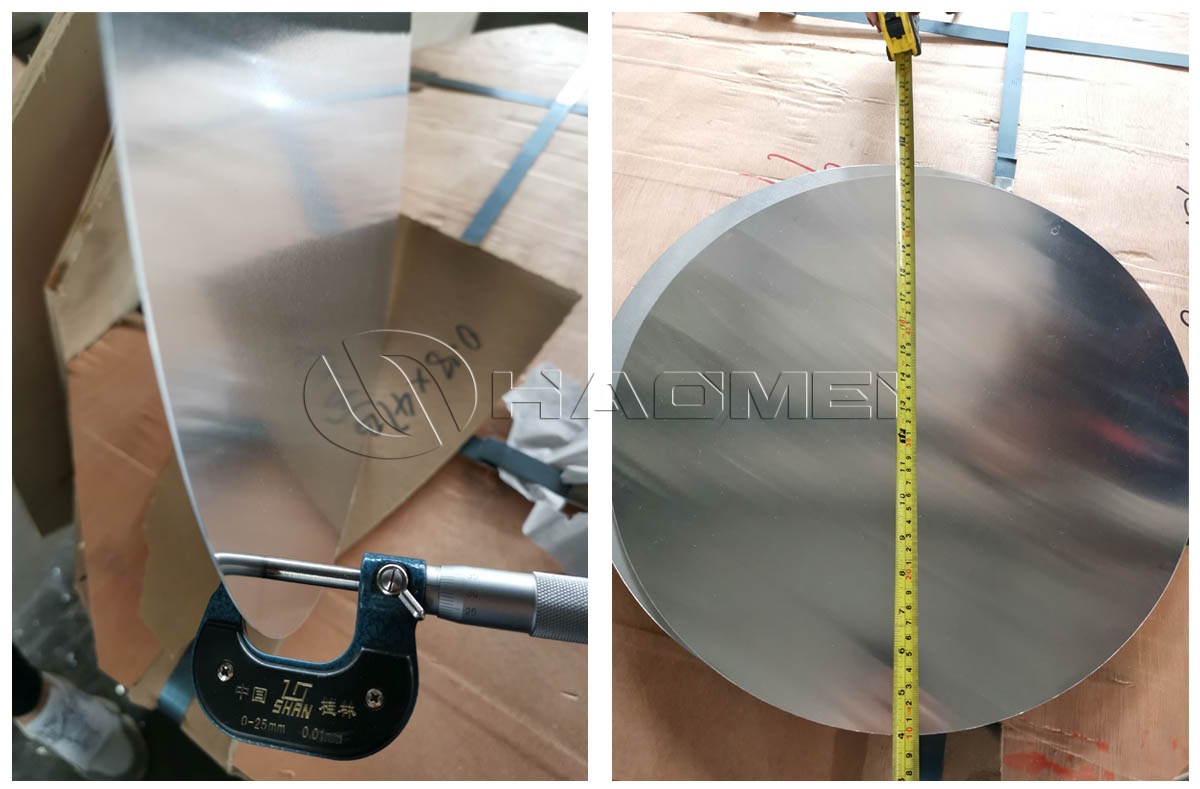
| Diameter | 100 mm to 1200 mm | Custom diameters available upon evaluation |
| Thickness | 0.60 mm to 6.00 mm | Depends on pan size and base construction |
| Diameter tolerance | As agreed by specification | Controlled for blanking and tooling compatibility |
| Thickness tolerance | As agreed by specification | Verified by batch inspection |
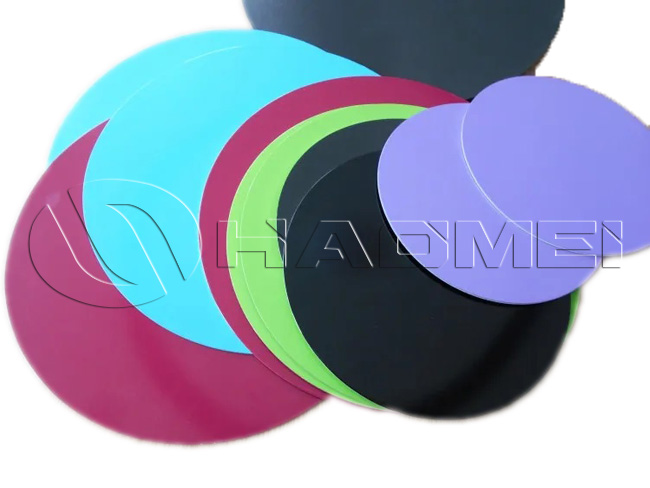
| Surface finish | Mill finish, brushed, polished, coated-ready | Selected for downstream processing |
| Edge condition | Deburred, smooth-cut edge | Important for safe handling and stable forming |
| Flatness | Controlled by product specification | Important for bonding and stamping operations |
| Packaging | Paper interleaving, export pallet, protective wrapping | Designed to reduce transit damage and oxidation risk |
For cookware applications, dimensions should be evaluated together with the forming route. A 280 mm frying pan, for example, may require a larger starting blank depending on wall angle, drawing depth, rim design, and trimming allowance. Our technical team can review blank diameter and material condition based on the finished pan drawing.
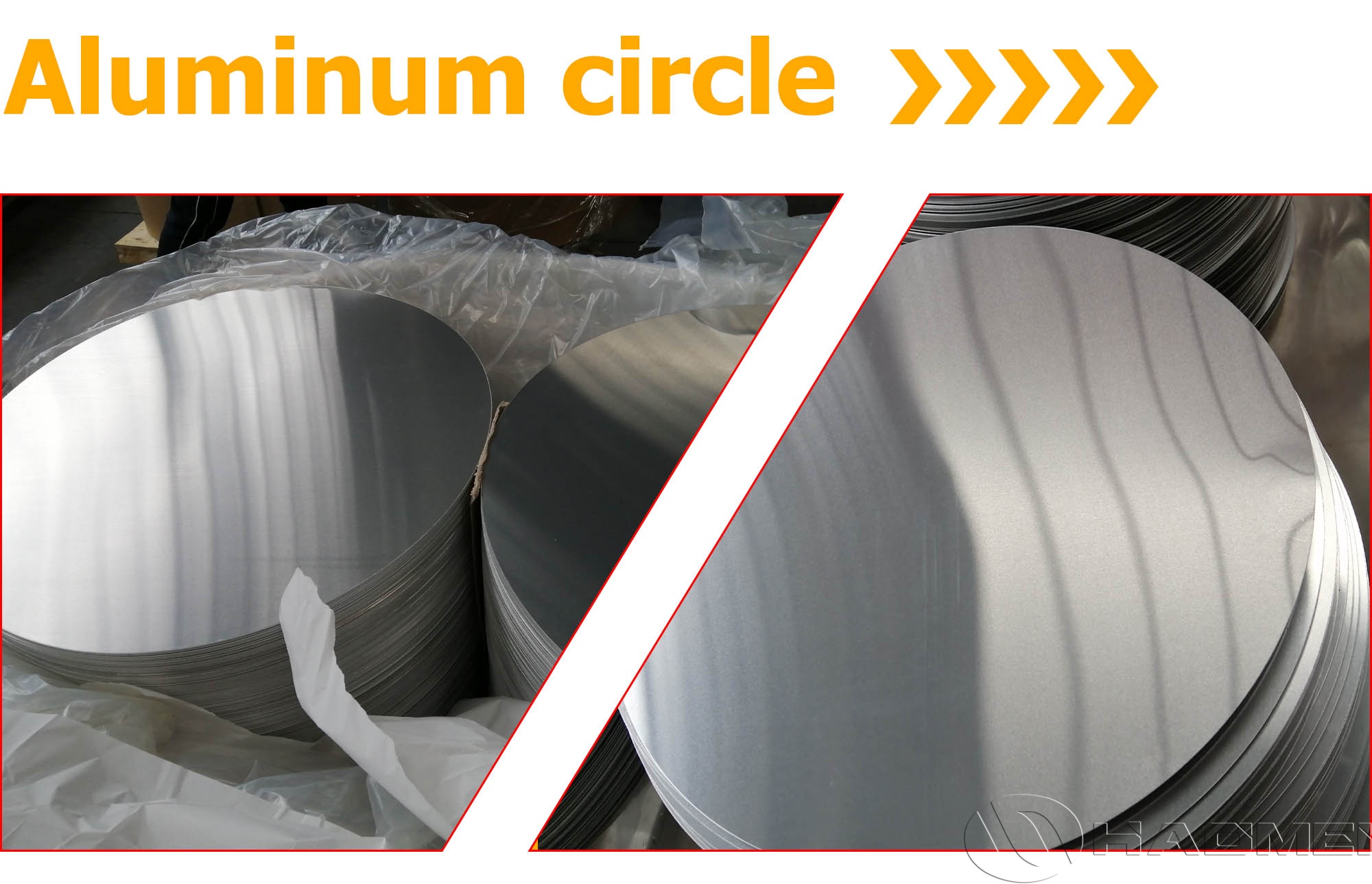
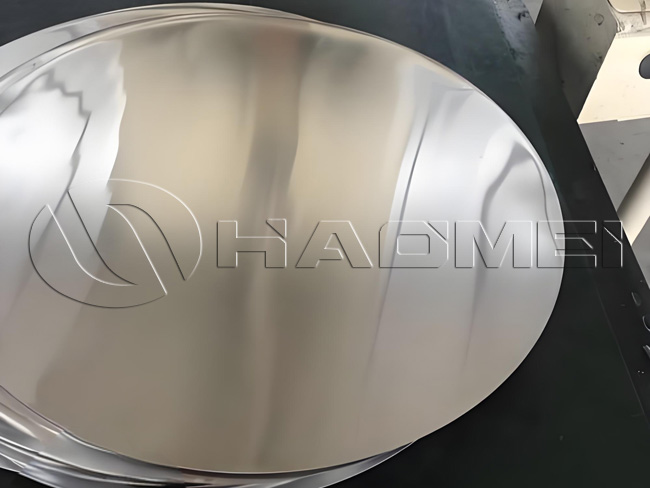
Surface quality is particularly important for aluminum circles used in non-stick induction frying pans. Surface defects can become visible after sandblasting, coating, polishing, or anodizing. They can also affect coating adhesion and the appearance of the final cookware product.
We control the production process to minimize defects such as scratches, oil stains, dents, roller marks, edge burrs, oxide spots, and embedded foreign particles. For coated cookware, customers may specify a surface suitable for pre-treatment and non-stick coating. For polished or decorative cookware, more stringent visual surface requirements can be applied.
Each cookware aluminum circle is inspected according to agreed quality criteria. We can conduct dimensional verification, visual inspection, surface cleanliness checks, hardness testing, and material identification as required by the order specification.
Deep drawing is one of the most important processes in frying pan manufacturing. During drawing, the aluminum circle must flow uniformly into the die without cracking, excessive wrinkling, earing, or uneven wall thinning. The material needs sufficient elongation and an appropriate annealed grain structure.
For deep-drawn frying pans, O temper aluminum circles are generally preferred because they provide maximum ductility. However, the correct temper must be selected with the complete production process in mind. Some manufacturers use a softer initial material for drawing and then apply subsequent shaping, hardening, or bottom bonding processes.
Our manufacturing controls include rolling process management, annealing control, blanking accuracy, and final inspection. These measures help maintain stable behavior from batch to batch, which is important for automated cookware production lines.
For applications requiring high forming reliability, we recommend reviewing our Aluminum Circles for Cookware specifications together with the pan drawing, forming method, and target output volume.
The induction function of a frying pan is created by a ferromagnetic component, not by the aluminum body alone. In a typical construction, an aluminum pan body produced from a circle blank is combined with a ferritic stainless steel plate or a stainless steel induction disc on the exterior bottom.
The aluminum material must support stable bonding conditions. A flat and clean bottom area is important for consistent contact between the aluminum body and the magnetic base. Thickness consistency also helps control heat distribution and reduce deformation after bonding and repeated heating cycles.
When selecting aluminum circle thickness, cookware manufacturers should consider the following factors:
Diameter and capacity of the frying pan.
Type and thickness of the induction stainless steel base.
Bottom bonding process and bonding pressure.
Desired thermal response and heat retention.
Non-stick coating system and curing temperature.
Final flatness requirements for induction cooktops.
For heavy-gauge pan bodies or applications with demanding thermal requirements, a Hot Rolled Aluminum Circle may be suitable due to its stable internal structure and availability in thicker gauges.
Our aluminum circle production begins with qualified aluminum coil or sheet stock. Material is processed through rolling, annealing, leveling, slitting where required, and precision blanking. The circles are then inspected, separated with protective interleaving materials, and packed for export shipment.
Key manufacturing controls include:
Chemical composition verification for alloy compliance.
Thickness monitoring during rolling and final inspection.
Temper control through managed annealing parameters.
Precision blanking to obtain round geometry and clean edges.
Surface protection during handling and packaging.
Batch traceability from raw material to finished aluminum discs.
We understand that cookware production lines depend on repeatable material behavior. Our objective is to provide aluminum circles that run smoothly through drawing, spinning, coating, and induction base assembly operations.
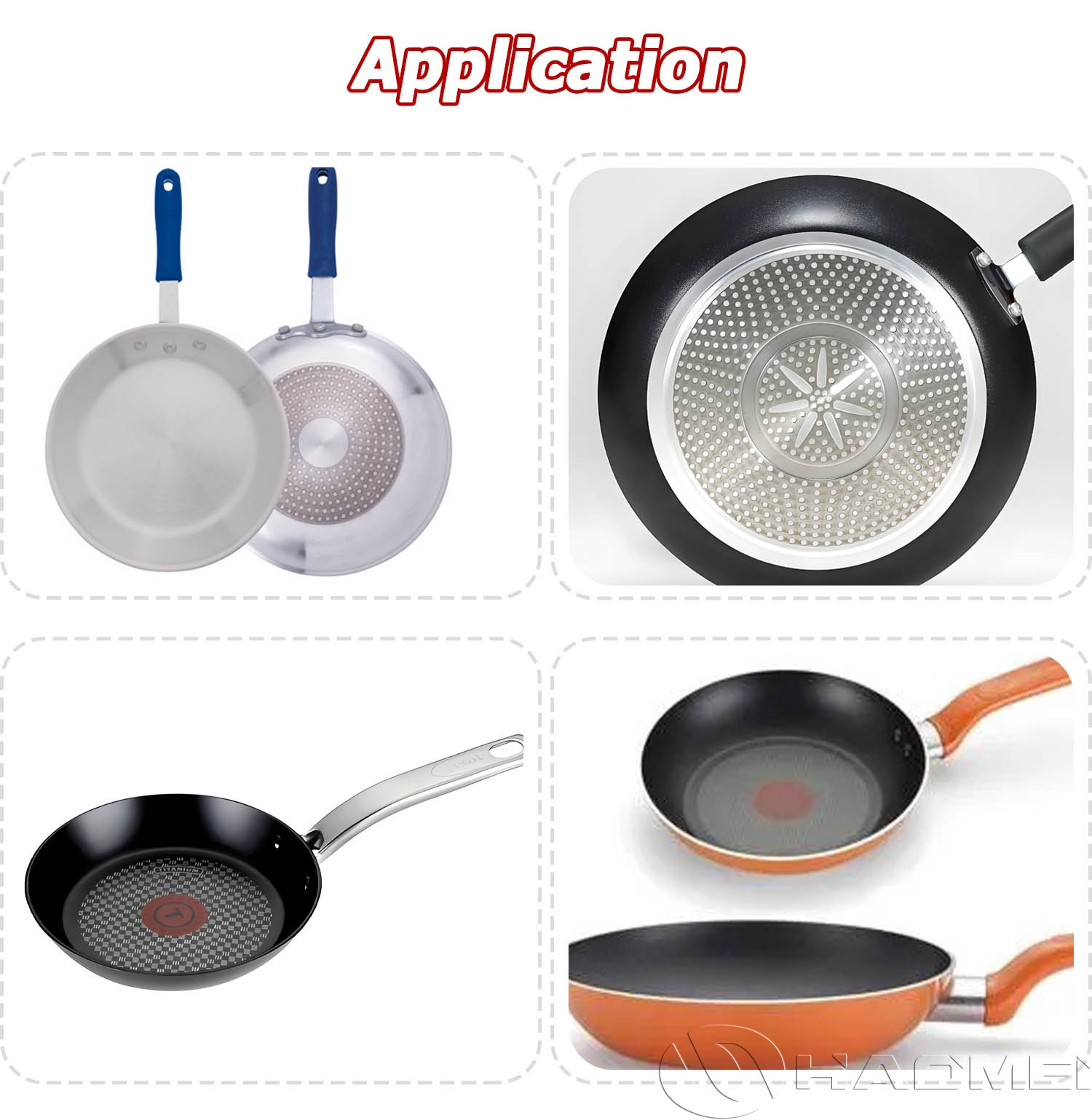
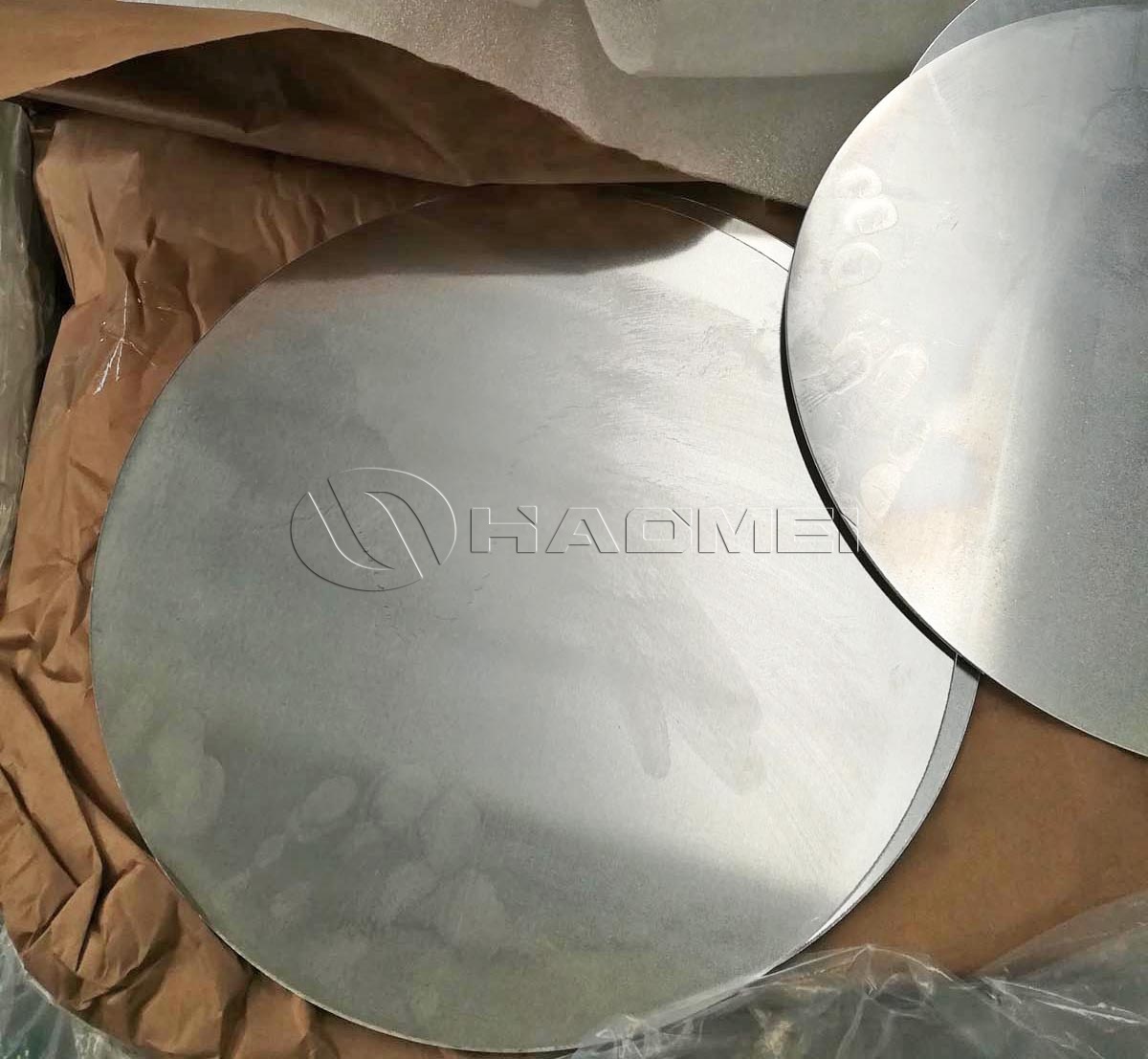
Aluminum circles are susceptible to scratches, moisture exposure, and edge damage if packaging is not properly managed. For export orders, we use paper interleaving between discs, protective wrapping, reinforced pallets, and secure strapping based on product diameter, thickness, and shipment method.
Packaging can be adapted for manual handling, automated feeding equipment, container loading, or customer warehouse requirements. Where required, labels can include alloy, temper, size, batch number, quantity, and customer purchase order reference for traceability.
Aluminum circles for induction frying pans are a critical material for producing lightweight, thermally efficient, and durable cookware bodies. Although the induction capability is supplied by a magnetic stainless steel base, the aluminum circle determines much of the pan's forming performance, heat distribution, coating quality, and structural consistency.
As a cookware aluminum circle manufacturer, we supply alloys, tempers, dimensions, and surface conditions tailored to frying pan production. By matching the aluminum disc to the pan design, drawing process, and induction base system, cookware manufacturers can improve production stability and maintain consistent finished product quality.


Office Address:
No.14 Waihuan Road, CBD, Zhengzhou, China
Contact Us
HAOMEI Aluminum offer an custom aluminum circle for you!
whatsapp: +86-18703635966
Email: sales@alummc.com
Email: alummc@hotmail.com
Request Free Sample & Quotation
Copyright © 2026 By HAOMEI Aluminum CO., LTD. All Rights Reserved. Sitemap
 +86-18703635966
 sales@alummc.com
 8618703635966
