
 No.14 Waihuan Road, CBD, Zhengzhou, China
 +86-18703635966

No.14 Waihuan Road, CBD, Zhengzhou, China
+86-18703635966
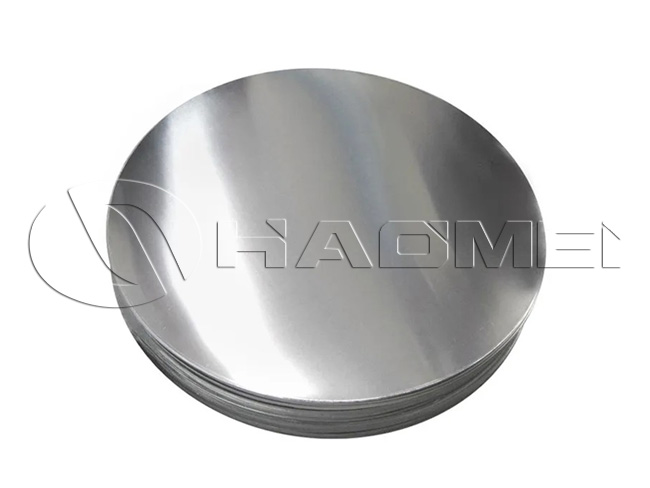
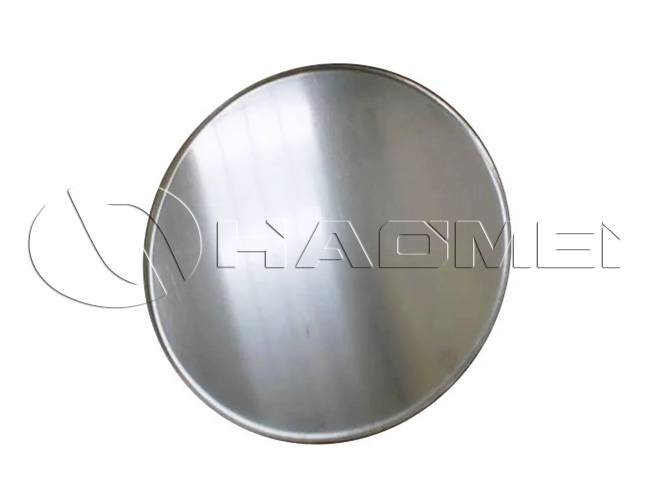
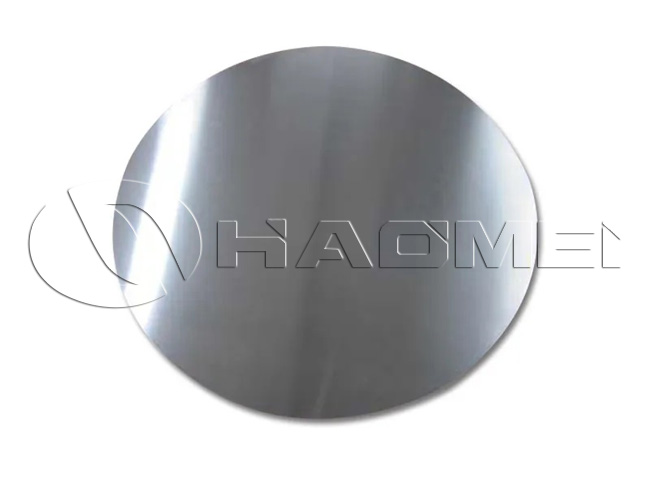
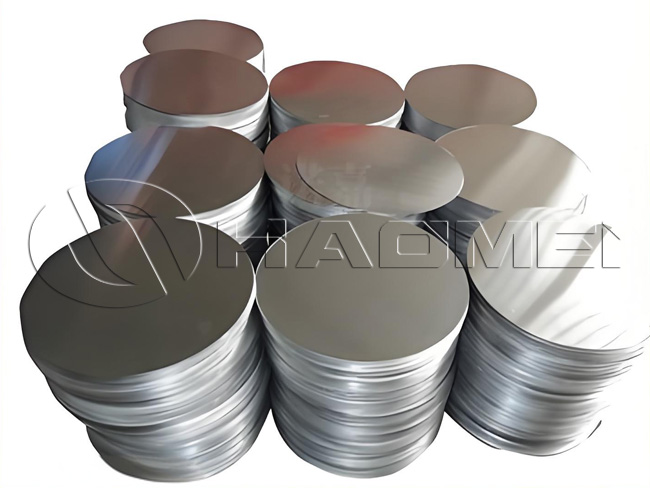
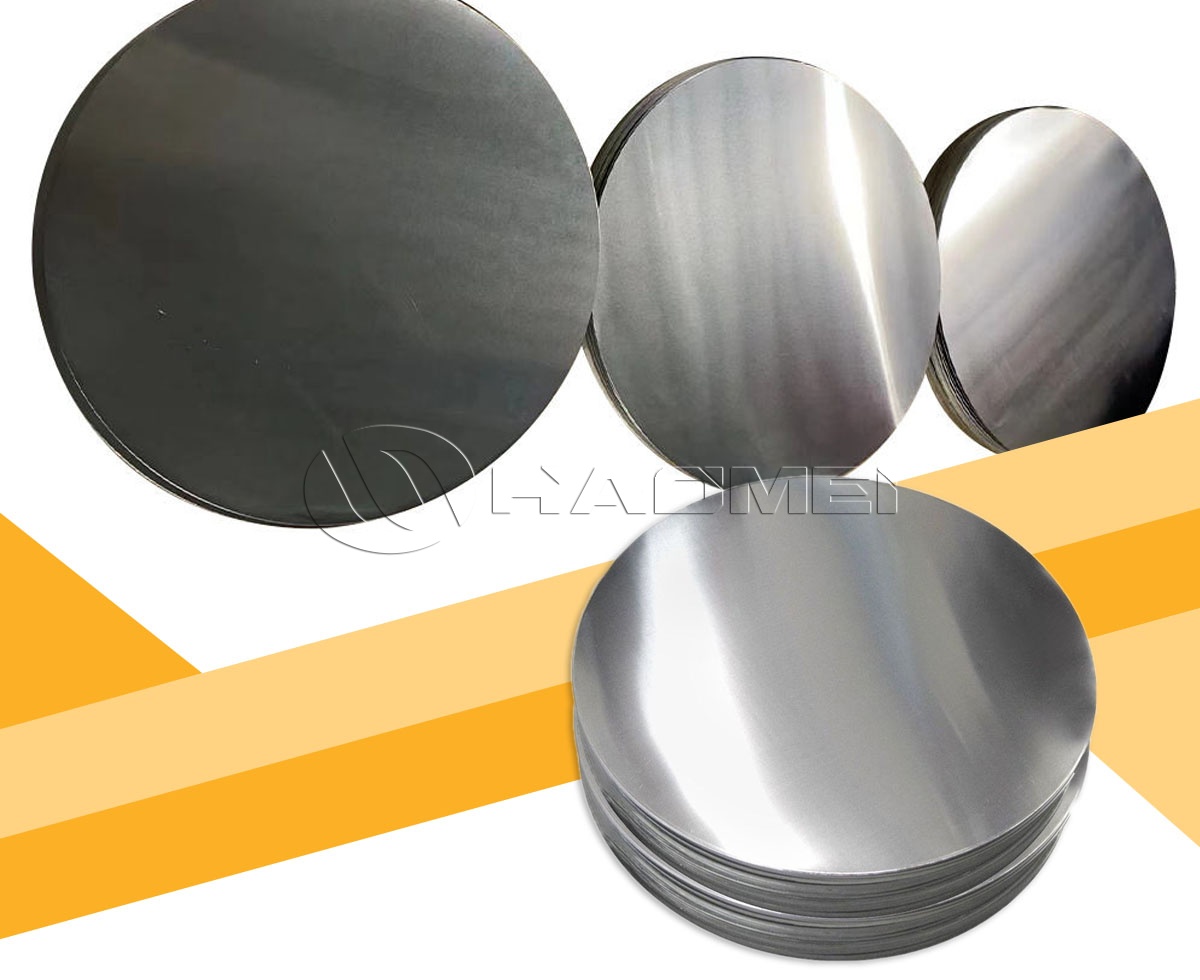
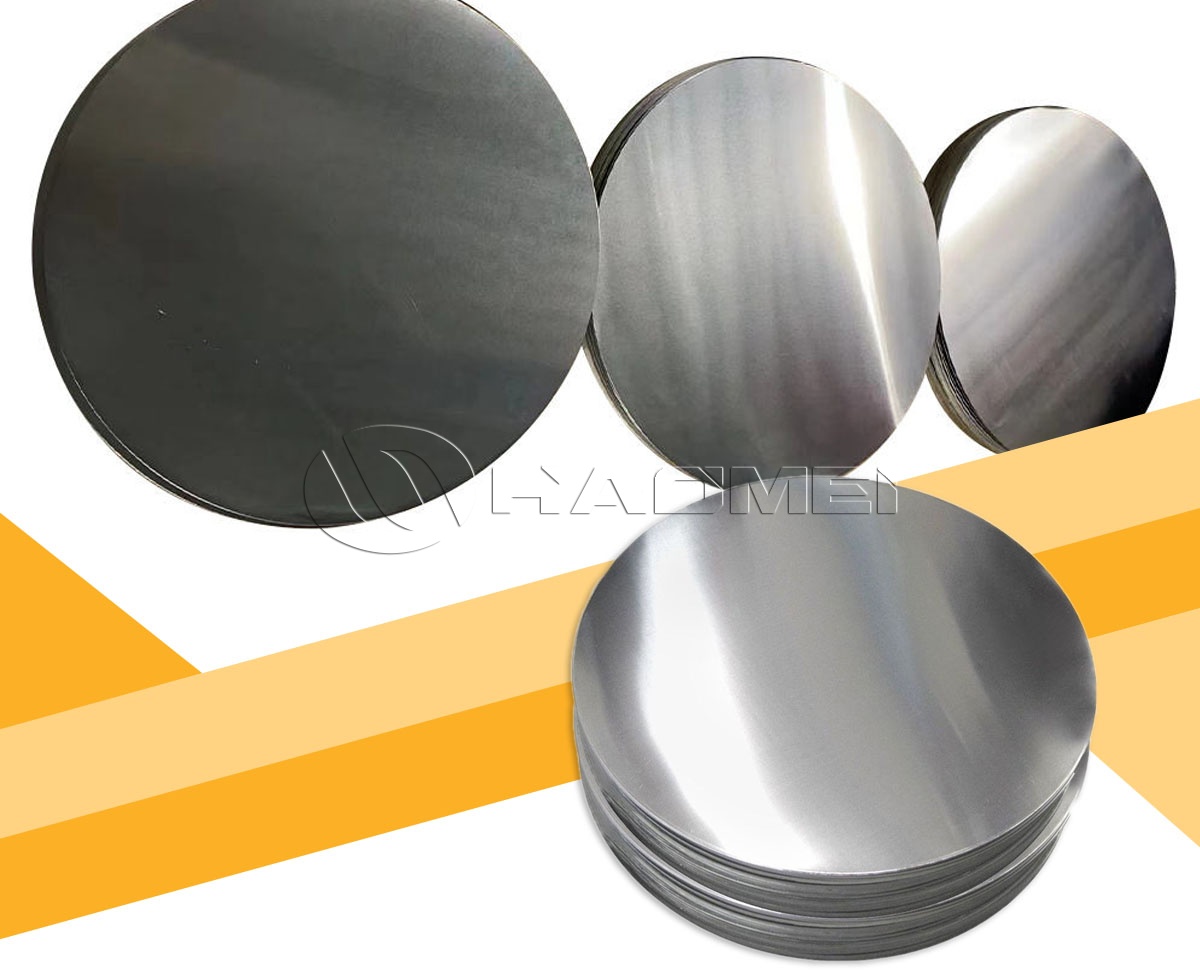
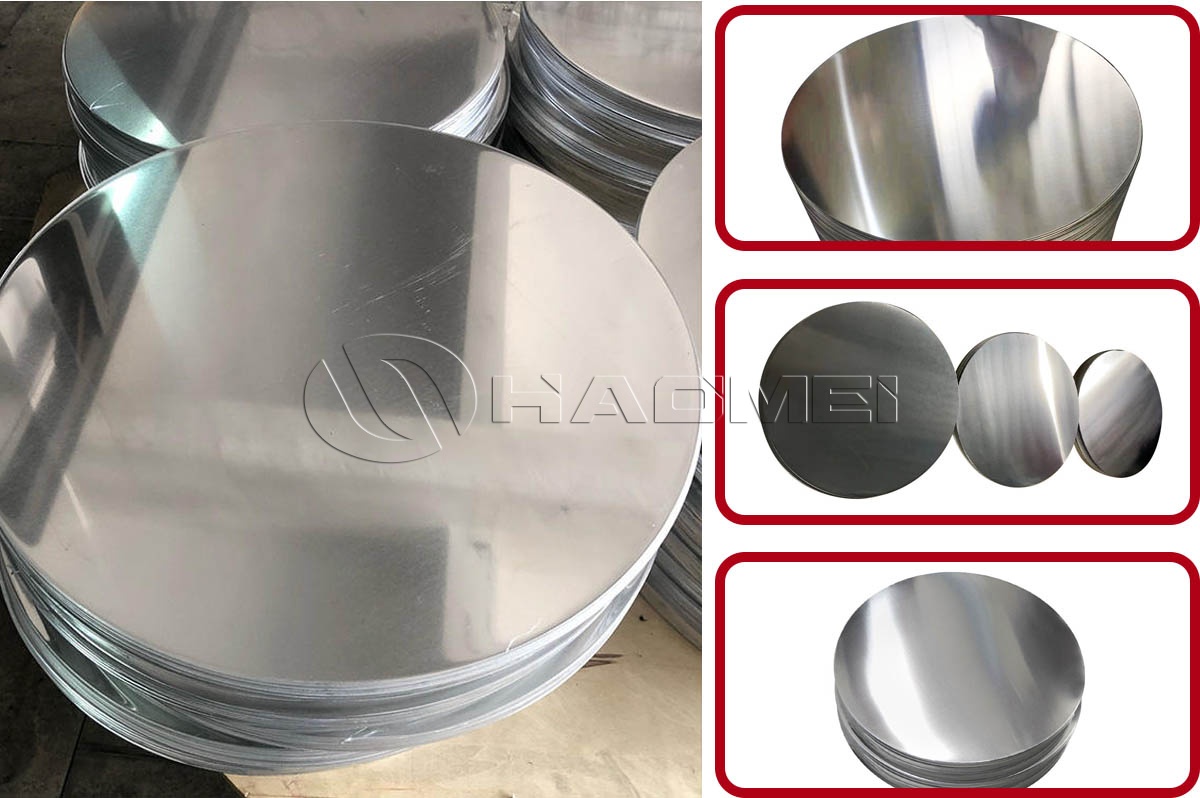
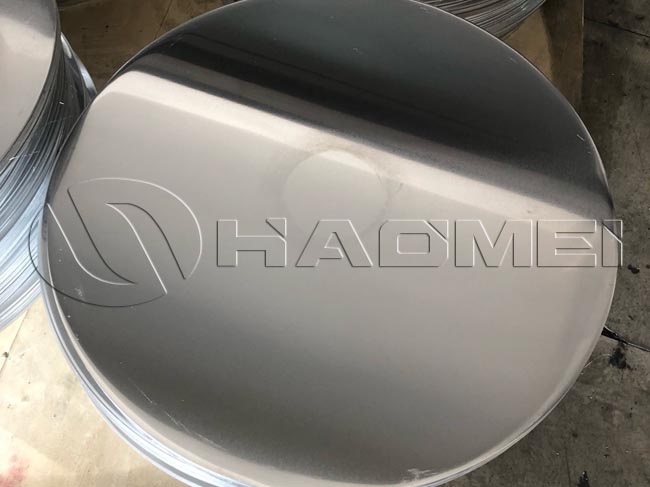
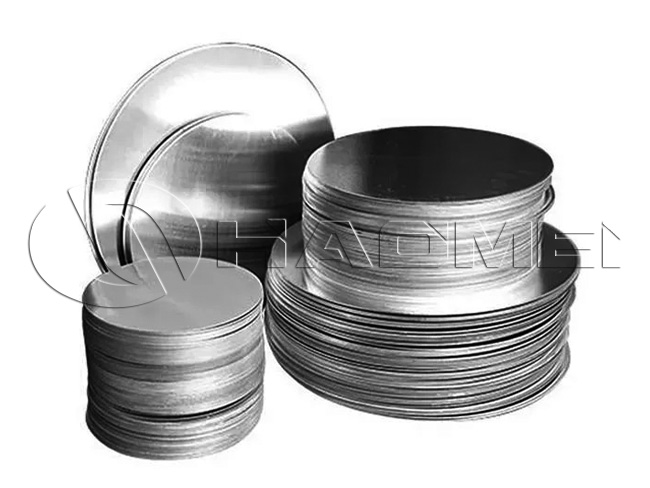
As an aluminum circle manufacturer, we produce 1050 H14 aluminum circles specifically for cookware forming processes such as deep drawing, spinning, and stamping. In cookware production, the disc is not a simple semi-finished product. Its alloy purity, temper stability, surface condition, thickness tolerance, and edge quality directly determine forming yield, appearance after anodizing or coating, and overall unit cost.
1050 aluminum is a commercially pure aluminum (typical Al content 99.5 percent), selected for cookware because it offers excellent thermal conductivity, reliable formability, and predictable surface behavior. The H14 temper provides a controlled balance between strength and ductility, helping manufacturers achieve consistent draw depth while maintaining dimensional stability and reducing distortion risk in subsequent processes.
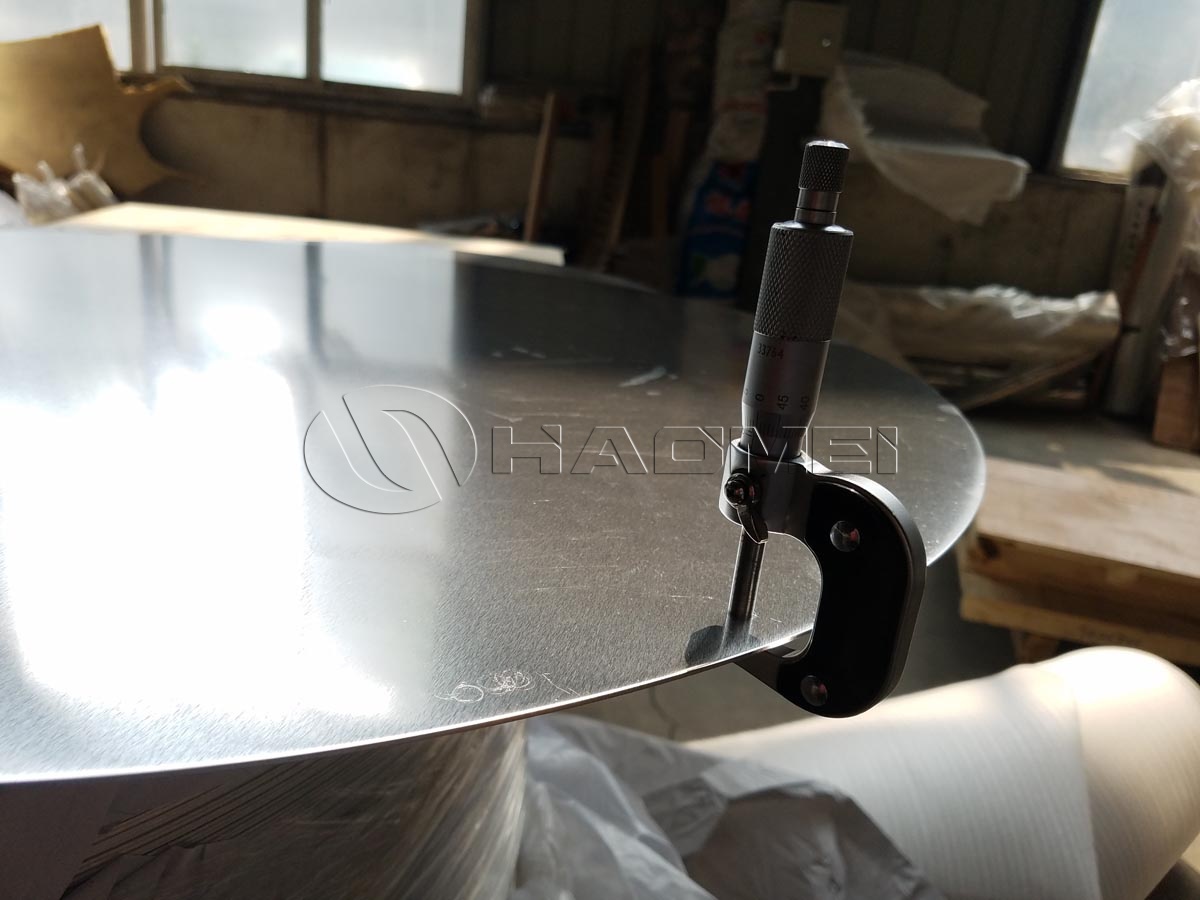
Cookware performance depends strongly on heat spreading and response. 1050 aluminum circle delivers high thermal conductivity, improving uniform heating across the base and sidewalls. For cookware bodies that will be anodized, coated, or laminated, a stable and uniform substrate reduces reject rates and improves coating adhesion consistency.
Cookware shapes often require multiple forming stages. Our 1050 H14 aluminum circle for cookware is designed to support:
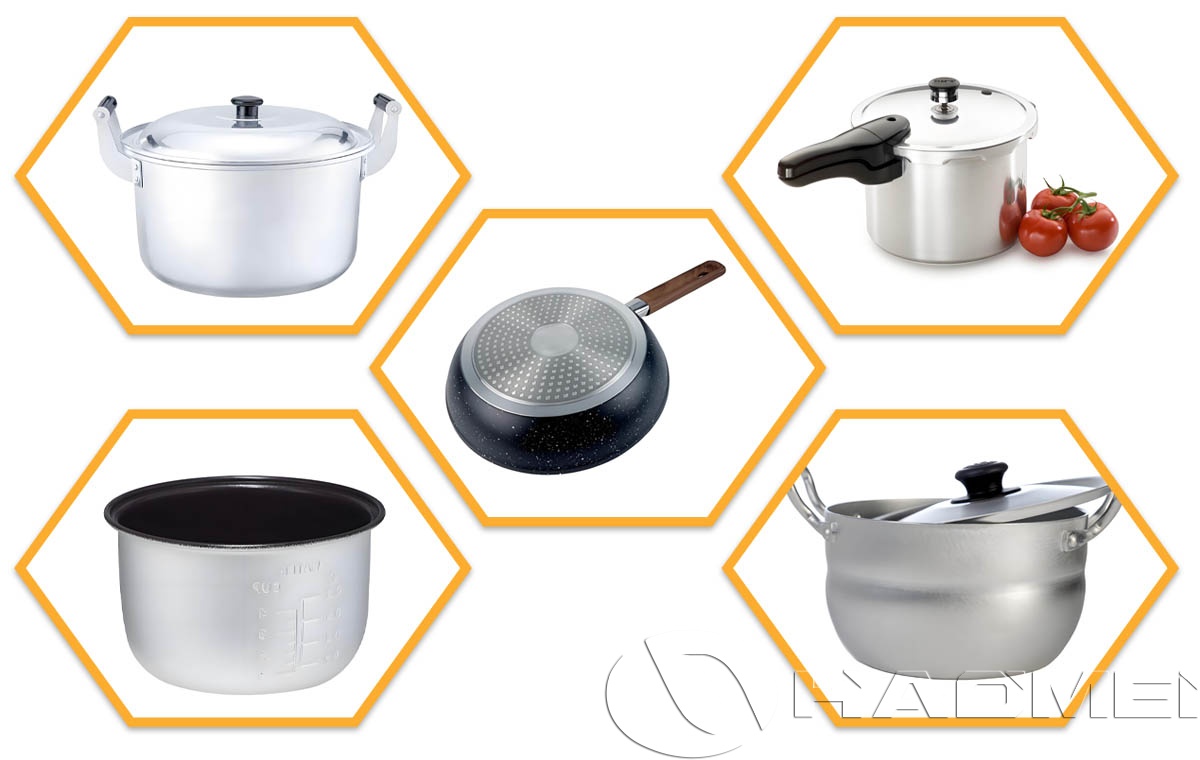
Deep drawing for pots, pressure cooker bodies, and rice cooker inner pots
Metal spinning for kettles, saucepans, and bowls
Stamping and shallow drawing for lids and small parts
The H14 temper is commonly chosen when customers need a more stable blank than full soft temper while still maintaining sufficient elongation for many cookware geometries.
For many cookware lines, 1050 provides an effective balance of performance and material cost. When combined with controlled processing and strict QC, 1050 H14 aluminum discs deliver competitive cost per formed piece by lowering scrap, reducing surface-related defects, and maintaining consistent forming behavior across batches.
The table below summarizes our typical manufacturing range and control items for 1050 H14 aluminum circles used in cookware.
| Item | Specification / Capability |
|---|---|
| Alloy | 1050 (EN AW-1050A available upon request) |
| Temper | H14 |
| Product form | Aluminum circle, aluminum disc, cookware blank |
| Thickness range | 0.30 mm to 6.00 mm |
| Diameter range | 80 mm to 1200 mm |
| Thickness tolerance | Typical: +/- 0.02 mm to +/- 0.08 mm (depends on thickness) |
| Diameter tolerance | Typical: +/- 0.2 mm to +/- 1.0 mm (depends on diameter) |
| Surface quality | Clean, uniform, oil-controlled, suitable for coating or anodizing |
| Edge quality | Deburred, smooth edge, controlled burr height |
| Flatness | Controlled per thickness and diameter for stable feeding and forming |
| Grain structure | Controlled for forming consistency (drawing and spinning) |
| Applicable processes | Deep drawing, spinning, stamping, anodizing, non-stick coating |
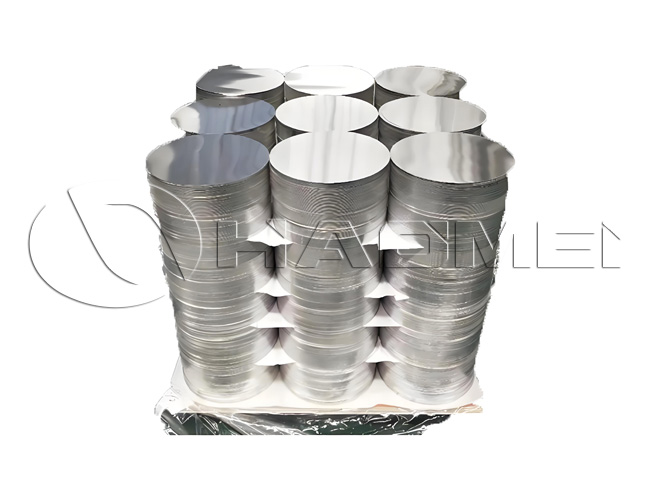
| Packing | Paper interleaf or PE film, vertical or horizontal packing, palletized |
| Compliance (on request) | RoHS, REACH, food-contact declarations per customer market |
Note: Final parameters are confirmed by purchase specification, intended forming method, and downstream surface treatment.
As a factory, we control the critical steps that determine the end-user forming yield.
Consistent chemistry and low inclusion content are essential for surface stability. We source verified 1000 series feedstock and maintain traceability from coil/batch to finished circles.
H14 properties are achieved through controlled rolling reduction and stabilization. We maintain process windows that minimize coil-to-coil variation, supporting predictable draw behavior.
Cookware forming is sensitive to edge defects. We use dedicated circle cutting lines and apply edge deburring to reduce burr-related tearing, tool marking, and die wear.
For non-stick and anodized cookware, surface cleanliness is a leading quality driver. We manage residual rolling oil and handling marks, and we can align packaging to customer cleaning line capability.
Cookware manufacturers often evaluate aluminum disc suppliers on practical outcomes: draw depth stability, ear formation, surface appearance after finishing, and feeding performance.
We typically support the following controls:
Visual inspection standards for scratches, pits, roll marks, and handling lines
Burr height control to limit die damage and reduce edge cracking
Thickness mapping and gauge verification for consistent forming
Mechanical property verification when required by customer specification
Batch traceability and COA documentation
For customers transitioning from other alloys or tempers, we can run sampling based on your tooling, draw ratio, and finishing route.
1050 H14 aluminum circles are commonly used for:
Frying pans and saute pans (spun or stamped bodies)
Saucepan bodies and lids
Pressure cooker components (depending on design and validation)
Kettles and bowls
Inner pots requiring consistent anodizing response
If your product requires higher strength, different draw performance, or different anodizing behavior, we also manufacture related 1000 series grades, and we can propose suitable alternatives based on your forming route.
To reduce qualification time and improve first-pass yield, we recommend confirming the following items in your inquiry:
Alloy and temper: 1050 H14
Thickness and diameter, including tolerances if your tooling is sensitive
Forming process: deep drawing, spinning, stamping, number of draws
Surface requirement: mill finish, anodizing grade, or coating grade
Edge requirement: burr limit, deburred edge, and preferred cutting method
Packaging and logistics: vertical or horizontal packing, pallet type, moisture protection
When these details are aligned early, the supplied aluminum disc stock matches your actual forming and finishing conditions, not only nominal dimensions.
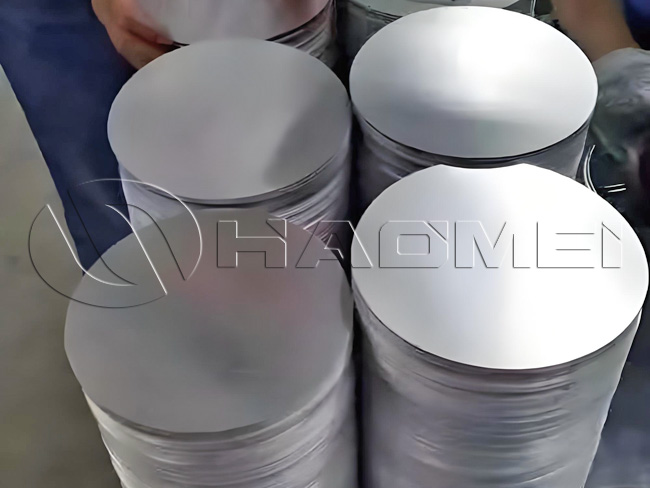
Cookware blanks are easily affected by impact damage during transportation. We offer packing configurations designed to protect edges, reduce abrasion, and improve warehouse handling.
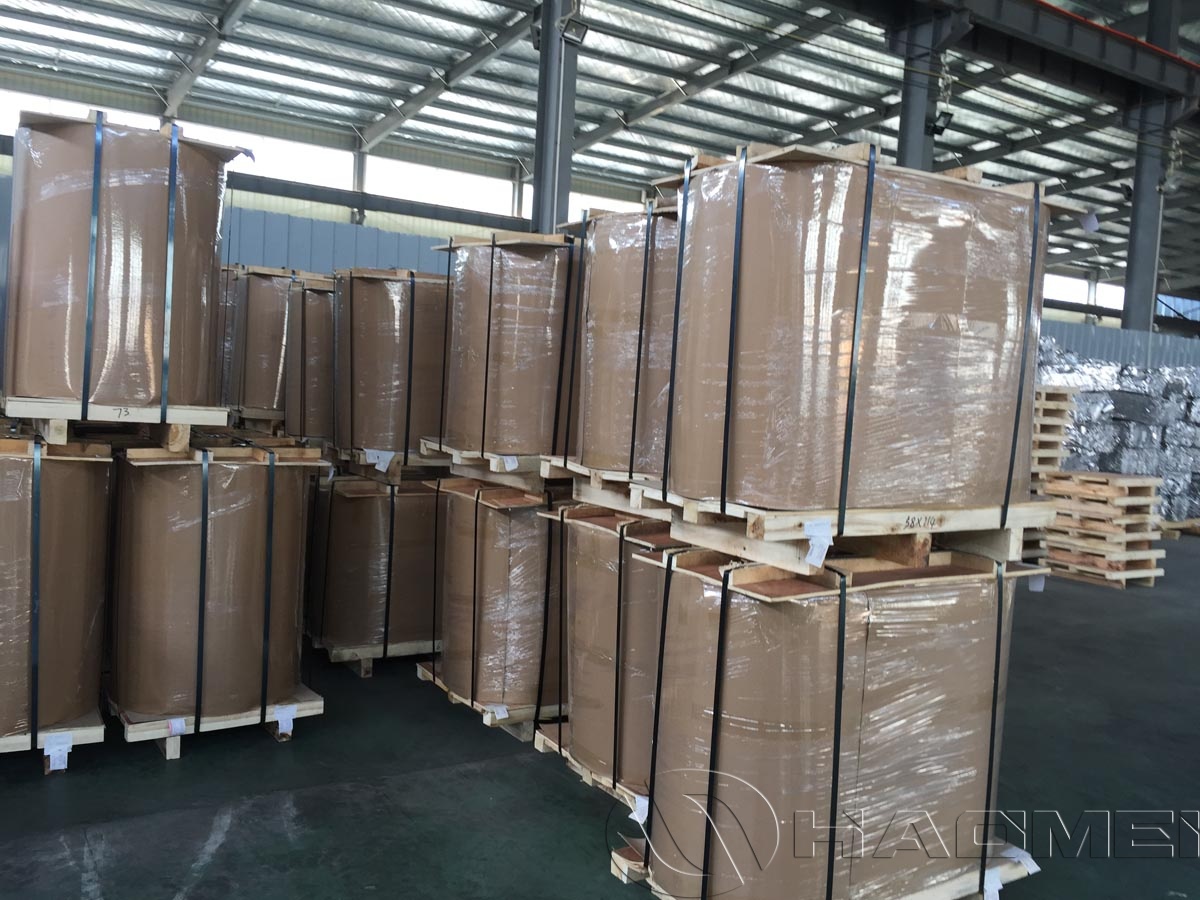
Typical packaging options include:
Interleaved paper between layers to reduce friction
PE film or protective paper for surface protection
Vertical packing for improved edge protection on higher-volume shipments
Palletized export packing with strapping and corner protection
Packaging is selected based on disc diameter, thickness, and your feeding method.
From a production standpoint, cost effectiveness is achieved when the material supports stable processing at scale. Our focus is to deliver:
Consistent temper and thickness control to stabilize forming behavior
Smooth edges and controlled burr to reduce cracking and tool wear
Surface discipline suitable for non-stick coating or anodizing
Traceability and documentation aligned with export and OEM requirements
1050 H14 aluminum circles for cookware are selected when you need a reliable forming substrate with strong thermal performance and controlled mechanical properties at a competitive material cost. As a manufacturer, we support customized diameter and thickness ranges, cookware-grade quality control, and packing options designed for safe export shipment and efficient production feeding.
To confirm suitability for your cookware model, we recommend sharing your target thickness and diameter, forming method and draw depth, and surface treatment route. We will respond with a matching production proposal, tolerance recommendation, and sampling plan based on your process requirements.

Office Address:
No.14 Waihuan Road, CBD, Zhengzhou, China
Contact Us
HAOMEI Aluminum offer an custom aluminum circle for you!
whatsapp: +86-18703635966
Email: sales@alummc.com
Email: alummc@hotmail.com
Request Free Sample & Quotation
Copyright © 2026 By HAOMEI Aluminum CO., LTD. All Rights Reserved. Sitemap
 +86-18703635966
 sales@alummc.com
 8618703635966
