
 No.14 Waihuan Road, CBD, Zhengzhou, China
 +86-18703635966

No.14 Waihuan Road, CBD, Zhengzhou, China
+86-18703635966
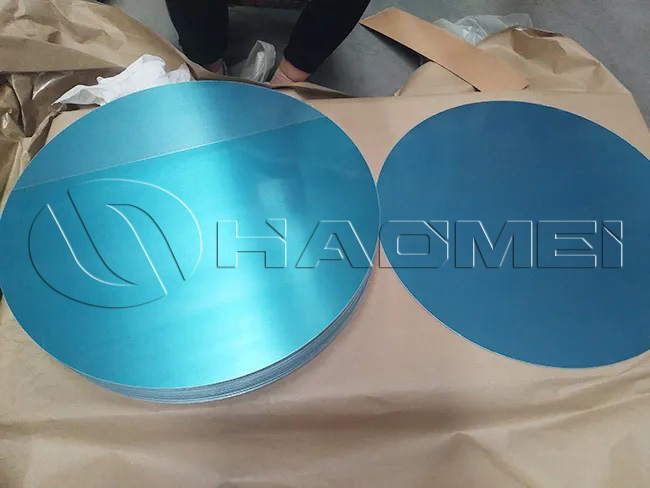
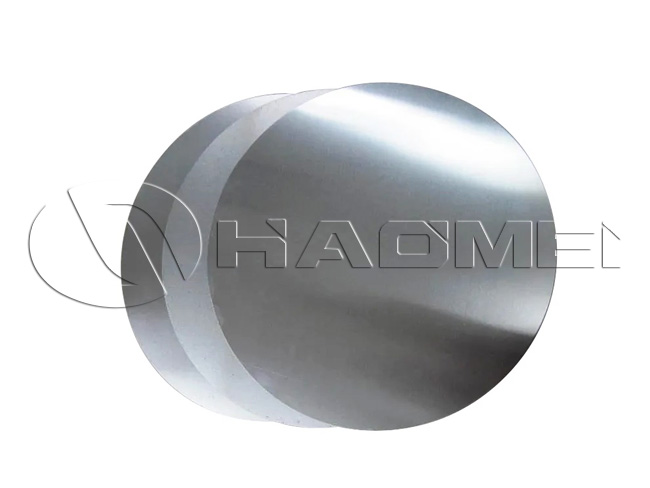
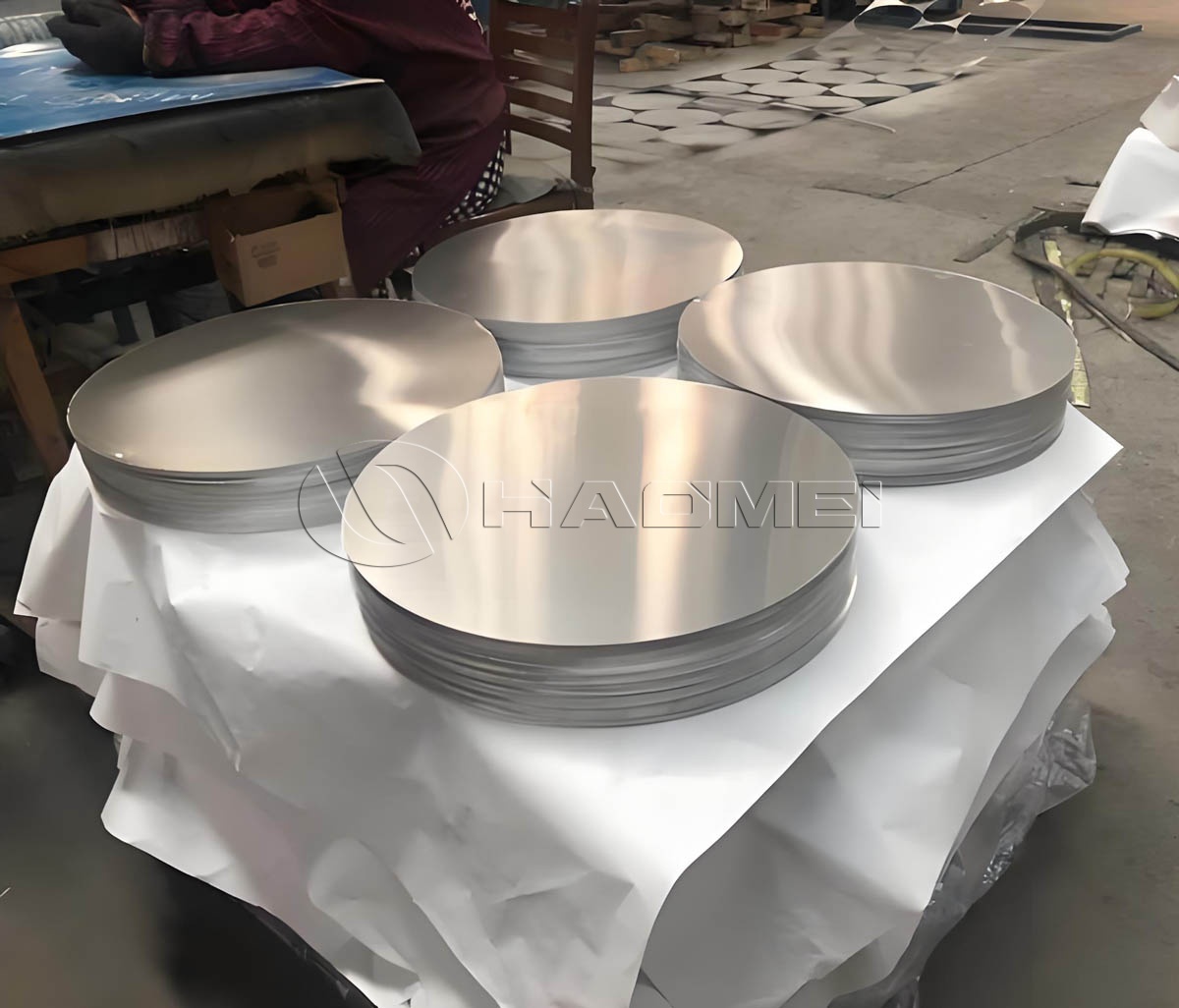
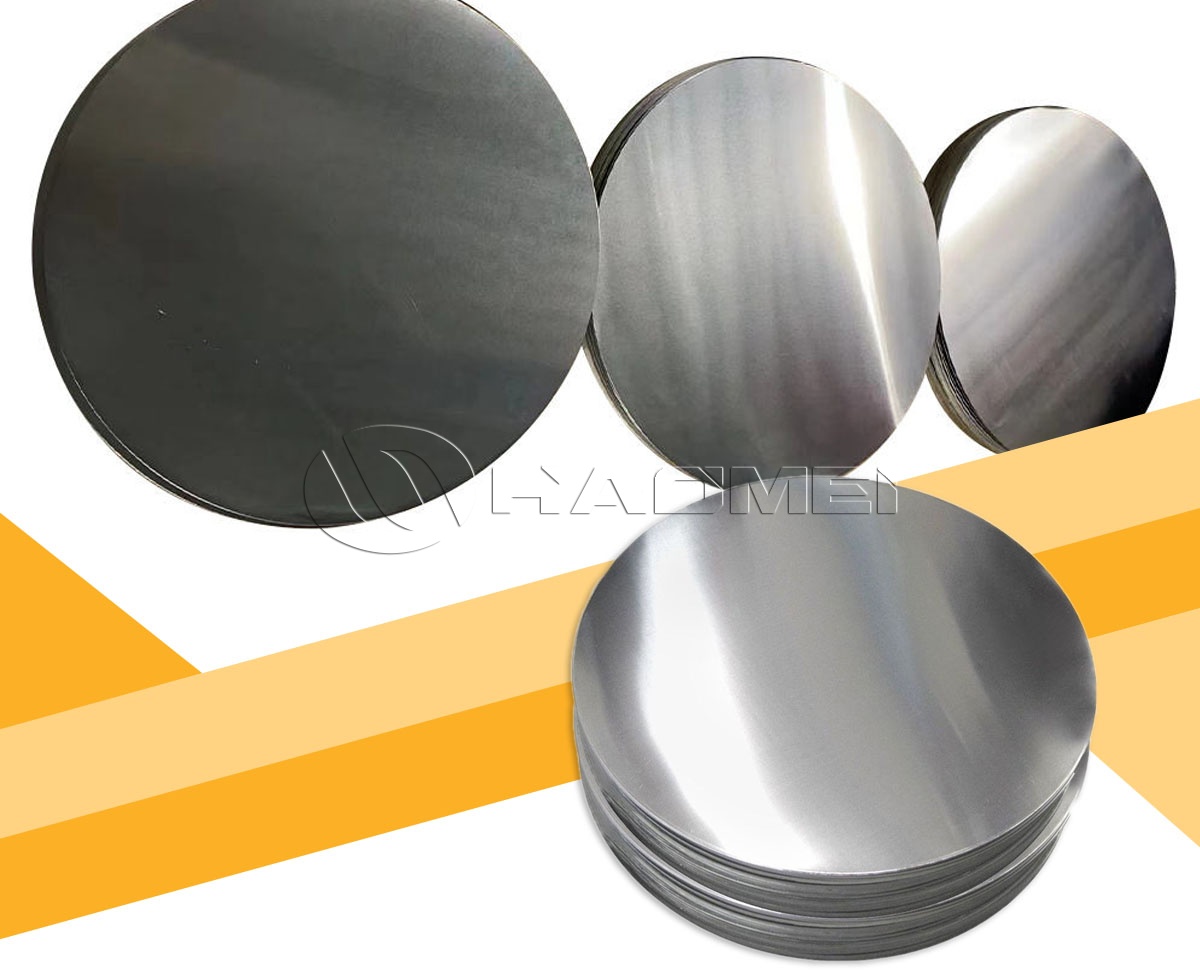
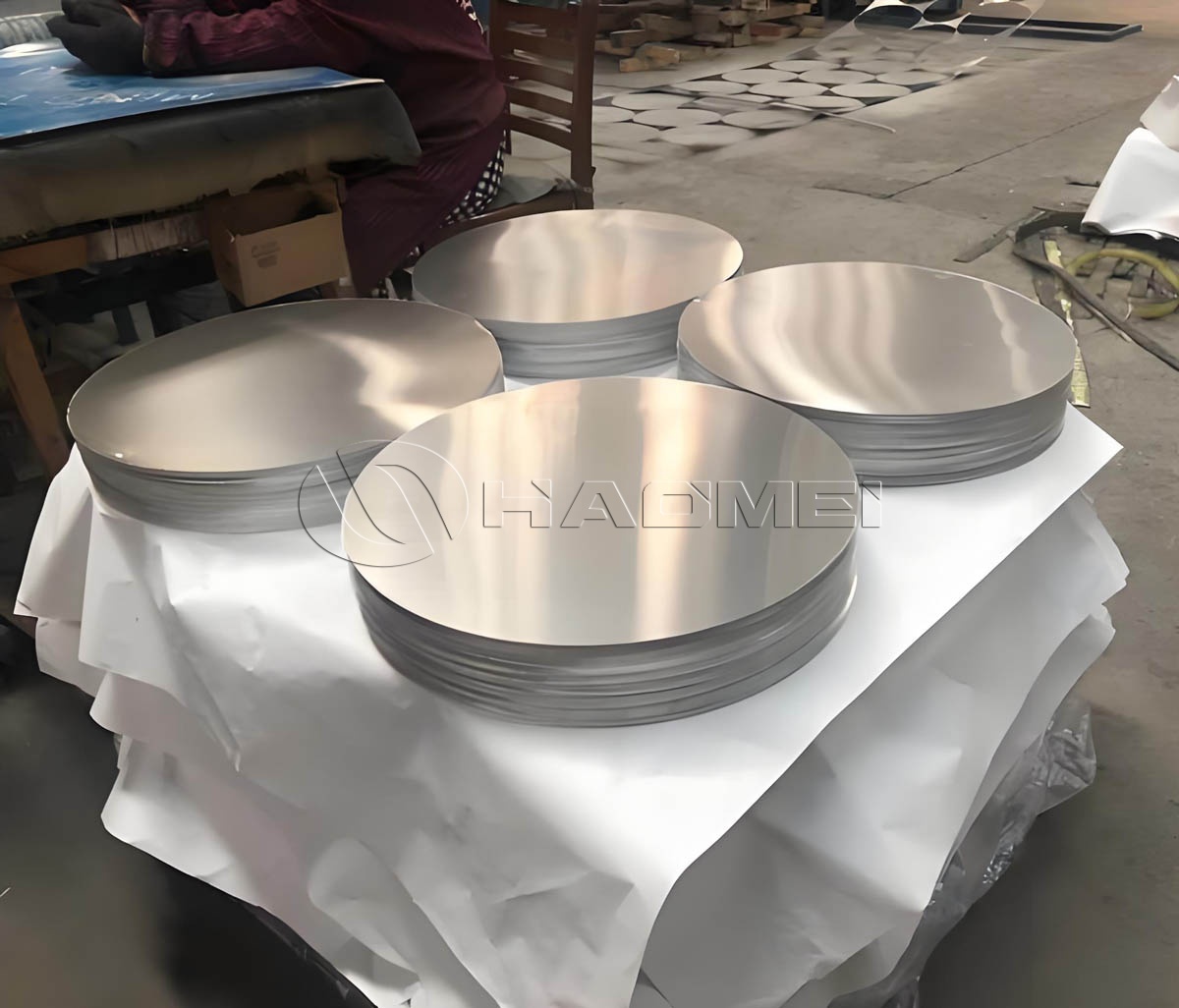
As a manufacturer of aluminum circle products, we produce 3105 aluminum circles for road marking signs, traffic sign panels, warning markers, regulatory sign blanks, and reflective sign substrates. Our production process is designed to provide stable thickness, accurate diameter, clean edges, and a surface condition suitable for subsequent coating, reflective film lamination, screen printing, and stamping.
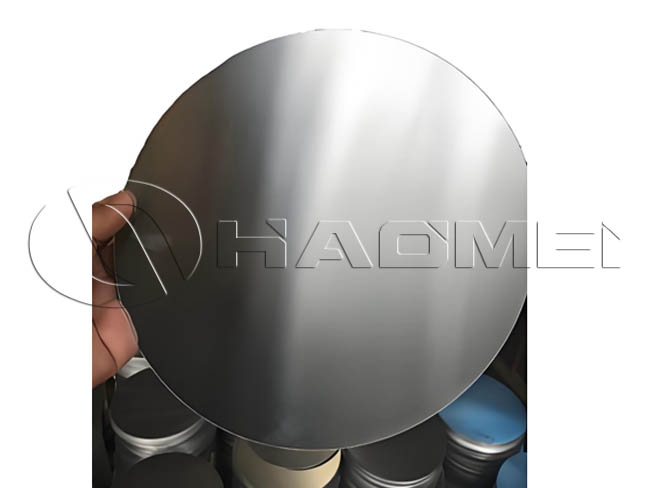
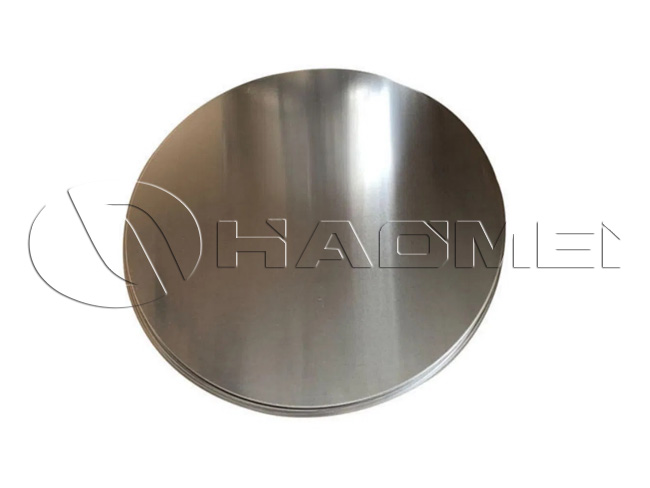
A 3105 aluminum circle is a round blank made from 3105 aluminum alloy coil or sheet. For road marking signs, the material is commonly processed into circular traffic signs, temporary roadwork signs, route markers, parking signs, and other outdoor information panels. Compared with general-purpose aluminum blanks, a road sign aluminum disc must maintain good flatness, coating adhesion, corrosion resistance, and dimensional consistency during fabrication and service.
We manufacture 3105 aluminum discs according to customer drawings, sign-system requirements, and downstream forming processes. Diameter, thickness, temper, surface treatment, packaging, and inspection requirements can be specified before production.
3105 is an aluminum-manganese alloy with magnesium additions. It offers a practical balance of moderate strength, corrosion resistance, and workability. These characteristics make it suitable for outdoor sign applications where the aluminum substrate may be exposed to rain, humidity, salt-laden air, ultraviolet radiation, and temperature variation.
For circular road marking signs, 3105 aluminum circle material provides several manufacturing and application advantages:
Good atmospheric corrosion resistance for outdoor installations.
Stable substrate performance for painted, powder-coated, and reflective-film surfaces.
Adequate strength for flat sign faces and lightly formed sign components.
Reliable blanking performance with controlled burrs and smooth edges.
Lower weight than steel sign blanks, which supports easier handling and installation.
Recyclable aluminum content for projects with material recovery requirements.
We also supply related products within our 3000 Series Aluminum circle range when buyers need to compare alloy options for signage, forming, or coated panel production.
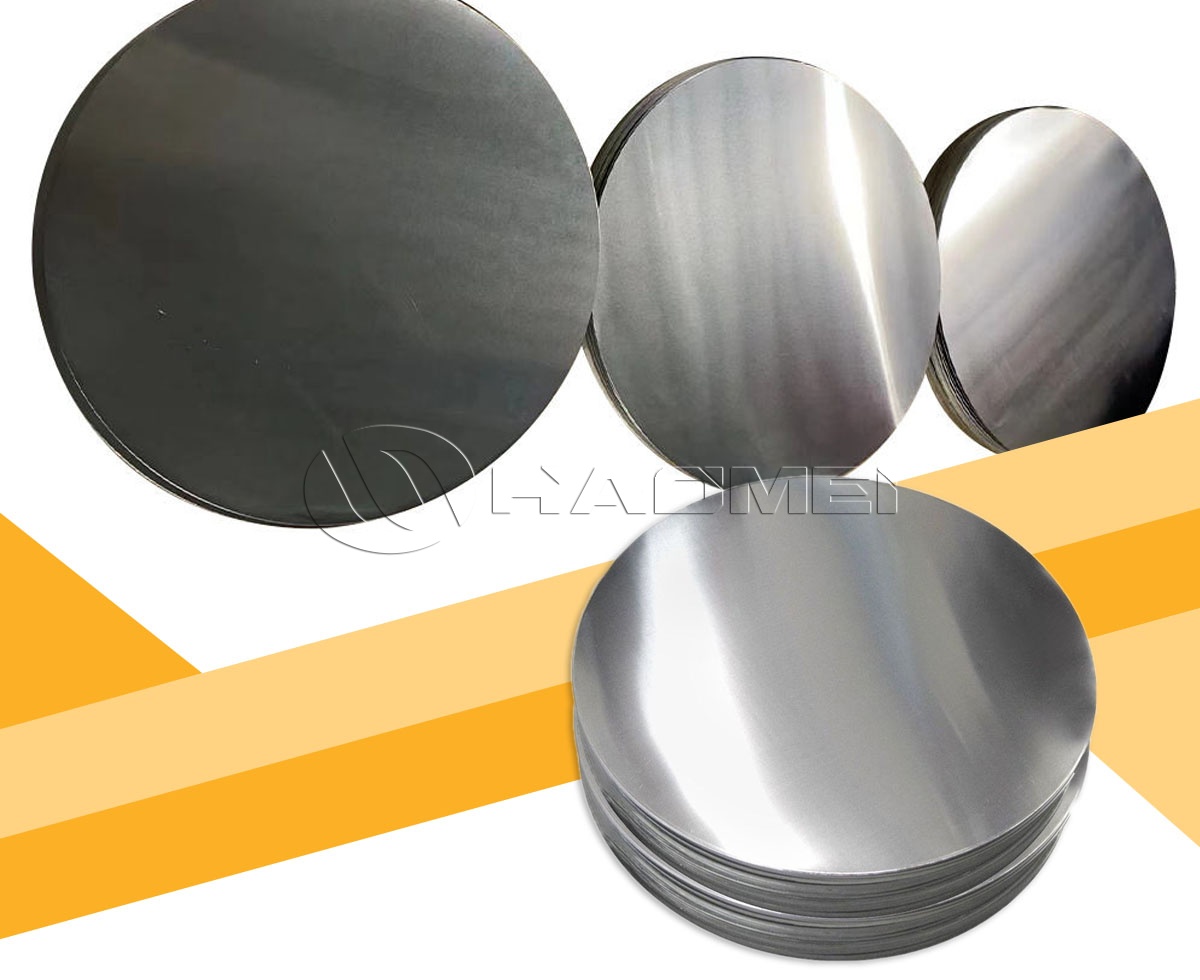
The following table shows our typical production range for 3105 aluminum circles used in road marking signs. Final values can be adjusted according to project specifications, applicable standards, and the intended fabrication method.
| Item | Typical Specification | Notes |
|---|---|---|
| Alloy | 3105 | Aluminum-manganese-magnesium alloy |
| Material form | Aluminum circle, aluminum disc, round blank | Produced from rolled aluminum coil or sheet |
| Temper | O, H12, H14, H16, H18, H22, H24 | H14 and H24 are commonly selected for sign blanks |
| Thickness | 0.50 mm to 3.00 mm | Other gauges available by agreement |
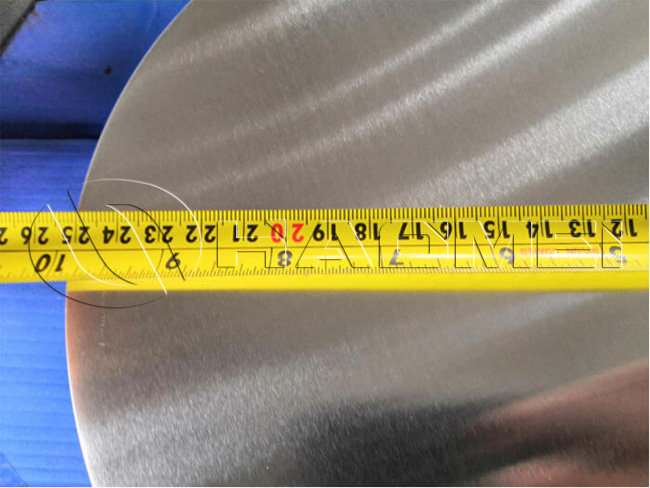
| Diameter | 100 mm to 1,200 mm | Custom diameter available for traffic sign systems |
| Diameter tolerance | Typically +/- 0.5 mm to +/- 2.0 mm | Depends on diameter and processing method |
| Thickness tolerance | According to agreed rolling tolerance | Controlled by incoming coil and final inspection |
| Surface finish | Mill finish, brushed, pre-treated, coated | Selected according to coating or film requirements |
| Edge condition | Deburred, smooth punched edge | Intended to reduce handling and processing risk |
| Flatness | Controlled for sign fabrication | Final condition depends on thickness and diameter |
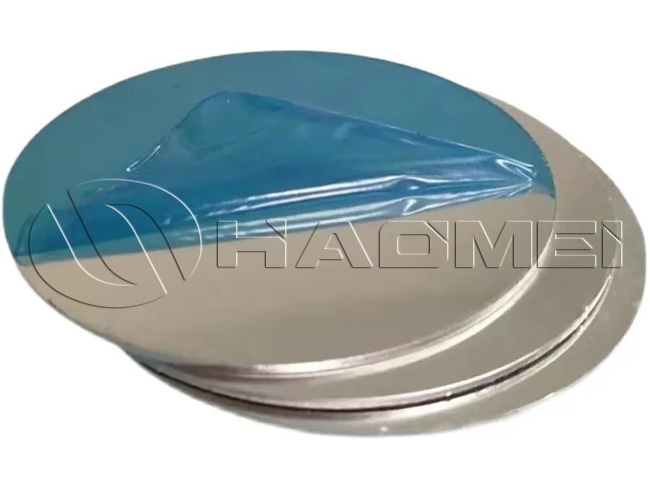
| Protective film | Available on request | Used for surface protection during processing |
| Standards reference | ASTM B209, EN 485, or customer requirement | Confirmed during order review |
The chemical composition of 3105 aluminum alloy is controlled to meet the applicable material standard. Manganese and magnesium contribute to the alloy's strength and performance, while aluminum remains the principal element. For road sign production, the mechanical properties should be matched to the planned operation, including flat-panel fabrication, edge trimming, embossing, drilling, or mounting-hole punching.
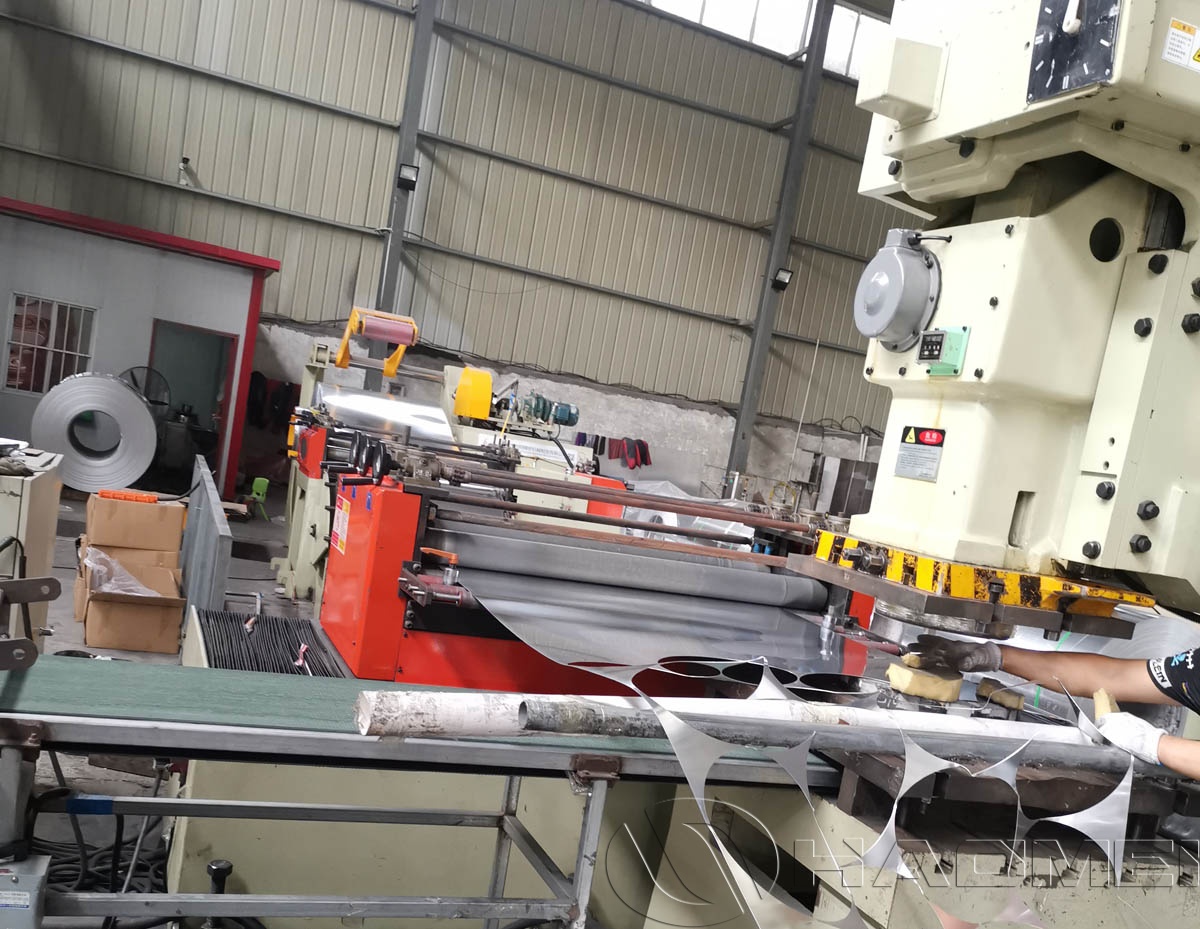
Our factory controls the full conversion process from aluminum coil selection to finished 3105 aluminum circle packing. This approach helps maintain consistency across batches and reduces variation in surface quality, thickness, and blank dimensions.
The production sequence normally includes the following stages:
Raw material verification. We inspect incoming 3105 aluminum coil for alloy identification, thickness, surface condition, and coil quality before release to production.
Slitting and feeding. Coil width is prepared to suit the selected disc diameter and blanking layout. Proper feeding control supports efficient material utilization and stable circle geometry.
Circle blanking. Aluminum circles are punched or cut using tooling selected for the requested diameter, thickness, and edge-quality requirement. Tool maintenance is important for controlling burr formation.
Deburring and surface checking. Each production lot is checked for sharp edges, deformation, scratches, oil marks, and other surface conditions that could affect later coating or film application.
Flatness and dimensional inspection. Diameter, thickness, roundness, and flatness are sampled according to the agreed quality plan.
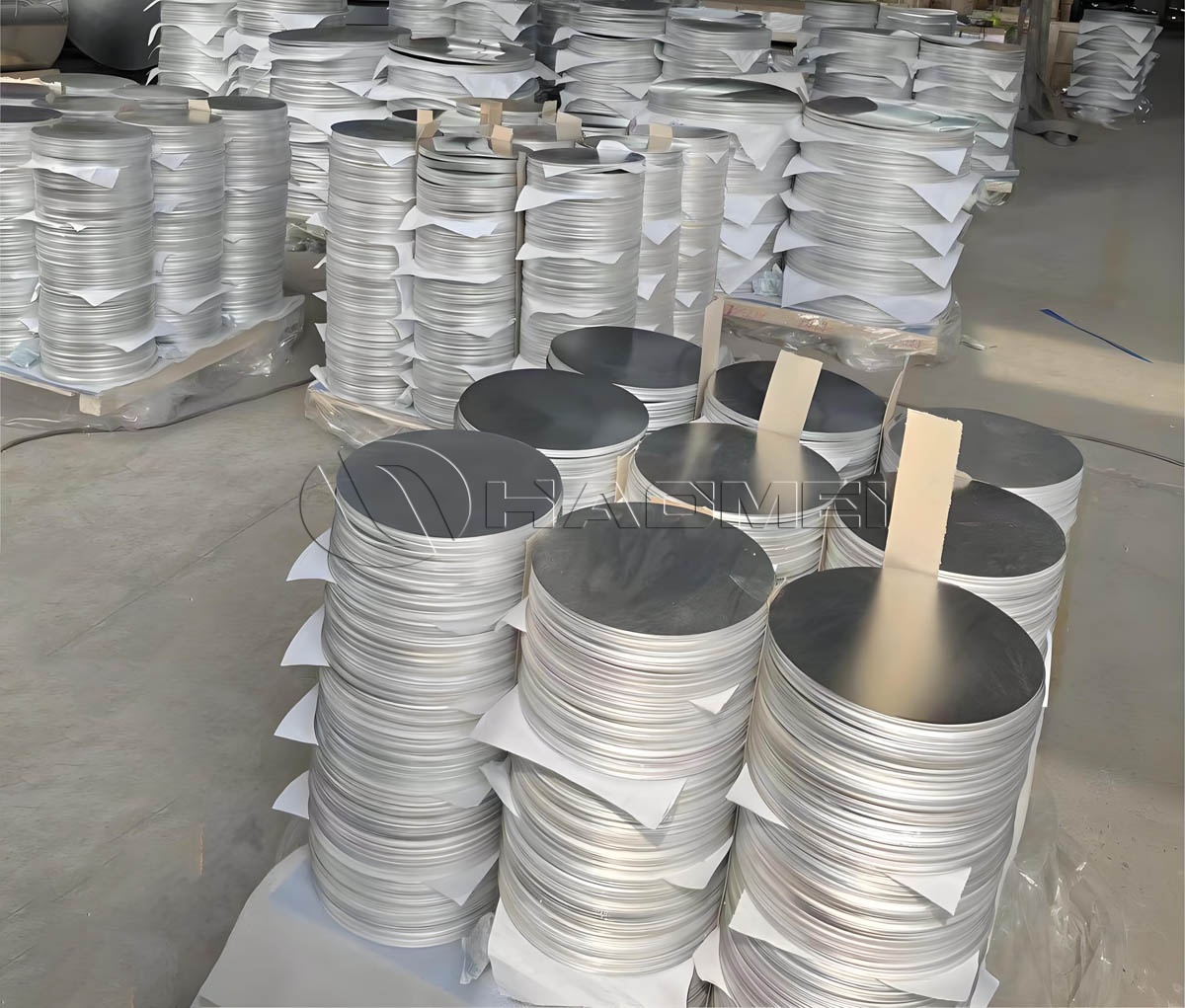
Packing and shipment preparation. Finished aluminum discs are separated with protective materials where required, then packed to reduce abrasion, moisture exposure, and edge damage during transport.
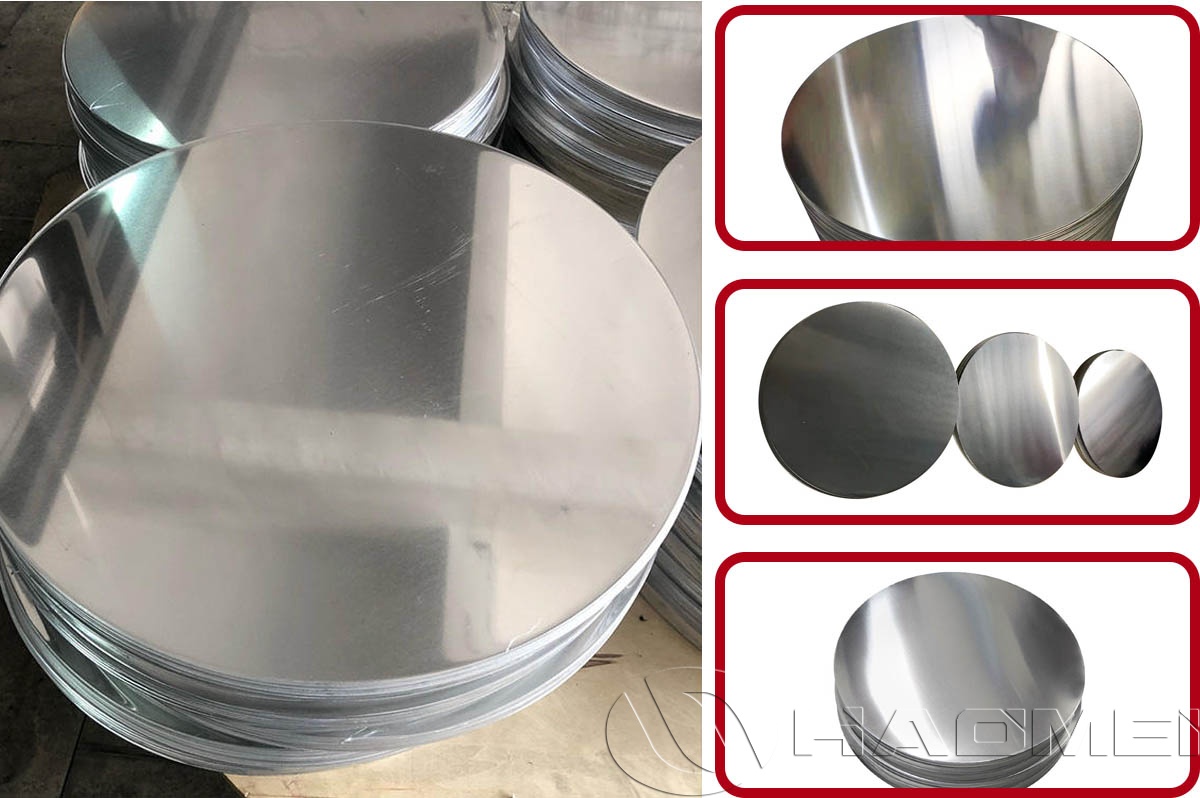
The surface of a 3105 aluminum disc for road marking signs should be selected according to the downstream finishing process. A mill-finish disc may be appropriate when the customer performs cleaning, conversion treatment, coating, or reflective sheeting application in-house. For projects requiring prepared material, we can discuss pre-treatment, protective film, or coated aluminum options.
Road sign faces commonly receive one or more of the following finishing systems:
Polyester or fluorocarbon paint coatings.
Powder coating for selected sign components.
Chromate-free conversion treatment before painting.
Retroreflective sheeting for traffic guidance and warning signs.
Printed graphics, symbols, route numbers, or regulatory information.
Coating adhesion depends not only on the aluminum alloy but also on cleaning, surface preparation, coating chemistry, curing conditions, and storage practices. We therefore recommend confirming the customer's coating process before selecting the final temper and surface finish. For applications requiring reflective film, the substrate should be clean, dry, sufficiently flat, and free from excessive rolling oil or visible defects.
Road marking sign manufacturers need aluminum blanks that perform consistently in automated or manual fabrication. Our inspection process focuses on the characteristics that affect sign appearance, installation, and finishing quality.
Typical quality-control items include:
| Inspection Item | Control Purpose |
|---|---|
| Alloy verification | Confirms use of specified 3105 aluminum alloy |
| Thickness measurement | Supports structural consistency and processing stability |
| Diameter measurement | Confirms compatibility with sign designs and tooling |
| Roundness check | Reduces mismatch during printing, lamination, or assembly |
| Edge inspection | Identifies burrs, cracks, dents, and sharp edge conditions |
| Surface inspection | Checks for scratches, stains, oil marks, and roll defects |
| Flatness assessment | Supports coating, reflective film application, and visual quality |
| Packing inspection | Helps prevent transport damage and moisture-related staining |
For repeat orders, we retain the agreed production specifications, including alloy, temper, diameter, thickness, surface condition, packaging method, and inspection criteria. This helps maintain continuity for sign manufacturers that require consistent blanks across multiple project batches.
The appropriate thickness of a 3105 aluminum circle depends on sign diameter, wind-load design, mounting method, required rigidity, local traffic standards, and whether the disc will be further formed. A smaller indoor or temporary sign may use a thinner blank, while a larger outdoor traffic sign generally requires greater rigidity and a properly designed support system.
H14 and H24 tempers are frequently considered for standard sign blank applications because they provide a useful balance between strength and workability. Softer O temper material may be more suitable for deeper forming operations, while harder tempers can be selected where improved stiffness is needed. However, the final selection should be based on engineering requirements rather than alloy temper alone.
For customers evaluating material alternatives, our 3105 Aluminum Circle product range can be supplied with customized dimensions and commercial specifications for signage production.
To prepare an accurate quotation and production plan for 3105 aluminum circles for road marking signs, we recommend providing the following information:
Required alloy and temper.
Disc diameter and thickness.
Quantity per size and total order quantity.
Surface finish or coating requirement.
Whether reflective film will be laminated after delivery.
Hole punching, embossing, or further forming requirements.
Applicable standard, drawing, or tolerance requirement.
Packaging preference and destination port.
For export orders, we can arrange packing configurations suitable for container loading, including interleaving protection, moisture-resistant wrapping, reinforced pallets, and clearly identified batch labels. The packing method is confirmed according to disc diameter, thickness, shipment quantity, and transport route.
3105 aluminum circle is a dependable material option for circular road marking signs and traffic sign blanks that require corrosion resistance, clean surface quality, stable dimensions, and compatibility with coating or reflective sheeting. As a direct manufacturer, we produce 3105 aluminum discs to customer-specific diameter, thickness, temper, and packaging requirements, with controlled blanking and inspection throughout the production process.

Office Address:
No.14 Waihuan Road, CBD, Zhengzhou, China
Contact Us
HAOMEI Aluminum offer an custom aluminum circle for you!
whatsapp: +86-18703635966
Email: sales@alummc.com
Email: alummc@hotmail.com
Request Free Sample & Quotation
Copyright © 2026 By HAOMEI Aluminum CO., LTD. All Rights Reserved. Sitemap
 +86-18703635966
 sales@alummc.com
 8618703635966
