
 No.14 Waihuan Road, CBD, Zhengzhou, China
 +86-18703635966

No.14 Waihuan Road, CBD, Zhengzhou, China
+86-18703635966
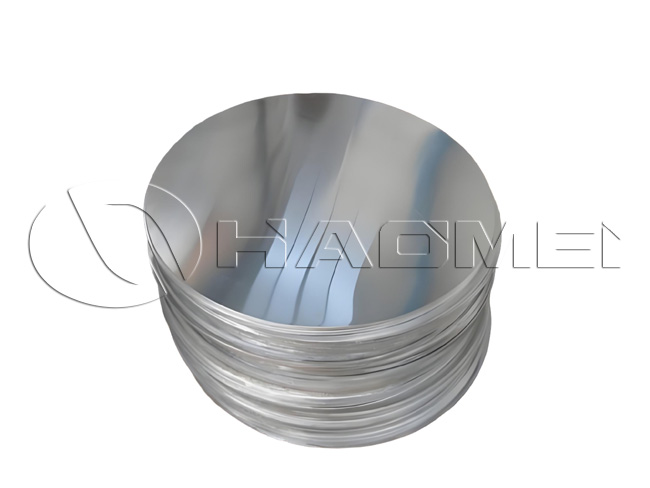
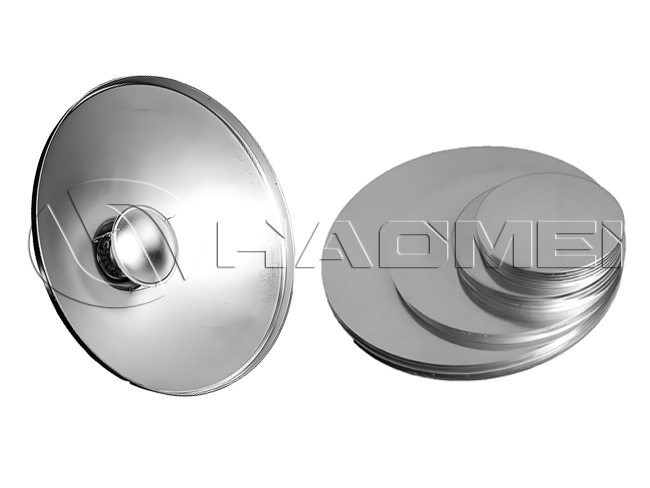
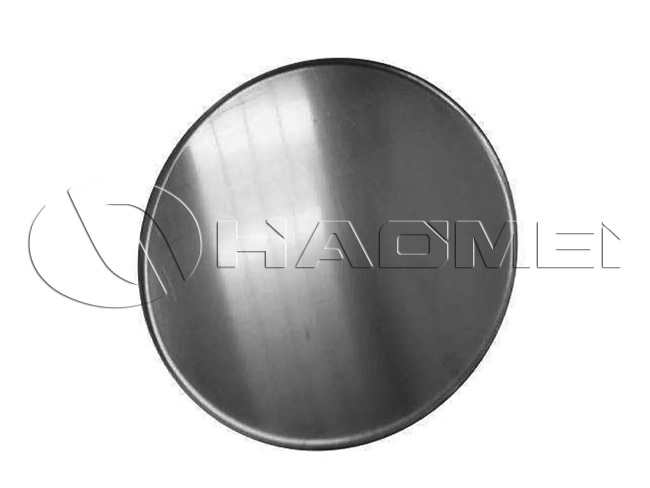
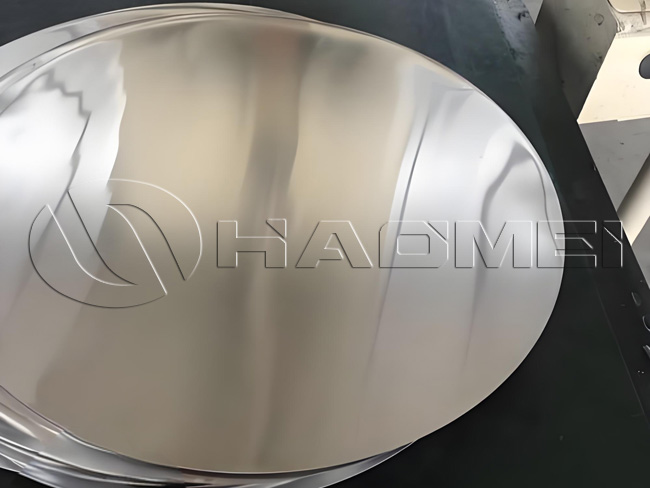
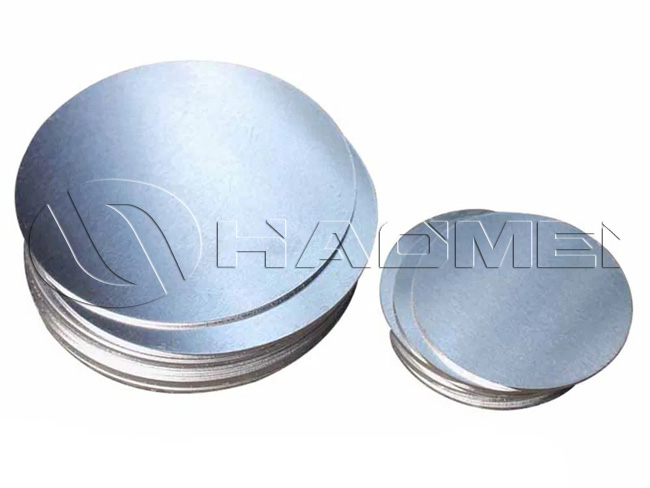
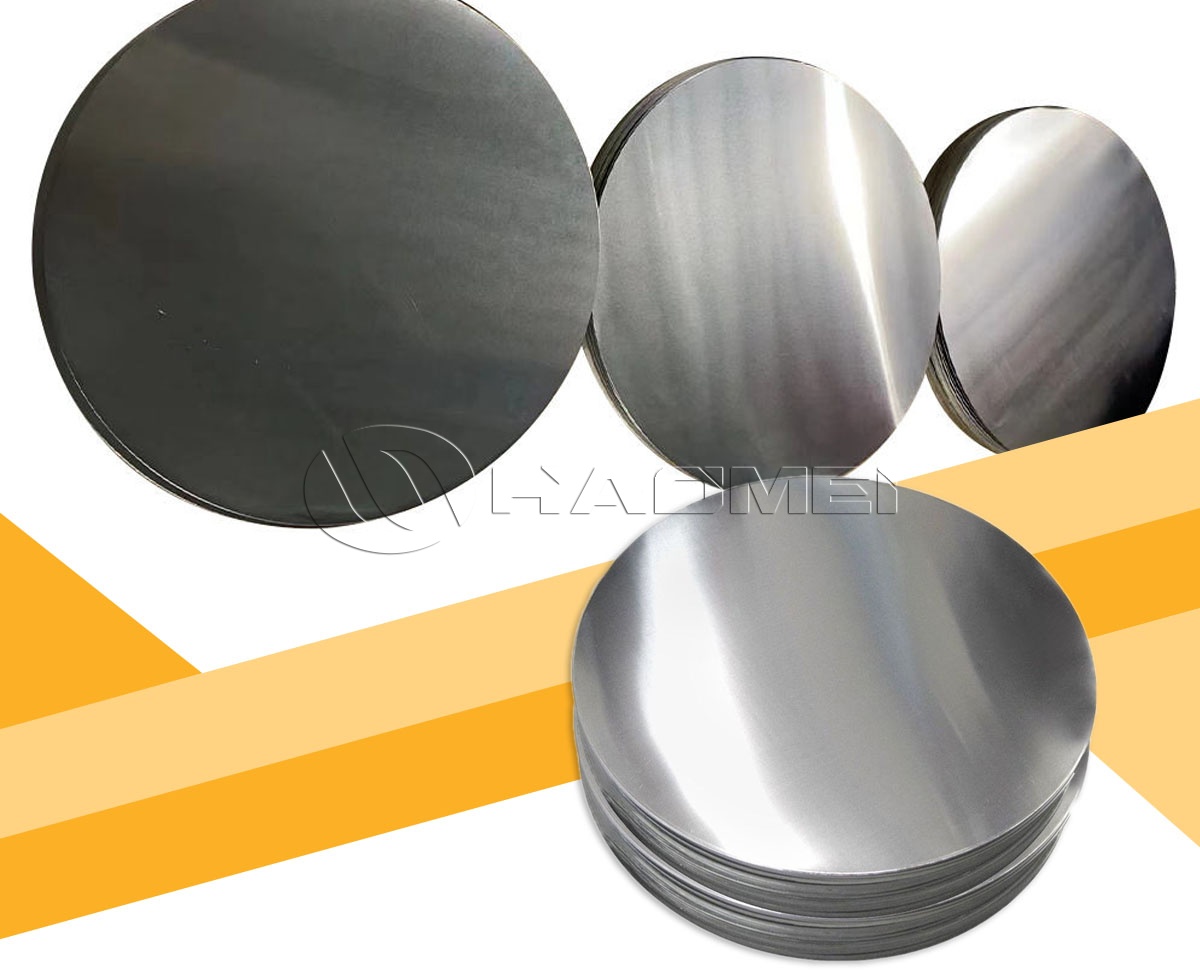
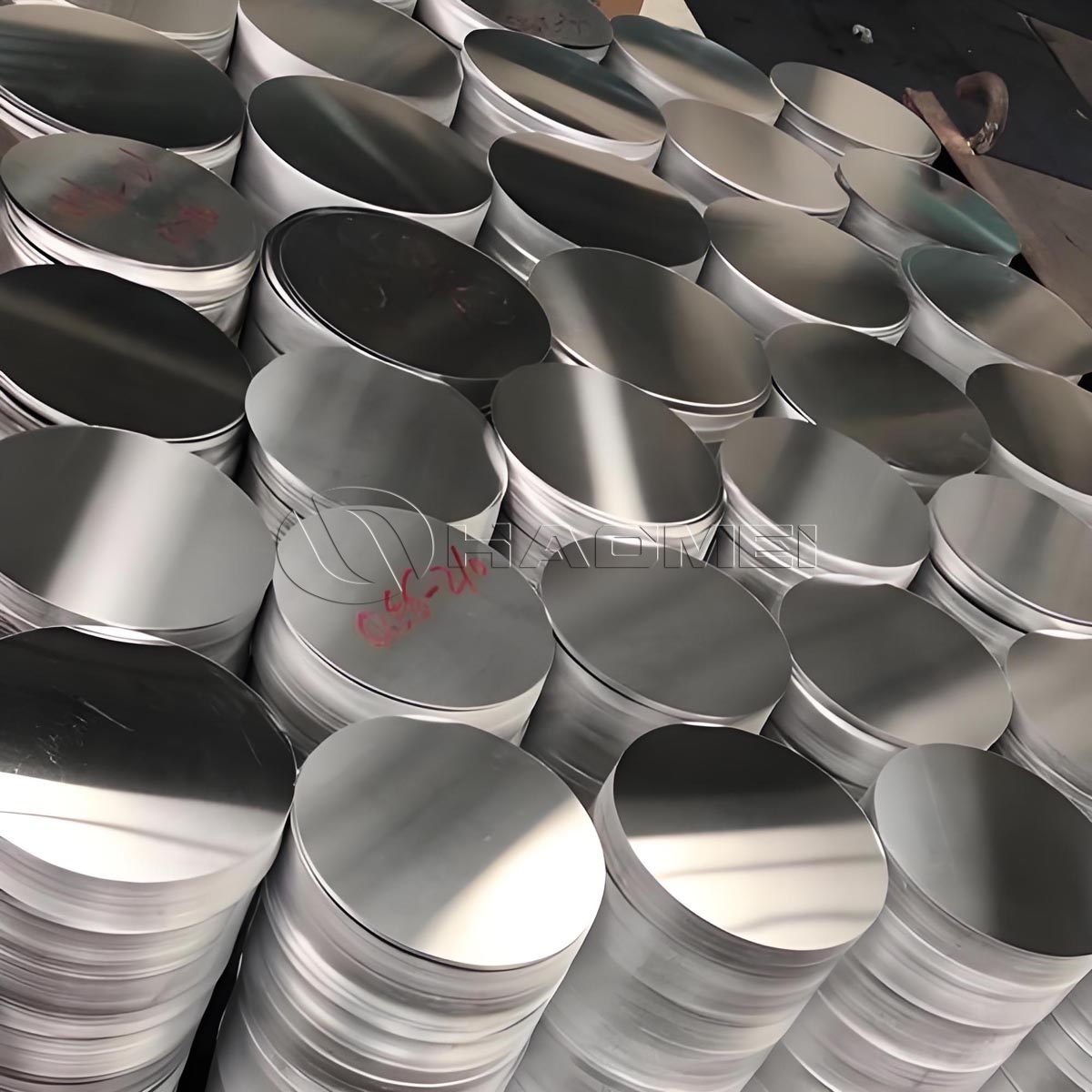
As a manufacturer of aluminum circle discs, we supply cookware producers with dimensional and metallurgical specifications matched to actual forming processes. In cookware production, selecting the correct aluminum circle disc for cookware sizes is not only a matter of diameter. It also involves alloy, temper, thickness tolerance, surface cleanliness, earing performance, and consistency from batch to batch.
This article explains how we define cookware aluminum circle sizes at the factory level, how different cookware products correspond to different disc diameters, and which technical parameters should be checked before mass production.
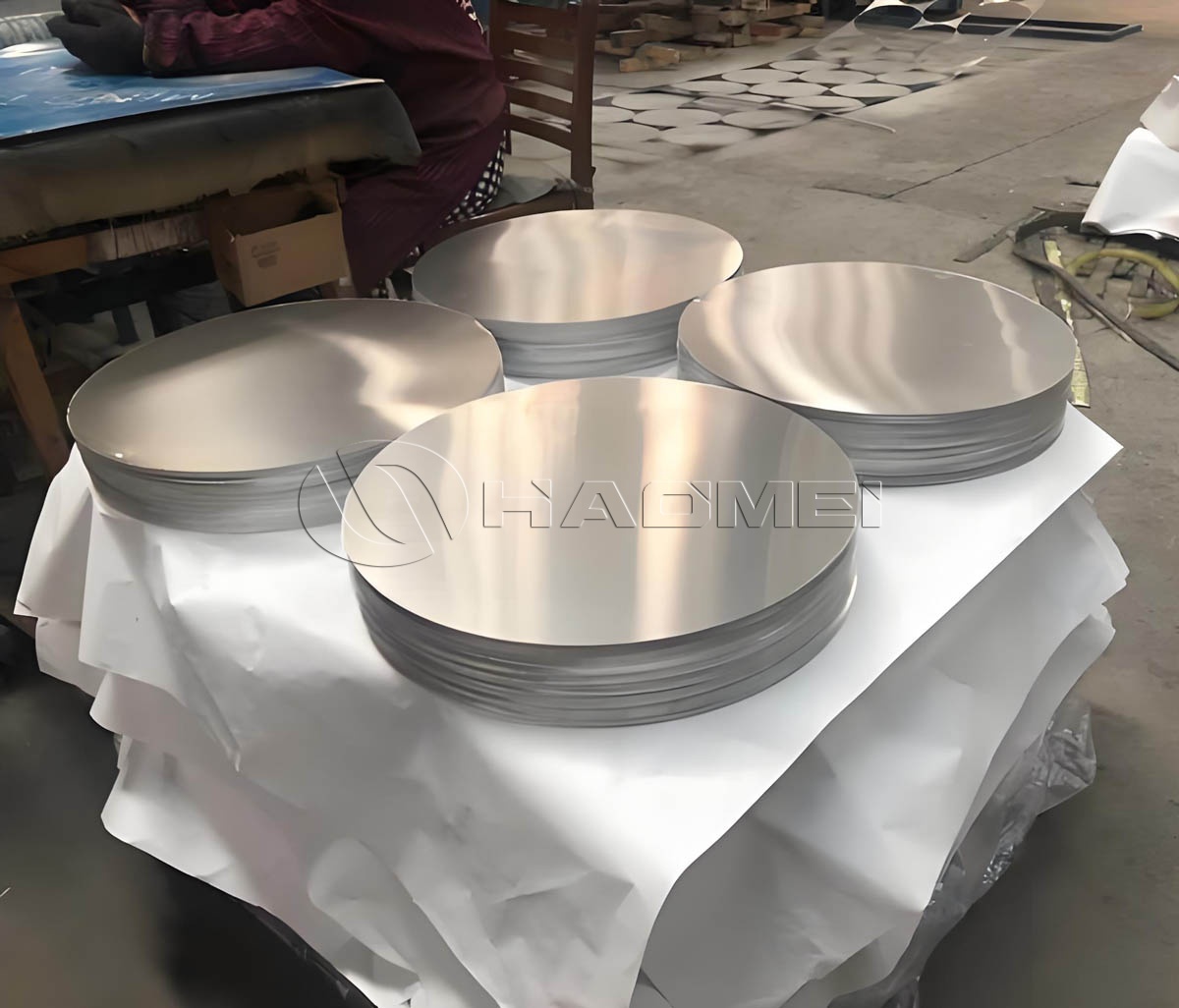
For stamped, spun, or deep drawn cookware, the starting blank determines the final forming window. If the aluminum disc diameter is undersized, the vessel wall height may not reach design requirements. If it is oversized, scrap rate and trimming loss increase. The wrong temper can also cause edge cracking, orange peel, or unstable bottom geometry.
At our factory, we define aluminum circles for cookware according to three combined factors:
Final cookware shape and dimensions
Forming method, such as deep drawing or spinning
Mechanical and surface requirements after forming
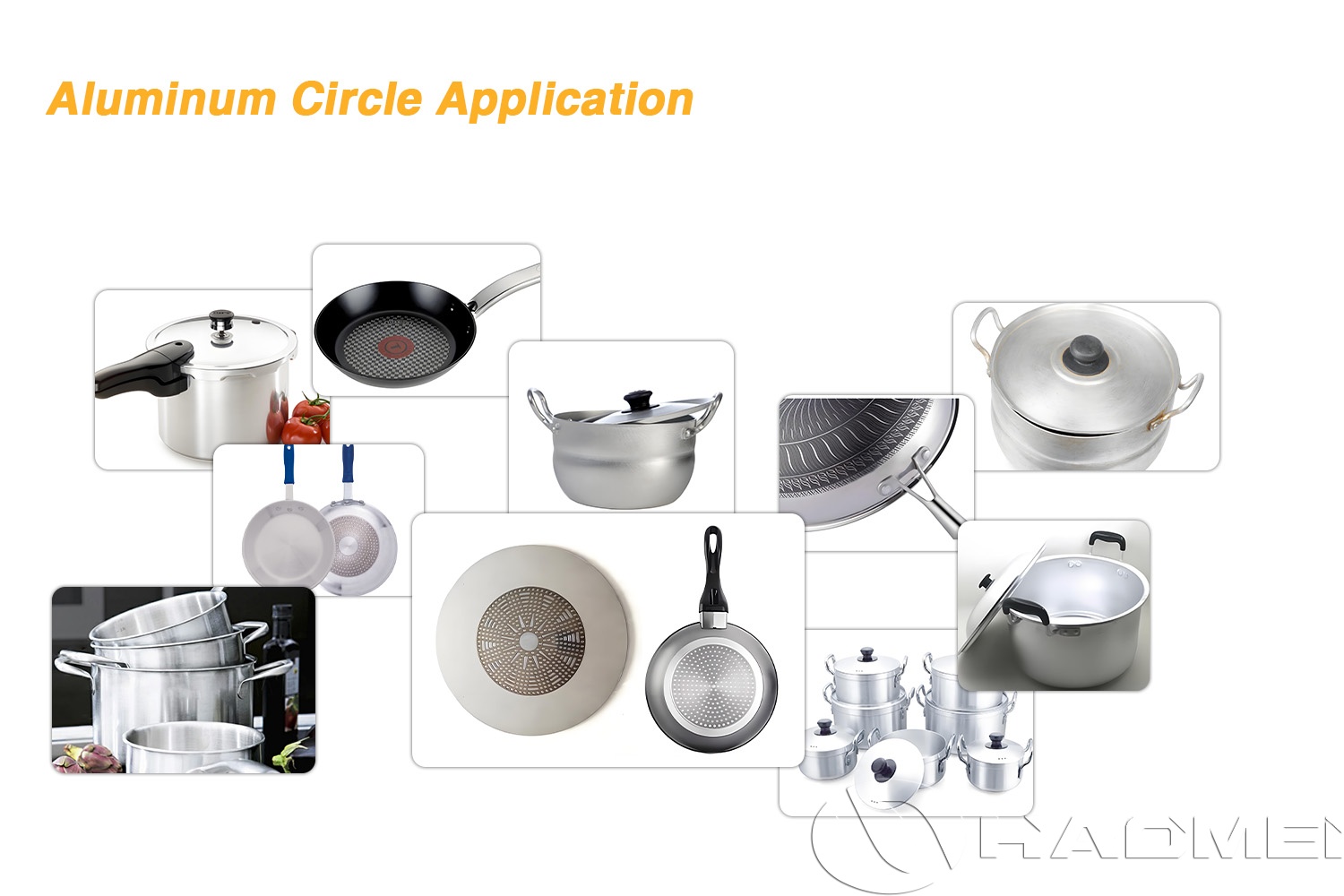
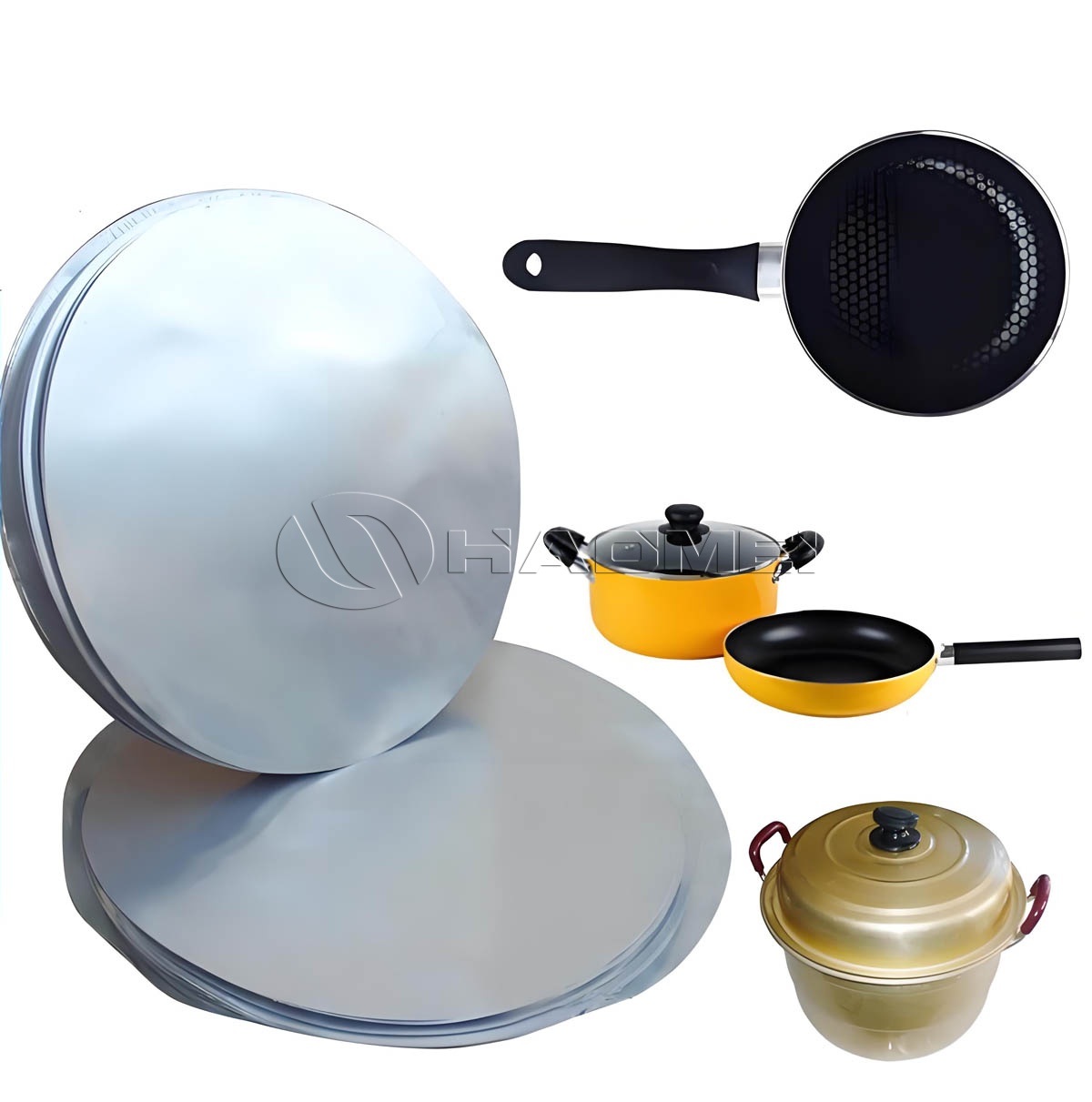
This is why cookware buyers normally specify more than only diameter. For stable industrial production, we recommend confirming the complete material route, especially when sourcing Aluminum Circles for Cookware for pressure cookers, frying pans, rice pots, stock pots, and kitchen utensils.
Different cookware items require different blank diameters and thickness combinations. The exact blank size depends on product geometry, draw ratio, flange allowance, trimming margin, and bottom design. The following ranges reflect common manufacturing practice for standard cookware applications.
| Cookware application | Common finished cookware diameter | Common aluminum circle diameter | Typical thickness range | Common temper |
|---|---|---|---|---|
| Small sauce pan | 120-160 mm | 160-240 mm | 0.8-2.0 mm | O, H14 |
| Frying pan | 180-320 mm | 240-420 mm | 1.5-4.0 mm | O, H12, H14 |
| Soup pot | 180-300 mm | 260-420 mm | 1.0-3.5 mm | O |
| Pressure cooker body | 200-320 mm | 300-480 mm | 2.5-5.0 mm | O |
| Rice cooker inner pot | 160-260 mm | 220-360 mm | 0.6-2.0 mm | O, H14 |
| Kettle or teapot body | 120-240 mm | 180-340 mm | 0.7-1.8 mm | O |
| Basin and kitchen bowl | 200-400 mm | 260-520 mm | 0.6-2.5 mm | O |
These ranges are reference values. In actual production, we finalize disc size after reviewing drawings or sample measurements. For cookware factories that use severe deep drawing, we often recommend trial verification before full-order approval.
The most widely used alloys for cookware aluminum circles are from the 1xxx and 3xxx series. These alloys are chosen because they offer good formability, thermal conductivity, corrosion resistance, and stable processing behavior.
| Alloy | Main characteristics | Typical cookware use |
|---|---|---|
| 1050 | High aluminum purity, excellent formability, good thermal conductivity | General cookware, bowls, lids |
| 1060 | Very good deep drawing performance, high conductivity | Pots, pans, kitchen utensils |
| 1070 | High purity, soft temper suitability | Specialty drawn products |
| 1100 | Good strength-formability balance | Cookware components, spun parts |
| 3003 | Higher strength than 1xxx series, good corrosion resistance | Frying pans, pressure cooker parts, harder-use cookware |
For applications that need stronger mechanical support while still maintaining drawability, 3003 is a common choice. For very deep drawn cookware, soft temper 1050 or 1060 is often preferred. We also manufacture Hot Rolled Aluminum Circle products for demanding deep drawing applications where grain structure and forming stability are important.
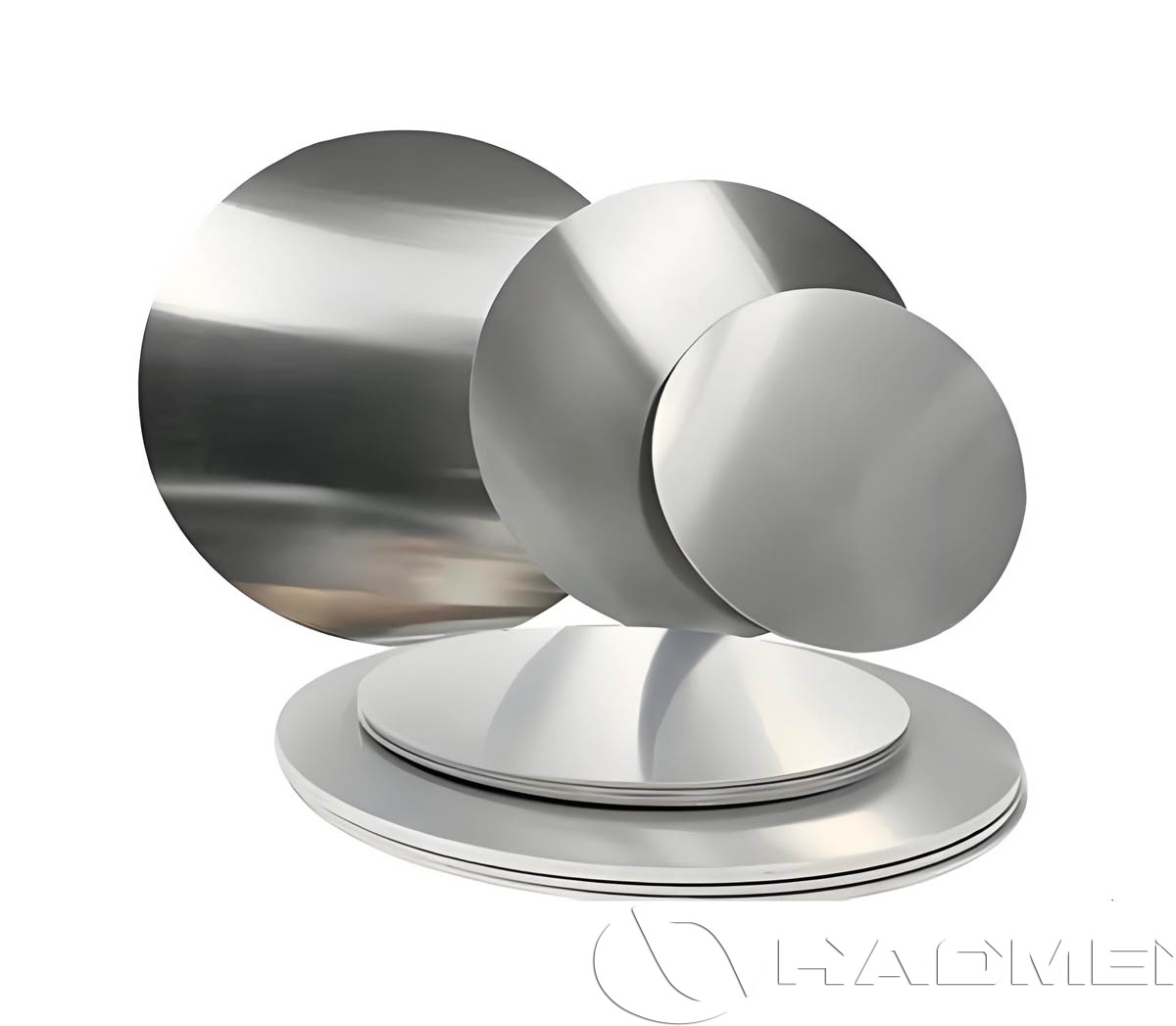
Diameter alone cannot determine the correct disc specification. Thickness and temper directly influence forming success, final rigidity, and service performance.
| Parameter | Typical range for cookware circles | Factory control focus |
|---|---|---|
| Diameter | 80-1200 mm | Accurate blanking, burr control |
| Thickness | 0.3-6.0 mm | Gauge consistency, flatness |
| Thickness tolerance | According to order and standard | Stable rolling and inspection |
| Temper | O, H12, H14 | Formability and hardness balance |
| Surface | Mill finish, clean, oil-controlled | No scratches, stains, oxidation |
| Edge condition | Smooth sheared edge | Low burr, crack prevention |
| Earing performance | Controlled for deep drawing | Reduced material loss in trimming |
| Coil source | DC cast or hot rolled feedstock | Stable grain structure |
Thin discs, usually below 1.0 mm, are often used for lids, light kitchenware, and some rice cooker inner components.
Medium thickness from 1.0 mm to 2.5 mm is common for saucepans, bowls, and general cookware bodies.
Heavy gauges above 2.5 mm are typically used for frying pans, pressure cooker bodies, and cookware requiring higher bottom stiffness.
O temper is preferred for deep drawing due to its softness and ductility.
H12 or H14 may be selected where moderate strength and shape retention are required, especially in shallower forming operations.
As a factory, our production process is designed around consistency. Cookware manufacturers are sensitive to variation because even small differences in hardness or thickness can affect stamping speed, reject rate, and downstream anodizing or non-stick coating adhesion.
Our control points include:
We choose slab or coil feedstock according to end-use requirements. For deep drawing cookware, metallurgical stability is critical. Chemical composition is checked lot by lot.
Thickness uniformity and final temper are achieved through controlled rolling schedules and annealing parameters. Proper annealing improves elongation and reduces cracking risk during multi-stage drawing.
Circle blanking must maintain diameter tolerance, low burr, and clean edges. Poor edge quality can initiate cracks during forming.
We inspect for scratches, roller marks, oil contamination, black spots, and oxidation. Cookware applications require a clean surface, especially when anodizing, polishing, or coating will follow.
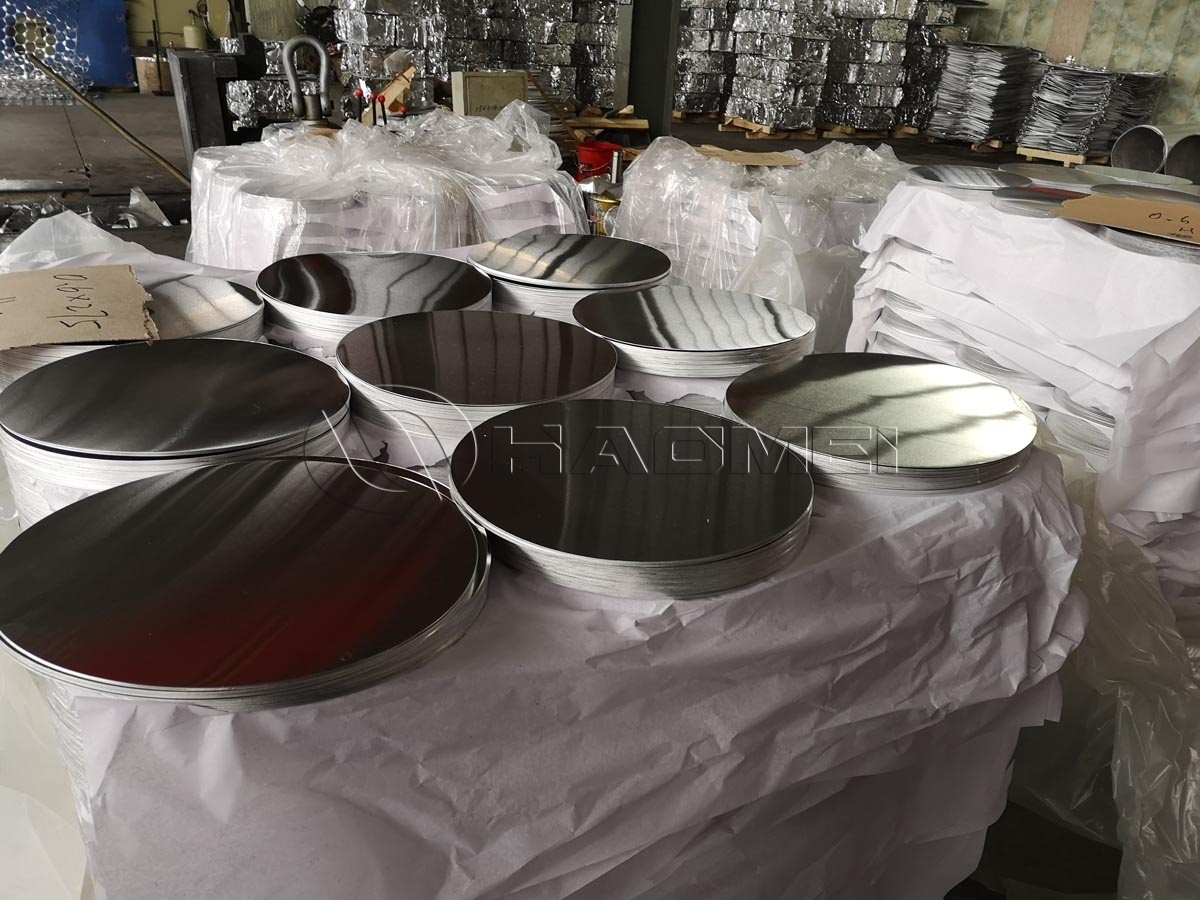
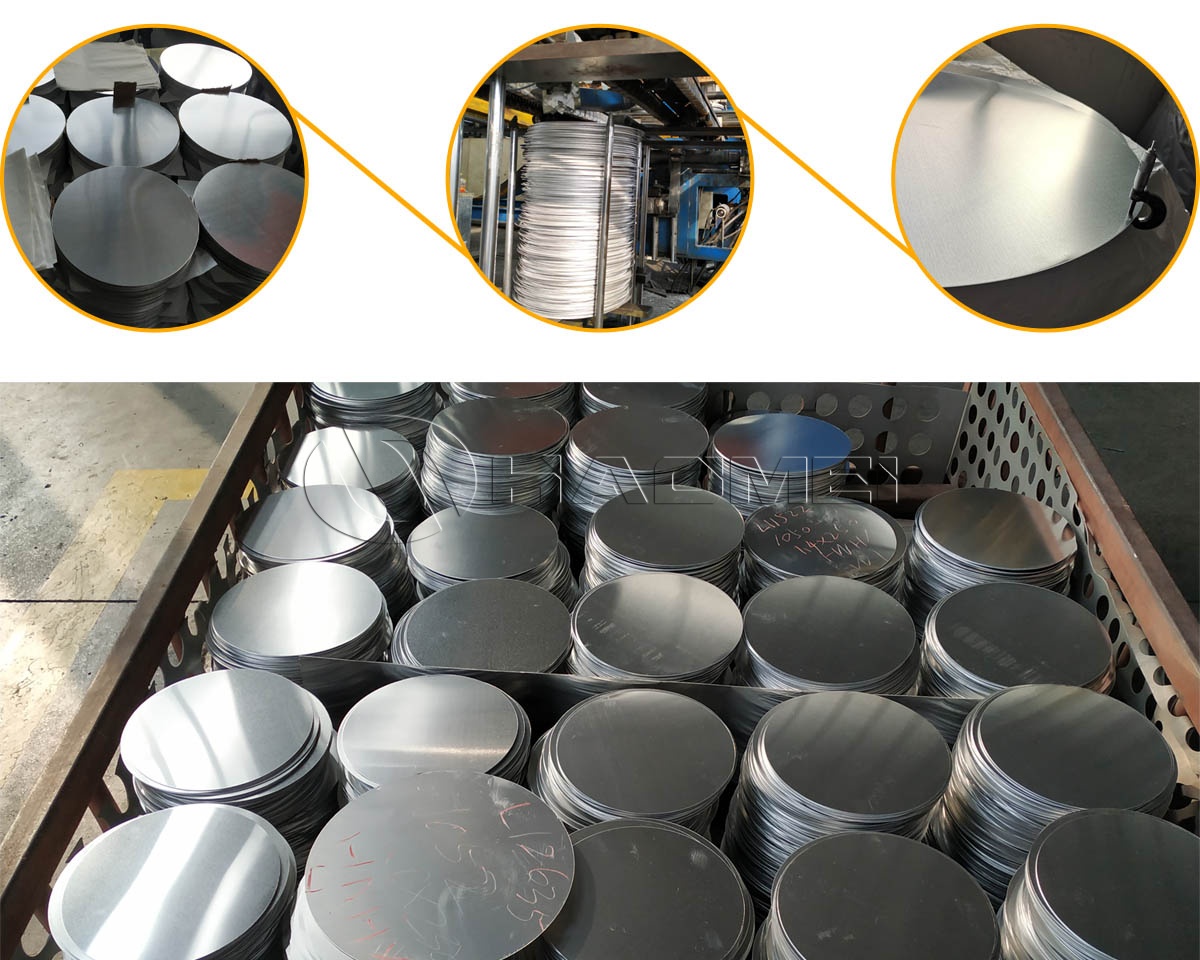
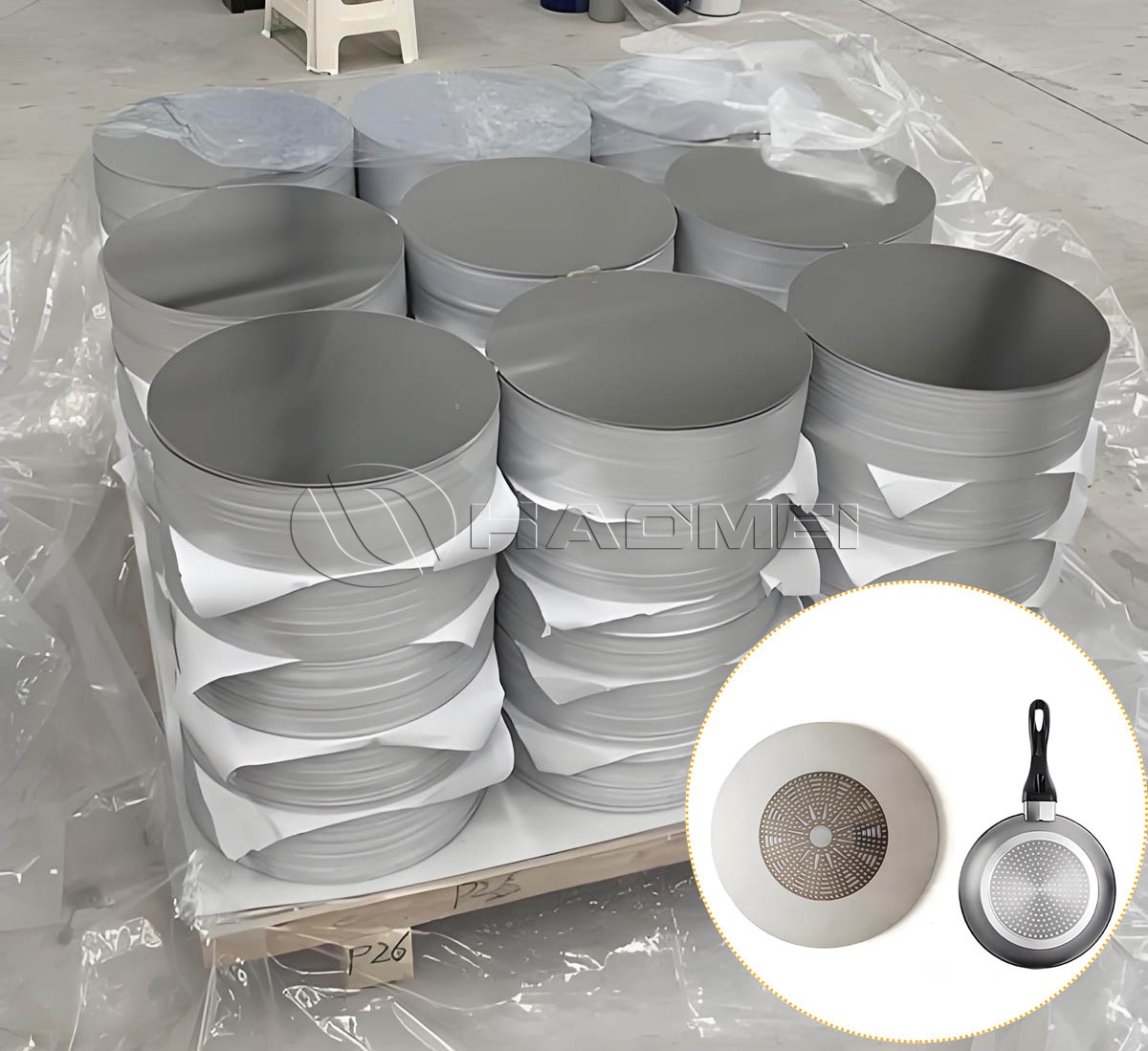
Discs are packed to reduce transit damage, moisture exposure, and edge deformation. Stable packaging is especially important for larger diameter aluminum disc sizes.
The same finished cookware size may require different blank diameters depending on the forming route.
Deep drawing usually requires a larger initial blank because material must flow into the sidewall. The process also demands low earing and high elongation. O temper aluminum circle disc is generally preferred.
Spinning can sometimes begin with a somewhat different diameter-thickness ratio than drawing. Surface finish and thickness consistency are important because spinning can make visual defects more noticeable.
For cookware with composite or induction bottoms, the circle disc must maintain dimensional stability before secondary processing. Flatness and gauge control become more important as part complexity increases.
To avoid delays in sampling or mass production, we recommend that buyers provide the following information when requesting quotation or technical review:
| Item | Description |
|---|---|
| Alloy | 1050, 1060, 1070, 1100, 3003, etc. |
| Temper | O, H12, H14 |
| Disc diameter | In mm |
| Thickness | In mm |
| End use | Frying pan, pot, pressure cooker, bowl, lid, kettle |
| Forming process | Deep drawing, spinning, stamping |
| Surface requirement | Mill finish, anodizing quality, coated application |
| Quantity | Trial order or mass production volume |
| Packing requirement | Export pallet, paper interleave, custom packing |
With this information, we can evaluate whether the requested aluminum circle disc for cookware sizes matches standard production or requires custom process adjustment.
In export supply, cookware producers from different markets often request different specifications. Some focus on anodizing response, some on polishing quality, and others on deep drawing performance for high-speed automated lines.
The most common customization points include:
Narrow diameter tolerance for robotic feeding
Special annealing condition for multi-draw cookware bodies
Lower earing requirement to reduce trimming waste
Improved surface cleanliness for hard anodizing
Heavier gauge for premium cookware bases
Customized packing for long-distance sea transport
As a manufacturer, we support these adjustments at the production stage rather than treating them as afterthoughts. This is important for buyers who need repeatable quality over multiple shipments.
Choosing the correct aluminum circle disc for cookware sizes requires more than matching a nominal pan diameter. The right specification must integrate alloy, temper, thickness, disc size, and forming method. For cookware factories, these factors determine forming efficiency, scrap ratio, surface quality, and final product performance.
From our manufacturing perspective, the most effective procurement approach is to confirm the real application first, then define the disc specification based on production data or drawing review. Whether the requirement is for light kitchen utensils or heavy-gauge pressure cooker bodies, stable cookware aluminum circle production depends on controlled metallurgy, precise cutting, and consistent quality inspection.
If your project involves standard or custom aluminum disc sizes for cookware, a technical evaluation based on actual product geometry will provide the most reliable material selection.

Office Address:
No.14 Waihuan Road, CBD, Zhengzhou, China
Contact Us
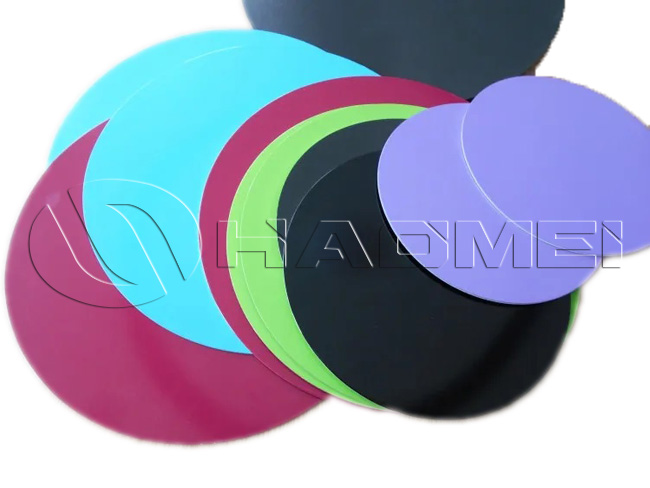
HAOMEI Aluminum offer an custom aluminum circle for you!
whatsapp: +86-18703635966
Email: sales@alummc.com
Email: alummc@hotmail.com
Request Free Sample & Quotation
Copyright © 2026 By HAOMEI Aluminum CO., LTD. All Rights Reserved. Sitemap
 +86-18703635966
 sales@alummc.com
 8618703635966
