
 No.14 Waihuan Road, CBD, Zhengzhou, China
 +86-18703635966

No.14 Waihuan Road, CBD, Zhengzhou, China
+86-18703635966
As a direct aluminum circle manufacturer, we produce custom cut 36 inch aluminum circles for industrial buyers who require stable dimensions, controlled flatness, and reliable forming performance. The price of custom cut 36 inch aluminum circles is not determined by diameter alone. In factory production, quotation depends on alloy, thickness, temper, surface quality, cutting method, order volume, packaging, and final application.
For buyers sourcing 36 inch aluminum circles for cookware, lighting, signage, architectural parts, or industrial forming, a clear understanding of these cost variables helps shorten the purchasing cycle and reduce unnecessary specification changes.
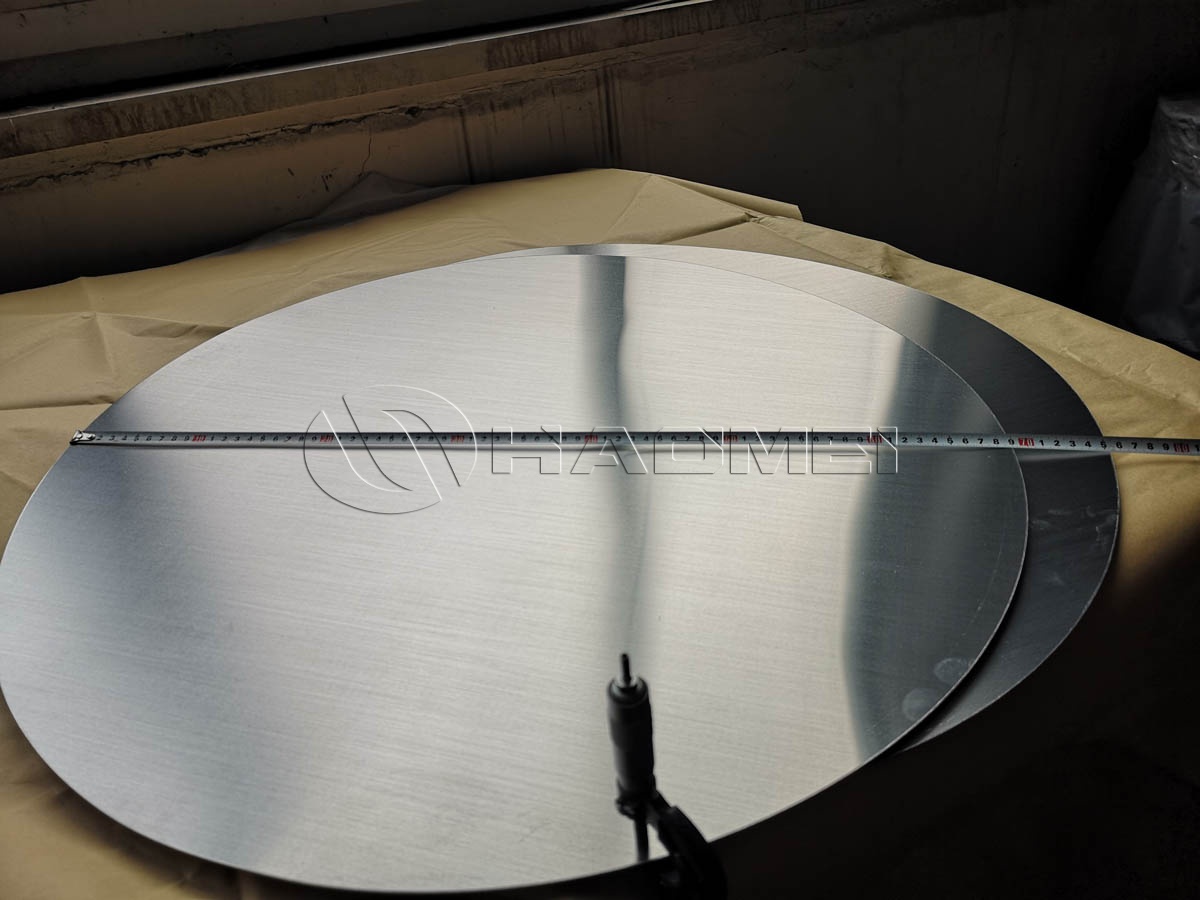
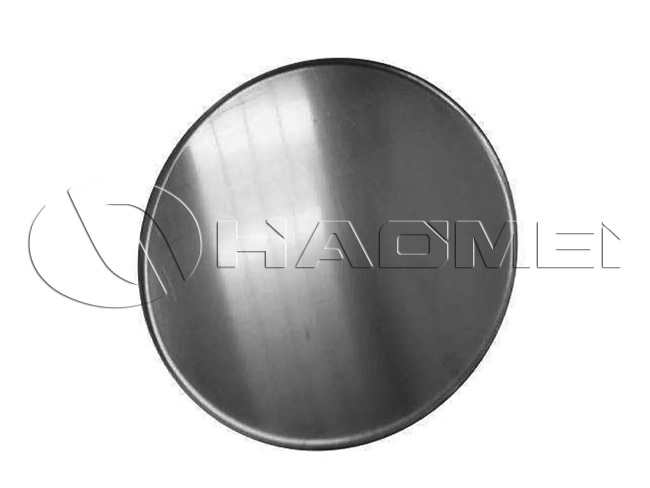
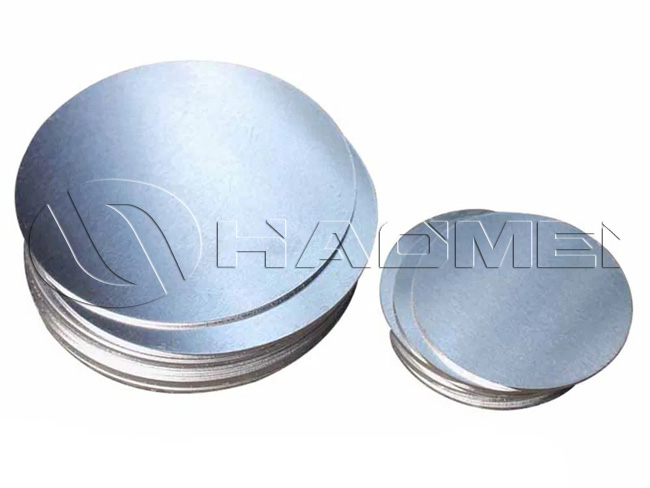
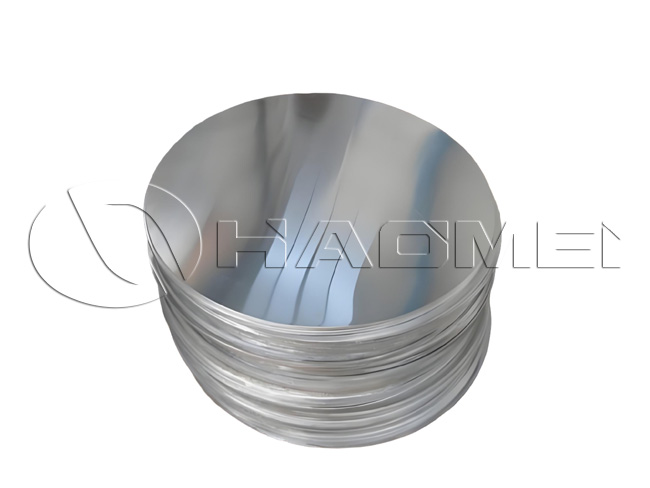
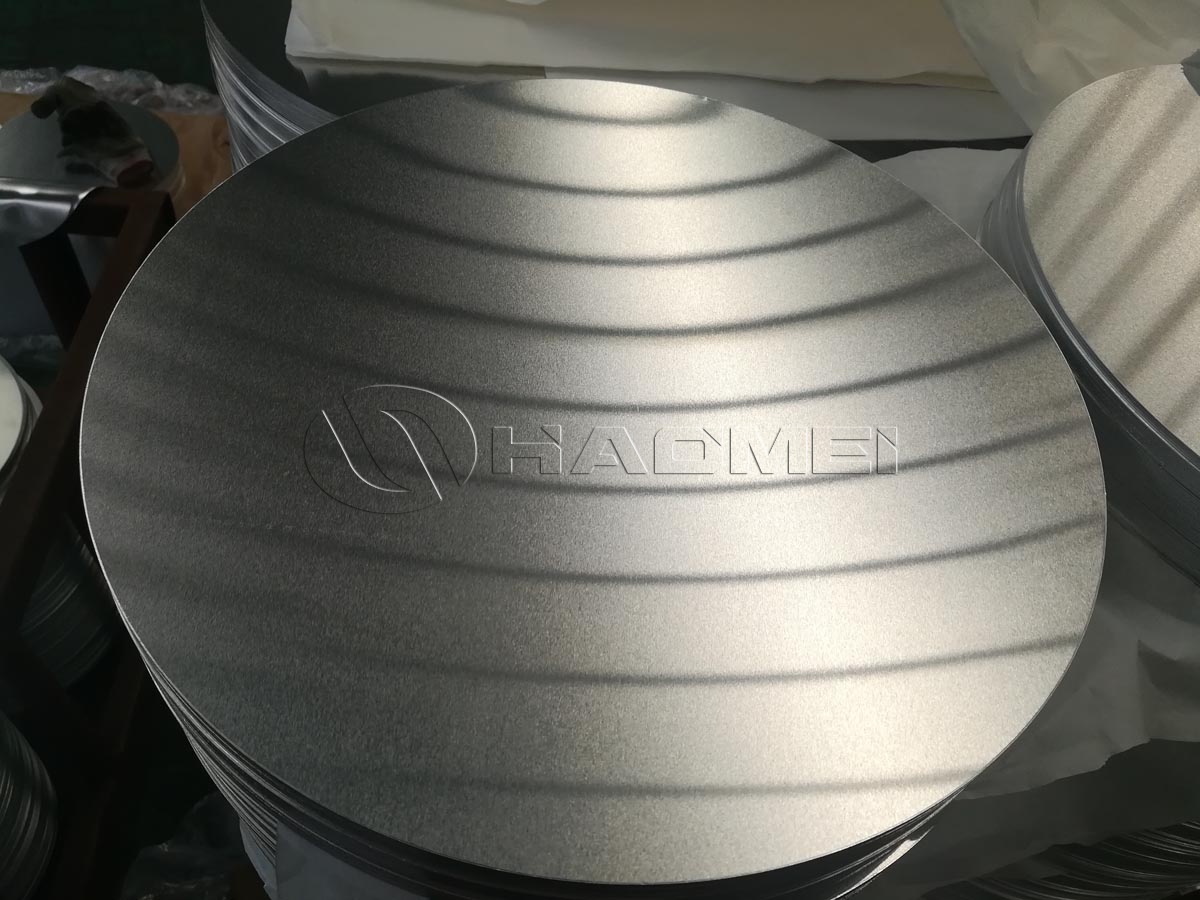
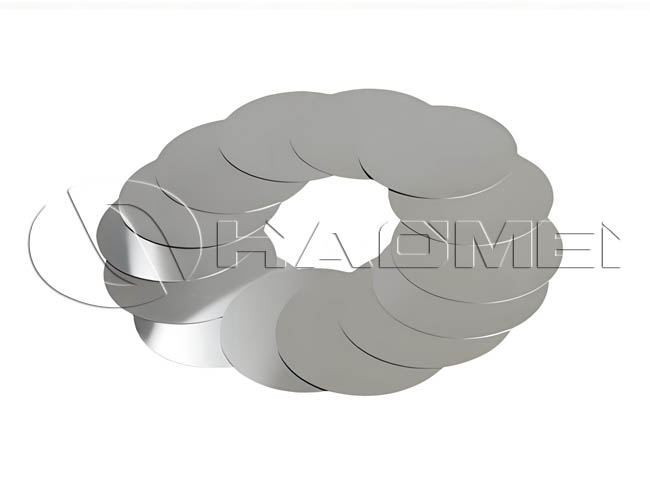
A 36 inch aluminum circle is an aluminum disc with a nominal diameter of 36 inches, equivalent to 914.4 mm. In manufacturing terms, this is a relatively large aluminum circle, so dimensional control and transportation protection become more important than with smaller cookware blanks.
We custom produce 36 inch aluminum circles from coil or sheet based on the required alloy series, thickness range, and end-use forming requirements. Common choices include 1050, 1060, 1100, and 3003 aluminum circle grades. The appropriate alloy depends on whether the buyer prioritizes deep drawing, corrosion resistance, surface finish, or moderate strength.
The alloy is one of the first pricing variables. Pure aluminum grades such as 1050, 1060, and 1100 are often selected for applications requiring good ductility, thermal conductivity, and surface uniformity. 3003 aluminum circle is frequently chosen when higher strength and better general-purpose forming performance are needed.
In general, the raw material cost of different alloys varies with aluminum ingot price, alloying elements, and market supply conditions. As a result, the price of custom cut 36 inch aluminum circles in 3003 may differ from the price in 1050 or 1100 under the same diameter and thickness.
Thickness has a direct impact on weight and processing. Since aluminum circle price is typically calculated based on weight plus processing cost, thicker discs cost more. A 36 inch aluminum circle at 1.0 mm and the same disc at 3.0 mm are not comparable in total price because the metal consumption differs substantially.
For large diameter discs, thickness also affects flatness control, blanking stability, and packaging requirements.
Temper selection influences both performance and production route. Common tempers for aluminum discs include O, H12, H14, and H24, depending on the alloy and application. For deep drawing or spinning applications, O temper is commonly required. For flatter, more rigid parts that do not require extensive forming, strain-hardened tempers may be suitable.
A tighter forming requirement often means stricter control of grain structure, edge quality, and surface condition, which can increase processing cost.
For custom cut aluminum discs, tolerance expectations affect manufacturing efficiency. A standard industrial tolerance is more economical than a special precision tolerance. If the buyer requests tighter diameter tolerance, better concentricity, lower burr, or improved flatness for automated fabrication, the factory must adopt additional inspection and process controls.
Not all 36 inch aluminum circles are used in the same way. Some applications accept standard mill finish, while others require a cleaner cosmetic surface, low oil residue, scratch control, or anodizing suitability. Decorative, lighting, and exposed-appearance parts often require a more controlled surface, which can raise the final price.
Order volume strongly affects unit cost. Small trial orders usually carry higher per-piece processing cost because die setup, machine adjustment, and inspection time are spread over fewer discs. Larger orders allow more efficient continuous production and lower average conversion cost.
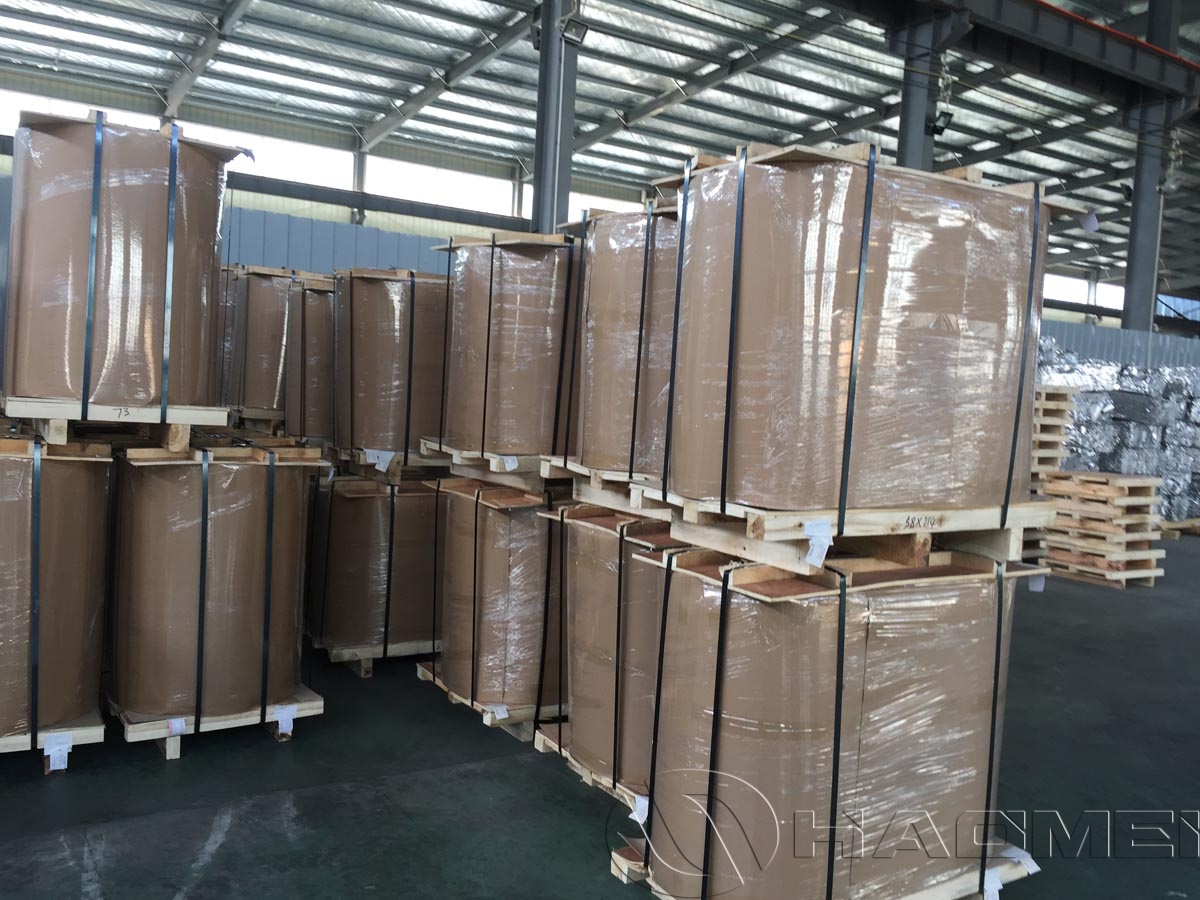
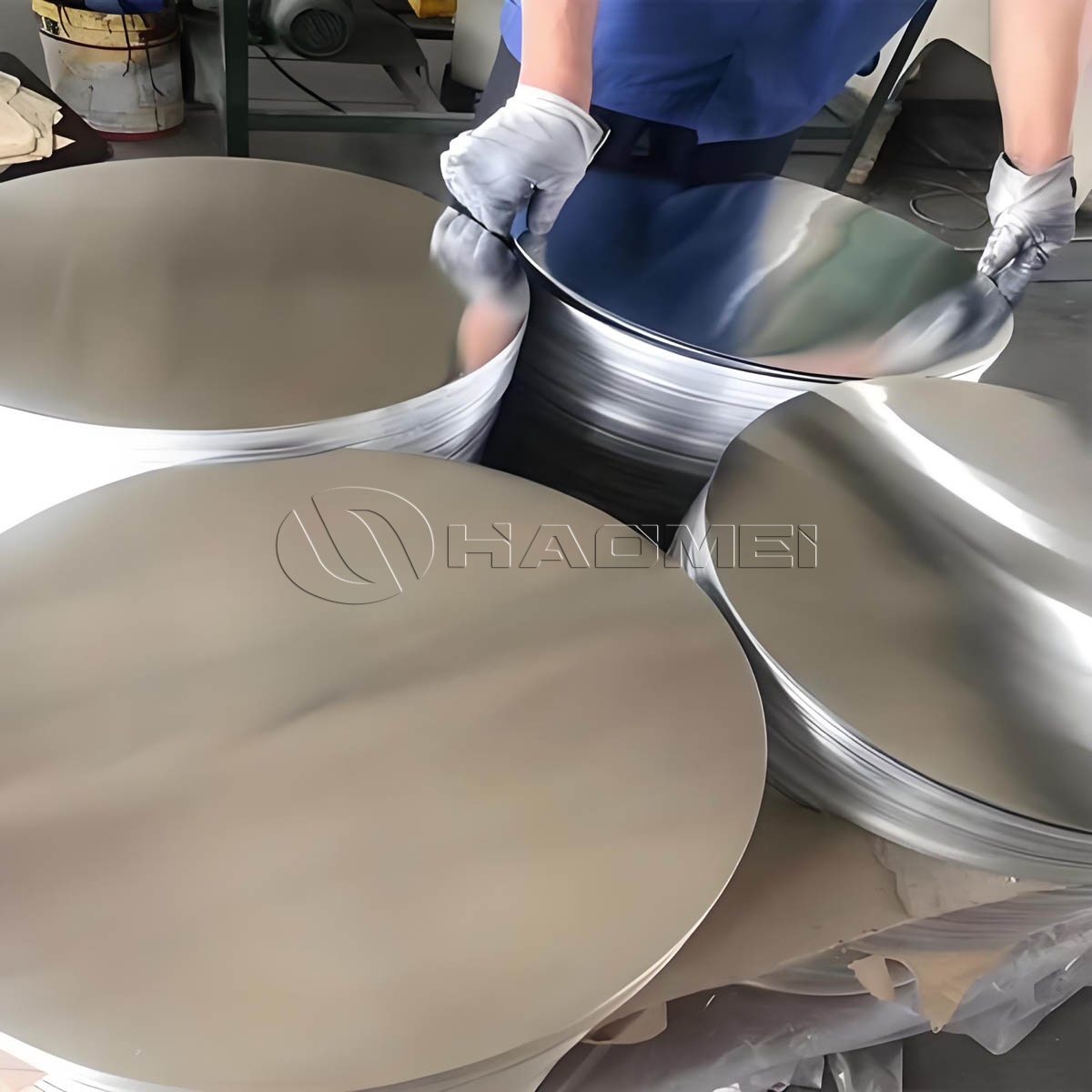
A 36 inch aluminum circle occupies more space than small blanks and is more vulnerable to edge damage during transport. Export packaging may include interleaving paper, moisture protection, wooden pallets, or wooden cases, depending on destination and shipping method. Packaging standard is therefore part of the quotation.
The following table shows common factory supply ranges for custom cut 36 inch aluminum circles. Actual values can be adjusted according to contract specifications.
| Item | Typical Range / Option |
|---|---|
| Product | Custom cut 36 inch aluminum circles |
| Diameter | 914.4 mm nominal |
| Diameter tolerance | Typically +/-0.5 mm to +/-2.0 mm, subject to specification |
| Thickness range | 0.8 mm to 6.0 mm |
| Thickness tolerance | According to alloy, gauge, and contract standard |
| Alloys | 1050, 1060, 1070, 1100, 3003, 3105 |
| Temper | O, H12, H14, H24 |
| Surface | Mill finish, clean surface, low burr edge |
| Manufacturing method | Blanking from coil or sheet, custom cutting |
| Edge condition | Standard deburred or controlled burr upon request |
| Flatness | Standard industrial flatness or custom requirement |
| Application | Cookware, lighting, signs, covers, formed parts, industrial components |
| Packaging | Paper interleaf, PE protection, wooden pallet, export seaworthy packing |
| MOQ | 1-3 tons |
As a manufacturer, we normally quote custom cut 36 inch aluminum circles based on the following structure:
Raw material cost.
Blanking or cutting cost.
Surface and quality control cost.
Packaging cost.
Freight term according to EXW, FOB, CFR, or CIF if requested.
The most practical way to obtain an accurate aluminum disc price is to provide complete specifications. A quotation request should include alloy, temper, thickness, diameter, tolerance, surface requirement, quantity, application, packaging standard, and destination port.
For example, the price of custom cut 36 inch aluminum circles in 1050-O for deep drawing may differ from 3003-H14 discs intended for rigid signage or structural covers. Even if the diameter is identical, the manufacturing route and inspection points are not the same.
These grades are widely used where excellent workability and corrosion resistance are required. They are suitable for applications involving spinning, pressing, and general fabrication. When buyers search for 36 inch aluminum circles for forming, 1050 and 1060 are common starting options.
1100 aluminum circle provides good formability and is often used in chemical, lighting, and decorative components. It is also selected when a balance of ductility and commercial purity is needed.
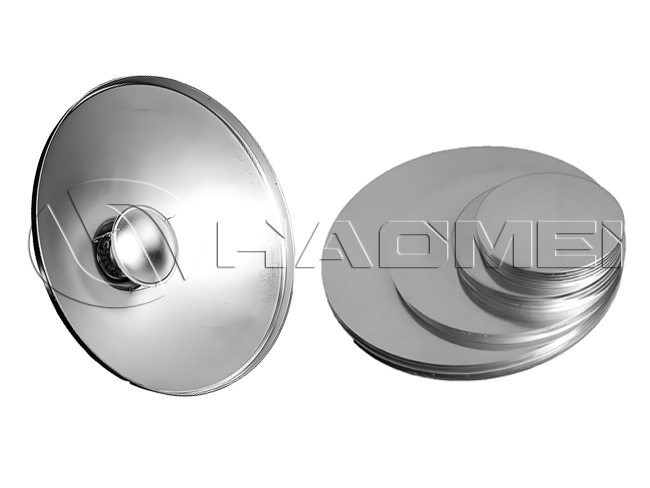
3003 aluminum circle contains manganese and offers higher strength than 1000 series grades while maintaining good workability. It is frequently used for cookware, lamp covers, and industrial stamped parts.
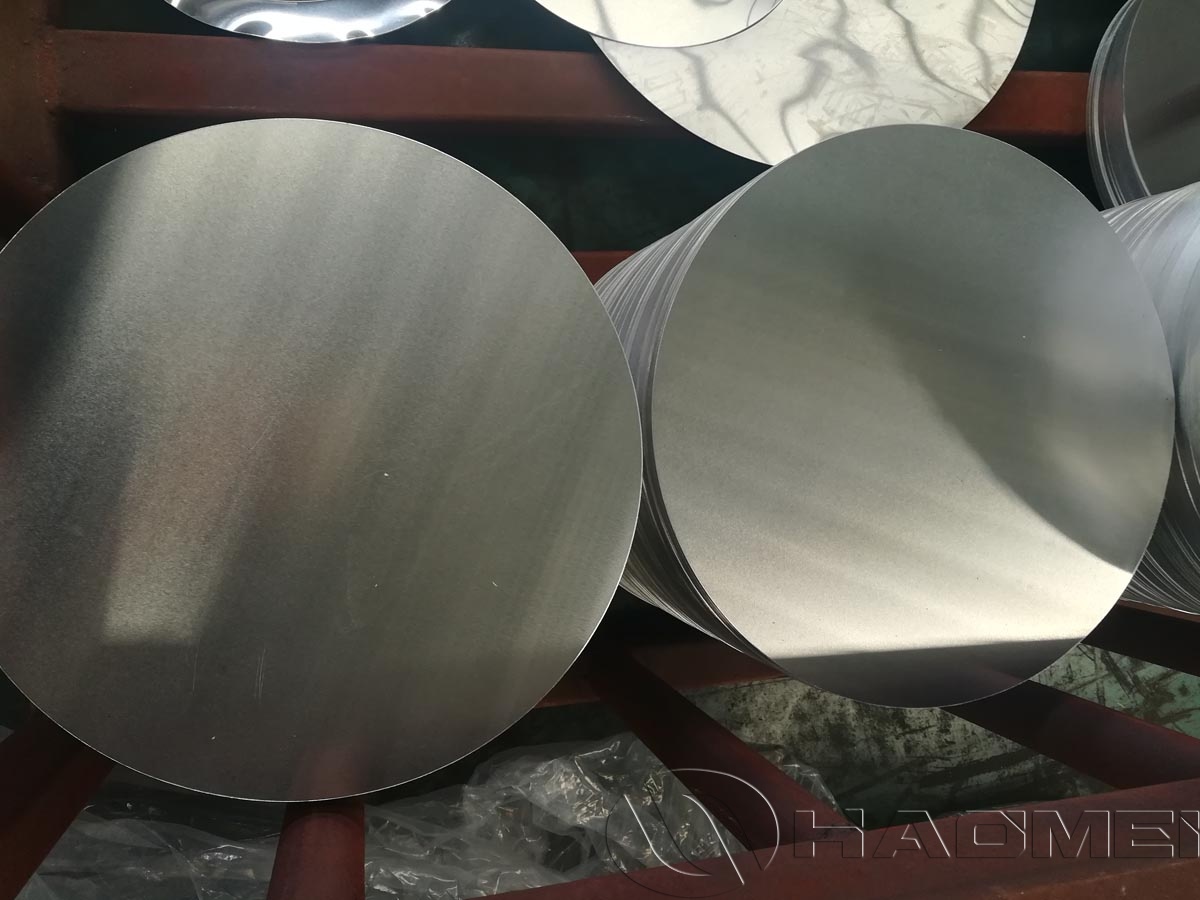
The end use of the aluminum circle is essential in pricing because it determines process control requirements.
For cookware and deep drawing, the material must have stable elongation, clean surface, and consistent thickness. These applications usually prioritize O temper, low earing performance, and controlled metallurgy.
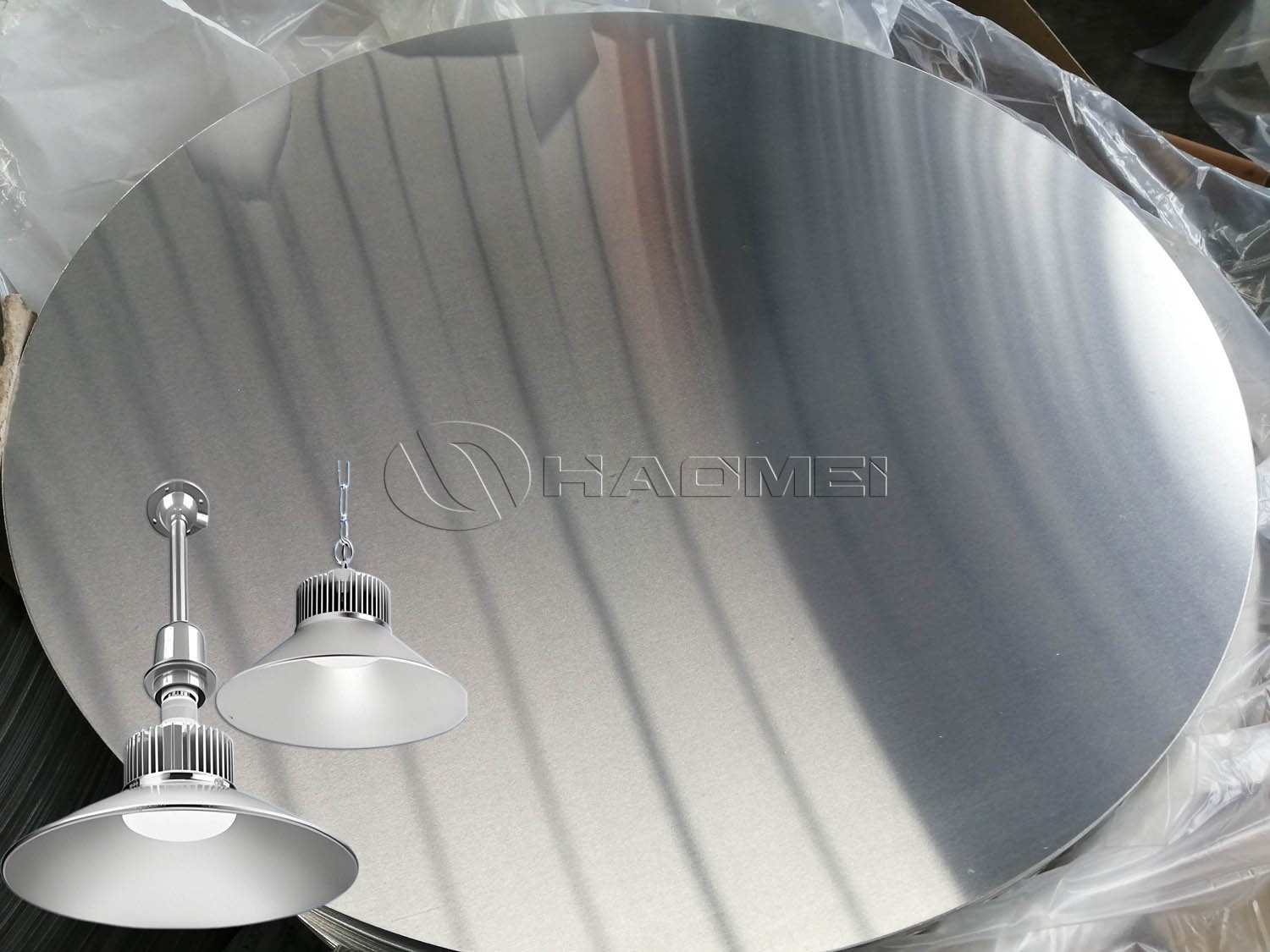
Lighting applications may require better surface quality, closer dimensional tolerance, or suitability for polishing and anodizing. This raises the standard beyond a basic industrial blank.
For traffic signs, nameplates, and covers, buyers often focus on flatness, rigidity, and coating compatibility. In these cases, strain-hardened tempers or specific alloy choices may be more economical than fully soft temper.
A 36 inch aluminum circle is not simply a scaled-up small disc. As diameter increases, the risks of edge deformation, flatness variation, and transport damage increase as well. In our production process, we pay attention to:
Raw material consistency.
Appropriate blanking route based on thickness.
Diameter verification during production.
Burr control and edge inspection.
Flatness monitoring before packing.
Palletized export packaging for large-diameter discs.
These controls are directly connected to the final cost and to the usability of the discs at the buyer's facility.
The price of custom cut 36 inch aluminum circles is determined by a combination of alloy, thickness, temper, tolerance, surface requirement, order quantity, and packaging method. As a factory, we do not treat all aluminum circles as standard commodity items. Each large-diameter custom cut aluminum disc must be evaluated according to its actual application and processing requirement.
For buyers seeking stable supply of 36 inch aluminum circles, the most effective approach is to define technical specifications clearly at the beginning of the inquiry. This allows us to quote accurately, produce consistently, and deliver aluminum circles that match forming, fabrication, and export requirements.


Office Address:
No.14 Waihuan Road, CBD, Zhengzhou, China
Contact Us
HAOMEI Aluminum offer an custom aluminum circle for you!
whatsapp: +86-18703635966
Email: sales@alummc.com
Email: alummc@hotmail.com
Request Free Sample & Quotation
Copyright © 2026 By HAOMEI Aluminum CO., LTD. All Rights Reserved. Sitemap
 +86-18703635966
 sales@alummc.com
 8618703635966
