
 No.14 Waihuan Road, CBD, Zhengzhou, China
 +86-18703635966

No.14 Waihuan Road, CBD, Zhengzhou, China
+86-18703635966
As an aluminum circle manufacturer, we supply stamping aluminum circle for lampshade production to lighting factories, metal spinning workshops, and OEM appliance producers. Lampshade components require stable forming performance, clean surface quality, accurate diameter tolerance, and consistent mechanical properties from coil to coil. These requirements are not achieved only by cutting round blanks. They depend on alloy selection, rolling route, annealing control, blanking accuracy, lubrication compatibility, and final inspection.
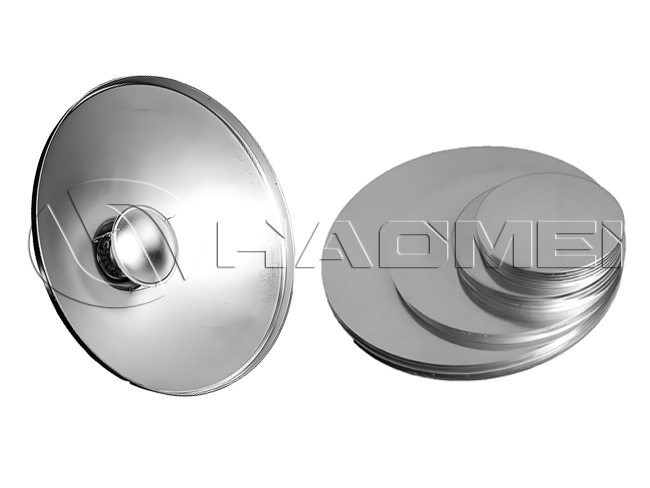
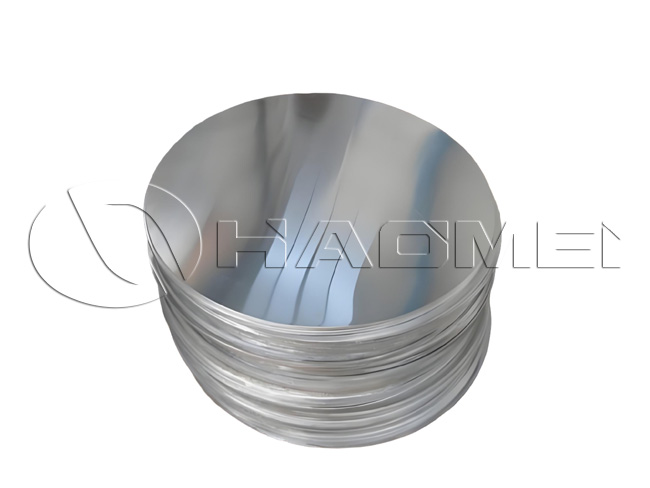
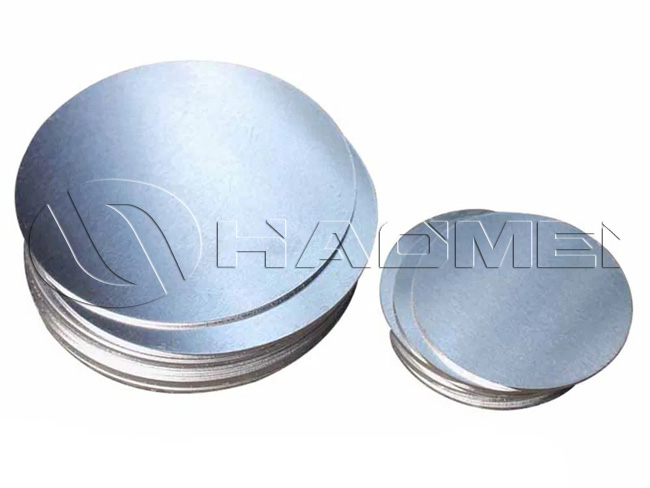
In our factory, aluminum circle for lampshade applications is produced from controlled aluminum coil and processed through leveling, blanking, annealing, surface protection, and packaging. The circles can be used for stamped lampshades, spun lampshades, reflector covers, decorative light housings, ceiling lamp parts, LED lamp cups, and related lighting components.
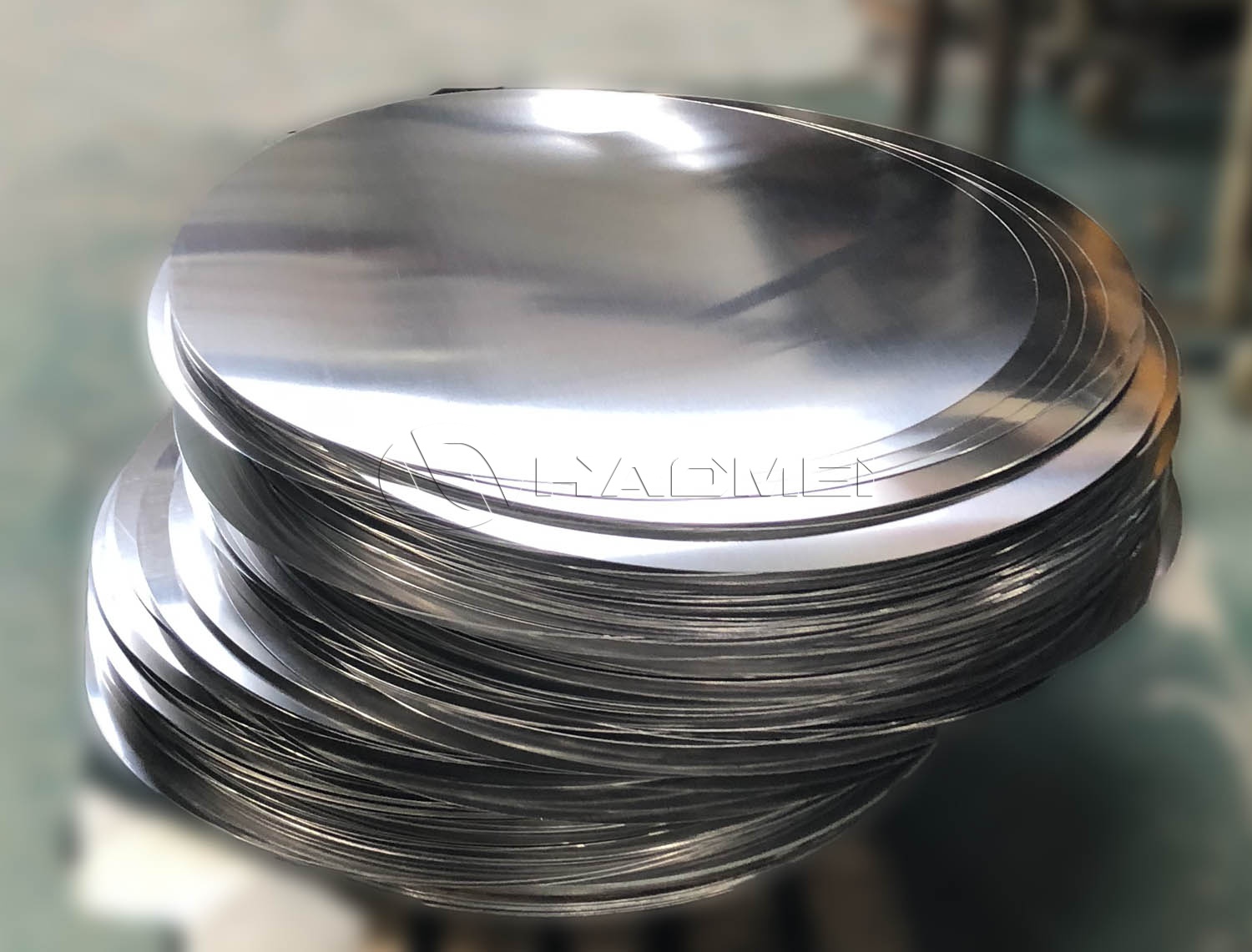
Aluminum is widely used in lampshade manufacturing because it combines low weight, good corrosion resistance, high reflectivity after surface treatment, and excellent formability. Compared with steel, aluminum reduces the weight of suspended and wall-mounted lighting products. Compared with plastic, it offers better heat dissipation and dimensional stability around LED modules or traditional light sources.
For stamped lampshades, the round blank must flow smoothly into the die cavity without tearing, orange peel, wrinkling, or severe earing. This is why deep drawing aluminum circles are commonly selected instead of ordinary cut sheet. The material must have a controlled grain structure and suitable elongation. For visible lighting products, the surface must also remain free from scratches, oil stains, black spots, edge burrs, and roll marks that may remain visible after anodizing, polishing, powder coating, or painting.
Our Aluminum Circles for Lampshades are manufactured with these forming and finishing requirements in mind, especially for customers who need stable stamping results in continuous production.
The most common alloys for lampshade aluminum discs are 1050, 1060, 1070, 1100, 3003, and 3004. The final choice depends on the lampshade shape, forming depth, required strength, surface treatment, and cost target.
Pure aluminum grades such as 1050 and 1060 provide excellent ductility and are suitable for shallow to medium drawing, spinning, and decorative lampshade parts. Alloy 1100 is also widely used where good formability and moderate strength are needed. For lampshade shells that require better strength after forming, 3003 aluminum circle or 3004 aluminum circle may be selected. These manganese alloy grades provide higher mechanical strength while maintaining good formability.
For demanding drawing operations, we normally recommend confirming the stamping ratio, die radius, blank holder force, and lubrication before mass production. A small change in part depth or flange design may require a different temper or thickness tolerance.
The following table shows typical manufacturing ranges for stamping aluminum circle for lampshade. Final specifications can be adjusted according to customer drawings, forming process, and surface treatment route.
| Item | Typical Range or Option | Notes for Lampshade Production |
|---|---|---|
| Alloy | 1050, 1060, 1070, 1100, 3003, 3004 | Selected according to drawing depth and strength requirement |
| Temper | O, H12, H14, H16, H18 | O temper is preferred for deep drawing and spinning |
| Thickness | 0.30 mm to 4.00 mm | Common lampshade range is 0.50 mm to 2.00 mm |
| Diameter | 80 mm to 1200 mm | Larger diameters can be evaluated by production route |
| Diameter Tolerance | +/-0.20 mm to +/-1.00 mm | Depends on diameter and order standard |
| Thickness Tolerance | According to EN, ASTM, or customer specification | Controlled from rolling coil source |
| Surface | Mill finish, bright finish, anodizing quality, coated option | Surface is selected based on final decoration process |
| Edge Condition | Burr controlled, clean cut edge | Important for automatic feeding and safe handling |
| Lubrication | Dry, lightly oiled, or customized | Matched with stamping and cleaning process |
| Packaging | Wooden pallet, moisture barrier, paper interleaving, plastic film | Export packaging for sea and land transport |
Our production of lampshade aluminum circles begins with qualified aluminum coil. Coil quality is the foundation of consistent stamping performance. Before blanking, we check the coil surface, thickness, width, mechanical property certificate, and traceability information.
The coil is then leveled to reduce internal stress and improve flatness. Stable flatness is important because uneven blanks may feed poorly into automatic stamping equipment or cause inconsistent material flow during drawing. After leveling, the strip enters the blanking press or circle cutting line. The die clearance is controlled according to thickness and alloy to reduce burr height and maintain roundness.
For deep drawing aluminum circles, annealing is a critical process. We use controlled furnace parameters to obtain the required temper and uniform softness through the whole batch. Inadequate annealing may cause cracking during stamping, while excessive annealing may reduce strength and handling stability. After annealing, surface inspection, stacking, interleaving, and packaging are completed according to the order requirement.
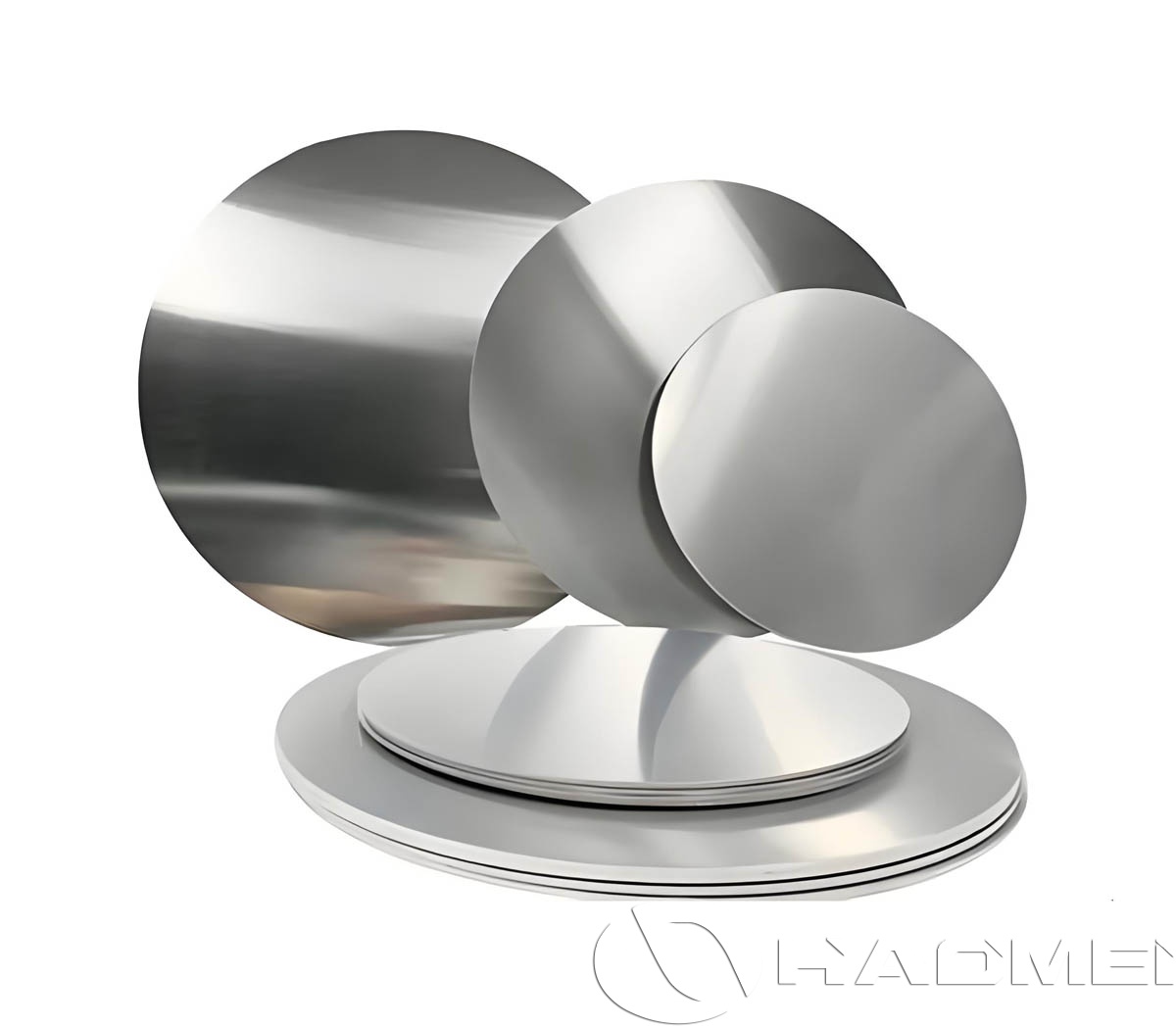
A lampshade may look simple, but the stamping operation can be sensitive. During forming, the aluminum circle is pulled from the flange area into the die. If the material is too hard, cracks may appear near the corner radius. If the material is too soft or the blank holder setting is not suitable, wrinkling can occur. If the circle diameter is inconsistent, the final trimming allowance becomes unstable.
For this reason, our quality control focuses on the following points:
Stable elongation and tensile strength for the selected alloy and temper.
Uniform thickness across the blank to avoid uneven material flow.
Controlled diameter tolerance for stable feeding and forming depth.
Low burr edge to reduce die wear and handling risk.
Clean surface without embedded particles that may affect coating.
Suitable surface oil level for the customer stamping process.
In many lighting factories, the aluminum circle is stamped first, then degreased, polished, anodized, painted, or powder coated. The blank surface must therefore be compatible with downstream finishing. If the part will be mirror polished or used as a reflector, the coil route and surface protection must be discussed before production.
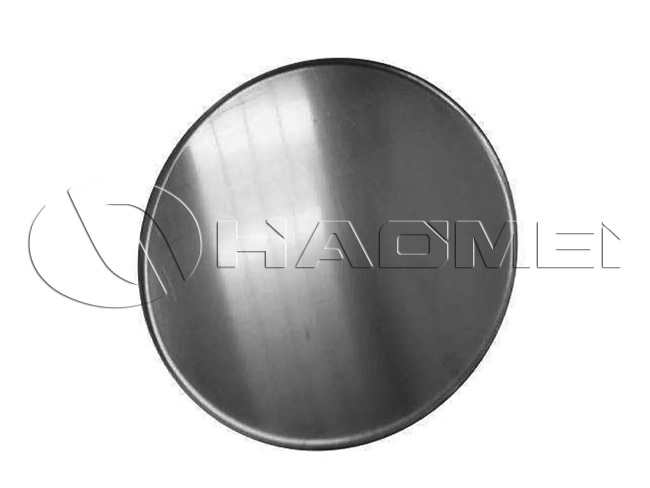
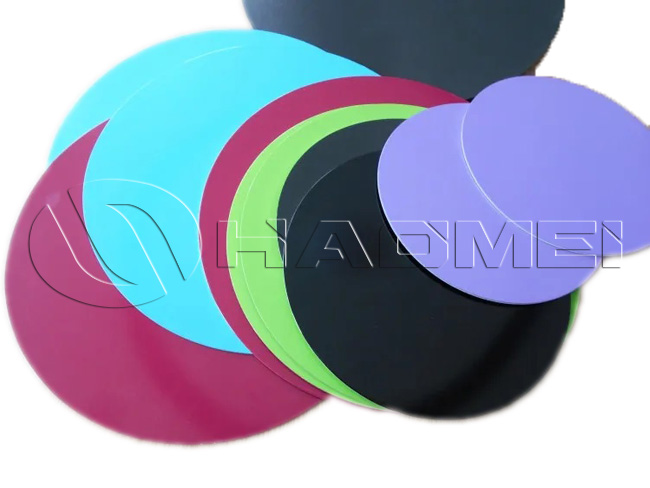
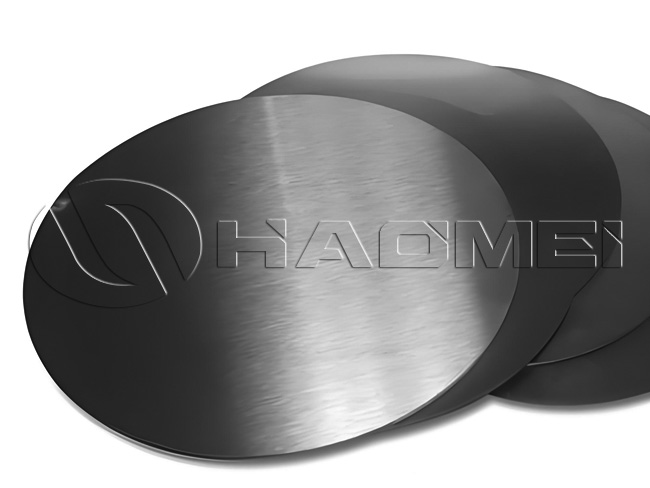
Lampshade aluminum discs can be supplied in several surface conditions. Mill finish is the standard choice for painted or powder coated lampshades. Bright finish or higher surface quality may be required for decorative shades, reflectors, and exposed metal products. For customers who need pre-finished surfaces, color coated aluminum circle can reduce later coating work, although the coating flexibility must be compatible with the forming depth.
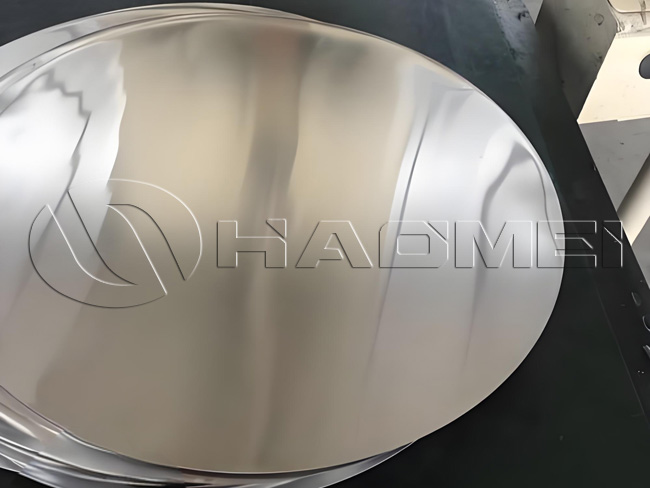
Where a reflective interior or decorative appearance is required, mirror surface material can also be considered. In such cases, the handling, interleaving, and protective film are very important. Even small scratches may become visible after forming. For related reflective projects, customers may also review our Mirror Aluminum Circle options when the part design requires a bright decorative or reflective surface.
Surface selection should be confirmed together with the drawing method. Deep drawing, spinning, and shallow stamping place different strain on the surface. A finish that performs well in shallow forming may not be suitable for a deeper lamp cup.
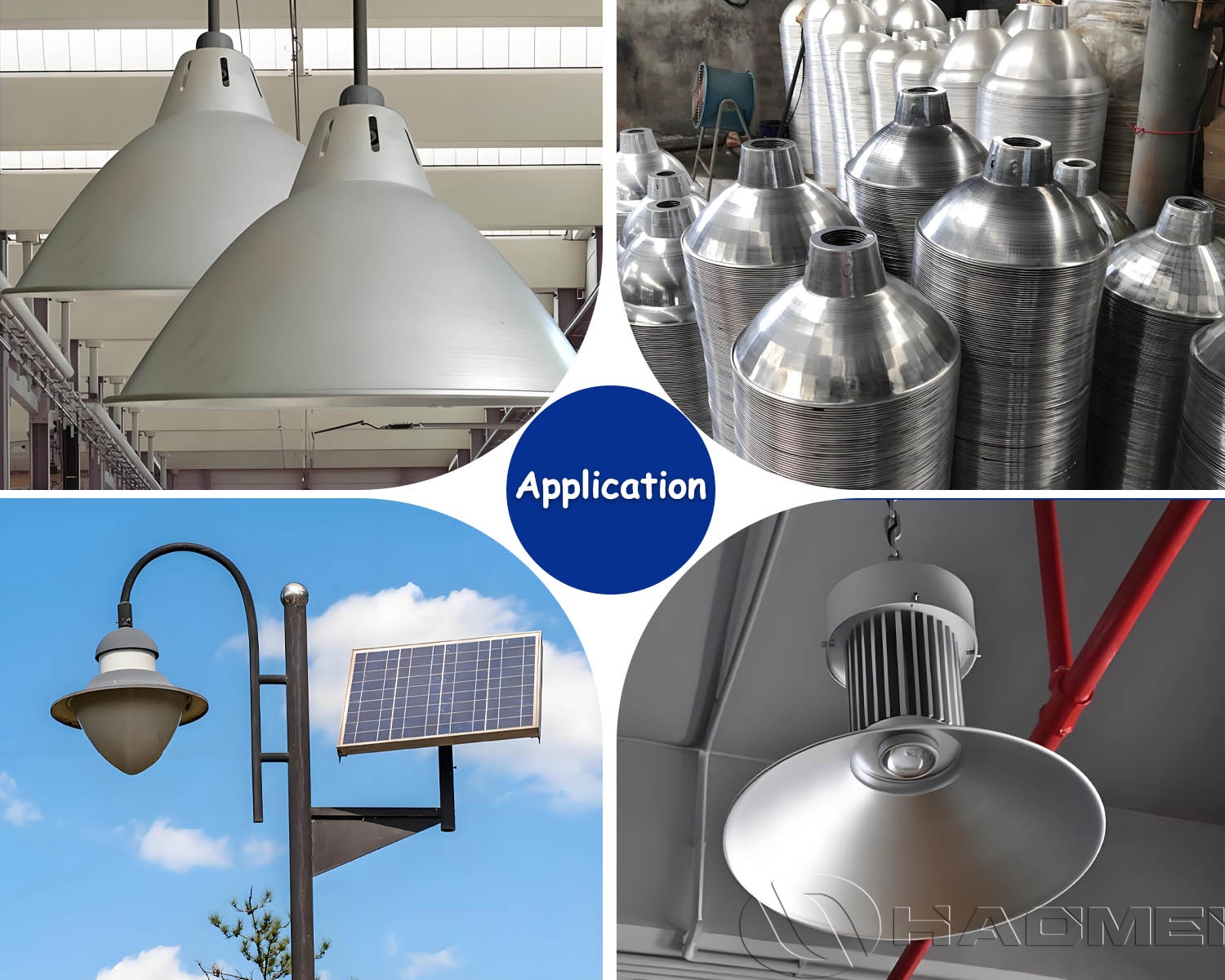
Stamping aluminum circle for lampshade is used in a wide range of lighting components. Typical products include pendant lamp shades, ceiling lamp covers, downlight cups, industrial lamp housings, decorative metal shades, reflector bowls, LED heat dissipation covers, and outdoor lamp caps. Different products require different combinations of thickness, temper, and surface condition.
For example, a small LED downlight cup may require thin O temper aluminum with excellent drawing behavior. A large industrial lampshade may require a thicker 3003 aluminum circle to improve rigidity. A decorative pendant lamp shade may require a clean surface suitable for powder coating or anodizing. These differences should be specified before quotation so that the correct production route can be selected.
As a manufacturer, we control quality at several stages instead of relying only on final inspection. Incoming coil inspection checks alloy, temper, thickness, surface, and documentation. During blanking, operators monitor diameter, burr, edge condition, and surface cleanliness. After annealing, mechanical properties and hardness can be checked according to the order requirement.
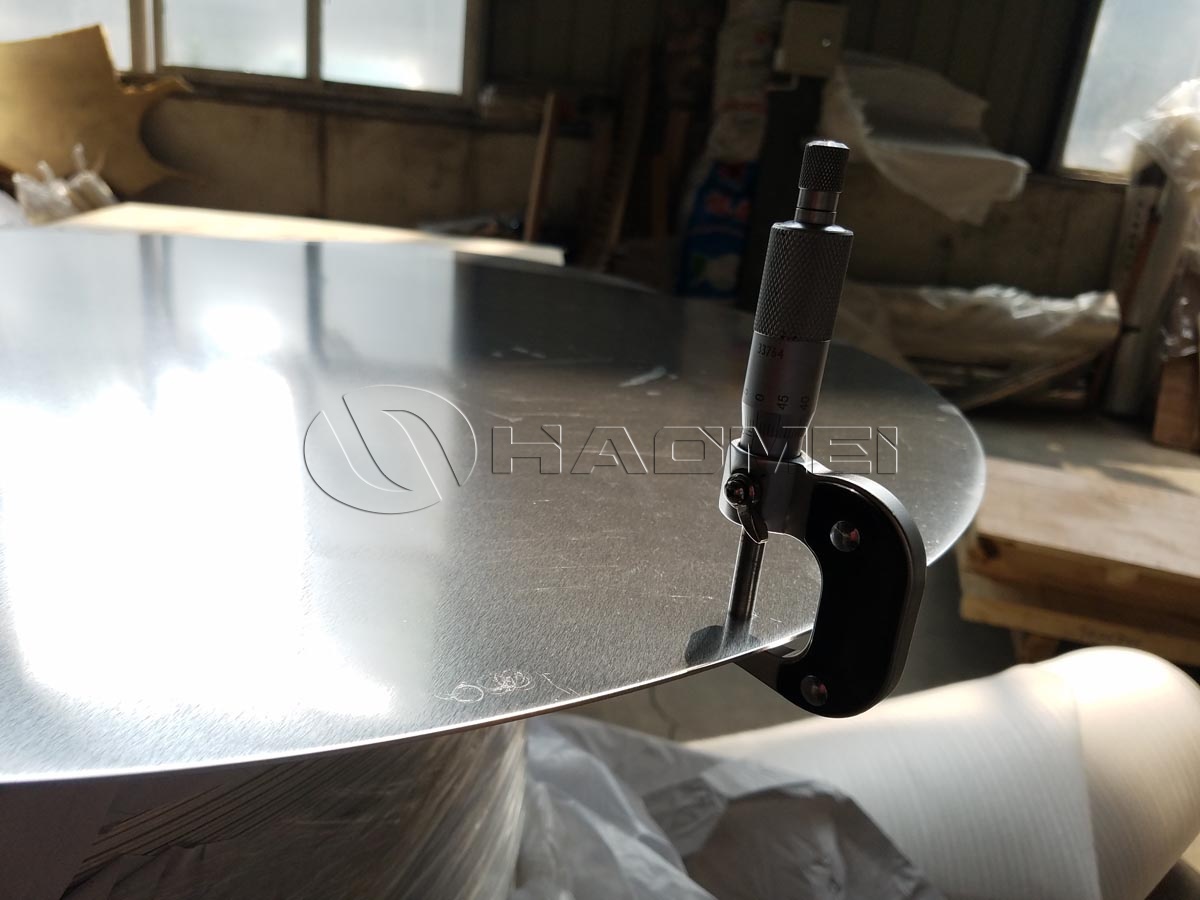
Final inspection normally includes visual surface inspection, random measurement of thickness and diameter, packaging confirmation, and traceability review. For export orders, we can provide material test certificates, packing lists, and inspection records as required by the customer. When customers have strict forming requirements, trial samples can be produced for stamping validation before mass production.
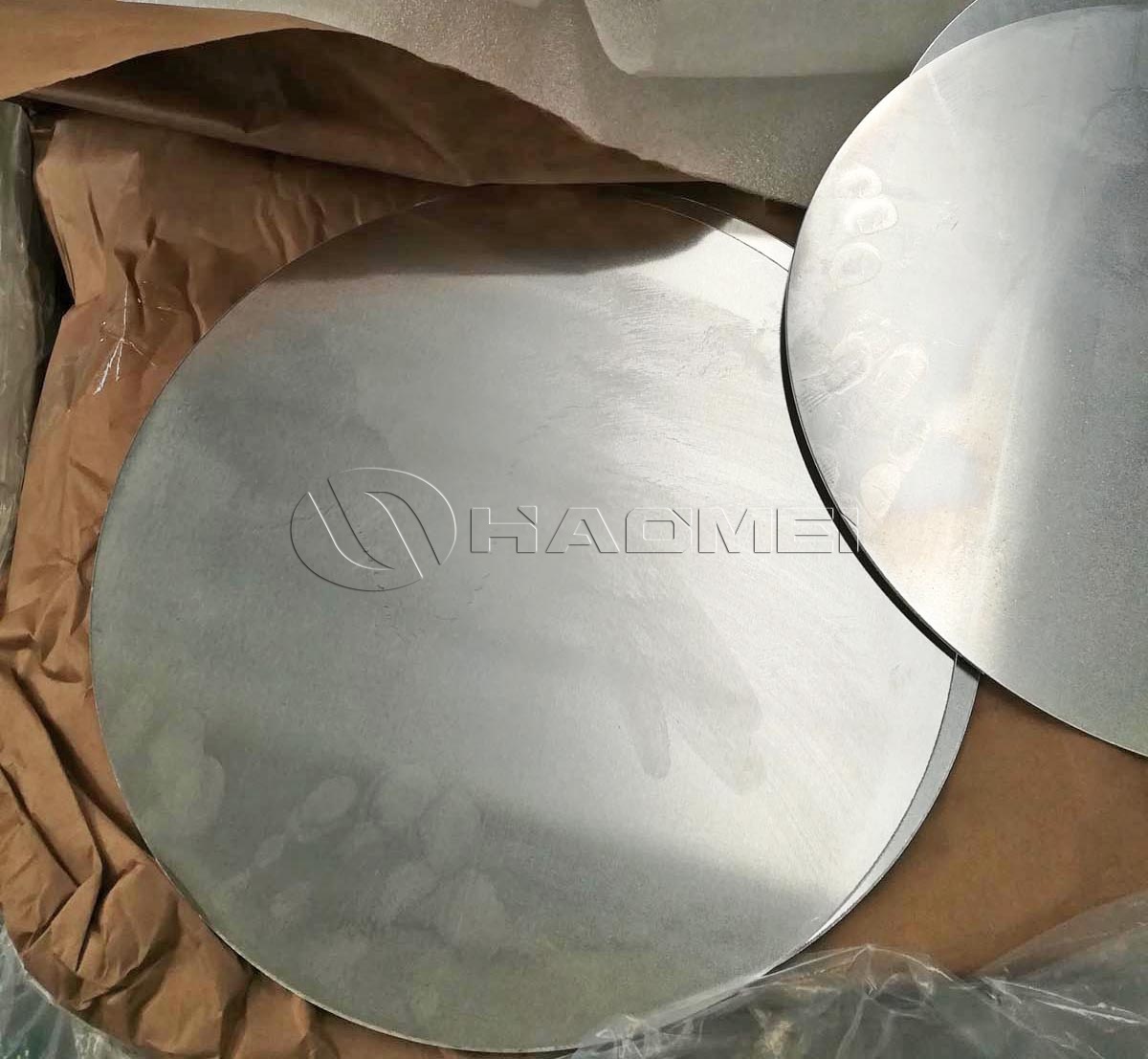
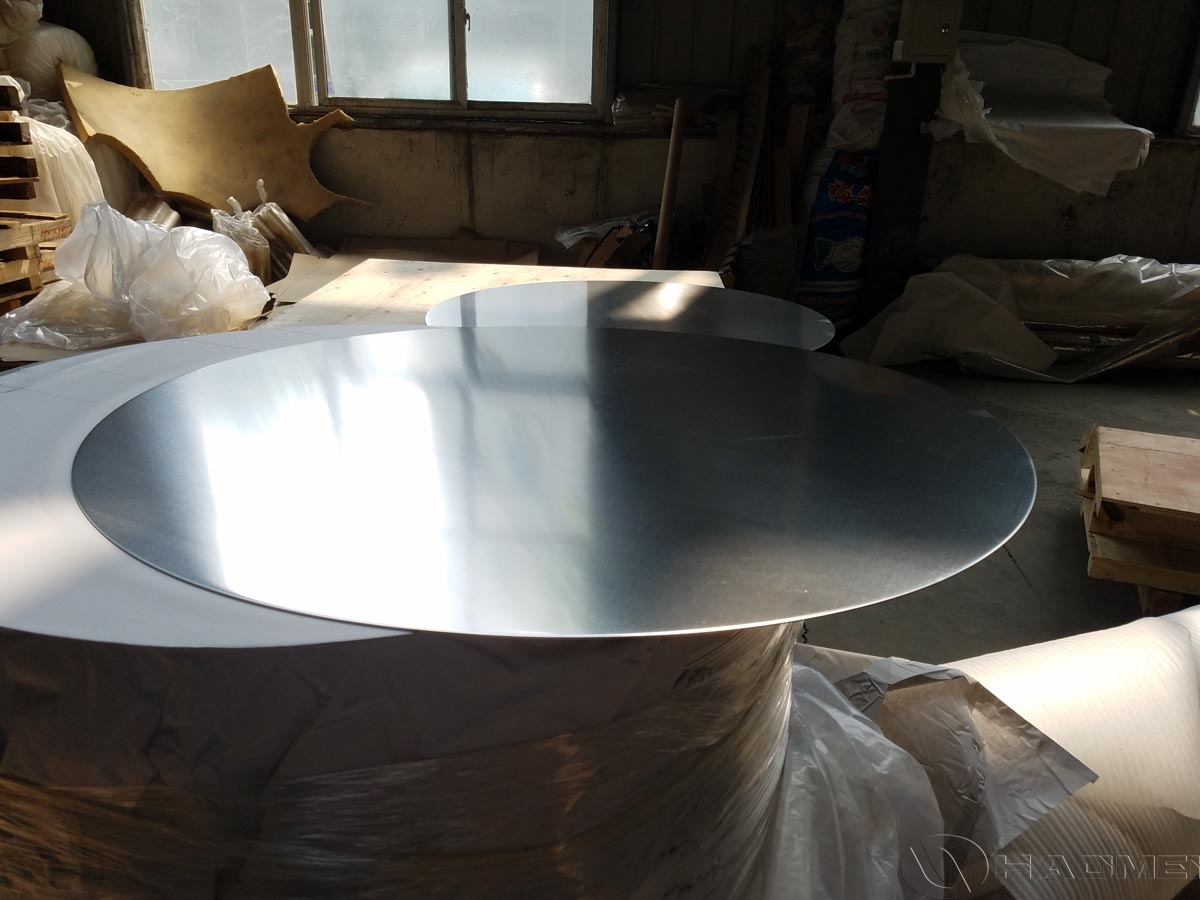
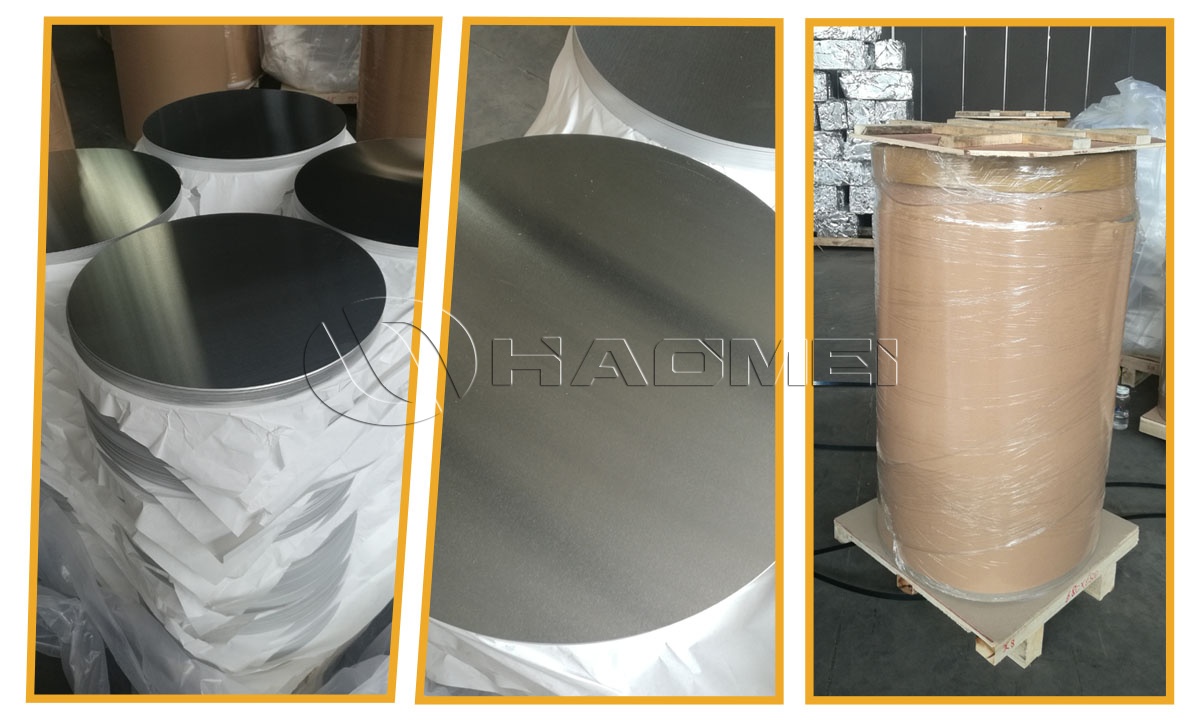
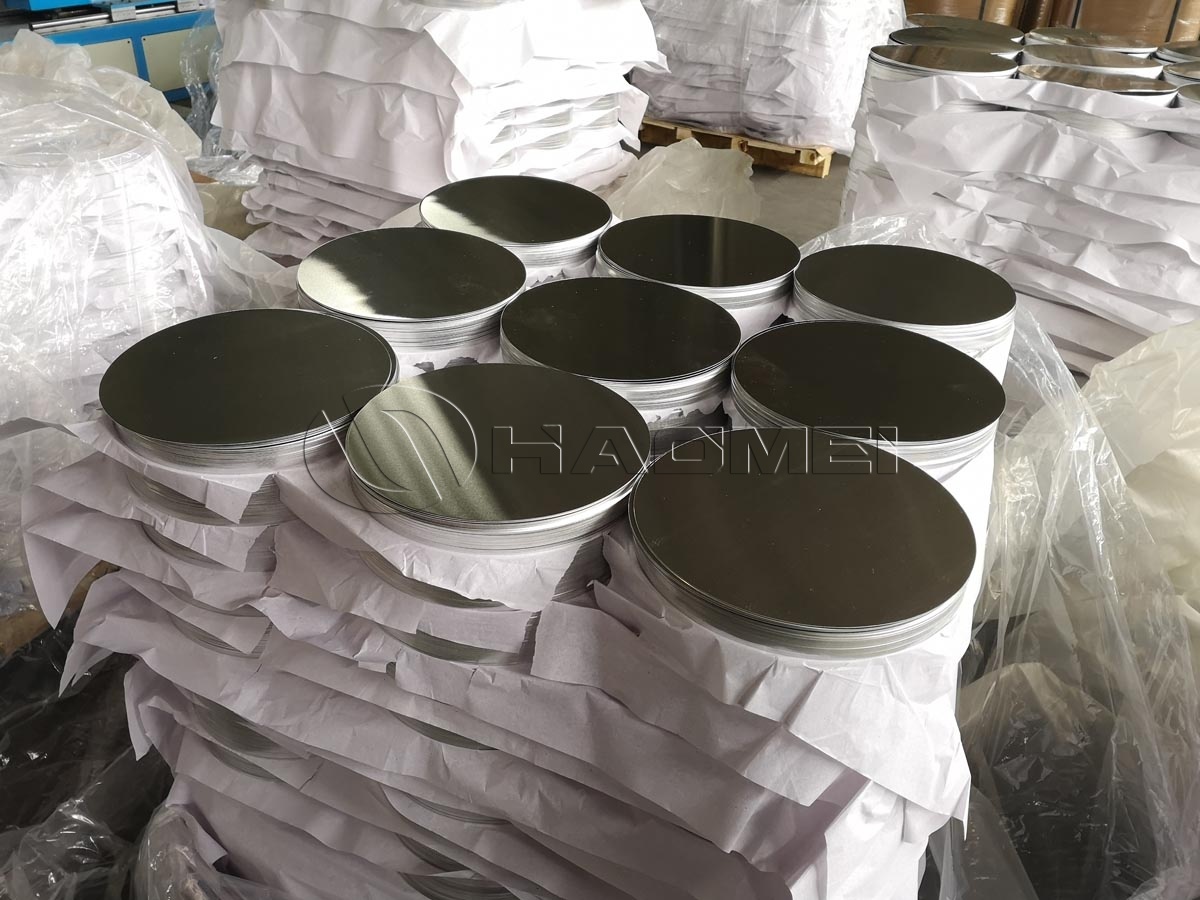
Good packaging is necessary because aluminum circles are vulnerable to moisture, edge damage, and surface abrasion during transportation. Our standard export packaging uses wooden pallets or wooden cases, moisture protection, plastic film, kraft paper, and secure strapping. For high surface requirements, paper interleaving or film protection can be applied.
The stacking method is selected according to diameter and thickness. Heavy stacks must be stable enough for forklift handling, while thin circles must be protected from bending. Clear labels are attached to show alloy, temper, size, quantity, batch number, and customer reference.
To quote and produce stamping aluminum circle for lampshade accurately, we normally request the following information:
Alloy and temper, or the final forming requirement if alloy is not fixed.
Thickness, diameter, and tolerance.
Drawing depth, part shape, or product drawing if available.
Surface requirement, such as mill finish, bright finish, anodizing quality, or coating.
Oil requirement, dry surface, or light oil.
Quantity, packaging preference, and delivery destination.
Any testing standard, certificate, or inspection requirement.
With this information, our engineering and production teams can evaluate the most suitable aluminum circle specification and reduce the risk of forming problems in customer production.
Stamping aluminum circle for lampshade production requires more than simple round blank cutting. It requires controlled alloy selection, stable temper, accurate blanking, clean surface handling, and practical knowledge of stamping and finishing processes. As a factory, we focus on producing aluminum circle for lampshade applications with consistent formability, reliable dimensions, and export-ready packaging.
By matching the aluminum disc specification to the lampshade design and forming process, lighting manufacturers can improve production stability, reduce scrap, and obtain a better final surface after coating, anodizing, or polishing.

Office Address:
No.14 Waihuan Road, CBD, Zhengzhou, China
Contact Us
HAOMEI Aluminum offer an custom aluminum circle for you!
whatsapp: +86-18703635966
Email: sales@alummc.com
Email: alummc@hotmail.com
Request Free Sample & Quotation
Copyright © 2026 By HAOMEI Aluminum CO., LTD. All Rights Reserved. Sitemap
 +86-18703635966
 sales@alummc.com
 8618703635966
