
 No.14 Waihuan Road, CBD, Zhengzhou, China
 +86-18703635966

No.14 Waihuan Road, CBD, Zhengzhou, China
+86-18703635966
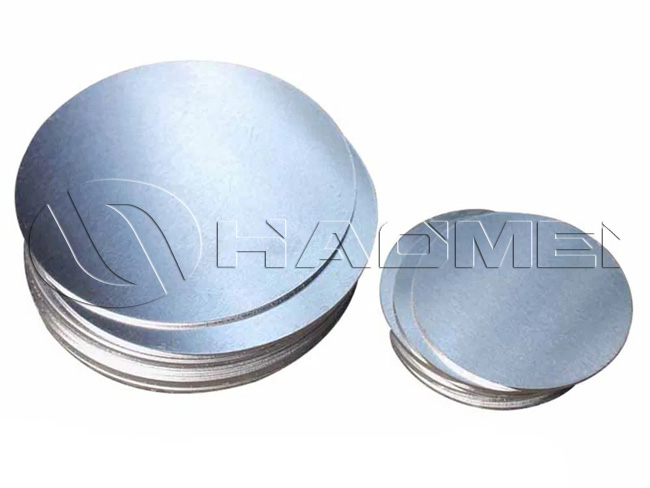
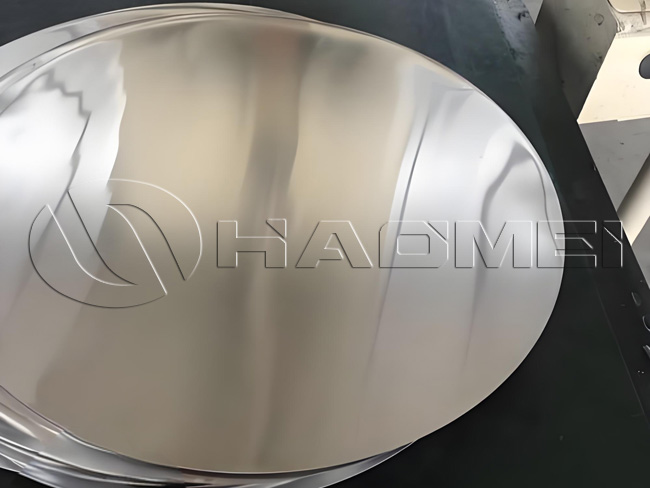
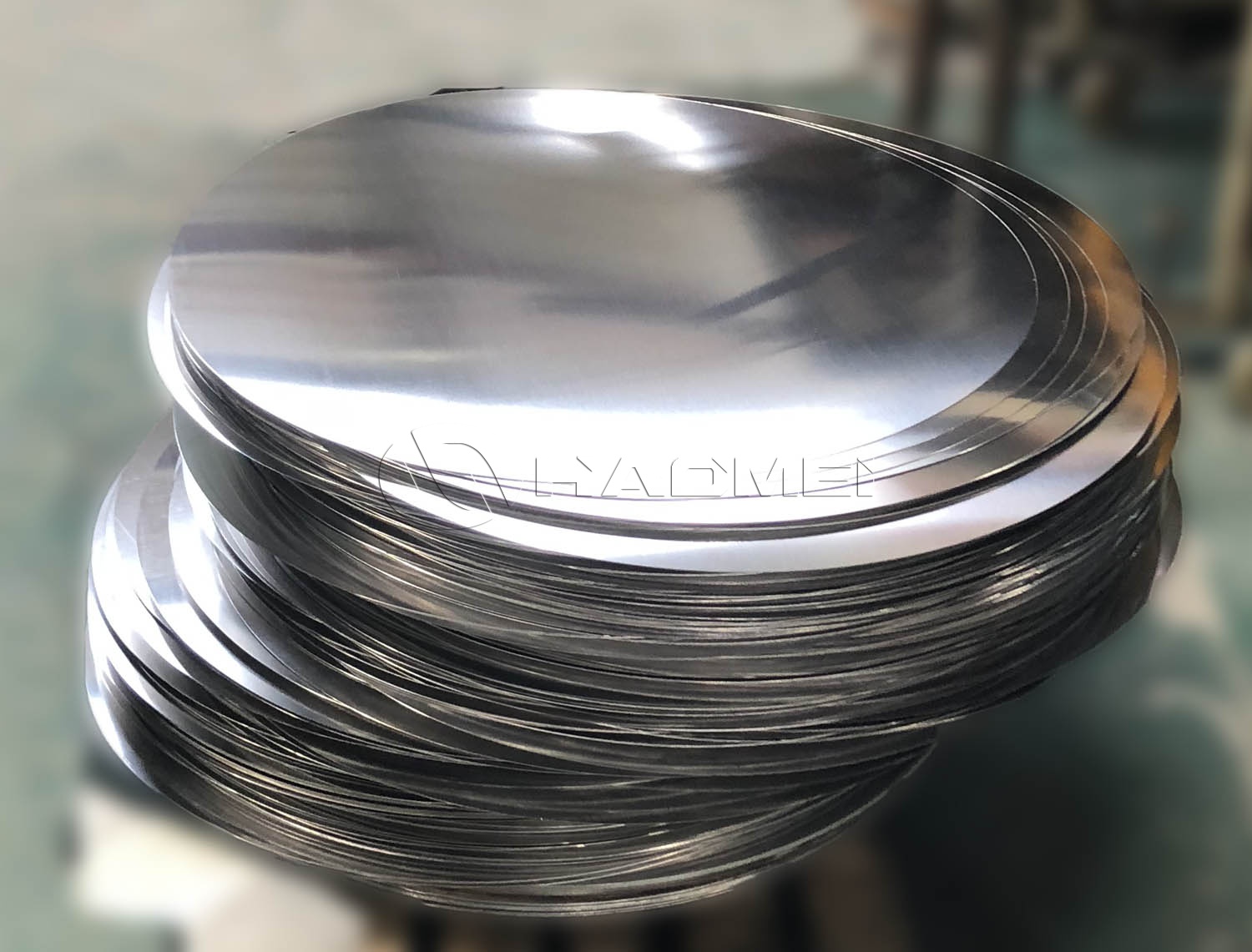
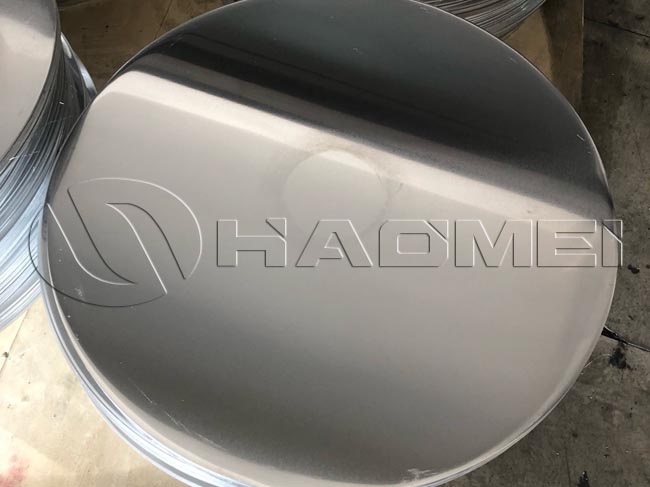
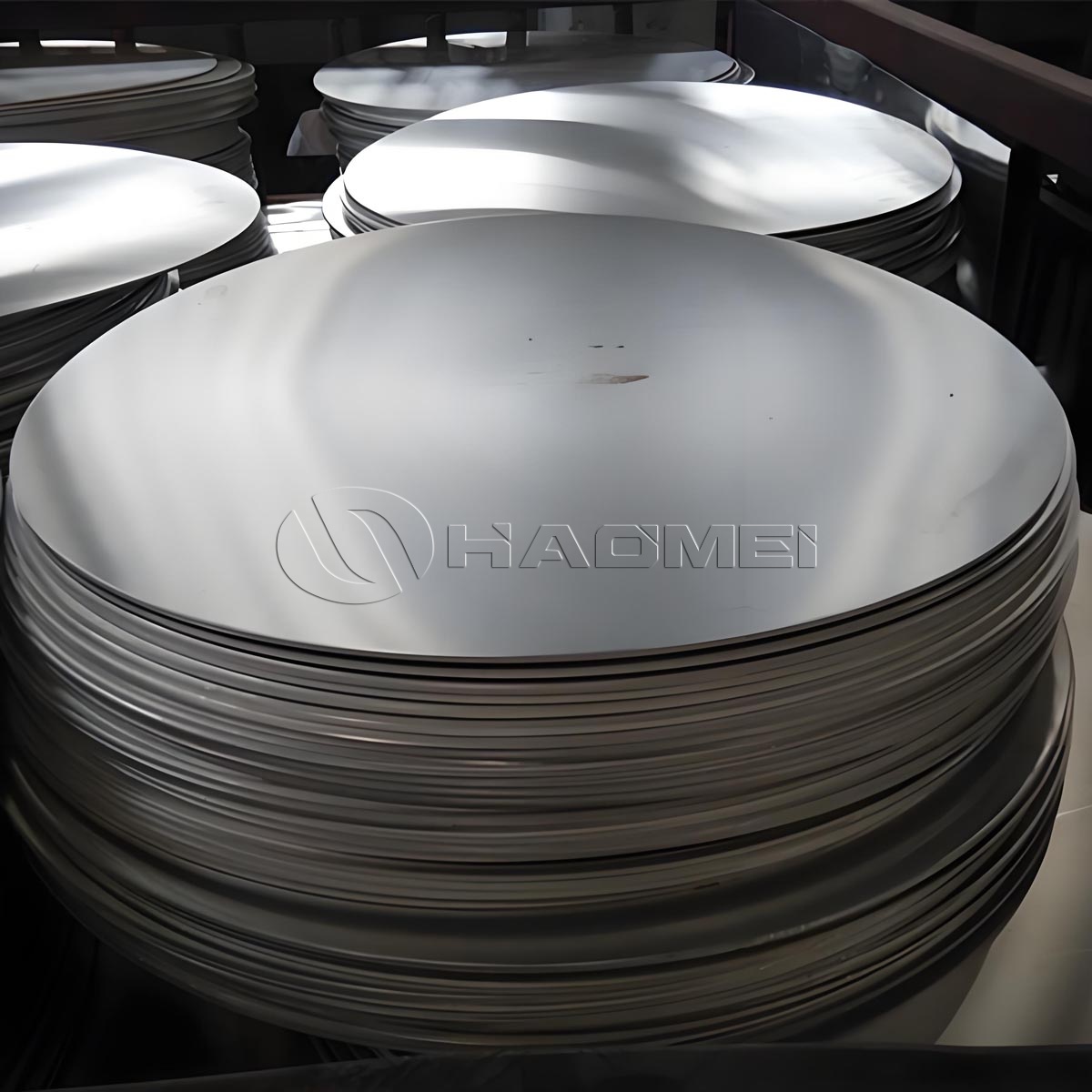
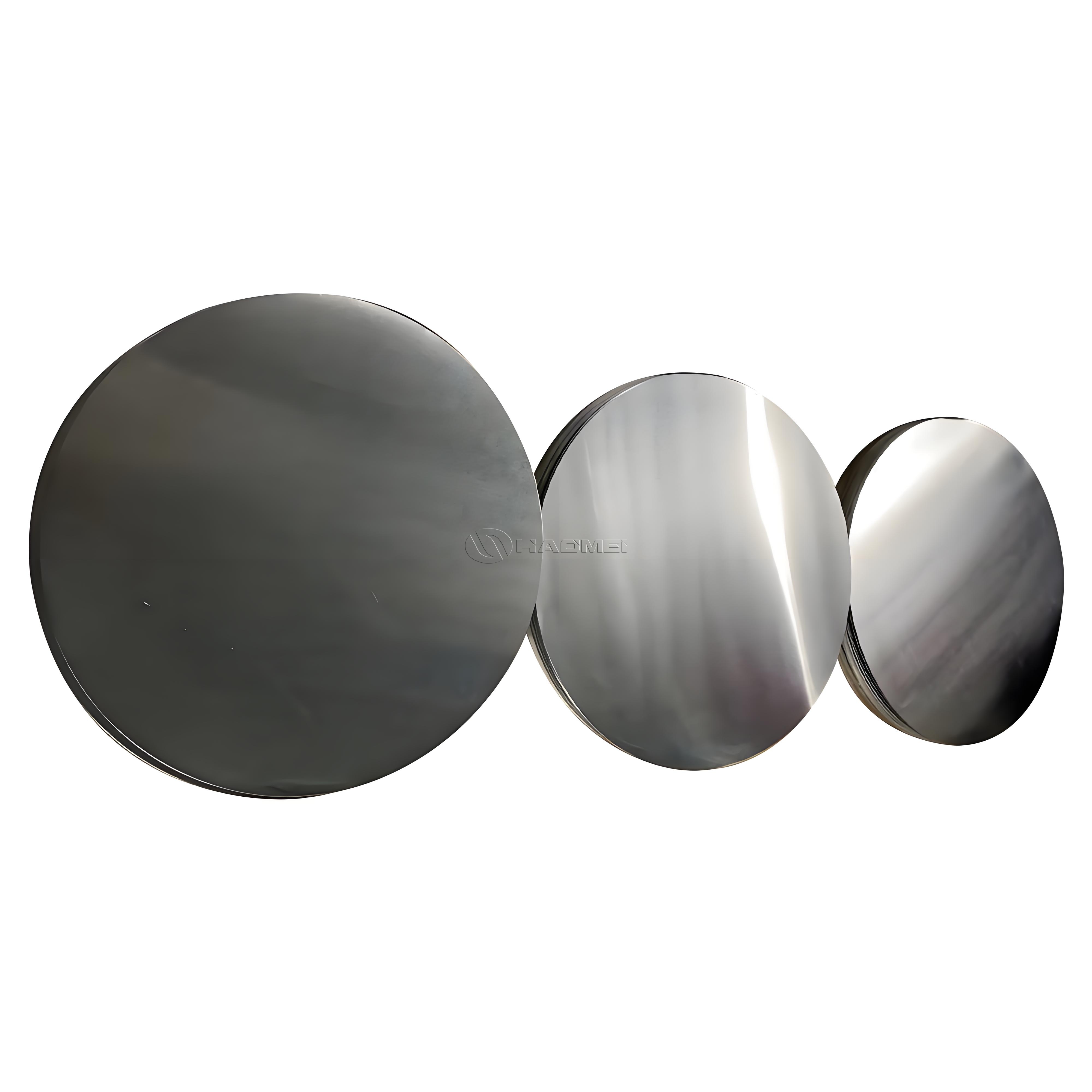
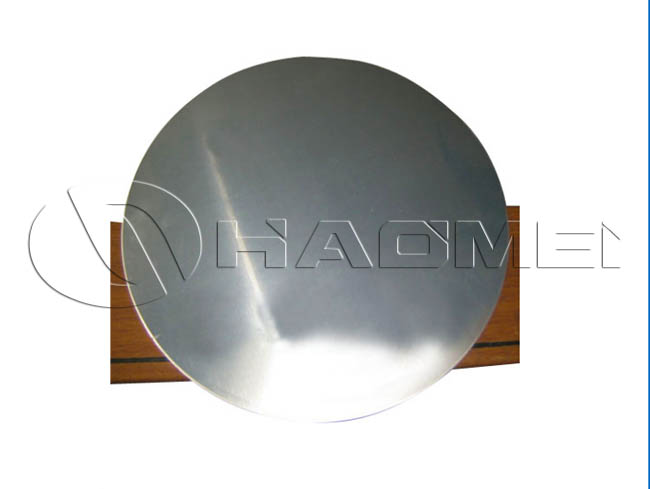
As an aluminum circle manufacturer, we produce high-reflectivity 1100 aluminum disc lampshade blanks for lighting factories, reflector forming plants, and OEM lampshade producers. The product is designed for spinning, deep drawing, stamping, and surface finishing processes used in indoor lighting, industrial lamps, commercial luminaires, downlights, pendant lamps, and reflector housings.
1100 aluminum is a commercially pure aluminum alloy with excellent formability, stable corrosion resistance, and good surface response to polishing, anodizing, and coating. For lampshade applications, these characteristics are important because the disc must not only be easy to form, but also maintain a clean surface and controlled reflectivity after processing.
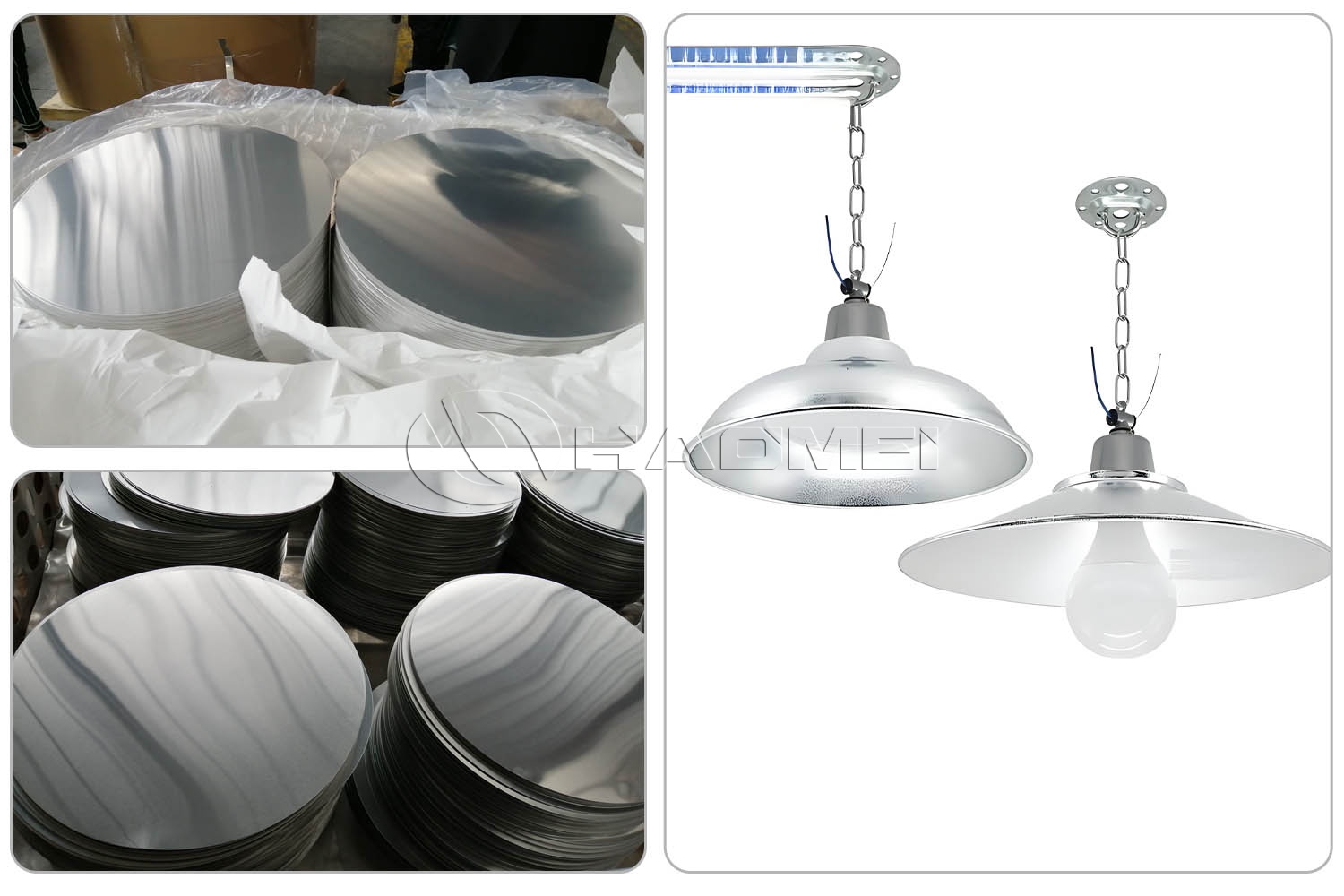
The main requirement for a high-reflectivity aluminum disc lampshade is a balance between light reflection, forming performance, and dimensional stability. Alloy 1100 contains a high aluminum content, usually 99.00 percent minimum, which gives it a naturally bright surface and good response to mechanical or chemical brightening.
Compared with higher strength alloys, 1100 aluminum circle is softer and more ductile. This makes it suitable for complex lampshade profiles that require stretching, flanging, curling, and spinning. For lighting manufacturers, fewer cracks and less orange peel during forming can reduce scrap and improve production efficiency.
In our factory production, 1100 aluminum circle discs for lampshades can be supplied in O, H12, H14, and other tempers according to the forming depth and equipment type. For deep lampshade shells, O temper is often preferred. For shallow covers or reflectors requiring better stiffness, H12 or H14 may be selected.
1. High Optical Performance: After polishing or anodizing, visible light reflectivity reaches 85%–92%, significantly enhancing light output efficiency while ensuring uniform light distribution and eliminating glare.
2. Lightweight and Durable: With a density only one-third that of steel, it is easy to install; it also offers excellent thermal conductivity and corrosion resistance, aiding heat dissipation and withstanding humid or oily environments.
3. Versatile Processing: Excellent ductility makes it suitable for complex forming processes like deep drawing and spinning; the surface accepts various treatments, facilitating diverse design possibilities.
4. Excellent Thermal Conductivity: Aluminum's superior thermal conductivity efficiently dissipates heat from light sources (such as LEDs), thereby extending the service life of both the fixture and the reflector itself.
5. Strong Corrosion Resistance: As a commercially pure aluminum alloy, 1100 aluminum offers inherent corrosion resistance. It naturally forms a dense surface oxide layer—or can be anodized to create a thicker protective coating—to withstand environmental factors like humidity and oily fumes.
6. Cost-Effective and Eco-Friendly: It is more cost-effective than metals like stainless steel and is 100% infinitely recyclable, aligning with green manufacturing trends.
We manufacture aluminum circles from controlled coil stock, including cold rolled and hot rolled material depending on the final application. For reflective lampshade blanks, coil surface condition, cleaning, leveling, and blanking accuracy are strictly controlled before packing.
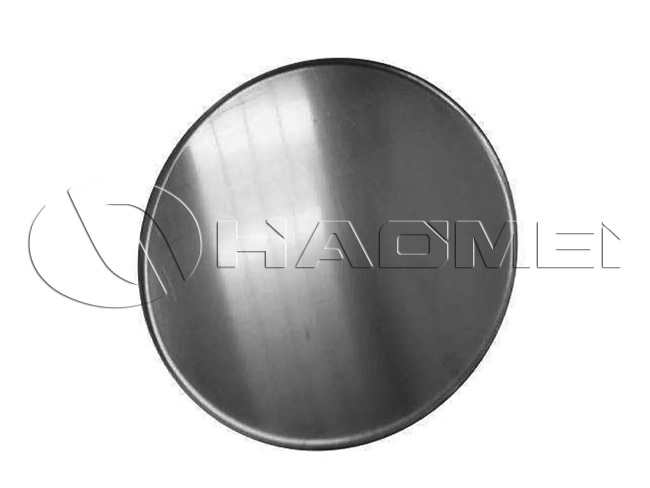
Our product range includes standard aluminum circle discs, high-reflectivity aluminum discs, polished aluminum circle blanks, and mirror finish aluminum circles. For buyers seeking related lighting materials, our Aluminum Circles for Lampshades product line covers multiple diameters, thicknesses, tempers, and surface finishes.
Where higher surface brightness is required before forming, we can also supply material based on Mirror Aluminum Circle production requirements, subject to the forming process and final optical specification.
The following parameters are typical factory supply ranges. Exact values can be adjusted according to drawing, sample, tolerance class, and final lampshade design.
| Item | Typical Specification |
|---|---|
| Product name | High-reflectivity 1100 aluminum disc lampshade blank |
| Alloy | AA1100, EN AW-1100, equivalent commercially pure aluminum |
| Aluminum content | 99.00 percent minimum |
| Temper | O, H12, H14, H16, customized by forming requirement |
| Thickness range | 0.40 mm to 3.00 mm |
| Diameter range | 80 mm to 1200 mm |
| Thickness tolerance | Typically +-0.02 mm to +-0.08 mm, based on thickness |
| Diameter tolerance | Typically +-0.5 mm to +-2.0 mm |
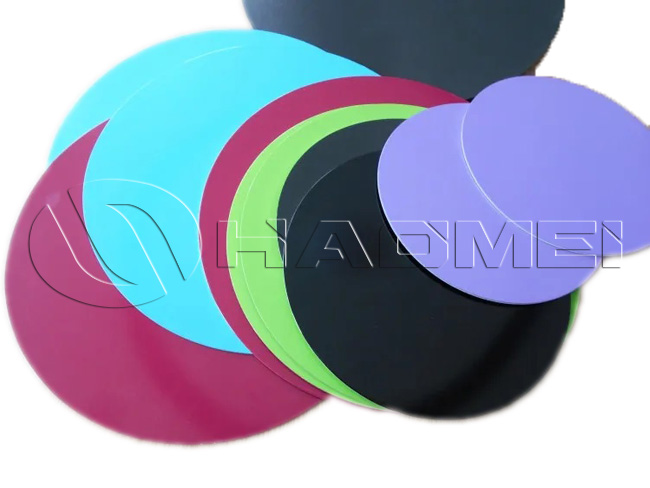
| Surface options | Mill finish, bright finish, polished finish, mirror finish, anodizing-ready surface |
| Reflectivity | Commonly 80 percent to 90 percent plus, depending on finish and test method |
| Edge condition | Smooth edge, burr controlled, suitable for spinning and drawing |
| Processing methods | Blanking, leveling, annealing, degreasing, polishing, protective film if required |
| Main applications | Lampshades, light reflectors, downlight covers, pendant lamp shades, industrial lighting housings |
| Packaging | Moisture-proof paper, plastic film, wooden pallet or wooden case |
For a high-reflectivity 1100 aluminum disc lampshade, surface quality is as important as chemical composition. Minor scratches, oil stains, roller marks, or embedded particles may become visible after spinning or polishing. Therefore, our production process emphasizes coil inspection, surface cleaning, and proper separation between discs.
A bright or mirror aluminum disc can improve the efficiency of reflected light, but the final reflectivity also depends on the customer process. Forming pressure, die condition, polishing method, anodizing process, and coating thickness can all influence the final optical result. For this reason, we recommend that lighting manufacturers confirm samples before mass production, especially for premium decorative or optical reflector projects.
Typical surface requirements for lampshade aluminum discs include:
Clean surface without heavy oil, black spots, or severe scratches.
Controlled flatness for automatic feeding and forming.
Smooth edges to reduce forming cracks and worker handling risk.
Uniform brightness across the disc surface.
Stable surface suitable for polishing, anodizing, or clear coating.
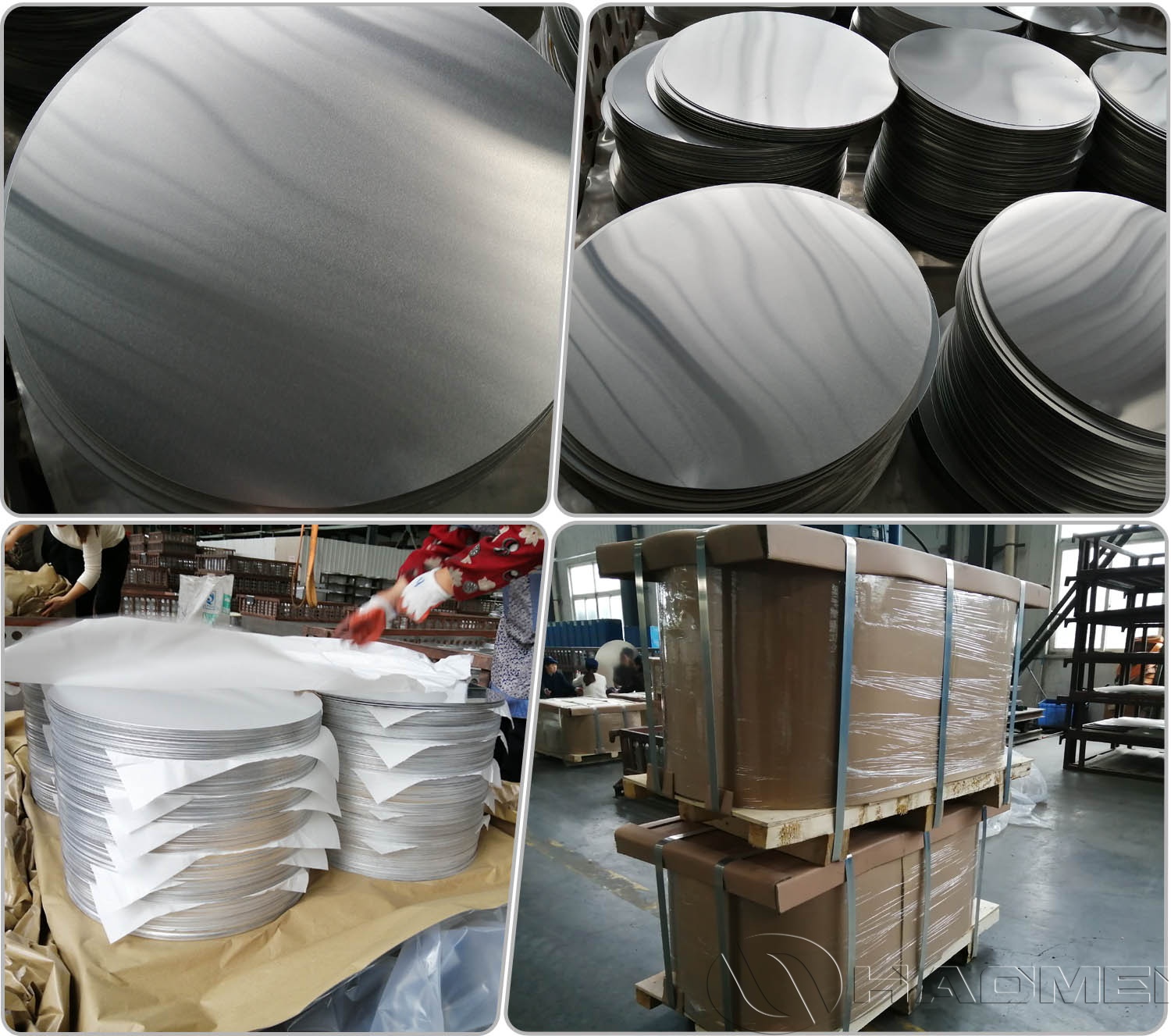
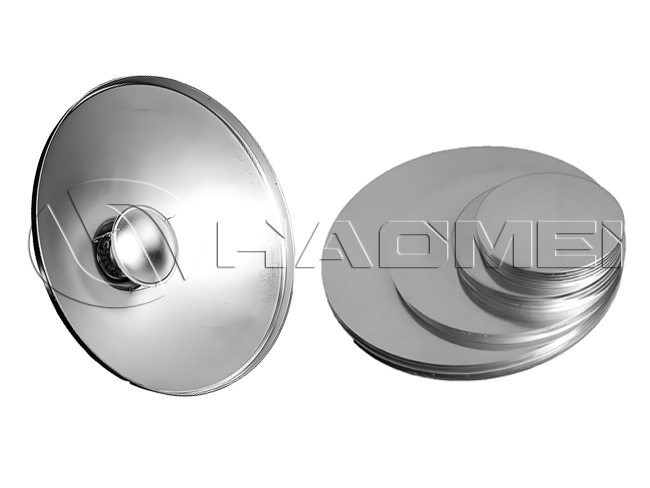
The lampshade industry often requires aluminum discs to be formed into conical, dome, parabolic, cylindrical, or stepped profiles. During spinning or deep drawing, the metal must flow uniformly. Poor elongation or uneven hardness can cause tearing, wrinkling, or uneven wall thickness.
1100 aluminum disc is widely used because of its reliable plasticity. In O temper, it offers excellent elongation and can be formed into deeper shapes. H12 or H14 tempers provide moderate strength and are suitable for shallow lampshades, decorative covers, and reflectors where rigidity is needed after forming.
As a manufacturer, we control annealing parameters to maintain consistent mechanical properties across each batch. This is especially important for export buyers who use automatic stamping lines or high-speed spinning equipment. Consistent temper reduces adjustment time and helps maintain repeatable lampshade dimensions.
| Lampshade Type | Suggested Temper | Reason |
|---|---|---|
| Deep drawn reflector shell | O | Maximum ductility and low cracking risk |
| Spun pendant lampshade | O or H12 | Good forming with improved shape retention |
| Shallow downlight cover | H12 or H14 | Balanced formability and stiffness |
| Industrial lamp reflector | H14 or H16 | Better rigidity for larger parts |
| Decorative polished shade | O or H12 | Easier polishing and forming, depending on design |
Temper selection should be based on the final drawing ratio, tooling condition, lubrication method, and required surface brightness. If the lampshade profile is complex, our factory can review the customer drawing and recommend a suitable thickness and temper combination.
Our production process is designed to deliver aluminum circle discs with stable dimensions, clean surface, and reliable forming quality. The main process includes raw material selection, coil leveling, blanking, annealing, surface cleaning, inspection, and packing.
First, aluminum coil is selected according to alloy, thickness, and surface requirement. The coil is then leveled to reduce internal stress and improve flatness. During blanking, automatic equipment controls diameter accuracy and edge quality. For soft temper discs, annealing is performed under controlled temperature and time to achieve the required mechanical properties.
After heat treatment, discs are inspected for surface defects, edge burr, thickness, diameter, and flatness. For reflective products, additional attention is paid to surface contamination and handling marks. Depending on the order, the discs may be protected with paper, film, or interleaving material before being packed on pallets.
| Inspection Item | Control Purpose |
|---|---|
| Alloy composition | Confirms compliance with 1100 aluminum standard |
| Thickness measurement | Ensures forming stability and weight consistency |
| Diameter inspection | Supports automatic feeding and die matching |
| Surface inspection | Reduces visible defects after polishing or anodizing |
| Edge burr check | Improves forming performance and handling safety |
| Temper verification | Confirms elongation, hardness, and deep drawing suitability |
| Flatness inspection | Helps reduce feeding problems and wrinkling |
| Packaging inspection | Prevents moisture, abrasion, and transport damage |
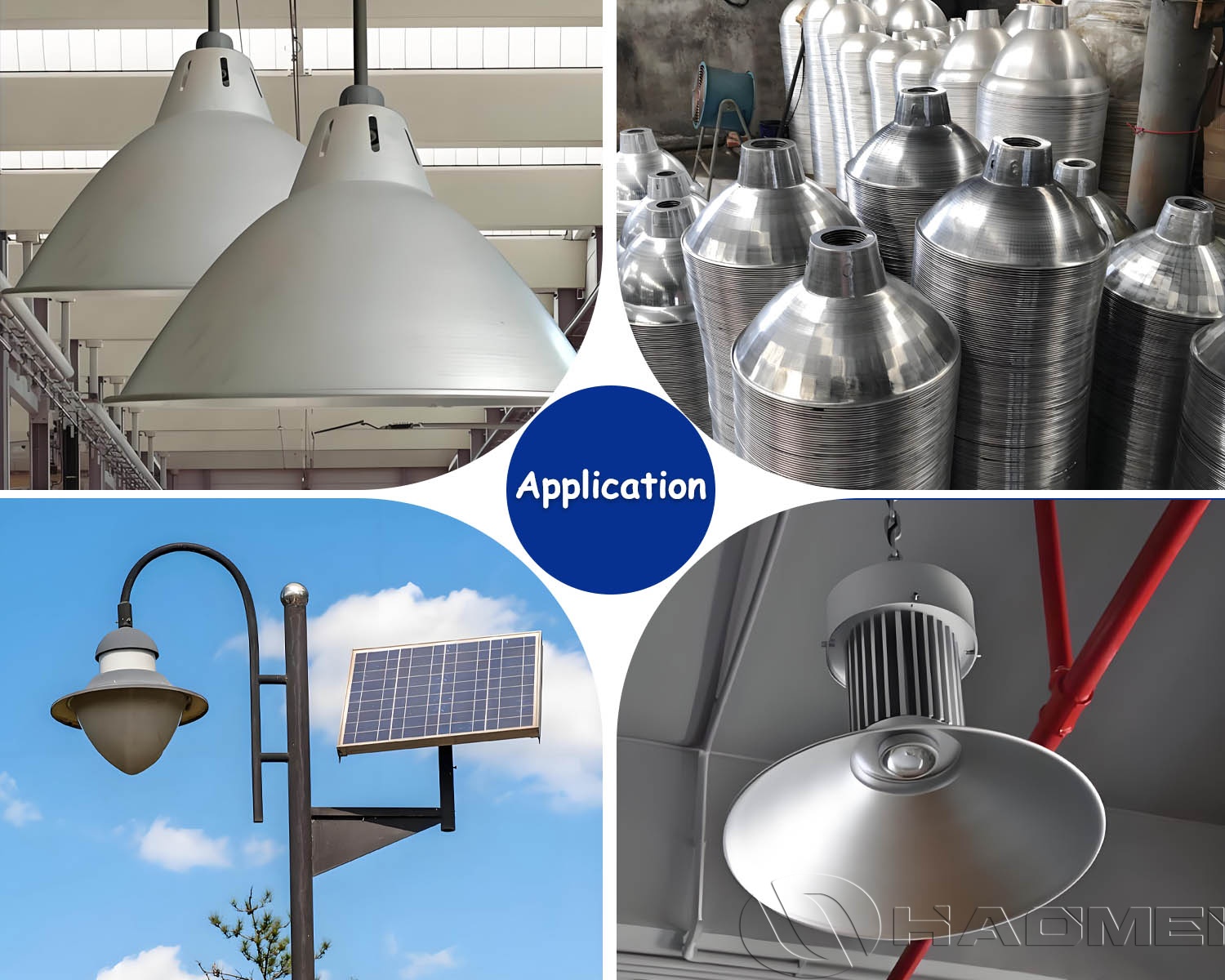
High-reflectivity 1100 aluminum disc lampshade blanks are widely used in both functional and decorative lighting. Common applications include LED downlight reflectors, ceiling lamp covers, pendant lamp shades, street light reflector components, workshop lamp housings, and commercial lighting accessories.
For reflector applications, aluminum offers low density, good thermal conductivity, and strong corrosion resistance. These features help reduce overall lamp weight while supporting heat dissipation around the light source. For decorative lampshades, the clean surface and good polishing response of 1100 aluminum help achieve a uniform appearance after finishing.
Export packaging must protect both shape and surface. Aluminum discs for reflective lampshades are more sensitive to abrasion than ordinary industrial blanks. Our standard packaging includes moisture-proof paper, plastic film, desiccant when required, edge protection, wooden pallet, or wooden case. The final packaging method depends on disc diameter, thickness, surface finish, and transportation distance.
For mirror or bright surface discs, we can use additional separation material to reduce friction between pieces. Pallets are marked according to alloy, temper, size, net weight, gross weight, batch number, and customer requirements. This supports traceability during receiving inspection and factory production.
To provide accurate pricing and technical recommendation, buyers are advised to provide the following information:
Alloy and temper, such as 1100 O or 1100 H14.
Thickness and diameter of the aluminum disc.
Required surface finish, such as bright, polished, or mirror finish.
Final forming method, such as spinning, stamping, or deep drawing.
Annual or monthly consumption quantity.
Packaging and shipping requirements.
Any special test standard or inspection requirement.
If the project is still in development, samples or technical drawings are helpful for evaluating thickness, temper, and surface options. Our engineering team can support lampshade manufacturers with practical production recommendations based on factory experience.
A high-reflectivity 1100 aluminum disc lampshade blank must combine bright surface quality, stable formability, accurate dimensions, and reliable batch consistency. As a manufacturer, we focus on controlling raw material, annealing, blanking accuracy, surface cleanliness, and export packaging to support downstream lighting production.
For B2B lighting manufacturers, selecting the correct alloy temper, thickness, diameter tolerance, and surface finish can improve forming efficiency and final lampshade appearance. 1100 aluminum remains a practical and widely used material for reflective lampshades, lamp covers, and lighting reflector blanks because it offers excellent workability, corrosion resistance, and surface finishing performance.


Office Address:
No.14 Waihuan Road, CBD, Zhengzhou, China
Contact Us
HAOMEI Aluminum offer an custom aluminum circle for you!
whatsapp: +86-18703635966
Email: sales@alummc.com
Email: alummc@hotmail.com
Request Free Sample & Quotation
Copyright © 2026 By HAOMEI Aluminum CO., LTD. All Rights Reserved. Sitemap
 +86-18703635966
 sales@alummc.com
 8618703635966
