
 No.14 Waihuan Road, CBD, Zhengzhou, China
 +86-18703635966

No.14 Waihuan Road, CBD, Zhengzhou, China
+86-18703635966
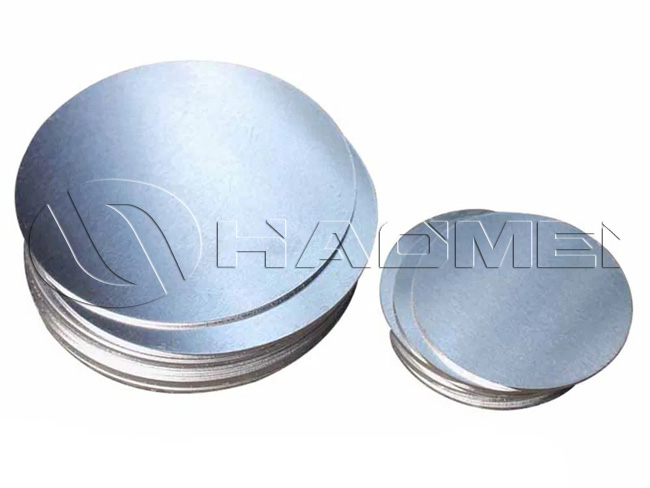
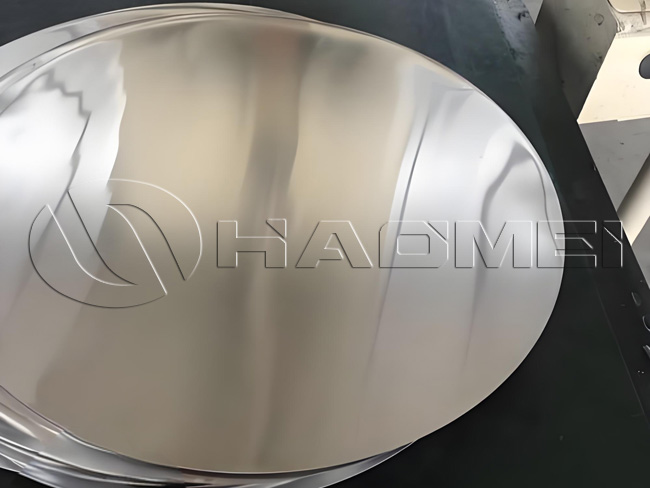
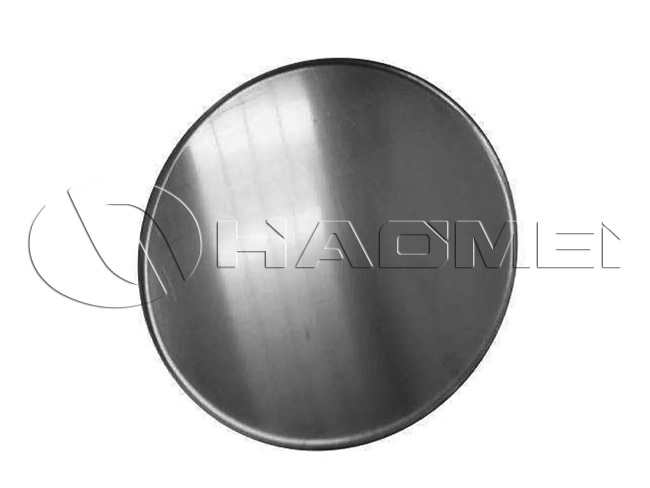
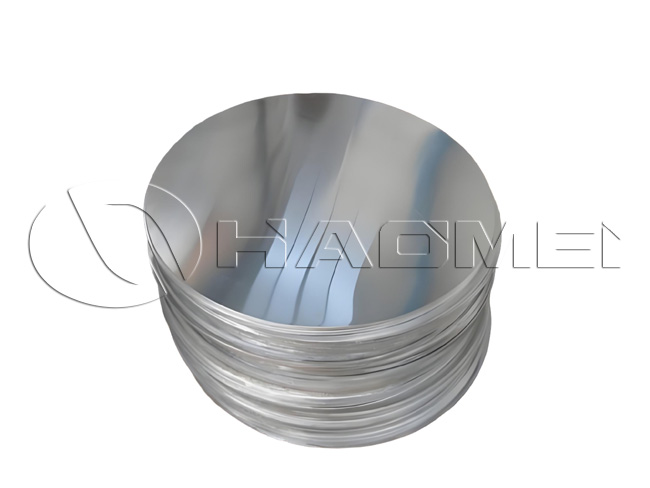
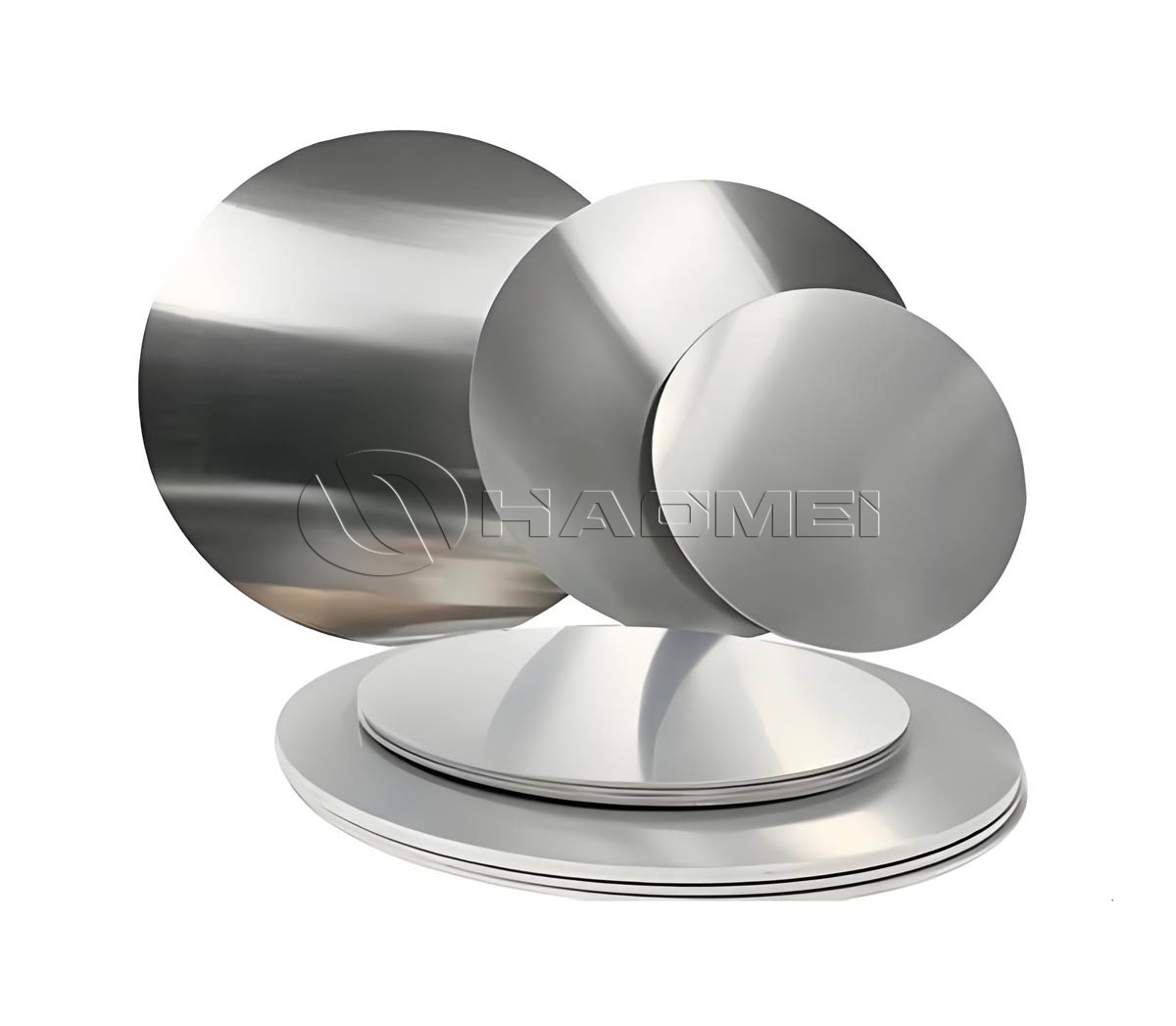
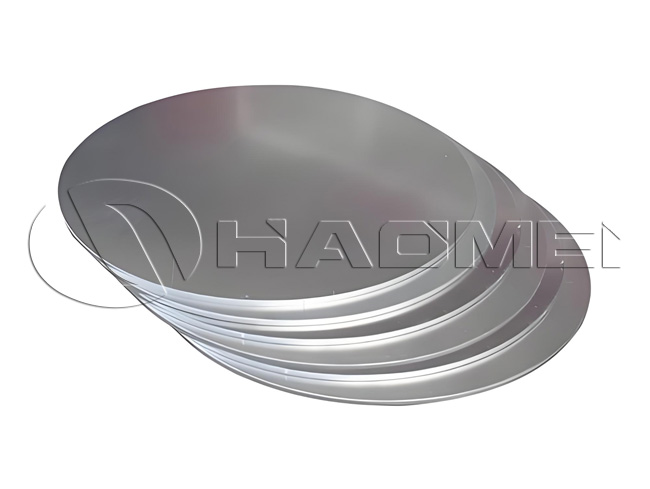
As an aluminum circle manufacturer, we produce anodized aluminum circles for lampshades with controlled alloy composition, stable mechanical properties, and consistent surface quality. Lampshade production requires a blank that can support spinning, deep drawing, pressing, and later assembly without cracking, orange peel, severe waviness, or visible surface defects. For this reason, 1060 and 1070 aluminum circles are widely used where high formability, clean appearance, and reliable anodizing response are required.
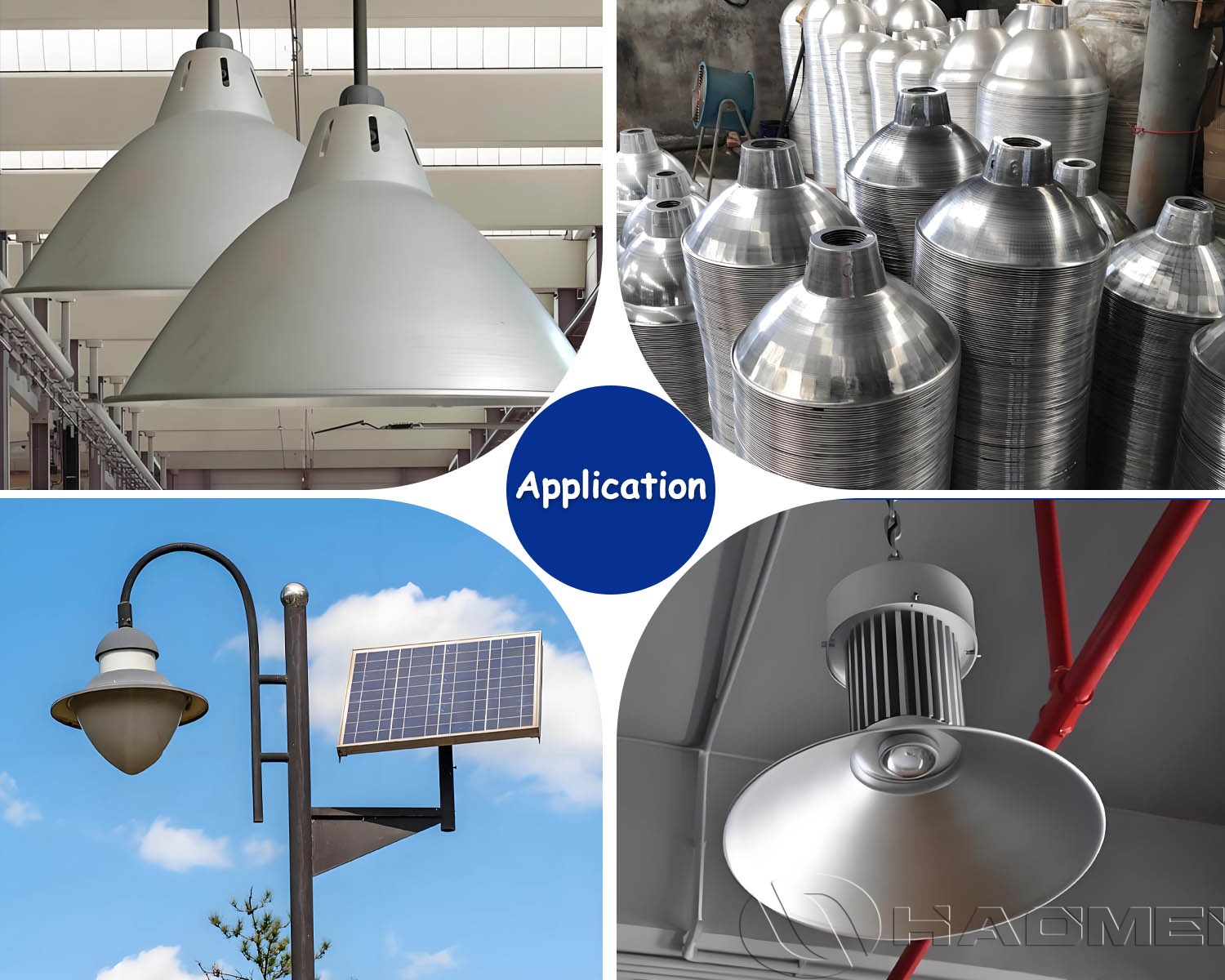
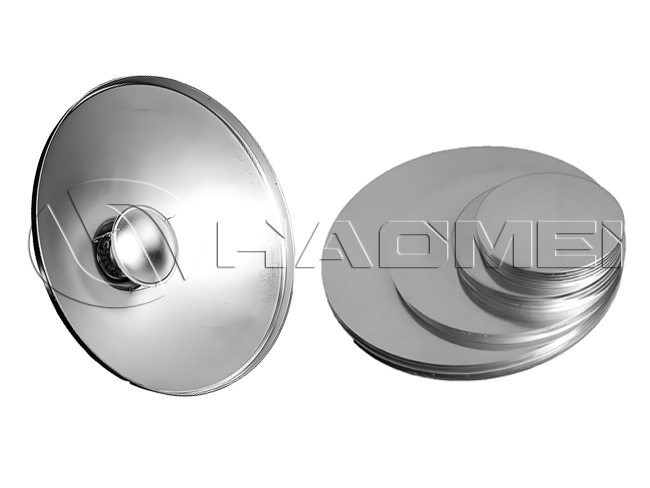
Our factory supplies Aluminum Circles for Lampshades in custom diameters, thicknesses, tempers, and surface conditions. The products are designed for lighting manufacturers that produce pendant lamps, industrial reflectors, dome lampshades, ceiling lamp covers, decorative lighting housings, and other formed aluminum lighting components.
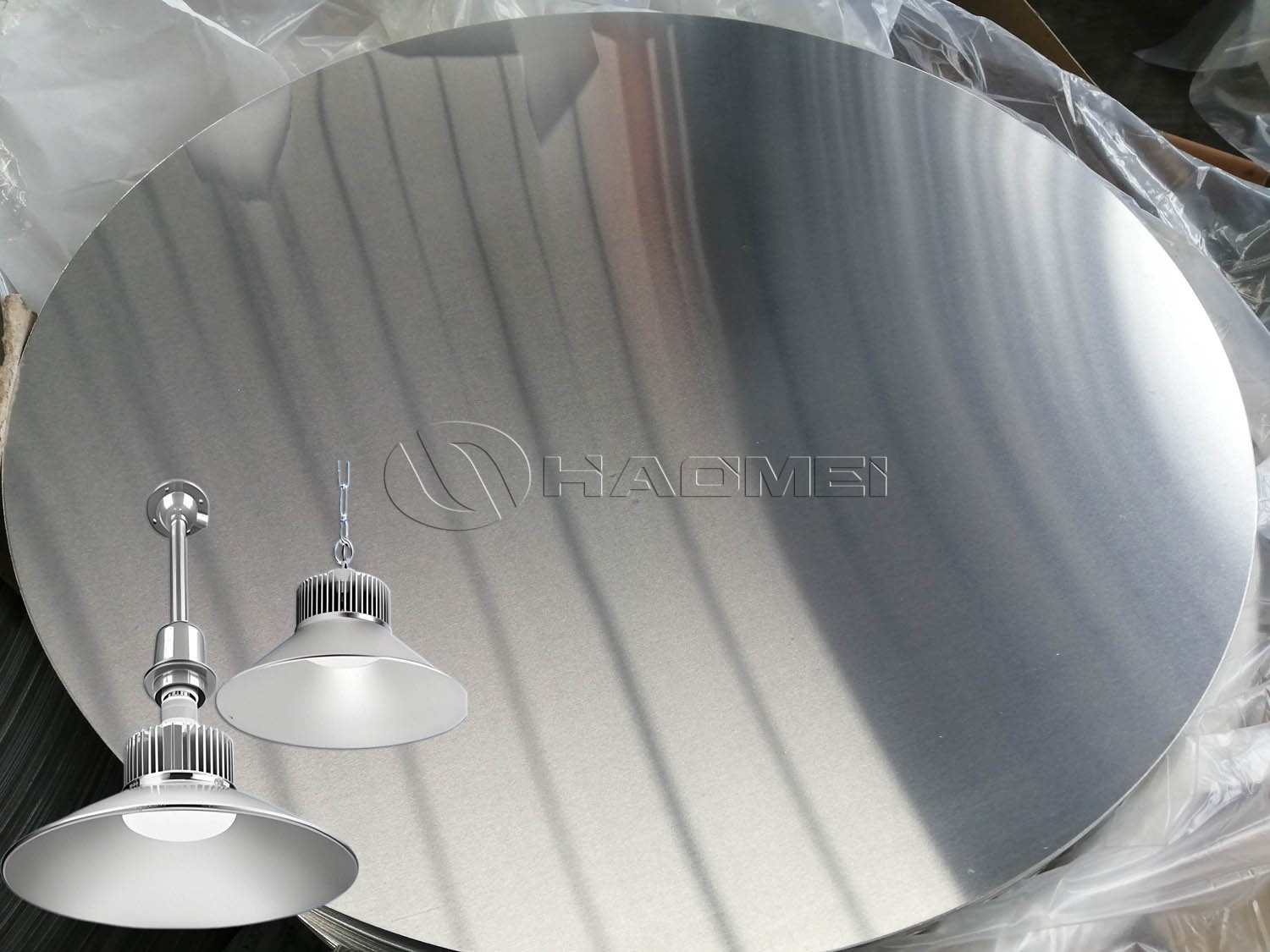
1060 and 1070 are commercially pure aluminum grades. Their aluminum content is high, with 1060 generally containing not less than 99.6 percent aluminum and 1070 containing not less than 99.7 percent aluminum. This high purity gives the material excellent ductility and a uniform response during forming operations.
For lampshade manufacturing, the main requirements are not only strength, but also forming stability and surface consistency. A lampshade blank may pass through spinning, stretching, curling, trimming, polishing, anodizing, or coating. If the aluminum disc has poor grain control, inconsistent thickness, or surface contamination, defects can appear after forming or anodizing. Our production process focuses on reducing these risks before the material reaches the customer workshop.
Compared with harder aluminum alloys, 1060 aluminum circle and 1070 aluminum disc are easier to shape into smooth curved profiles. They also provide good corrosion resistance, thermal conductivity, and reflective performance after suitable surface treatment. This makes them suitable for both functional and decorative lighting products.
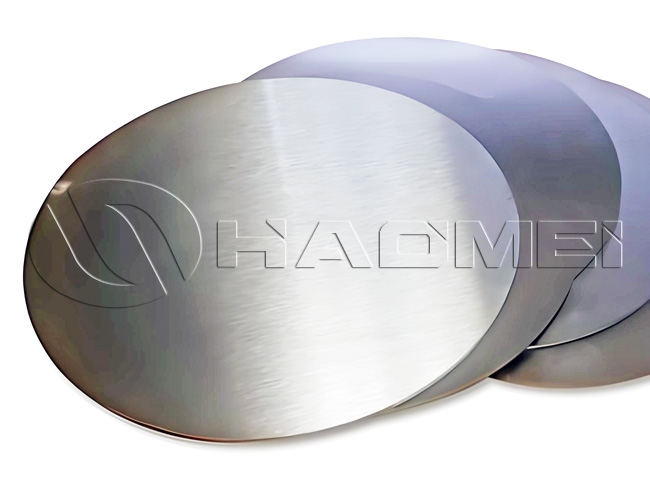
Anodizing forms a controlled oxide layer on the aluminum surface. For lampshades, anodized aluminum circles can provide improved corrosion resistance, better surface hardness, and a clean decorative appearance. Depending on the final design, customers may require natural silver anodizing, matte anodizing, brushed anodizing, or surfaces prepared for later coloring.
In our factory, anodized aluminum circles are produced with attention to base material cleanliness. The quality of anodizing depends strongly on the aluminum substrate. Rolling marks, oil residue, scratches, and uneven grain structure may become more visible after anodizing. Therefore, before anodizing or before supplying anodizing-ready circles, we control degreasing, surface protection, flatness, and handling throughout production.
Anodized aluminum circles for lampshades are commonly selected for visible lighting parts, especially where the inner or outer surface remains exposed. The anodized layer also helps protect the material during long-term use in indoor environments and selected dry industrial environments.
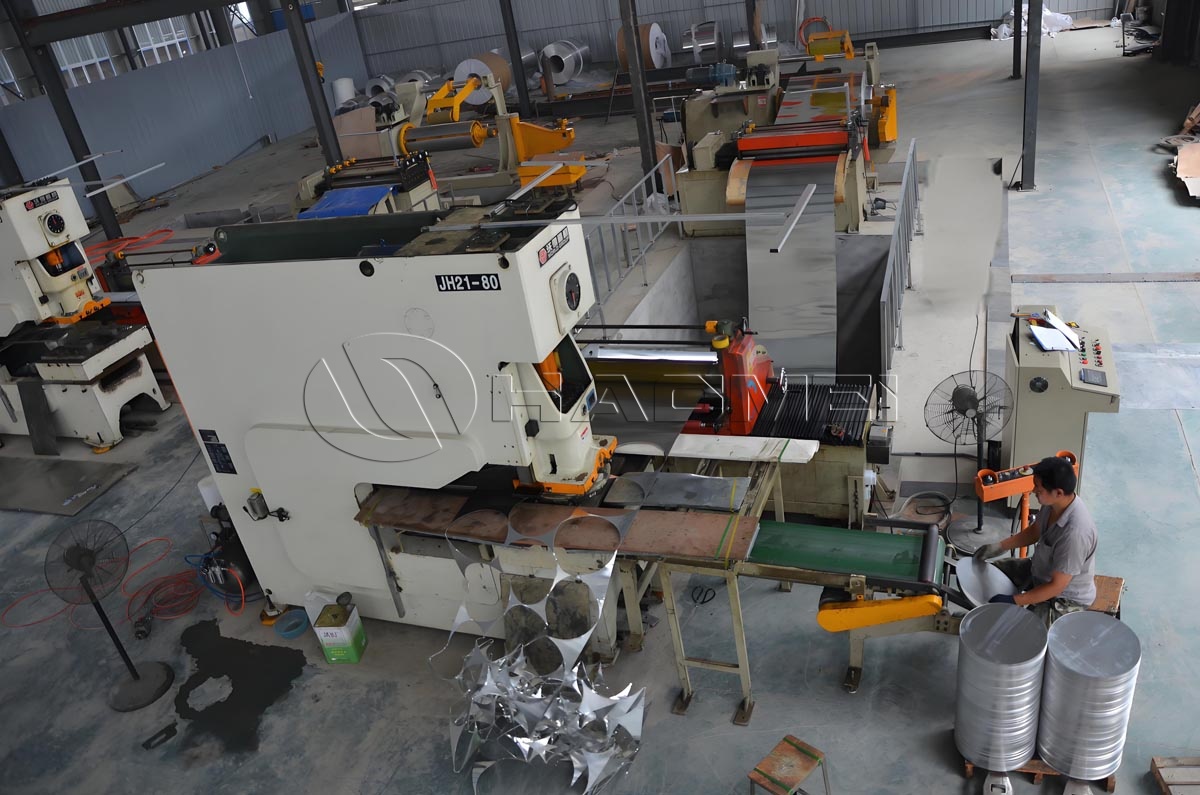
Our production starts from qualified aluminum coil or sheet stock. The material is inspected for alloy, thickness, width, surface condition, and mechanical property compliance. For lampshade applications, we normally select coil with suitable elongation and grain structure for spinning or drawing.
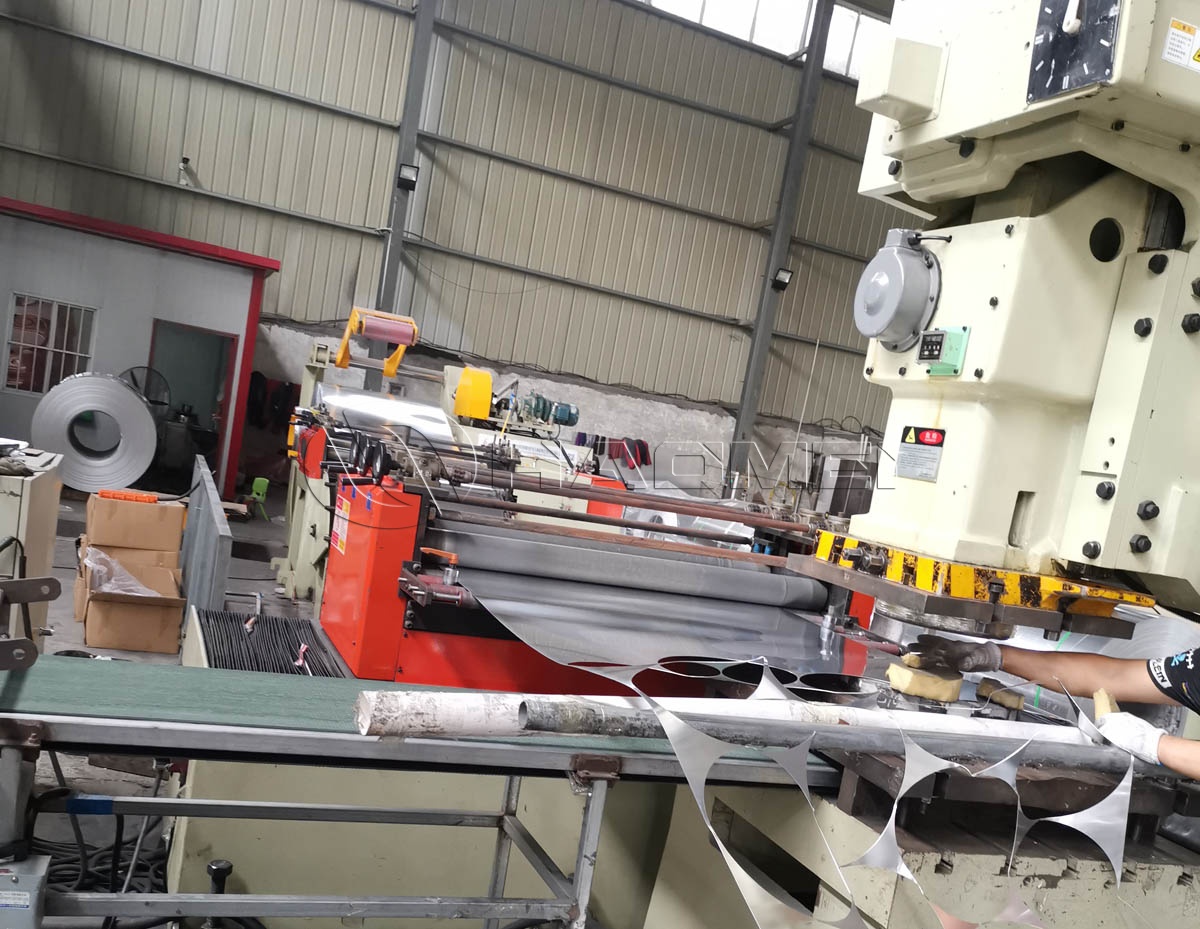
The main process flow includes coil selection, leveling, blanking, annealing if required, surface cleaning, inspection, anodizing or anodizing preparation, packing, and shipment. For deep drawing aluminum circle orders, the annealing process is particularly important. It must provide a soft and uniform temper without causing surface oxidation or excessive waviness.
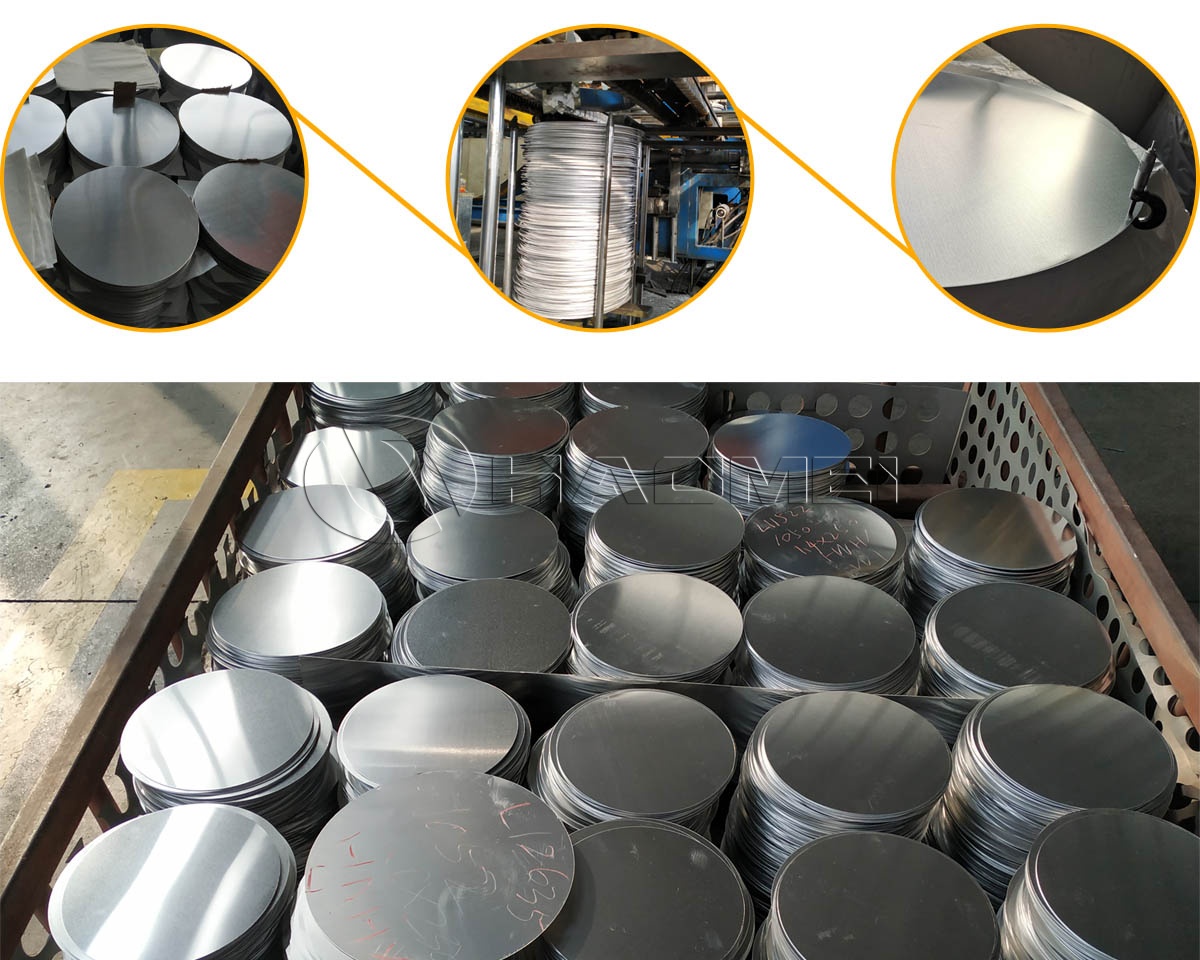
Circle blanking is performed with dies selected according to customer diameter and tolerance requirements. Burr height is controlled because excessive burrs can affect forming tools and create edge cracks during spinning or pressing. After blanking, the circles are checked for diameter, thickness, flatness, edge condition, and surface quality.
For customers who carry out anodizing in their own facility, we can supply mill finish or degreased aluminum circles suitable for anodizing. For customers requiring finished anodized blanks, we coordinate the surface treatment according to agreed specifications, including film thickness, color tone, and appearance standard.
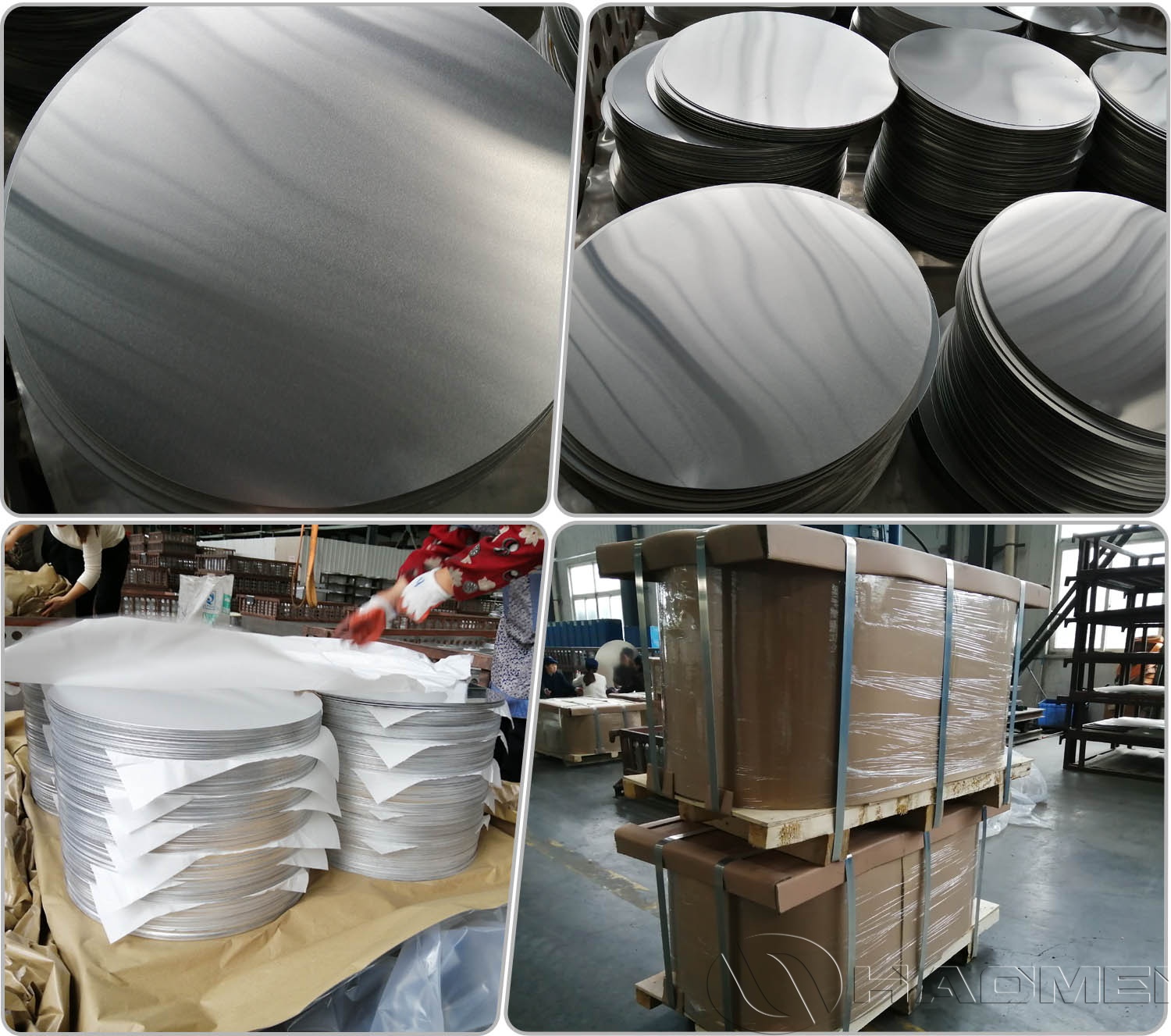
The following table shows typical specifications for anodized aluminum circles used in lampshade production. Final values can be adjusted according to drawing, forming depth, equipment type, and surface requirements.
| Item | Typical Specification |
|---|---|
| Product name | Anodized aluminum circles for lampshades |
| Alloy | 1060, 1070 |
| Aluminum content | 1060: minimum 99.6 percent, 1070: minimum 99.7 percent |
| Temper | O, H12, H14, H16, customized according to forming requirement |
| Thickness range | 0.4 mm to 4.0 mm, common lampshade range 0.6 mm to 2.5 mm |
| Diameter range | 80 mm to 1200 mm, custom diameter available by tooling |
| Diameter tolerance | Typically +/-0.5 mm to +/-1.0 mm, depending on diameter |
| Thickness tolerance | According to applicable aluminum sheet and coil standard or agreement |
| Surface | Mill finish, degreased, anodized, matte, brushed, or protected film surface |
| Anodized film thickness | Commonly 5 um to 20 um, subject to application and specification |
| Edge condition | Clean blanked edge, controlled burr, no severe cracks |
| Flatness | Controlled for automated feeding, spinning, and pressing operations |
| Main applications | Lampshades, reflectors, lamp covers, decorative lighting housings |
| Packing | Moisture-resistant paper, plastic film, wooden pallet or wooden case |
| Inspection | Alloy, thickness, diameter, burr, surface, mechanical properties, packaging |
Lighting products place higher demands on surface appearance than many general industrial parts. Scratches, stains, dents, black lines, roll marks, and uneven anodizing may be visible after forming. For this reason, we apply stricter handling procedures for lampshade aluminum blanks.
During leveling and blanking, the contact surfaces of equipment are kept clean to reduce marking. Operators inspect both sides of the aluminum circle, and protective paper or film can be used when required. For anodized surface products, packing must prevent friction between discs. Interleaving materials can be added according to the surface class and shipping distance.
The edge of the circle is also important. Lampshades are often formed from the center outward, and stress may concentrate at the edge during later operations. A controlled burr and smooth edge reduce the possibility of cracking, tool wear, and secondary trimming problems.
For deep lampshades, dome-shaped shades, and spun reflectors, soft temper is usually preferred. O temper aluminum circles provide high elongation and better resistance to cracking during severe forming. For shallow lampshades or parts requiring slightly higher stiffness, H12 or H14 may be selected after engineering evaluation.
1060 and 1070 aluminum circles both offer good drawability, but the final choice depends on the forming process and appearance target. 1070 has slightly higher aluminum purity and may be selected for applications requiring a cleaner anodized appearance or improved reflectivity. 1060 is widely used because it offers a practical balance of workability, availability, and cost control.
As a manufacturer, we recommend confirming the forming method before mass production. Spinning, stamping, hydraulic drawing, and manual forming place different requirements on temper, thickness, and lubrication. Sample testing is useful when the lampshade design has a high drawing ratio or strict visible surface criteria.
Anodized aluminum circles provide several practical benefits for lighting manufacturers. First, aluminum is lightweight, helping reduce the total weight of pendant lamps and ceiling fixtures. Second, 1060 and 1070 aluminum have good thermal conductivity, which assists heat distribution in many lamp structures. Third, the anodized surface improves corrosion resistance and gives a stable decorative finish.
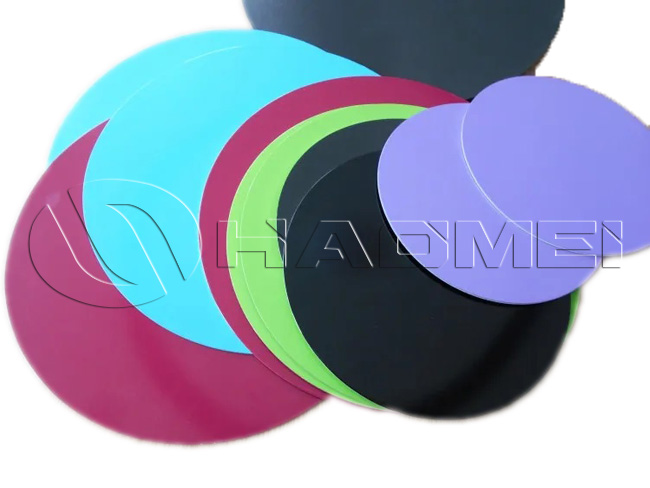
Another advantage is process compatibility. The aluminum circle can be formed into a wide range of profiles, from simple shallow covers to deep conical or hemispherical shades. After forming, the part can be polished, brushed, colored, coated, or assembled with other components. For projects requiring different finishes, related options such as Color Coated Aluminum Circle products may also be considered during material selection.
Our quality control system is built around batch traceability and process inspection. Each production batch is checked against customer specifications, including alloy, temper, thickness, diameter, quantity, and surface standard. Mechanical property testing can be arranged for elongation and tensile strength when required.
For anodized aluminum circles, we also pay attention to oxide film appearance, film thickness, color consistency, and surface defects. The inspection method is selected according to the agreed standard and product use. For visible lampshade surfaces, we recommend defining acceptable and unacceptable defects before order confirmation to avoid differences in interpretation.
Before packing, the circles are checked for moisture, contamination, and edge damage. Export packing is designed to resist vibration and humidity during sea or land transportation. Wooden pallets or wooden cases are reinforced based on diameter, thickness, and shipment weight.
We supply anodized aluminum circles for lampshades according to customer drawings, samples, or technical specifications. To quote accurately and recommend the proper production route, we normally request the alloy, temper, thickness, diameter, surface finish, anodized film requirement, forming method, annual demand, and packing requirement.
For new lampshade projects, trial orders can help verify forming performance and surface appearance before large-scale production. Once the specification is confirmed, we can arrange continuous supply with stable coil sourcing and batch control. This is especially important for lighting manufacturers that need consistent color tone and forming behavior across repeated orders.
Anodized aluminum circles made from 1060 and 1070 alloys are reliable materials for lampshade production due to their high purity, excellent formability, stable anodizing performance, and clean appearance. As a factory manufacturer, we control the process from raw material selection to blanking, annealing, surface treatment, inspection, and export packing.
For lampshade manufacturers, choosing the correct aluminum circle is not only a matter of diameter and thickness. Alloy purity, temper, edge quality, flatness, surface cleanliness, and anodized film consistency all influence the final product. By aligning these parameters with the actual forming process and surface requirement, anodized aluminum circles can support efficient production and stable lampshade quality.

Office Address:
No.14 Waihuan Road, CBD, Zhengzhou, China
Contact Us
HAOMEI Aluminum offer an custom aluminum circle for you!
whatsapp: +86-18703635966
Email: sales@alummc.com
Email: alummc@hotmail.com
Request Free Sample & Quotation
Copyright © 2026 By HAOMEI Aluminum CO., LTD. All Rights Reserved. Sitemap
 +86-18703635966
 sales@alummc.com
 8618703635966
