
 No.14 Waihuan Road, CBD, Zhengzhou, China
 +86-18703635966

No.14 Waihuan Road, CBD, Zhengzhou, China
+86-18703635966
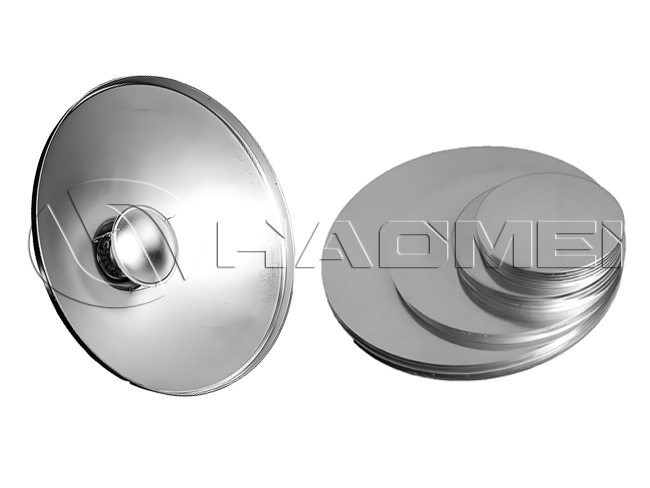
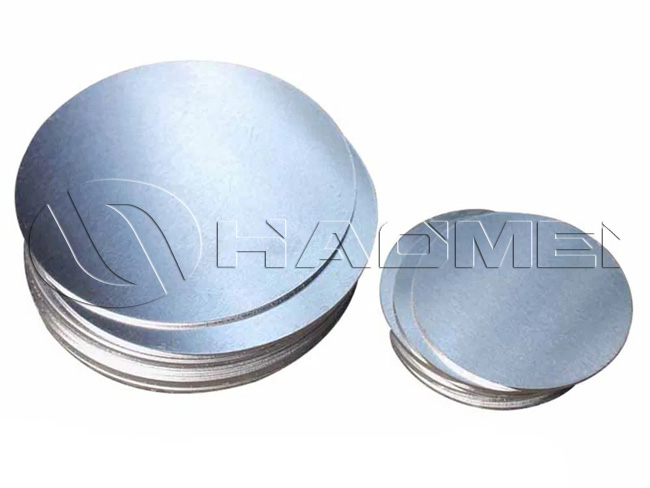
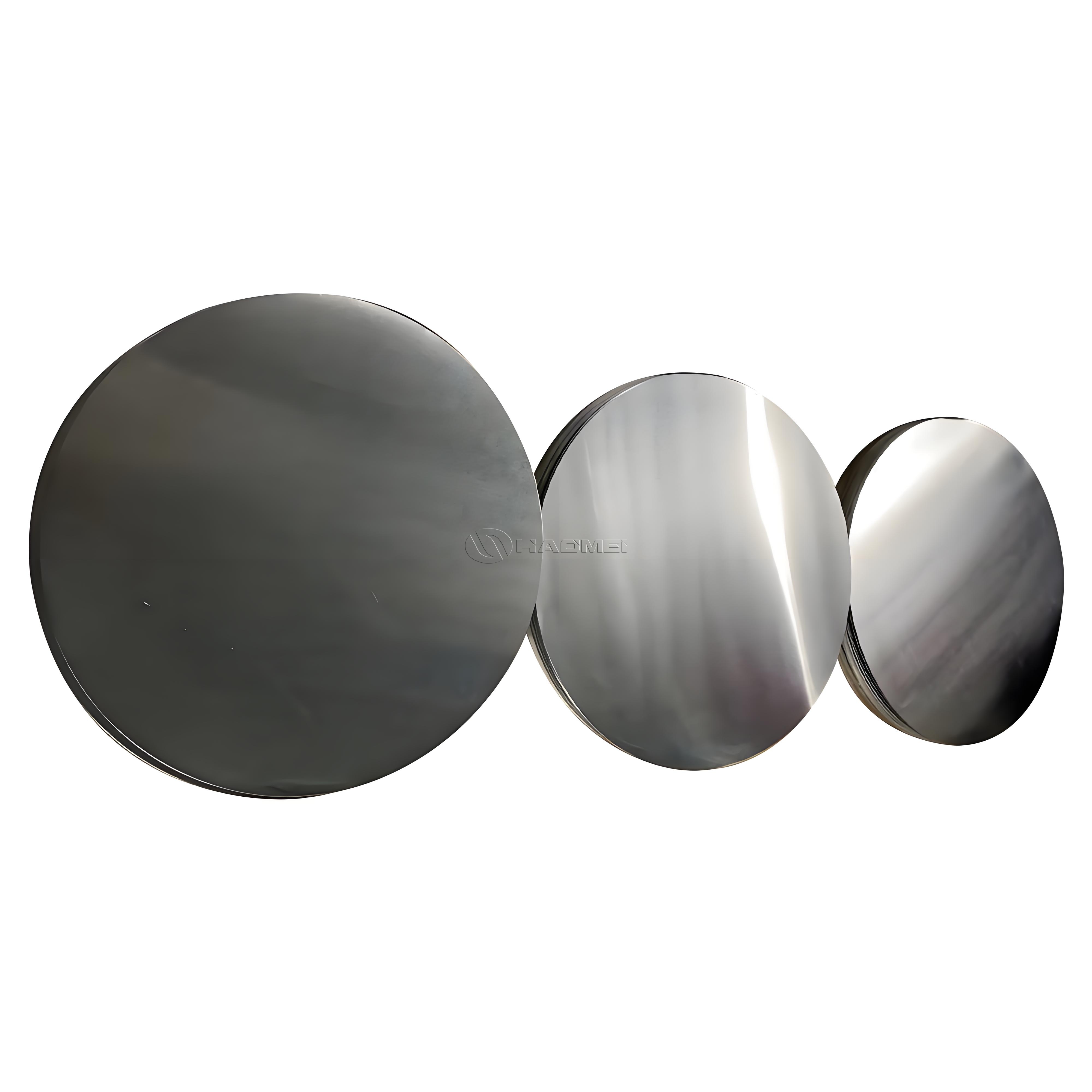
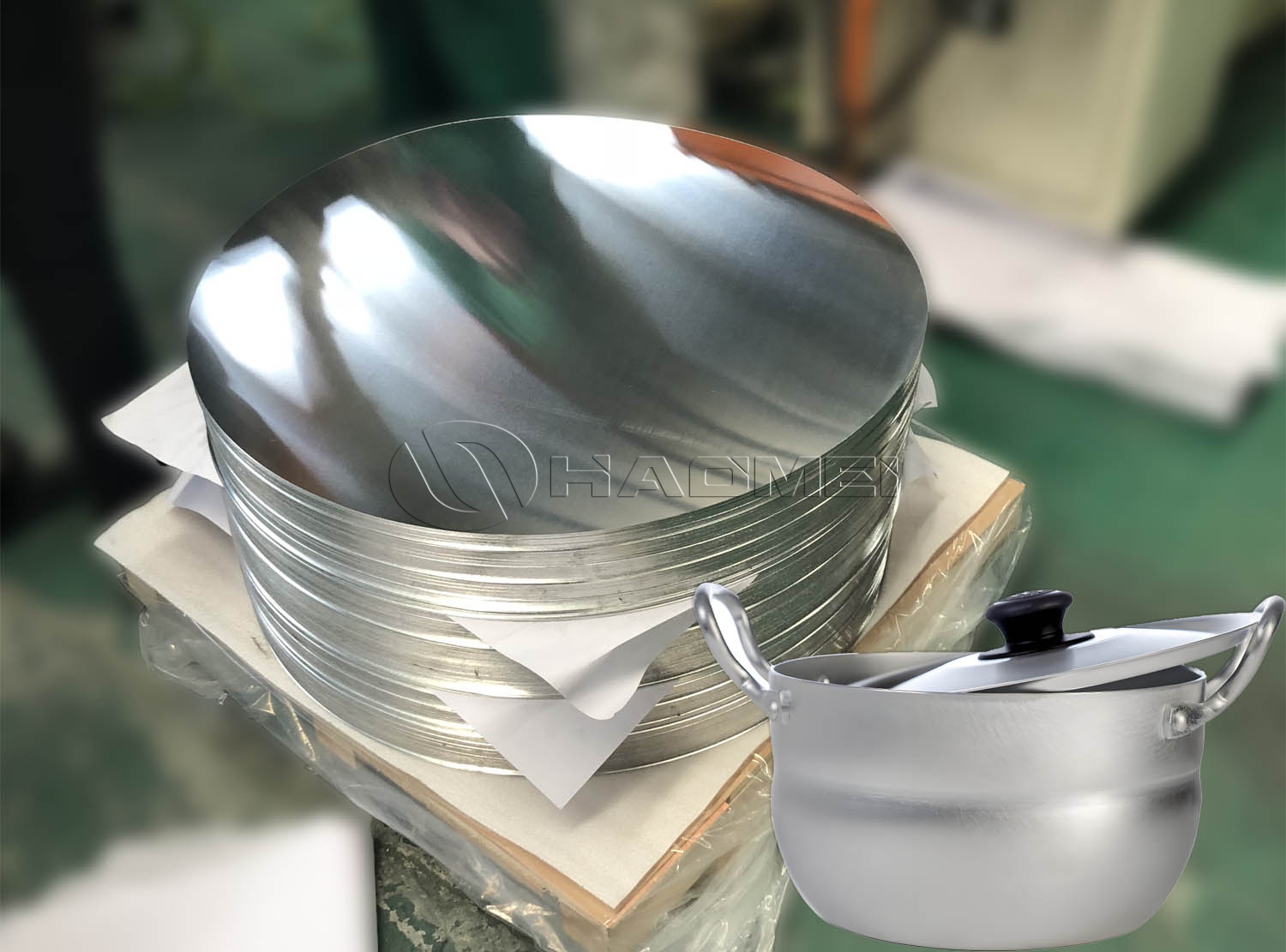
As a manufacturer of aluminum circle discs, we produce anodized aluminum circles for road signs that require a clean surface, stable flatness, corrosion resistance, and dependable compatibility with reflective sign films. These aluminum blanks are used in traffic control signs, parking signs, wayfinding signs, temporary road signs, safety markers, and municipal information panels.
Road sign substrates operate outdoors for extended periods and are exposed to rain, humidity, ultraviolet radiation, airborne pollutants, temperature changes, and mechanical handling. For this reason, material selection and surface quality directly affect reflective sheeting adhesion, sign durability, and final visual appearance. Our anodized aluminum circle discs are manufactured under controlled rolling, blanking, surface preparation, and inspection procedures to support consistent downstream sign fabrication.
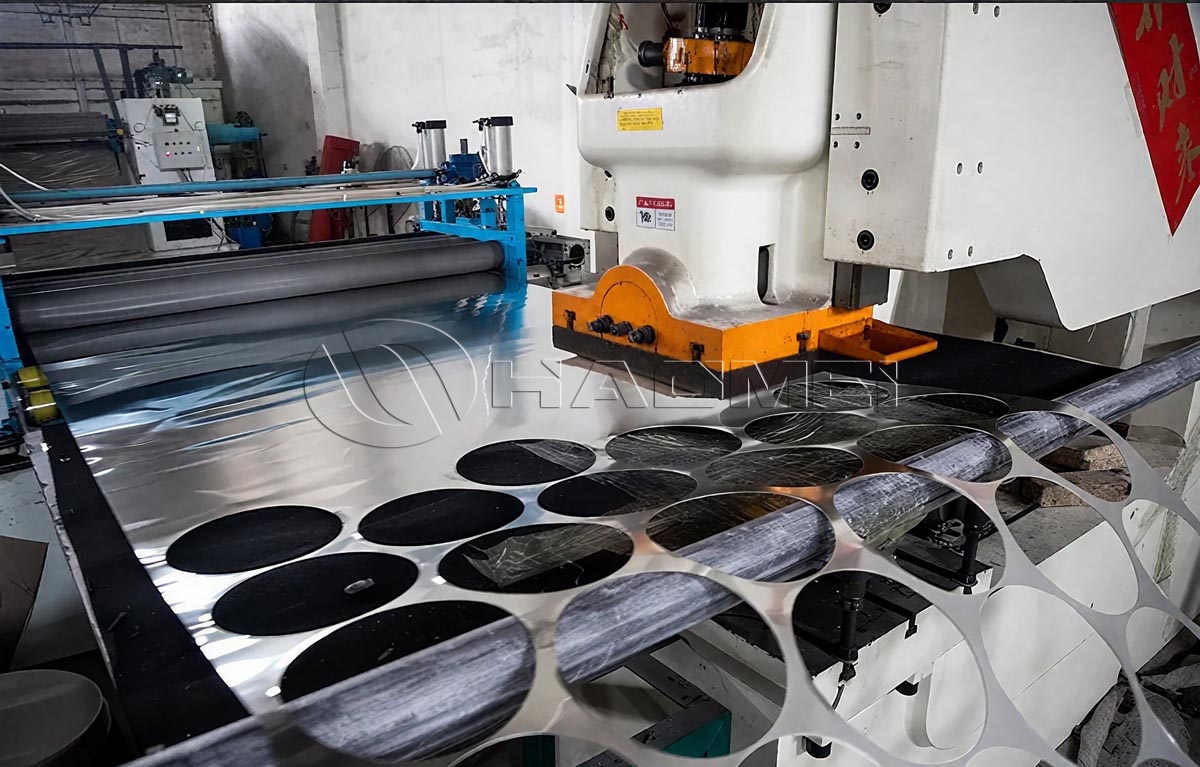
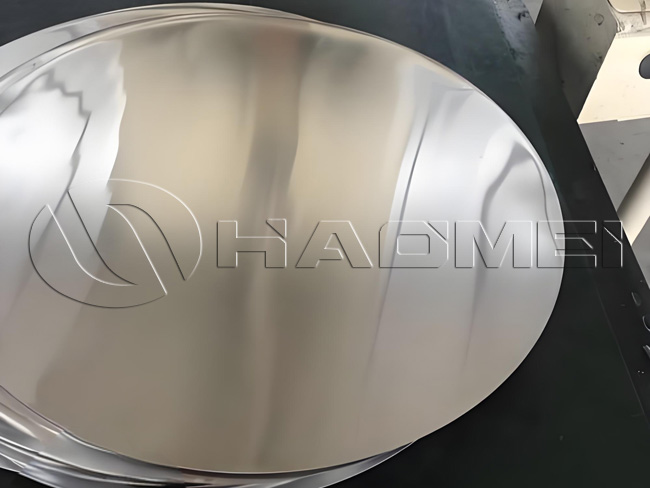
An anodized aluminum circle has an electrochemically formed aluminum oxide layer on its surface. Unlike a coating applied on top of the metal, the anodic layer is integrated with the aluminum substrate. This improves surface hardness and corrosion resistance while preserving the low weight and formability of aluminum.
For circular road signs, an anodized finish can provide several practical advantages:
Improved resistance to atmospheric corrosion and moisture exposure.
A uniform, clean surface for reflective film lamination or screen printing.
Better resistance to minor handling scratches than untreated mill-finish aluminum.
Stable surface appearance for signs used in outdoor public infrastructure.
Low weight compared with steel sign substrates, supporting easier installation.
Good recyclability at the end of the product service life.
We recommend anodized aluminum circles where sign makers require a durable metallic substrate and where surface consistency is important for automated or semi-automated sheeting application. The final choice of anodic film thickness should be based on the intended environment, reflective sheeting system, and sign service requirements.
The most commonly selected alloys for aluminum traffic sign blanks are AA1050, AA1060, AA1100, and AA3003. These alloys offer favorable combinations of corrosion resistance, workability, surface quality, and cost control.
AA1050 and AA1060 are widely used for standard road sign aluminum blanks because of their high aluminum content and good anodizing response. AA1100 is also suitable for general outdoor signage requiring stable forming properties. AA3003 may be specified when additional strength is needed, particularly for larger circles or signs subject to more demanding handling conditions.
Temper selection depends on whether the aluminum circle will remain flat or require forming after delivery. H14 and H24 tempers are commonly used for rigid sign blanks. O temper may be selected for deep drawing, edge forming, or more complex fabrication. Before production, we confirm the alloy, temper, thickness, diameter, flatness requirement, and coating or reflective film process with the customer.
Our Aluminum Circle Discs for Traffic Signs can be supplied in blank, anodized, coated, or customized surface conditions according to the sign manufacturing route.
The table below shows typical manufacturing ranges for anodized aluminum circles for road signs. Final specifications can be adjusted according to drawing requirements, applicable standards, and processing conditions.
| Parameter | Typical Specification | Notes |
|---|---|---|
| Alloy | AA1050, AA1060, AA1100, AA3003 | Selected according to strength, forming, and surface needs |
| Temper | O, H12, H14, H16, H24 | H14/H24 commonly used for flat sign blanks |
| Diameter | 100 mm to 1,500 mm | Custom diameters available within production capability |
| Thickness | 0.50 mm to 3.00 mm | Common road sign range is 1.0 mm to 2.0 mm |
| Surface condition | Clear anodized, mill finish, brushed, pretreated | Clear anodized is common for outdoor applications |
| Anodic film thickness | 5 microns to 20 microns | Selected according to exposure and finishing process |
| Diameter tolerance | Typically +/-0.5 mm to +/-1.0 mm | Depends on diameter and order specification |
| Thickness tolerance | According to alloy and mill standard | Controlled by incoming coil and process inspection |
| Edge condition | Deburred, smooth blanked edge | Reduces handling risk and supports safe fabrication |
| Flatness | Controlled for reflective sheeting application | Requirement confirmed by final sign size and process |
| Protective packing | Interleaving paper, film, palletized export packing | Prevents abrasion and moisture damage during transport |
We manufacture aluminum circles from qualified aluminum coil or sheet and maintain process controls from raw material inspection through final packing. Depending on the required material route, the starting stock may be produced from hot rolled coil or cold rolled coil. For larger diameters and applications requiring more stable mechanical properties, a Hot Rolled Aluminum Circle can be an appropriate base material option.
The standard production sequence includes the following stages:
Material verification: We check alloy designation, temper, thickness, surface condition, and coil width before processing.
Slitting and blanking: Coil is slit where needed and processed by precision blanking to produce the specified circular diameter.
Deburring: Circle edges are controlled to minimize burrs, sharp edges, and metal fragments that could interfere with handling or reflective sheeting application.
Cleaning and pretreatment: The blanks are cleaned to remove rolling residues and surface contaminants before anodizing.
Anodizing: The aluminum circles are anodized under controlled electrical and chemical conditions to form a uniform oxide layer.
Sealing and drying: The anodic layer may be sealed to improve resistance to environmental exposure, depending on the specified finish.
Final inspection and packing: Diameter, thickness, surface quality, edge condition, and packing integrity are checked before shipment.
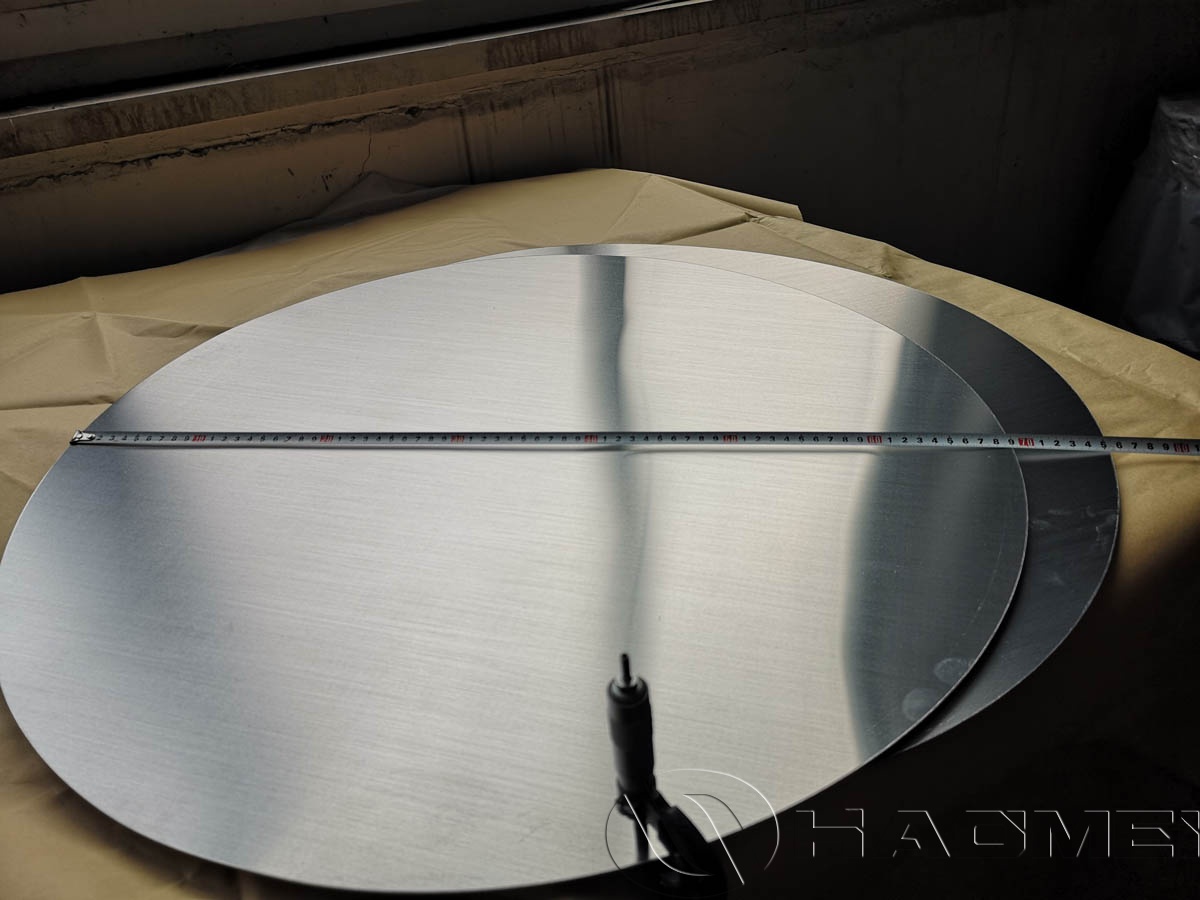
Reflective sheeting is a key functional layer in many road sign systems. Its adhesion and long-term performance depend not only on the film adhesive but also on the condition of the aluminum substrate. A road sign aluminum blank should be dry, clean, sufficiently flat, and free from oil, excessive oxide powder, deep scratches, and press marks.
Our anodized aluminum circle discs are prepared with controlled surface consistency for downstream lamination. However, reflective sheeting suppliers may specify particular substrate pretreatment, surface energy, or cleaning procedures. Therefore, we advise customers to conduct an adhesion trial when using a new sheeting grade, adhesive system, or anodic film specification.
For sign manufacturers applying digital print films, retroreflective sheeting, or pressure-sensitive graphics, we can coordinate the blank surface condition with the planned production process. This helps reduce variations during film lamination and supports uniform sign appearance after installation.
Circular traffic sign blanks must maintain dimensional consistency to fit sign frames, mounting brackets, and automated handling equipment. We control circle diameter through tooling selection and in-process inspection. The appropriate tolerance depends on disc diameter, thickness, end-use assembly, and customer drawing requirements.
Flatness is particularly important for large-diameter aluminum road signs. Excessive waviness can affect film application, printed graphics, and visual appearance. Our production team evaluates material temper, blanking conditions, handling methods, and packing configuration to reduce distortion risk. Where a customer has a defined flatness limit, it should be stated at the quotation stage so that the correct processing route can be selected.
We also pay close attention to edge quality. A clean, deburred edge improves operator safety and reduces the risk of tearing protective films or damaging reflective sheeting during fabrication.
Our quality control process is based on inspection of both measurable dimensions and visible surface requirements. Typical checks include alloy documentation, thickness measurement, diameter measurement, edge burr assessment, surface appearance inspection, anodic film evaluation, and packing verification.
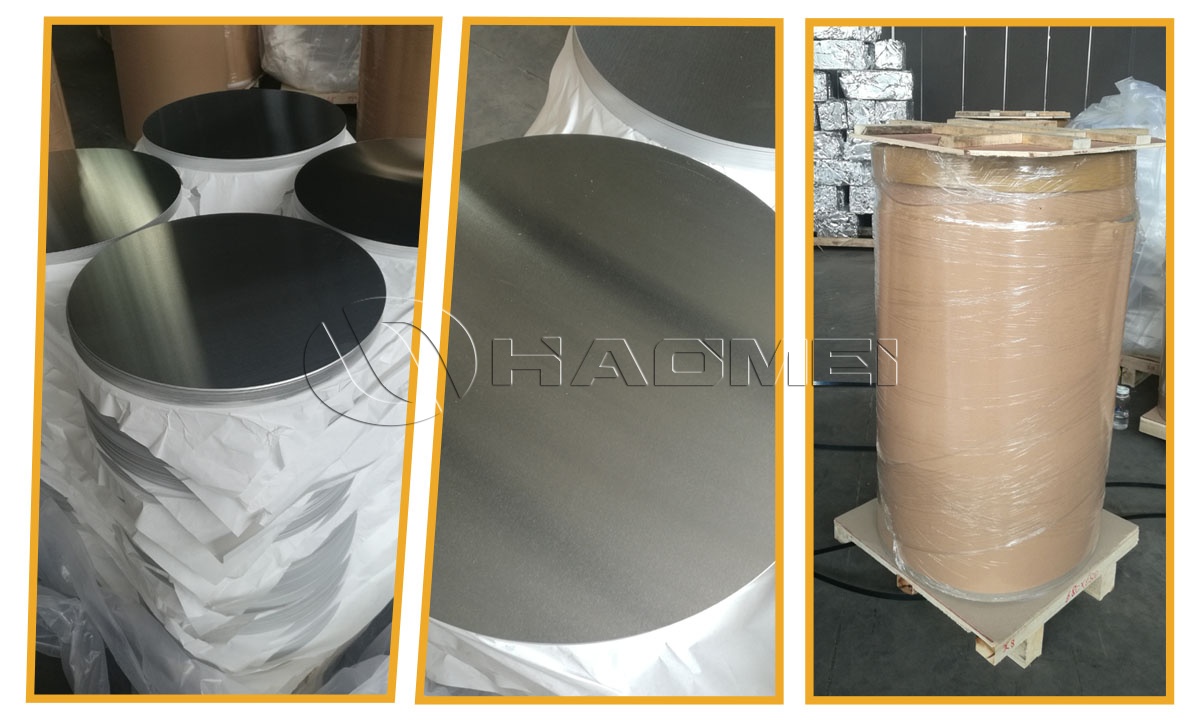
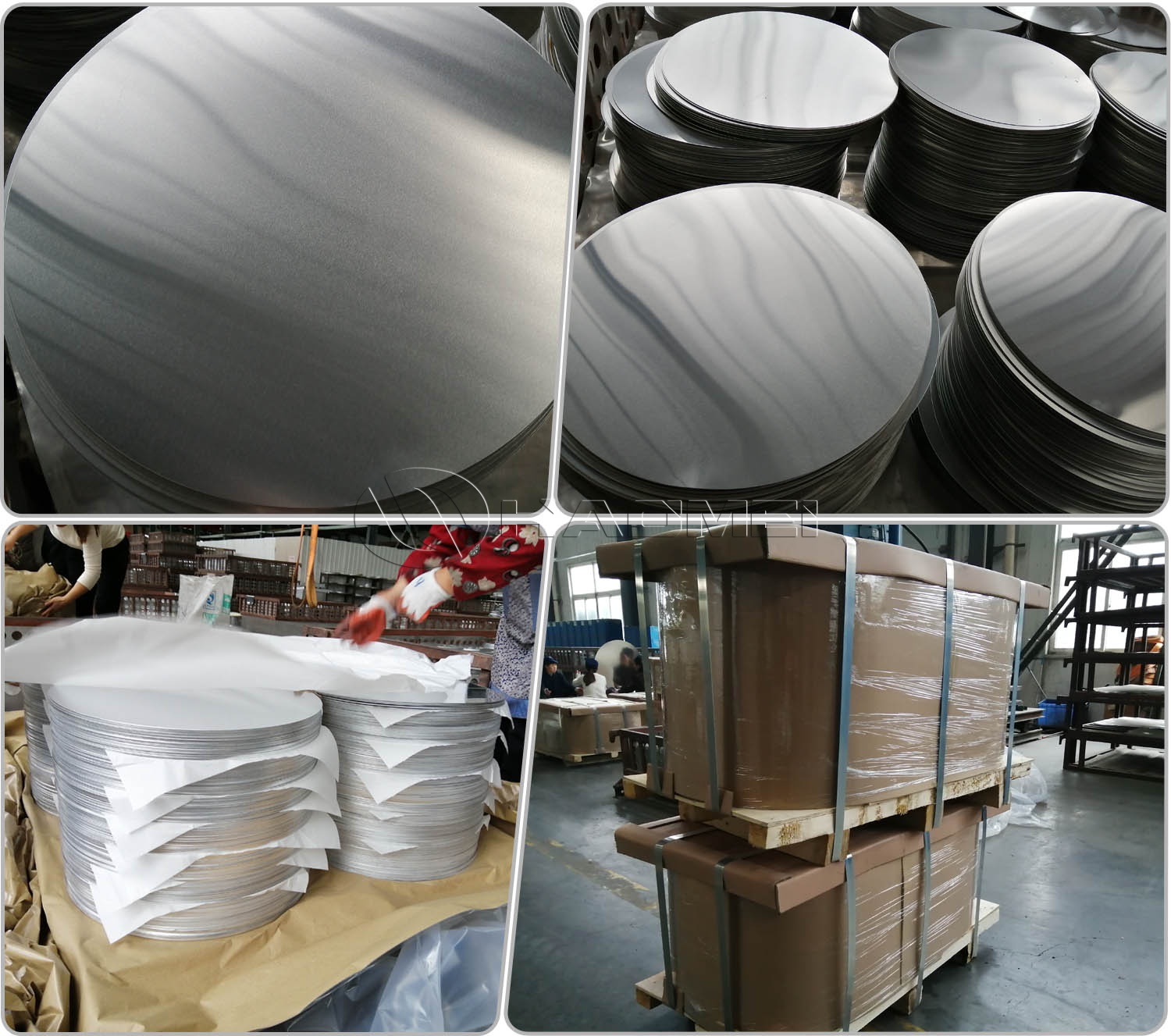
For export orders, each package is protected with interleaving materials to reduce friction between circles. Moisture-resistant wrapping and reinforced pallets are used when required by shipping method and destination. Proper packing is important because anodized surfaces can be damaged by trapped moisture, abrasion, or movement during long-distance transport.
We can provide inspection records, material certificates, packing details, and sample confirmation before mass production when these documents are included in the purchase specification.
To manufacture an anodized aluminum circle for road sign use efficiently, we recommend providing the following information:
Alloy and temper requirement.
Diameter and thickness.
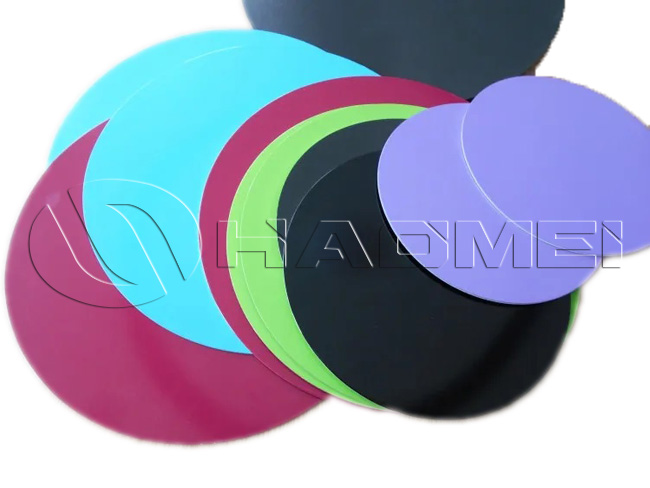
Required anodic film thickness and color.
Flatness and diameter tolerance requirements.
Whether reflective sheeting, printing, drilling, or edge forming will be applied.
Estimated order quantity and delivery schedule.
Packaging, pallet, and export documentation requirements.
With complete technical information, we can evaluate the appropriate material route, tooling arrangement, anodizing process, inspection plan, and export packing method.
Anodized aluminum circles for road signs provide a durable and lightweight substrate for traffic and outdoor signage applications. By controlling alloy selection, temper, blanking accuracy, anodized surface quality, flatness, and edge condition, we manufacture aluminum circle discs that support reliable reflective sheeting application and long-term outdoor service. As a factory, we supply road sign aluminum blanks to customer-specific dimensions and surface requirements for consistent sign production.


Office Address:
No.14 Waihuan Road, CBD, Zhengzhou, China
Contact Us
HAOMEI Aluminum offer an custom aluminum circle for you!
whatsapp: +86-18703635966
Email: sales@alummc.com
Email: alummc@hotmail.com
Request Free Sample & Quotation
Copyright © 2026 By HAOMEI Aluminum CO., LTD. All Rights Reserved. Sitemap
 +86-18703635966
 sales@alummc.com
 8618703635966
