
 No.14 Waihuan Road, CBD, Zhengzhou, China
 +86-18703635966

No.14 Waihuan Road, CBD, Zhengzhou, China
+86-18703635966
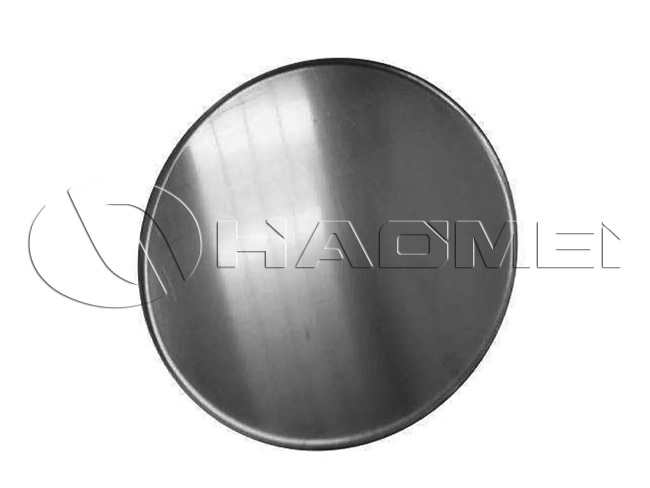
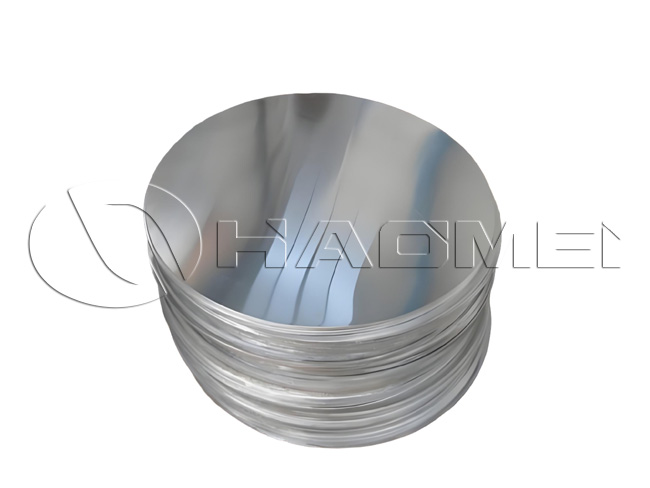
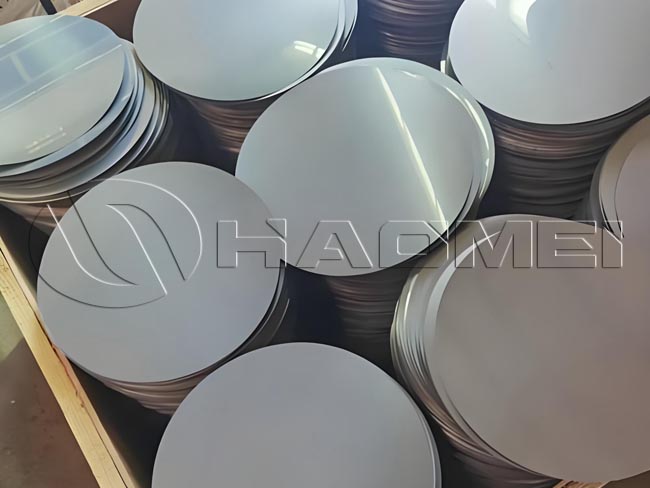
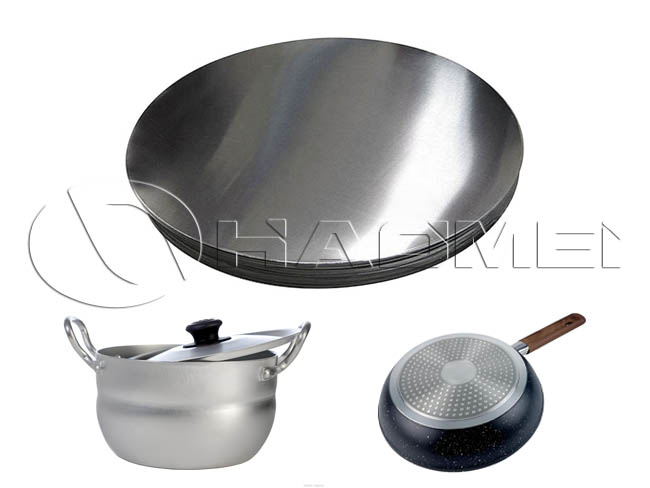
As a manufacturer of cookware aluminum circles, we produce aluminum discs engineered for the forming, thermal-transfer, and bonding requirements of induction-compatible cookware. Aluminum remains one of the most effective materials for cookware bodies because of its low weight, high thermal conductivity, and excellent workability. However, because aluminum is not ferromagnetic, an aluminum pan requires a magnetic stainless steel base or induction plate to operate on an induction cooker.
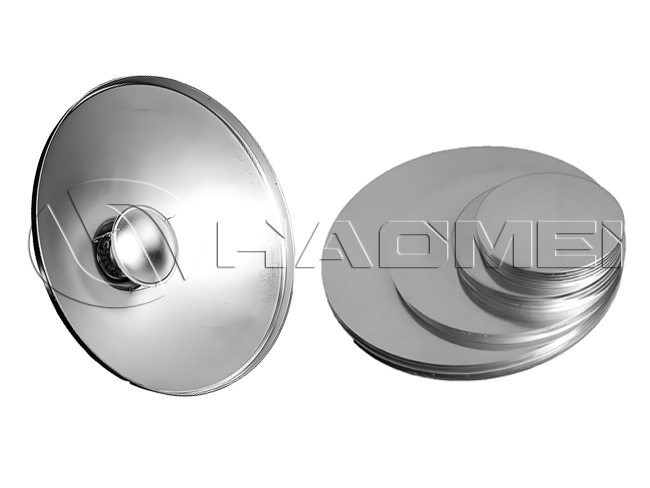
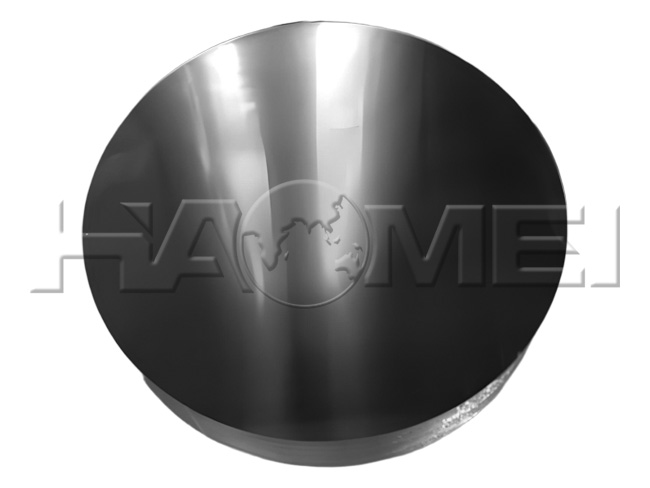
Our aluminum circles for induction cookers are manufactured to provide a stable substrate for this composite cookware construction. Through controlled alloy selection, rolling, annealing, slitting, and blanking, we supply aluminum circle discs with consistent thickness, clean edges, suitable temper, and dependable deep-drawing performance.
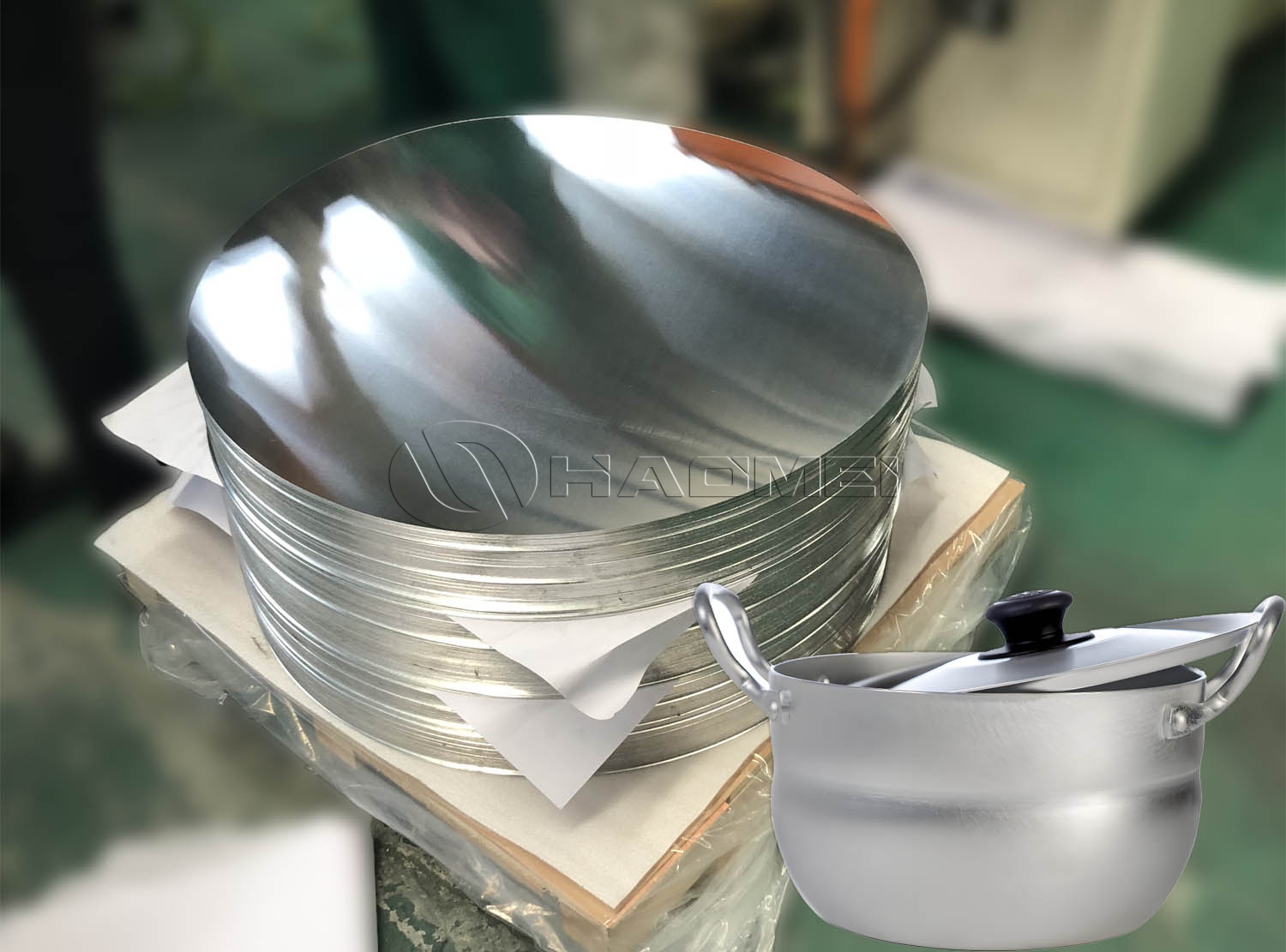
An induction cooker generates heat through an electromagnetic field. For the cookware to respond to this field, the pan base must contain a ferromagnetic material, commonly magnetic stainless steel. The aluminum cookware body does not generate heat directly from induction. Instead, it distributes heat quickly and evenly after the stainless steel induction base transfers thermal energy into the aluminum body.
For this reason, the quality of the aluminum disc for induction cookware has a direct effect on the final pan's flatness, forming consistency, heat distribution, and long-term durability. A suitable aluminum circle must withstand multiple production stages, including deep drawing, spinning, impact bonding, brazing, or disc bonding with a stainless steel induction plate.
We manufacture aluminum circles for cookware in grades and tempers selected according to the cookware design and processing route. Our production teams work with cookware factories to match material properties to frying pans, saucepans, stockpots, saute pans, pressure cookers, and other induction-compatible vessels.
1. Rapid and Uniform Heat Conduction
Aluminum has a thermal conductivity of approximately 200–230 W/(m·K)—far higher than that of iron or stainless steel—allowing it to quickly and evenly distribute heat generated by electromagnetic induction, thereby preventing localized overheating at the base of the cookware.
2. Lightweight
With a density of only about 2.7 g/cm³ (roughly one-third that of steel), aluminum helps reduce the overall weight of the cookware, making it more comfortable to handle.
3. Excellent Formability
Pure aluminum and aluminum-manganese alloys (such as 1050, 1060, and 3003) possess excellent ductility. They are easily processed via stamping, deep drawing, spinning, and bonding, making them ideal for the mass production of cookware with composite bases.
4. Corrosion Resistance
Aluminum naturally forms a dense surface oxide layer that provides good resistance to water, steam, and typical kitchen environments, thereby extending the service life of the cookware.
5. Significant Cost Advantages
Compared to copper and certain grades of stainless steel, aluminum discs offer lower raw material costs and high processing efficiency, helping to control the overall manufacturing costs of induction-compatible cookware.
6. Strong Composite Compatibility
Aluminum discs can be bonded with magnetic stainless steel or iron sheets to create three-layer or multi-layer cookware bases, combining the benefits of electromagnetic induction heating with rapid, uniform heat conduction.
The appropriate alloy depends on the required forming depth, wall thickness, mechanical strength, and heat-transfer target. Among the most frequently used options are 1050, 1060, 1070, 1100, 3003, and 3004 aluminum alloys.
The 1xxx series is widely used where high aluminum purity, good conductivity, and easy forming are priorities. These alloys are commonly selected for standard cookware bodies and products requiring deep drawing. The 3xxx series contains manganese, which improves strength while retaining good formability and corrosion resistance. It is often suitable for cookware requiring higher mechanical performance or more demanding drawing operations.
| Alloy | Main Characteristics | Typical Induction Cookware Use | Common Temper |
|---|---|---|---|
| 1050 | High purity, good conductivity, excellent formability | Light-duty pans, cookware bodies, drawn products | O, H14 |
| 1060 | Good elongation, heat transfer, and surface quality | Frying pans, saucepans, general cookware | O, H14 |
| 1070 | High aluminum content and thermal conductivity | Heat-sensitive cookware components | O |
| 1100 | Strong workability and corrosion resistance | Spun or deep-drawn cookware | O, H14 |
| 3003 | Improved strength and good corrosion resistance | Medium-duty cookware, deeper drawn pans | O, H14 |
| 3004 | Higher strength than 3003 with good formability | Heavy-gauge cookware and stockpots | O, H14 |
As an aluminum circle manufacturer, we recommend temper based on actual processing conditions rather than alloy alone. Soft O temper is generally preferred for deep drawing and spinning because it provides higher elongation. H14 temper may be appropriate where the cookware design requires more stiffness, moderate forming, or a controlled balance between strength and workability.
We can manufacture cookware aluminum circles according to customer drawings, production requirements, and applicable material standards. The following table shows our typical supply range for aluminum circles used in induction cookware bodies.
| Parameter | Typical Specification | Notes |
|---|---|---|
| Alloy | 1050, 1060, 1070, 1100, 3003, 3004 | Other grades available upon technical review |
| Temper | O, H12, H14, H16 | O temper recommended for deep drawing |
| Diameter | 100 mm to 1,200 mm | Customized sizes available |
| Thickness | 0.40 mm to 6.00 mm | Selected according to pan structure and forming method |
| Diameter tolerance | Typically +/- 0.5 mm to +/- 1.0 mm | Depends on diameter and blanking method |
| Thickness tolerance | According to agreed coil or sheet standard | Controlled through rolling and inspection |
| Surface finish | Mill finish, smooth finish, brushed as required | Suitable for coating, polishing, or bonding preparation |
| Edge condition | Burr-controlled, smooth blanked edge | Important for spinning and deep drawing |
| Coil or sheet origin | Hot rolled or cold rolled feedstock | Selected according to thickness and application |
| Packaging | Paper interleaving, moisture protection, wooden pallets | Designed for export transportation |
For applications requiring larger diameters or heavier gauges, our Hot Rolled Aluminum Circle material can provide a reliable starting substrate with stable mechanical properties. We evaluate each order according to forming depth, finished cookware diameter, induction base design, and subsequent coating or polishing requirements.
Induction cookware is often produced at high speed, with automated presses, drawing equipment, trimming machines, and base-bonding lines. Variations in aluminum circle thickness, temper, grain structure, or edge quality can cause production interruptions and finished-product defects.
An inconsistent aluminum disc may lead to uneven drawing, wrinkling, earing, cracking, poor bottom flatness, or unstable bonding with the stainless steel induction plate. These risks are especially important for deep cookware bodies, wide frying pans, and products with thin walls.
Our manufacturing process focuses on consistency from incoming aluminum coil through final packing. We control material identification, rolling parameters, annealing conditions, blanking precision, surface inspection, and packaging protection. The objective is to supply aluminum circle discs that perform predictably in customers' production lines.
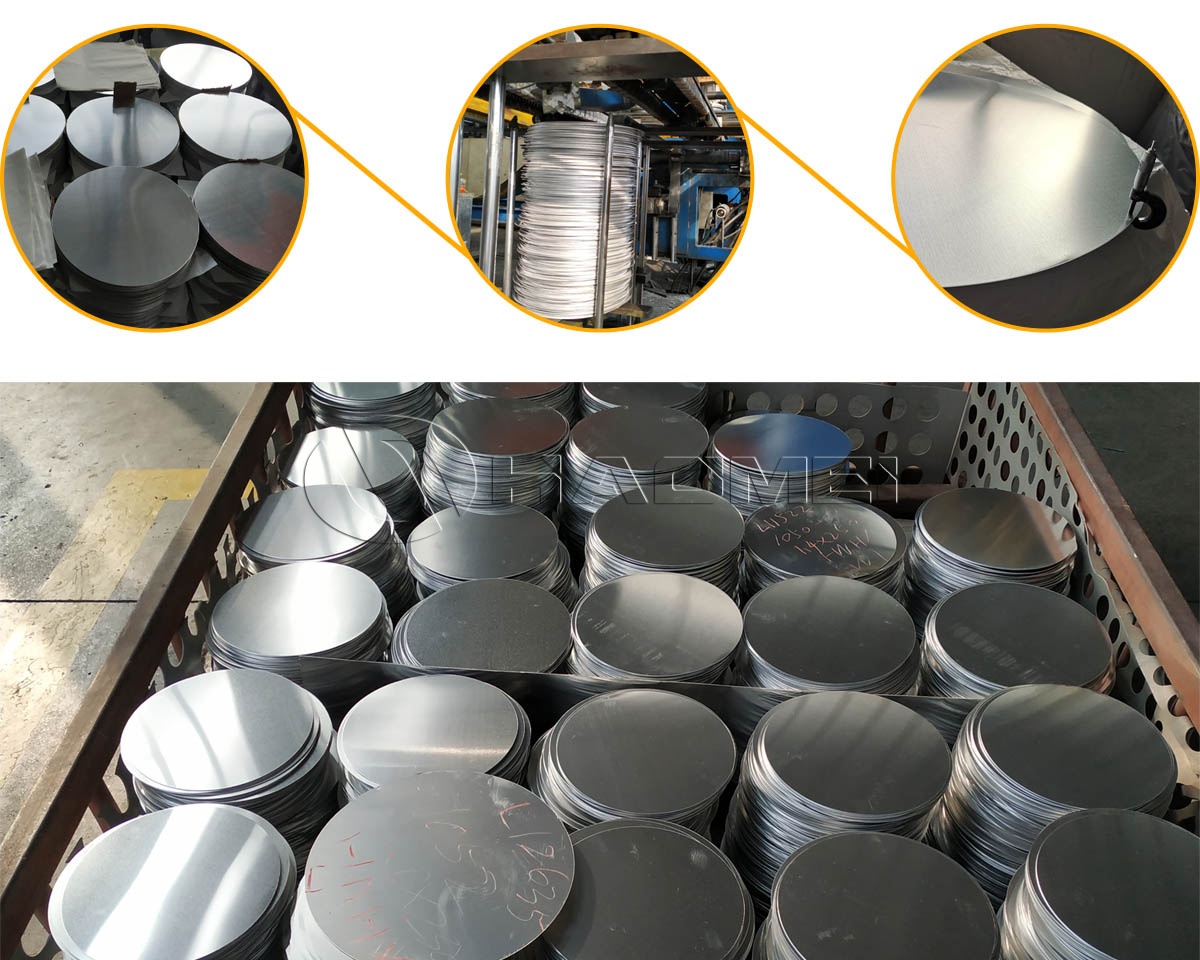
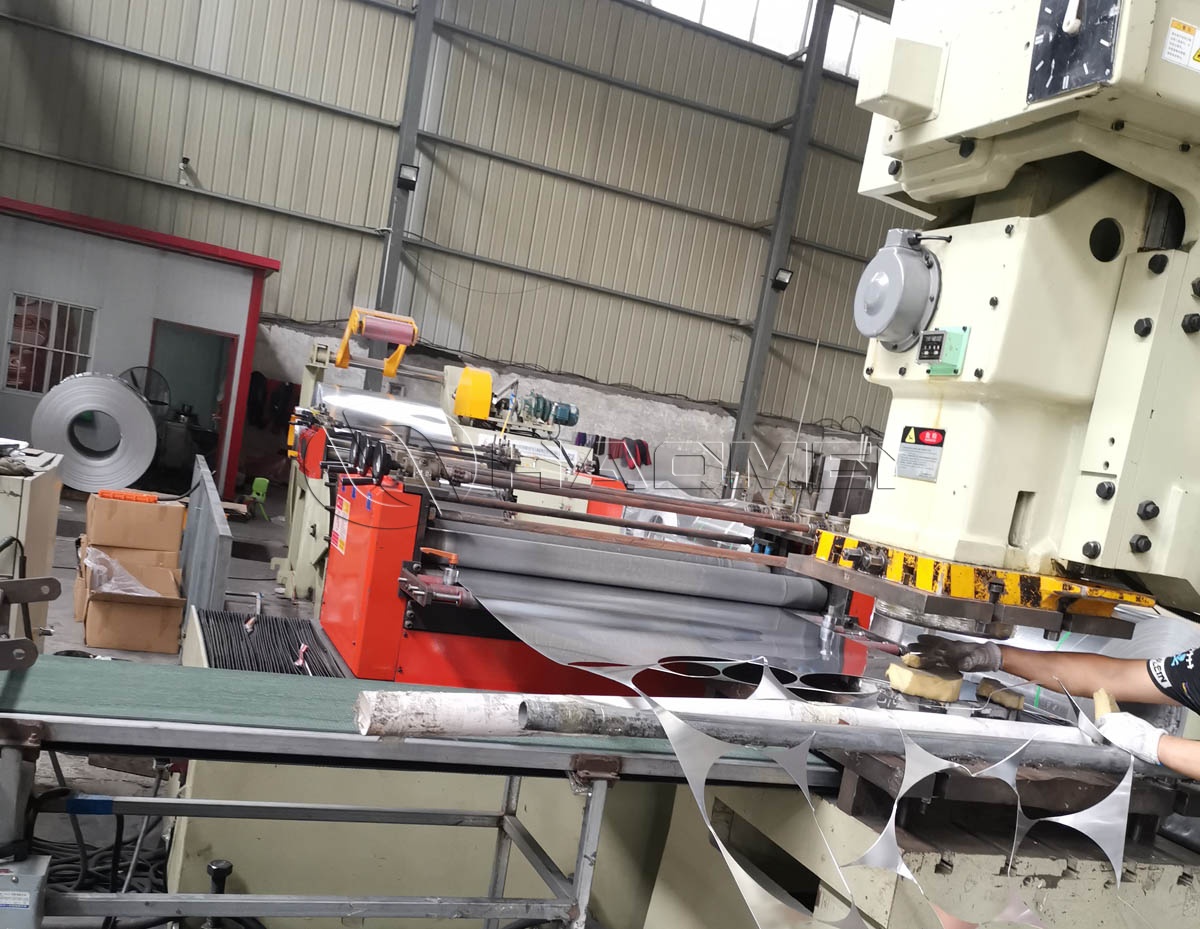
Our aluminum circles for induction cookers are produced through a controlled manufacturing sequence. The exact route varies by alloy, thickness, temper, and customer specification.
Raw material selection: We select aluminum coil or sheet with verified alloy composition and mechanical properties.
Rolling and gauge control: Material is processed to the required thickness while maintaining stable thickness distribution.
Annealing: For O temper material, controlled annealing develops the ductility needed for drawing and spinning.
Surface preparation: Surface cleanliness is monitored to support subsequent polishing, coating, and induction-base bonding.
Circle blanking: Precision presses cut the aluminum discs to the required diameter with controlled burr formation.
Inspection: We inspect dimensions, surface condition, edge quality, thickness, and packaging conformity.
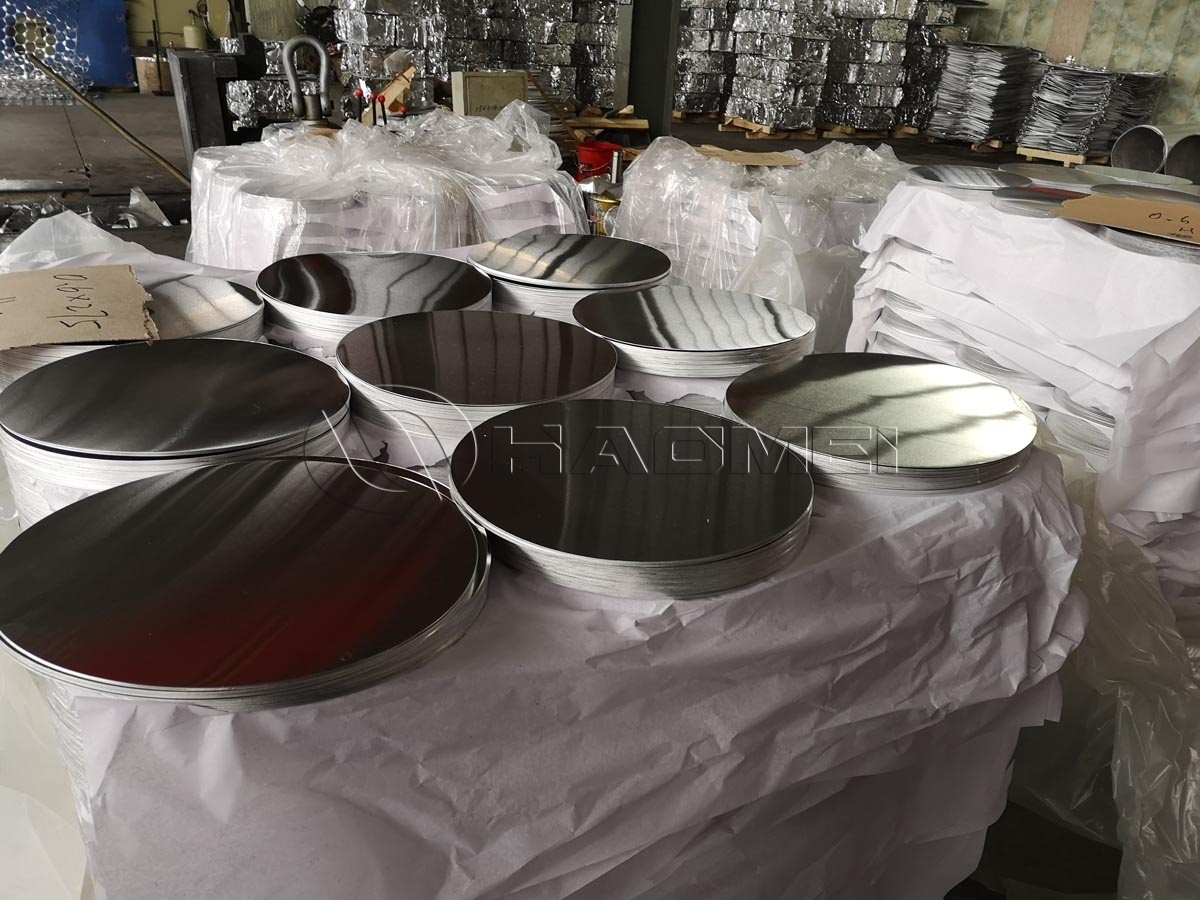
Packing and shipment: Circles are interleaved and packed to reduce abrasion, moisture exposure, and deformation during export transport.
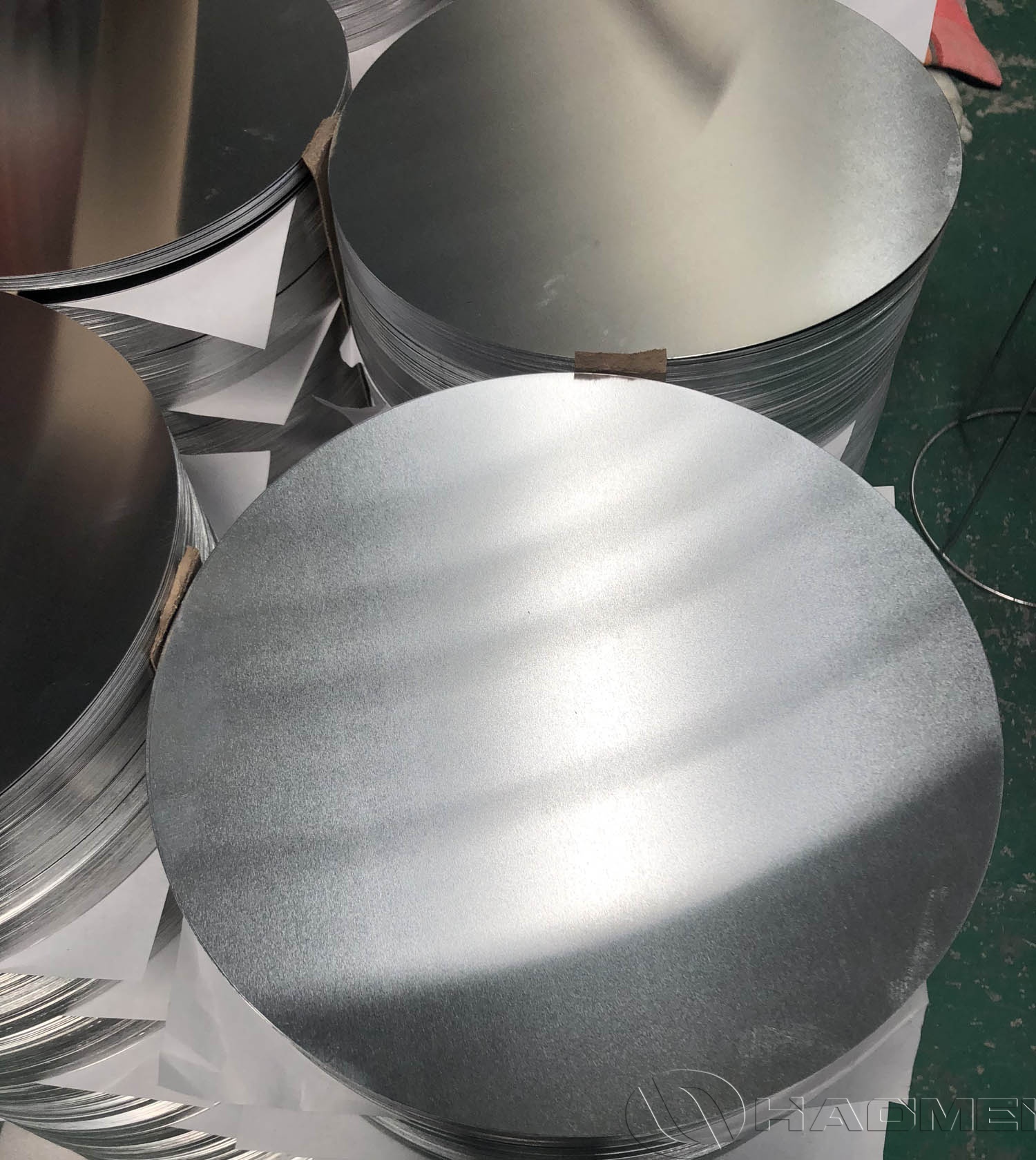
Deep drawing is one of the most critical requirements for an aluminum circle for cookware. During drawing, the flat disc is transformed into a three-dimensional vessel. The material must elongate uniformly without cracking at the wall, shoulder, or rim.
We support deep-drawn cookware production by controlling grain structure and temper. A stable annealing process helps provide the softness and elongation necessary for demanding forming operations. At the same time, material uniformity helps cookware factories reduce differences between production batches.
For shallow frying pans, a standard cookware aluminum circle may be sufficient. For taller stockpots, saucepans, and multi-draw products, we recommend confirming the drawing ratio, tool geometry, lubrication method, and target wall thickness before finalizing the alloy and temper. This technical coordination helps ensure that the aluminum disc matches the intended manufacturing process.
The underside of an induction-compatible aluminum pan typically receives a magnetic stainless steel disc or full induction plate. Depending on the design, this component may be attached through impact bonding, pressure bonding, brazing, adhesive-assisted methods, or other controlled processes.
Although the aluminum circle itself is not magnetic, its surface and flatness influence the quality of the connection between the cookware body and the induction base. A clean, uniform surface supports more stable contact during bonding. Controlled flatness also helps prevent local gaps that may affect heat transfer or long-term base adhesion.
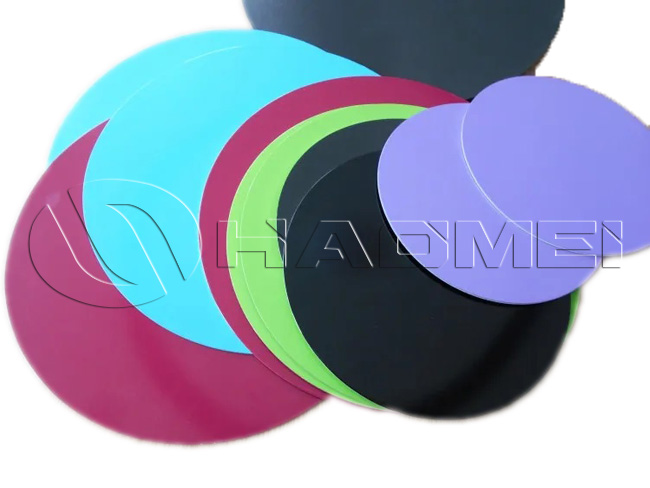
For cookware producers requiring different finishes for branding or decorative applications, we also supply Aluminum Circles for Cookware with specifications tailored to polishing, non-stick coating, anodizing, and other downstream treatments.
We implement quality checks throughout production to ensure each shipment meets agreed technical requirements. Our inspection program may include alloy verification, thickness measurement, diameter inspection, surface examination, edge-condition checks, temper confirmation, and packaging review.
Particular attention is given to defects that may affect cookware processing, such as scratches, oil marks, dents, edge cracks, excessive burrs, and thickness inconsistency. We also maintain batch traceability so that material can be linked to relevant production and inspection records.
For export customers, packaging is not treated as a secondary step. Aluminum circles are protected with paper interleaving or separators where required, wrapped for moisture resistance, and secured on suitable pallets. This helps preserve surface quality during container loading, sea transport, and storage at the destination.
When requesting aluminum circles for induction cookers, cookware manufacturers should provide the finished product type, required diameter, thickness, alloy preference, temper, and intended forming method. It is also useful to specify whether the product will receive a bonded stainless steel induction base, non-stick coating, anodized finish, or polished surface treatment.
The most appropriate material is not always the lowest-cost option. A correctly specified aluminum circle can reduce drawing failures, improve production efficiency, support better pan flatness, and provide consistent performance after induction-base assembly. As a factory manufacturer, we can review these requirements and recommend a suitable aluminum alloy and temper for the intended cookware process.
High-quality aluminum circles are essential components in the manufacture of induction-compatible cookware. While the magnetic stainless steel base enables induction heating, the aluminum cookware body provides rapid and even heat distribution, low weight, and reliable formability.
Our factory produces aluminum circles for induction cookers with controlled alloy composition, temper, dimensions, surface quality, and edge condition. By matching aluminum disc specifications to deep drawing, spinning, coating, and induction-base bonding requirements, we help cookware manufacturers build stable and efficient production processes for global markets.

Office Address:
No.14 Waihuan Road, CBD, Zhengzhou, China
Contact Us
HAOMEI Aluminum offer an custom aluminum circle for you!
whatsapp: +86-18703635966
Email: sales@alummc.com
Email: alummc@hotmail.com
Request Free Sample & Quotation
Copyright © 2026 By HAOMEI Aluminum CO., LTD. All Rights Reserved. Sitemap
 +86-18703635966
 sales@alummc.com
 8618703635966
