 No.14 Waihuan Road, CBD, Zhengzhou, China
 +86-18703635966

No.14 Waihuan Road, CBD, Zhengzhou, China
+86-18703635966
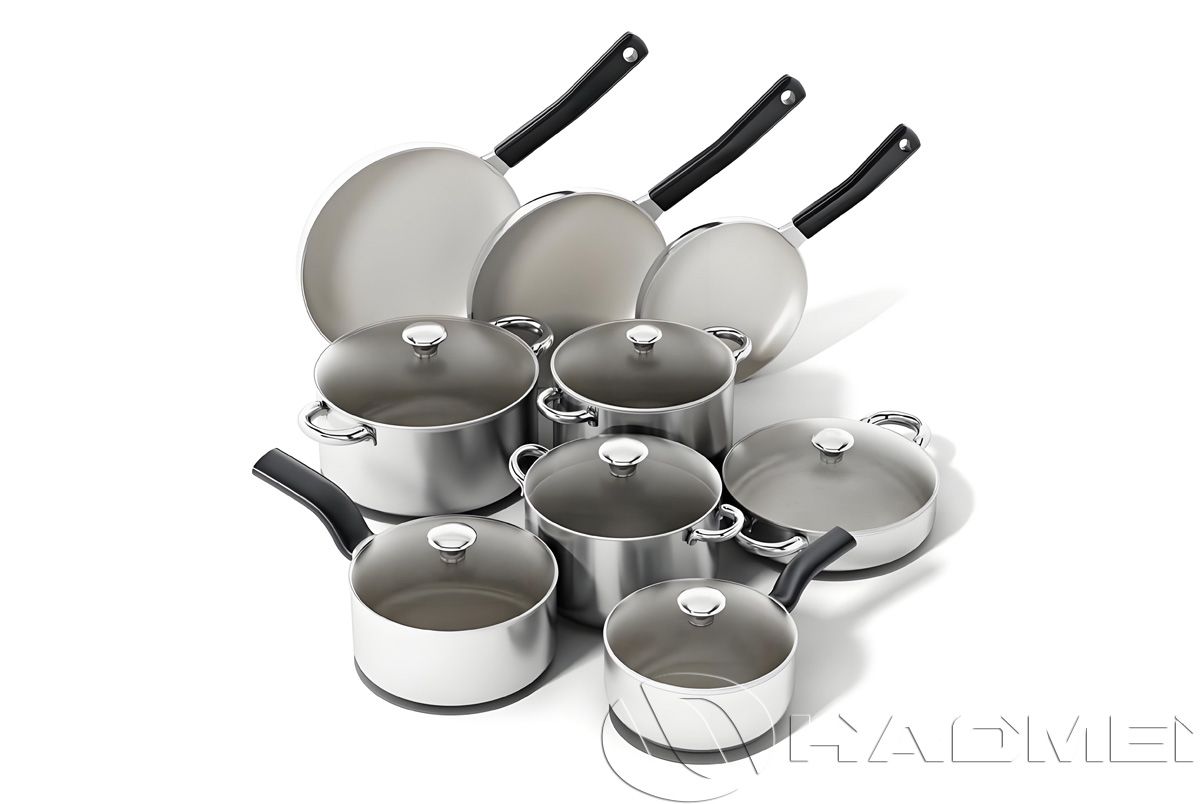
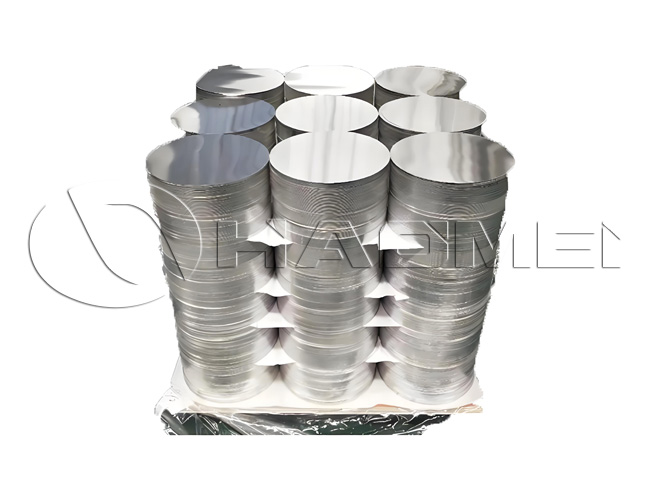
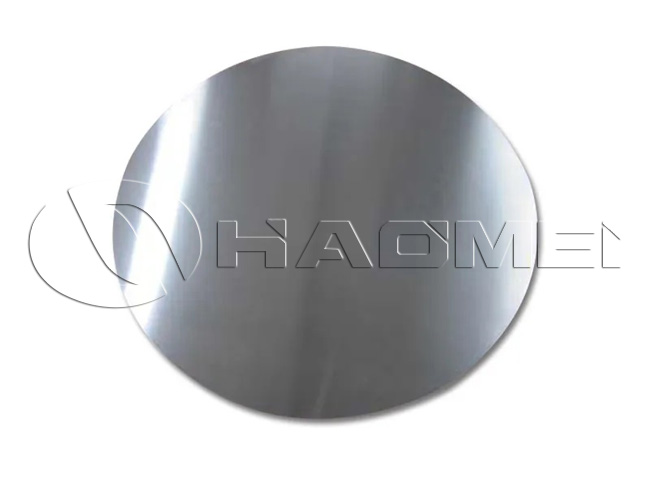
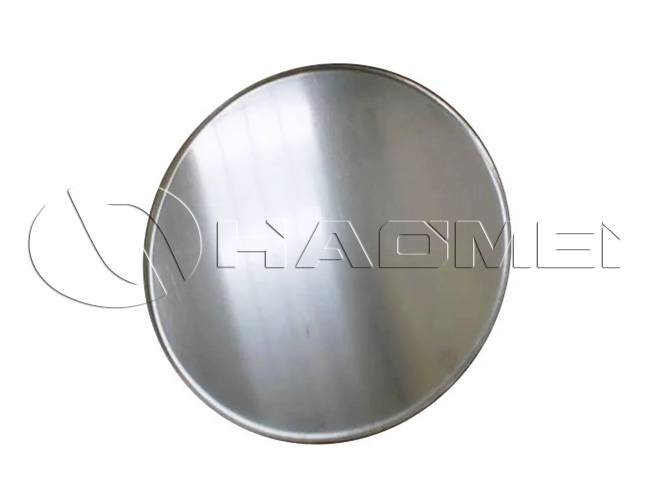
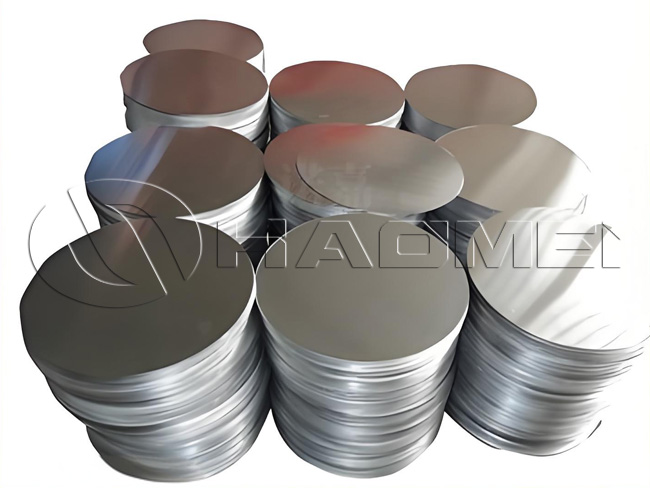
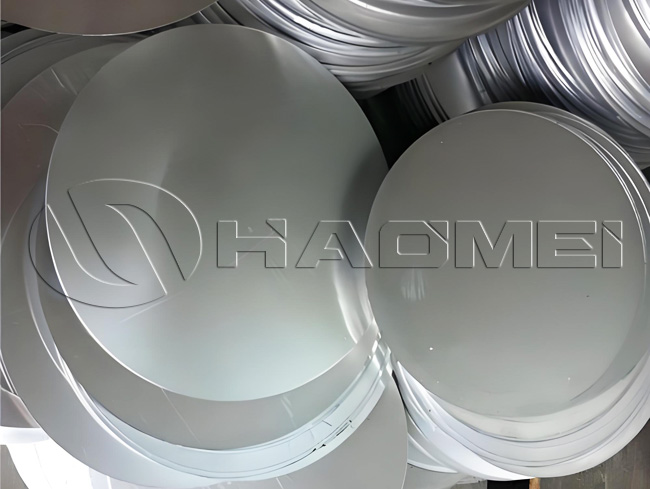
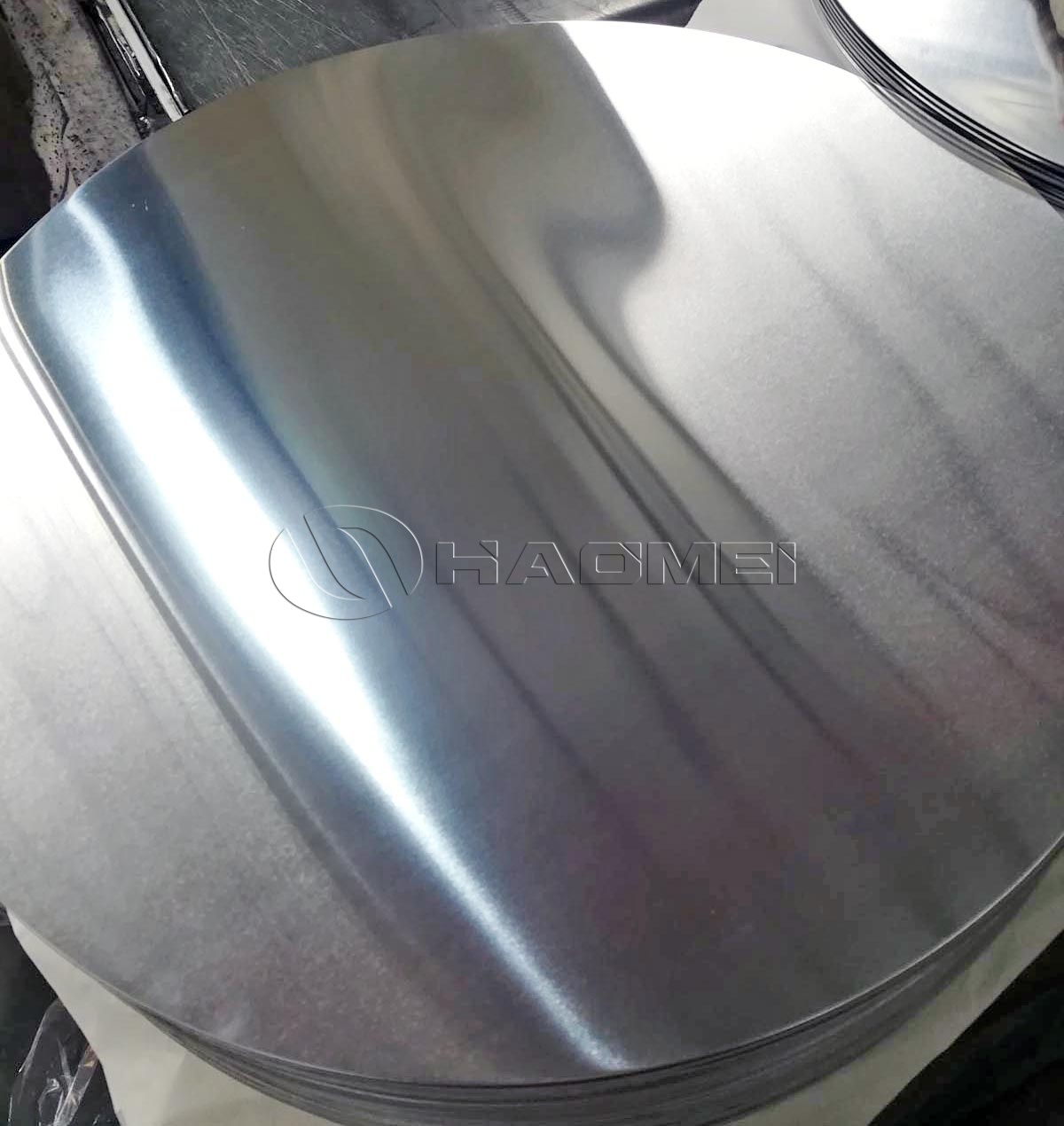
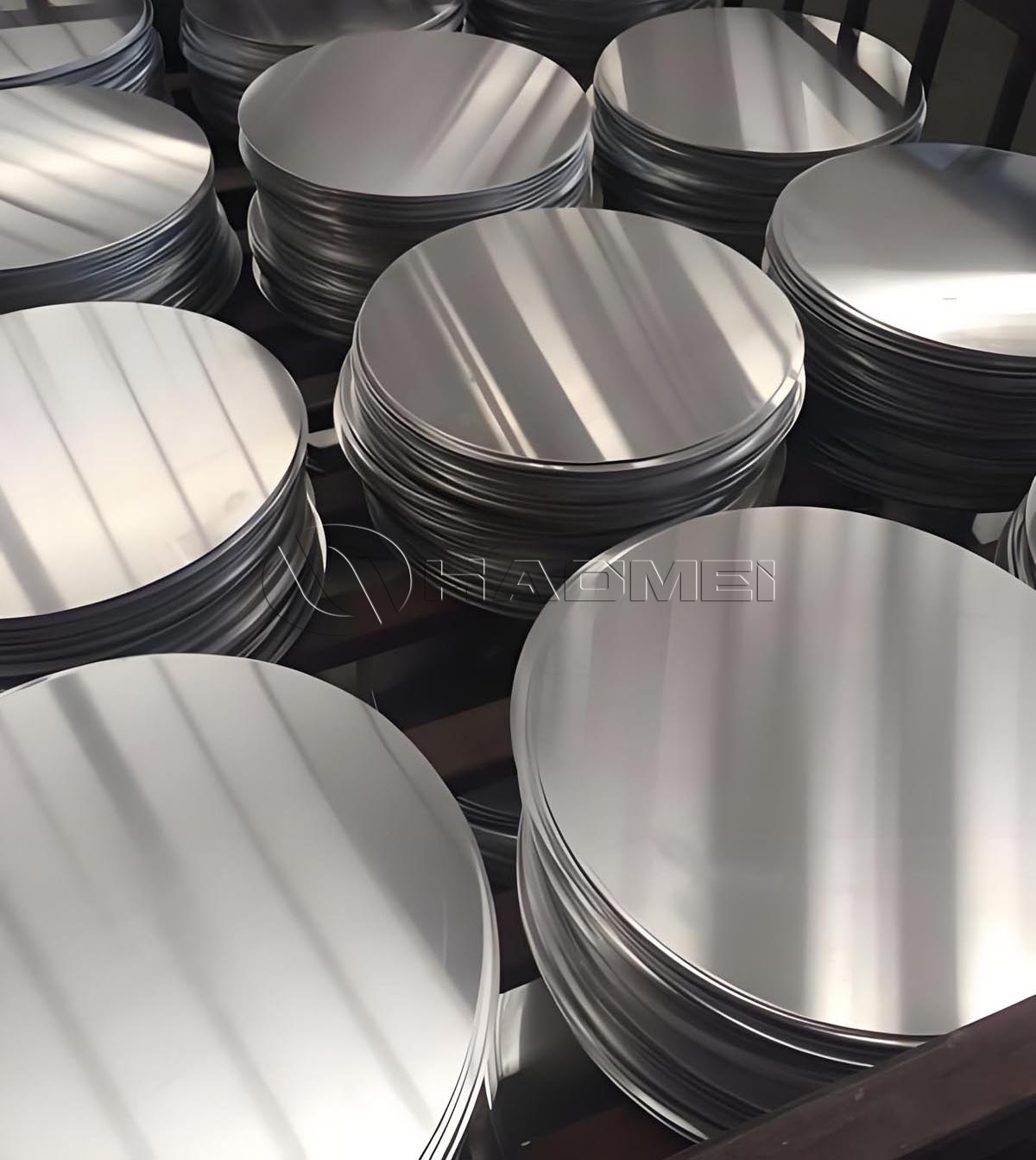
As a core raw material for cookware production, 1070 aluminum circle is an industrial pure aluminum with an aluminum content as high as 99.7%. It features excellent ductility, high corrosion resistance, and superior thermal and electrical conductivity, making it particularly suitable for manufacturing various kitchen utensils.
1070 aluminum circles are widely used in the production of cookware such as deep-drawn cooking pots, spun kitchen utensils, non-stick cookware, and pot bases.
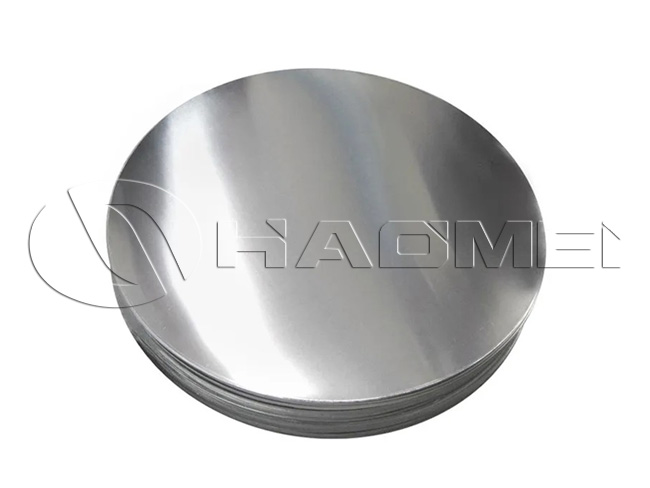
The surface of 1070 cookware aluminum circles is often anodized, forming a uniform, dense, and glossy oxide layer that enhances surface hardness, appearance, and product lifespan.
Excellent Thermal Conductivity: Quickly and evenly transfers heat from the heat source to the food for efficient and energy-saving cooking.
Good Formability: Easy to stamp, draw, and form into complex cookware shapes.
Safety and Non-Toxicity: Meets food contact standards and does not release harmful substances.
Lightweight: Ensures convenient handling and user comfort.
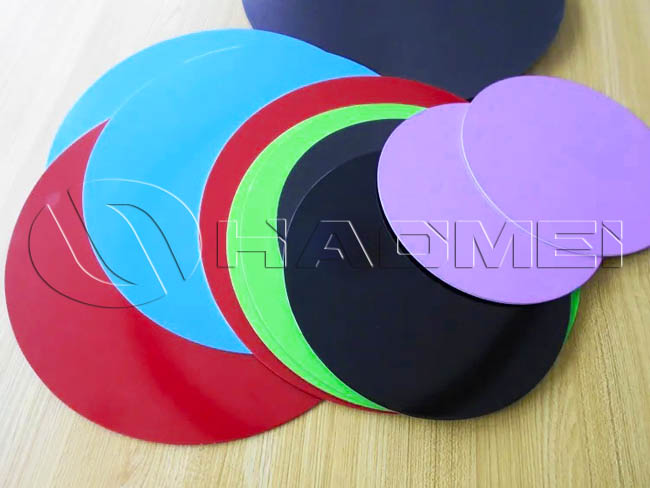
Compatible with Various Surface Treatments: Suitable for anodizing, electrophoretic coating, painting, or polishing, meeting both durability and aesthetic demands of premium cookware.
Cost Efficiency: Compared with alternatives like copper or stainless steel, aluminum offers excellent performance at a significantly lower cost.
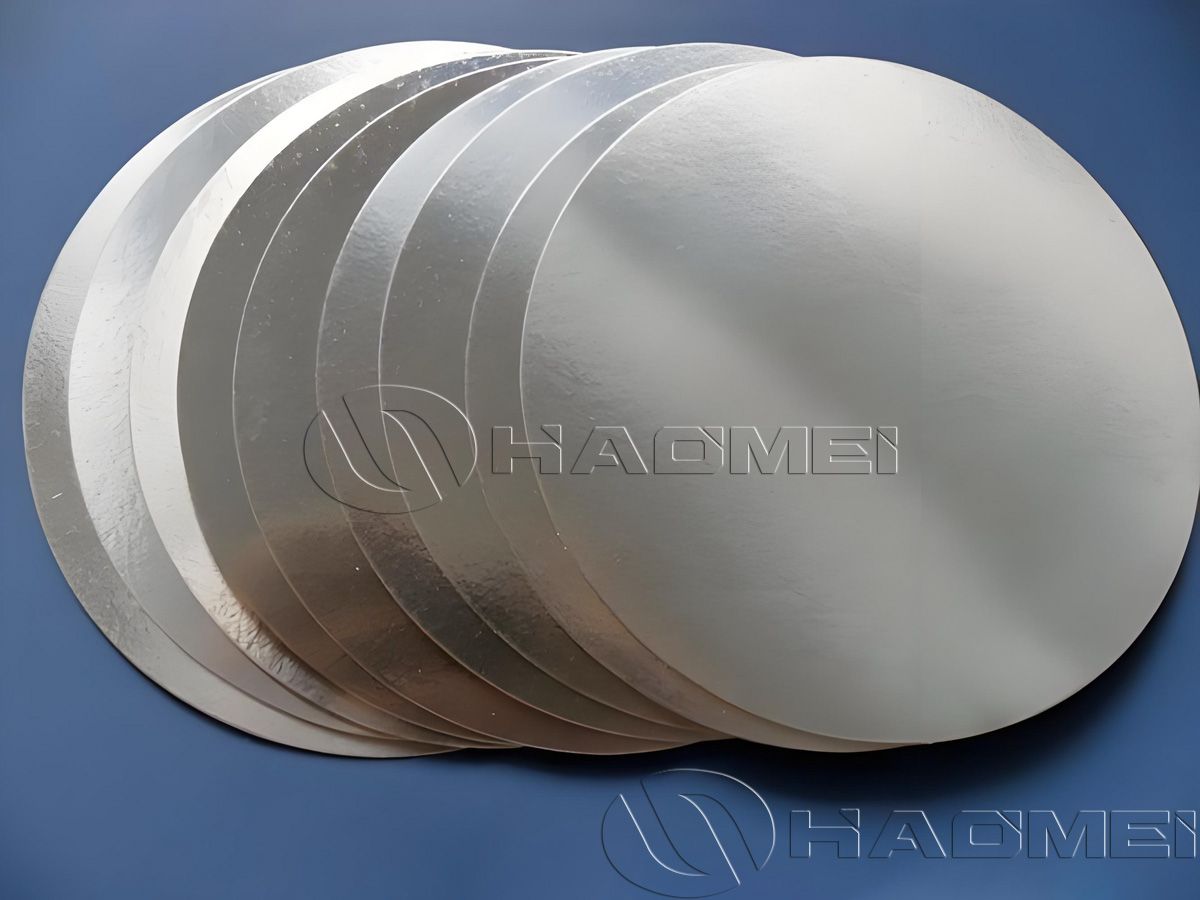
Thickness Range: 0.5 mm - 6.0 mm (customizable up to 7.0 mm), covering all product types from lightweight to heavy-duty cookware.
Diameter Range: 100 mm - 650 mm standard; customizable up to 1500 mm for large or specialized cookware.
Temper Options: O (annealed), H12, H14, H16, H18, etc.
O temper has the highest ductility and is ideal for deep drawing and stamping.
Surface Finish: Polished, coated, or customized surface treatments available to meet aesthetic or functional requirements.
HAOMEI Aluminum supports a wide range of customization options to meet diverse customer needs.
| Alloy | Thickness Range | Diameter Range | Temper/ Processing | Typical Applications |
| 1070 | 0.3-1.0 mm | 200-800 mm | H14 / H16 cold-rolled, annealed | Small pots, milk pans, fry pans |
| 1.0-2.5 mm | 400-1000 mm | H18 / H24 semi-hard | Woks, steam pots, deep pans | |
| 2.5-6.0 mm | 500-1200 mm | H24 / H26 semi-hard | Thick-bottom pots, large cookware |
Raw Materials
The type and quality of aluminum used (primary aluminum ingots vs. recycled aluminum) can cause price differences of USD 150-250 per ton.
Thickness
Thicker aluminum circles may contain more impurities, which reduces strength and lowers market price.
Production Facilities
Manufacturers with advanced equipment and higher production efficiency produce aluminum circles with better consistency and finish, often commanding a slightly higher market price.
Q1: Why is aluminum cookware more popular than other materials?
A1: Aluminum cookware offers excellent heat conductivity, is lightweight, cost-effective, and compatible with multilayer construction-making it ideal for premium cookware.
Q2: Are aluminum circles food-safe?
A2: Yes. Aluminum used in cookware complies with food contact safety standards and does not leach into food under normal cooking conditions.
Q3: What surface treatments can be applied to aluminum circles?
A3: Common treatments include anodizing, electrophoretic coating, spraying, and polishing-enhancing corrosion resistance, appearance, and durability.
Q4: Can aluminum cookware be recycled?
A4: Absolutely. Aluminum is 100% recyclable without any loss of its original properties, making it an environmentally sustainable material.



Office Address:
No.14 Waihuan Road, CBD, Zhengzhou, China
Contact Us
HAOMEI Aluminum offer an custom aluminum circle for you!
whatsapp: +86-18703635966
Email: sales@alummc.com
Email: alummc@hotmail.com
Request Free Sample & Quotation
Copyright © 2026 By HAOMEI Aluminum CO., LTD. All Rights Reserved. Sitemap
 +86-18703635966
 sales@alummc.com
 8618703635966
