
 No.14 Waihuan Road, CBD, Zhengzhou, China
 +86-18703635966

No.14 Waihuan Road, CBD, Zhengzhou, China
+86-18703635966
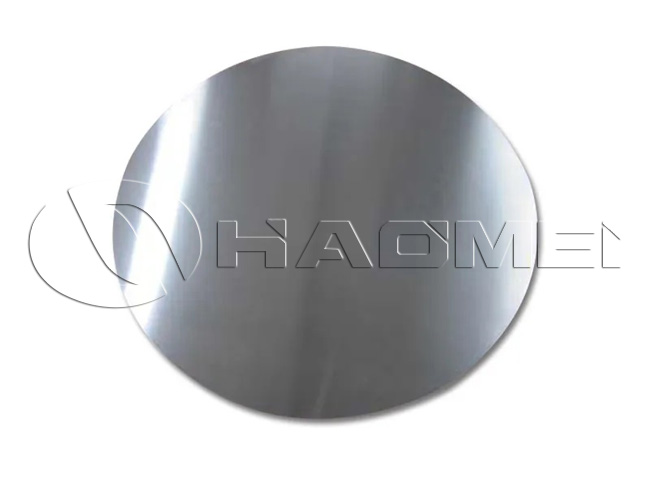
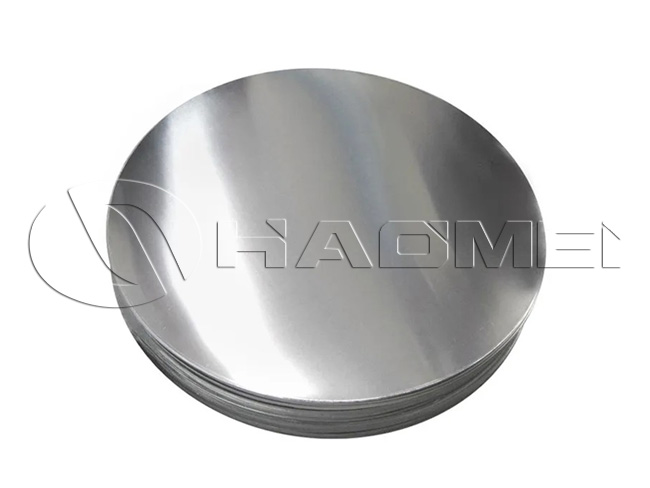
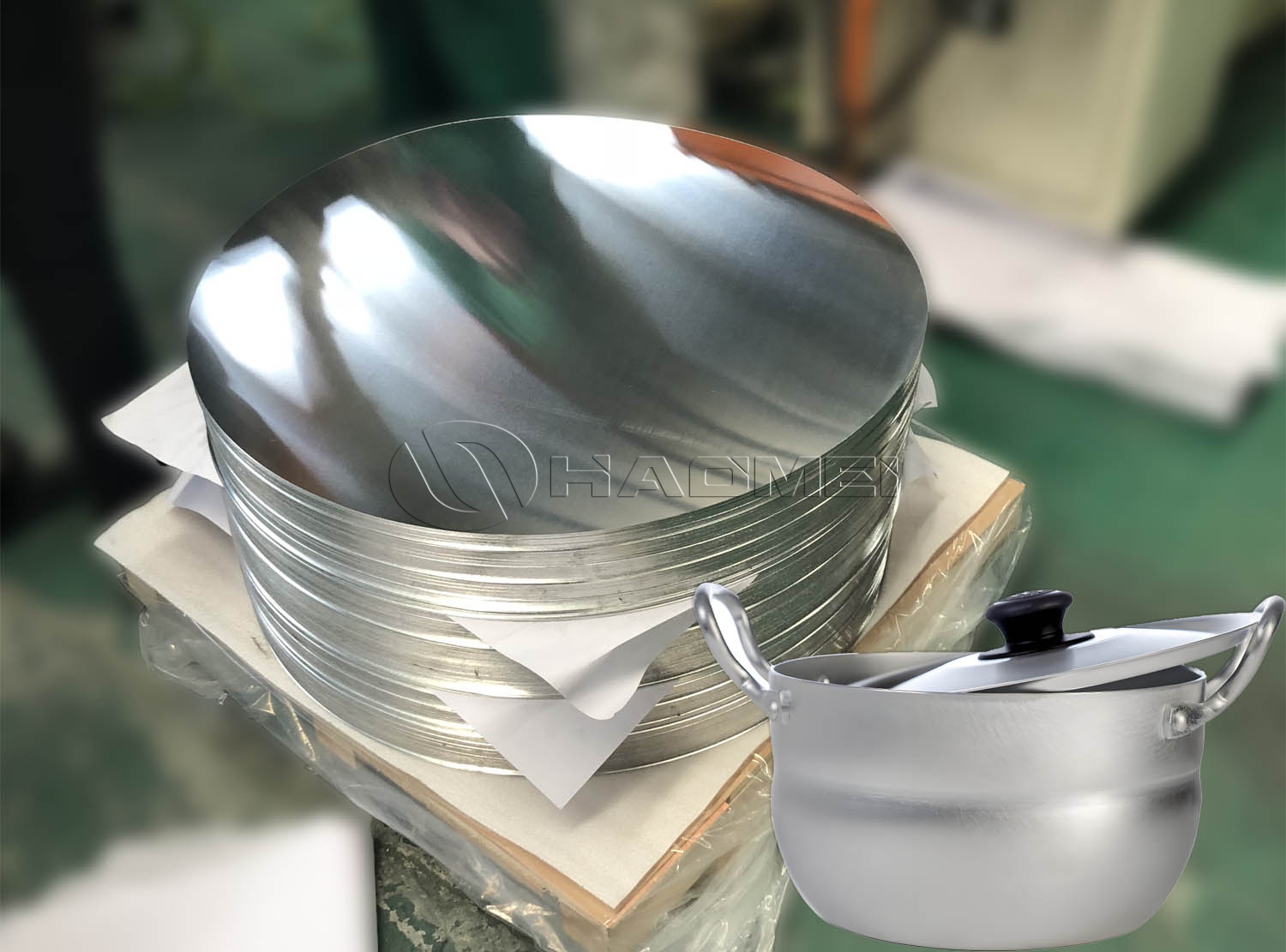
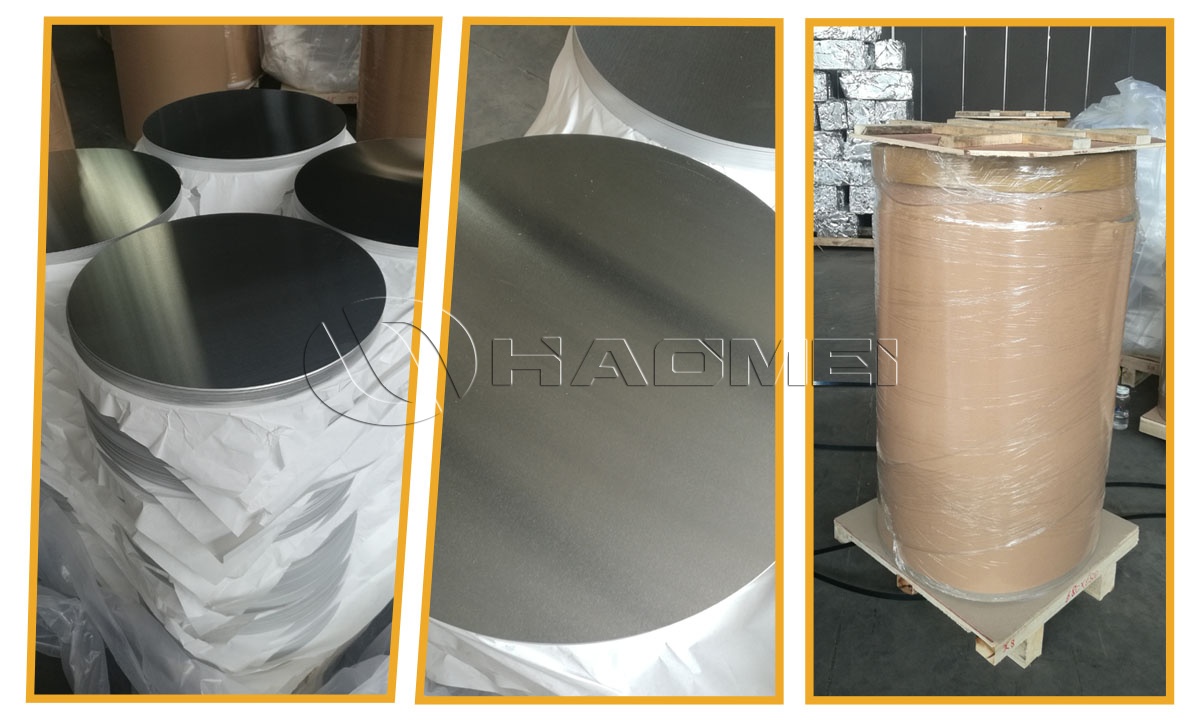
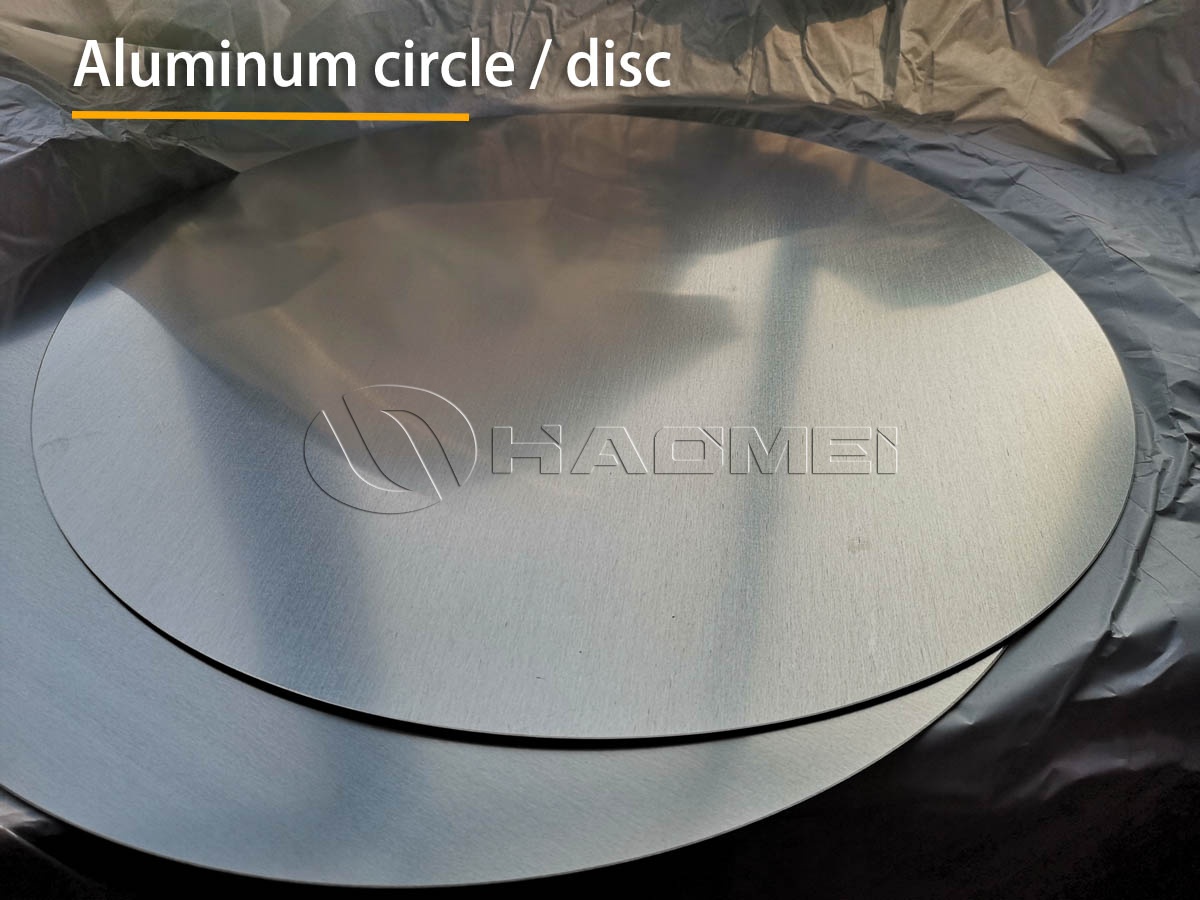
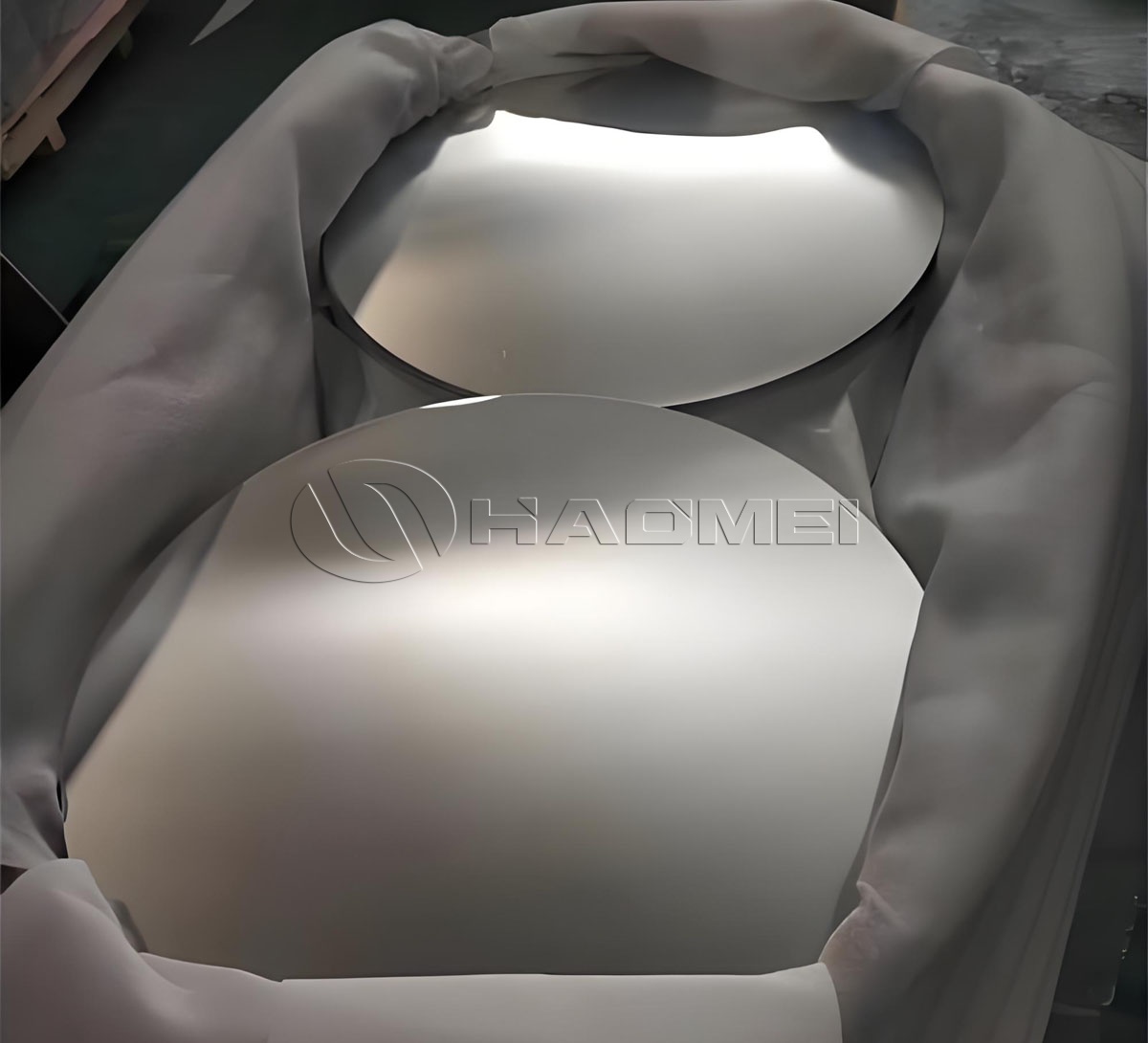
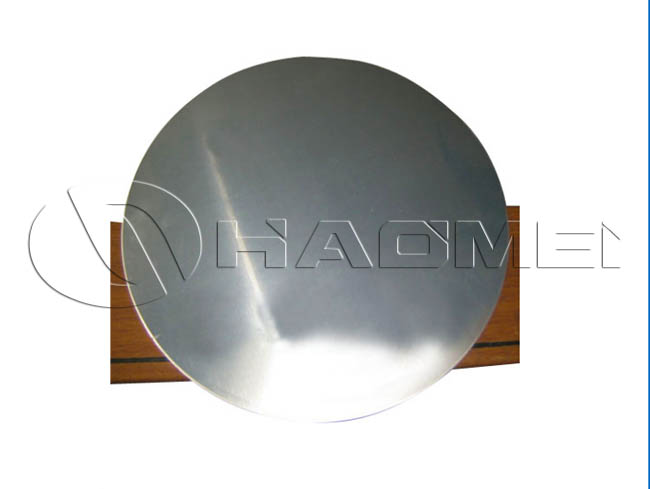
In the cookware supply chain, material selection is driven by consistent formability, stable surface quality, predictable heat transfer, and process efficiency at scale. For many stamped and spun cookware items, 1100 aluminum circle (also called an aluminum disc or aluminum wafer) remains a widely used option due to its high aluminum content and reliable cold- and warm-forming behavior.
This article explains how 1100 cookware aluminum disc material is used across common cookware processes, what buyers should understand about alloy and temper selection, and how to align procurement specifications with production needswithout overstating performance or inventing parameters.
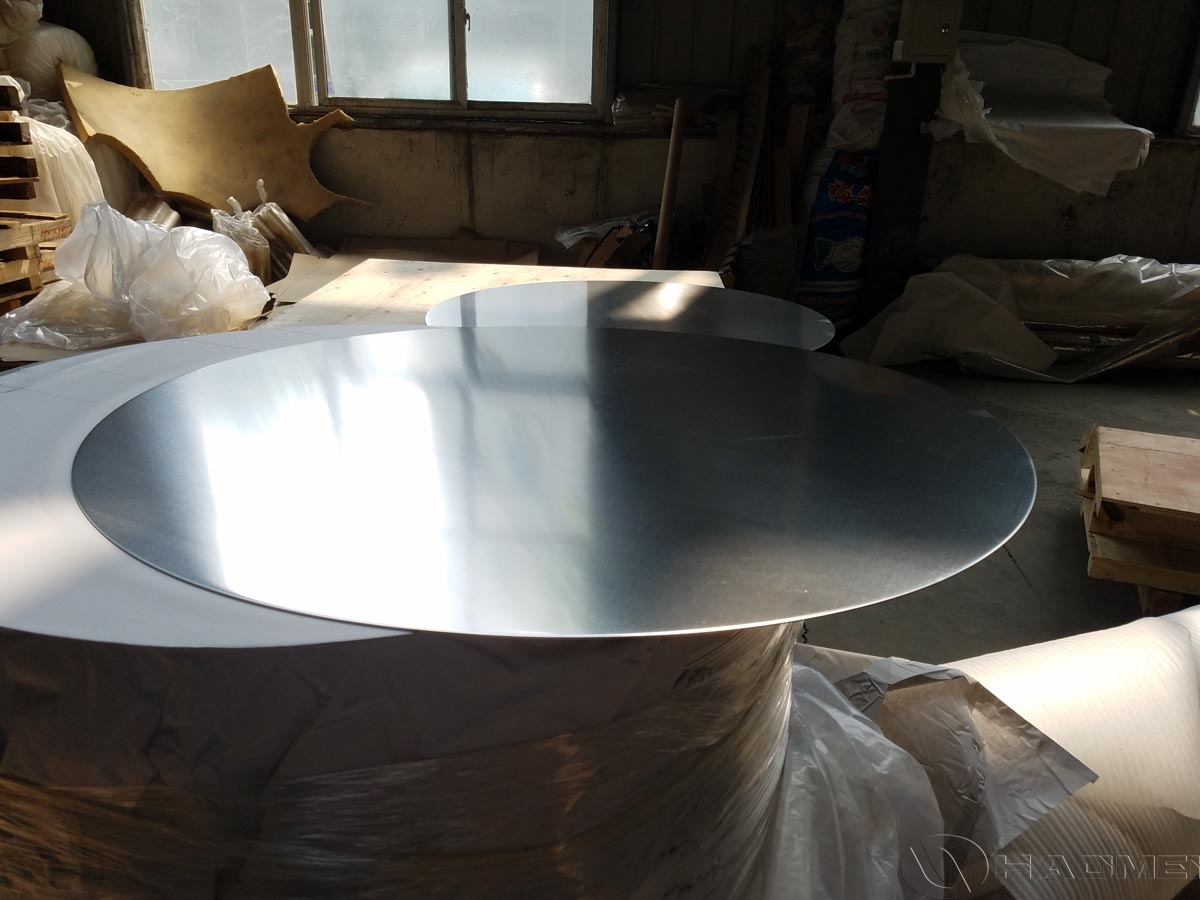
1100 is typically treated in the market as a pure aluminum circle grade because it is a commercially pure aluminum alloy (with high aluminum content). In cookware applications, this is valued for:
Good thermal conductivity compared with many alloyed alternatives, supporting fast and relatively even heating for certain product designs.
Excellent workability, especially in soft tempers, which benefits deep drawing, spinning, and forming.
Stable finishing response, supporting common cookware surface requirements such as polishing, brushing, anodizing, or coating systems (final performance depends on process and coating design).
For many cookware SKUssuch as lids, shallow pans, and components that rely on forming rather than high structural strength1100 provides a pragmatic balance of manufacturability and cost control.
From a B2B purchasing view, aluminum circle for cookware is rarely chosen on alloy name alone. Buyers usually care about scrap rate, tool wear, and cycle time. 1100 can contribute to process efficiency because it tends to:
Form with lower risk of cracking in appropriate tempers.
Reduce forming load compared with harder or higher-strength alloys.
Maintain consistent behavior across high-volume stamping/spinning when coil-to-disc quality is controlled.
1100 is commonly selected for cookware items where formability and heat transfer are primary needs. Typical uses include:
Spinning is sensitive to ductility and surface quality. A properly prepared 1100 aluminum circle in a suitable temper can support:
Spun pots and bowls
Kettles and canteens (depending on design)
Reflective or decorative formed parts
Deep drawing requires uniform grain structure and consistent thickness. 1100 discs are used in:
Lids (flat or shallow drawn)
Shallow pans and trays
Inner liners or formed shells (in multi-material designs)
Some kitchenware products value aluminums thermal response and lightweight characteristics, such as:
Serving pans and lightweight cookware bodies
Accessory components that require forming and finishing
Note: For cookware that relies on high strength at elevated temperatures or specific durability requirements, buyers may evaluate other alloys or bonded constructions. Selection should always reflect the final cookware design, thickness, and intended end use.
For cookware production, 1100 is typically specified not only by alloy and temper but also by disc quality factors that influence forming stability and surface appearance.
Formability is the main reason many manufacturers choose 1100. In general:
Softer tempers provide better deep drawing and spinning performance.
Harder tempers may be used for parts requiring improved stiffness or dent resistance (within the limits of the alloy).
Cookware often includes visible surfaces or coated systems. For this reason, buyers typically pay attention to:
Surface cleanliness and consistency (to reduce coating defects)
Freedom from oil stains, scratches, or roll marks beyond acceptable limits
Edge quality (to reduce burr-related rework)
Uniform thickness and controlled flatness help reduce:
Earing and uneven draw-in during deep drawing
Wrinkling and forming instability
Dimensional variability after spinning
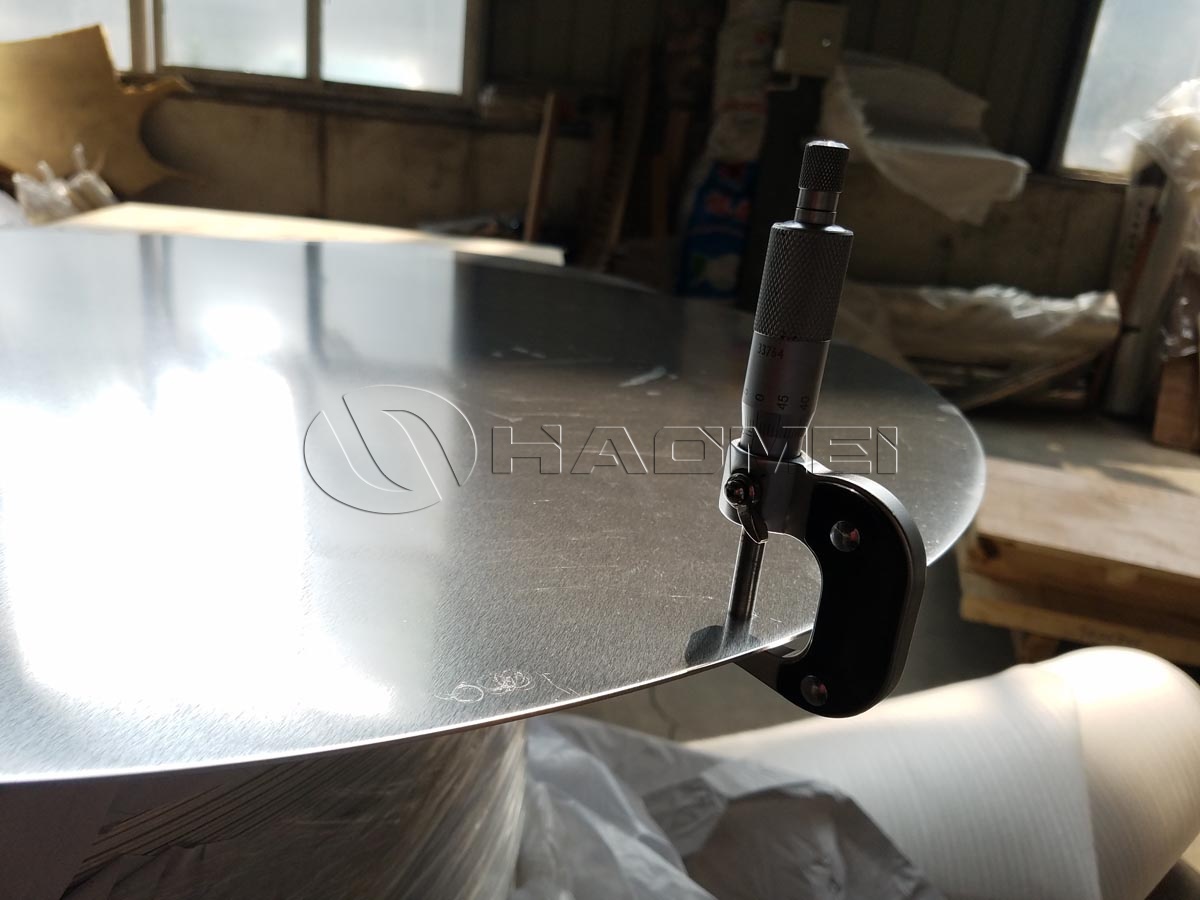
While exact tolerances depend on agreement between buyer and supplier, cookware producers commonly treat thickness stability as a key acceptance factor.
Temper choice strongly affects forming performance. Below is a practical, application-focused view of common options.
1100-O is typically selected when maximum ductility is required. In cookware manufacturing, O temper is often used for:
Deep drawn parts with higher draw ratios
Spun cookware bodies requiring smooth metal flow
Processes where cracking risk must be minimized
O temper can help reduce forming stress and lower the likelihood of defects, but it may offer less stiffness in the finished part compared with harder tempers.
H14 is a strain-hardened temper with higher hardness than O. It may be considered for:
Shallow drawing or stamping where extreme ductility is not needed
Components where improved rigidity is desired
Parts intended for secondary forming that is not highly demanding
For buyers, H14 can be a useful compromise when the product needs better shape retention but still must be workable in standard press operations.
H24 is commonly understood as strain-hardened and partially annealed, offering a balance between formability and strength. In cookware production, it may suit:
Moderate drawing operations
Parts that benefit from improved forming stability compared with fully hard conditions
Manufacturers seeking consistent press performance with controlled springback
Because cookware designs vary widely, temper selection is often finalized after trials. Many procurement teams specify a target temper with an allowance for process validation.
A cookware aluminum disc is typically produced by blanking from coil or sheet. Edge condition matters because burrs and microcracks can propagate during forming. When sourcing, B2B buyers often clarify expectations for:
Burr control and deburring method (if required)
Edge crack sensitivity for subsequent deep drawing
Consistency between batches
Earing is influenced by rolling direction and material anisotropy. To manage earing and reduce trimming waste, cookware manufacturers may request:
Controlled grain structure and consistent rolling practice
Stable mechanical behavior across coils used for discing
Rather than relying on generic claims, buyers typically validate drawability through pilot runs and measure trimming loss.
Spinning places high demands on metal flow and surface cleanliness. A stable 1100 alloy disc can support:
Smooth surface after spinning (depending on tooling and lubrication)
Reduced risk of tearing when matched with the right temper
1100s high aluminum content is often selected for predictable finishing response. However, final results depend on pretreatment, line control, and end-use requirements. For coated cookware, buyers may coordinate with suppliers on:
Surface cleanliness targets
Packaging protection to reduce transit scratches
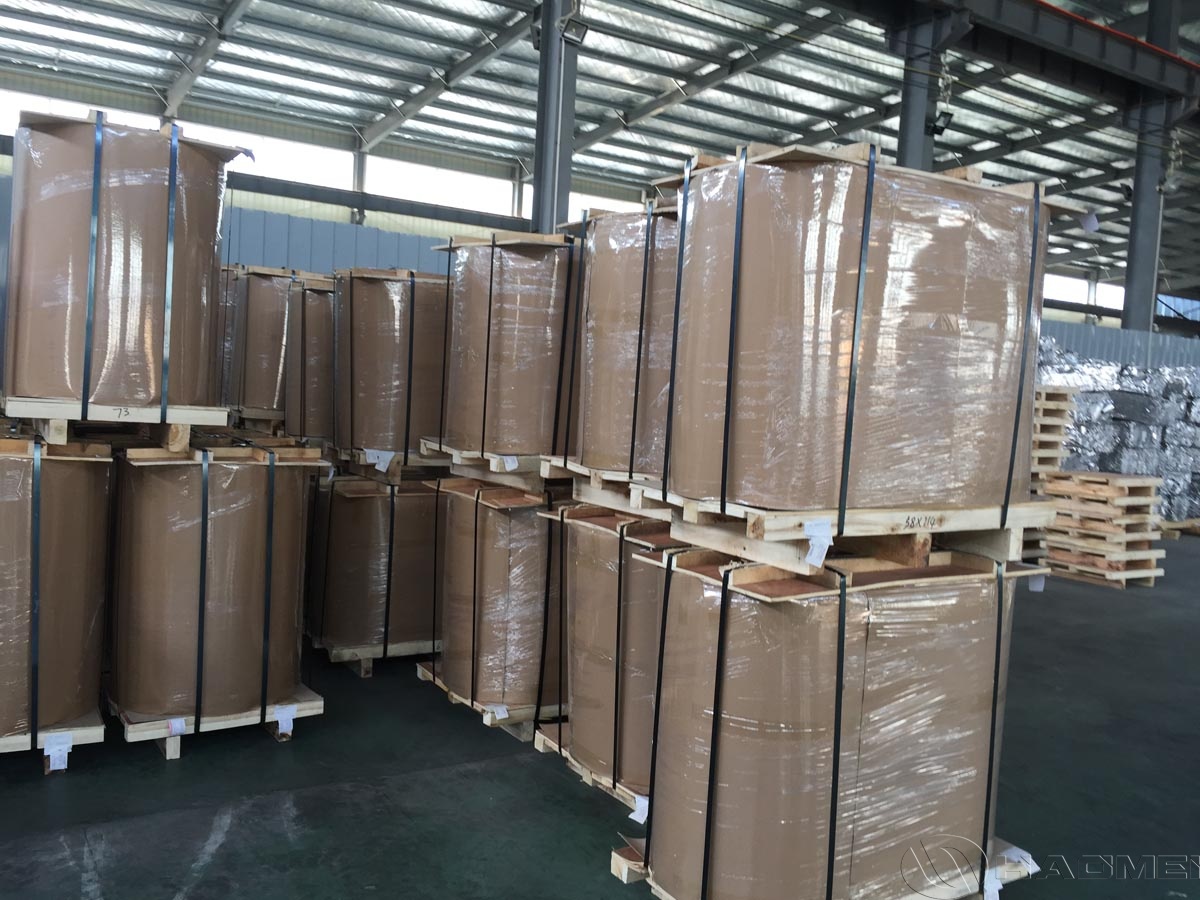
To obtain accurate quotations and reduce back-and-forth, buyers commonly include:
Alloy: 1100
Temper: O / H14 / H24 (or alternatives depending on forming plan)
Diameter range and thickness range
Application: deep drawing, spinning, stamping (helps supplier recommend temper)
Surface requirements: general finishing, anodizing, coating, or polished appearance
Quality expectations: flatness, edge condition, and allowable surface marks (defined by agreed criteria)
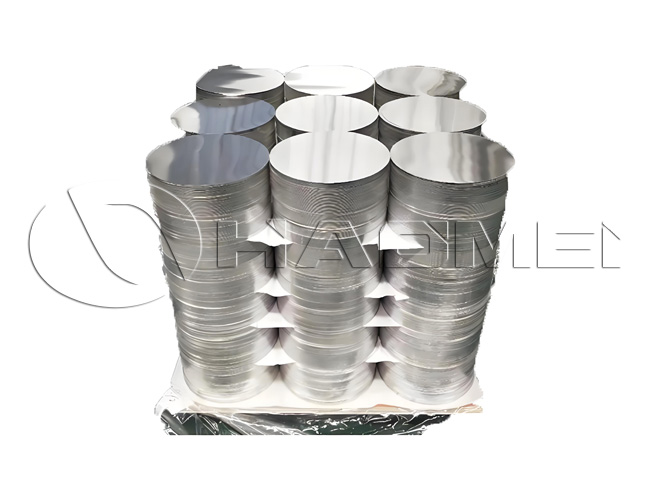
Packaging requirements: pallet type, moisture protection, interleaving paper/film as needed
For cookware lines, the true cost driver is often stability rather than nominal price. Buyers typically evaluate suppliers on:
Consistency across lots (to reduce press adjustments)
Traceability and documentation quality (as provided by the supplier)
Responsiveness when process deviations occur
1100 is not a one-grade-fits-all solution. It is typically strongest in cookware designs that emphasize:
High formability (deep drawing/spinning)
Efficient heat transfer
Lightweight parts with controlled stiffness requirements
When cookware designs require higher mechanical performance, thicker gauges, alternative alloys, or clad/multi-layer constructions may be evaluated. For many mainstream formed cookware components, however, 1100 aluminum circle remains a dependable, procurement-friendly choice because it supports scalable forming with manageable defect risk when the correct temper and disc quality are specified.
For B2B buyers and cookware manufacturers, selecting a cookware aluminum disc is primarily about matching temper and disc quality to the forming route:
Choose 1100-O when deep drawing or spinning requires maximum ductility.
Consider H14 for simpler forming where improved rigidity is helpful.
Use H24 when a balanced combination of formability and strength supports stable production.

Office Address:
No.14 Waihuan Road, CBD, Zhengzhou, China
Contact Us
HAOMEI Aluminum offer an custom aluminum circle for you!
whatsapp: +86-18703635966
Email: sales@alummc.com
Email: alummc@hotmail.com
Request Free Sample & Quotation
Copyright © 2026 By HAOMEI Aluminum CO., LTD. All Rights Reserved. Sitemap
 +86-18703635966
 sales@alummc.com
 8618703635966
