
 No.14 Waihuan Road, CBD, Zhengzhou, China
 +86-18703635966

No.14 Waihuan Road, CBD, Zhengzhou, China
+86-18703635966
As an aluminum circle manufacturer, we are often asked whether 1100 aluminum circles or 3003 aluminum circles are more durable. The answer depends on how durability is defined in the final product. If the buyer means resistance to denting, deformation, and service stress, 3003 aluminum circles usually have the advantage. If the buyer means corrosion resistance, thermal conductivity, and stable deep drawing performance, 1100 aluminum circles remain a reliable and economical choice.
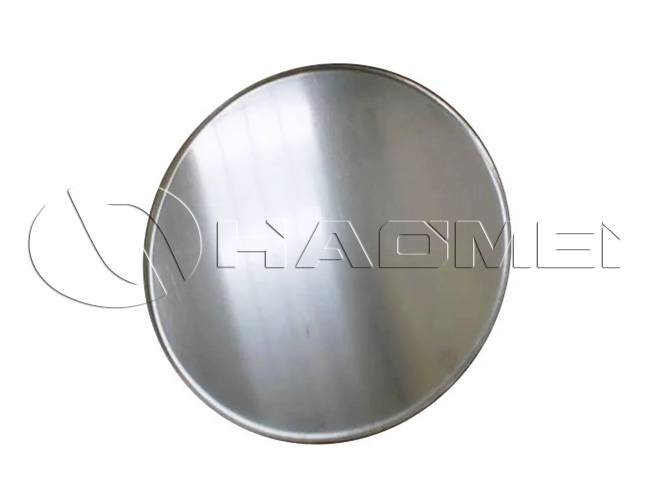
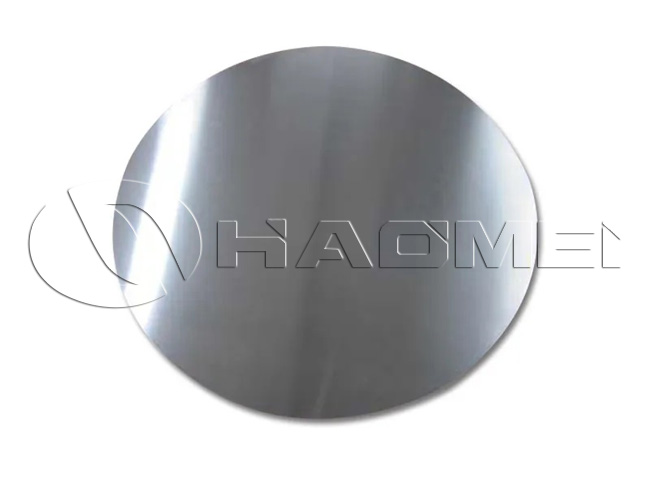
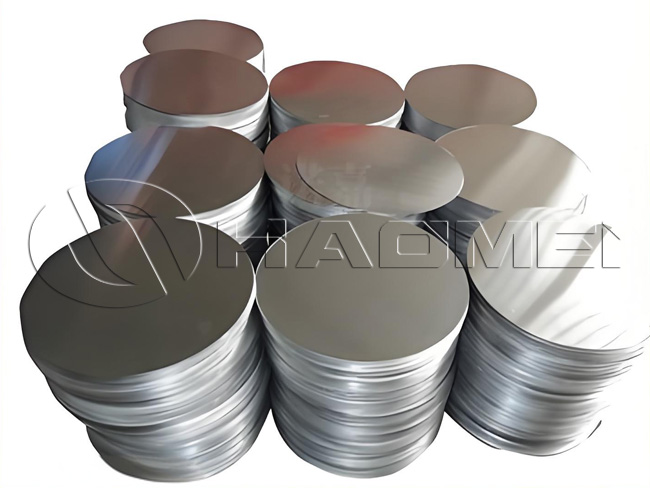
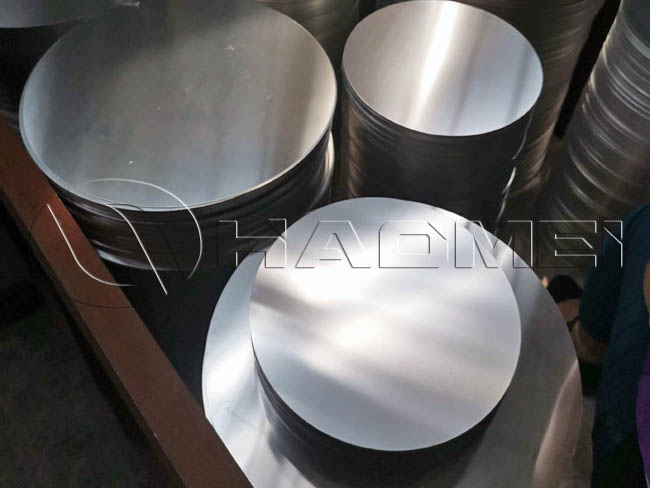
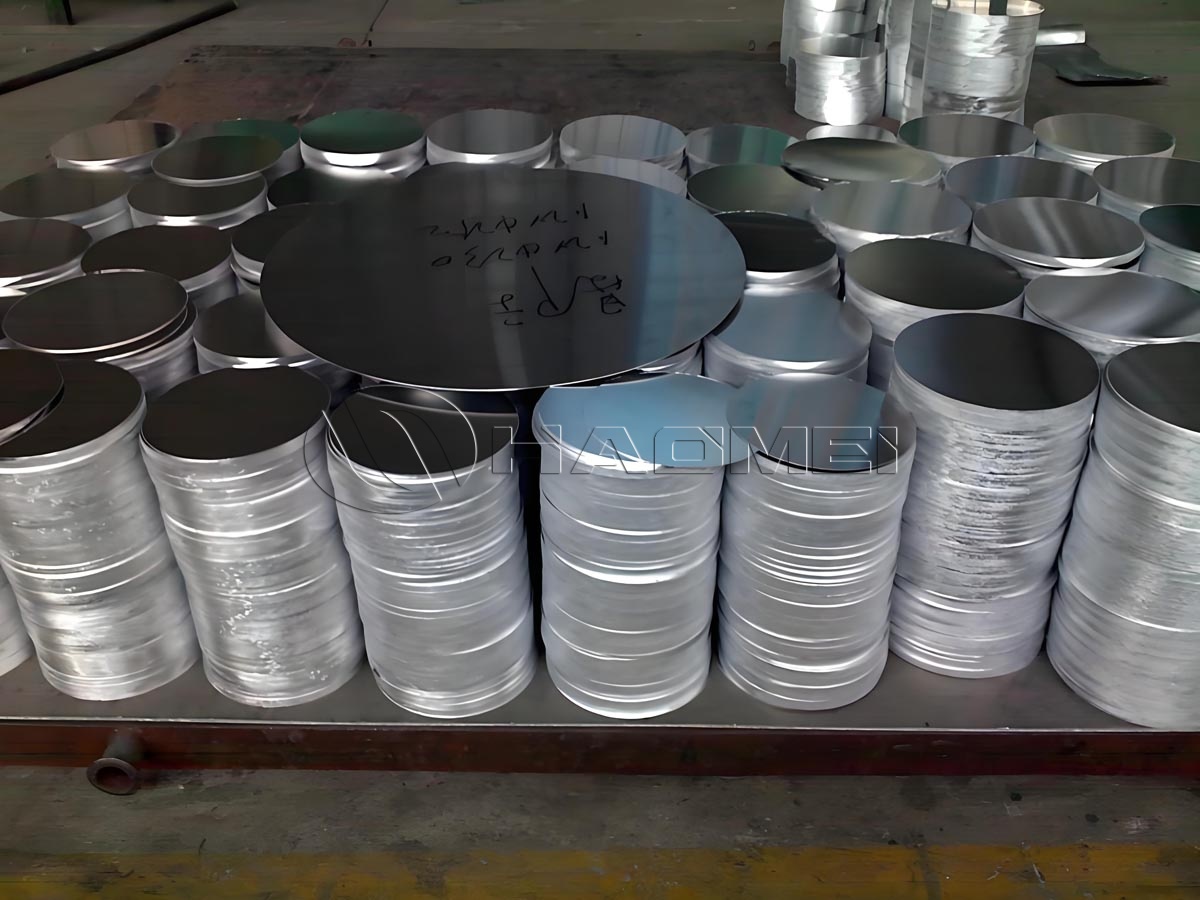
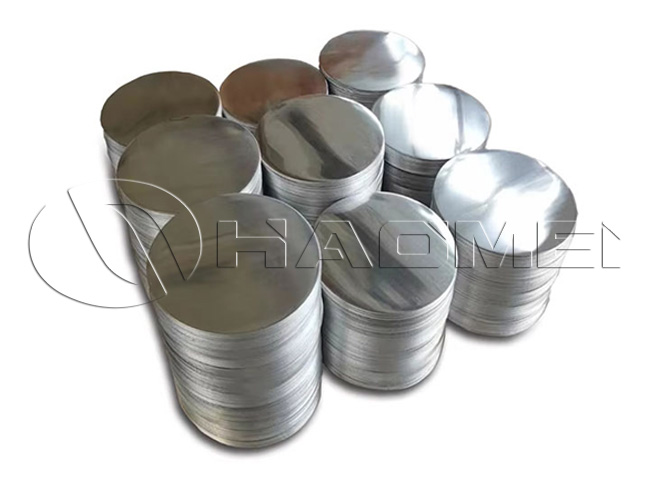
In our factory production, both alloys are widely processed into aluminum discs for cookware, pressure cooker parts, lampshades, traffic signs, electrical housings, and general spinning parts. The correct selection should be based on alloy chemistry, temper, thickness, forming depth, surface requirement, and the working environment of the finished component.
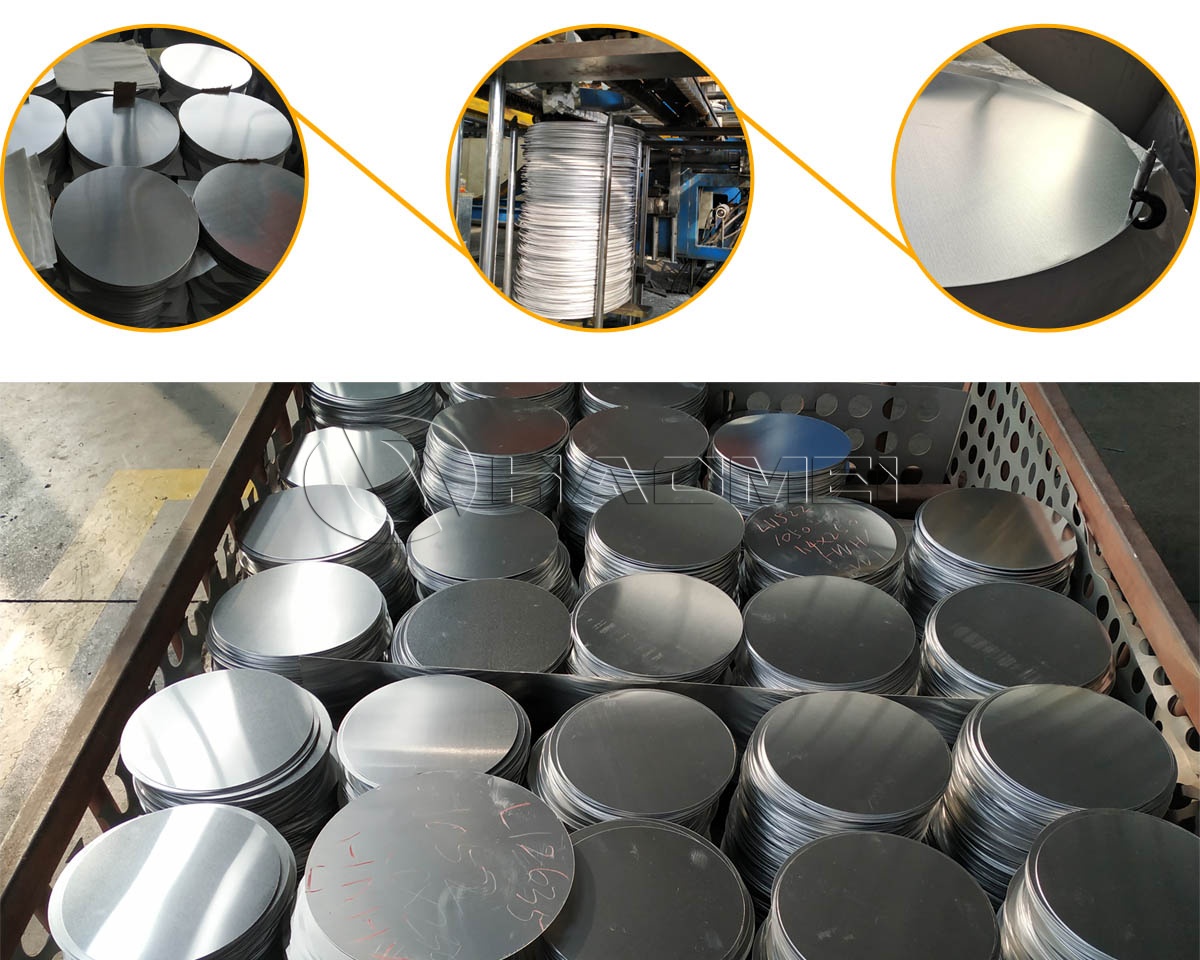
1100 aluminum is commercially pure aluminum with an aluminum content of about 99.00 percent or above. It offers excellent ductility, high corrosion resistance, good thermal conductivity, and easy surface treatment. It is frequently selected when the product requires deep drawing, spinning, anodizing, polishing, or high heat transfer.
3003 aluminum belongs to the aluminum-manganese alloy series. Manganese improves strength and hardness while maintaining good formability and corrosion resistance. Compared with 1100 aluminum circles, 3003 aluminum circles are stronger and more resistant to deformation under load. For cookware bodies, road signs, lighting reflectors, and medium-strength formed components, 3003 is often selected when additional mechanical durability is required.
For buyers who focus on pure aluminum circles, our 1100 Aluminum Circle production line is suitable for applications requiring high ductility, clean surface quality, and stable drawing performance. For applications that require higher structural strength, 3003 should be evaluated during the design stage.
The following values are typical reference ranges. Actual data depends on temper, thickness, production standard, and customer specification. As a factory, we recommend confirming mechanical properties with the final drawing process and end-use conditions.
| Item | 1100 Aluminum Circles | 3003 Aluminum Circles |
|---|---|---|
| Alloy series | 1000 series pure aluminum | 3000 series Al-Mn alloy |
| Main alloying element | Aluminum, minimum about 99.00 percent | Manganese, typically about 1.0-1.5 percent |
| Typical tempers | O, H12, H14, H16, H18 | O, H12, H14, H16, H18 |
| Tensile strength, typical | 75-125 MPa | 110-165 MPa |
| Yield strength, typical | 25-105 MPa | 40-145 MPa |
| Elongation, typical | 3-35 percent, depending on temper | 4-30 percent, depending on temper |
| Relative hardness | Lower | Higher |
| Formability | Excellent | Very good |
| Deep drawing performance | Excellent in O temper | Good to very good in O temper |
| Corrosion resistance | Excellent | Very good |
| Thermal conductivity | Higher | Lower than 1100 |
| Weldability | Excellent | Excellent |
| Typical thickness range | 0.4-6.0 mm | 0.5-6.0 mm |
| Common applications | Cookware, lids, reflectors, lampshades, capacitor cases | Cookware, pressure cookers, signs, covers, spun parts |
From a mechanical point of view, 3003 aluminum circles are generally more durable than 1100 aluminum circles. The manganese content in 3003 increases strength and improves resistance to denting, bending, and shape distortion. If the finished product will carry load, receive frequent impact, or maintain shape under repeated handling, 3003 aluminum discs are usually the safer option.
However, durability is not only about strength. In many cookware and electrical applications, durability also includes stable forming, resistance to cracking during deep drawing, surface consistency after processing, and corrosion resistance during long-term use. In these cases, 1100 aluminum circles may still perform better because of their higher purity and excellent ductility.
For example, a deep drawn pot body made from 1100-O may form smoothly with a low risk of edge cracking. A similar product made from 3003-O can provide higher strength, but the tooling, lubrication, annealing condition, and drawing ratio must be controlled more carefully. Therefore, the more durable alloy is the one that matches the forming process and service requirement.
For aluminum circles used in cookware, deep drawing performance is one of the most important selection factors. 1100 aluminum circles are soft, ductile, and easy to draw into complex shapes. This is why 1100 is commonly used for aluminum pots, pans, kettle bodies, lids, and other formed kitchenware.
3003 aluminum circles also have good formability, especially in O temper, but the material is stronger and slightly less forgiving than 1100. During deep drawing or spinning, the forming load is higher, and improper tooling may cause orange peel, earing, or local cracking. In factory production, we control grain size, annealing uniformity, and edge quality to reduce these risks.
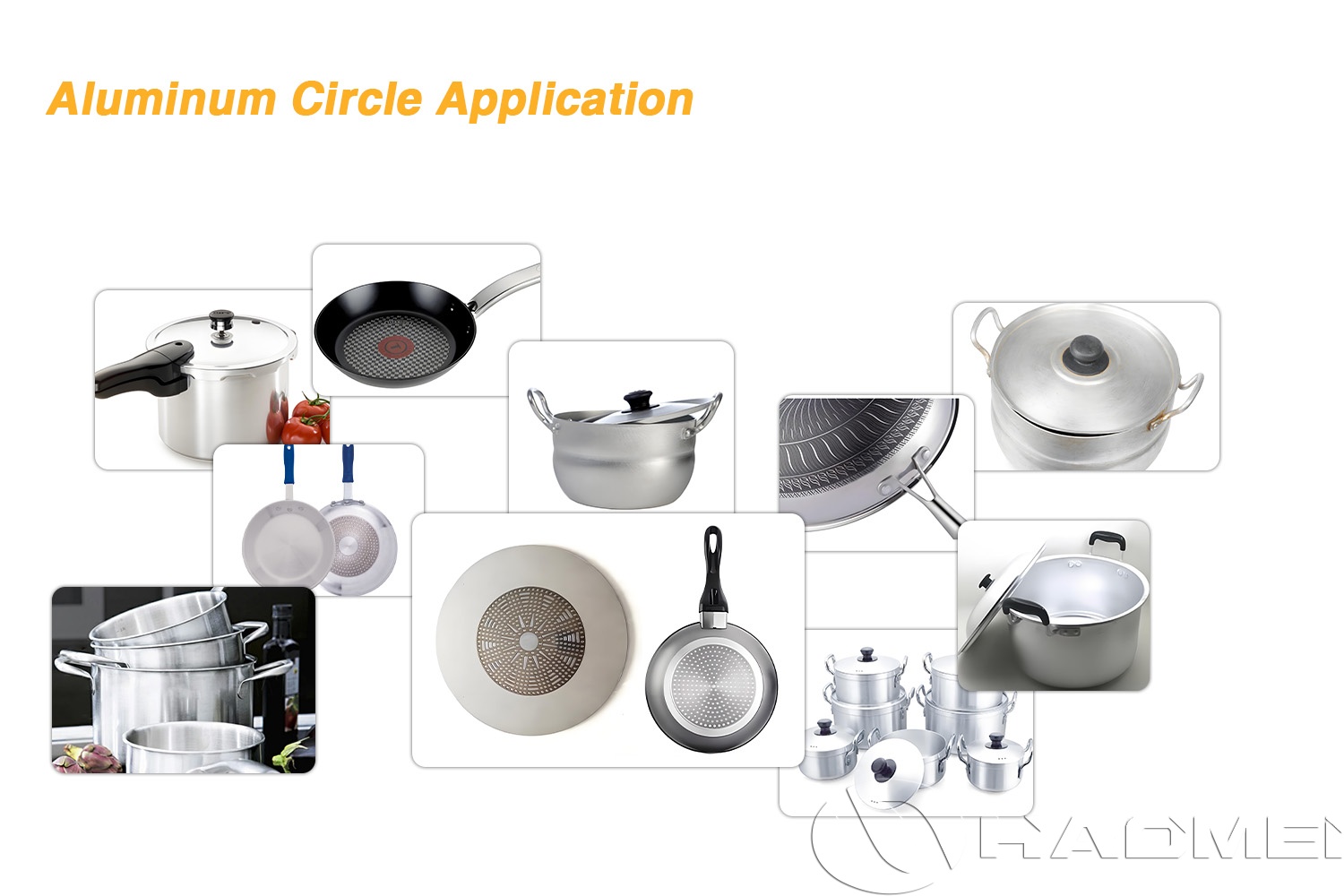
For deep drawn cookware, we normally evaluate the following points before recommending the alloy:
Drawing depth and forming ratio
Required wall thickness after forming
Final hardness after heat exposure or coating
Surface condition before non-stick coating
Edge burr requirement
Flatness and thickness tolerance
Whether the part is drawn once or multiple times
If the product requires maximum drawability and heat conductivity, 1100 is often preferred. If the product requires better dent resistance and higher finished strength, 3003 is usually more suitable.
Both 1100 and 3003 aluminum circles have good corrosion resistance because aluminum naturally forms a protective oxide film. 1100 aluminum has slightly better general corrosion resistance due to its high aluminum purity. It performs well in many household, indoor, and mildly corrosive environments.
3003 aluminum also offers very good corrosion resistance. In many practical applications, the difference between 1100 and 3003 is not critical if the surface is anodized, coated, polished, or properly cleaned. For outdoor signs, roofing accessories, and lighting components, 3003 is widely used because it combines corrosion resistance with improved strength.
When the finished aluminum disc product will be exposed to humidity, detergents, food contact conditions, or outdoor weather, we recommend defining the surface treatment at the same time as the alloy. Anodizing, non-stick coating, chemical conversion coating, and protective film can all influence final durability.
Thermal conductivity is another important factor for aluminum discs for cookware. 1100 aluminum circles have higher thermal conductivity than 3003, which helps heat spread quickly and evenly across the bottom and sidewall of cookware. This is useful for pans, pots, baking trays, and other kitchen utensils requiring efficient heat transfer.
3003 has lower thermal conductivity compared with 1100, but it still conducts heat well enough for many cookware applications. Its advantage is higher strength, which can improve resistance to impact and deformation during production, transportation, and daily use. For non-stick cookware, 3003 is often selected when the customer wants a stronger body and better shape stability.
In our manufacturing practice, the cookware producer often decides between these alloys based on the product grade. For lightweight cookware with excellent drawing and heat conduction, 1100 is suitable. For medium-duty cookware requiring improved strength and dent resistance, 3003 is often recommended.
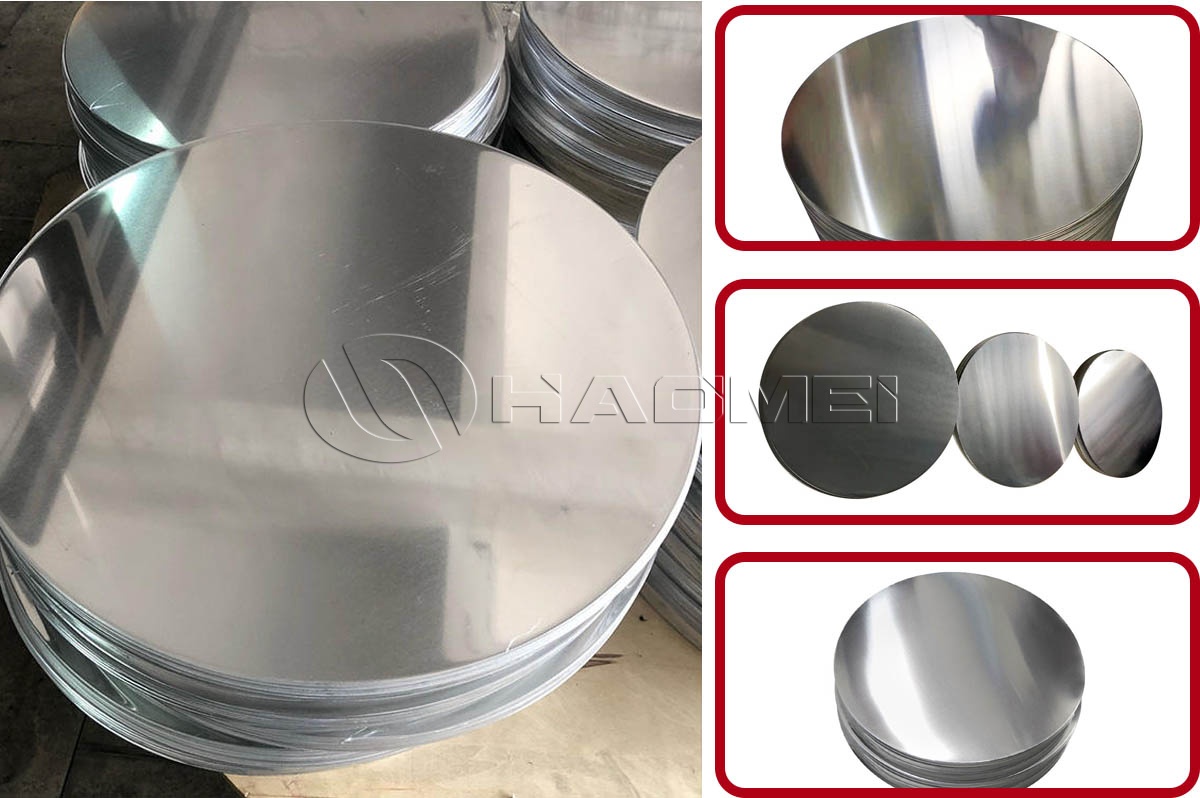
Aluminum circle durability is also affected by production quality. Even the correct alloy can fail if the blank has poor surface condition, large burrs, uneven hardness, or unstable thickness. As a manufacturer, we focus on controlling the full production route from coil selection to blanking, annealing, cleaning, inspection, and packaging.
Important factory control points include:
Stable chemical composition from qualified aluminum coils
Uniform annealing for consistent drawing performance
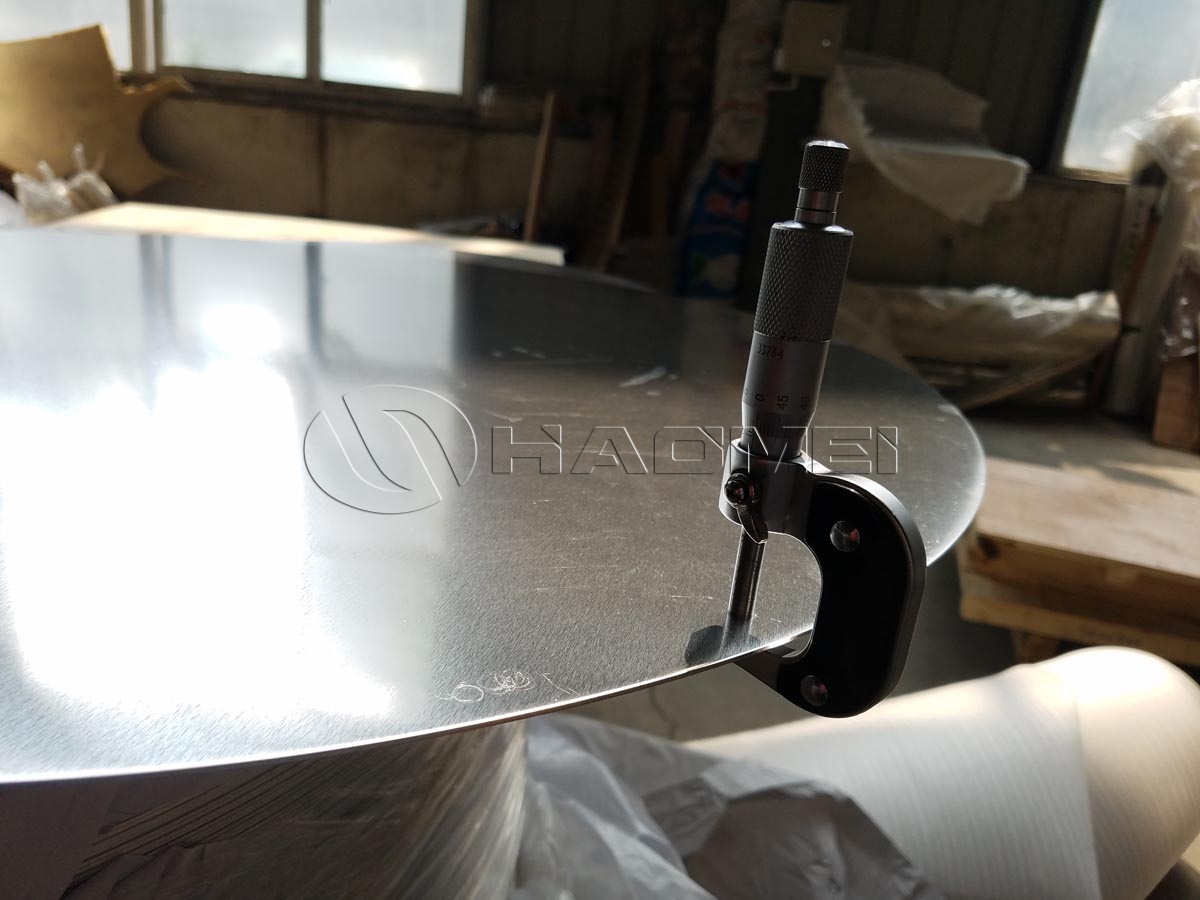
Tight thickness tolerance for forming accuracy
Smooth edge quality to reduce cracking risk
Clean surface suitable for coating, polishing, or anodizing
Proper packaging to prevent scratches and moisture stains
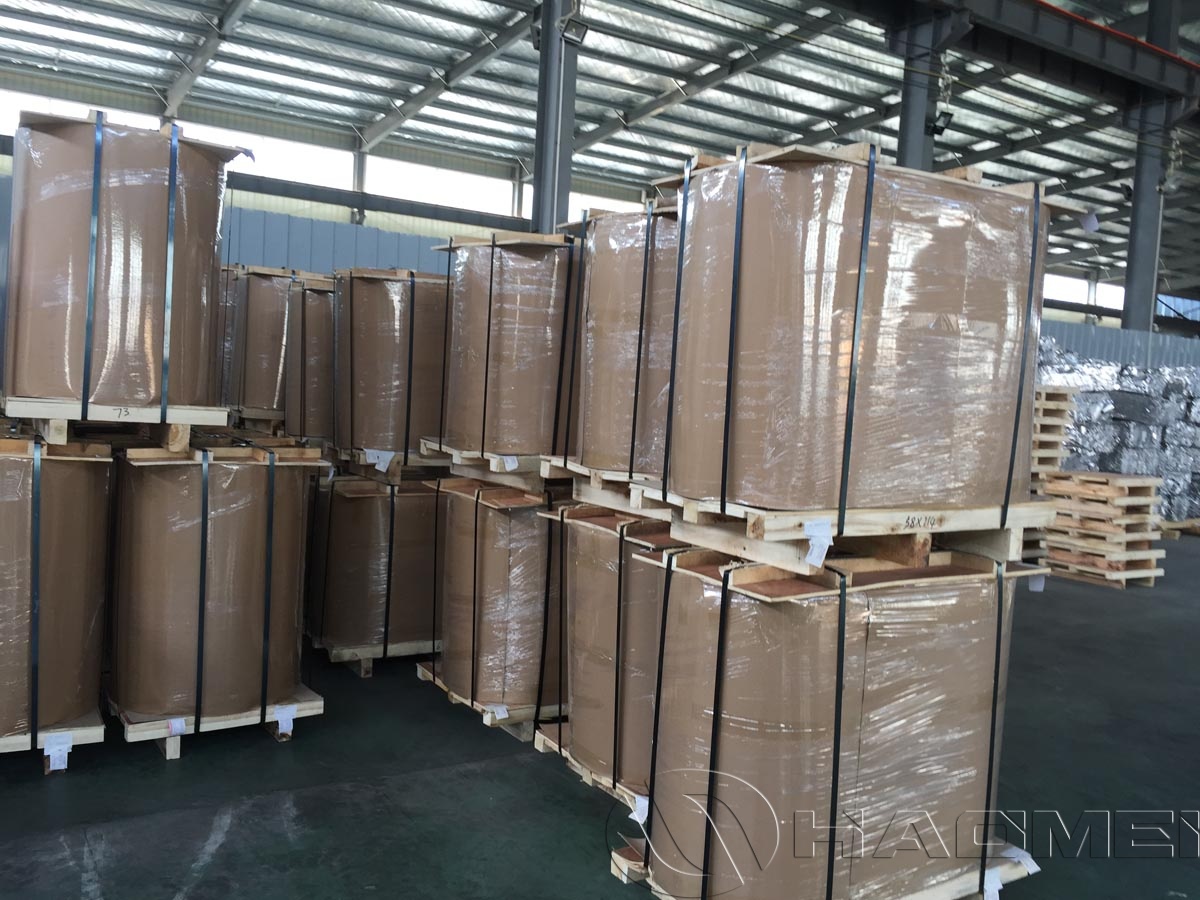
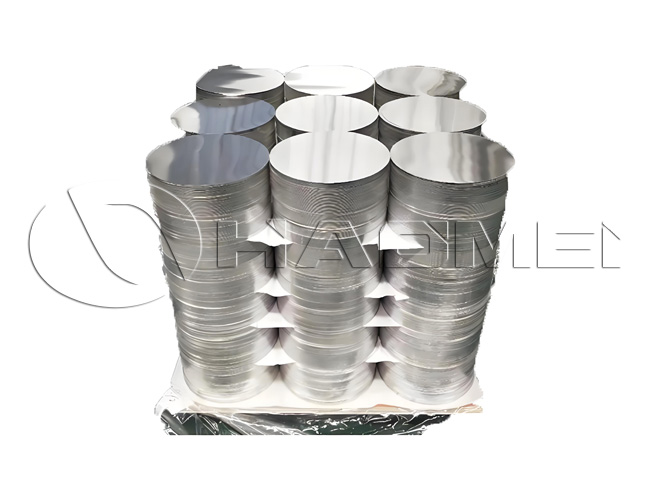
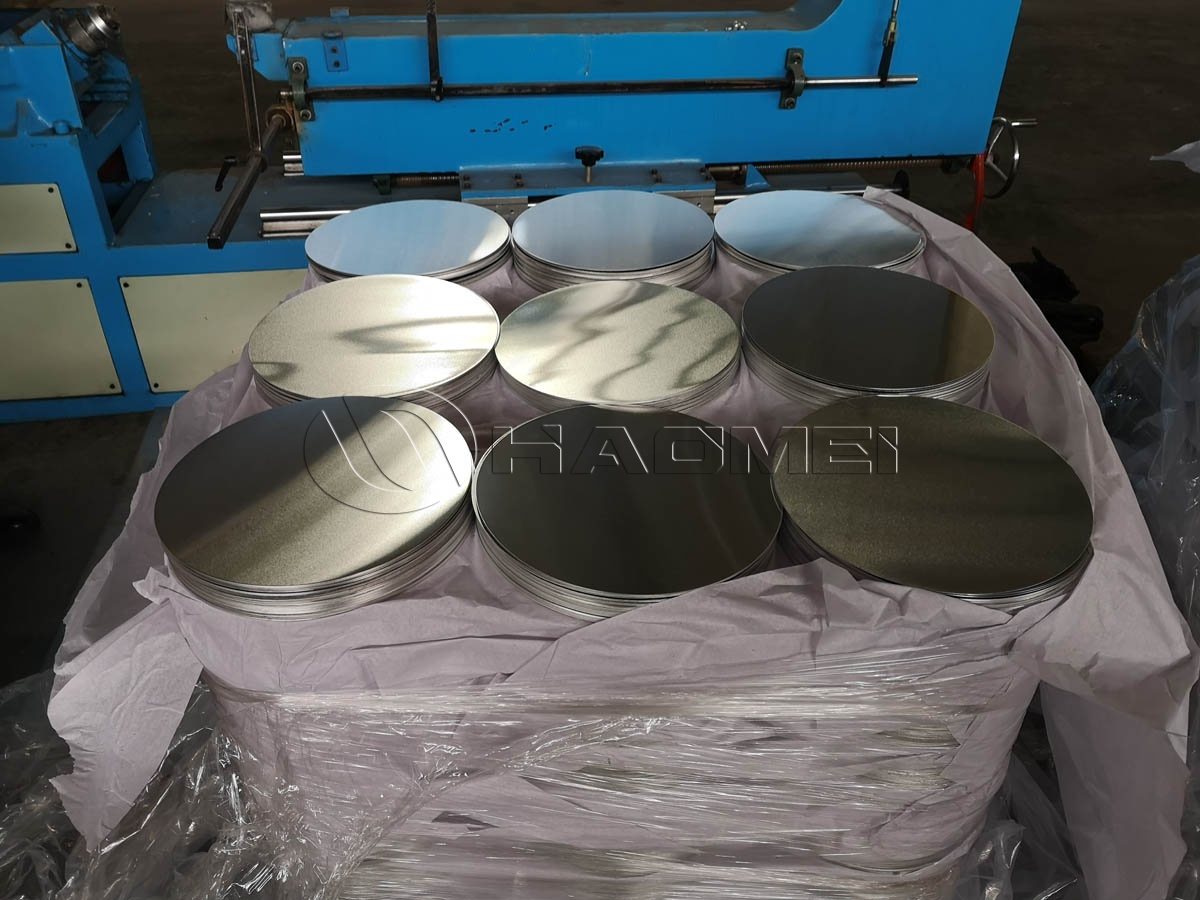
For international buyers, packaging is part of product durability. Aluminum discs should remain flat, clean, and protected during sea transportation. We commonly use moisture-proof paper, plastic film, wooden pallets, and reinforced packaging based on disc diameter, thickness, and order quantity.
Different applications require different balances of strength, ductility, corrosion resistance, and thermal performance. The table below summarizes our common factory recommendations for 1100 aluminum circles and 3003 aluminum circles.
| Application | Recommended Alloy | Reason |
|---|---|---|
| Deep drawn pots and pans | 1100 or 3003-O | 1100 for maximum drawability, 3003 for higher strength |
| Non-stick cookware body | 3003-O or 3003-H14 | Better dent resistance and shape stability |
| Cookware lids | 1100 or 3003 | 1100 for light weight and formability, 3003 for rigidity |
| Pressure cooker parts | 3003 | Higher mechanical strength than 1100 |
| Lampshades and reflectors | 1100 | Better formability and surface finishing potential |
| Traffic signs and road signs | 3003 | Better resistance to deformation and outdoor service |
| Electrical housings | 1100 or 3003 | Depends on conductivity, forming, and strength requirements |
| Spinning parts | 1100-O or 3003-O | Selection depends on spinning depth and final hardness |
For buyers comparing alloy families, our 1000 Series Aluminum circle products are commonly selected for high ductility, clean surface quality, and cost-effective forming performance.
In many markets, 1100 aluminum circles are more economical than 3003 aluminum circles because of the simpler alloy composition. The price difference depends on aluminum ingot cost, coil availability, alloy demand, order quantity, thickness, diameter, and temper.
However, the lowest material cost is not always the lowest total cost. If an 1100 aluminum disc is not strong enough for the finished product, the buyer may face higher rejection rates, deformation during assembly, or complaints after use. In this situation, 3003 may reduce total cost by improving finished product reliability.
On the other hand, if the part mainly requires deep drawing and thermal conductivity, choosing 3003 may add unnecessary material cost and forming complexity. For high-volume cookware or lighting production, this difference can be significant.
Before placing a mass order, we recommend confirming:
Final product drawing and forming depth
Required alloy and temper
Thickness and diameter tolerance
Surface requirement, such as mill finish, bright finish, or coated surface
Burr direction and edge quality
Packing method and maximum pallet weight
Applicable standard, such as ASTM, EN, or customer specification
Choose 1100 aluminum circles if your priority is excellent formability, high thermal conductivity, corrosion resistance, and a smooth surface for finishing. It is a practical choice for deep drawn cookware, lids, reflectors, lampshades, and light-duty components.
Choose 3003 aluminum circles if your priority is higher strength, better dent resistance, improved rigidity, and more durable performance under handling or service load. It is suitable for non-stick cookware bodies, pressure cooker parts, traffic signs, covers, and general formed components requiring more mechanical stability.
If the design is at an early stage, we suggest testing both alloys in the intended temper. Small differences in annealing condition, thickness tolerance, and tooling design can affect the final result. Our engineering team normally evaluates sample forming feedback before confirming mass production parameters.
In a direct comparison of mechanical durability, 3003 aluminum circles are more durable than 1100 aluminum circles because they provide higher strength and better deformation resistance. For products exposed to impact, repeated handling, or structural stress, 3003 is usually the preferred alloy.
1100 aluminum circles remain an excellent choice when the application requires superior ductility, high thermal conductivity, clean surface quality, and reliable deep drawing performance. For many cookware, lighting, and electrical applications, 1100 offers an effective balance of performance and cost.
As a manufacturer, our recommendation is not based on alloy grade alone. The best aluminum circle selection should consider alloy, temper, thickness, diameter, surface finish, forming method, and service environment together. With correct specification and stable factory control, both 1100 and 3003 aluminum circles can deliver dependable performance in international industrial and consumer applications.

Office Address:
No.14 Waihuan Road, CBD, Zhengzhou, China
Contact Us
HAOMEI Aluminum offer an custom aluminum circle for you!
whatsapp: +86-18703635966
Email: sales@alummc.com
Email: alummc@hotmail.com
Request Free Sample & Quotation
Copyright © 2026 By HAOMEI Aluminum CO., LTD. All Rights Reserved. Sitemap
 +86-18703635966
 sales@alummc.com
 8618703635966
