
 No.14 Waihuan Road, CBD, Zhengzhou, China
 +86-18703635966

No.14 Waihuan Road, CBD, Zhengzhou, China
+86-18703635966
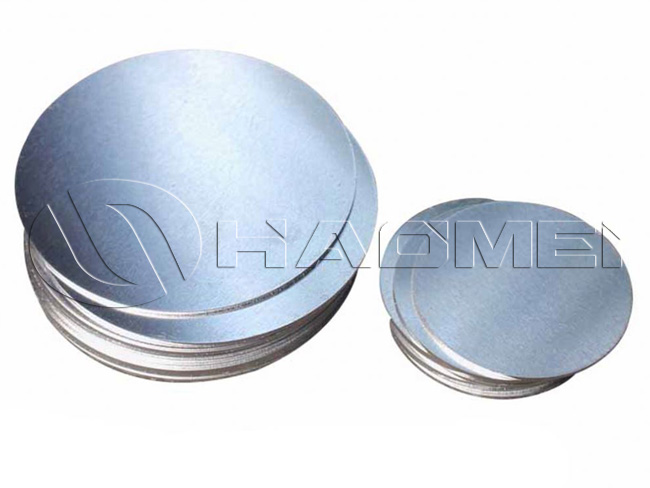
As a manufacturing factory focused on aluminum circle production, we supply 1050 H0 deep-drawing aluminum circles for cookware, lighting, appliance parts, and other formed components that require stable deformation behavior and clean surface quality. In our production practice, 1050 alloy in H0 temper remains one of the most widely used materials for deep drawing because it combines high aluminum purity, good elongation, and consistent forming performance.
For customers who manufacture pots, pans, rice cooker liners, pressure cooker components, lamp parts, and similar products, material uniformity is critical. The quality of the final drawn part depends not only on the alloy itself, but also on rolling quality, annealing control, blanking accuracy, surface cleanliness, and packaging protection. Our production of 1050 H0 aluminum circles is organized around these requirements.
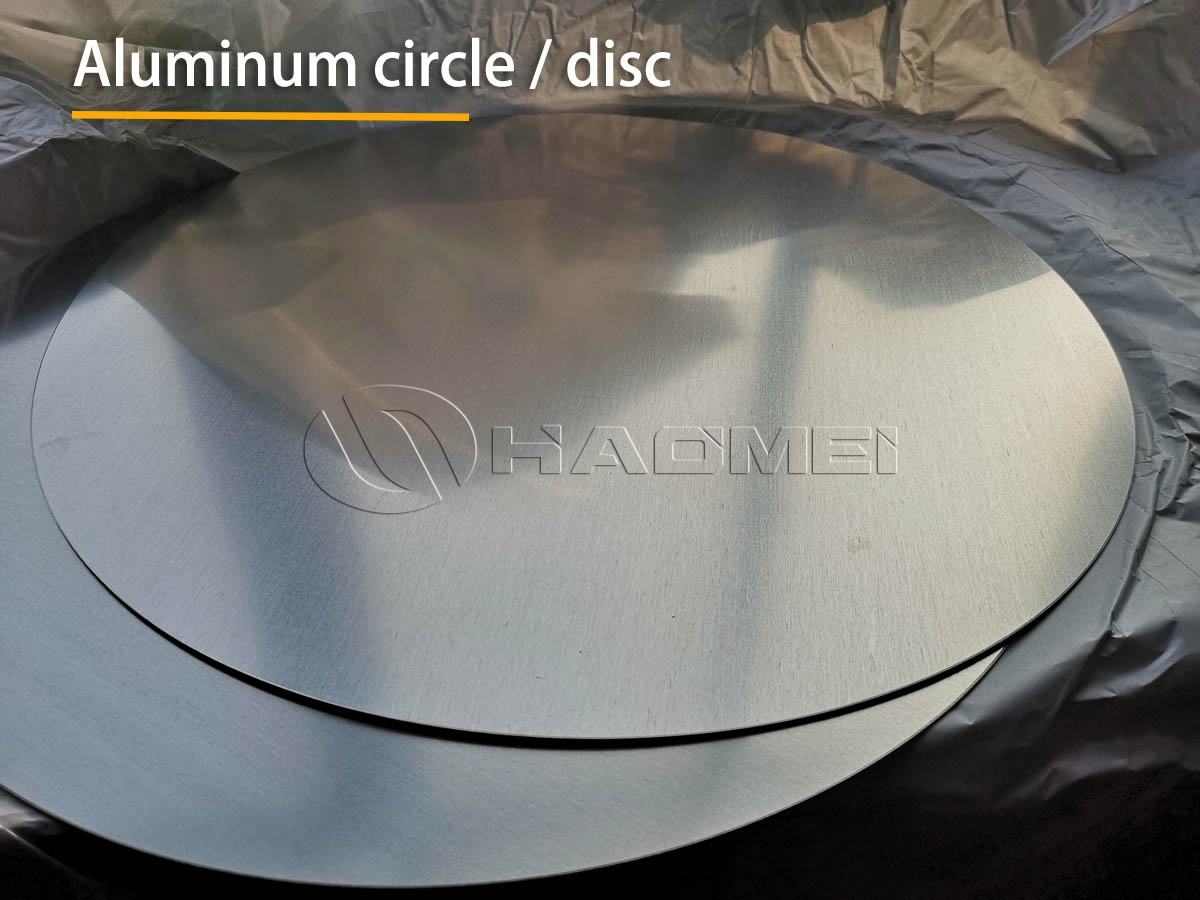
1050 aluminum belongs to the commercially pure aluminum family in the 1000 series. It typically contains not less than 99.5 percent aluminum, with very low levels of alloying elements. This composition gives the material high ductility, good thermal conductivity, good corrosion resistance, and reliable workability.
The H0 temper indicates a fully annealed condition. For deep drawing applications, this temper is particularly important because it provides the softness and elongation needed for multi-stage forming, spinning, or stretching. Compared with harder tempers, H0 aluminum circles are less likely to crack during severe deformation when processing conditions are properly controlled.
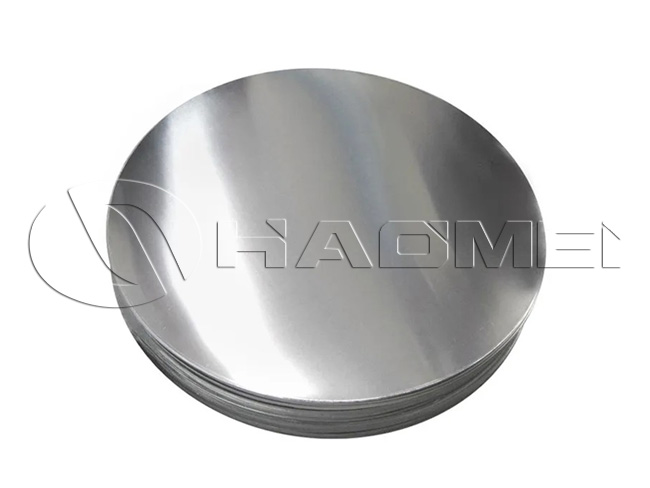
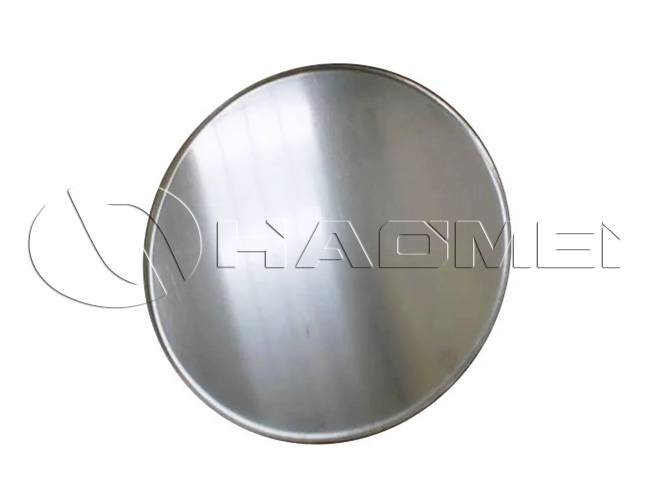
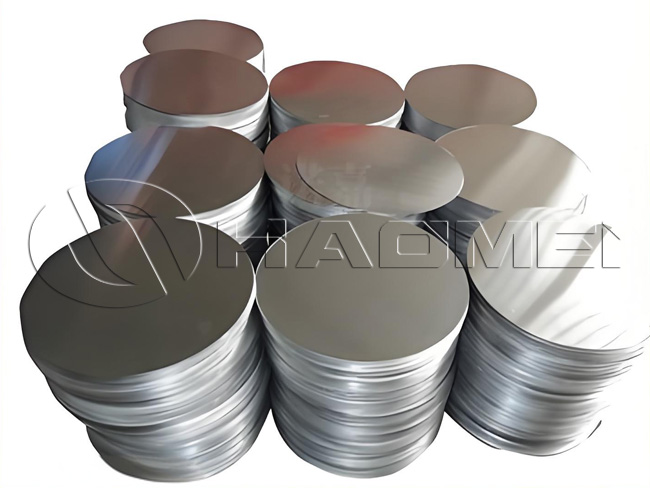
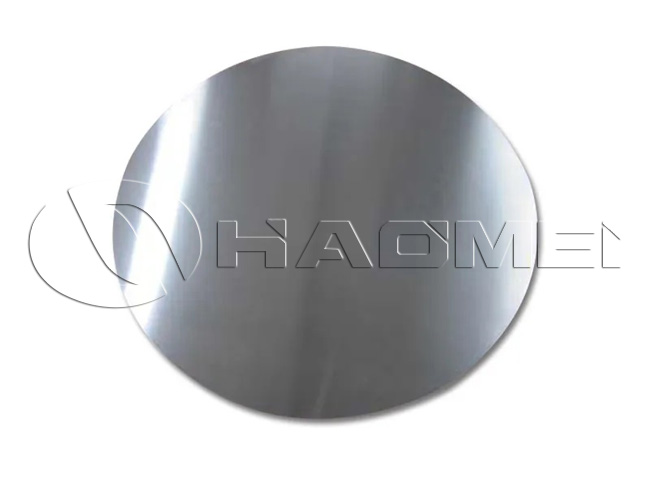
A 1050 H0 deep-drawing aluminum circle is therefore a round blank produced from 1050 alloy sheet or coil, processed to a soft temper, and prepared specifically for downstream forming operations. In cookware production, these circles are commonly used as the starting material for pressed or spun utensils and containers.
From a factory perspective, material selection for deep drawing is based on process stability rather than general description alone. We recommend 1050 H0 aluminum circles when customers need the following characteristics:
The low alloy content and fully annealed temper support smooth material flow during drawing. This helps reduce the risk of edge cracking, bottom fracture, or uneven wall formation.
Cookware and lighting components often require anodizing, coating, polishing, or non-stick treatment after forming. A clean and uniform circle surface helps improve downstream finishing results.
For cookware applications, 1050 alloy offers good heat transfer performance, which is one reason it is widely used in kitchenware manufacturing.
The alloy performs well in normal atmospheric and household environments, making it suitable for many consumer and industrial applications.
1050 H0 deep-drawing aluminum circles can be processed by stamping, pressing, spinning, polishing, and surface treatment lines with good consistency when the incoming material is well controlled.
Customers looking for related soft temper products may also review our 1050 Aluminum Circle range, which covers common industrial and cookware specifications.
Below is a general reference table for our 1050 H0 deep-drawing aluminum circles. Actual production ranges can be adjusted according to order specifications and forming requirements.
| Item | Typical Specification |
|---|---|
| Alloy | 1050 |
| Temper | H0 |
| Aluminum Content | >= 99.5% |
| Thickness Range | 0.5 mm - 6.0 mm |
| Diameter Range | 80 mm - 1200 mm |
| Production Method | DC/CC material, blanked from coil or sheet |
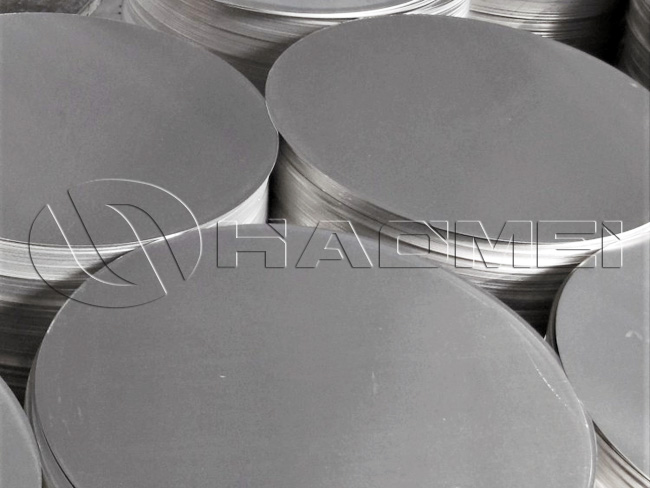
| Surface Finish | Mill finish, clean, smooth, no heavy oil stain |
| Thickness Tolerance | According to agreed standard/specification |
| Diameter Tolerance | According to agreed standard/specification |
| Application | Cookware, lamp parts, appliance shells, signs, spun parts |
| Forming Process | Deep drawing, spinning, stamping |
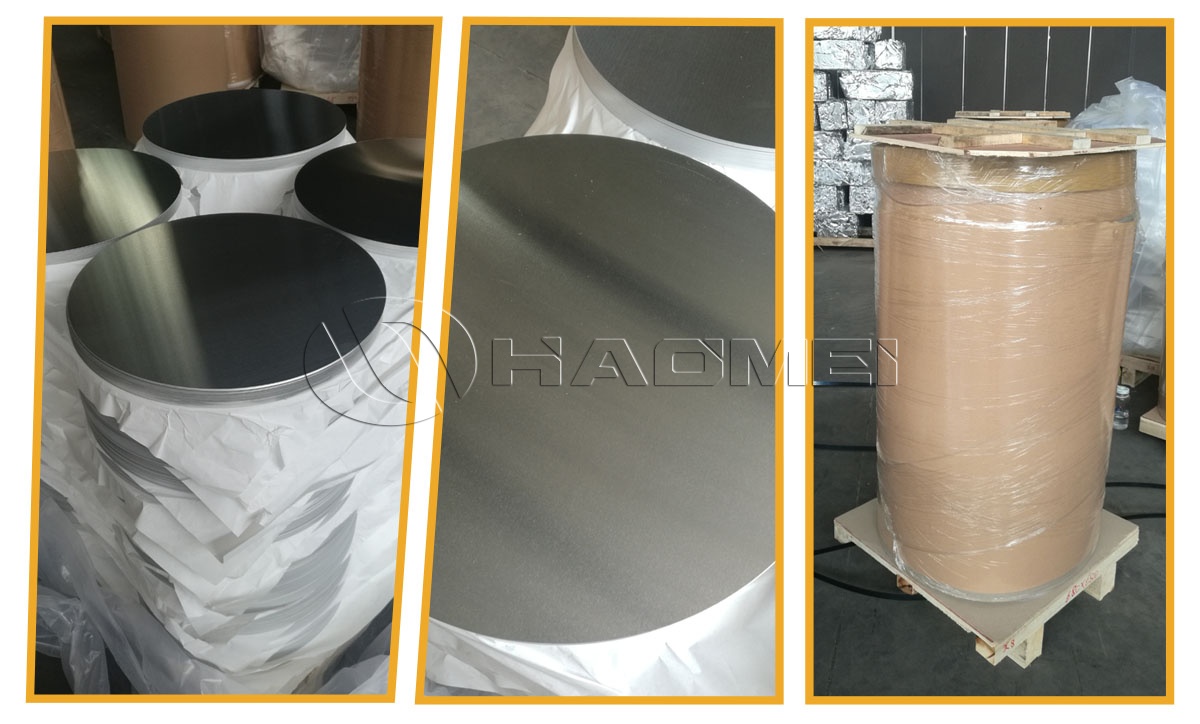
| Packing | Wooden pallets, moisture protection, interleaving as required |
| MOQ | 1-3 tons |
As a manufacturer, we control the process from raw material selection to final packing. For deep-drawing applications, process discipline is essential.
We use suitable 1000 series base material with stable composition and internal quality. Depending on the order, the circle blanks may be produced from hot rolled input, cold rolled sheet, or coil stock designed for forming applications. Material cleanliness and structural uniformity are checked before further processing.
The deep drawing performance of 1050 H0 aluminum circles is strongly influenced by rolling reduction and annealing parameters. Excessive hardness, non-uniform grain structure, or unstable elongation can create forming problems later. We therefore pay close attention to temper consistency across the full batch.
We produce aluminum circles by precision punching or circle cutting according to diameter, thickness, and application requirements. Blanking quality directly affects edge condition, dimensional consistency, and material utilization. For deep drawing products, clean edges are especially important because edge defects can propagate during forming.
After blanking, we inspect the circles for scratches, oil contamination, edge burr, waviness, and other visual defects. For cookware-grade orders, additional attention is given to surface cleanliness and flatness.
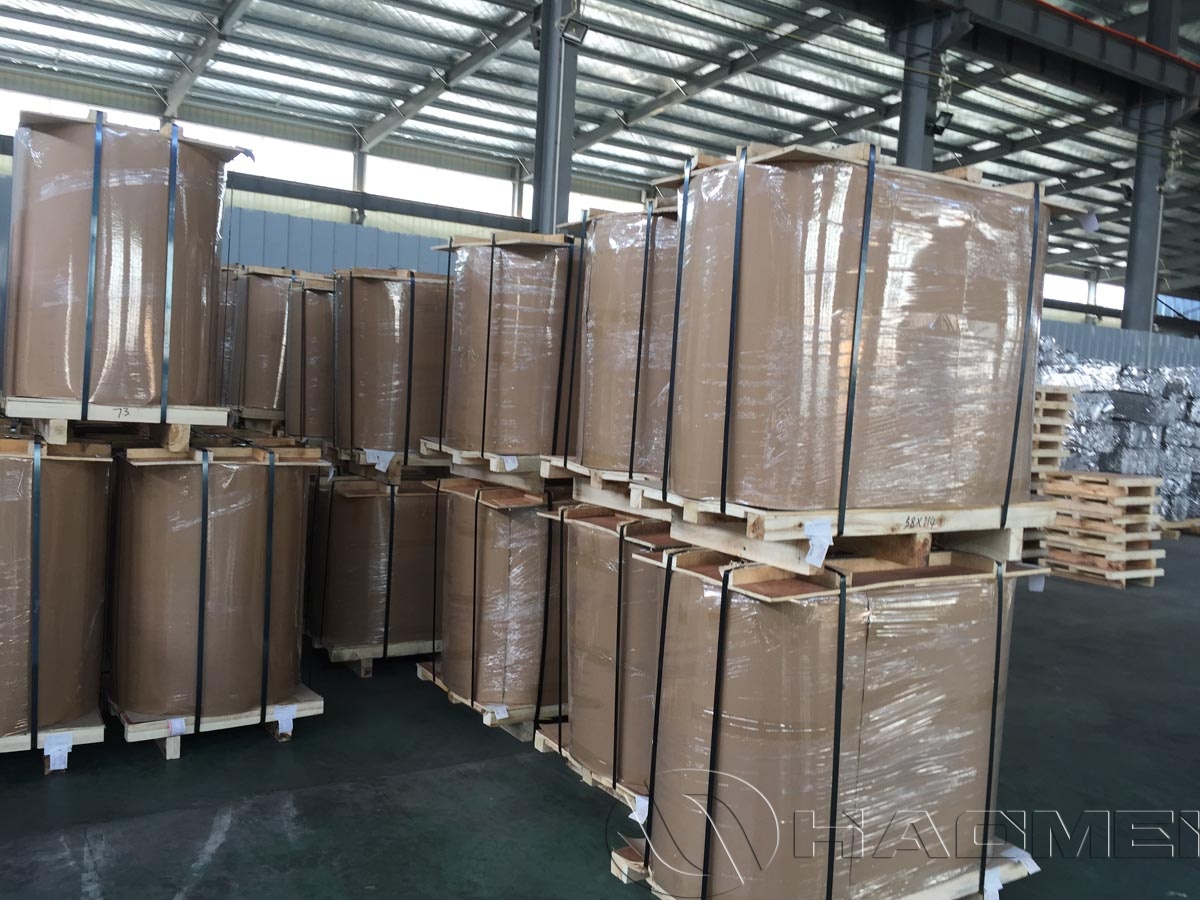
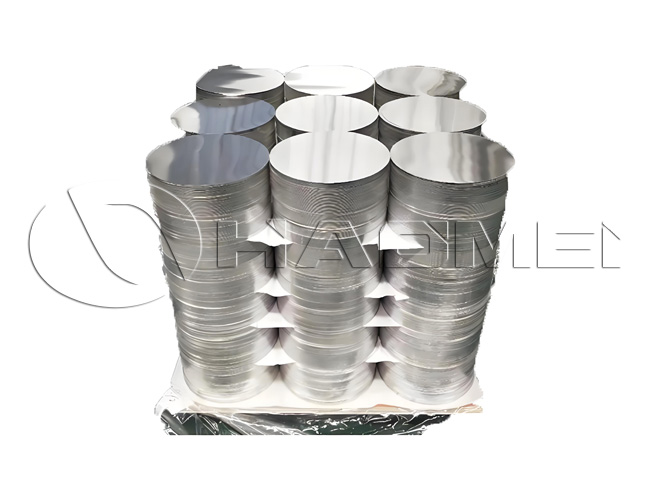
Proper packaging prevents deformation, moisture exposure, and transport damage. We commonly use export pallet packaging with protective layering between stacks to maintain circle condition through storage and overseas shipment.
Customers who purchase aluminum discs for forming often focus on nominal thickness and diameter, but actual deep drawing quality depends on more detailed factors. In our factory production, the following points are treated as key control items.
The H0 temper must be consistent not only between batches but also within each circle stack. Local hardness variation can cause uneven drawing behavior.
In circular blank drawing, earing is influenced by anisotropy in the rolled material. Good process control helps reduce excessive ear formation and improves yield in downstream trimming.
A smooth, low-burr edge supports better deep drawing behavior. Poor blanking can lead to crack initiation during forming.
For cookware and anodized products, the blank surface must be suitable for polishing, coating, or finishing after drawing.
Consistent flatness and diameter improve feeding efficiency in automatic pressing lines and reduce setup variation in customer production.
1050 H0 deep-drawing aluminum circles are mainly used in products that require good formability and stable performance during pressing or spinning.
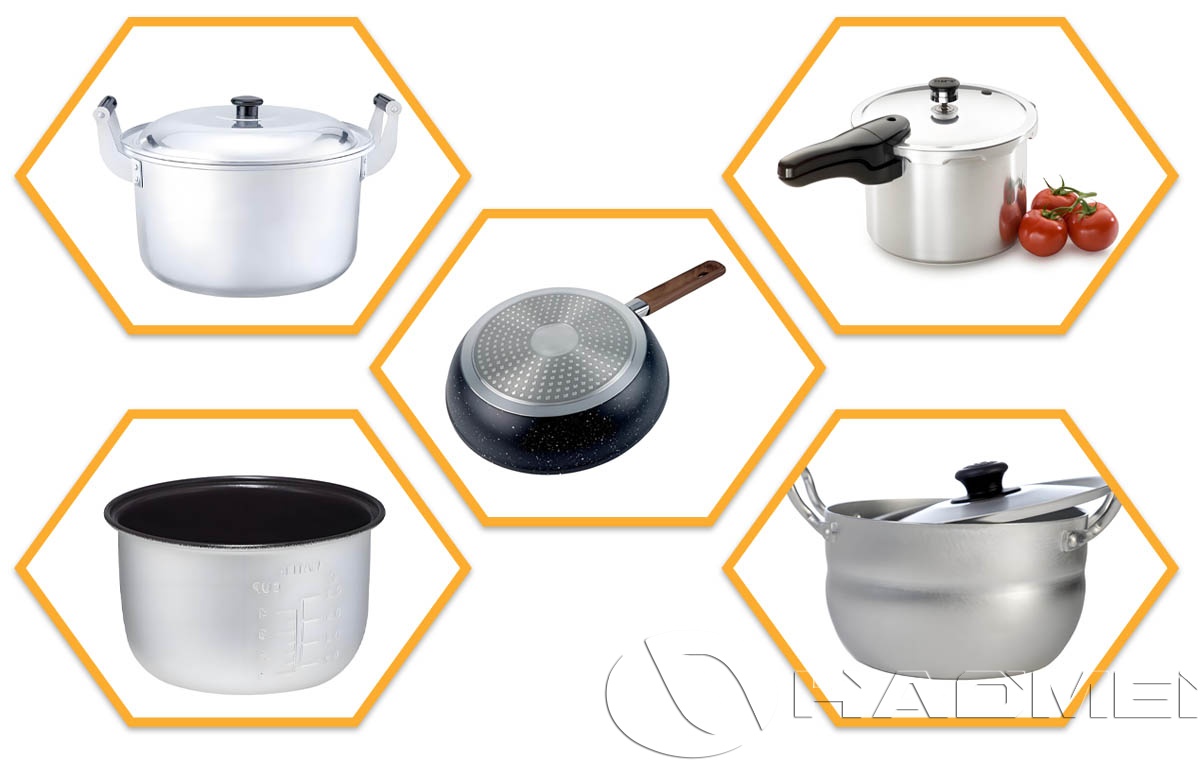
This is one of the most common application areas. The material is widely used for pots, pans, utensils, pressure cooker parts, and kitchen containers. Its combination of formability and thermal conductivity makes it suitable for many cookware production lines.
Lamp reflectors, lamp covers, and spun lighting housings often require smooth surface quality and good deformation behavior, both of which are well served by 1050 H0 circles.
Some appliance shells, covers, and formed accessories use deep drawing aluminum discs where corrosion resistance and lightweight properties are required.
Although many sign applications use other tempers depending on processing route, selected 1050 circles are also used where stamping and finishing are involved.
For buyers comparing pure aluminum grades, our 1000 Series Aluminum circle production includes multiple options for cookware and industrial use.
In practical supply, there is no single universal specification for all deep-drawing applications. The right 1050 H0 aluminum circle depends on the drawing ratio, tooling design, lubrication method, number of forming steps, and final product geometry.
For shallow cookware or lamp parts, standard H0 circles with routine tolerances may be sufficient. For severe deep drawing or multi-step forming, customers often require tighter control of thickness consistency, elongation, ear height, and surface condition. In these cases, we confirm the end use before production and adjust process parameters accordingly.
When needed, we can also coordinate on trial orders so that the customer can verify forming performance on their own press or spinning line before volume supply.
From our experience serving export customers, the following items should be confirmed before order placement:
Alloy and temper, especially 1050 H0
Thickness and allowable tolerance
Circle diameter and tolerance
Production route, if specified by the customer
Surface quality requirements
Application, such as cookware or lighting
Packing method and pallet standard
Quantity per size and batch identification requirements
Whether test reports or inspection records are required
Clear technical confirmation at the ordering stage helps avoid mismatch between supplied material and actual forming conditions.
1050 H0 deep-drawing aluminum circles remain a core product in our factory because they meet the practical needs of cookware and formed-part manufacturers: high ductility, good surface condition, reliable processing behavior, and broad size availability. As a manufacturer, we focus on the factors that matter in real production, including temper consistency, edge quality, dimensional accuracy, and packaging protection.
For customers sourcing aluminum disc for cookware, lamp parts, or other deep-drawn products, stable material quality is the foundation of efficient forming and consistent finished parts. Our production of 1050 H0 aluminum circles is designed around that requirement, from raw material control to final shipment.




Office Address:
No.14 Waihuan Road, CBD, Zhengzhou, China
Contact Us
HAOMEI Aluminum offer an custom aluminum circle for you!
whatsapp: +86-18703635966
Email: sales@alummc.com
Email: alummc@hotmail.com
Request Free Sample & Quotation
Copyright © 2026 By HAOMEI Aluminum CO., LTD. All Rights Reserved. Sitemap
 +86-18703635966
 sales@alummc.com
 8618703635966
