
 No.14 Waihuan Road, CBD, Zhengzhou, China
 +86-18703635966

No.14 Waihuan Road, CBD, Zhengzhou, China
+86-18703635966
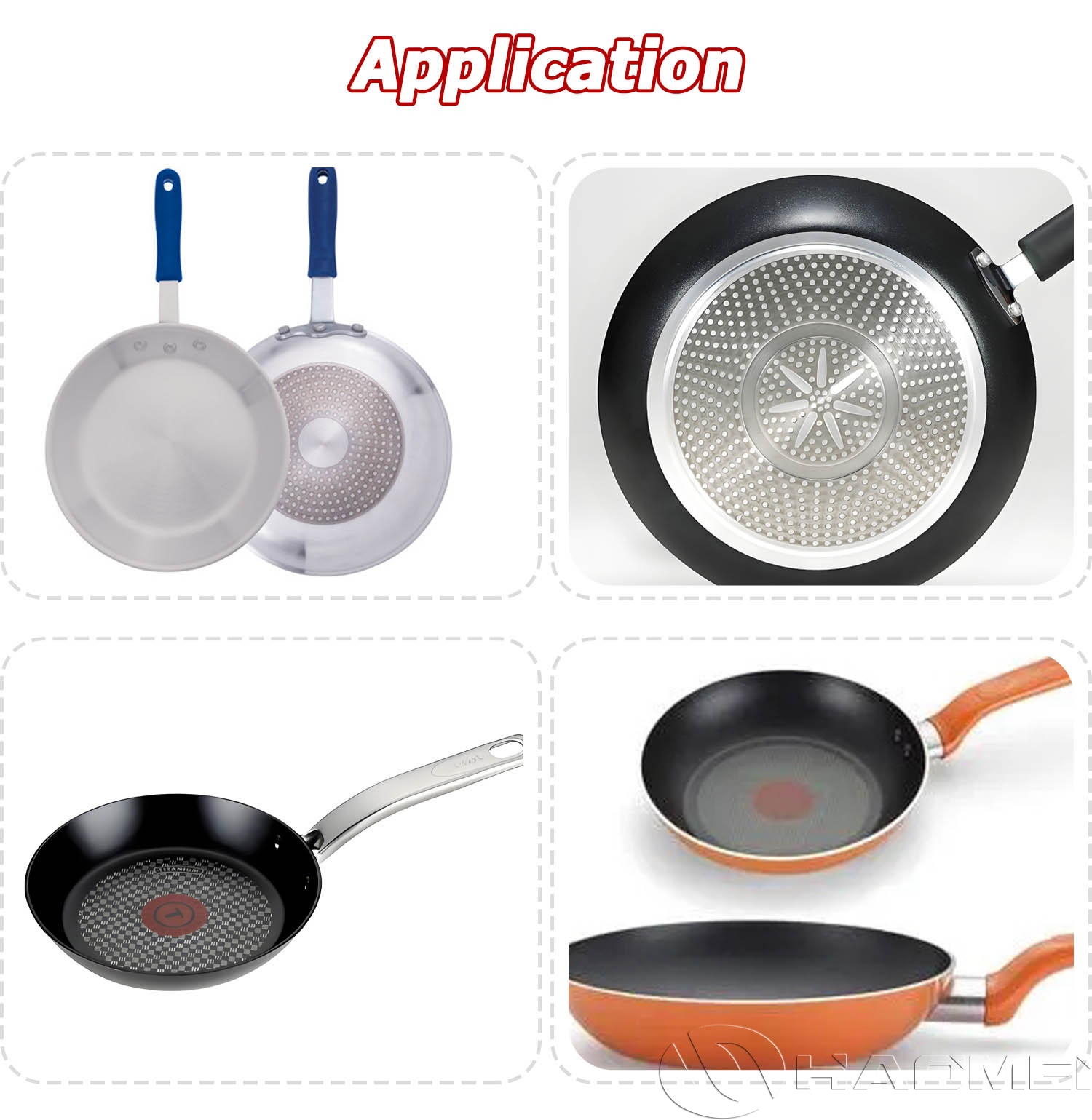
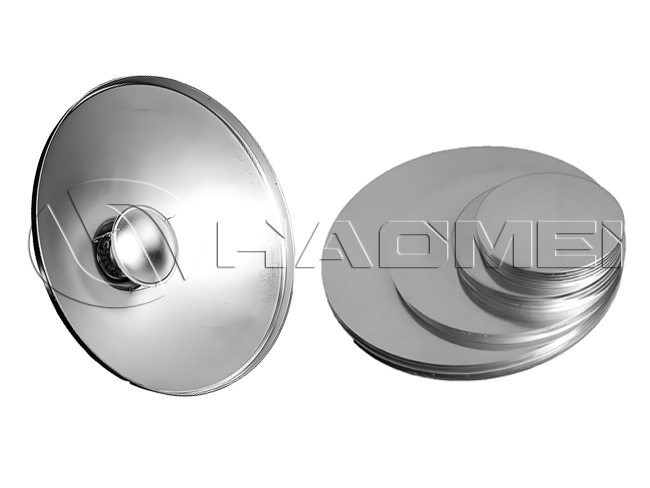
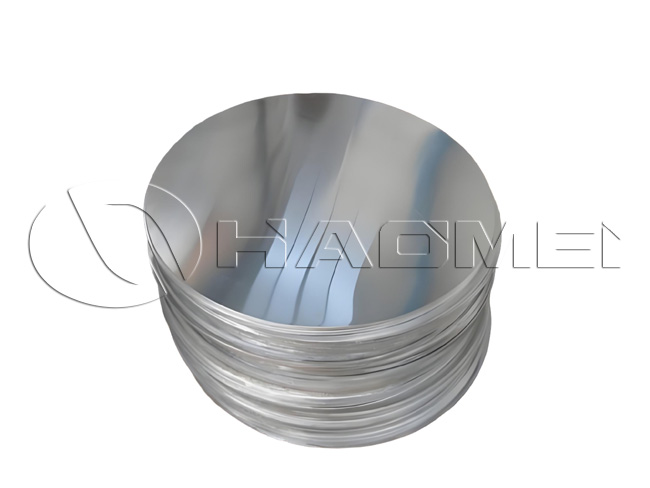
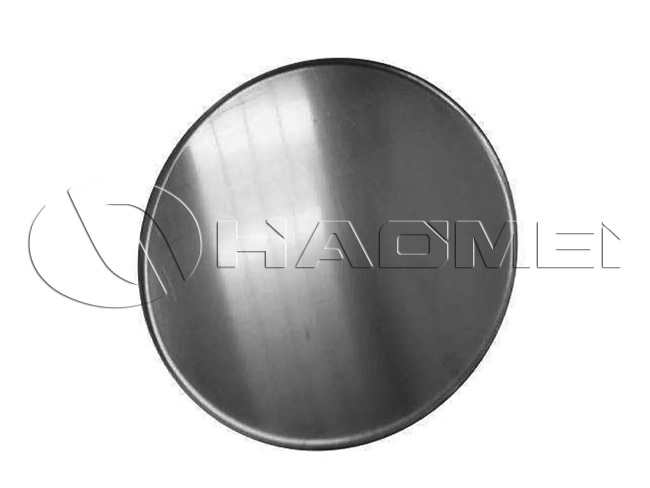
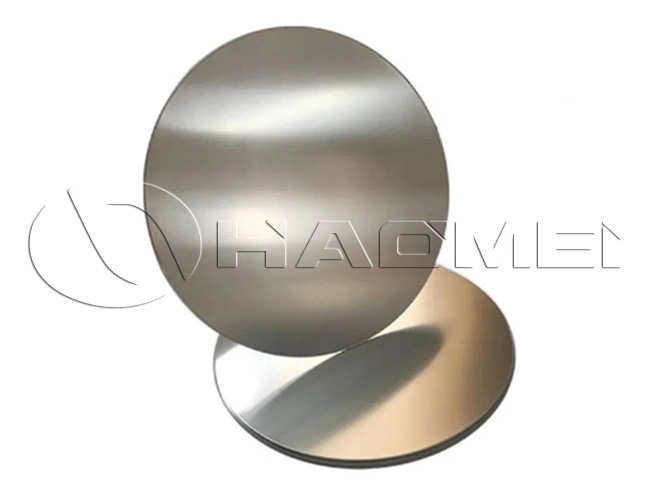
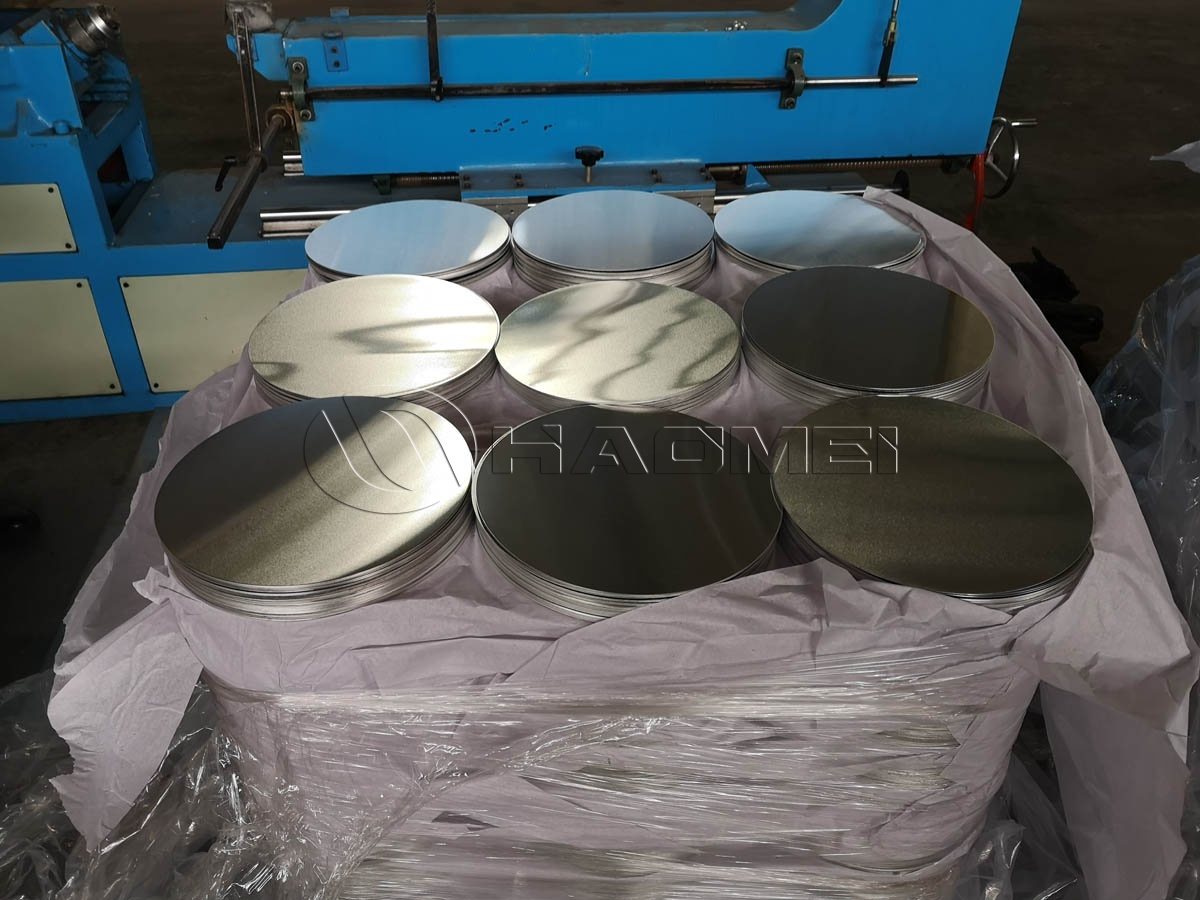
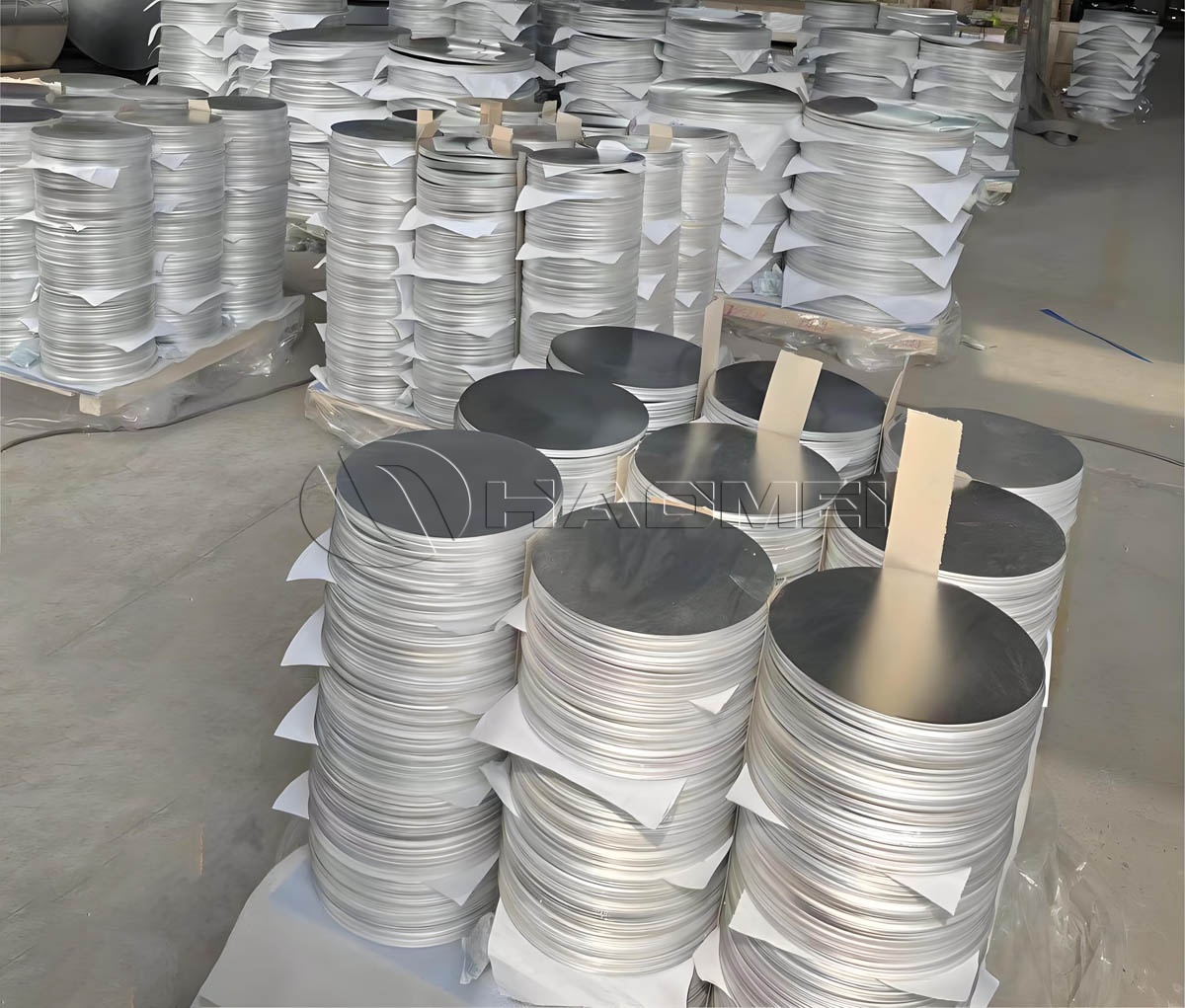
As a manufacturer of aluminum circle discs for cookware production, we supply polished 3003, 3005, and 3105 aluminum circles engineered for pressing, deep drawing, spinning, and subsequent surface finishing. These alloys are widely used by cookware factories producing frying pans, saucepans, stockpots, pressure cooker components, baking utensils, and other formed kitchenware products.
For cookware manufacturers, the performance of the aluminum blank directly affects forming stability, surface appearance, coating quality, and final product consistency. A polished aluminum circle must combine controlled chemical composition, suitable temper, stable thickness, clean edges, and uniform surface reflectivity. Our production process is designed around these requirements, from coil selection and rolling through circle blanking, polishing, inspection, and export packing.
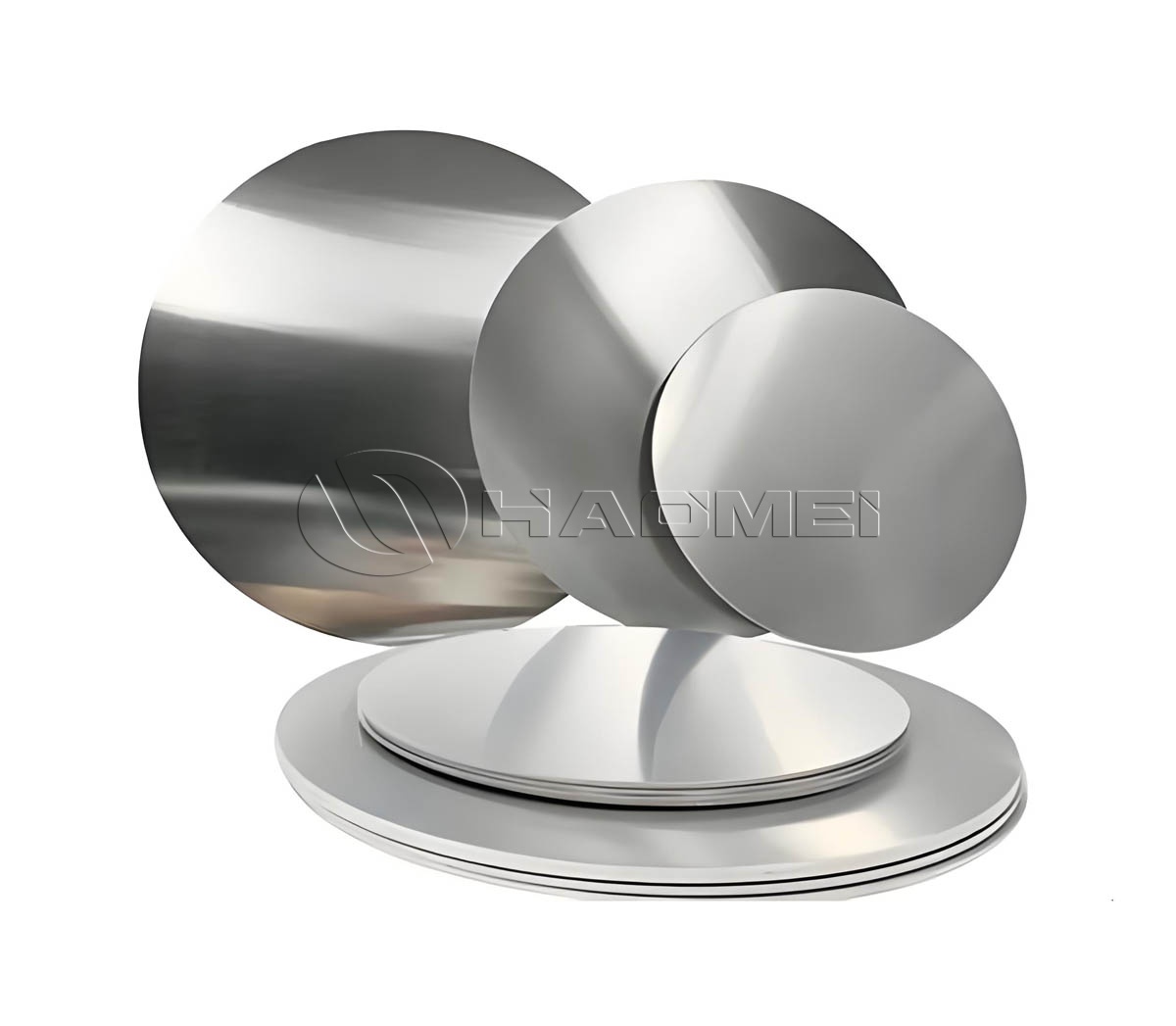
3003, 3005, and 3105 are aluminum-manganese alloys in the 3xxx series. Compared with commercially pure aluminum grades, these alloys provide improved strength while retaining the formability needed for cookware manufacturing. Their balanced properties make them suitable for products that require shaping without excessive cracking, wrinkling, or surface distortion.
The final choice between 3003, 3005, and 3105 depends on cookware design, wall thickness, forming depth, required hardness, and later processing steps. A shallow frying pan may require a different temper and thickness combination from a deep stockpot body or pressure cooker component. We assist buyers in matching alloy and temper to their manufacturing process rather than offering a one-size-fits-all specification.
3003 polished aluminum circles are among the most frequently specified blanks for cookware. The alloy contains manganese as its primary strengthening element, providing better mechanical performance than 1050 or 1060 aluminum while maintaining good workability. It is suitable for cookware bodies that require moderate strength, stable drawing behavior, and a clean polished appearance.
In cookware production, 3003 aluminum circles are commonly processed by deep drawing, stamping, spinning, and bottom forming. They can be supplied in soft O temper for demanding drawing operations or in H14 and H24 tempers where additional stiffness is required. For manufacturers applying non-stick coatings, ceramic coatings, or decorative external finishes, surface cleanliness and low roughness are particularly important.
3005 aluminum circle discs provide a higher strength level than 3003 in many common temper conditions. This makes 3005 a practical choice for cookware requiring improved dent resistance, dimensional stability, or a more robust final body. The alloy remains suitable for forming operations when the temper is selected correctly.
We manufacture 3005 polished aluminum circles for cookware components that may undergo medium-depth drawing, spinning, or pressing. They are often considered for pans and pots where manufacturers need a balance between formability and rigidity. For coated cookware, uniform surface polishing supports more consistent pretreatment and coating adhesion.
3105 aluminum circles offer useful strength and corrosion resistance for selected cookware applications. The alloy contains manganese and a controlled amount of magnesium, which contributes to its mechanical characteristics. It is commonly selected when the final product requires higher stiffness than standard 3003 material while still needing reliable forming performance.
3105 polished aluminum discs can be used for cookware bodies, lids, specialty kitchen utensils, and formed components. Our technical team evaluates drawing ratio, rim design, target thickness, and temper requirements before confirming a production specification. This is especially important for deep-shaped cookware, where material flow must remain stable throughout the forming cycle.
1. Smooth, attractive finish: The polished surface is smooth and lustrous, enhancing the aesthetic appeal of the cookware.
2. Excellent thermal conductivity: They transfer heat rapidly, ensuring even heating of the cookware.
3. Good formability: They possess excellent ductility and deep-drawing properties, making them suitable for stamping, drawing, and spinning processes.
4. Good corrosion resistance: Appropriate aluminum alloy grades can meet the requirements of various cookware usage environments.
5. Lightweight: The low density of aluminum helps reduce the weight of the cookware, making it more convenient to use.
6. High processing efficiency: Precise dimensions and consistent surface quality facilitate subsequent forming and mass production.
7. Cost-effective and practical: High material utilization makes them suitable for large-scale cookware manufacturing.
The following table shows common manufacturing ranges for 3003, 3005, and 3105 polished aluminum circles. Final specifications are confirmed according to the buyer's drawing, forming method, and quality standard.
| Parameter | 3003 Aluminum Circle | 3005 Aluminum Circle | 3105 Aluminum Circle |
|---|---|---|---|
| Alloy series | Al-Mn | Al-Mn | Al-Mn-Mg |
| Common temper | O, H12, H14, H16, H24 | O, H12, H14, H24 | O, H12, H14, H24 |
| Typical thickness | 0.50-6.00 mm | 0.50-6.00 mm | 0.50-5.00 mm |
| Typical diameter | 100-1,200 mm | 100-1,200 mm | 100-1,200 mm |
| Surface finish | Polished, bright, mill finish | Polished, bright, mill finish | Polished, bright, mill finish |
| Main forming methods | Deep drawing, stamping, spinning | Stamping, spinning, medium drawing | Stamping, spinning, forming |
| Typical cookware use | Pots, pans, kettles, bowls | Frying pans, saucepans, pot bodies | Cookware bodies, lids, utensils |
| Edge condition | Deburred, smooth, crack-free | Deburred, smooth, crack-free | Deburred, smooth, crack-free |
| Quality Control Item | Standard Factory Control |
|---|---|
| Thickness tolerance | Controlled according to ordered thickness and applicable standard |
| Diameter tolerance | Controlled according to customer drawing or agreed specification |
| Surface inspection | No oil stains, severe scratches, dents, laminations, or edge cracks |
| Flatness | Controlled to support stable feeding and forming operations |
| Burr control | Low-burr blanking with edge inspection before packing |
| Material traceability | Coil, alloy, temper, production batch, and inspection records maintained |
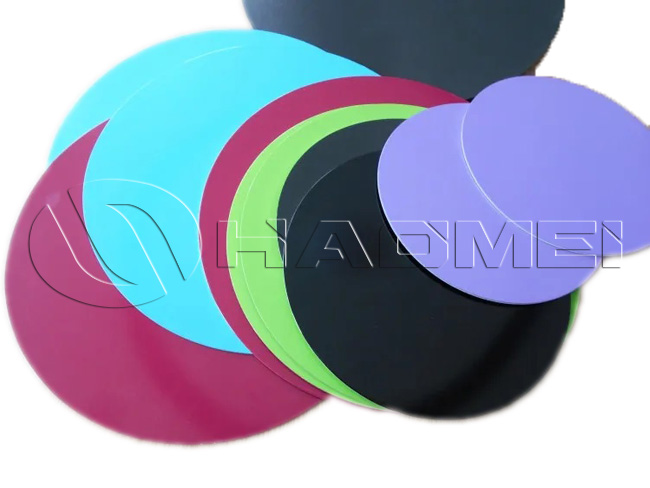
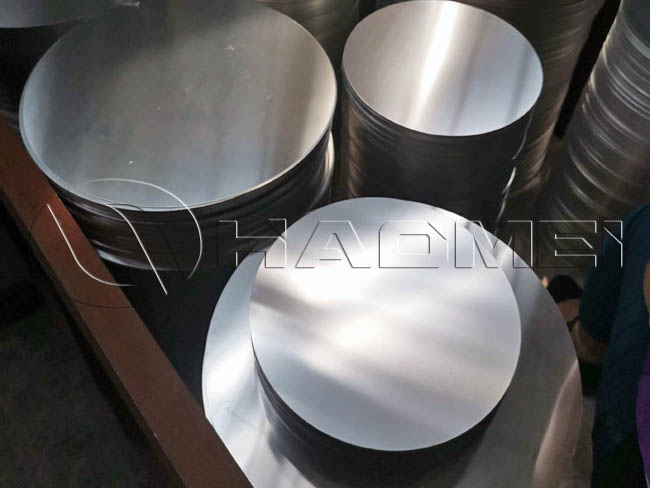
A polished finish is not only a visual requirement. In cookware manufacturing, surface quality influences the appearance of anodized, painted, polished, and coated products. A uniform polished aluminum circle can reduce visible variation after pressing and help manufacturers achieve a more consistent final finish.
Our polishing process is controlled to produce a bright and even surface while avoiding excessive deformation of the aluminum blank. We inspect for rolling marks, scratches, black lines, oil residues, oxidation spots, and other defects that may become more visible after forming or coating. When customers have defined roughness, brightness, protective film, or cosmetic inspection requirements, we can incorporate these details into the order specification.
For cookware with high appearance requirements, we recommend sharing a reference sample or approved surface standard before mass production. This allows us to align polishing direction, protective packaging, and acceptance criteria with the buyer's production process.
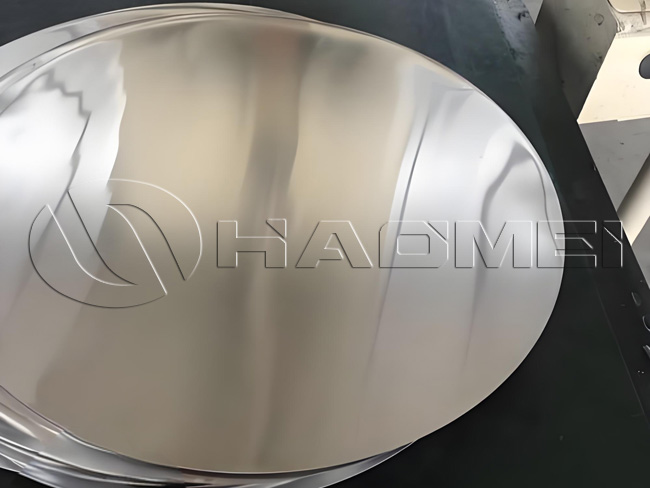
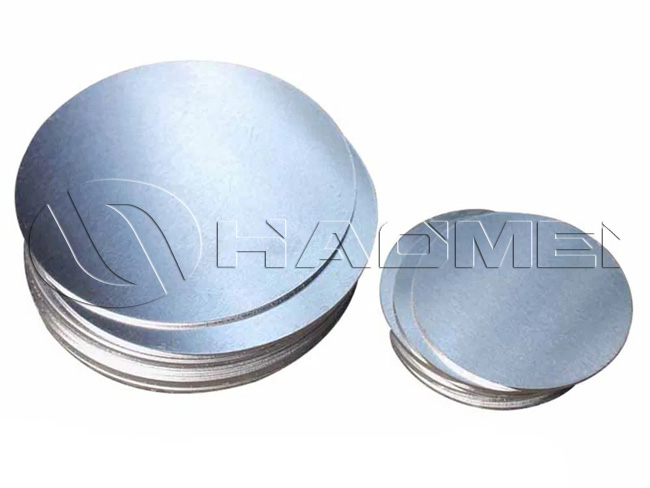
Our aluminum circle manufacturing process begins with qualified aluminum coil selected for alloy chemistry, mechanical properties, surface condition, and thickness consistency. The coil is then processed through controlled slitting and blanking operations to produce round discs with stable diameters and clean edges.
For polished aluminum circles, surface preparation and polishing are completed under controlled conditions. Each production batch is inspected for dimensions, edge quality, flatness, temper consistency, and surface appearance. We use defined inspection procedures before packing to reduce the risk of mixed specifications or surface damage during shipment.
The principal manufacturing stages include:
Raw material inspection and coil identification.
Slitting or coil preparation according to circle diameter and production plan.
Precision blanking of aluminum circle discs.
Deburring and edge quality control.
Surface polishing and appearance inspection.
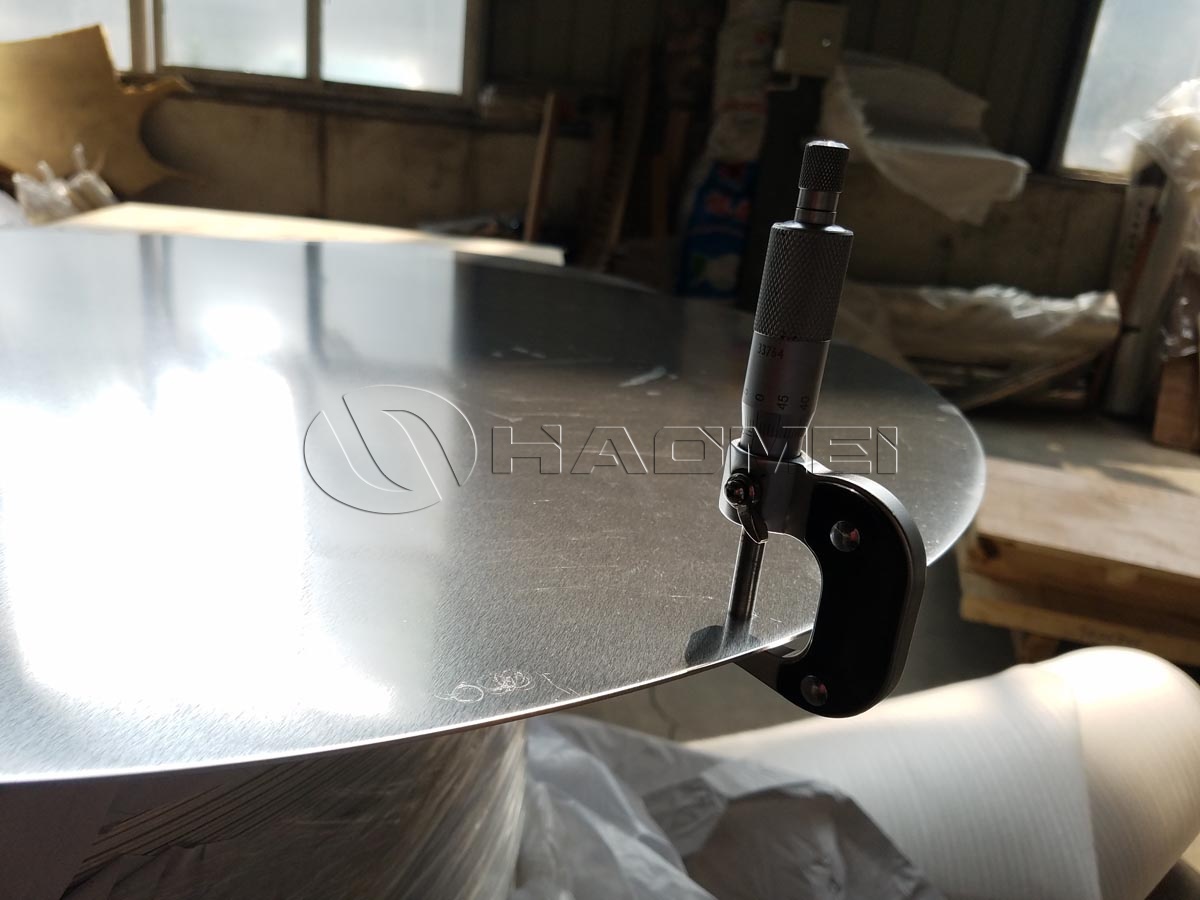
Dimensional measurement and flatness verification.
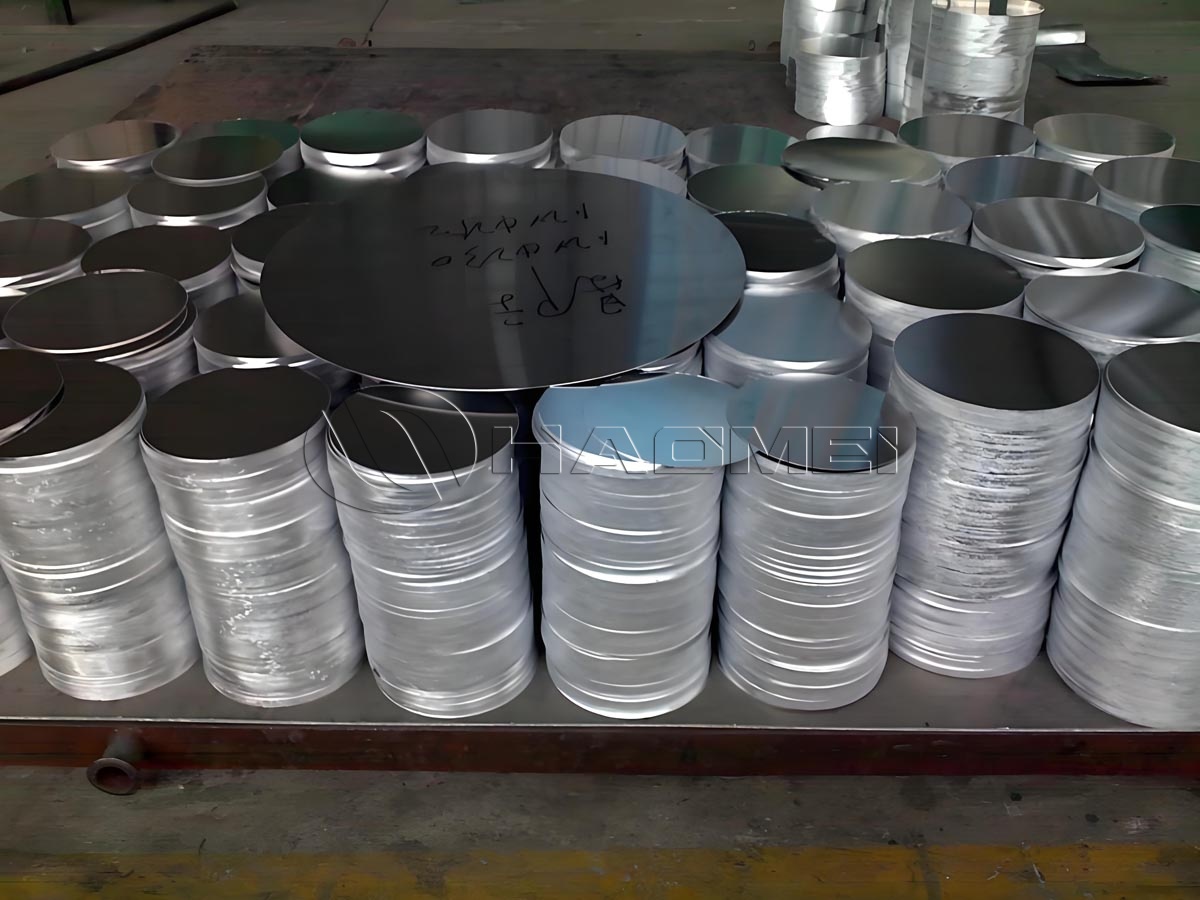
Protective interleaving, moisture-resistant packing, and batch labeling.
For buyers seeking a broader selection of Aluminum Circles for Cookware, we can also supply blanks with mill finish, bright finish, or surface conditions prepared for further treatment.
Alloy selection should be based on the actual manufacturing route, not only on the nominal material grade. Deep drawing cookware requires high elongation and stable grain structure, which often makes O temper the preferred choice. Products formed by shallow stamping or spinning may use H12, H14, or H24 material when greater stiffness is needed.
The following considerations help determine the appropriate polished aluminum disc specification:
Drawing depth: Deeper cookware bodies generally require softer temper and stronger elongation performance.
Wall thickness: Thicker circles provide rigidity but require suitable press capacity and tooling design.
Bottom structure: Induction-compatible cookware may require additional bottom bonding or composite processing after forming.
Coating process: Non-stick and ceramic coatings require controlled surface cleanliness and consistent pretreatment.
Final appearance: Bright polished cookware requires more stringent visual surface inspection.
Production equipment: Press tonnage, die geometry, lubrication, and trimming method influence material selection.
For cookware factories using hot rolling routes or requiring larger-diameter blanks, our Hot Rolled Aluminum Circle options can be evaluated according to thickness and forming requirements.
As a factory, we maintain production traceability from incoming coil to finished aluminum circle packaging. Each batch can be identified by alloy, temper, thickness, diameter, production date, and inspection status. This supports consistent sourcing for cookware manufacturers operating continuous stamping or drawing lines.
To protect polished surfaces during international transport, aluminum circles are packed with interleaving paper or film where required. The discs are then placed on strong wooden pallets or in export-grade cases with moisture protection. Packaging configuration is adjusted based on circle diameter, thickness, quantity per pallet, destination, and customer unloading method.
Before shipment, we verify product quantity, packing condition, label information, and key quality records. Mill test certificates and inspection documentation can be provided according to contract requirements.
3003, 3005, and 3105 polished aluminum circles provide reliable material options for kitchen cookware manufacturing. Each alloy offers a distinct balance of formability, strength, surface quality, and production efficiency. The best choice depends on the cookware design, forming depth, temper requirement, coating process, and final appearance standard.
Our factory manufactures polished aluminum circle discs with controlled dimensions, clean edges, stable mechanical properties, and protective export packing. By confirming technical requirements before production, we help cookware manufacturers obtain aluminum blanks that perform consistently in pressing, deep drawing, spinning, and finishing operations.

Office Address:
No.14 Waihuan Road, CBD, Zhengzhou, China
Contact Us
HAOMEI Aluminum offer an custom aluminum circle for you!
whatsapp: +86-18703635966
Email: sales@alummc.com
Email: alummc@hotmail.com
Request Free Sample & Quotation
Copyright © 2026 By HAOMEI Aluminum CO., LTD. All Rights Reserved. Sitemap
 +86-18703635966
 sales@alummc.com
 8618703635966
