
 No.14 Waihuan Road, CBD, Zhengzhou, China
 +86-18703635966

No.14 Waihuan Road, CBD, Zhengzhou, China
+86-18703635966
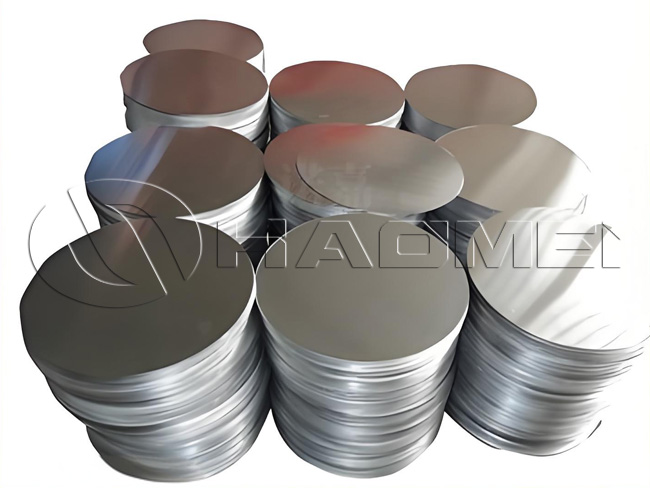
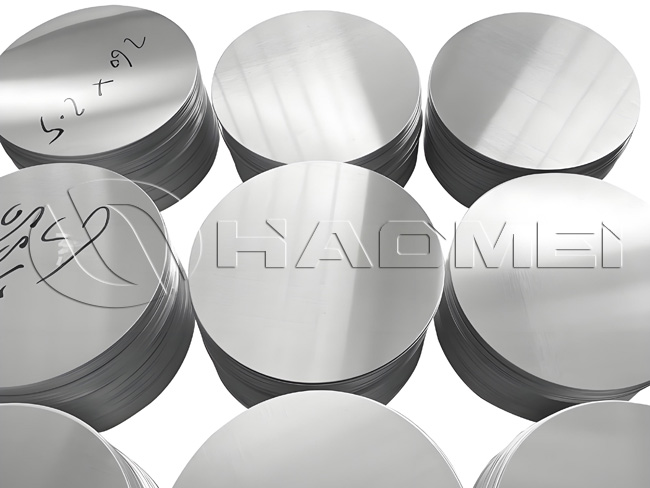
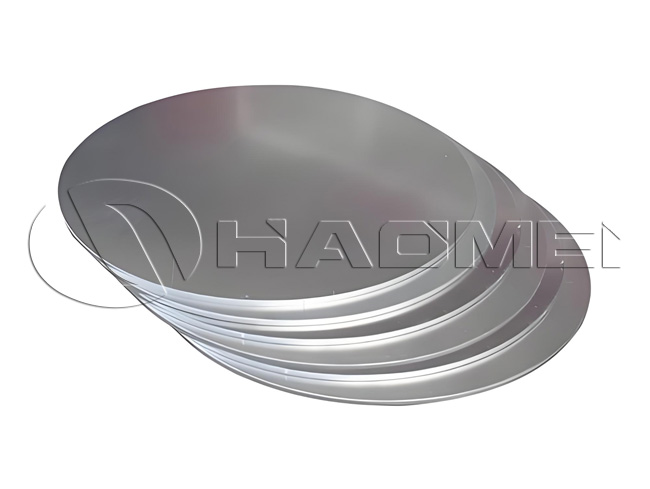
As an aluminum circle and disc manufacturer, we supply 1050 and 3003 aluminum discs for cake molds, baking trays, removable-bottom pans, and other formed bakeware components. Cake mold production requires stable drawing performance, clean surfaces, accurate thickness, and consistent mechanical properties from coil to finished blank. These requirements are directly related to alloy selection, temper control, rolling quality, blanking precision, and packaging protection.
For international bakeware manufacturers, 1050 aluminum discs and 3003 aluminum discs are two practical material choices. 1050 provides high purity, excellent ductility, and good thermal conductivity. 3003 offers higher strength, good corrosion resistance, and stable formability because of its manganese content. Our production is arranged according to the final forming process, such as stamping, spinning, shallow drawing, deep drawing, or subsequent non-stick coating.
Aluminum is widely used in cake molds because it conducts heat efficiently and helps achieve uniform baking. Compared with many heavier metals, aluminum reduces product weight while maintaining good dimensional stability after forming. For bakeware factories, aluminum discs are convenient semi-finished materials because round blanks can be directly transferred to stamping or drawing lines with reduced edge waste.
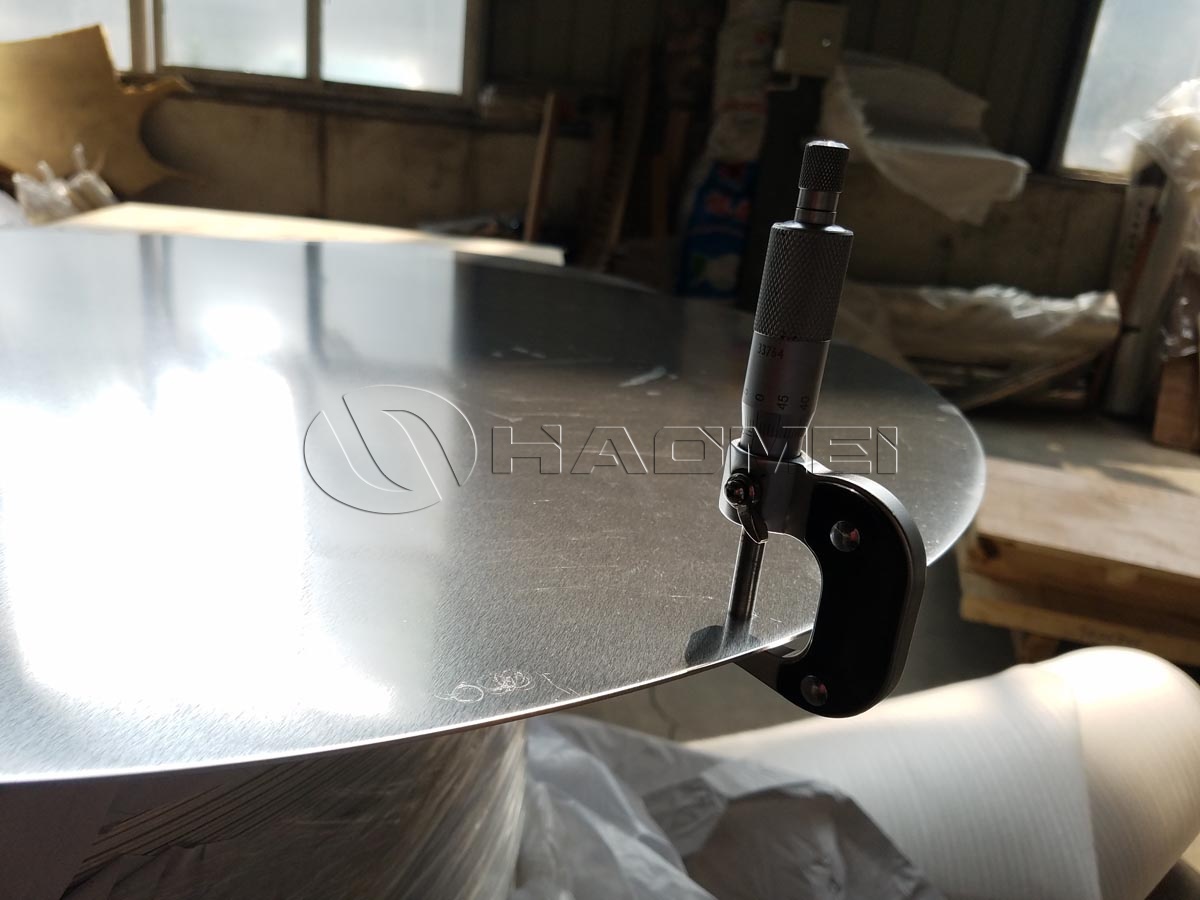
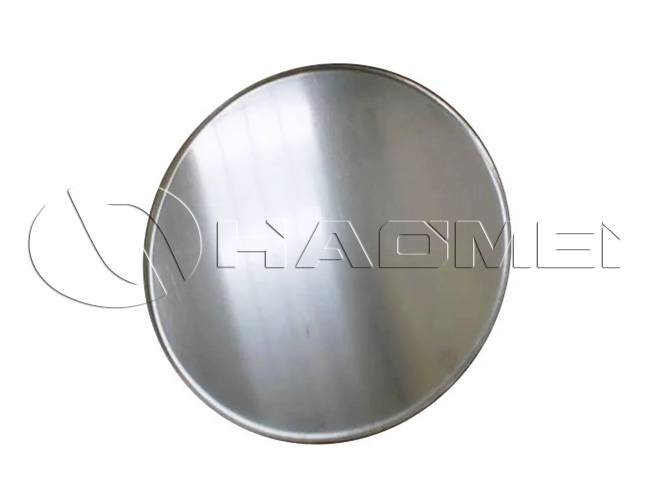
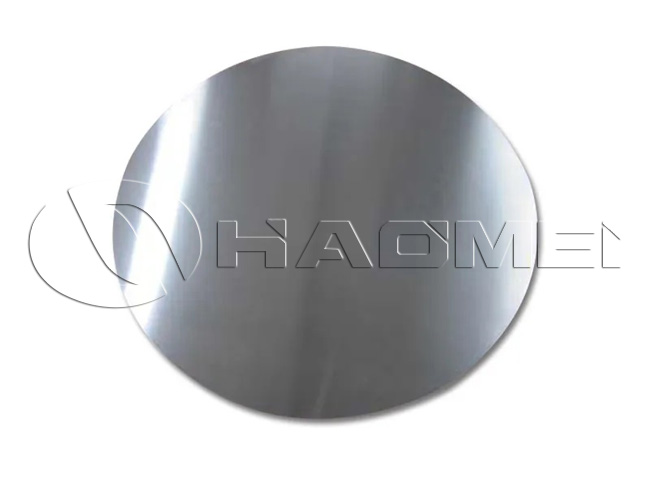
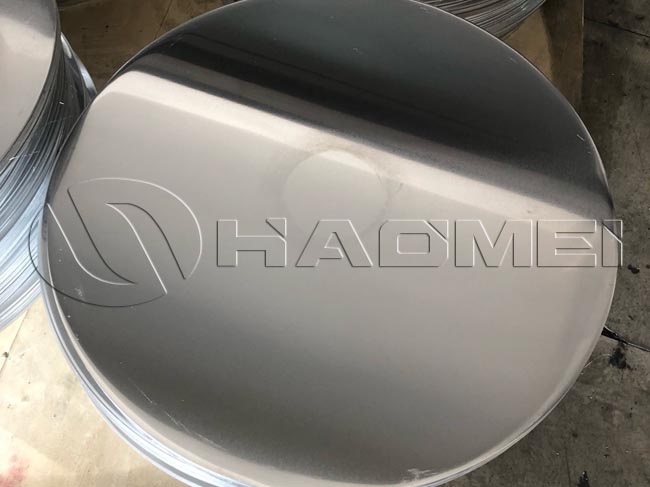
A cake mold aluminum circle must meet several production requirements. The surface should be free from oil stains, heavy scratches, oxidation marks, and embedded particles. The edge should be smooth enough to reduce the risk of cracking during drawing. The grain structure should be controlled through proper rolling and annealing so that the disc performs consistently during forming.
In our factory, aluminum discs for cake molds are produced from selected aluminum coils. The process includes coil inspection, leveling, blanking, annealing when required, surface inspection, thickness measurement, edge checking, and final packaging. For customers producing coated cake molds, we can also control surface cleanliness to support better pre-treatment and coating adhesion.
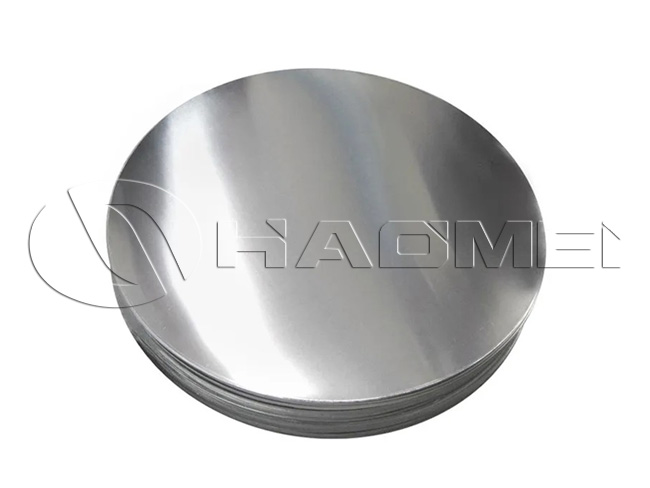
1050 aluminum is a commercially pure aluminum alloy with an aluminum content of approximately 99.5 percent. It is a common choice for bakeware where high formability and thermal conductivity are important. In cake molds, 1050 aluminum discs are suitable for round pans, fluted molds, small cake cups, and shallow to medium drawing applications.
The main advantage of 1050 is its soft and ductile nature, especially in O temper. This helps reduce forming resistance and lowers the possibility of cracking at the corners or side walls of the mold. For manufacturers using multi-step drawing or spinning, 1050 aluminum circle material can provide stable elongation and a clean surface after forming.
We supply 1050 Aluminum Circle products in different diameters and thicknesses according to mold design. For cake mold production, common thickness ranges are generally from 0.5 mm to 3.0 mm, depending on the pan depth, diameter, rim design, and reinforcement requirements. Thin discs are often used for small molds and disposable or light-duty bakeware, while thicker discs are preferred for reusable pans requiring better rigidity.
3003 aluminum is an aluminum-manganese alloy. Compared with 1050, it has higher strength while still maintaining good workability. 3003 aluminum discs are often selected for cake molds that need improved rigidity, better resistance to deformation, or slightly higher mechanical strength after forming.
For deep or medium-depth cake molds, 3003 in O or H14 temper can be used depending on forming severity. O temper offers better ductility for deep drawing, while H14 provides higher hardness for components that need shape retention after shallower forming. The alloy also has good corrosion resistance, which is useful for bakeware exposed to moisture, cleaning processes, or food-contact environments after appropriate surface treatment.
3003 aluminum discs are especially suitable for bundt pans, chiffon cake molds, baking bowls, and cake pans requiring stronger side walls. When customers plan to apply non-stick coating, anodizing, or color coating, we recommend confirming surface roughness, degreasing requirements, and forming sequence before mass production.
The following table lists typical supply parameters for 1050 and 3003 aluminum discs for cake molds. Final specifications can be adjusted according to customer drawings, forming method, and surface treatment requirements.
| Item | 1050 Aluminum Discs | 3003 Aluminum Discs |
|---|---|---|
| Alloy standard | EN AW-1050, AA1050 | EN AW-3003, AA3003 |
| Main alloy feature | High purity aluminum | Aluminum-manganese alloy |
| Typical temper | O, H12, H14 | O, H12, H14 |
| Thickness range | 0.5 mm to 3.0 mm | 0.6 mm to 3.5 mm |
| Diameter range | 80 mm to 1200 mm | 100 mm to 1200 mm |
| Aluminum content | About 99.5 percent | Balance aluminum with Mn addition |
| Formability | Excellent | Good to excellent |
| Strength level | Lower | Higher than 1050 |
| Surface condition | Mill finish, clean surface | Mill finish, clean surface |
| Edge condition | Burr controlled, smooth edge | Burr controlled, smooth edge |
| Application | Cake pans, cups, shallow molds | Deep molds, stronger pans, coated bakeware |
| Packing | Wooden pallet, moisture protection | Wooden pallet, moisture protection |
The selection between 1050 and 3003 aluminum discs should be based on the forming process and the expected performance of the finished cake mold. If the mold design requires high elongation, complex curves, or low forming pressure, 1050 is often the practical option. Its high purity supports good thermal conductivity, which is valuable for even heat transfer in baking.
If the finished product needs higher strength, stronger side walls, or better resistance to denting, 3003 is often preferred. The alloying element manganese increases strength without making the material difficult to form when the temper is properly selected. For medium and deep cake molds, 3003-O is commonly used because it balances ductility and strength.
For simple round cake pans with shallow depth, both 1050 and 3003 can be used. The final decision may depend on target weight, pan thickness, coating process, cost structure, and customer performance tests. As a manufacturer, we usually recommend sample testing before mass production when a new mold design or new coating system is involved.
Temper has a direct influence on drawing behavior. O temper aluminum discs are fully annealed and provide the best ductility. They are suitable for deep drawing, spinning, and complex forming. H12 and H14 tempers have higher hardness and strength, making them suitable for shallow cake molds, lids, bases, or components requiring better flatness before forming.
For cake mold production, the wrong temper can cause problems such as side-wall cracking, orange peel texture, excessive springback, or uneven deformation. Our factory controls annealing temperature and holding time according to alloy, thickness, coil condition, and final use. This ensures that deep drawing aluminum disc material has stable mechanical properties across batches.
We can provide mechanical property references and trial order support for customers who need to verify a new cake mold structure. For export orders, we inspect every production batch for thickness tolerance, surface appearance, and dimensional accuracy before packing.
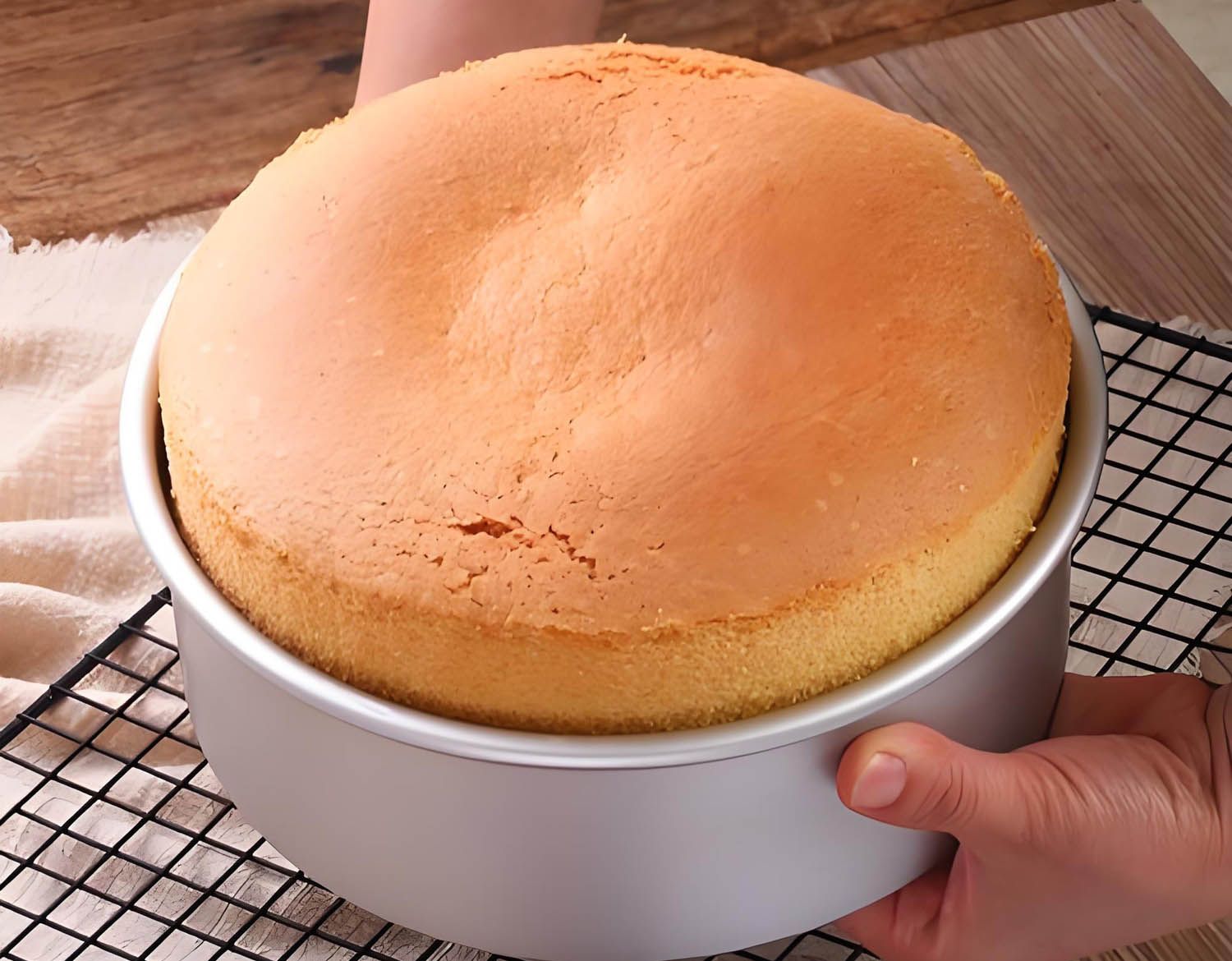
Surface quality is important for both uncoated and coated cake molds. For uncoated bakeware, visible defects may affect product appearance. For non-stick coated molds, oil residue, deep scratches, or oxidation marks can reduce coating adhesion and shorten service life.
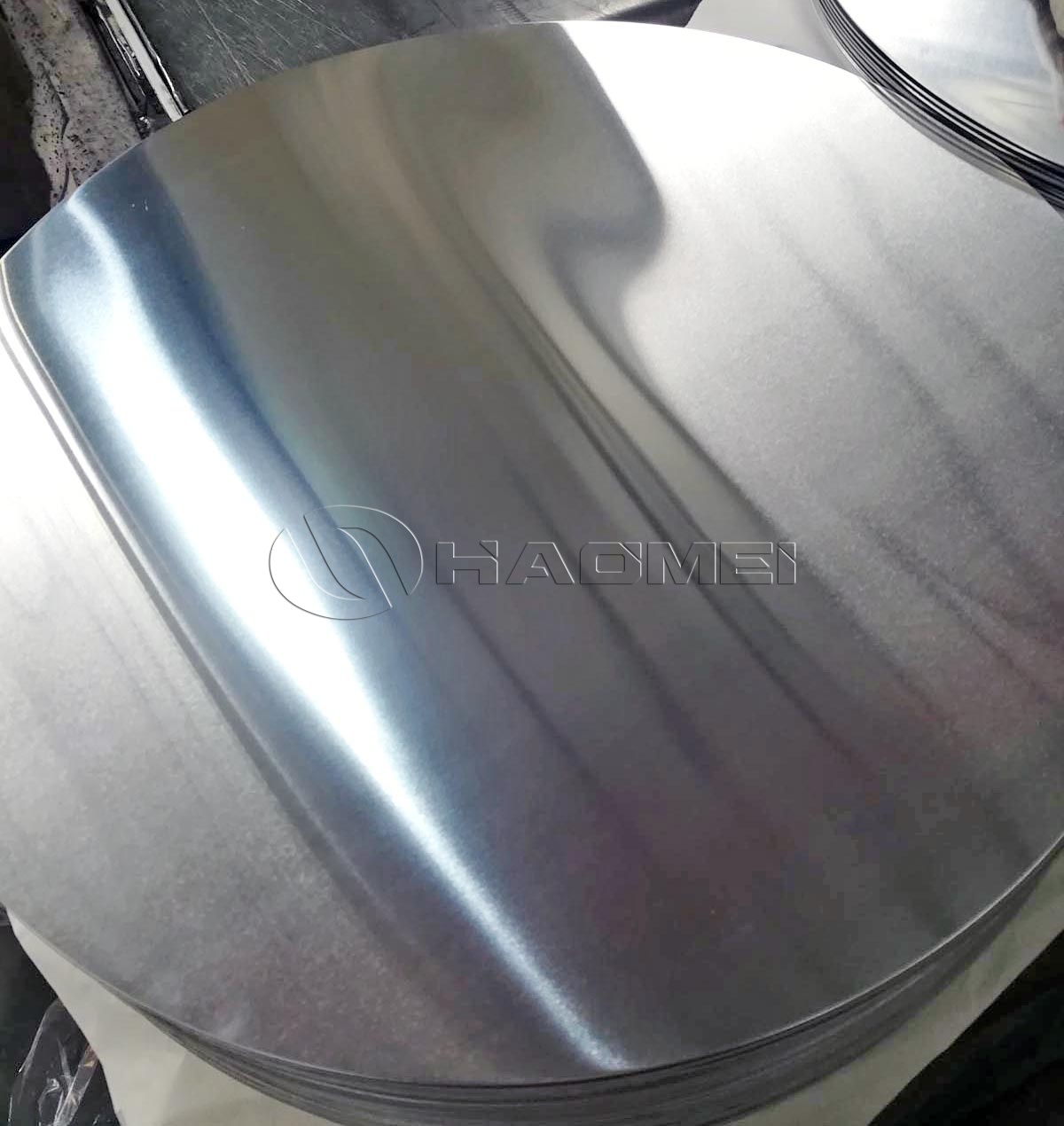
Our aluminum discs for cake molds are supplied with a clean mill finish. During production, we pay attention to rolling marks, black lines, edge burrs, and surface contamination. Discs are separated and packed to reduce friction during transport. If customers have special surface requirements for coating, we can discuss oil control, protective paper, or film options according to the downstream process.
Food-contact suitability should be evaluated as part of the complete finished product system. Aluminum discs are semi-finished materials, and final compliance may involve forming, cleaning, anodizing, coating, or other treatments performed by the bakeware manufacturer. We support customers by providing material information and production traceability for their quality documentation.
Accurate disc diameter is important for automated cake mold production. If the diameter tolerance is too wide, feeding and positioning may become unstable. If the edge burr is not controlled, it may damage dies, cause cracks during drawing, or increase trimming waste.
Our blanking lines are configured to produce aluminum circles with consistent roundness and controlled burr height. Thickness is measured during coil inspection and after blanking. For export cake mold manufacturers using high-speed stamping lines, stable tolerance helps reduce downtime and improves forming repeatability.
The common tolerance requirements depend on disc diameter and thickness. For special molds with tight dimensional limits, customers can provide drawings or tolerance standards before quotation. We will review feasibility based on our blanking equipment and inspection capability.
As a direct manufacturer, we control the process from aluminum coil selection to finished disc packaging. This helps maintain material consistency and reduces the risk of mixed alloy or unstable temper. Our production workflow includes incoming coil inspection, chemical composition verification when required, rolling surface review, blanking, annealing, leveling, and final inspection.
Quality control focuses on the properties that matter to cake mold manufacturers. These include alloy grade, temper, thickness, diameter, surface cleanliness, edge condition, packing stability, and batch traceability. For repeated orders, we keep production records so that customers can maintain consistent forming parameters across shipments.
For customers who also purchase other pure aluminum circle products, our 1000 Series Aluminum circle range can be supplied for related kitchenware, cookware, lighting, and general forming applications.
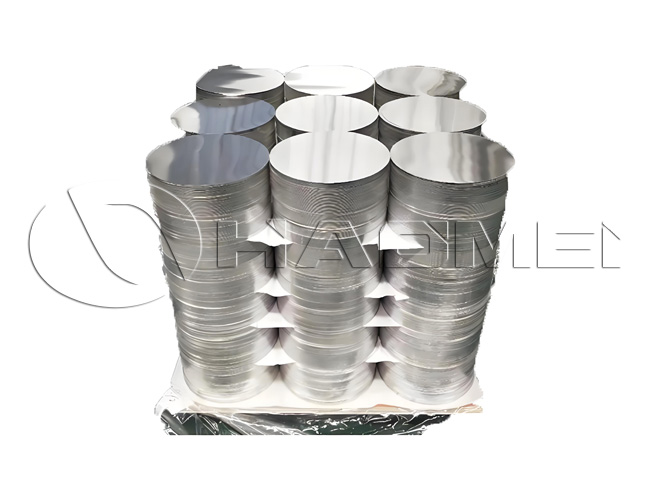
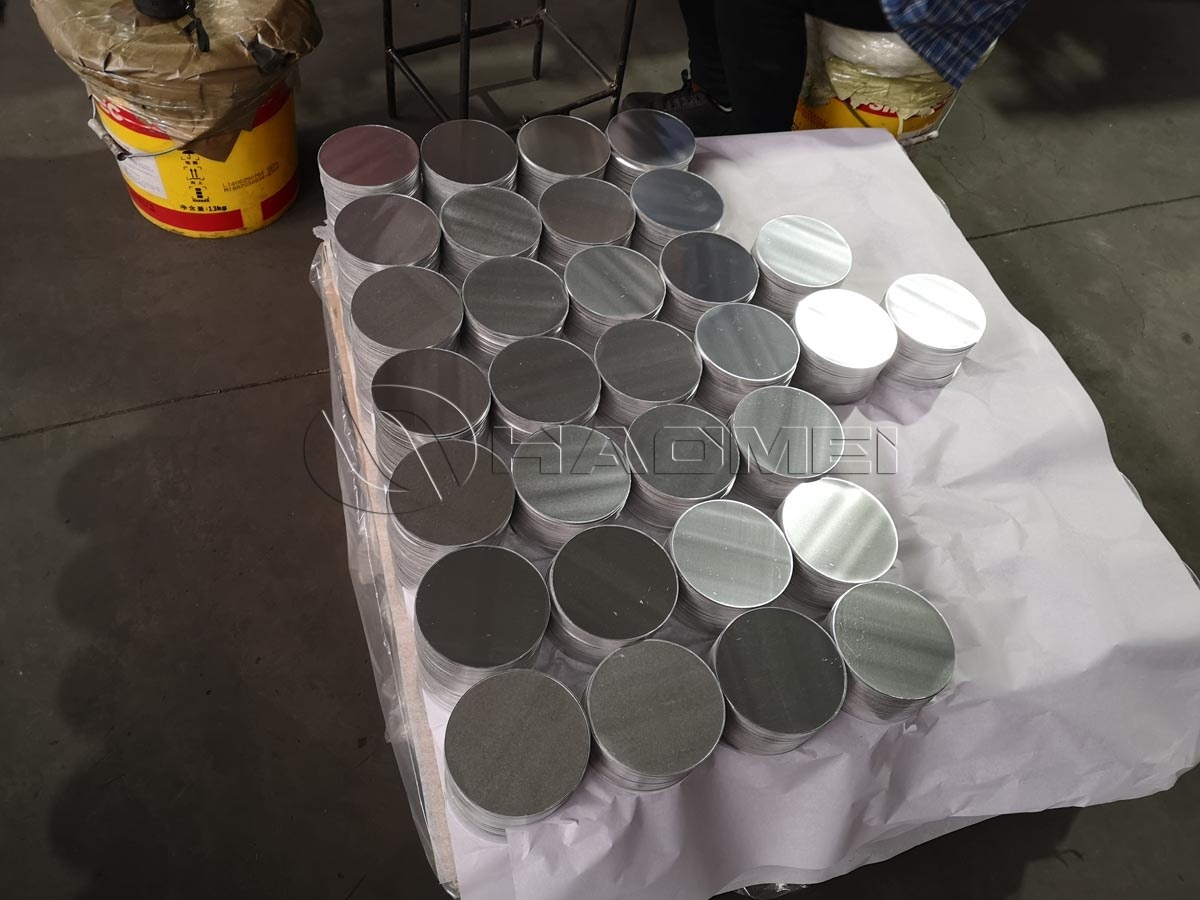
Aluminum discs can be damaged by moisture, vibration, and edge impact during sea transportation. Proper packaging is therefore essential. We usually pack discs in moisture-resistant material and place them on strong wooden pallets. The stacking method is selected according to disc diameter, thickness, and order quantity. Labels can include alloy, temper, size, net weight, gross weight, batch number, and customer purchase order information.
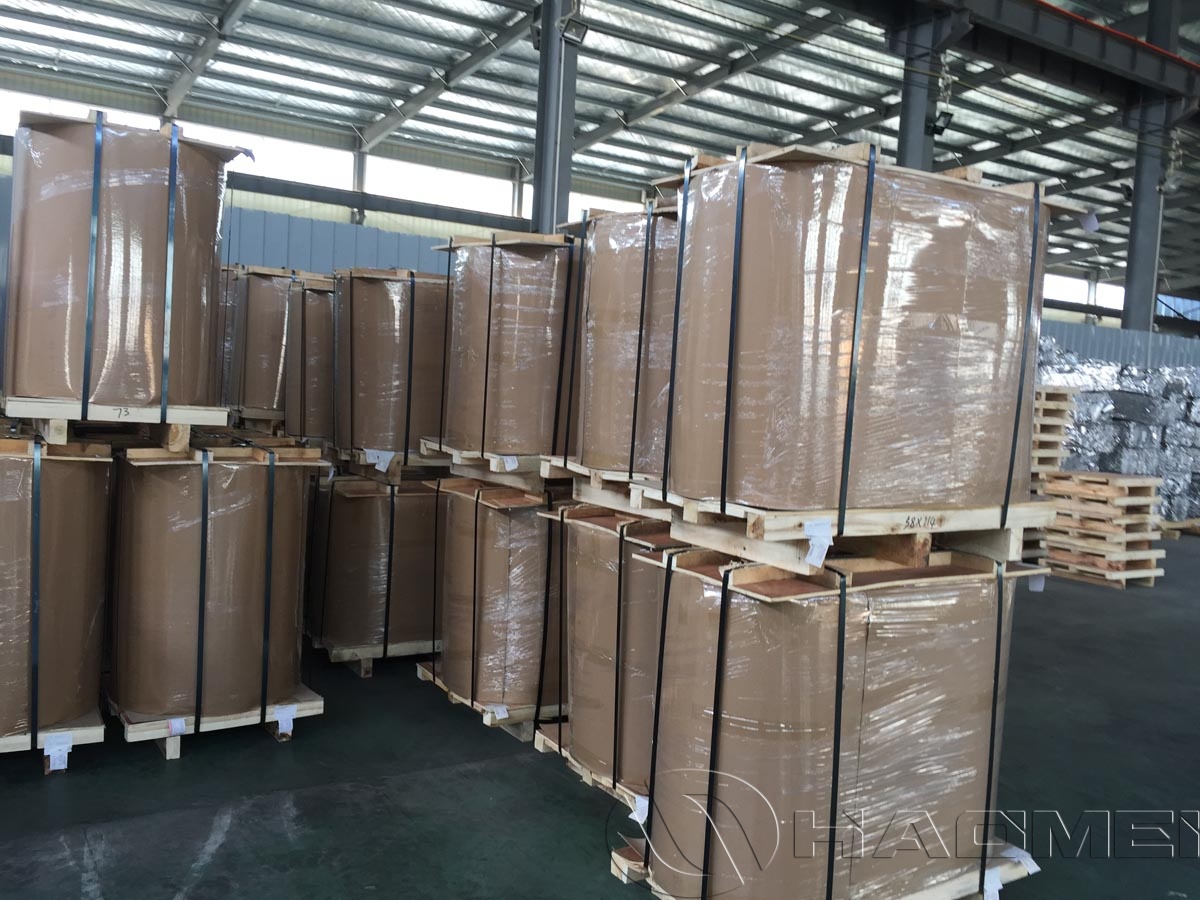
For small-diameter discs, vertical or compact stacked packaging may be used to improve handling efficiency. For larger discs, we pay closer attention to pallet strength and edge protection. Customers can also request customized packaging based on warehouse handling methods or container loading plans.
To prepare an accurate quotation and production plan, we recommend that customers provide the following information: alloy, temper, thickness, diameter, tolerance, quantity, surface requirement, end use, forming method, and packing preference. If the cake mold has a deep drawing structure, providing a drawing or sample image helps us recommend a more suitable temper and thickness.
For new projects, trial orders are useful for confirming forming performance before full-scale purchasing. We can arrange sample discs or small batch production according to available specifications. After the material passes customer forming and coating tests, batch production can be scheduled with the confirmed technical standard.
1050 and 3003 aluminum discs are both reliable materials for cake mold manufacturing, but they serve different performance priorities. 1050 aluminum discs are preferred when excellent ductility and thermal conductivity are required. 3003 aluminum discs are suitable when the cake mold needs higher strength, better shape retention, and stable forming behavior.
As an aluminum disc factory, we focus on consistent alloy control, proper temper selection, accurate blanking, clean surface quality, and secure export packaging. By matching the aluminum circle specification with the customer mold design and forming process, we help bakeware manufacturers obtain stable production results and reduce unnecessary material loss.

Office Address:
No.14 Waihuan Road, CBD, Zhengzhou, China
Contact Us
HAOMEI Aluminum offer an custom aluminum circle for you!
whatsapp: +86-18703635966
Email: sales@alummc.com
Email: alummc@hotmail.com
Request Free Sample & Quotation
Copyright © 2026 By HAOMEI Aluminum CO., LTD. All Rights Reserved. Sitemap
 +86-18703635966
 sales@alummc.com
 8618703635966
