
 No.14 Waihuan Road, CBD, Zhengzhou, China
 +86-18703635966

No.14 Waihuan Road, CBD, Zhengzhou, China
+86-18703635966
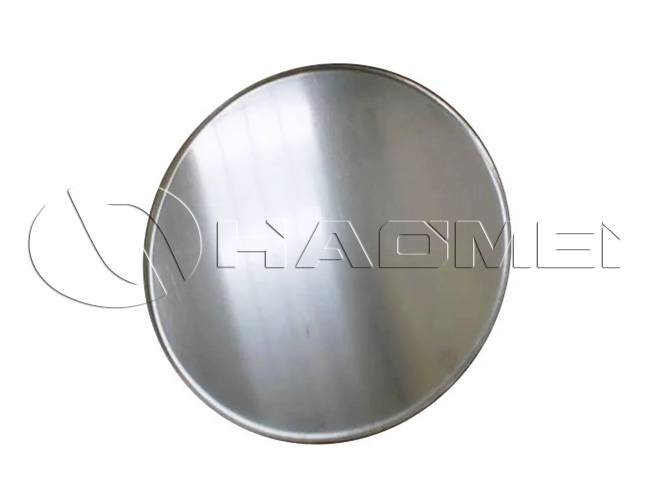
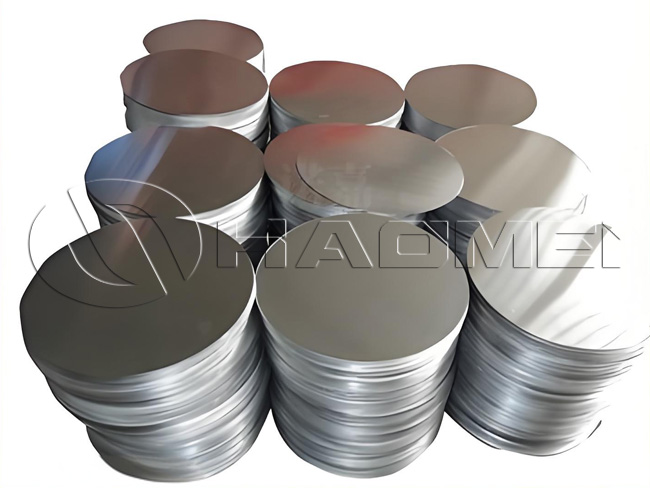
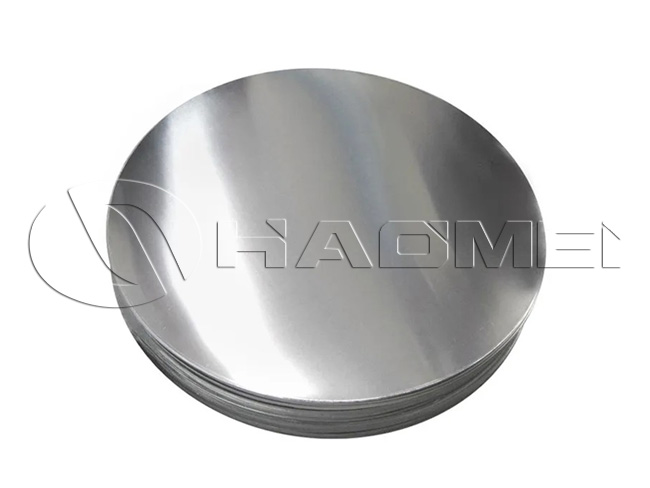
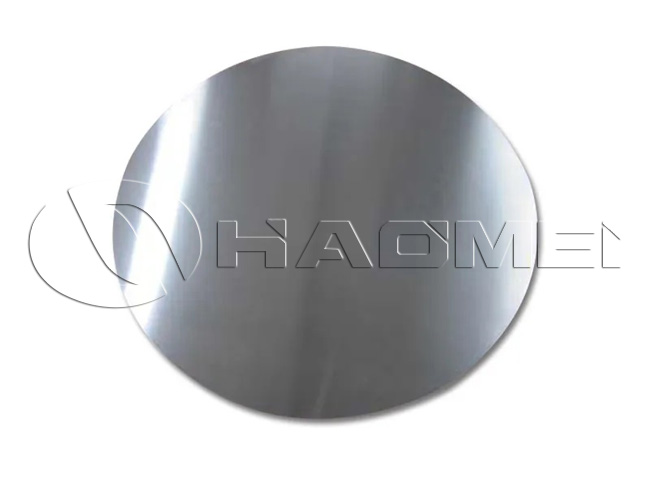
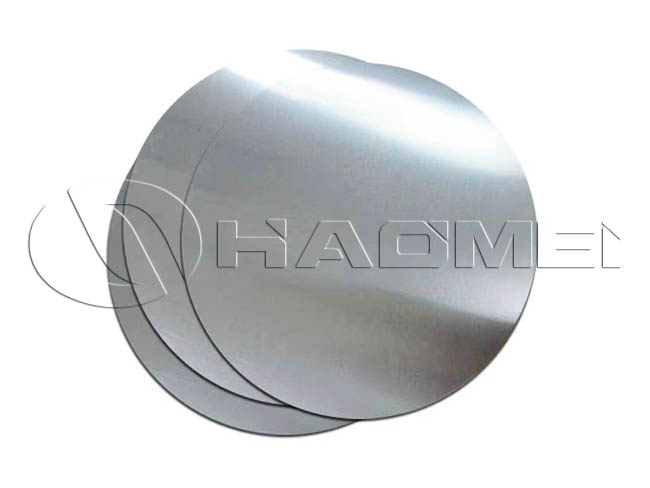
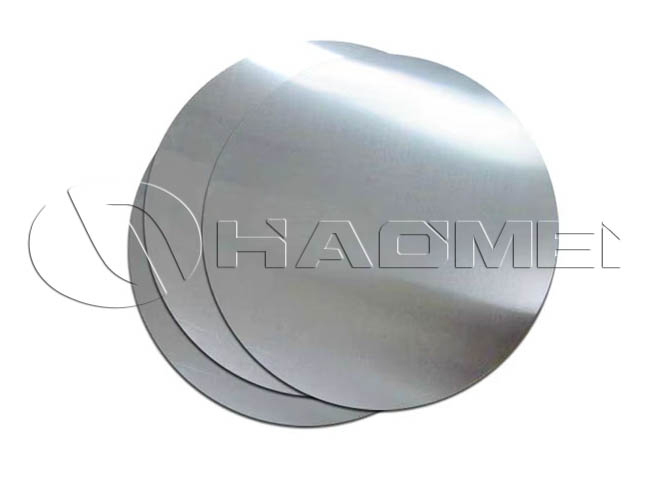
As an aluminum circle manufacturer, we produce 1050, 1060, and 1100 aluminum discs for cookware applications that require stable deep drawing performance, clean surfaces, controlled thickness tolerance, and reliable batch consistency. These 1000 series aluminum alloys are widely used for frying pans, saucepans, pressure cooker bodies, non-stick cookware bases, lids, kettles, and other formed kitchenware because they combine high aluminum purity with excellent formability and thermal conductivity.
Our production is organized around the requirements of cookware manufacturers. In practical forming operations, an aluminum disc must not only meet the nominal alloy and size. It must also support drawing, spinning, impact forming, trimming, annealing, surface treatment, coating, and final assembly. For this reason, we control the complete process from coil selection, slitting, blanking, annealing, leveling, cleaning, inspection, and packaging.
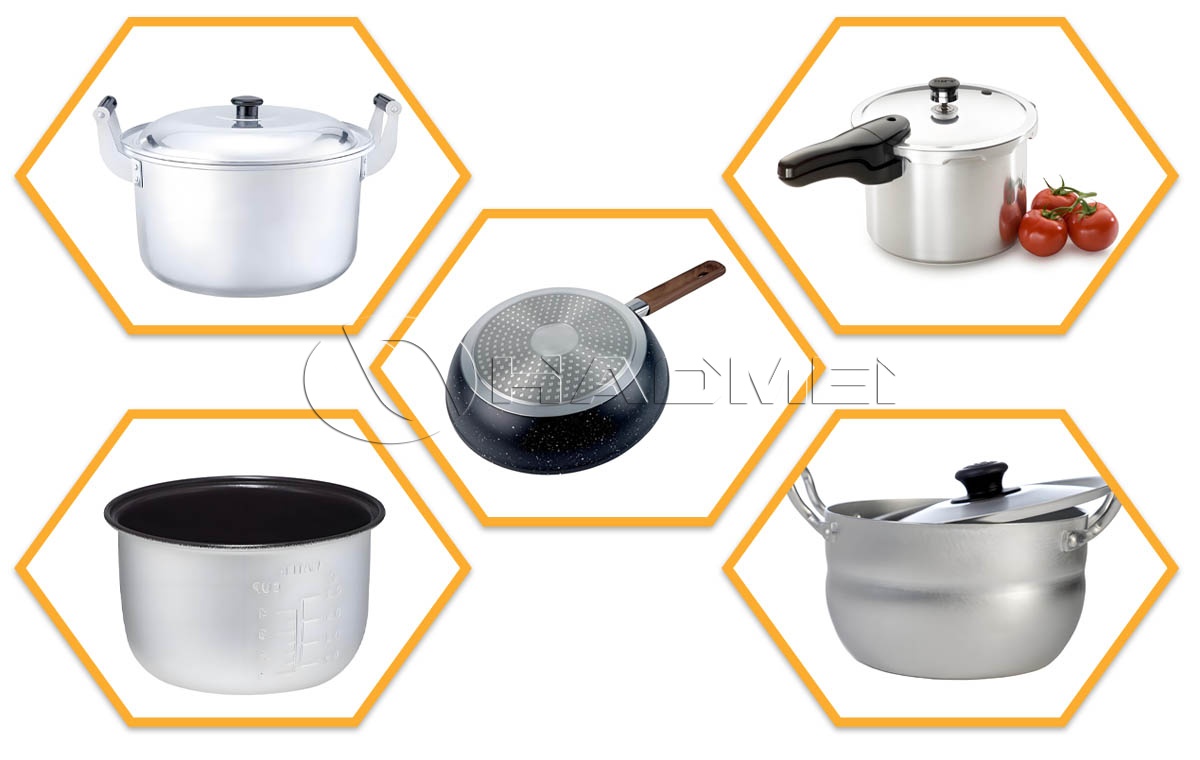
1050, 1060, and 1100 aluminum discs belong to the commercially pure aluminum series. Their main advantage is high ductility, which helps the blank flow evenly during deep drawing or spinning. Compared with harder aluminum alloys, these grades reduce the risk of cracking at the side wall, orange peel texture after forming, and uneven deformation during multi-stage drawing.
For cookware production, the material also needs good heat transfer. Aluminum has high thermal conductivity, so heat can spread quickly across the pan or pot body. This supports more uniform cooking performance and is one of the reasons why aluminum circles are a common raw material for non-stick cookware and pressed kitchenware.
In our factory, the selection between 1050, 1060, and 1100 is usually based on forming depth, surface requirements, target cost, and the downstream coating or anodizing process. Buyers who need a standard commercially pure aluminum solution often choose 1050 Aluminum Circle for general cookware blanks. For higher purity and slightly improved conductivity, 1060 is also widely specified. For applications requiring a balanced combination of strength, formability, and industrial availability, 1100 is a practical choice.
Although 1050, 1060, and 1100 aluminum discs are similar in appearance, their compositions and performance details are not identical. A cookware producer should evaluate the alloy according to the final product design and forming process.
1050 aluminum discs normally contain at least 99.5 percent aluminum. They provide excellent elongation and are suitable for common deep drawn cookware, lids, and non-stick pan substrates. 1060 aluminum discs contain at least 99.6 percent aluminum and offer very good softness in O temper, making them suitable for deep drawing applications with more demanding deformation. 1100 aluminum discs contain at least 99.0 percent aluminum, with small additions that provide a slightly different mechanical profile. They are often used where stable processing and good surface performance are required.
Excellent deep drawing performance, ideal for pots, pans, and kitchenware forming
High thermal conductivity for fast and even heat distribution
Smooth surface quality, suitable for anodizing and non-stick coating
Good corrosion resistance, ensuring long service life
Soft temper (O/H12), easy for spinning and stamping processes
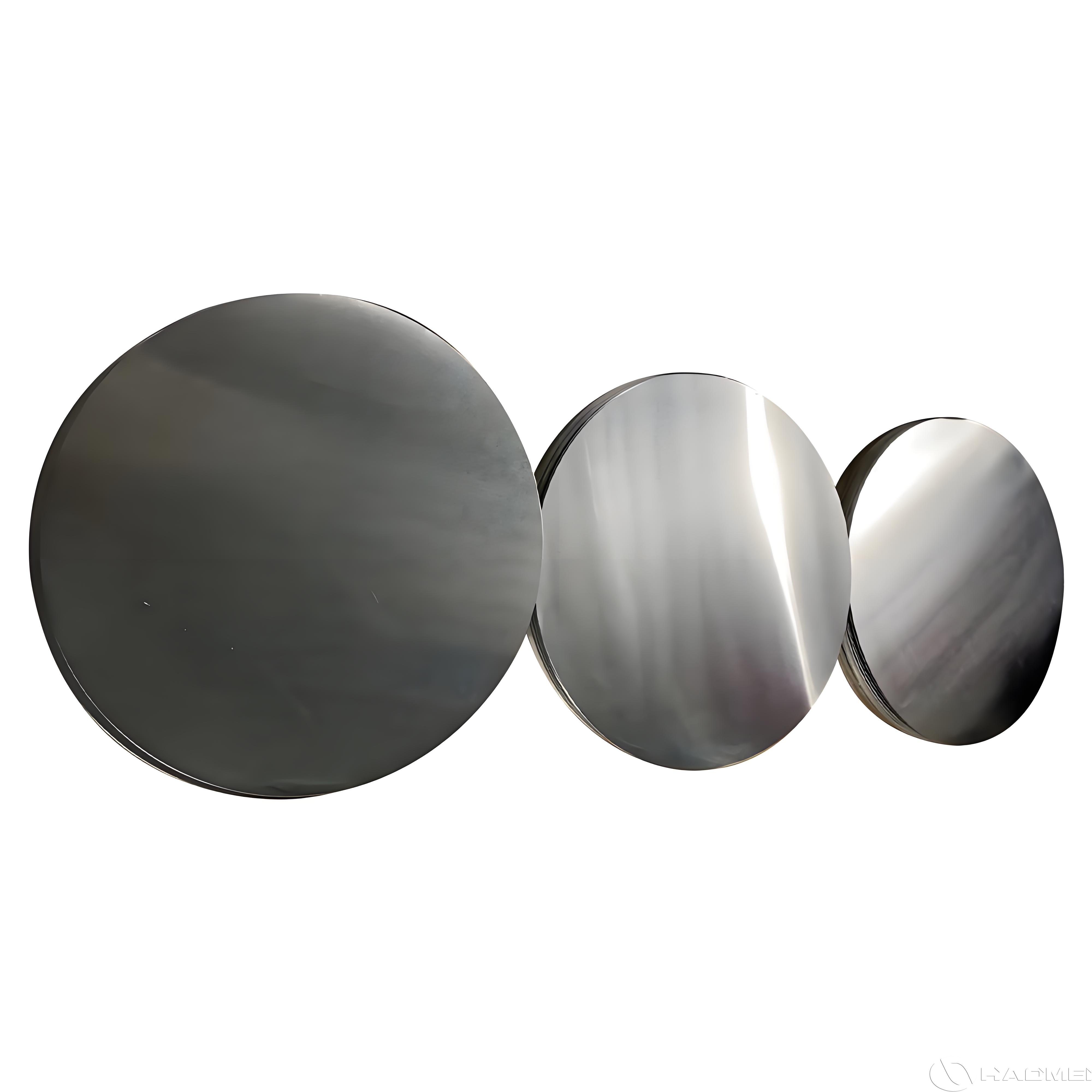
The following table shows our common manufacturing range for high formability 1050, 1060, and 1100 aluminum discs for cookware. Special dimensions and tolerances can be discussed according to drawing requirements and production feasibility.
| Item | Standard Manufacturing Range |
|---|---|
| Alloy | 1050, 1060, 1100 |
| Temper | O, H12, H14, H16, H18, custom annealed temper |
| Thickness | 0.3 mm to 6.0 mm |
| Diameter | 80 mm to 1200 mm |
| Diameter tolerance | Typically +/-0.5 mm to +/-1.5 mm, depending on size |
| Thickness tolerance | As per EN, ASTM, or customer specification |
| Surface | Mill finish, degreased surface, bright surface upon request |
| Edge condition | Smooth edge, burr controlled, suitable for drawing and spinning |
| Shape | Round disc, aluminum circle, aluminum wafer |
| Typical applications | Frying pans, saucepans, pressure cookers, pot lids, kettles, cookware bases |
| Standards | ASTM B209, EN 573, EN 485, GB/T standards, or agreed technical specification |
| Packaging | Moisture-resistant paper, plastic film, wooden pallet or wooden case |
| Alloy | Al Minimum | Main Characteristics |
|---|---|---|
| 1050 | 99.50 percent | Excellent ductility, good surface quality, suitable for common cookware drawing |
| 1060 | 99.60 percent | Higher purity, very good thermal conductivity, suitable for deep drawing blanks |
| 1100 | 99.00 percent | Good formability and practical strength, stable industrial processing performance |
The actual chemical composition is controlled by batch and verified through incoming material inspection and production records. If the buyer has specific limits for Fe, Si, Cu, or other elements, we can evaluate the requirement before order confirmation.
Temper selection is critical for cookware forming. For deep drawing, O temper is commonly preferred because it provides maximum softness and elongation. H12 or H14 may be used when the product design requires moderate hardness or when the forming process is less severe. H16 and H18 are generally selected for shallower parts or applications where higher strength is required after blanking.
| Alloy and Temper | Typical Tensile Strength | Typical Elongation | Common Cookware Use |
|---|---|---|---|
| 1050 O | 60 MPa to 95 MPa | 25 percent to 40 percent | Deep drawn pans, lids, general cookware bodies |
| 1060 O | 60 MPa to 95 MPa | 25 percent to 40 percent | Deep drawing, spinning, high conductivity cookware |
| 1100 O | 75 MPa to 110 MPa | 20 percent to 35 percent | Cookware bodies, lids, kitchen containers |
| 1050 H14 | 95 MPa to 125 MPa | 5 percent to 12 percent | Shallow drawing, lids, pressed parts |
| 1060 H14 | 95 MPa to 125 MPa | 5 percent to 12 percent | Shallow cookware components |
| 1100 H14 | 105 MPa to 145 MPa | 5 percent to 12 percent | Formed parts requiring better stiffness |
Values in this table are typical references and may vary according to thickness, annealing route, and applicable standards. For mass production, we recommend confirming the mechanical property range before the first shipment.
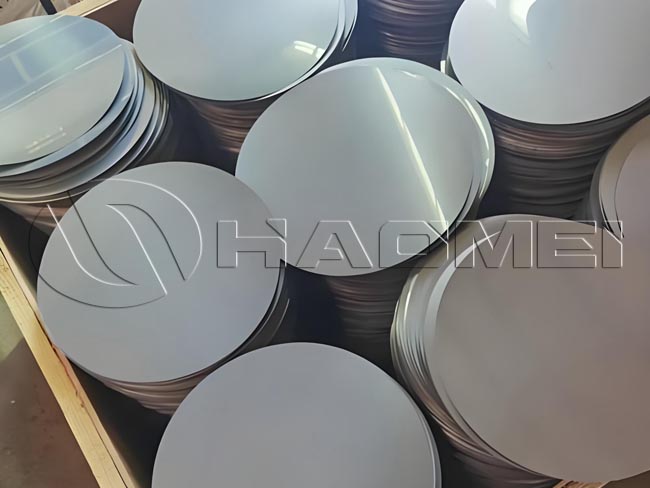
Our aluminum disc production starts with aluminum coils selected according to alloy, thickness, and surface condition. The coils are inspected before processing to confirm that they meet the order requirements. After slitting, the strips are fed into blanking equipment to produce round discs with controlled diameter and edge quality.
Annealing is a key step for high formability aluminum discs. We control furnace temperature, holding time, loading method, and cooling process to obtain consistent softness and elongation. Poor annealing can cause uneven drawing behavior, while excessive annealing may affect handling strength. For cookware customers, we can adjust the annealing schedule according to the drawing depth, equipment type, and final product design.
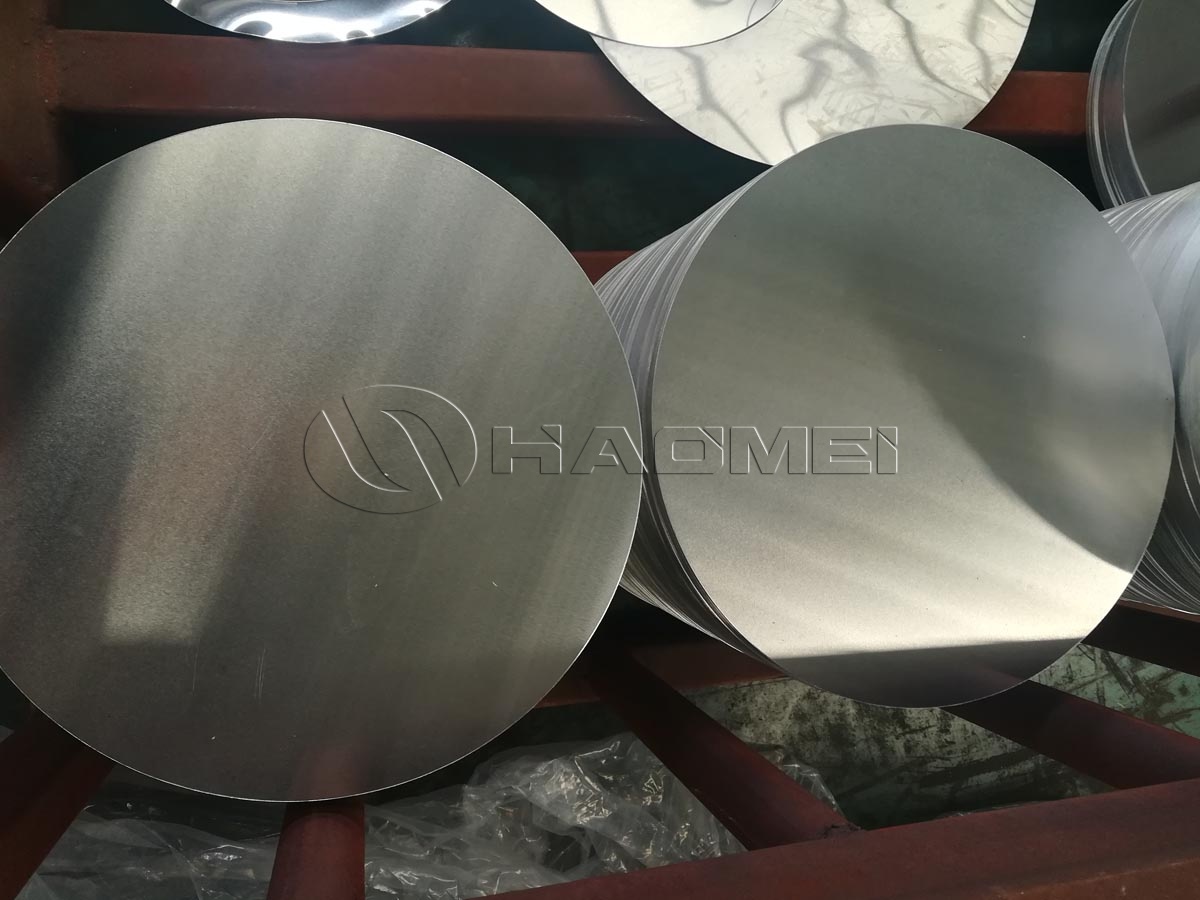
After annealing, aluminum circles may be leveled, cleaned, and inspected. Surface cleanliness is important for non-stick coating, enamel coating, hard anodizing, and other finishing processes. Oil stain, embedded particles, scratches, or oxidation marks can affect downstream yield. Therefore, we pay close attention to surface protection during internal handling and final packing.
Cookware manufacturers often require a clean aluminum disc surface because surface defects may remain visible after forming or influence coating adhesion. Our inspection includes visual checking under appropriate lighting, dimensional measurement, thickness verification, and edge burr assessment.
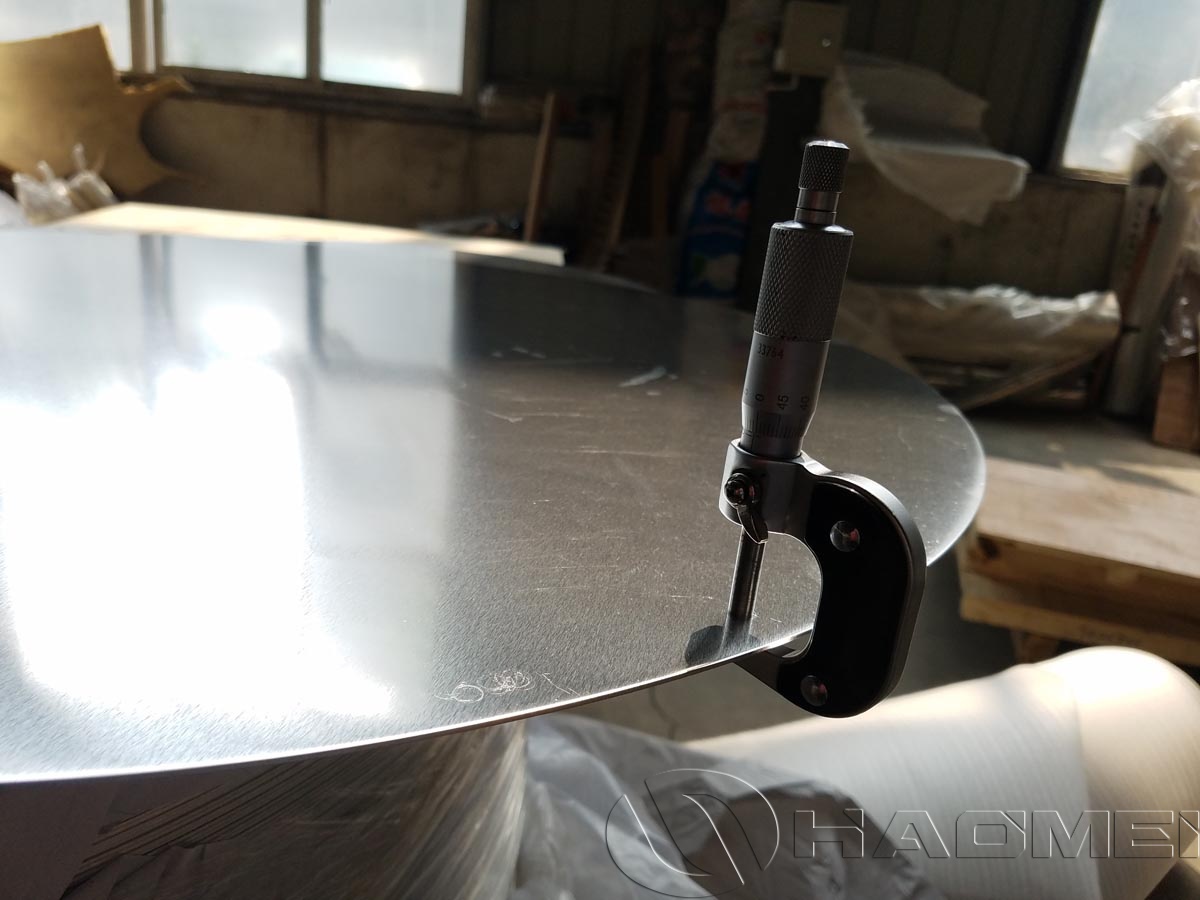
For deep drawing aluminum discs, edge quality is especially important. Excessive burr may scratch tooling, create stress concentration, or affect the finished rim after forming. We control cutting clearance and tool maintenance to keep the edge smooth and consistent. When required, we can discuss stricter burr control or specific edge inspection methods for automated cookware production lines.
1050, 1060, and 1100 aluminum discs are widely used in non-stick cookware because they can be formed into pan shapes with a smooth internal surface. After forming and cleaning, the cookware body may be sandblasted, sprayed, coated, cured, and assembled with handles or induction bases. Consistent aluminum disc quality supports stable coating thickness and better production efficiency.
For pressure cooker components, cookware aluminum discs must withstand more demanding forming and trimming processes. The material needs good elongation and stable thickness distribution after drawing. We recommend O temper for deeper pressure cooker bodies and carefully controlled H temper for lids or shallower components. For customers using 1100 material, our 1100 Aluminum Circle can be produced with customized diameter, thickness, and packing methods according to production line requirements.
In cookware factories, material stability affects not only product quality but also production speed. Diameter variation may cause feeding problems or inconsistent centering in drawing tools. Thickness variation may influence wall thickness after forming, coating weight, and final product weight. We use measuring tools and sampling plans to check thickness, diameter, and flatness during production.
Flatness is another practical factor. Aluminum discs that are heavily waved may not feed smoothly into automatic presses. Proper leveling, careful stacking, and strong packaging help reduce deformation during transport. When buyers place repeat orders, we keep production records to support consistent supply from batch to batch.
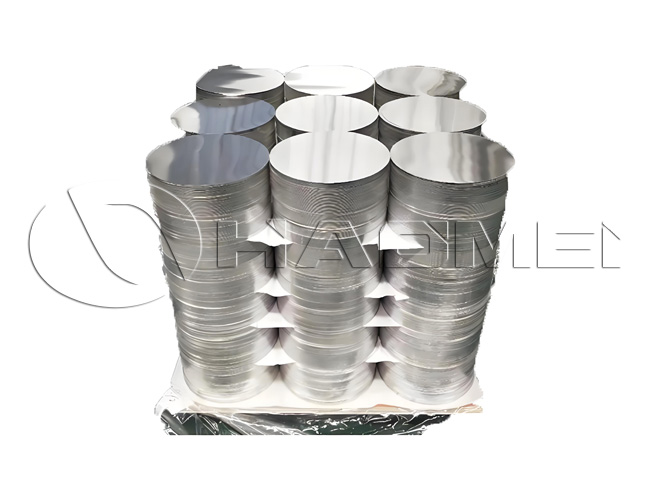
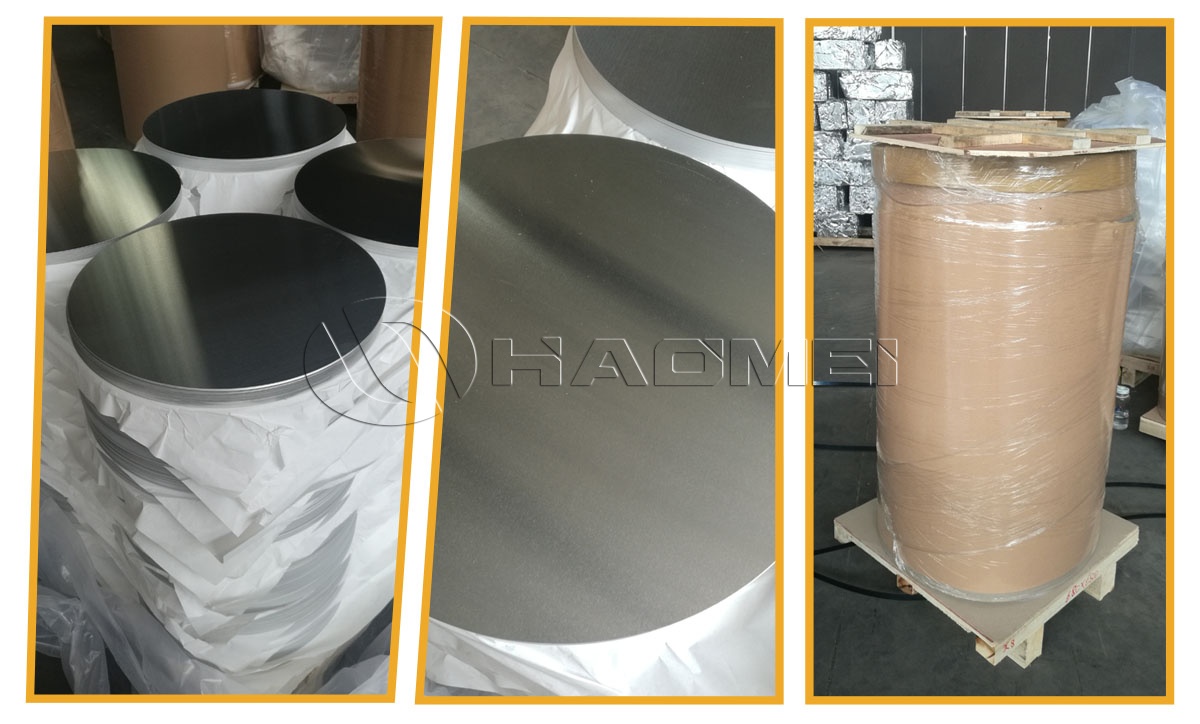
Export packaging must protect aluminum discs from moisture, abrasion, edge impact, and deformation. Our common packaging method includes moisture-proof paper, plastic film, desiccant when required, vertical or horizontal stacking, wooden pallets, steel straps, and protective boards. The final method depends on disc diameter, thickness, quantity, shipping route, and customer unloading conditions.
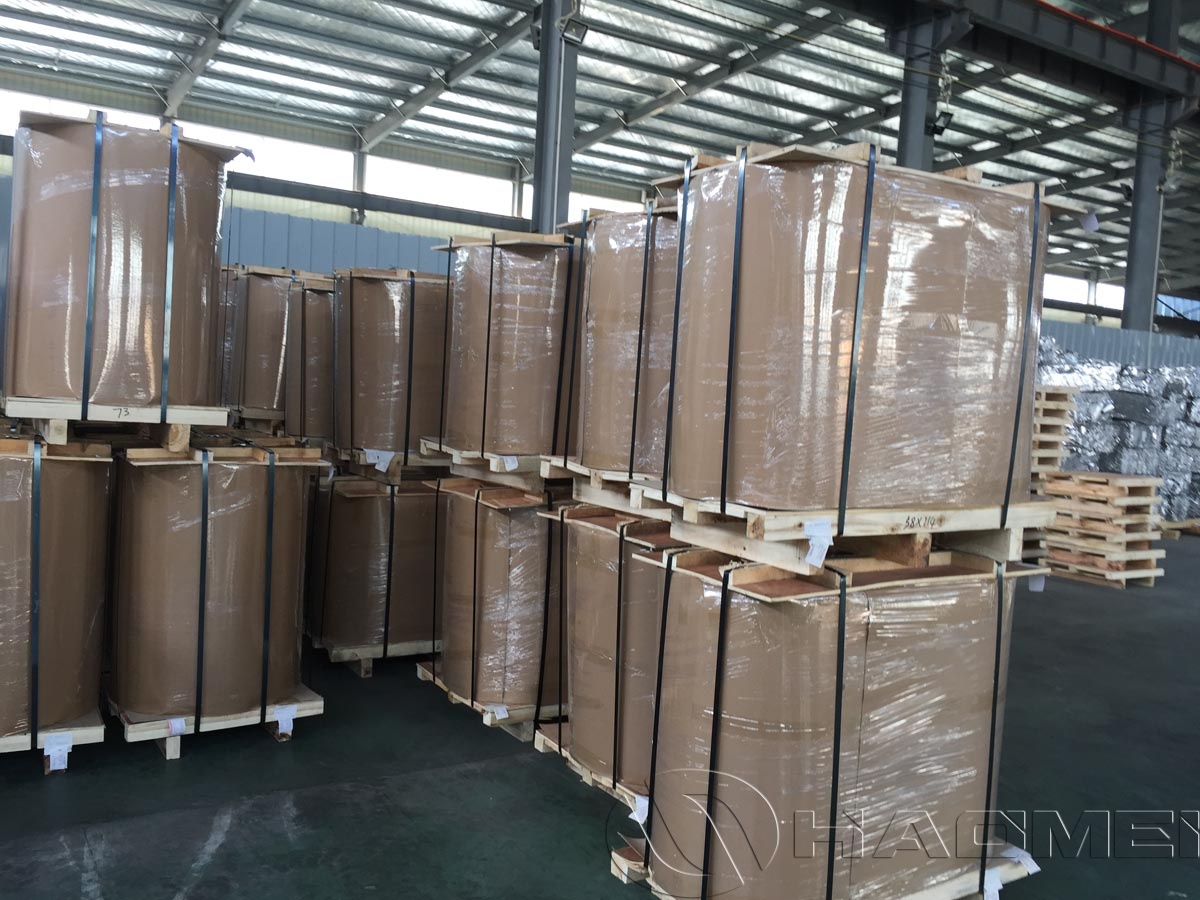
For container loading, we design the pallet arrangement to reduce movement during sea transportation. Labels can include alloy, temper, size, net weight, gross weight, batch number, and customer order reference. This helps buyers identify materials quickly after arrival and supports traceability during cookware production.
To avoid misunderstanding and improve production efficiency, buyers are advised to provide complete order information. The key items include alloy, temper, thickness, diameter, tolerance, surface requirement, edge requirement, quantity, packaging method, and applicable standard. If the material will be used for deep drawing, it is useful to provide the approximate drawing depth, final product type, and any previous forming issues.
For example, a non-stick frying pan producer may specify 1060 O temper aluminum circle, 2.5 mm thickness, 300 mm diameter, mill finish, burr-controlled edge, wooden pallet packaging, and ASTM B209 reference. A pressure cooker manufacturer may request 1050 O temper with stricter elongation and surface requirements. With clear specifications, we can recommend a suitable production route and inspection plan.
Our quality control is based on process stability and traceability. We inspect raw coils, monitor blanking dimensions, control annealing conditions, and check finished aluminum discs before packaging. For export orders, mill test certificates can be supplied according to the agreed standard. Third-party inspection can also be arranged when required by the buyer.
We understand that aluminum discs are not final consumer products. They are industrial blanks that must perform reliably in the buyer's own production system. Therefore, our focus is not only appearance, but also formability, dimensional accuracy, consistent temper, and practical usability during continuous cookware manufacturing.
High formability 1050, 1060, and 1100 aluminum discs are dependable materials for cookware manufacturing, especially for deep drawn pans, pressure cookers, lids, saucepans, kettles, and non-stick cookware substrates. As a factory, we control alloy selection, blanking accuracy, annealing quality, surface cleanliness, edge condition, and export packaging to help cookware manufacturers maintain stable production.
For engineering buyers and cookware producers, selecting the correct alloy and temper is essential. 1050 offers excellent general formability, 1060 provides higher purity and strong thermal performance, and 1100 delivers a practical balance for many formed cookware parts. With complete specifications and controlled manufacturing, aluminum circles can support efficient forming, reliable coating preparation, and consistent finished cookware quality.


Office Address:
No.14 Waihuan Road, CBD, Zhengzhou, China
Contact Us
HAOMEI Aluminum offer an custom aluminum circle for you!
whatsapp: +86-18703635966
Email: sales@alummc.com
Email: alummc@hotmail.com
Request Free Sample & Quotation
Copyright © 2026 By HAOMEI Aluminum CO., LTD. All Rights Reserved. Sitemap
 +86-18703635966
 sales@alummc.com
 8618703635966
