
 No.14 Waihuan Road, CBD, Zhengzhou, China
 +86-18703635966

No.14 Waihuan Road, CBD, Zhengzhou, China
+86-18703635966
International cookware buyers often face the same problems when sourcing aluminum circles for pots: inconsistent drawing performance, orange peel after forming, edge cracking during spinning, uneven anodizing, and variable thickness that leads to hot spots and deformation after repeated heating. These issues typically trace back to two root causesmaterial selection (alloy and temper) and process suitability (deep drawing vs. spinning vs. stamping).
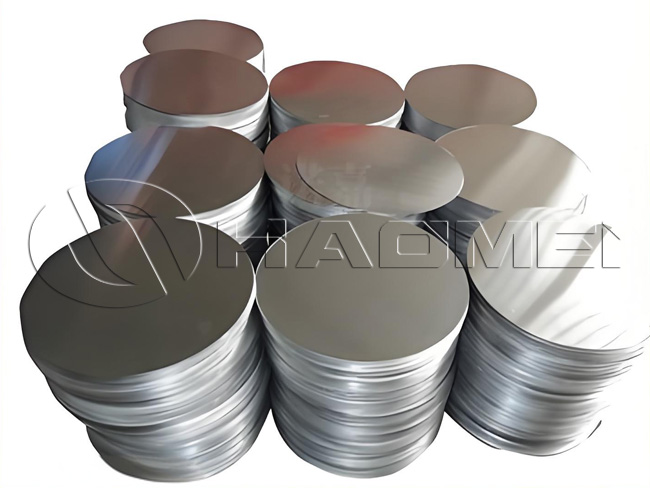
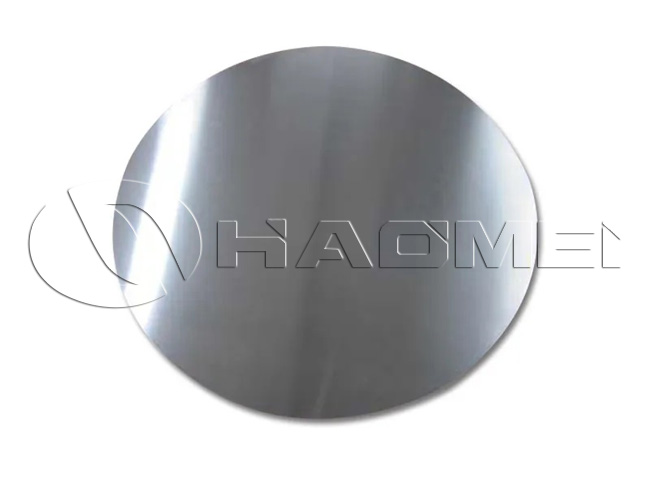
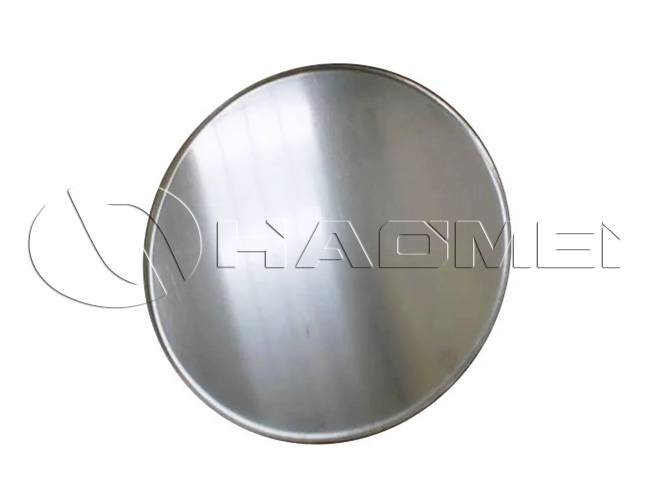
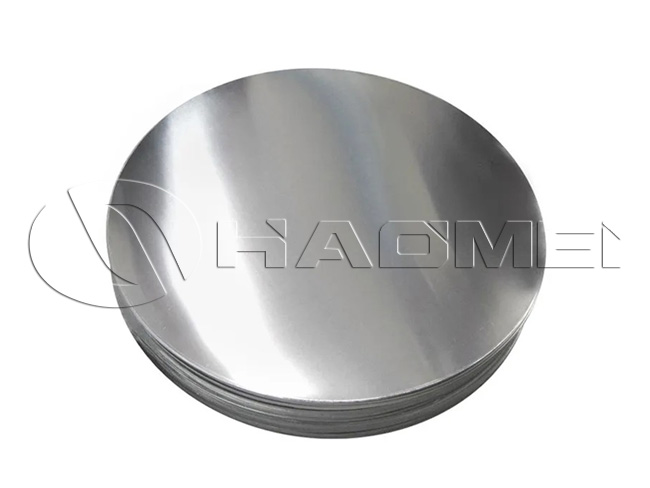
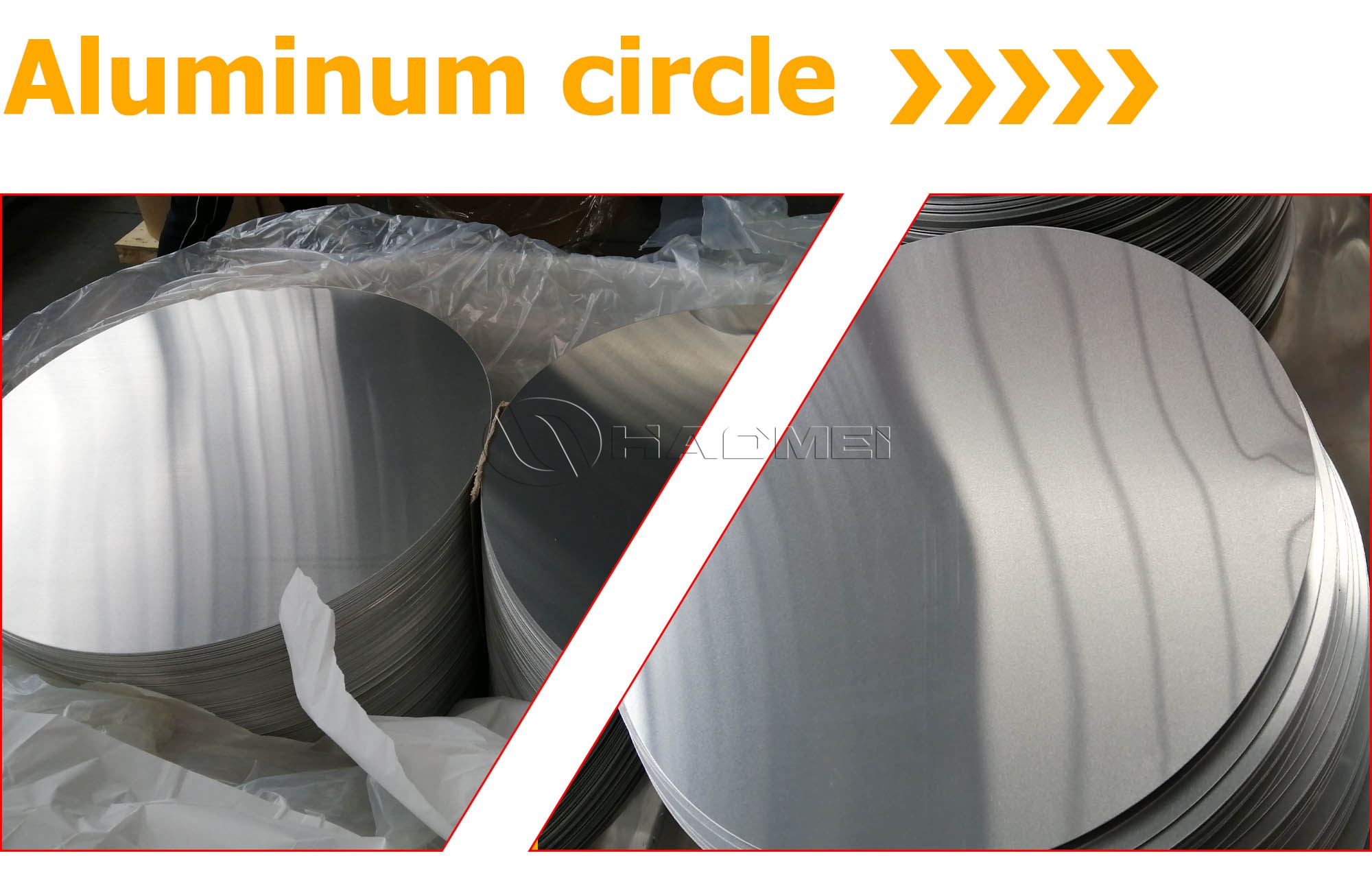
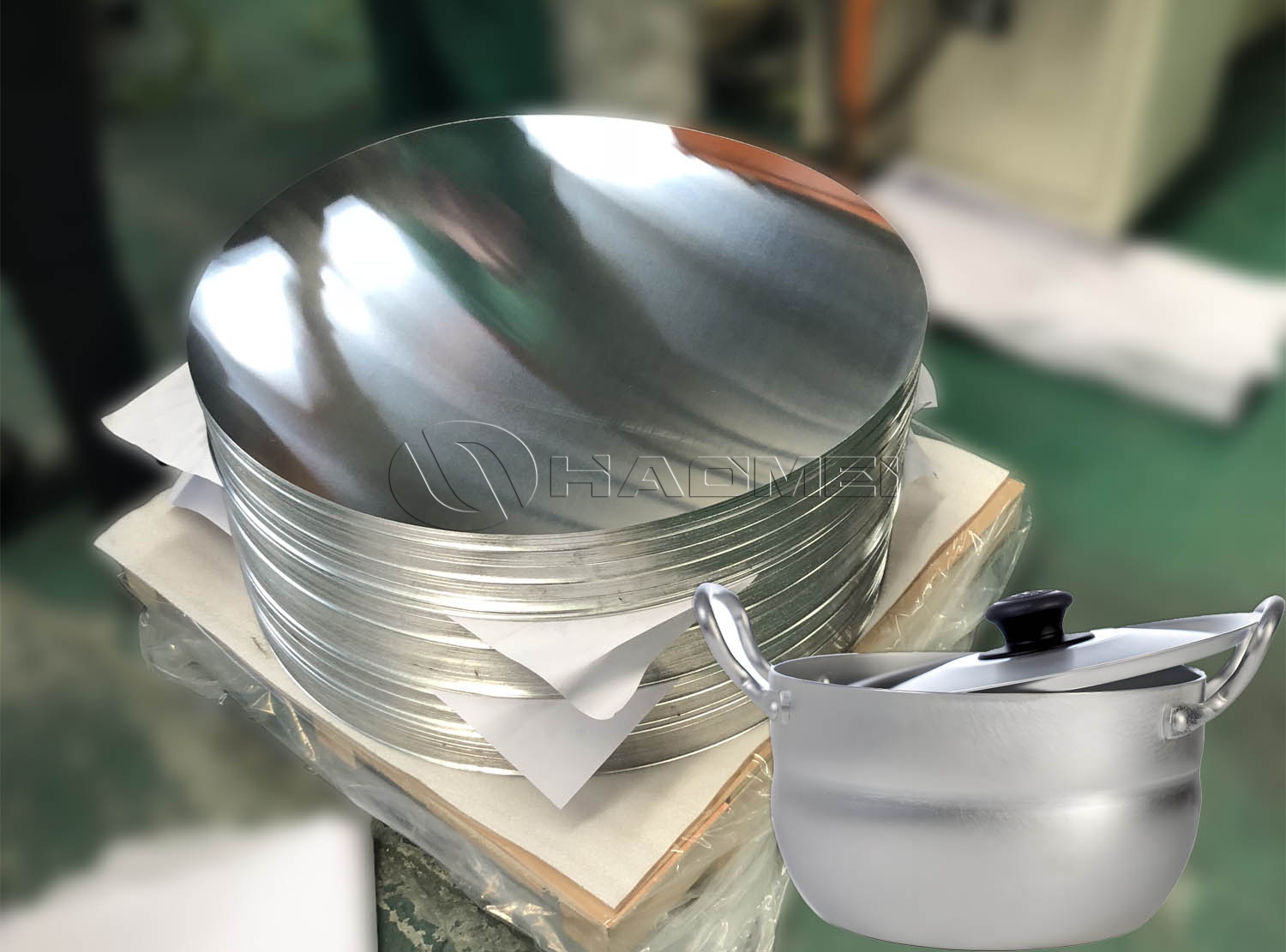
For cookware and pot manufacturing, 1050, 1060, and 1100 DC aluminum circle/disc are widely used because they offer reliable formability, stable surface quality, and predictable performance in common finishing routes. This article explains the practical differences among these alloys and the O, H12, and H14 tempers, with an emphasis on processing behavior and typical pot applications for overseas buyers.
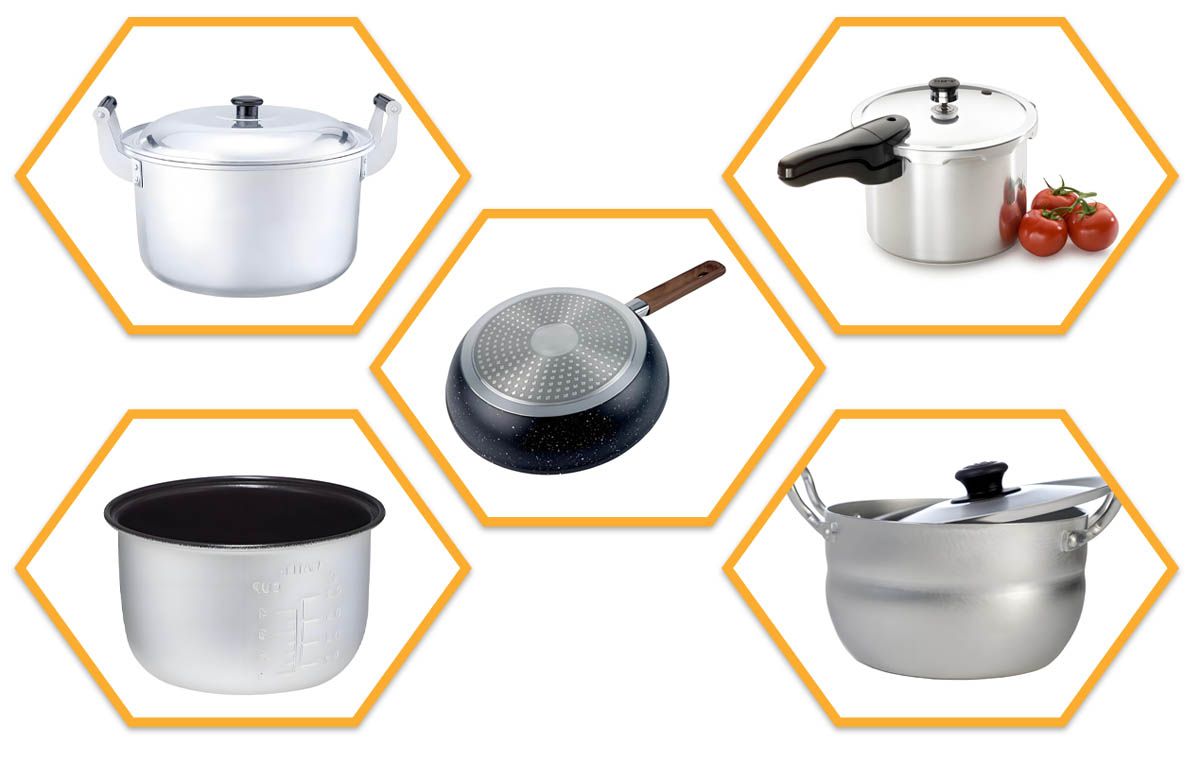
A pot is not just a formed shell. It is a formed shell that must withstand:
Multi-stage forming (deep drawing and/or spinning)
Thermal cycling (heating and cooling over long service life)
Surface finishing (anodizing, painting, non-stick coating)
Consistent heat transfer for even cooking
In many export supply chains, buyers specify DC (Direct Chill) cast aluminum circles because DC-based sheet/coil feeding into circle production tends to support more consistent forming behavior versus less controlled routes. For pot bodies, the practical goal is simple: stable elongation and surface quality during forming, paired with a clean, coat-friendly surface.
When evaluating aluminum circles for pots, buyers typically focus on:
Formability and ductility: affects deep drawing depth, spin forming stability, and resistance to cracking.
Surface quality: influences coating adhesion, anodizing uniformity, and cosmetic appearance.
Thickness consistency: affects heating uniformity and dimensional control.
Low defect risk: reduces tool marks, tearing, ear formation, and scrap.
All three belong to the 1xxx series, known for high aluminum purity and strong corrosion resistance. In cookware manufacturing, these alloys are often chosen when the priority is forming performance and surface consistency, rather than high structural strength.
1050 aluminum circle is commonly selected for standard pot bodies, lids, and formed cookware parts where dependable deep drawing and coating performance are required. It provides a good balance of formability and cost control in high-volume production.
1060 aluminium circle is frequently used when buyers want slightly improved formability and fewer forming defects in challenging shapes. It is also a common choice for cookware lines that require stable spinning performance.
1100 aluminum circle is well known in applications where surface finish and corrosion resistance are prioritized. Buyers may consider it for certain cookware bodies, inner liners, or parts requiring stable finishing, depending on their manufacturing route.
Note for overseas buyers: alloy choice is usually finalized based on your forming method (deep drawing vs spinning), target thickness, pot diameter, and finish route (anodized vs painted vs non-stick). Testing with your tooling is recommended before locking a large procurement contract.
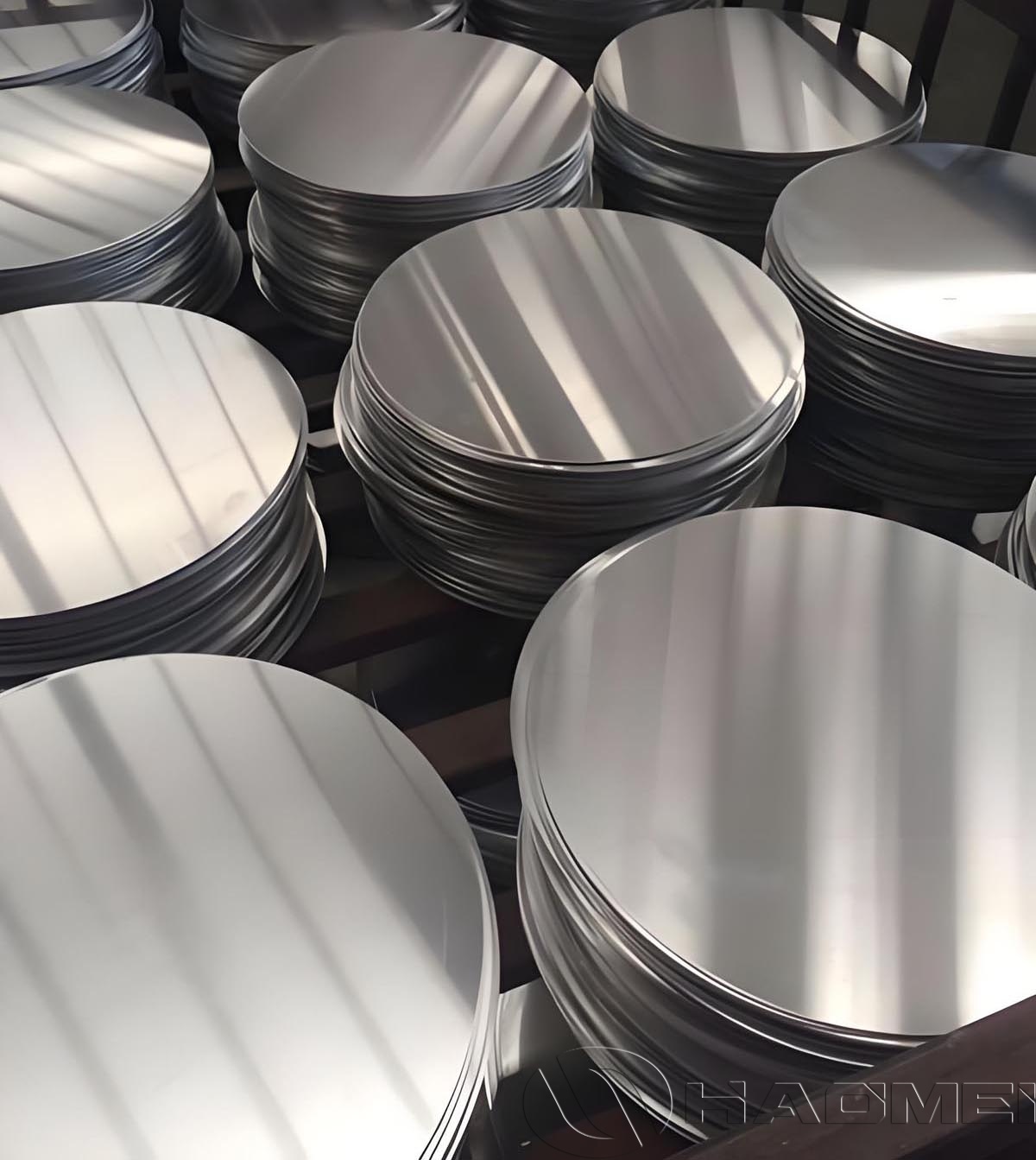
Temper selection is one of the most common sources of purchasing mismatch. An alloy may be correct, but the wrong temper can cause cracking, springback, or poor dimensional stability.
O temper aluminum circle is annealed for maximum ductility. For cookware factories performing deep drawing, especially multi-draw operations or deeper pot bodies, O temper is often the safest selection.
When O temper is commonly used:
Deep drawn pot bodies (medium to deep draws)
Parts requiring multiple drawing steps
Shapes sensitive to cracking or earing
Benefits in processing:
Better resistance to tearing during deep drawing
More stable draw depth capability
Lower risk of edge cracking during subsequent forming
Trade-offs:
Lower strength than work-hardened tempers
May require careful handling to avoid dents
H12 indicates strain-hardened (work-hardened) to a lower level than H14. It can be used when manufacturers want more stiffness than O temper while maintaining acceptable formability.
When H12 is commonly used:
Shallow drawing
Spinning where moderate strength helps stability
Pot parts requiring better rigidity during handling
H14 is more work-hardened than H12 and provides higher stiffness. It is typically preferred for shallow formed cookware components, lids, and parts where dimensional stability is more critical than maximum draw depth.
When H14 is commonly used:
Lids, shallow pans, and formed accessories
Parts with lower draw ratio requirements
Lines prioritizing stiffness and reduced deformation
Caution: For deep drawing pot bodies, H14 may increase the risk of cracking depending on geometry and tooling.
Choosing 1050/1060/1100 DC aluminum circle is usually about predictable processing. Below is how these circles typically perform in common cookware processes.
For deep drawing, buyers commonly specify O temper to reduce cracking and support deeper draw ratios. A stable surface and consistent thickness are important to avoid wrinkles and tears.
What buyers should confirm with suppliers:
Suitability for deep drawing operations (based on your draw depth)
Surface cleanliness for post-forming coating
Consistency from batch to batch
Spinning can tolerate slightly harder tempers depending on geometry and equipment. Many cookware producers use O or H12 for spinning pot bodies, while H14 is more typical for shallow shapes.
Clean edges help reduce secondary defects. If your process includes trimming, flanging, or curling, temper and thickness consistency become important to control cracking on edges.
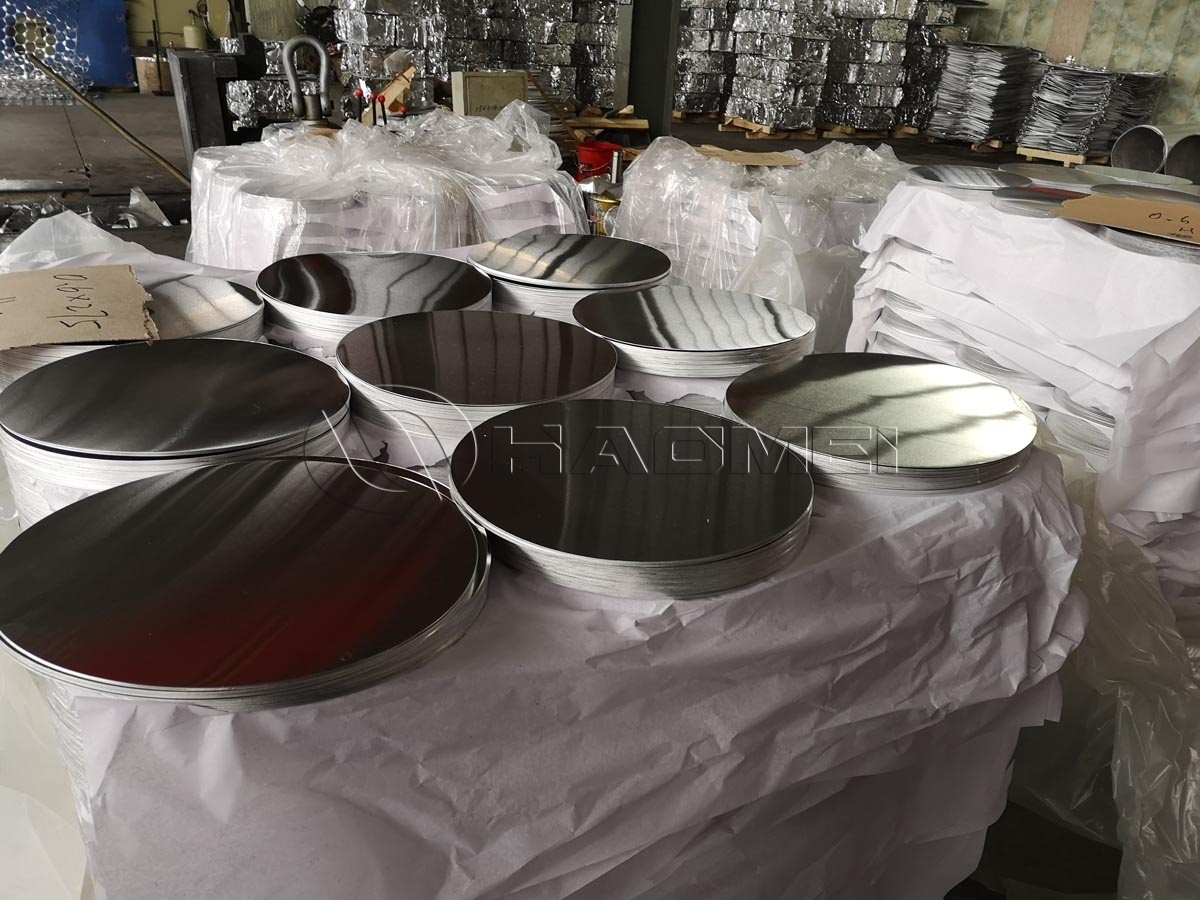
Overseas buyers commonly procure aluminum circles/discs for:
Stock pots and sauce pots (deep drawn bodies)
Cooking pots and kettles (deep drawing or spinning)
Lids and covers (often shallow formed, may use H12/H14)
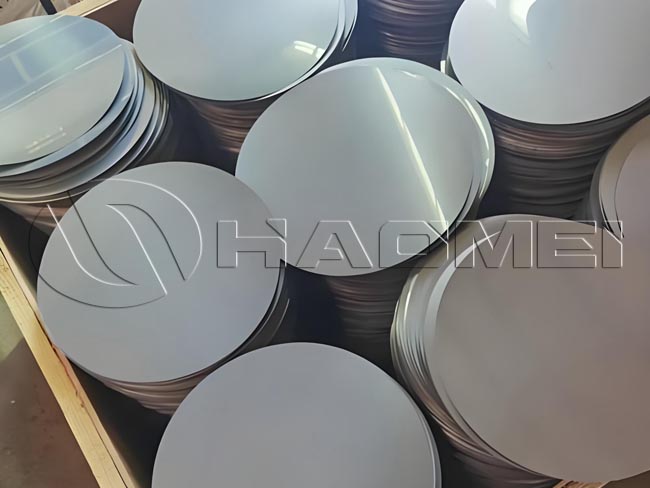
Cookware blanks for later forming and coating
The final use often drives temper choice:
Deep drawn pot body typically O temper
Shallow formed lid/pan typically H12 or H14
Mixed forming route (draw + spin) commonly O or H12 based on tooling
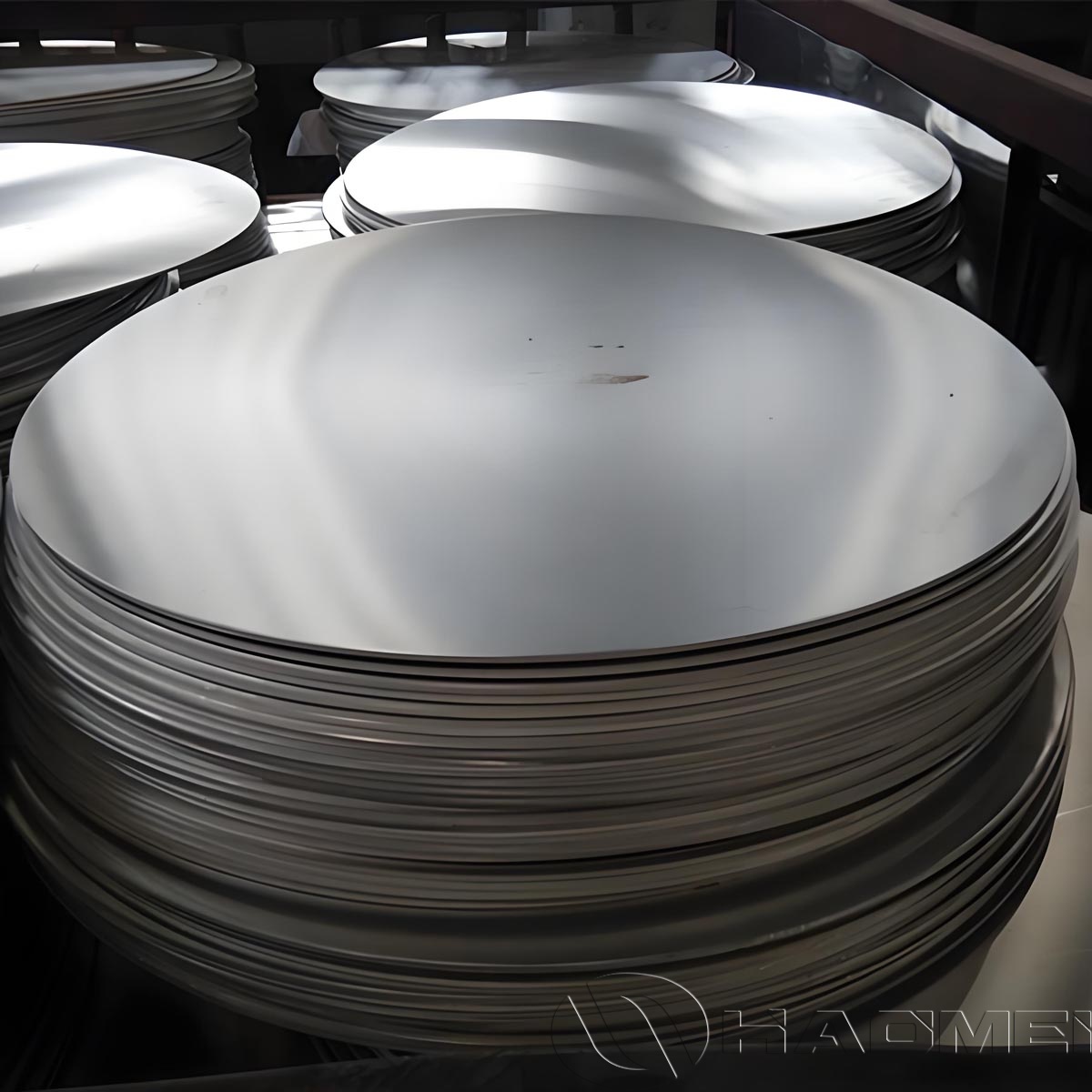
To reduce disputes and ensure the aluminum circle matches your pot tooling, include:
Alloy: 1050 / 1060 / 1100
Temper: O / H12 / H14
Manufacturing route: deep drawing or spinning (and number of draws if known)
Diameter range and thickness range
Surface/finish requirement (e.g., mill finish for coating, anodizing route)
Edge requirement (how you will form/curl/trim)
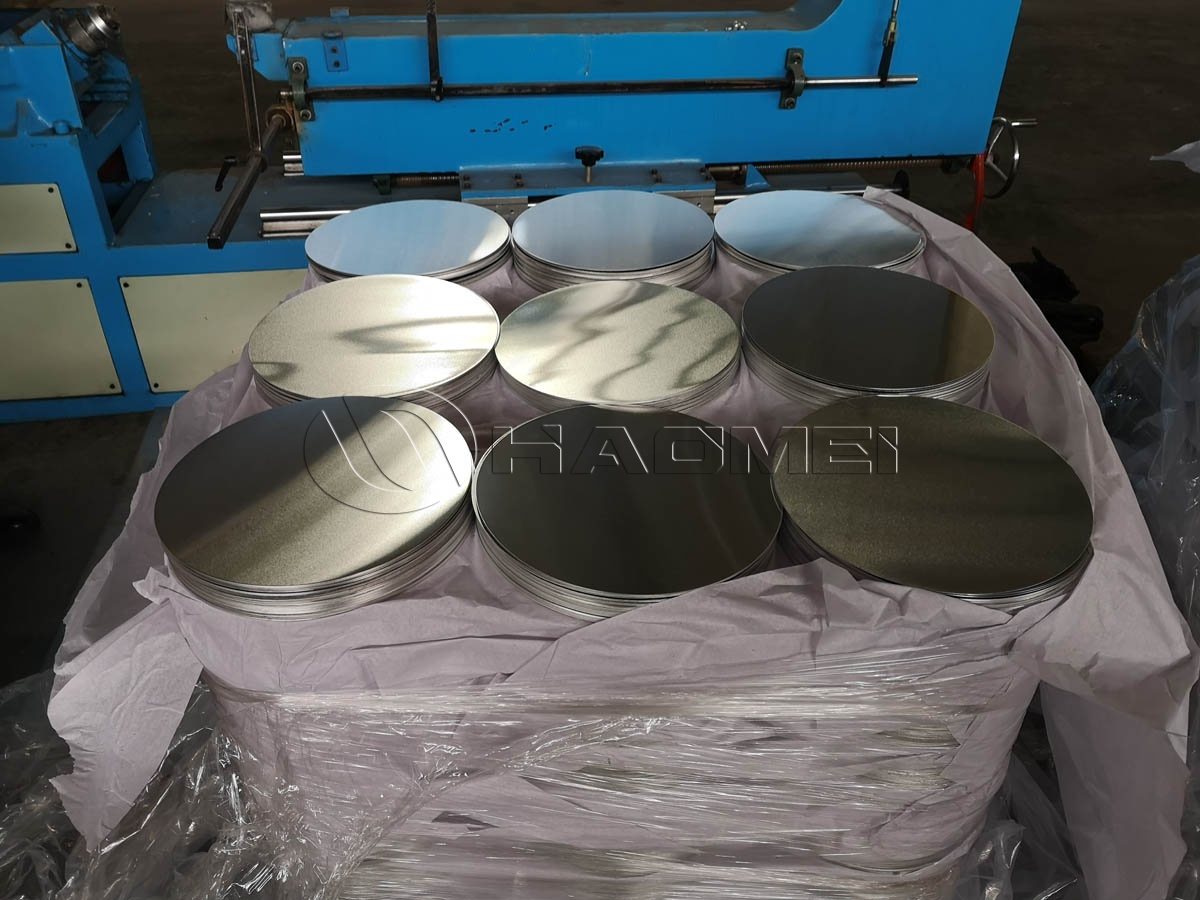
Packaging and export handling expectations
Requirements vary by country, buyer, and application. The table below lists commonly referenced standards and quality documents in global aluminum trade. Selection should be confirmed against your project and compliance needs.
| Item | What it covers | Notes for buyers |
|---|---|---|
| EN 573 | Chemical composition of aluminum alloys | Often referenced for alloy designation in many markets |
| EN 485 | Mechanical properties and tolerances for wrought aluminum products | Relevant when specifying temper and tolerances |
| ASTM B209 | Aluminum and aluminum-alloy sheet and plate | Common reference in international procurement |
| ISO 9001 | Quality management system | Factory-level certification; does not define product properties |
| RoHS / REACH | Restricted substances and chemical compliance | Often requested for market access; applicability depends on supply chain |
Buyers should confirm which standard revision applies, and which properties must be included in the inspection certificate (e.g., alloy, temper, thickness, surface condition, dimensional tolerances).
If your priority is deep drawing performance and reduced cracking risk: choose 1050/1060 O temper based on your cost and draw requirements.
If your priority is balanced formability and stiffness (moderate forming, stable handling): consider H12.
If your priority is shape stability for shallow forming (lids and shallow parts): consider H14.
In most cookware projects, the best results come from aligning alloy + temper + forming route and confirming with a small tooling trial before mass production.


Office Address:
No.14 Waihuan Road, CBD, Zhengzhou, China
Contact Us
HAOMEI Aluminum offer an custom aluminum circle for you!
whatsapp: +86-18703635966
Email: sales@alummc.com
Email: alummc@hotmail.com
Request Free Sample & Quotation
Copyright © 2026 By HAOMEI Aluminum CO., LTD. All Rights Reserved. Sitemap
 +86-18703635966
 sales@alummc.com
 8618703635966
