
 No.14 Waihuan Road, CBD, Zhengzhou, China
 +86-18703635966

No.14 Waihuan Road, CBD, Zhengzhou, China
+86-18703635966
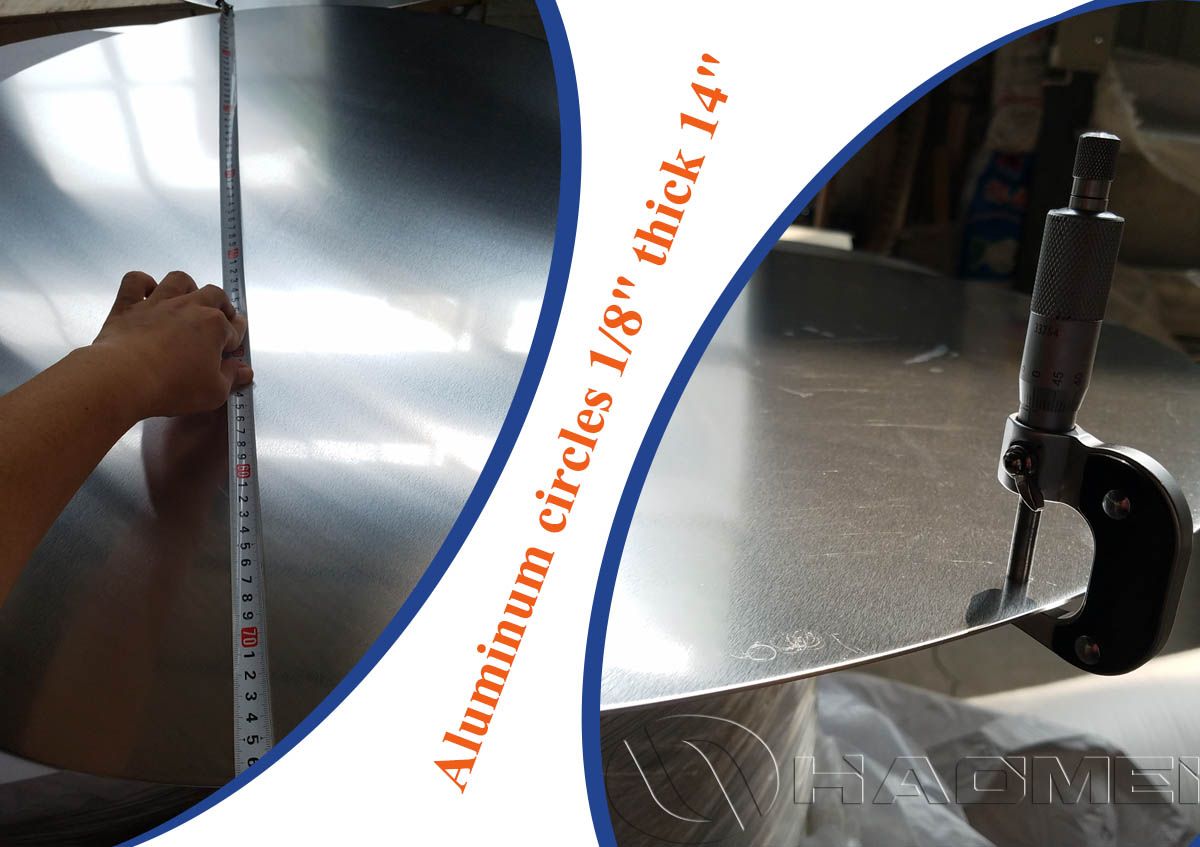
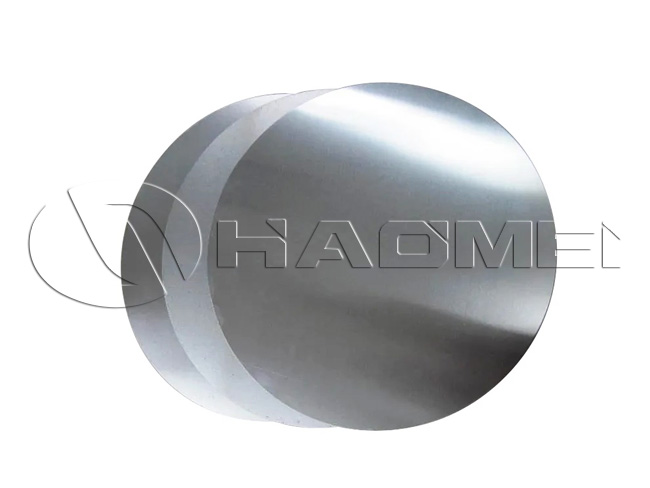
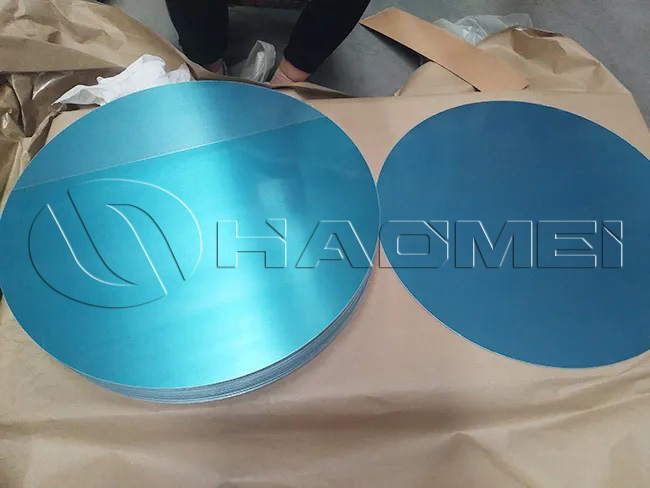
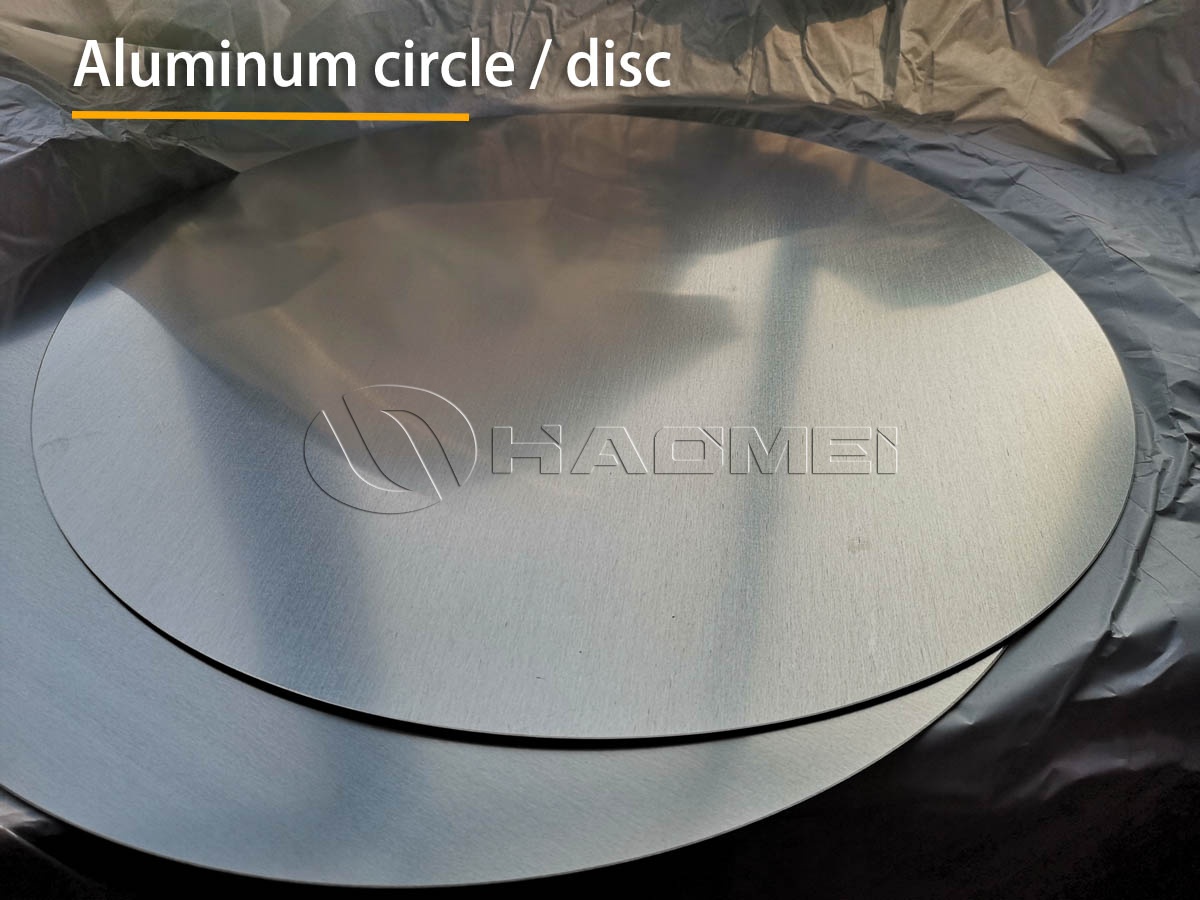
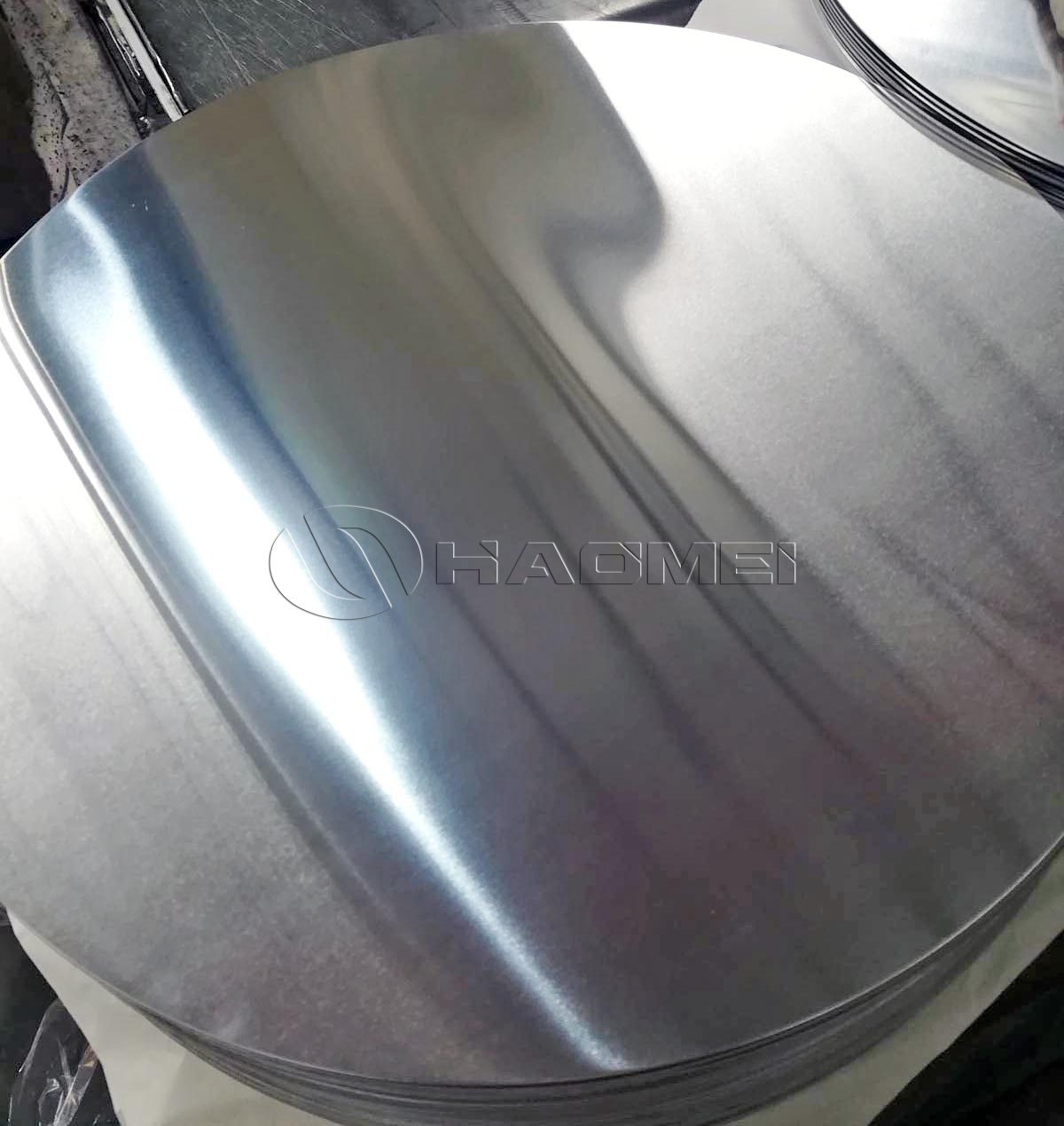
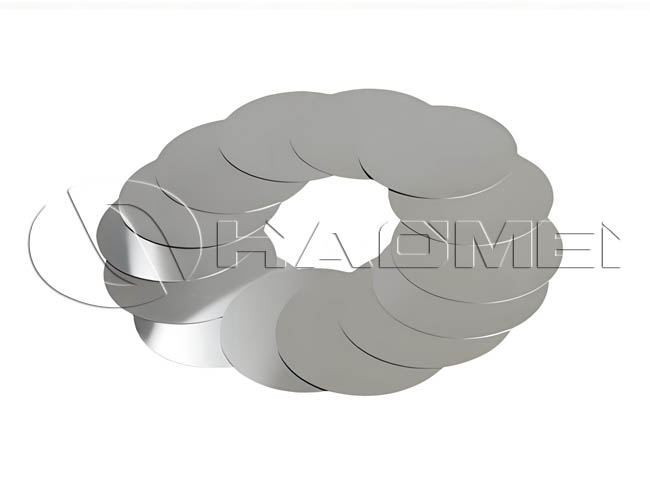
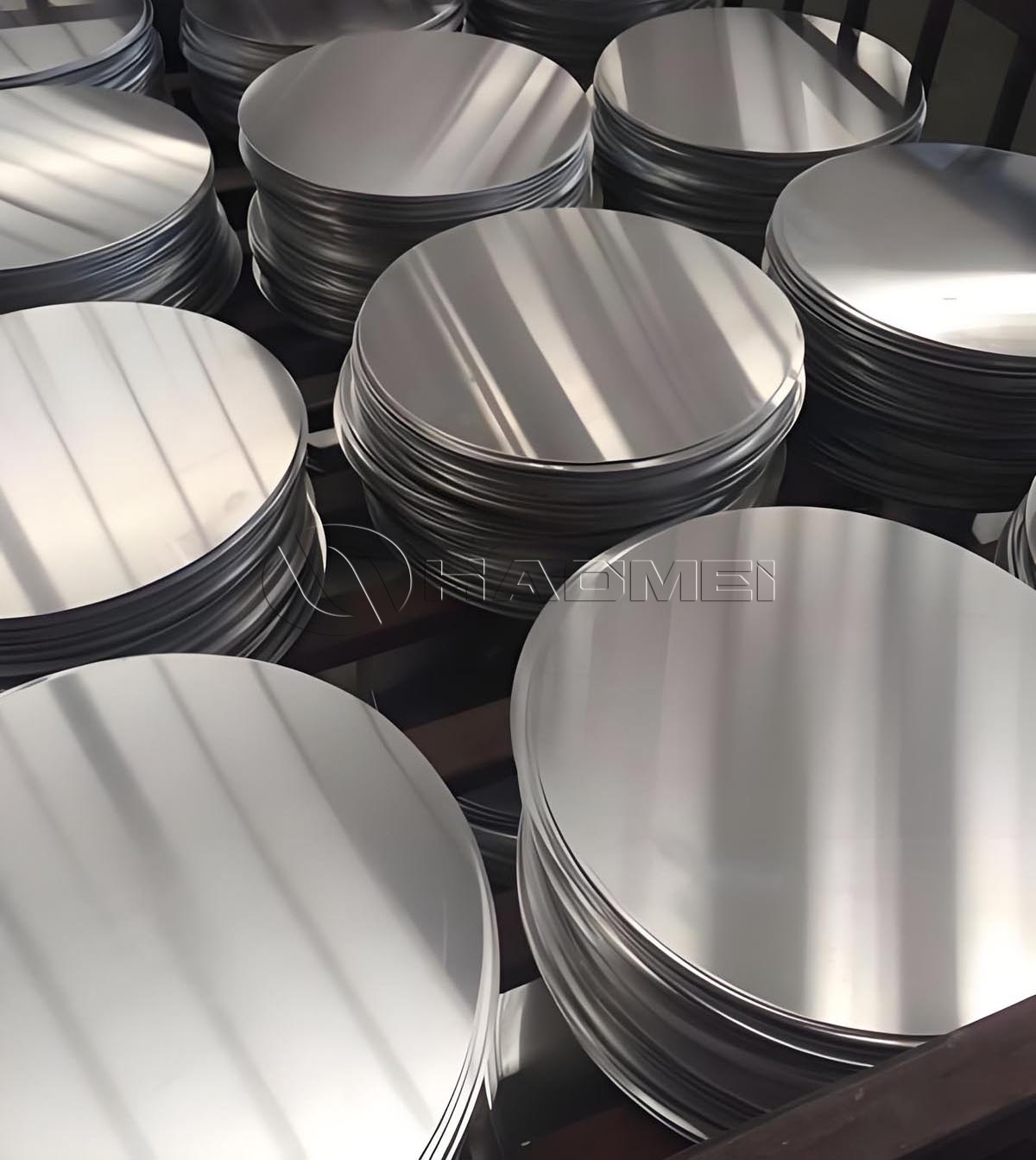
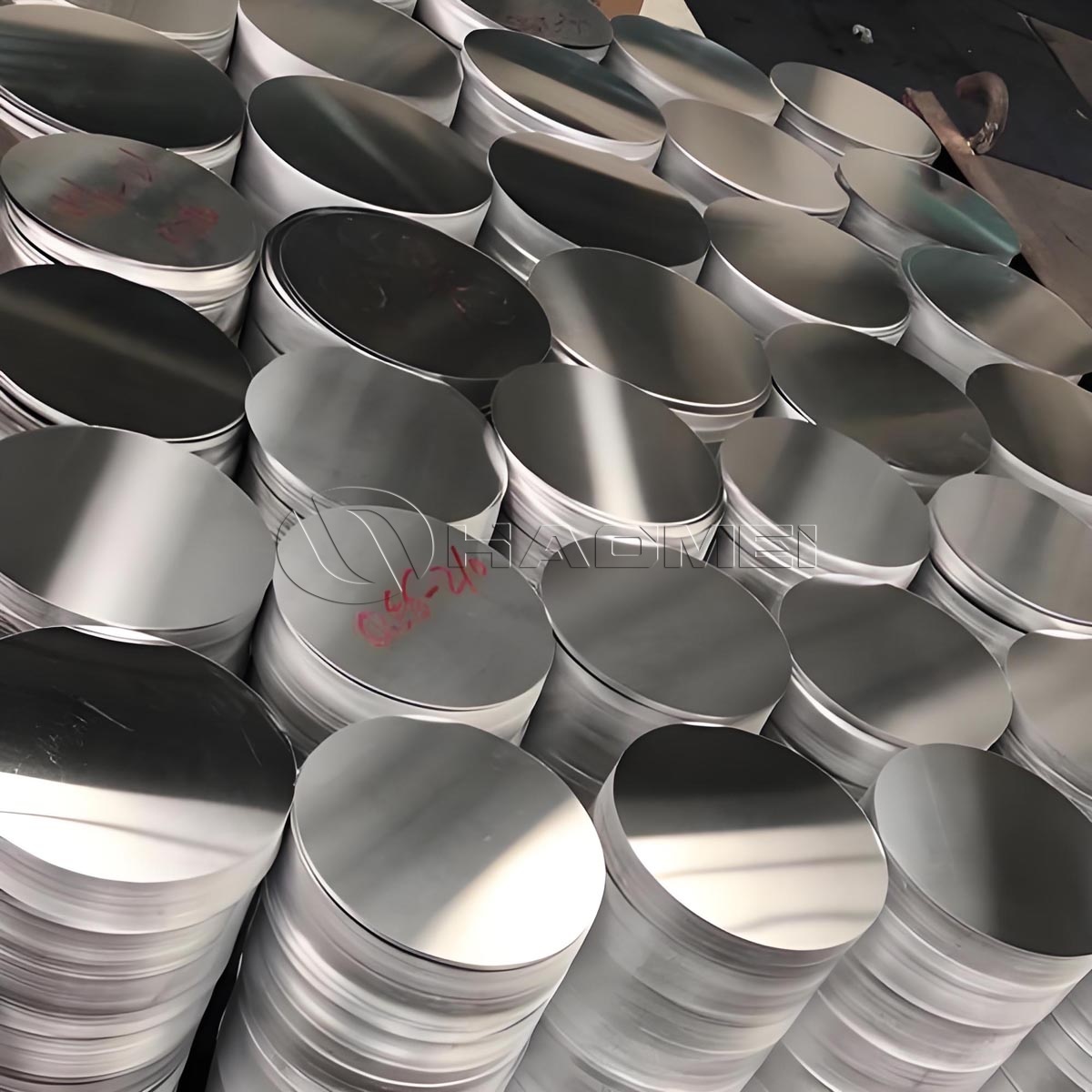
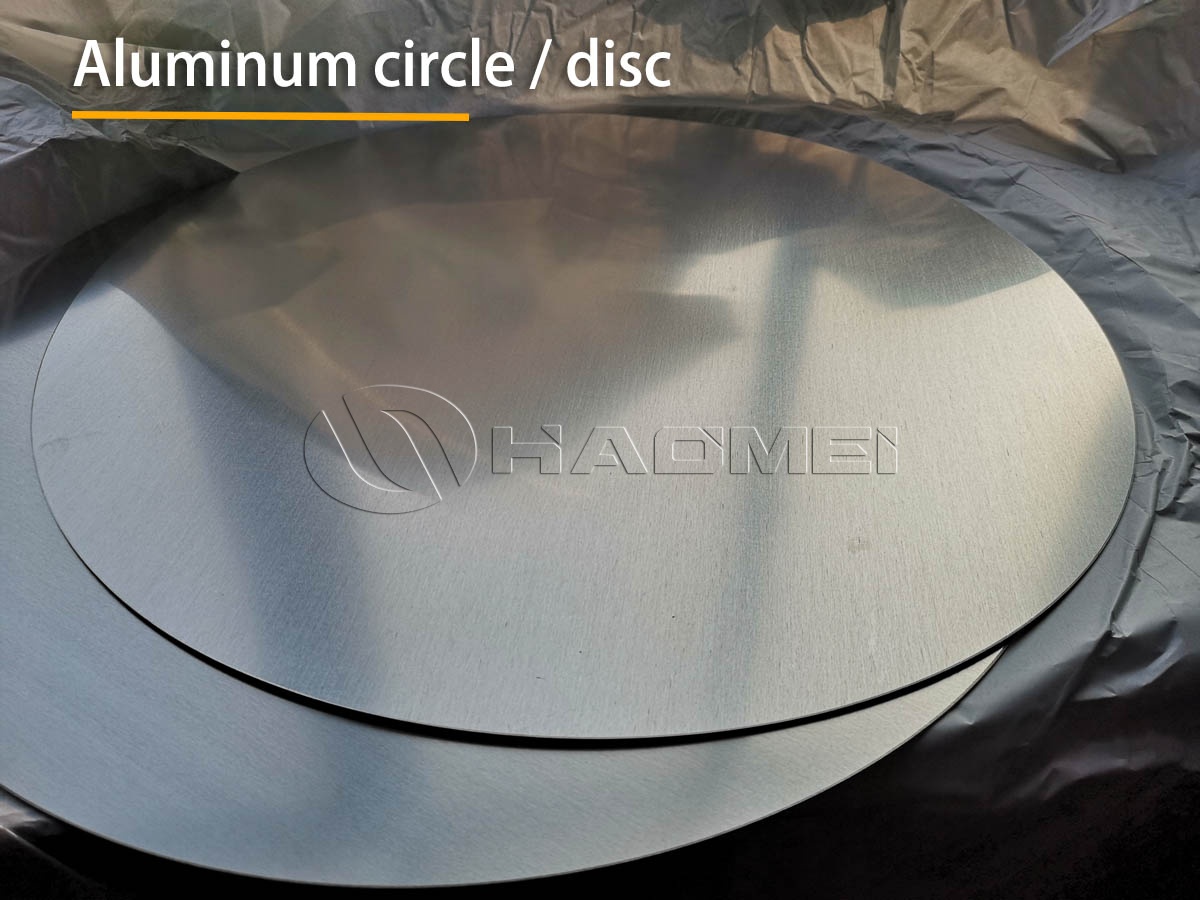
Aluminum circles are highly versatile semi-finished materials widely used across various industries. Specific sizes, such as 1/8-inch thick and 14-inch diameter aluminum discs, have become a popular choice for cookware, industrial components, and even artistic applications. This article provides a detailed overview of this particular specification and its uses.
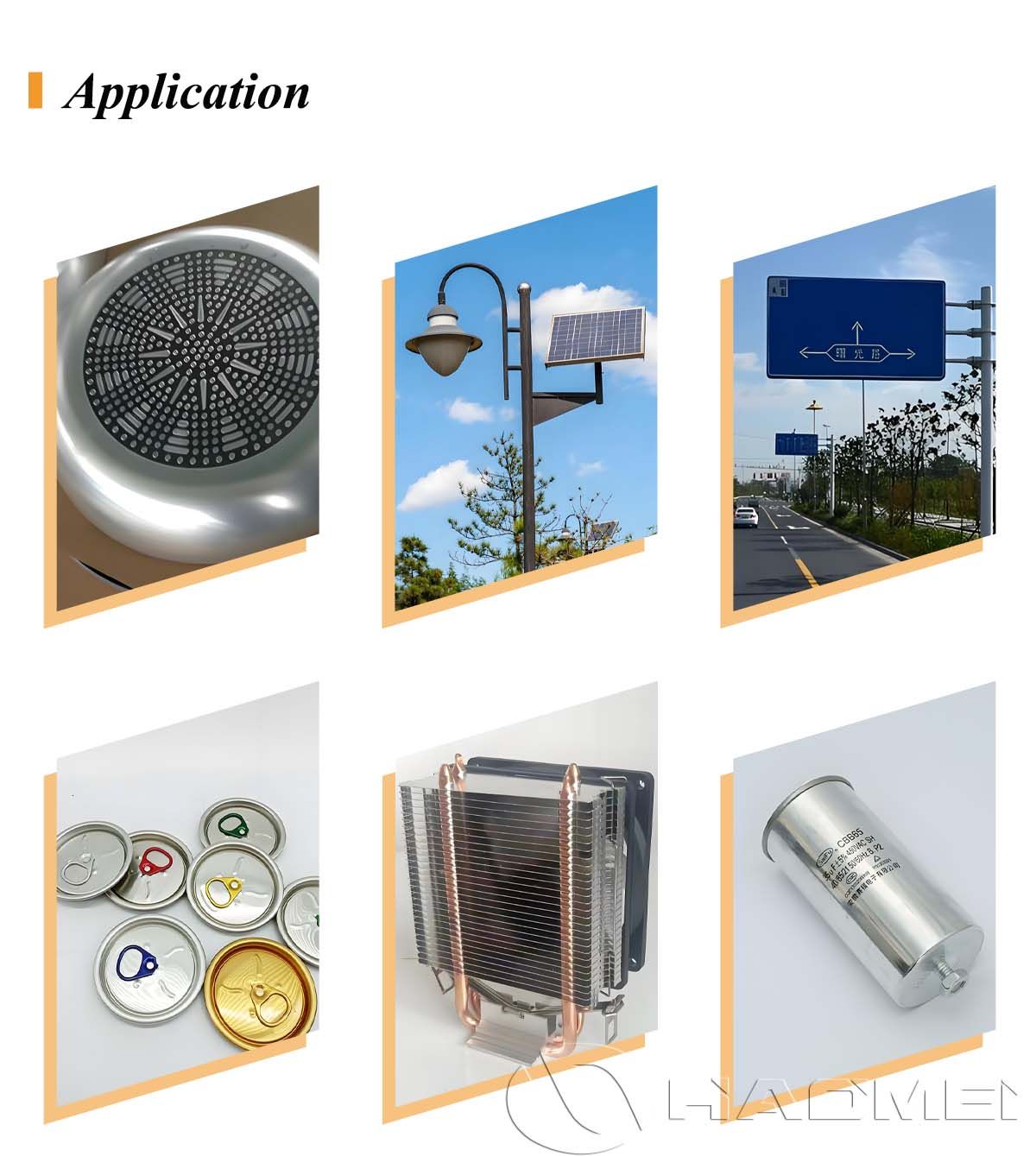
Cookware Manufacturing
This size of aluminum disc is ideal for commercial pizza plates, cake pans, and baking trays. Food-grade aluminum alloys such as 3003 provide excellent thermal conductivity and corrosion resistance, ensuring uniform heating and safe contact with food without causing undesirable chemical reactions.
Lighting Industry
In lighting applications, 14-inch aluminum discs of 1/8-inch thickness are commonly used for lamp reflectors and fixture housings. Due to aluminum’s great reflectivity and formability, it is a crucial material for manufacturing high-efficiency lighting components. After precision polishing or specialty coating, these discs can maximize light reflection and improve lighting performance.
Electronics Industry
In the electronics field, 14-inch diameter aluminum discs are often fabricated into heat sinks, shielding covers, and instrument panels. Their strong thermal conductivity and electromagnetic shielding capability help protect sensitive electronic components while effectively dissipating heat.
Transportation and Industrial Applications
These aluminum discs can also be used to produce automotive components, marine fittings, and other structural parts. As the demand for lightweight materials grows, aluminum components are increasingly utilized in automotive, marine, and aerospace engineering.
Aluminum circles are commonly made from 1xxx, 3xxx, and 5xxx series alloys. For 1/8" thick, 14" diameter discs, alloy selection is essential.
| Alloy Grade | Key Properties | Typical Applications |
| 1050 / 1060 (Pure Aluminum) | Excellent formability, high thermal conductivity, strong reflectivity | Lamp reflectors, general cookware |
| 3003 / 3105 (Anti-rust Aluminum) | Good corrosion resistance, medium strength, excellent weldability | Medium-grade cookware, tank bottoms, outdoor signs |
| 5052 (Marine-grade Aluminum) | High strength, outstanding corrosion resistance, high fatigue strength | Premium cookware, automotive components, industrial gaskets |
| 6061 | Medium strength, good formability, excellent corrosion resistance | Machinery parts, molds, industrial equipment |
Summary:
For Aluminum circles 1/8" thick 14", 3003 or 5052 alloys are most commonly chosen for their balanced strength, corrosion resistance, and deep-drawing performance.
Mill Finish:
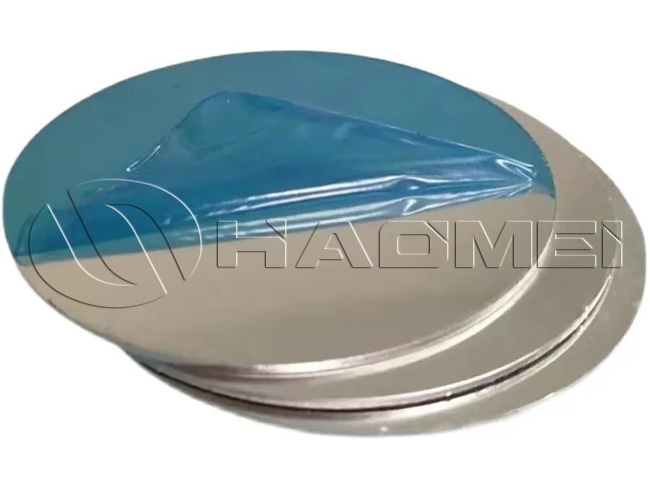
Natural metallic gloss; suitable for further processing or coating.
Brushed / Satin Finish:
Highly decorative, hides scratches; ideal for panels and visible parts.
Polished Finish:
High-reflective appearance; suitable for reflectors and decorative uses but prone to fingerprints.
Anodizing:
Enhances corrosion resistance and surface hardness; allows coloration (clear, black, gold, etc.); suitable for wear-resistant requirements.
Powder Coating / PVDF / Polyester Coating:
Provides color and weather protection; ideal for outdoor or decorative applications.
Chem Film (Chromate-free Passivation):
Improves coating adhesion and corrosion resistance; commonly used as a pre-treatment layer.
The price of aluminum circles varies significantly based on multiple factors, including aluminum ingot price, alloy grade, processing cost, order quantity, and shipping. Different manufacturers may also offer varying prices.
Typically, the market price for industrial-grade 3003/5052 aluminum circles is 30%-60% higher than the LME aluminum ingot price, depending on alloy selection and order volume.
When requesting a quotation, be sure to specify the alloy grade, temper (e.g., O temper or H12), tolerance requirements, and annual purchase volume. This ensures the most accurate pricing.
Quality Control and Inspection Standards
Diameter Tolerance:
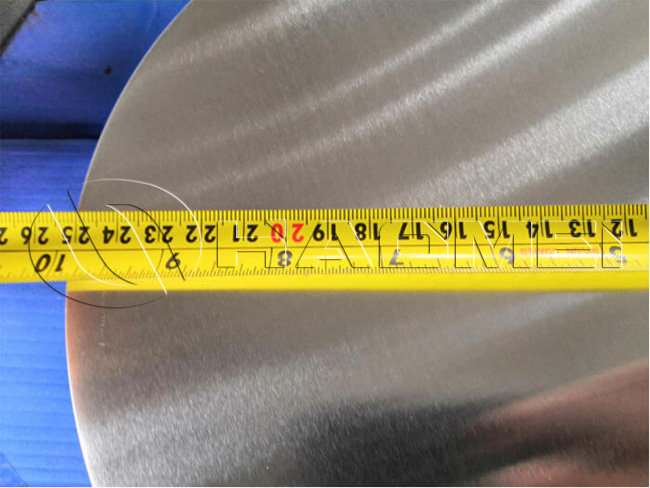
Standard blanking: ±0.5 mm; precision machining: ±0.1-0.2 mm.
Thickness Tolerance:
Generally ±0.05-0.10 mm for sheet materials; tighter tolerances available upon request.
Flatness / Warping:
Critical for mass production to prevent misalignment and installation issues.
Surface Defects:
Should be free of scratches, dents, oil stains, and oxidation spots.
Appearance-grade products may require stricter defect acceptance levels.
Material Certificate (COA):
Must include chemical composition, mechanical properties, and density.
Coating / Anodizing Test Report (if applicable):
Includes coating thickness, adhesion strength, salt-spray performance, and weathering results.

Office Address:
No.14 Waihuan Road, CBD, Zhengzhou, China
Contact Us
HAOMEI Aluminum offer an custom aluminum circle for you!
whatsapp: +86-18703635966
Email: sales@alummc.com
Email: alummc@hotmail.com
Request Free Sample & Quotation
Copyright © 2026 By HAOMEI Aluminum CO., LTD. All Rights Reserved. Sitemap
 +86-18703635966
 sales@alummc.com
 8618703635966
