
 No.14 Waihuan Road, CBD, Zhengzhou, China
 +86-18703635966

No.14 Waihuan Road, CBD, Zhengzhou, China
+86-18703635966
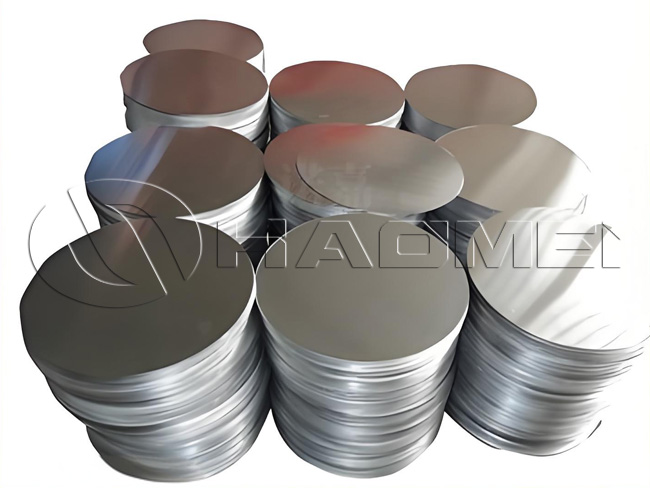
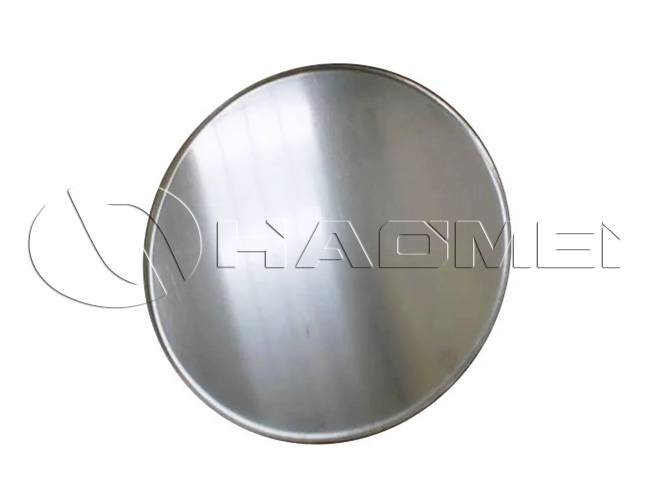
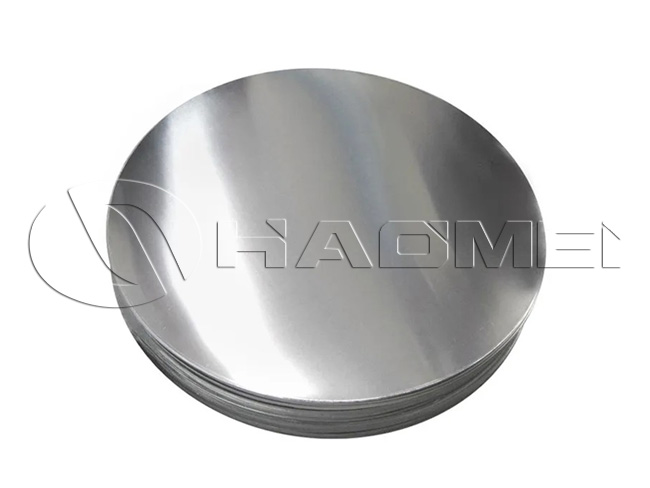
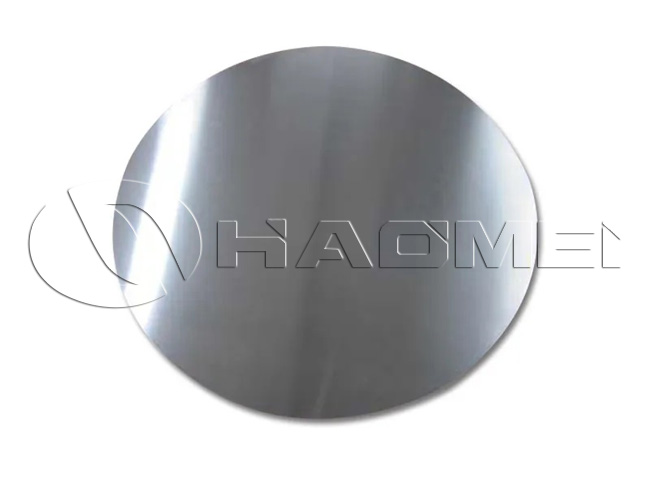
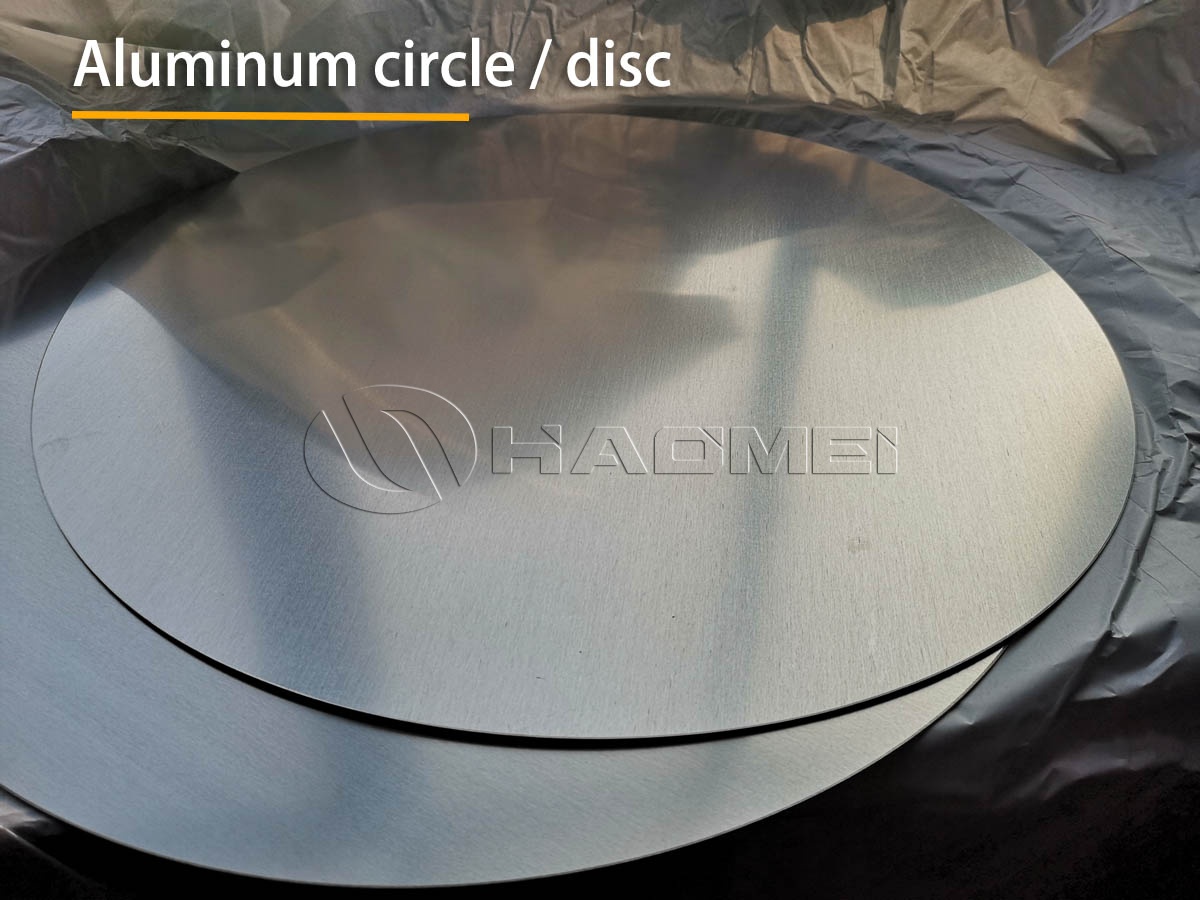
As a manufacturer of aluminum circles and discs, we produce 1100, 1050, 1060, and 1070 H0 aluminum circles for cookware applications that require stable forming performance, clean surface quality, and reliable batch consistency. These grades belong to the commercially pure aluminum family and are widely used for non-stick pans, frying pans, rice cooker inner pots, pressure cooker components, saucepans, and kitchen utensils that need deep drawing, spinning, stamping, or pressing.
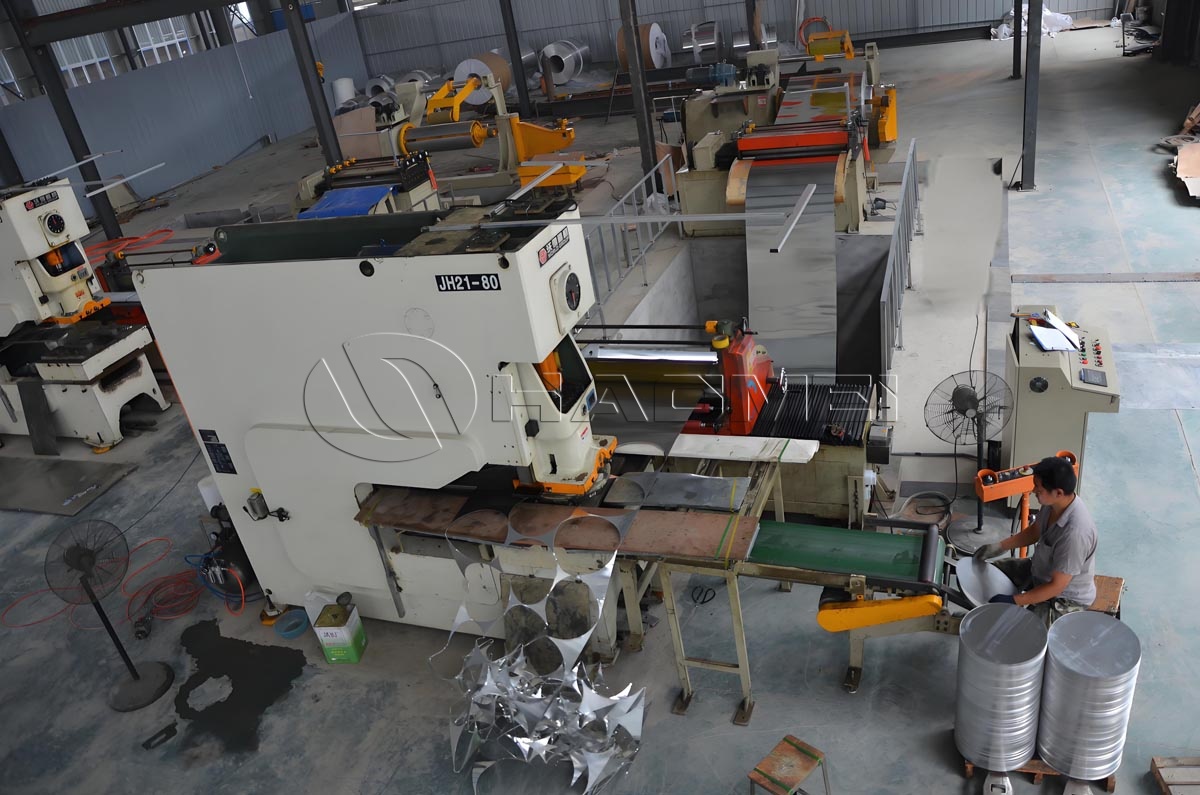
In cookware production, material consistency directly affects forming efficiency, wall thickness distribution, surface finish, and final anodizing or coating performance. For this reason, we control alloy chemistry, rolling process, annealing condition, flatness, edge quality, and packaging at the factory level. Our H0 aluminum circles are supplied to cookware manufacturers that require dependable raw material for high-volume conversion.
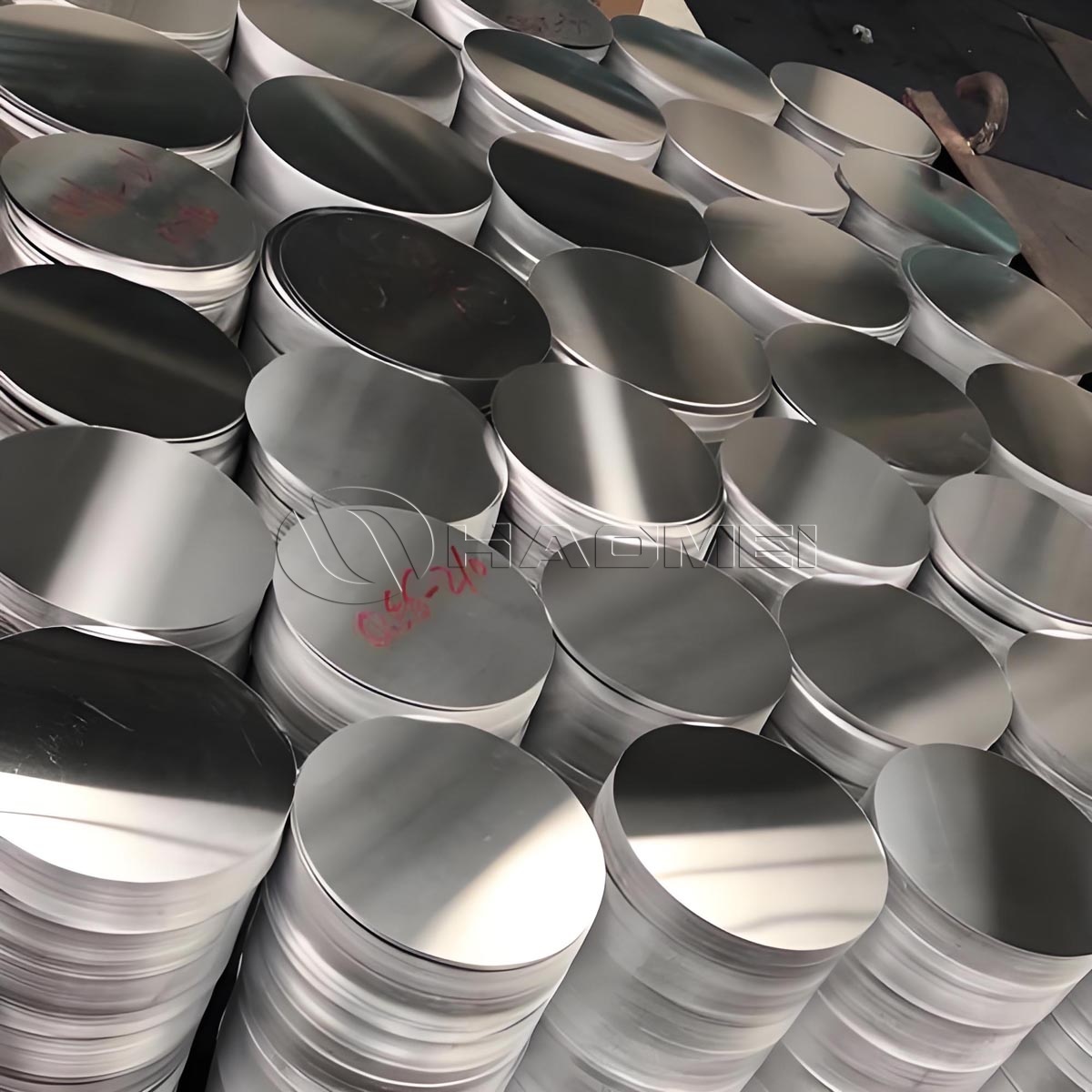
H0 temper refers to fully annealed aluminum. In practical cookware manufacturing, this condition provides high ductility and low hardness, making it suitable for processes such as deep drawing and spinning. Compared with harder tempers, H0 aluminum circles reduce the risk of cracking during severe deformation and help maintain a more uniform forming response across production lots.
For cookware plants, H0 aluminum circles are commonly selected when the product design includes:
Deep drawn pan bodies
Spun cookware shapes
Multi-stage pressing operations
Thin wall cookware requiring good elongation
Surface treatment after forming, such as anodizing or non-stick coating
Among the common grades, 1050, 1060, 1070, and 1100 each offer slightly different balances of purity, strength, conductivity, and workability. As a factory, we help customers choose the most suitable grade according to the cookware structure, forming route, and final surface requirement.
We manufacture a full range of 1000 Series Aluminum circle products for cookware. Within this range, 1050, 1060, 1070, and 1100 are the most frequently specified grades.
1050 aluminum circle is a widely used option for general cookware production. It has high aluminum content, good ductility, and stable surface quality. It is suitable for spinning and shallow to medium deep drawing. For cookware makers looking for economical material with dependable forming behavior, 1050 Aluminum Circle is a practical choice.
1060 aluminum circle is one of the most common grades used in cookware. It offers excellent elongation, good thermal conductivity, and good compatibility with non-stick cookware manufacturing. It is often selected for frying pans, saucepans, and kitchen utensils that require smooth forming and even heat transfer.
1070 aluminum discs have higher aluminum purity than 1050 and 1060. They are often chosen when customers require very good ductility, high reflectivity, or specific conductivity-related performance. In cookware, 1070 can be used for applications with demanding forming requirements.
1100 aluminum circle contains slightly higher alloying elements than the purer 1000-series grades, while still maintaining very good workability and corrosion resistance. It is used in cookware production where good forming and a stable finished appearance are required.
The following table shows the typical supply range for our 1100, 1050, 1060, and 1070 H0 aluminum circles for cookware. Exact parameters can be adjusted according to customer drawings and process requirements.
| Item | Specification |
|---|---|
| Product | Aluminum circles / aluminum discs |
| Alloys | 1050, 1060, 1070, 1100 |
| Temper | H0 |
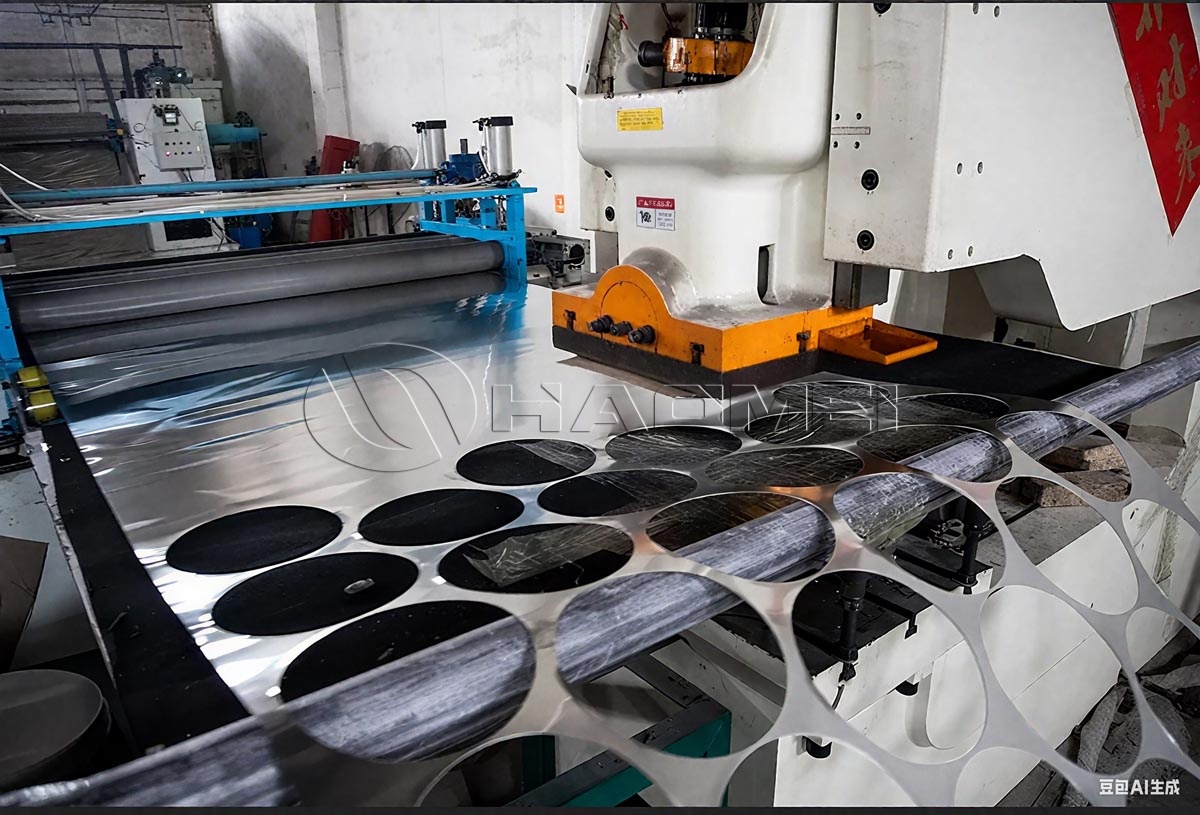
| Manufacturing route | DC hot rolled, cold rolled, annealed |
| Thickness range | 0.4 mm - 6.0 mm |
| Diameter range | 80 mm - 1200 mm |
| Diameter tolerance | As per customer requirement and production standard |
| Thickness tolerance | According to agreed specification |
| Surface finish | Smooth, clean, oil-controlled, scratch-minimized |
| Edge condition | Sheared or precision punched, burr-controlled |
| Forming process suitability | Deep drawing, spinning, stamping, pressing |
| Typical applications | Frying pans, pressure cookers, rice cookers, saucepans, non-stick cookware, kitchen utensils |
| Inner diameter coil source | Continuous cast or DC material depending on requirement |
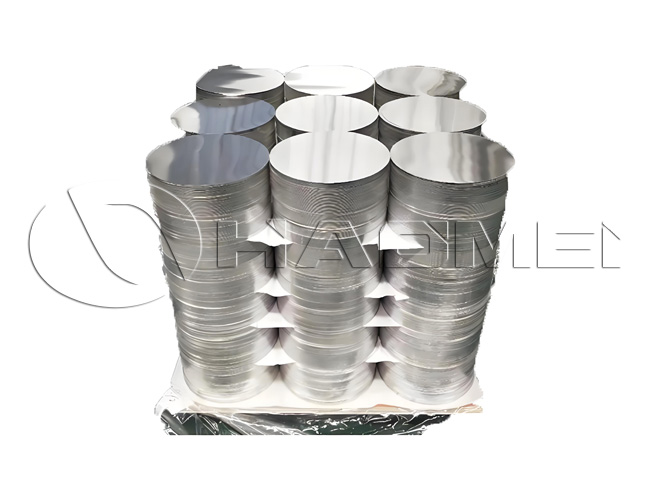
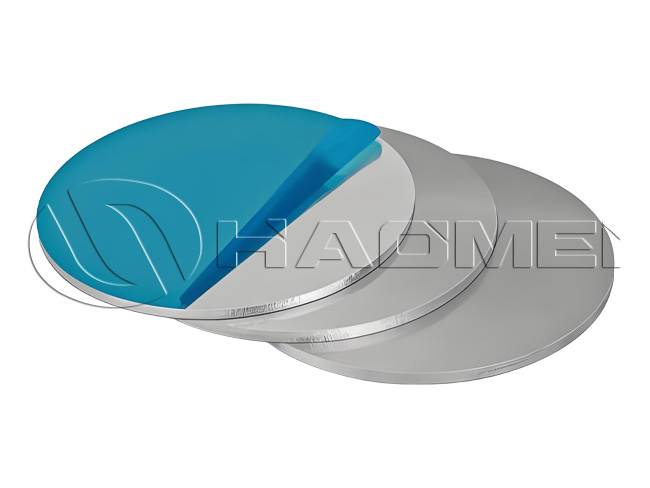
| Standard packaging | Paper interleave, moisture protection, wooden pallet |
| Quality control items | Chemistry, thickness, diameter, surface, flatness, elongation, ear control |
| MOQ | 1-3 tons |
From a manufacturing perspective, cookware aluminum discs must meet more than one requirement at the same time. They need to form cleanly, transfer heat efficiently, and present a surface suitable for polishing, anodizing, or coating. This is why 1000 series H0 aluminum circles remain the mainstream choice.
Cookware bodies often undergo substantial plastic deformation. H0 aluminum circles provide the softness and elongation needed to reduce cracking, tearing, and orange peel during forming. This is especially important in larger pan diameters and deeper shapes.
Commercially pure aluminum grades such as 1050, 1060, and 1070 offer good thermal conductivity. In cookware applications, this supports more even heat transfer across the base and side wall, which is a basic material requirement for many kitchen products.
Cookware often requires surface finishing after forming. Whether the final product will be polished, anodized, coated with non-stick layers, or laminated with composite bottoms, the starting aluminum circle must have a clean and stable surface. We control rolling marks, oil residue, and surface defects during production and inspection.
Large cookware factories depend on consistent material from lot to lot. Variation in hardness, grain structure, or thickness can lead to unstable forming performance. As a manufacturer, we keep process control at each stage, from slab selection and rolling reduction to final annealing, so that every batch performs predictably on the production line.
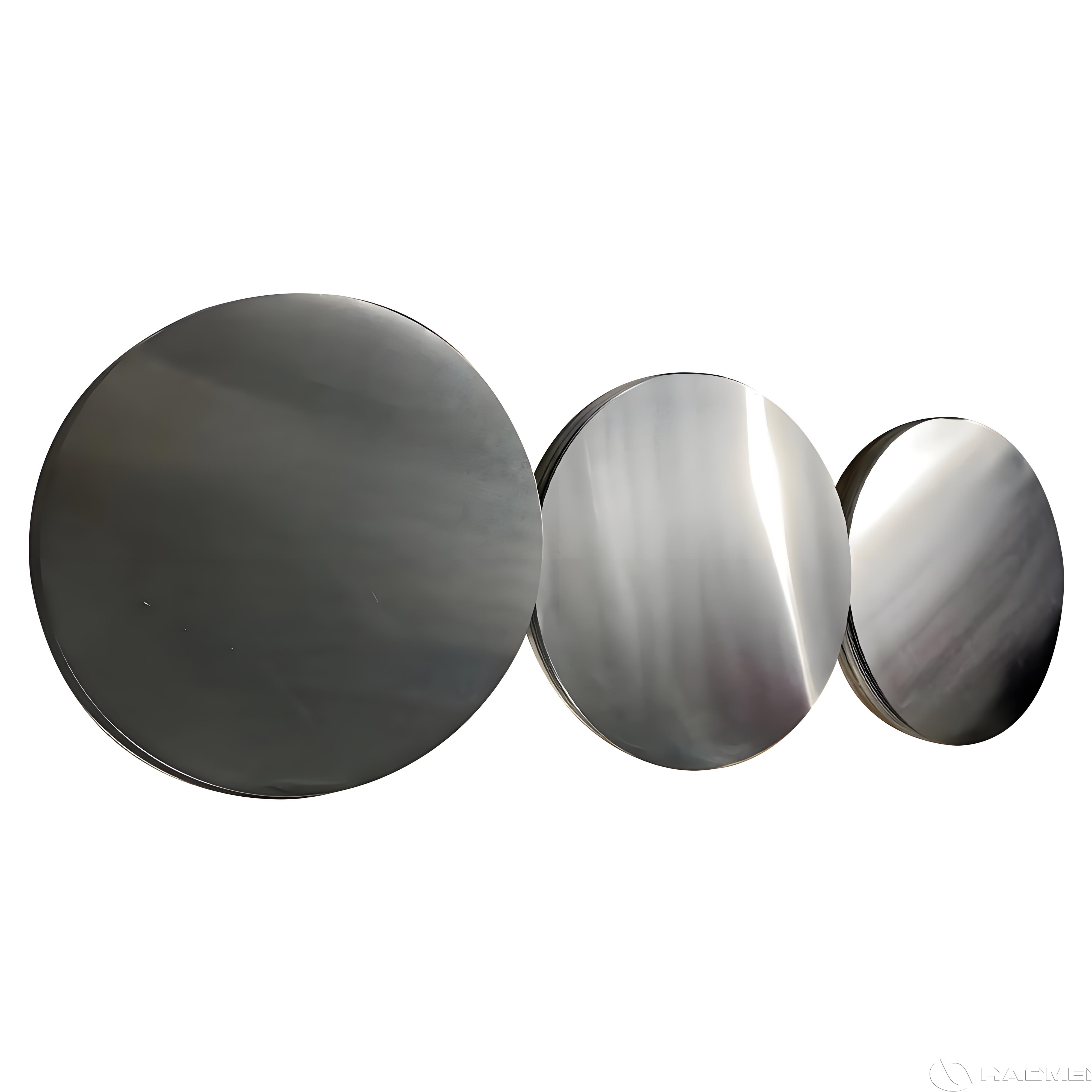
The quality of H0 aluminum circles is determined not only by alloy grade, but also by process discipline. In our factory, cookware aluminum discs are produced with attention to the following points:
We verify chemical composition to ensure the alloy meets target range and is suitable for cookware use. Stable chemistry helps maintain uniform forming behavior and surface response.
The rolling schedule affects grain structure, thickness accuracy, and flatness. The annealing process determines the final H0 temper and has direct influence on elongation and deep drawing performance. We set process windows according to thickness and alloy type.
Low earing is important in deep drawing because excessive earing increases scrap and trimming loss. Through process optimization, we supply aluminum circles with controlled anisotropy to support more efficient cookware production.
We inspect for scratches, dents, oil stain, edge defects, and other issues that may affect cookware appearance or downstream processing. For coated and anodized cookware, surface consistency is especially important.
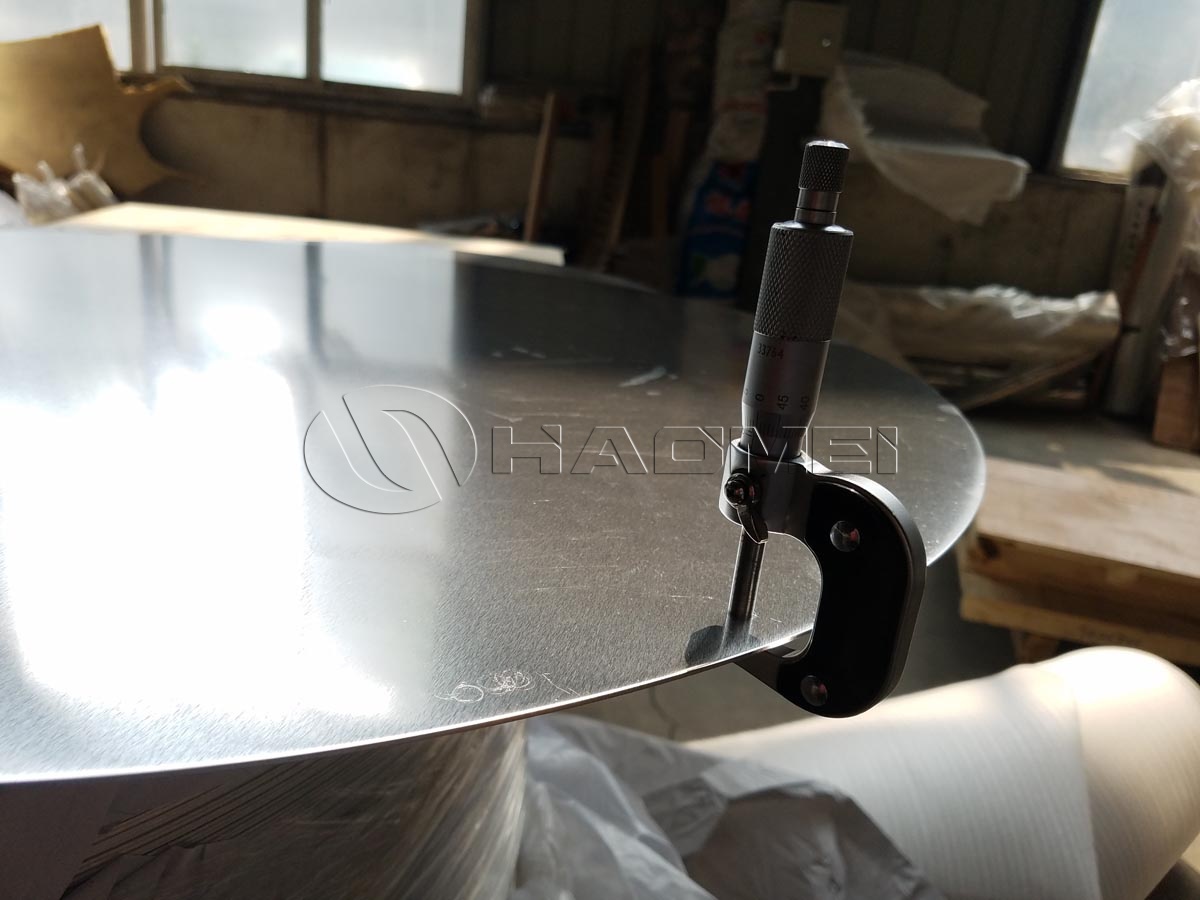
Diameter and thickness consistency are essential for automatic feeding and stable forming. We control dimensional tolerances according to the agreed application requirements.
Our 1100, 1050, 1060, and 1070 H0 aluminum circles are used by cookware manufacturers in a range of end products, including:
Non-stick frying pans
Saucepans
Pressure cooker components
Rice cooker inner pots
Kitchen bowls and lids
Utensil bodies formed by spinning
Multipurpose cookware blanks
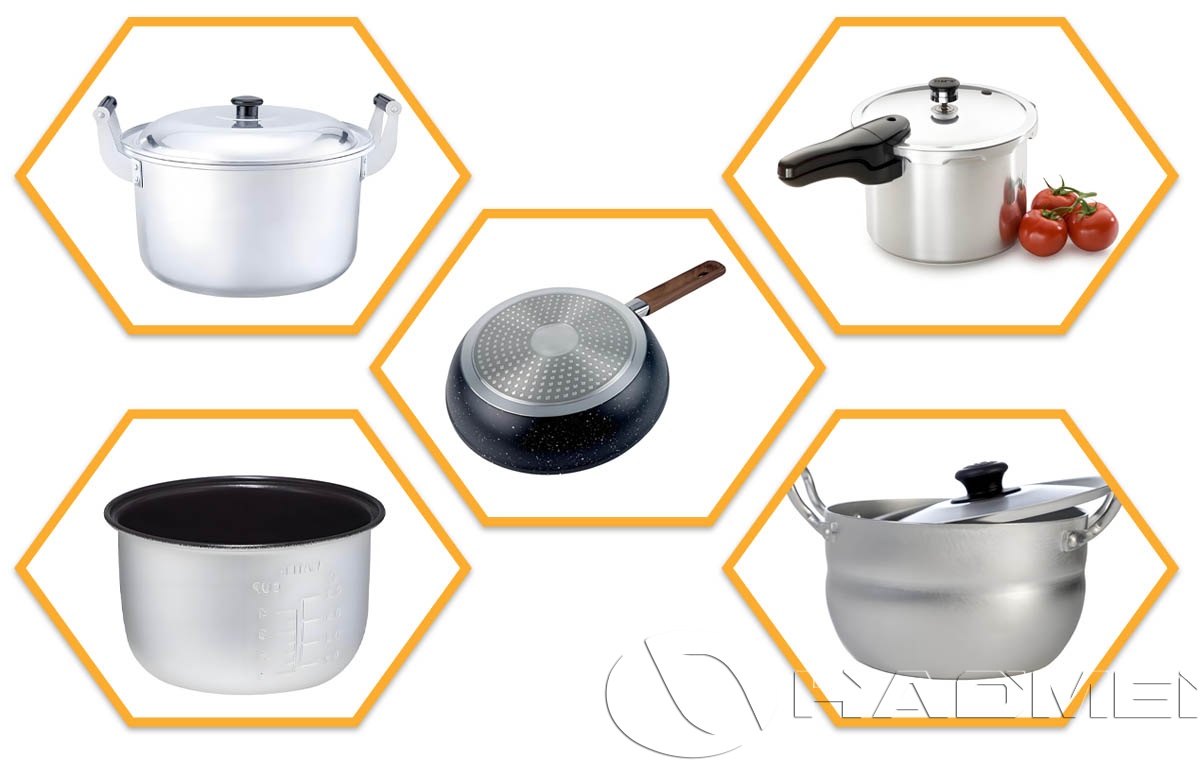
Different cookware products require different combinations of thickness, diameter, and alloy. For example, shallow spinning products may use a different disc specification than deep drawn pressure cooker components. We produce according to the customer's forming route and finished product geometry rather than offering a single standard configuration.
When selecting between 1050, 1060, 1070, and 1100 H0 aluminum circles for cookware, the decision usually depends on four technical factors:
For deeper drawing operations, higher ductility and stable annealing are critical. In these cases, 1060 or 1070 may be preferred depending on the product design.
If the cookware requires decorative finishing, bright appearance, or high-quality coating adhesion, the surface control standard should be defined before production.
For many conventional cookware lines, 1050 H0 aluminum circles provide a balanced combination of economy and processing stability.
Where specific mechanical or conductivity-related characteristics are needed, 1100 or 1070 may be selected based on the application.
As a manufacturer, we review the customer's drawing, sample, and forming method before confirming production. This helps reduce trial cost and shortens qualification time.
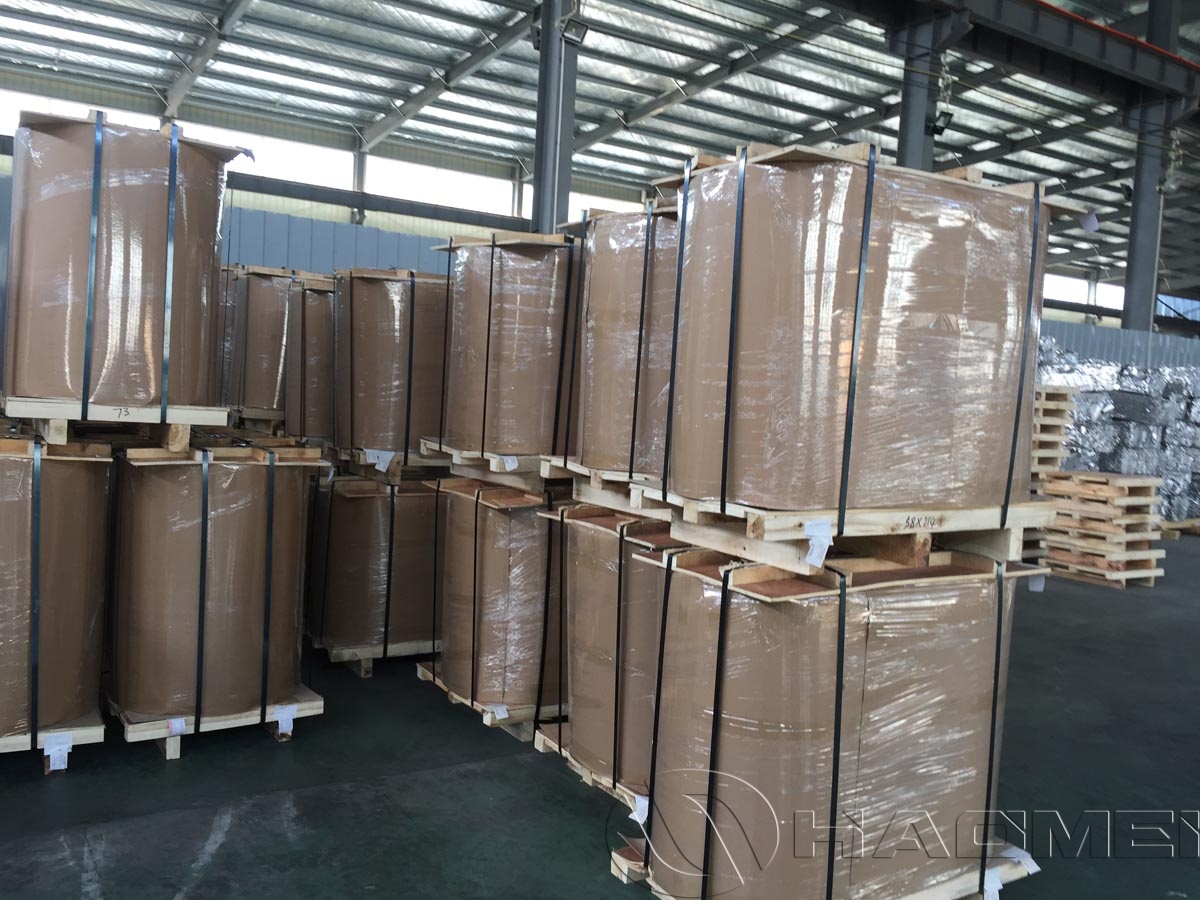
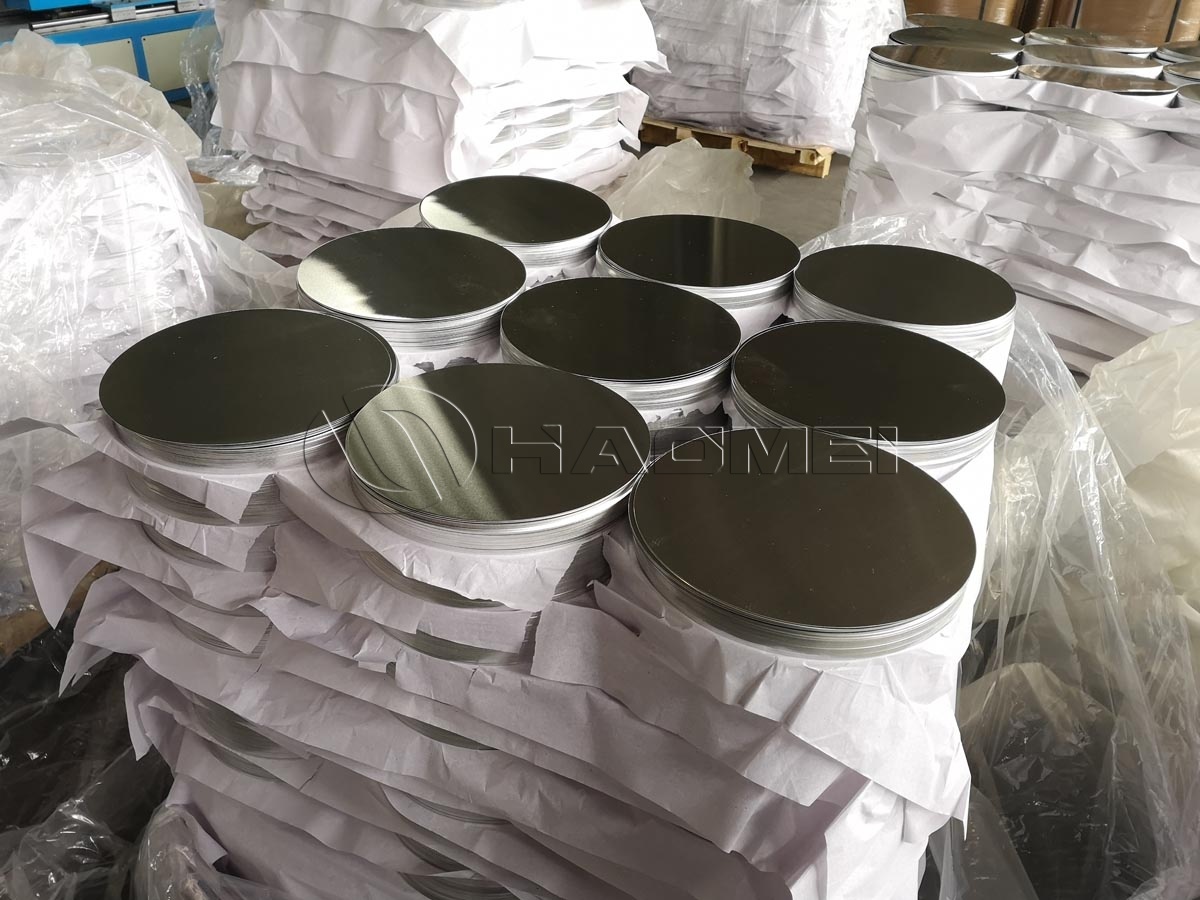
For export orders, we package aluminum circles with moisture protection, interleaving material where required, and wooden pallet support for safe transport. Proper packaging is necessary to protect edge integrity and surface quality during loading, sea shipment, and warehouse handling.
We can supply cookware aluminum discs in standard sizes or custom diameters, with production arranged according to order quantity and technical specification. For repeat buyers, batch traceability and consistent production routing are maintained to support long-term supply stability.
1100, 1050, 1060, and 1070 H0 aluminum circles are established materials for cookware manufacturing because they combine good ductility, reliable deep drawing performance, clean surface quality, and efficient heat transfer. As a factory, we produce these aluminum circles with controlled chemistry, stable annealing, burr-controlled edges, and application-oriented inspection standards.
For cookware manufacturers, the right aluminum disc is not defined by alloy name alone. It depends on the relationship between material condition, forming route, surface requirement, and final product design. By controlling production from rolling to annealing and final inspection, we supply H0 aluminum circles that meet the practical needs of industrial cookware processing.

Office Address:
No.14 Waihuan Road, CBD, Zhengzhou, China
Contact Us
HAOMEI Aluminum offer an custom aluminum circle for you!
whatsapp: +86-18703635966
Email: sales@alummc.com
Email: alummc@hotmail.com
Request Free Sample & Quotation
Copyright © 2026 By HAOMEI Aluminum CO., LTD. All Rights Reserved. Sitemap
 +86-18703635966
 sales@alummc.com
 8618703635966
