
 No.14 Waihuan Road, CBD, Zhengzhou, China
 +86-18703635966

No.14 Waihuan Road, CBD, Zhengzhou, China
+86-18703635966
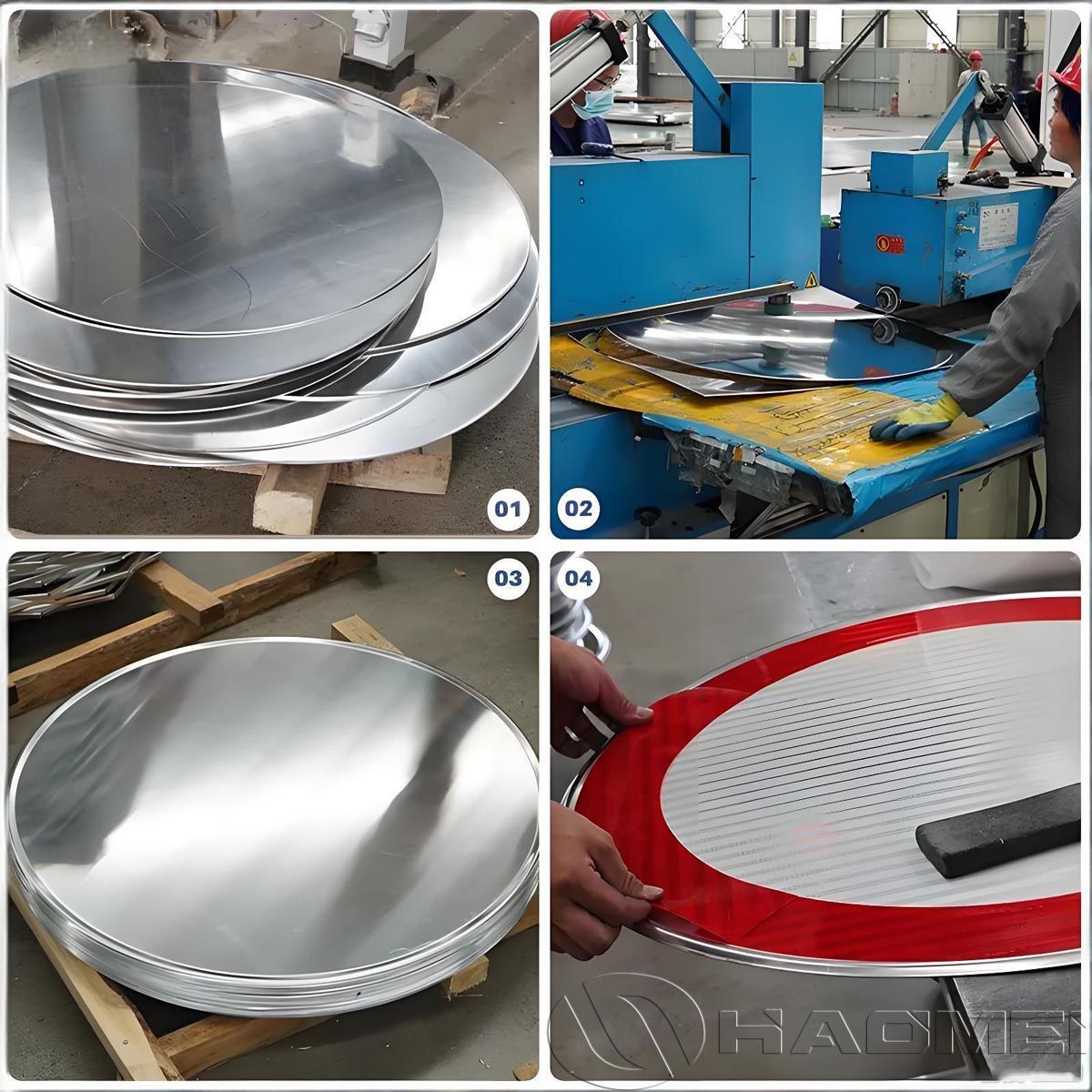
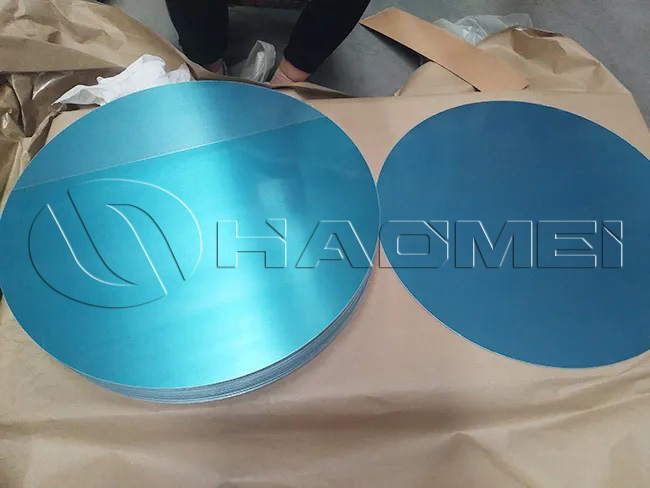
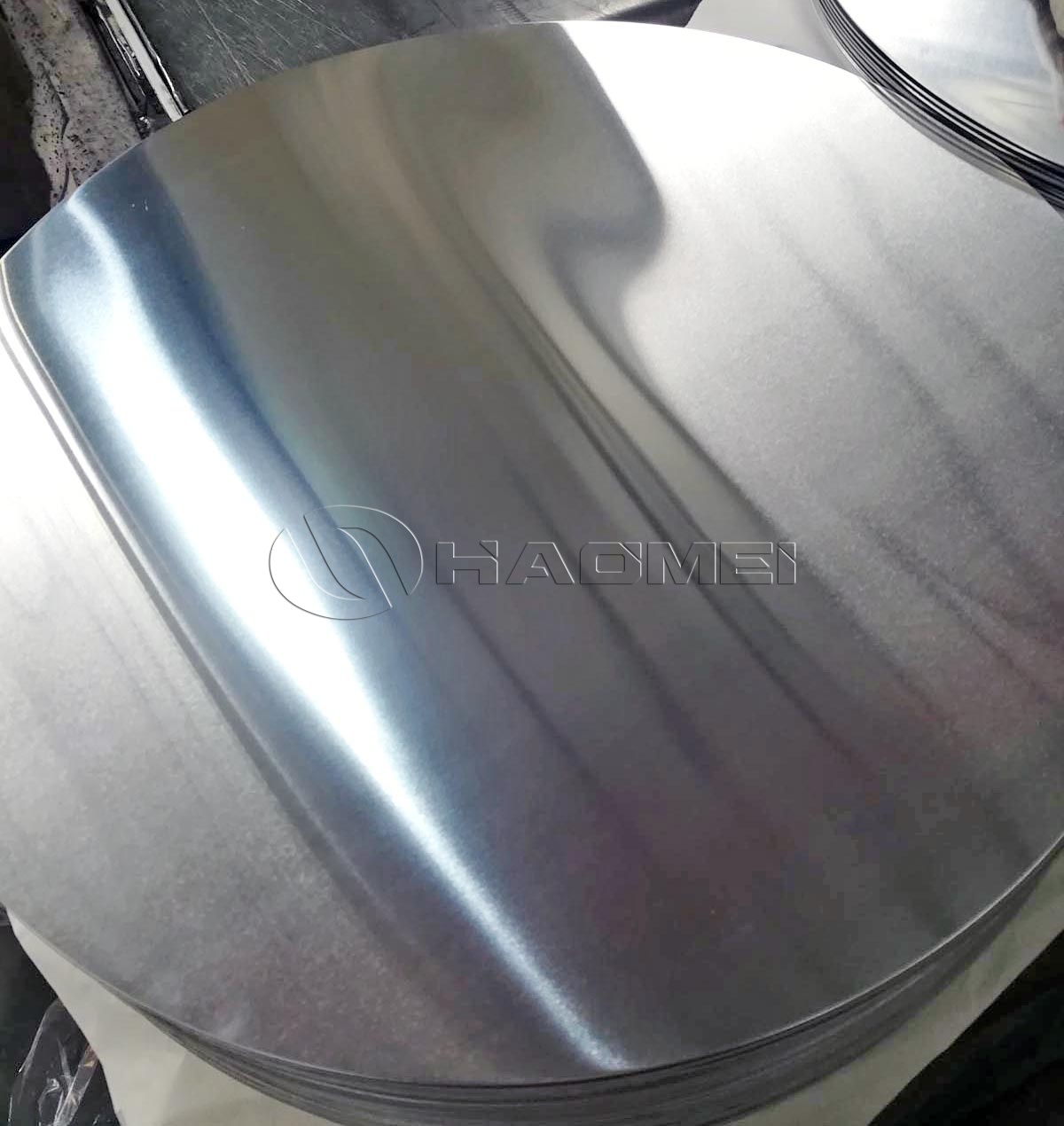
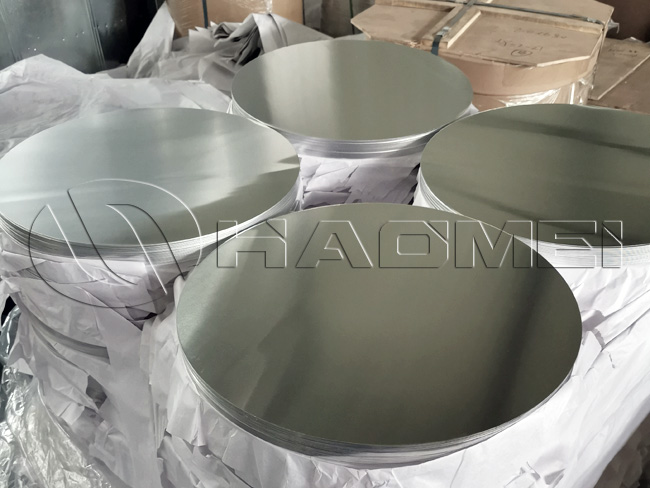
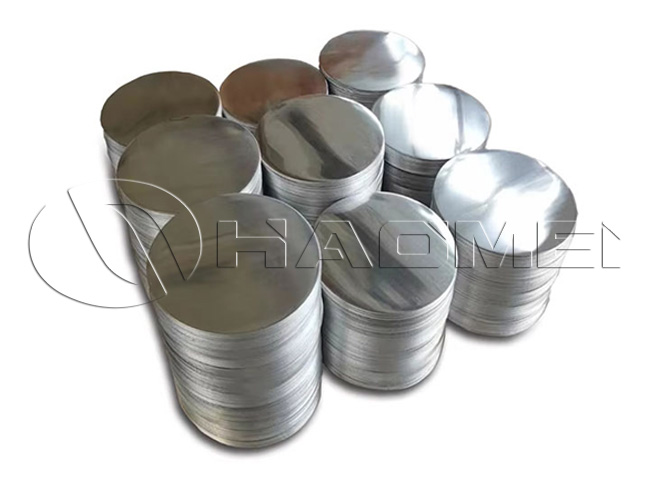
Do you know what material the frying pans commonly used in daily life are made of? The choice of material directly determines a frying pan's thermal conductivity, forming quality, and service life. HAOMEI Aluminum offers 3000 series cookware aluminum discs (3003/3004), which have become a mature and reliable material choice for frying pan manufacturing thanks to their excellent thermal conductivity, superior formability, and stable mechanical strength.
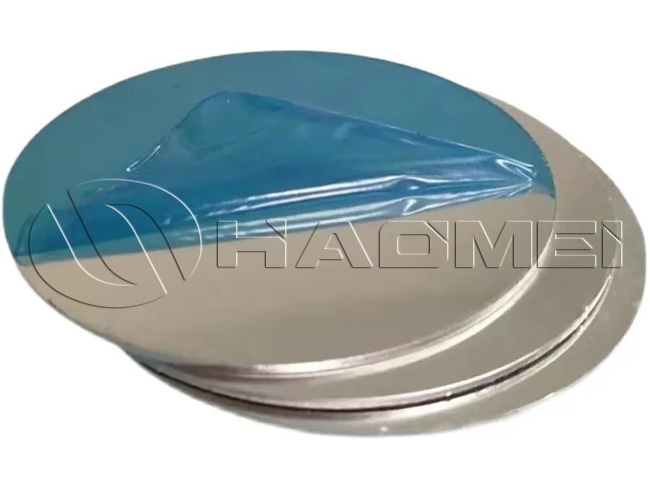
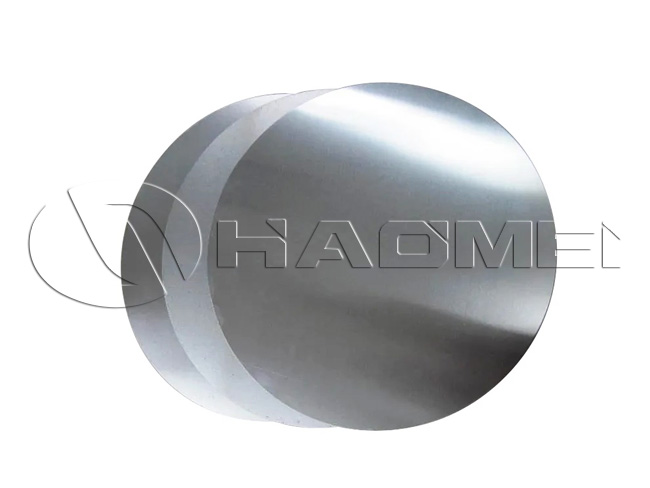
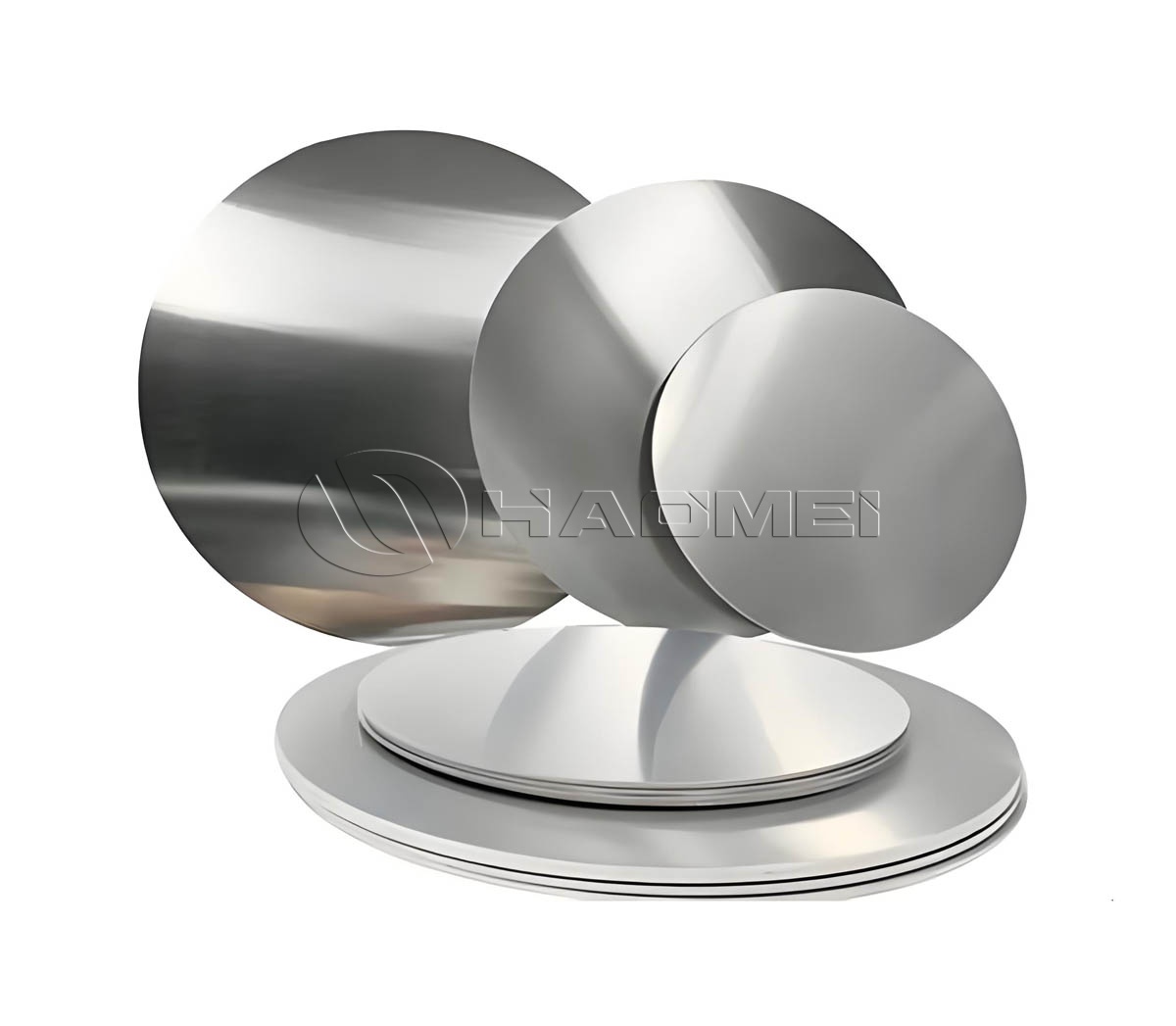
3003 and 3004 aluminum discs are based on 3xxx series aluminum-manganese alloys. They are produced through rolling, blanking, and annealing processes, resulting in circular aluminum blanks mainly used for deep drawing and spinning applications.
3003 aluminum alloy: Uses manganese as the main alloying element, offering good formability and corrosion resistance.
3004 aluminum alloy: With increased manganese and magnesium content compared to 3003, it provides higher strength and is more suitable for mid- to high-end cookware.
Both alloys can be supplied in O temper or H temper to meet different frying pan structures and forming processes. O temper or H14 temper is most commonly used. O temper is the softest condition and is ideal for extremely deep drawing applications.
| Alloy | 3003 / 3004 |
| Temper | O / H12 / H14 |
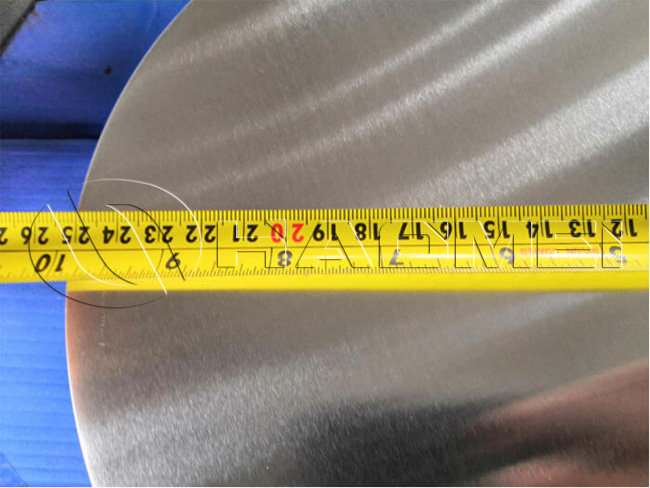
| Diameter range | 100 - 600 mm |
| Thickness range | 0.5 - 6.0 mm |
| Production process | CC / DC |
| Surface quality | free from oil stains, scratches, and black spots |
| Processing methods | stamping, deep drawing, spinning |
| Surface treatment | anodizing, coating, brushing, etc. |
| Packaging | standard export wooden case |
| MOQ | 1-3 tons |
Mechanical Properties
| Property | 3003 | 3004 |
| Tensile strength (MPa) | 130-160 | 150-180 |
| Yield strength (MPa) | 70-80 | 90-100 |
| Elongation (%) | ≥12 | ≥10 |
| Elastic modulus (GPa) | 69 | 69 |
Lightweight design: Compared with stainless steel or cast iron, aluminum frying pans are lighter, making them easier to handle and clean.
Excellent thermal conductivity: Aluminum transfers heat quickly and evenly, reducing hot spots and improving cooking performance.
Corrosion resistance: Suitable for long-term contact with acidic foods such as tomatoes and lemons. Surface treatments like anodizing and non-stick coatings meet food-contact safety requirements.
Superior deep drawing and spinning performance: Frying pans often require multiple drawing or spinning steps. 3003 / 3004 aluminum discs offer high ductility and are resistant to cracking, significantly improving yield rates and reducing production loss.
Cost-effective: Aluminum is more affordable than stainless steel and copper and is suitable for large-scale production.
Environmentally friendly and recyclable: Aluminum alloys are 100% recyclable, aligning with modern sustainability trends.
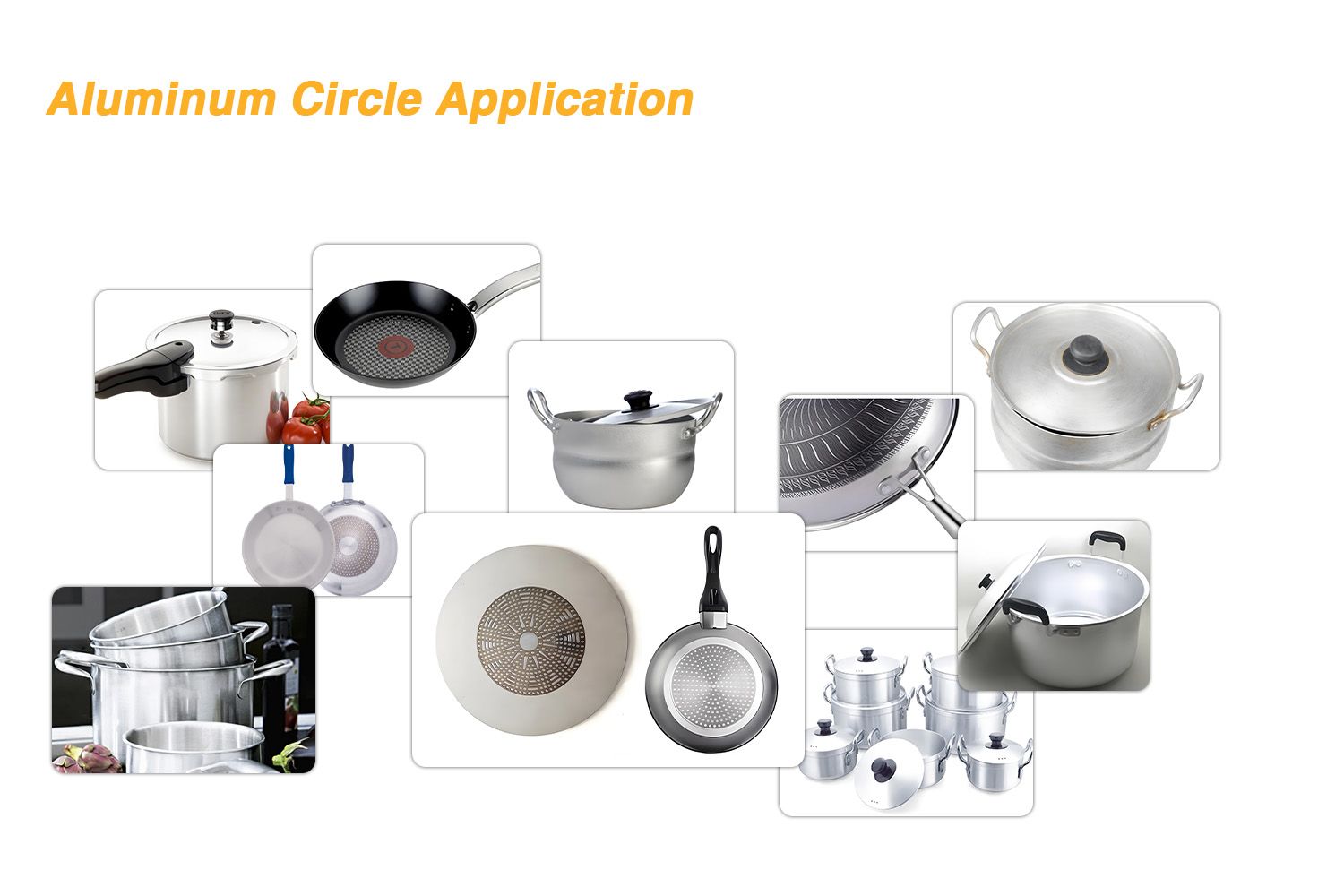
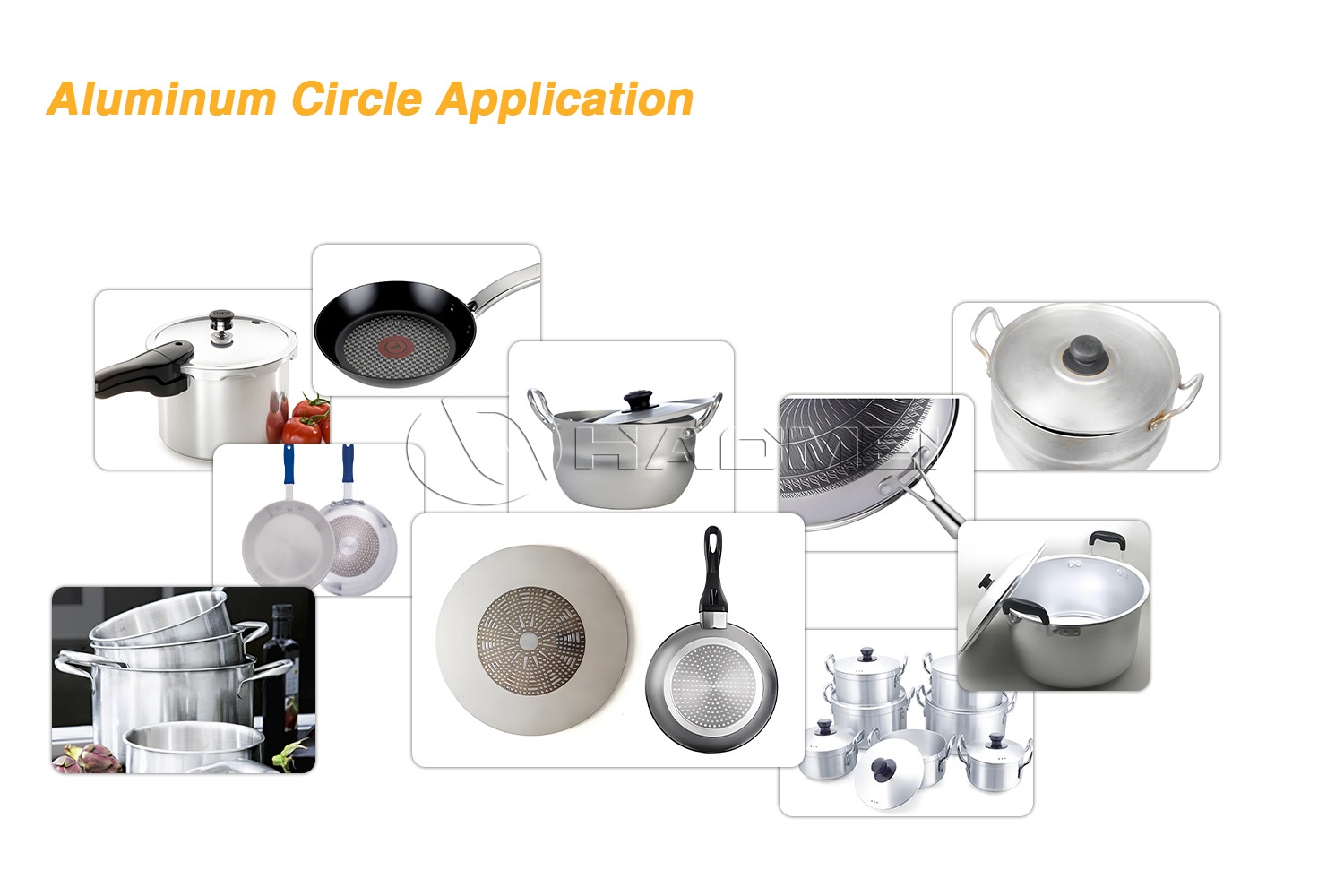
Pressure cookers
Rice cooker inner pots
Pizza trays
Flat frying pans
Non-stick frying pans
Multi-layer composite bottom frying pans
Aluminum cookware bodies for induction cookers (composite structures)
Household and commercial kitchen cookware
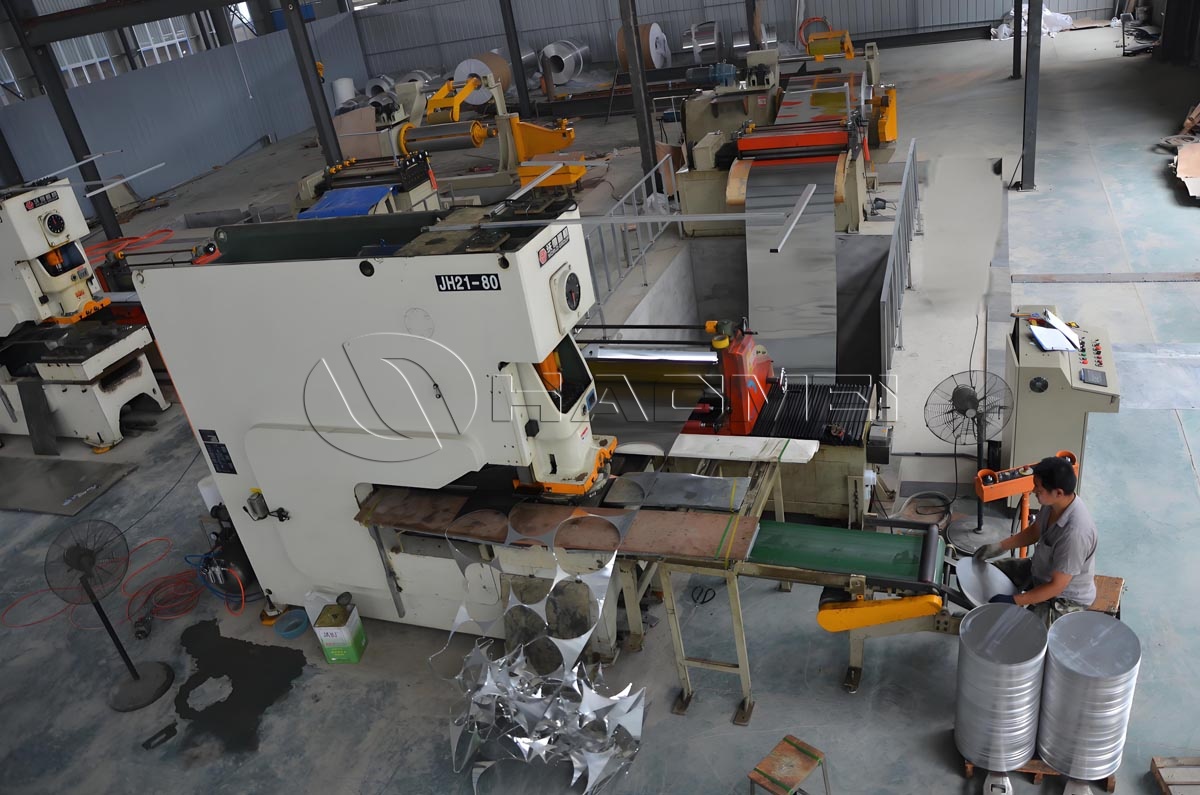
1.Precision blanking: Aluminum coils are punched at high speed using molds to produce aluminum discs with precise dimensions and smooth edges.
2.Spinning and deep drawing: The discs are formed into the desired pan shape on CNC spinning or drawing machines through rotation and pressure. This process requires excellent material ductility.
3.Heat treatment (optional): Annealing or stabilization may be applied to achieve an optimal balance between strength and formability.
4.Surface treatment:
Anodizing: An electrochemical process that creates a thicker, harder, and more corrosion-resistant oxide layer. Various colors such as gray or champagne gold can be achieved, offering both aesthetics and durability.
Non-stick coating: After surface pretreatment such as sandblasting, non-stick coatings like PTFE are applied to enable healthier, low-oil cooking.
Hard anodizing: Produces an ultra-hard oxide layer, significantly improving surface hardness, wear resistance, and scratch resistance. This is commonly used for high-end uncoated frying pans.
5.Composite bonding and assembly: The pan body may be bonded with a stainless steel base, followed by installation of handles, lids, and final inspection.

Office Address:
No.14 Waihuan Road, CBD, Zhengzhou, China
Contact Us
HAOMEI Aluminum offer an custom aluminum circle for you!
whatsapp: +86-18703635966
Email: sales@alummc.com
Email: alummc@hotmail.com
Request Free Sample & Quotation
Copyright © 2026 By HAOMEI Aluminum CO., LTD. All Rights Reserved. Sitemap
 +86-18703635966
 sales@alummc.com
 8618703635966
