
 No.14 Waihuan Road, CBD, Zhengzhou, China
 +86-18703635966

No.14 Waihuan Road, CBD, Zhengzhou, China
+86-18703635966
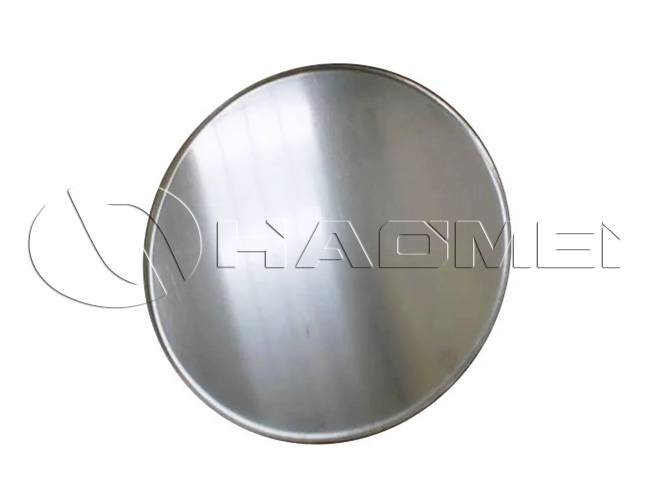
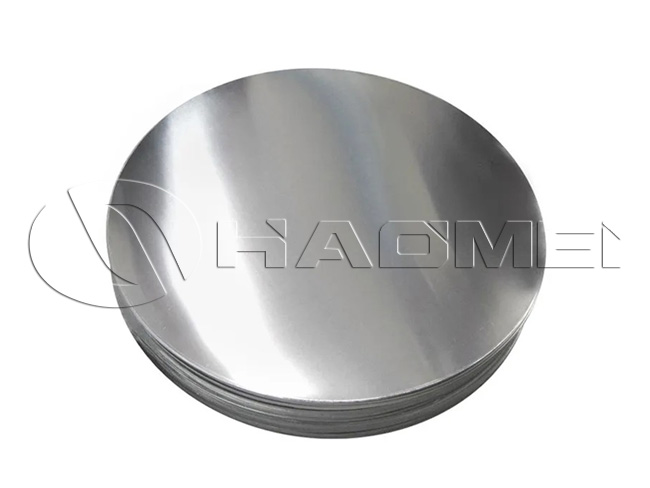
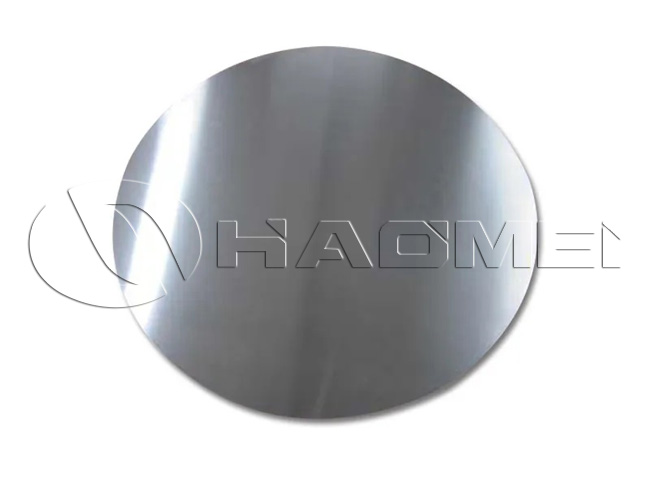
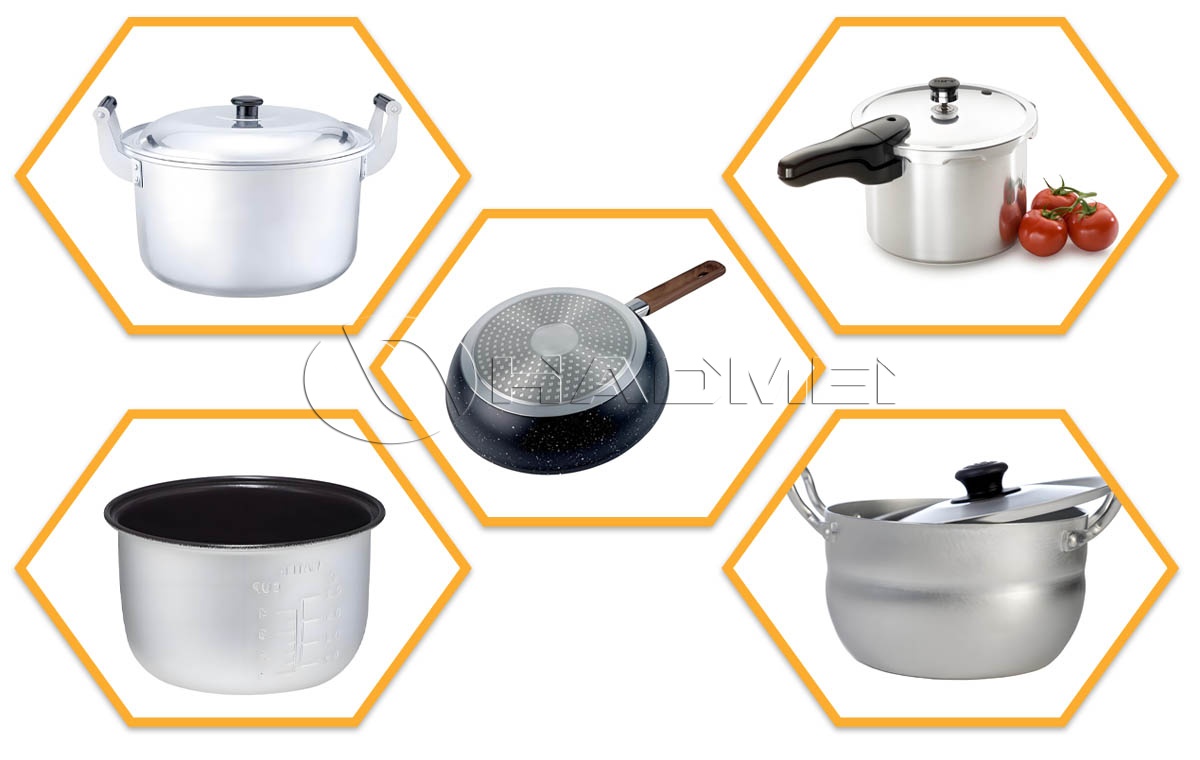
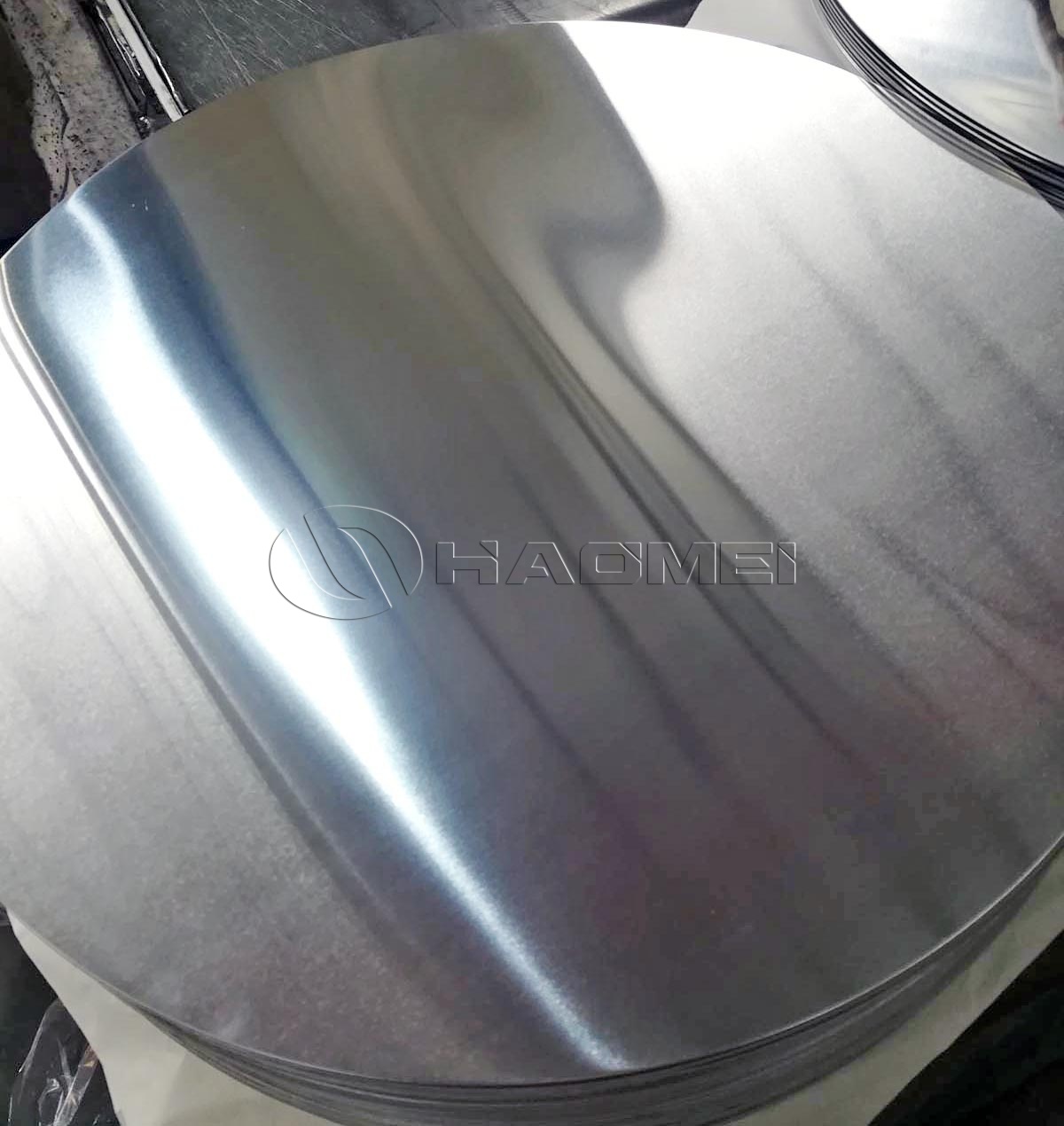
As an aluminum circle manufacturer, we produce 1050 HO CC and DC aluminum circles for kitchenware factories that require stable forming performance, clean surface quality, and consistent dimensional accuracy. These aluminum circles are widely used for pots, pans, pressure cookers, rice cooker inner pots, lids, basins, kettles, and non-stick cookware blanks.
1050 aluminum belongs to the commercial pure aluminum series. With high aluminum content, good corrosion resistance, excellent thermal conductivity, and reliable ductility in HO, also commonly referred to as O temper, it is suitable for deep drawing, spinning, stamping, and subsequent coating or anodizing. For buyers who manufacture kitchenware in high volume, the selection of CC or DC aluminum circles should be based on final product structure, drawing depth, surface requirements, and production cost control.
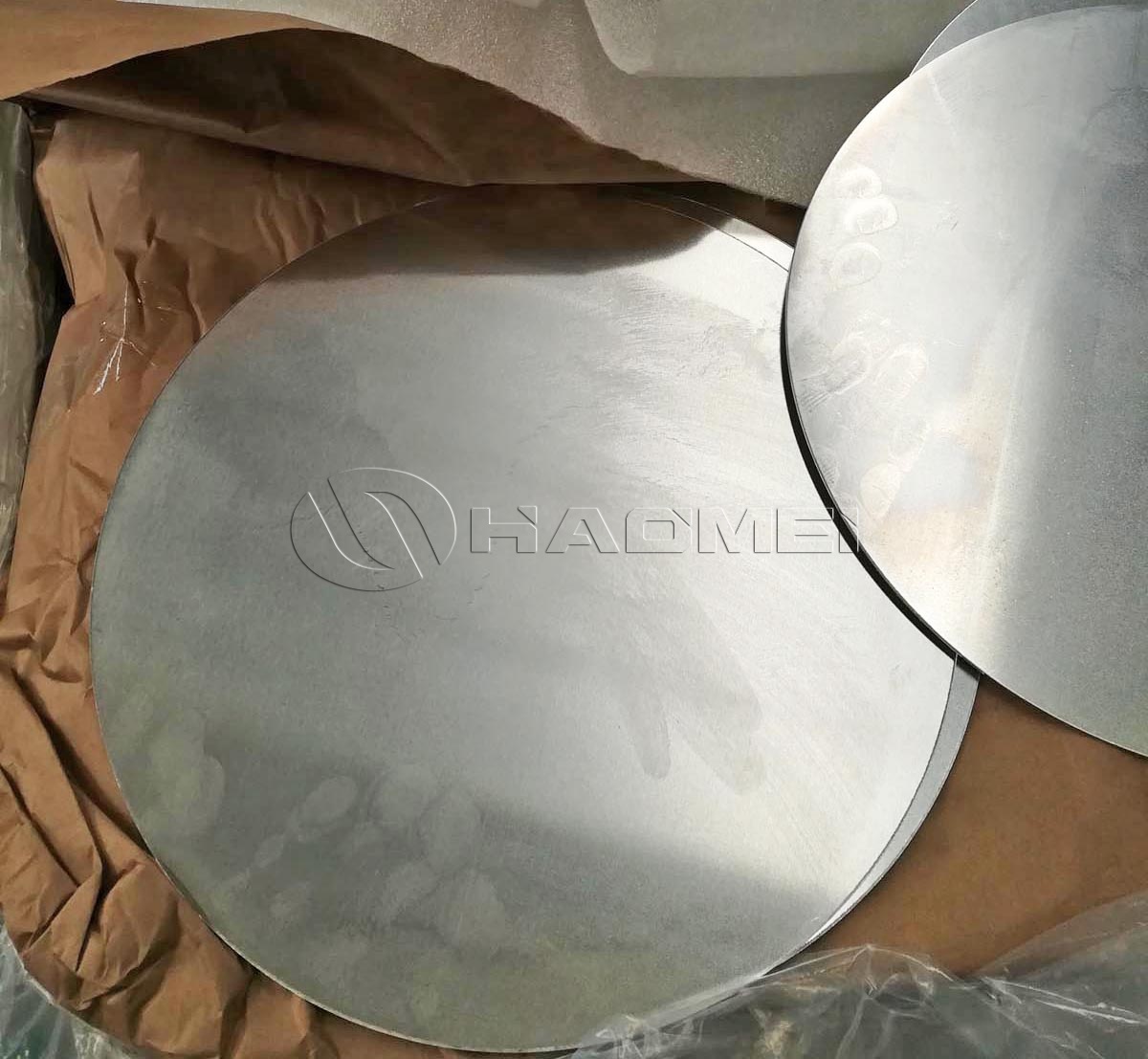
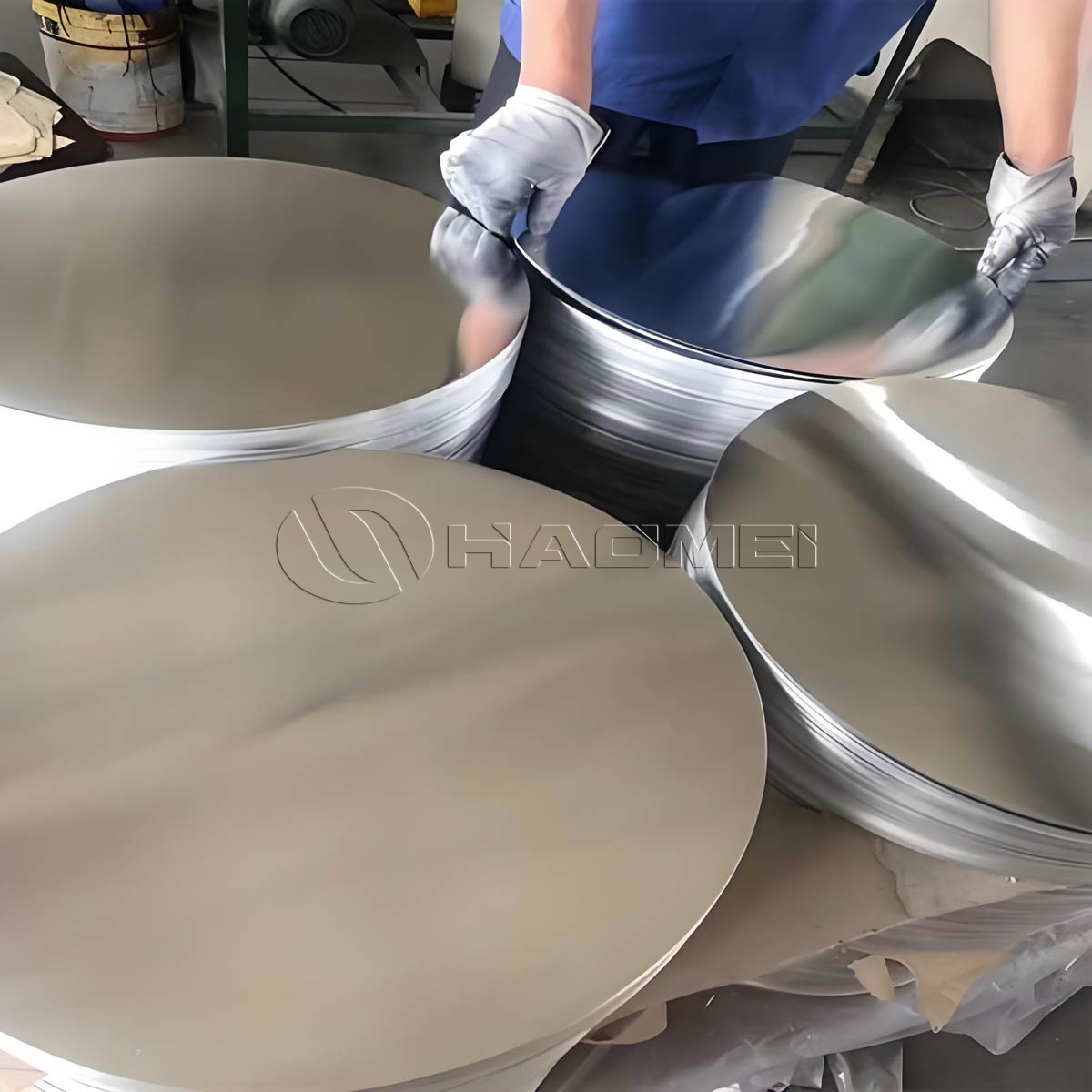
We manufacture aluminum circles from aluminum coil or sheet through melting control, casting, rolling, annealing, leveling, punching, surface inspection, and packaging. We do not position ourselves as a trading distributor. Our production system is built for stable export supply, batch traceability, and specification customization for cookware and kitchenware manufacturers.
For 1050 aluminum circles, we supply both CC, continuous casting, and DC, direct chill casting, routes. CC material is often selected for general cookware and standard deep drawing parts because of its cost efficiency and stable processability. DC material is preferred for demanding drawing depth, higher surface uniformity, and kitchenware that requires better anodizing or coating appearance.
Customers who need a dedicated product page can also review our 1050 Aluminum Circle specifications for common diameters, tempers, and export packaging options.
Kitchenware manufacturing requires aluminum that can be formed without cracking, maintain flatness during processing, transfer heat efficiently, and accept surface treatment. 1050 HO aluminum circles meet these requirements through the combination of high purity aluminum and soft annealed temper.
The HO temper gives the disc a low work hardening starting point, allowing the material to flow during deep drawing. This is important for products such as deep pots, rice cooker liners, milk pans, and pressure cooker parts. During forming, the aluminum circle must withstand radial and circumferential deformation. If the temper is too hard or the annealing is uneven, the final product may show orange peel, earing, cracking, or inconsistent wall thickness.
1050 aluminum circles also offer high thermal conductivity, which supports efficient heat distribution in cookware. Although alloys such as 3003 may be selected for higher strength, 1050 remains a practical option for many kitchenware components where formability, corrosion resistance, and surface cleanliness are key requirements.
The main difference between CC and DC aluminum circles begins at the casting stage. CC aluminum is produced through continuous casting and rolling, which gives good productivity and competitive cost. DC aluminum is produced from direct chill cast ingots, then scalped, homogenized, hot rolled, cold rolled, and annealed. This longer route generally gives better internal structure and surface consistency.
For many cookware projects, both CC and DC aluminum discs can be used successfully. The correct selection depends on the depth of drawing, surface treatment method, and acceptable cost range. As a factory, we usually confirm the end product drawing, required thickness, diameter tolerance, and coating or anodizing requirements before recommending the casting route.
| Item | CC 1050 HO Aluminum Circle | DC 1050 HO Aluminum Circle |
|---|---|---|
| Casting route | Continuous casting and rolling | Direct chill casting, hot rolling, cold rolling |
| Cost level | More economical | Higher than CC |
| Formability | Good for standard drawing and spinning | Better for demanding deep drawing |
| Surface uniformity | Suitable for most cookware | Better for higher appearance requirements |
| Grain structure | Fine and acceptable for common use | More uniform after homogenization and rolling |
| Typical use | Pot lids, shallow pans, basins, standard cookware | Deep pots, premium non-stick cookware, anodized parts |
| Recommended when | Cost control and stable volume are priorities | Deep drawing, surface finish, and consistency are priorities |
Our technical parameters can be customized according to customer drawings and forming processes. The table below shows typical supply ranges for kitchenware production. Final confirmation should be based on the purchase specification and application test.
| Parameter | Typical Specification |
|---|---|
| Product name | 1050 HO CC and DC aluminum circles |
| Alloy | 1050 |
| Temper | HO, O, H12, H14 optional by order |
| Aluminum content | 99.50 percent minimum |
| Production route | CC or DC |
| Thickness range | 0.4 mm to 6.0 mm |
| Diameter range | 80 mm to 1200 mm, larger sizes by negotiation |
| Thickness tolerance | According to order standard and thickness range |
| Diameter tolerance | Commonly +/-0.5 mm to +/-1.0 mm, depending on size |
| Surface | Mill finish, clean surface, free from oil stain, heavy scratch, and oxidation spots |
| Edge condition | Burr controlled, smooth edge available |
| Processing | Deep drawing, spinning, stamping, stretching, coating, anodizing |
| Main applications | Cookware, kitchenware, lids, pots, pans, basins, rice cooker inner pots |
| Standards | ASTM, EN, GB, or customer technical agreement |
| Packaging | Wooden pallet, moisture-proof paper, plastic film, steel strip |
1050 aluminum is valued for its high aluminum purity. The controlled chemical composition helps maintain good corrosion resistance, thermal conductivity, and forming performance.
| Element | Typical Limit |
|---|---|
| Al | 99.50 percent minimum |
| Si | 0.25 percent maximum |
| Fe | 0.40 percent maximum |
| Cu | 0.05 percent maximum |
| Mn | 0.05 percent maximum |
| Mg | 0.05 percent maximum |
| Zn | 0.05 percent maximum |
| Ti | 0.03 percent maximum |
| Other each | 0.03 percent maximum |
| Other total | 0.15 percent maximum |
The values above are for general reference. We can produce according to agreed standards when customers require special composition control for anodizing, enamel coating, or food-contact cookware production.
For kitchenware factories, mechanical properties must be stable within each batch. HO temper 1050 aluminum circles should have low hardness, uniform elongation, and good plastic flow. These characteristics reduce forming defects and improve production efficiency.
| Property | 1050 HO Reference Range |
|---|---|
| Tensile strength | Approx. 60 MPa to 100 MPa |
| Yield strength | Approx. 20 MPa to 40 MPa |
| Elongation | Usually 25 percent or higher, depending on thickness |
| Hardness | Soft annealed condition |
| Forming suitability | Excellent for deep drawing and spinning |
| Surface treatment suitability | Suitable for cleaning, polishing, coating, and anodizing |
During production, we control annealing temperature and holding time to achieve consistent softness. Improper annealing may cause uneven deformation, poor spinning stability, or excessive earing. Our process inspection includes surface checks, dimension measurement, and batch identification to support customer quality control.
1050 HO aluminum circles are used in many kitchenware and cookware products because they are easy to form and have good thermal performance. Typical applications include:
Frying pans and non-stick pan blanks
Saucepan and milk pan bodies
Stock pots and soup pots
Rice cooker inner pots
Pressure cooker parts
Pot lids and kettle bodies
Basins, trays, and household utensils
Cookware parts requiring polishing, coating, or anodizing
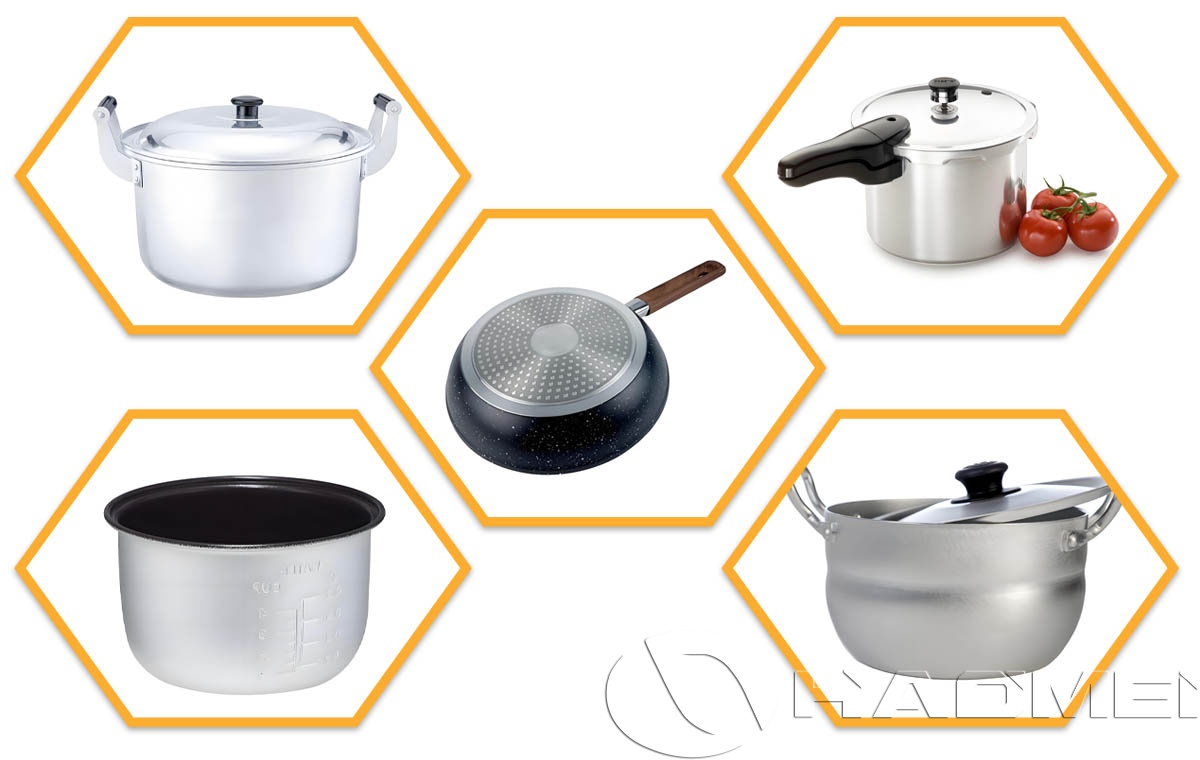
For non-stick cookware, the aluminum disc must have a clean surface and stable flatness before forming. After forming, the cookware body may go through degreasing, blasting or surface roughening, primer coating, top coating, and curing. Surface oil residue, rolling marks, or oxidation spots may affect coating adhesion. Therefore, surface protection during production and packaging is important.
For spun products, such as lids and conical cookware parts, the aluminum circle needs controlled hardness and stable grain structure. For deep pots, DC material may be selected when a higher drawing ratio is required. For standard lids, shallow pans, or general basins, CC material is often economical and sufficient.
Kitchenware products usually require better surface control than common industrial parts. Our 1050 aluminum circles for cookware are inspected to reduce visible defects that may influence forming or final appearance.
Important surface control points include:
No heavy scratches affecting final finish
No oil stain that may interfere with coating or cleaning
No serious oxidation or water mark
No edge crack or lamination
Controlled burr to reduce die wear and operator risk
Stable flatness for feeding, stamping, and automatic lines
For customers producing anodized cookware, DC 1050 aluminum circles are often recommended due to better structural uniformity. For painted or non-stick cookware, both CC and DC can be selected after process testing. We can also support customers who source other pure aluminum grades from the 1000 Series Aluminum circle range for different cookware cost and performance requirements.
Our production begins with raw material confirmation and casting route selection. For CC production, we focus on stable casting speed, rolling reduction, surface cleaning, and annealing control. For DC production, we focus on ingot quality, homogenization, rolling schedule, and final annealing. In both routes, the target is to supply aluminum discs with stable formability and predictable performance on the customer production line.
The general process includes:
Raw aluminum and alloying control
CC or DC casting
Hot rolling or continuous rolling according to route
Cold rolling to target thickness
Annealing to HO temper
Leveling and surface inspection
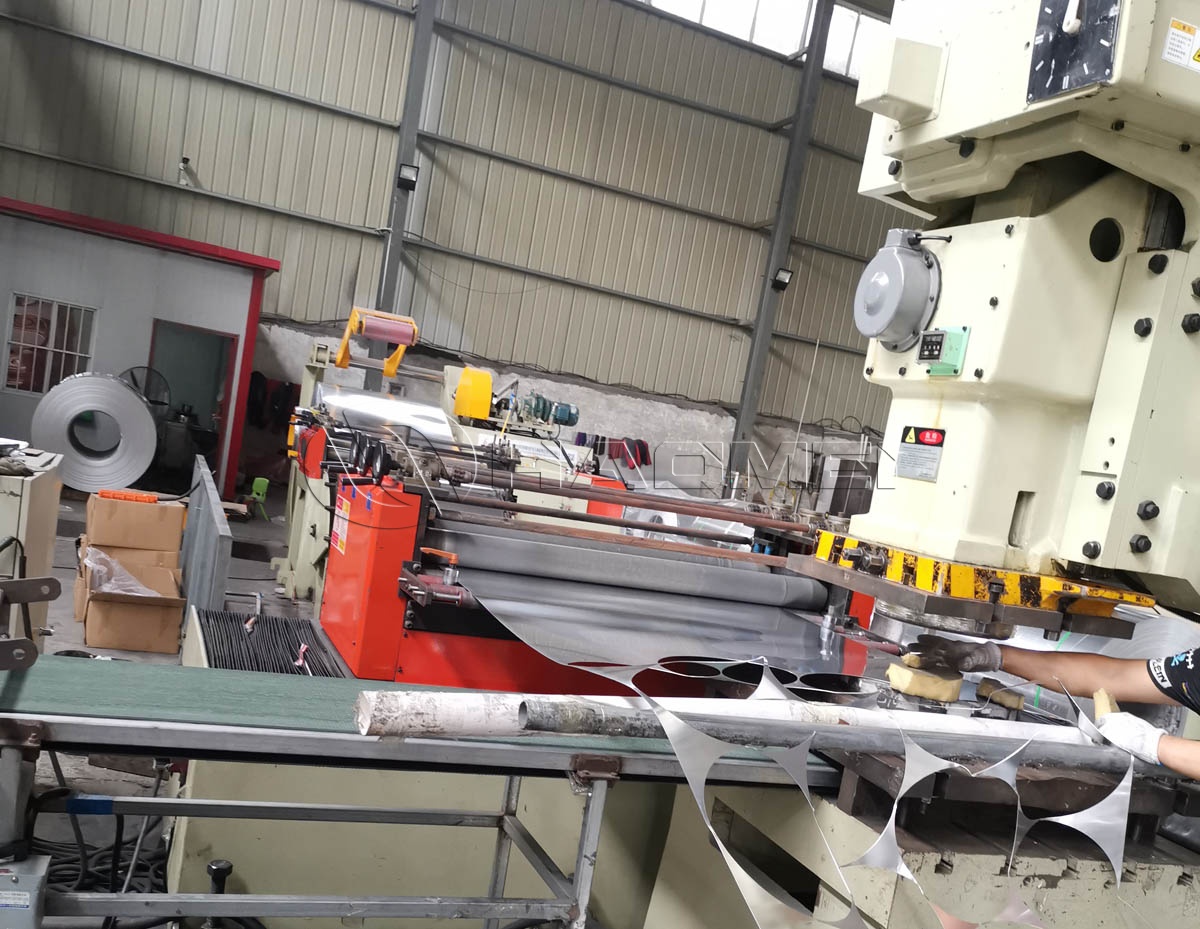
Circle blanking by punching line
Deburring and dimensional inspection
Final inspection and export packaging
Dimensional accuracy is especially important for automatic cookware presses. If the diameter deviation is too large, feeding and centering problems may occur. If the thickness tolerance is unstable, the finished cookware wall thickness may be inconsistent. For this reason, we measure thickness, diameter, burr, and surface condition before shipment.
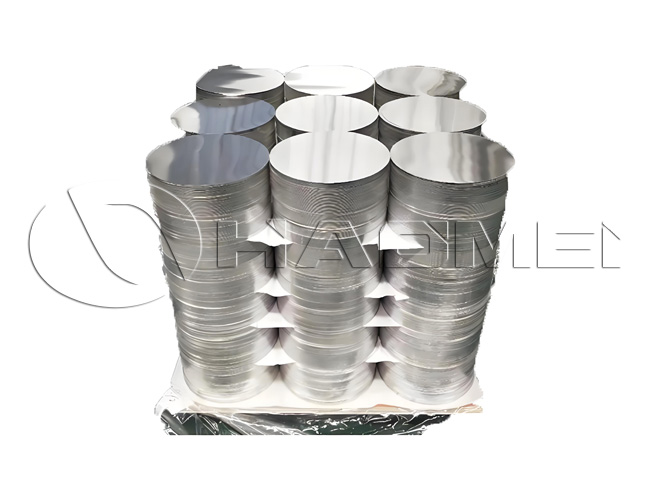
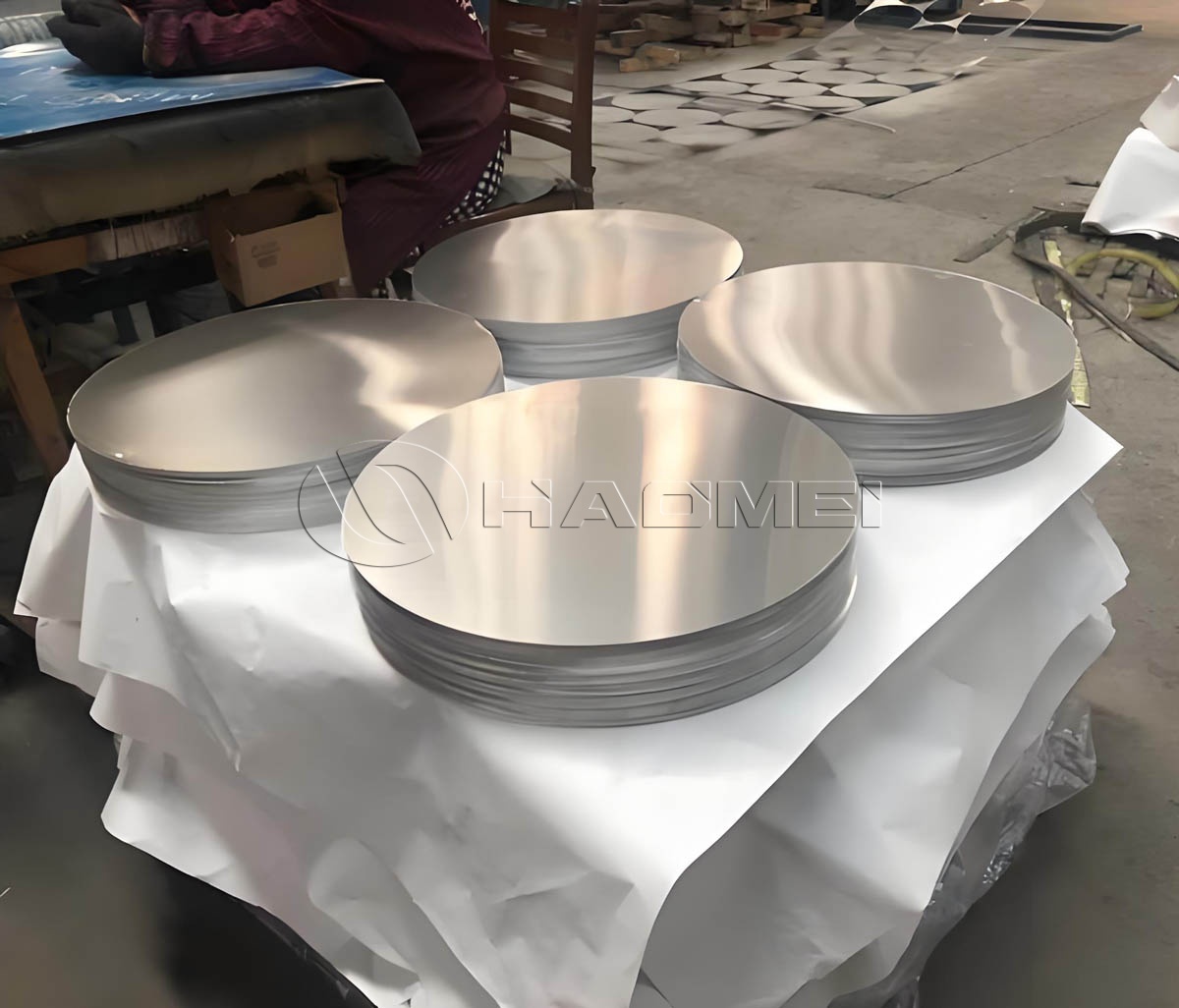
Aluminum circles are easily affected by moisture, friction, and edge impact during international transport. Our standard export packaging uses moisture-proof paper, plastic film, wooden pallet or wooden case, and steel strip reinforcement. For small diameter circles, vertical or horizontal packing can be selected according to weight and unloading method. For large diameter aluminum discs, additional edge protection may be used.
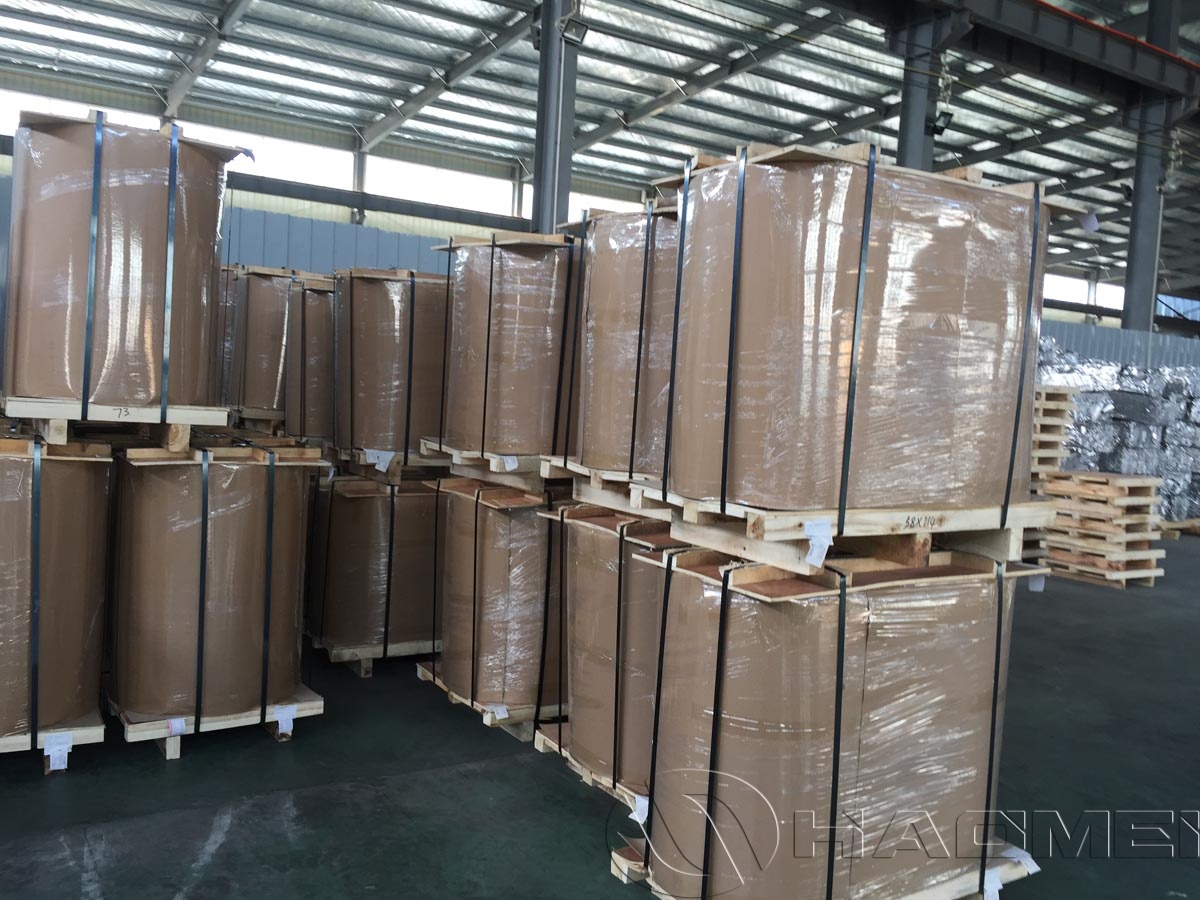
Each package can be marked with alloy, temper, size, batch number, net weight, gross weight, and customer order information. This helps kitchenware manufacturers manage incoming inspection and traceability.
When selecting 1050 aluminum circle for kitchenware, buyers should not consider price alone. The best choice is the material that matches the forming process and final surface requirement.
CC 1050 HO aluminum circles are suitable when the product has moderate drawing depth, the surface will be coated or painted, and cost control is important. DC 1050 HO aluminum circles are better when the product requires deep drawing, anodizing, premium appearance, or stricter batch stability.
Before mass production, we recommend confirming:
Finished cookware type and drawing depth
Required circle diameter and thickness
Whether the product is deep drawn, spun, or stamped
Surface treatment, such as non-stick coating, polishing, or anodizing
Required edge quality and burr limit
Packaging method and shipping conditions
Applicable standard and inspection requirements
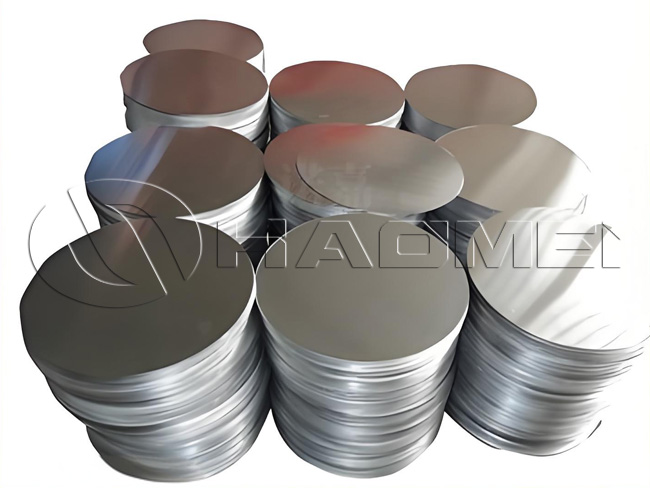
1050 HO CC and DC aluminum circles are practical materials for kitchenware manufacturing because they combine high formability, good thermal conductivity, corrosion resistance, and clean surface performance. As a factory, we manufacture these aluminum circles according to customer drawings, processing requirements, and export packaging standards.
CC aluminum circles provide an economical solution for standard cookware and kitchenware parts, while DC aluminum circles offer better consistency for deep drawing and higher surface requirements. By selecting the correct casting route, temper, thickness, and surface quality level, kitchenware manufacturers can improve forming stability, reduce defects, and maintain reliable production efficiency.

Office Address:
No.14 Waihuan Road, CBD, Zhengzhou, China
Contact Us
HAOMEI Aluminum offer an custom aluminum circle for you!
whatsapp: +86-18703635966
Email: sales@alummc.com
Email: alummc@hotmail.com
Request Free Sample & Quotation
Copyright © 2026 By HAOMEI Aluminum CO., LTD. All Rights Reserved. Sitemap
 +86-18703635966
 sales@alummc.com
 8618703635966
