
 No.14 Waihuan Road, CBD, Zhengzhou, China
 +86-18703635966

No.14 Waihuan Road, CBD, Zhengzhou, China
+86-18703635966
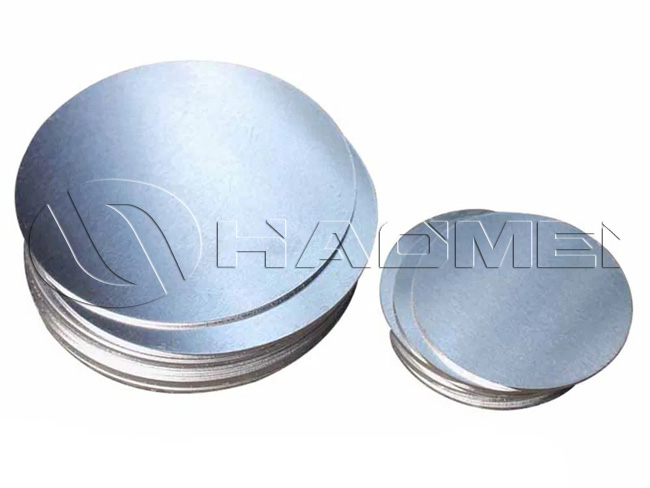
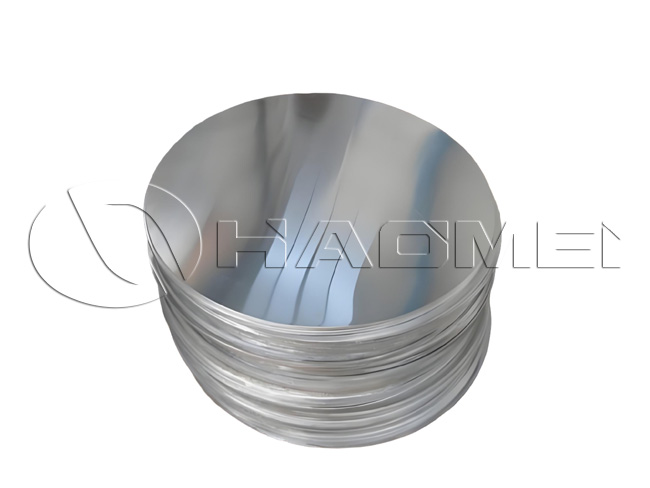
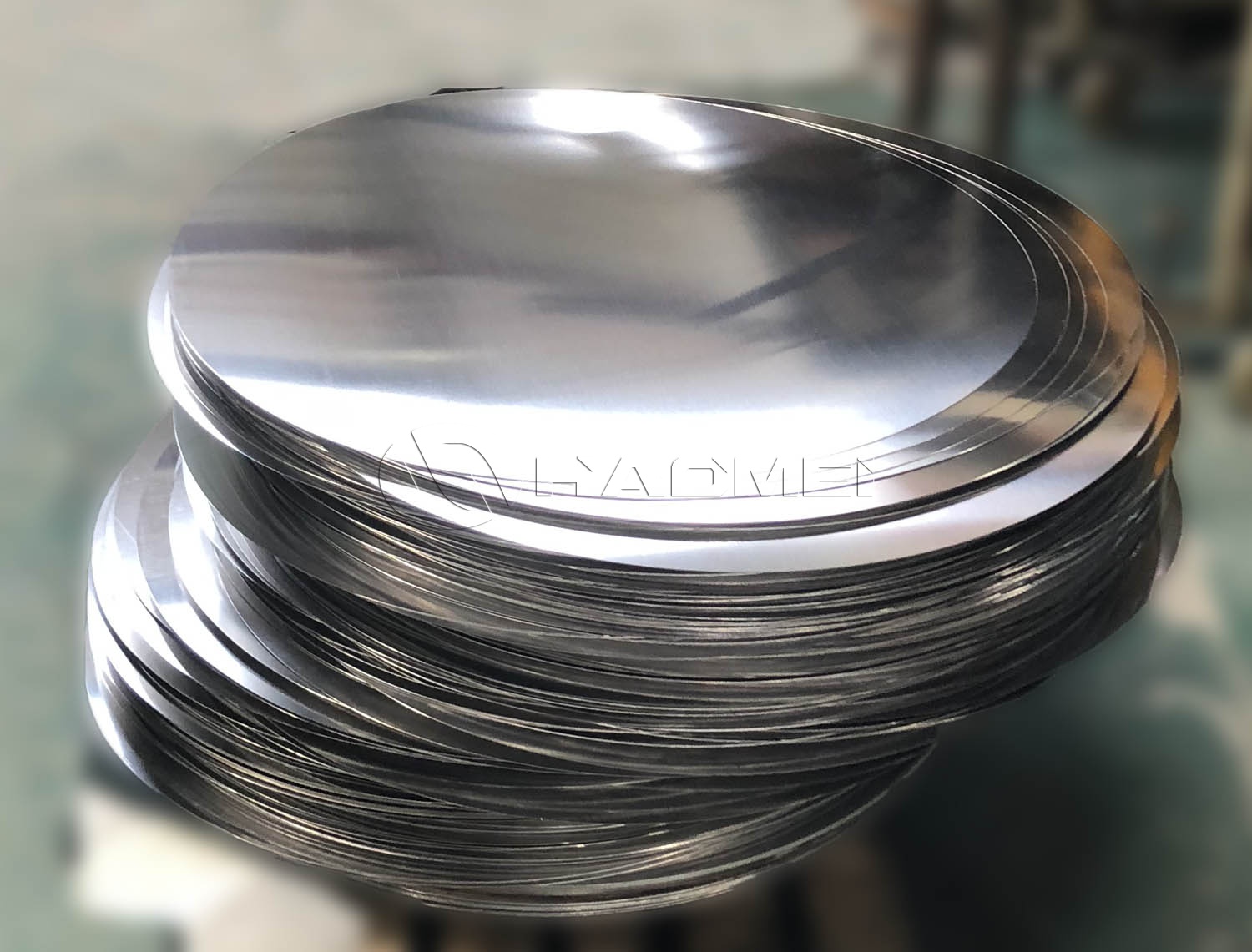
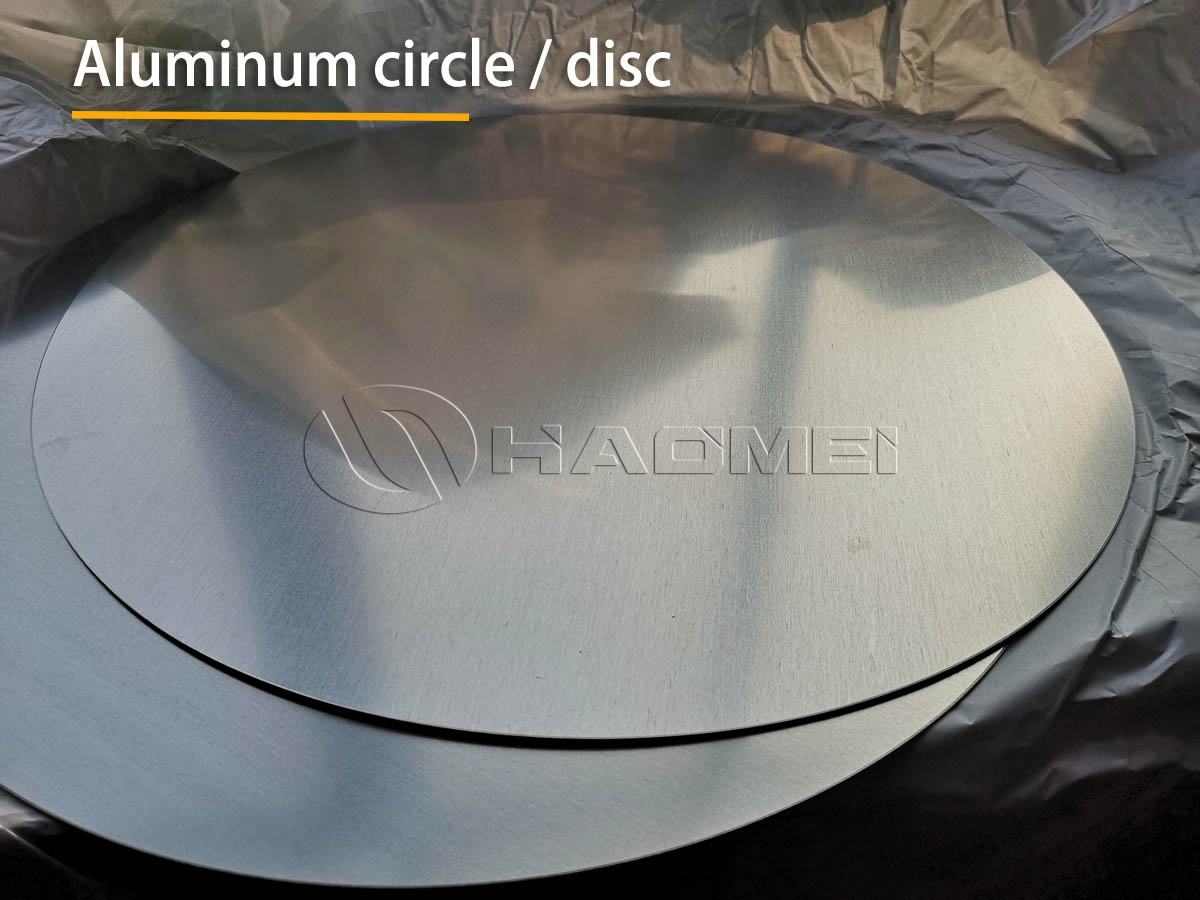
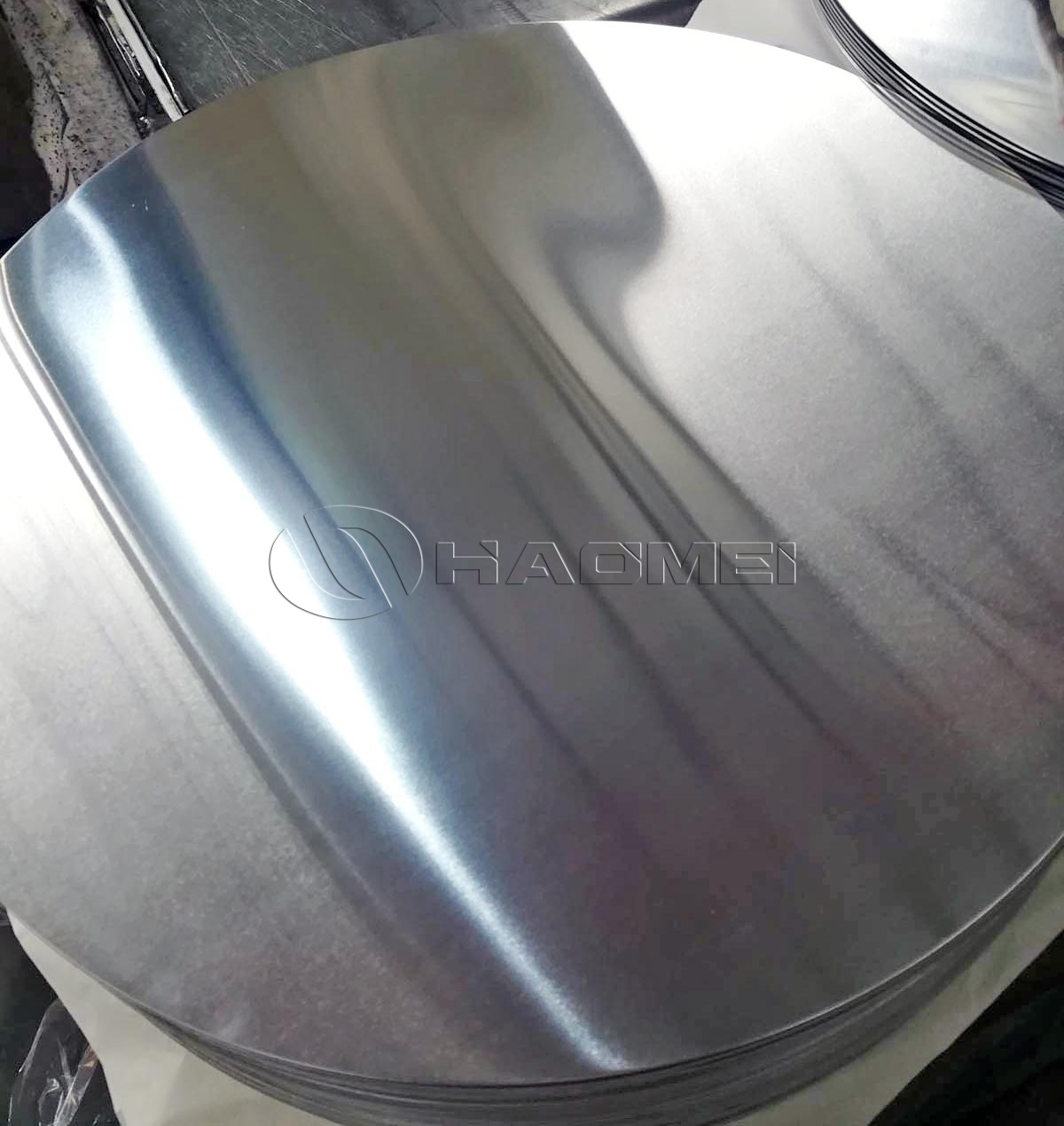
As a manufacturer of aluminum circles, we produce round aluminum blanks for the forming of cooking pots, pot covers, frying pans, saucepans, pressure cookers, and other cookware components. Aluminum circles for cooking pots must provide stable deep drawing performance, a clean surface, uniform thickness, and dependable heat conductivity after forming.
Cookware producers require more than a round sheet blank. The material must perform consistently during spinning, deep drawing, stamping, trimming, polishing, coating, and assembly. For this reason, we control alloy chemistry, rolling conditions, annealing parameters, dimensional tolerances, surface quality, and packing throughout the manufacturing process.
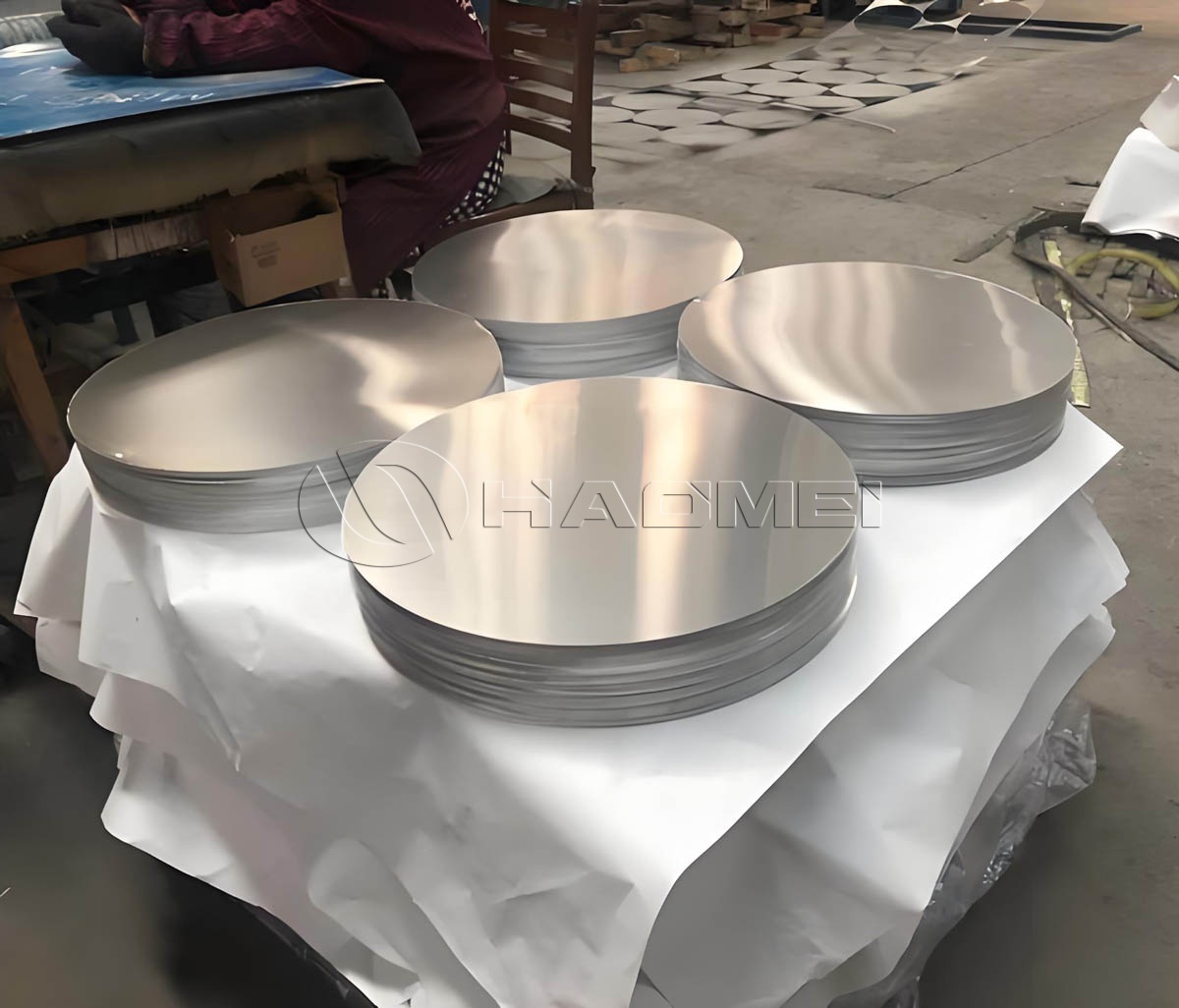
Aluminum is widely used in cookware manufacturing because it combines low density with good thermal conductivity and practical formability. Compared with heavier metals, aluminum allows cookware manufacturers to make products that are easier to handle while maintaining efficient heat transfer across the base and sidewall.
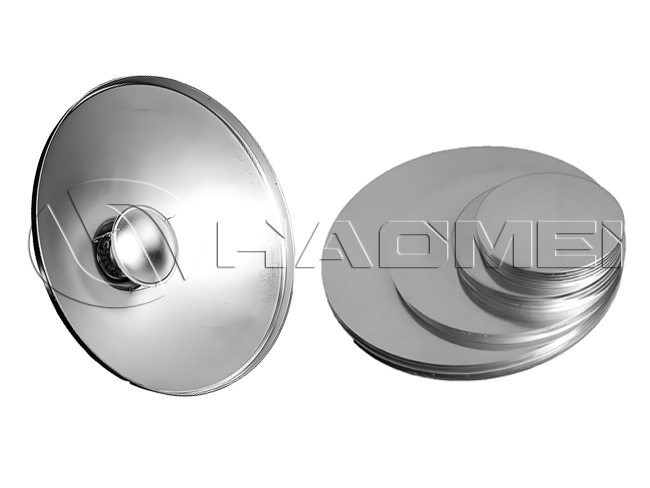
An aluminum circle for cookware is commonly formed into a pot body through deep drawing or spinning. It can also be stamped into a flat or shallow-domed pot cover. Depending on the final design, the cookware aluminum circle may be further processed with a non-stick coating, anodized finish, ceramic coating, painted exterior, stainless steel induction plate, or decorative polishing.
For cooking pots, the key requirement is drawing stability. The blank must elongate evenly without excessive thinning, cracking, earing, wrinkling, or surface defects. For covers, flatness and surface cleanliness are especially important because the material may undergo pressing, embossing, polishing, or coating.
Our Aluminum Circles for Cookware are supplied according to the forming method, finished cookware geometry, and downstream surface treatment specified by each customer.
The appropriate alloy depends on whether the aluminum disc will be deep drawn, spun, stamped, or used in a composite cookware structure. Among the most frequently selected grades are 1050, 1060, 1070, 1100, 3003, and 5052 aluminum alloy.
The 1xxx series is known for high aluminum purity, good thermal conductivity, and excellent workability. These grades are commonly used for standard cooking pots, stockpots, lids, and lightweight household cookware. Alloy 3003 provides higher strength than pure aluminum grades and is often selected for cookware that requires improved rigidity after forming. Alloy 5052 can be considered when higher strength and corrosion resistance are required, although it is generally chosen according to the specific drawing depth and tooling conditions.
| Alloy | Main Characteristics | Typical Cookware Application |
|---|---|---|
| 1050 | High conductivity, soft temper availability, good formability | Pot bodies, lids, basic cookware |
| 1060 | Good deep drawing performance, stable surface quality | Cooking pots, saucepans, covers |
| 1070 | High purity, excellent ductility and conductivity | Lightweight pots and spun covers |
| 1100 | Good corrosion resistance and workability | Cookware bodies and kitchen utensils |
| 3003 | Higher strength, good corrosion resistance | Durable pots, pans, cookware components |
| 5052 | Higher strength and corrosion resistance | Selected premium cookware applications |
Temper is one of the most important factors in the manufacture of aluminum circles for cooking pots. The temper determines how the material responds to deformation during deep drawing, spinning, pressing, and edge trimming.
For deep drawn pots, soft tempers such as O are widely used because they support significant elongation. A fully annealed aluminum disc can be drawn into a deeper vessel shape with reduced risk of edge cracking. For shallow cookware parts, pot covers, and applications with limited forming depth, H12, H14, or other strain-hardened tempers may be appropriate.
Our production team recommends temper based on the finished pot diameter, wall height, drawing ratio, die design, lubrication method, and number of drawing operations. Material selection should be matched to the actual forming process rather than based on alloy alone.
| Parameter | Typical Range | Notes |
|---|---|---|
| Alloy | 1050, 1060, 1070, 1100, 3003, 5052 | Selected according to forming and strength needs |
| Temper | O, H12, H14, H16, H18 | O temper is common for deep drawing |
| Diameter | 100 mm to 1,200 mm | Custom diameters can be produced |
| Thickness | 0.30 mm to 6.00 mm | Depends on pot or cover design |
| Diameter tolerance | Typically +/- 0.5 mm to +/- 2.0 mm | Defined by diameter and customer specification |
| Thickness tolerance | According to applicable standard or agreement | Controlled across each blank |
| Surface | Mill finish, bright finish, coated-ready | Free from defects affecting forming |
| Edge condition | Smooth, burr-controlled | Suitable for pressing and drawing |
We manufacture cookware aluminum circles from qualified aluminum coil or sheet. The manufacturing route is controlled to ensure uniform mechanical properties across the blank and from batch to batch.
The process generally includes melting and casting, homogenization, hot rolling or cold rolling, intermediate annealing where required, final gauge rolling, slitting, circle blanking, inspection, and packing. For products intended for deep drawing, annealing is carefully managed to obtain the required softness and grain structure.
Circle blanking is performed with suitable tooling to maintain roundness and minimize edge burr. An uneven edge can affect feeding, drawing symmetry, and final cookware appearance. We also monitor surface condition because scratches, oil stains, roll marks, inclusions, and dents may become more visible after polishing, anodizing, or coating.
For customers requiring enhanced formability, we can supply Hot Rolled Aluminum Circle material where the specified process and final application benefit from its metallurgical characteristics.
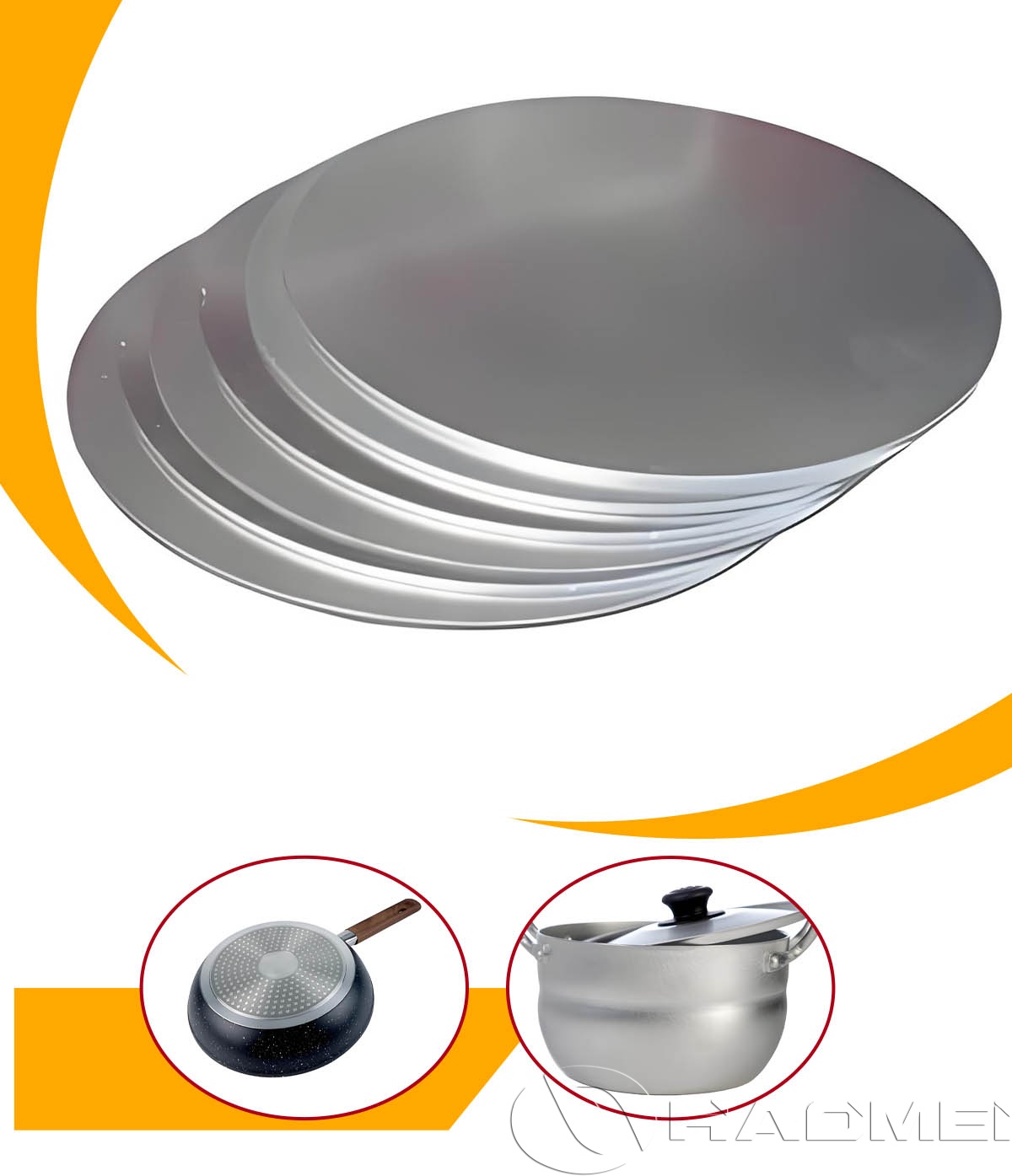
Cooking pot bodies typically involve deeper drawing than covers. The material must stretch from a flat aluminum circle into a cylindrical, conical, or curved vessel without localized fracture. The required performance is influenced by the pot depth, bottom radius, sidewall angle, drawing ratio, and tooling clearance.
For deep drawing aluminum circles, we pay particular attention to thickness consistency, grain control, elongation, and earing tendency. Excessive earing creates more trimming waste and can reduce production efficiency. Stable mechanical properties help cookware factories maintain repeatable forming results across high-volume production.
A pot body may go through several stages, including first draw, redraw, ironing, bottom shaping, rim rolling, trimming, and handle attachment. Where multiple drawing stages are required, the alloy and temper must retain sufficient ductility for the complete process route.
Aluminum discs for pot covers are often formed by stamping, pressing, shallow drawing, or spinning. While the drawing depth is usually lower than for a pot body, cover blanks need good flatness, consistent surface appearance, and accurate diameter control.
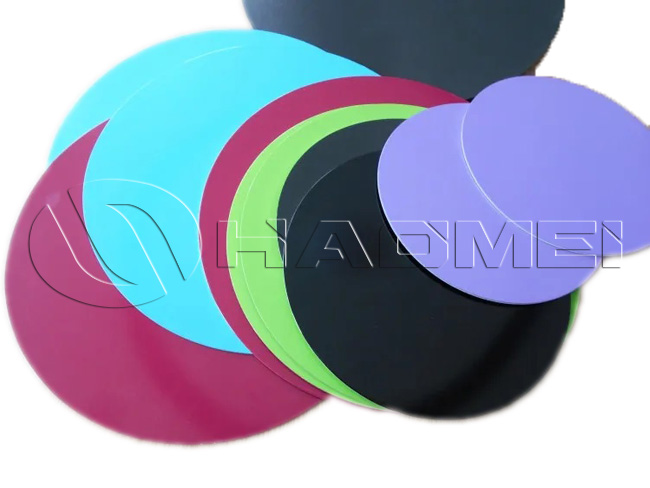
Many covers are polished, painted, anodized, or combined with knobs, steam vents, and stainless steel components. Therefore, the surface must be suitable for finishing operations. For coated covers, the aluminum circle should have a clean and uniform surface that supports coating adhesion after appropriate pretreatment.
Cover designs may also include embossed patterns, reinforced edges, or shallow domes to improve rigidity. We can recommend thickness according to the diameter, structural design, and intended end use of the cover.
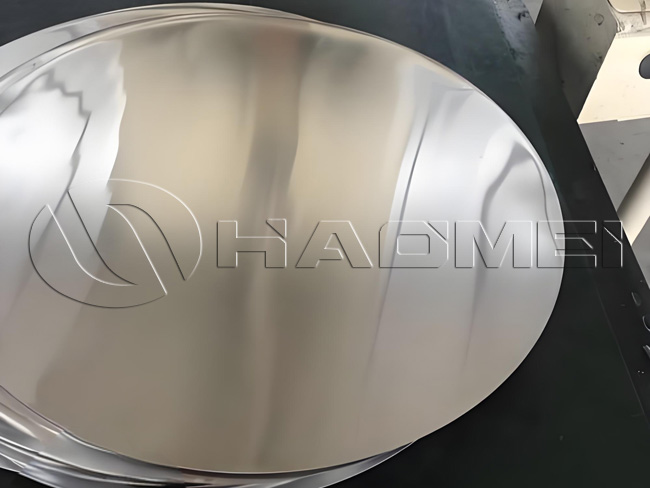
Surface quality is a practical production requirement, not only an appearance issue. Deep drawing can amplify existing scratches or roll marks, and decorative finishing can reveal minor imperfections. Our inspection process focuses on defects that may affect forming, coating, polishing, and finished cookware presentation.
We check diameter, thickness, roundness, edge condition, surface cleanliness, and packaging integrity. Material is separated by alloy, temper, thickness, and production batch to support traceability. When required, we can provide inspection documents covering chemical composition, mechanical properties, dimensions, and coil or batch identification.
The following quality points are commonly considered for aluminum circles for cooking pots and covers:
Uniform thickness for balanced drawing and stable pot wall formation.
Smooth edges with controlled burr levels for safe and efficient press operation.
Clean mill finish suitable for polishing, coating, anodizing, or further treatment.
Consistent temper to reduce variation between production batches.
Appropriate flatness for reliable automatic feeding and stamping.
Secure export packing to prevent moisture, collision, and transit damage.
To select a suitable aluminum disc for pot covers or cooking pots, cookware manufacturers should provide the finished product drawing or key production details. The most useful information includes pot diameter, final depth, wall thickness, alloy preference, temper, forming process, surface treatment, and annual order volume.
For example, a deep stockpot may require a 1050 O, 1060 O, or 3003 O aluminum circle with controlled drawing performance. A shallow pressed lid may use a different thickness and temper based on rigidity and finishing requirements. Induction cookware may also require subsequent bonding or impact application of a stainless steel base, which should be considered when selecting the aluminum body material.
Our technical team reviews these conditions before production to align the aluminum circle with the customer's tooling and manufacturing process. This approach helps reduce material waste, improve forming consistency, and support stable cookware production.
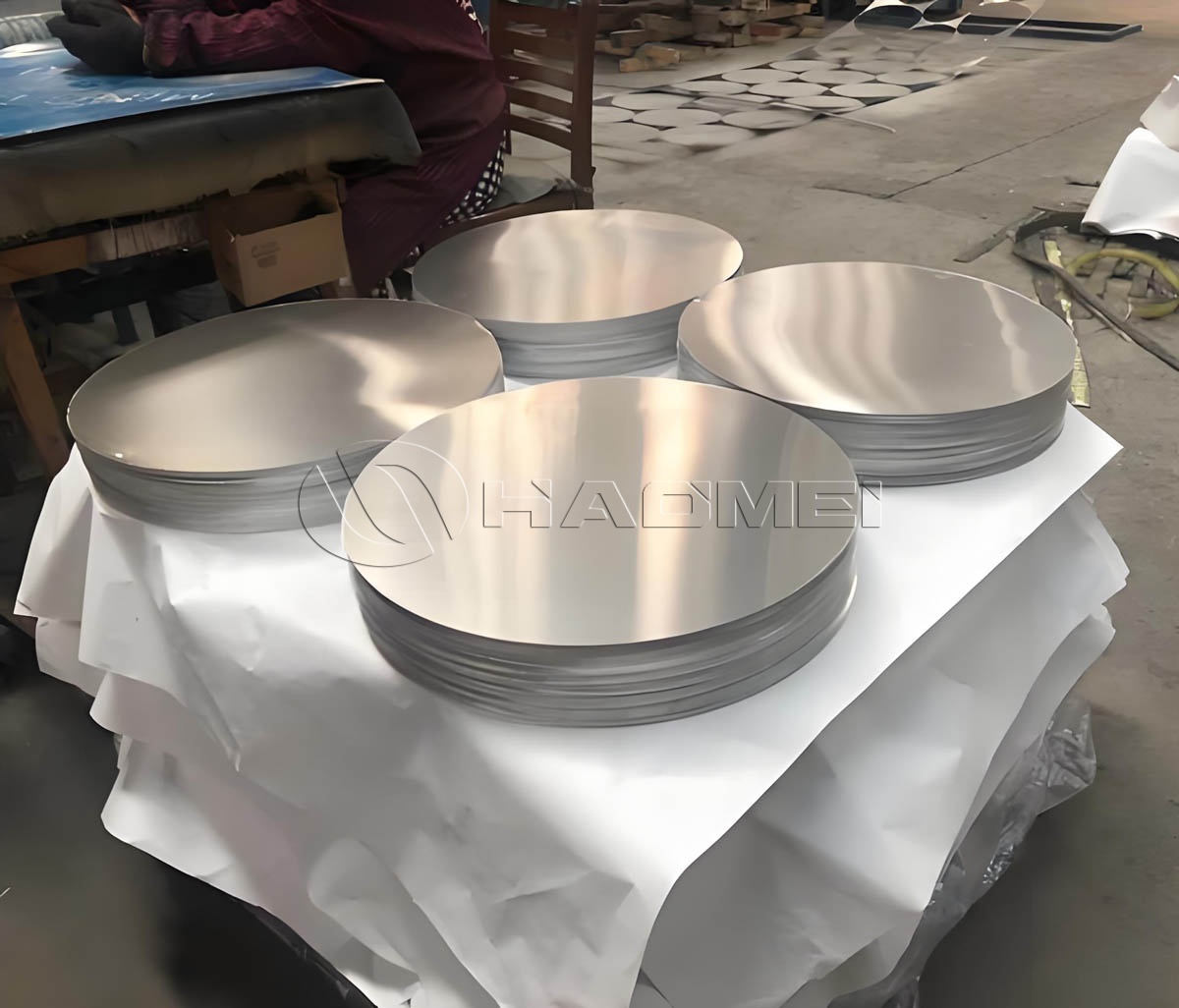
As a factory supplier, we prepare aluminum circles for export with protection suitable for sea, land, or multimodal transport. Circles are typically stacked with interleaving paper where required, protected by moisture-resistant materials, secured on wooden pallets, and packed to reduce edge damage during handling.
Packing configuration can be adjusted according to disc diameter, thickness, destination, container loading method, and customer handling equipment. Clear labels can include alloy, temper, dimensions, net weight, gross weight, batch number, and purchase order reference.
Aluminum circles for cooking pots and covers are essential semi-finished materials for cookware manufacturing. Their performance depends on the correct combination of alloy, temper, thickness, diameter, surface condition, and dimensional control. For pot bodies, deep drawing capability and thickness uniformity are central requirements. For pot covers, flatness, surface quality, and stamping consistency are especially important.
By manufacturing aluminum circles under controlled rolling, annealing, blanking, inspection, and packing procedures, we supply cookware producers with material designed for efficient downstream forming. Whether the application is a deep drawn cooking pot, a spun saucepan, or a pressed aluminum cover, the aluminum circle specification should be developed around the actual production process and finished product requirements.



Office Address:
No.14 Waihuan Road, CBD, Zhengzhou, China
Contact Us
HAOMEI Aluminum offer an custom aluminum circle for you!
whatsapp: +86-18703635966
Email: sales@alummc.com
Email: alummc@hotmail.com
Request Free Sample & Quotation
Copyright © 2026 By HAOMEI Aluminum CO., LTD. All Rights Reserved. Sitemap
 +86-18703635966
 sales@alummc.com
 8618703635966
