
 No.14 Waihuan Road, CBD, Zhengzhou, China
 +86-18703635966

No.14 Waihuan Road, CBD, Zhengzhou, China
+86-18703635966
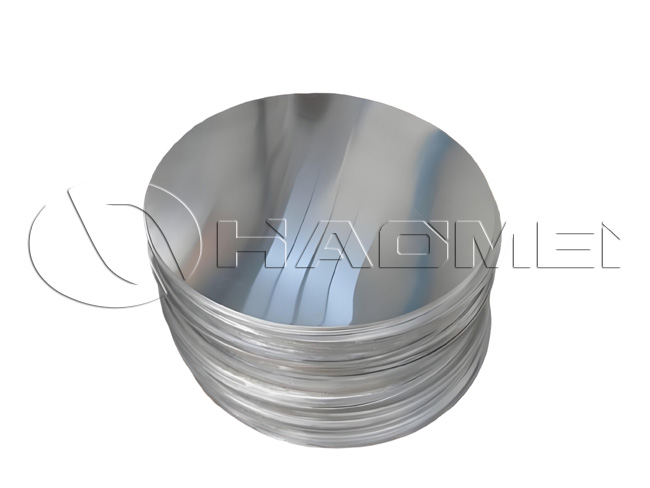
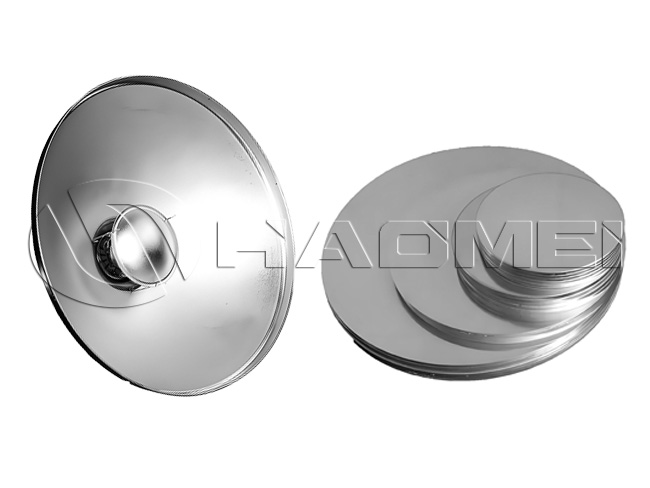
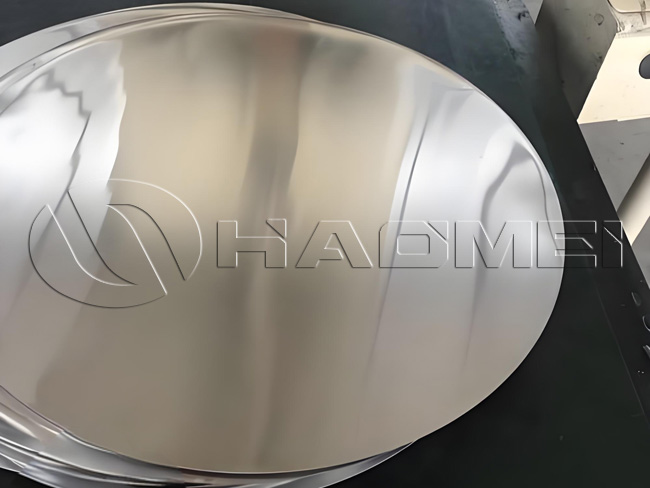
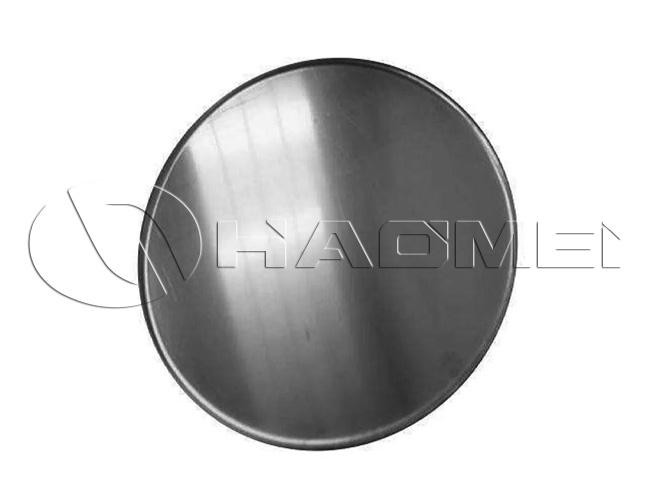
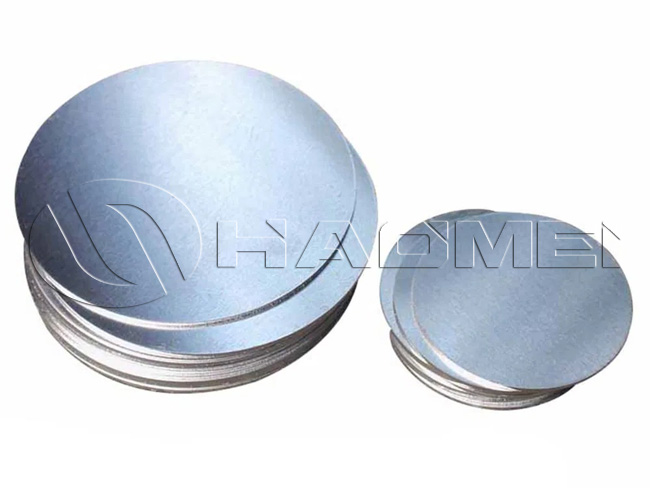
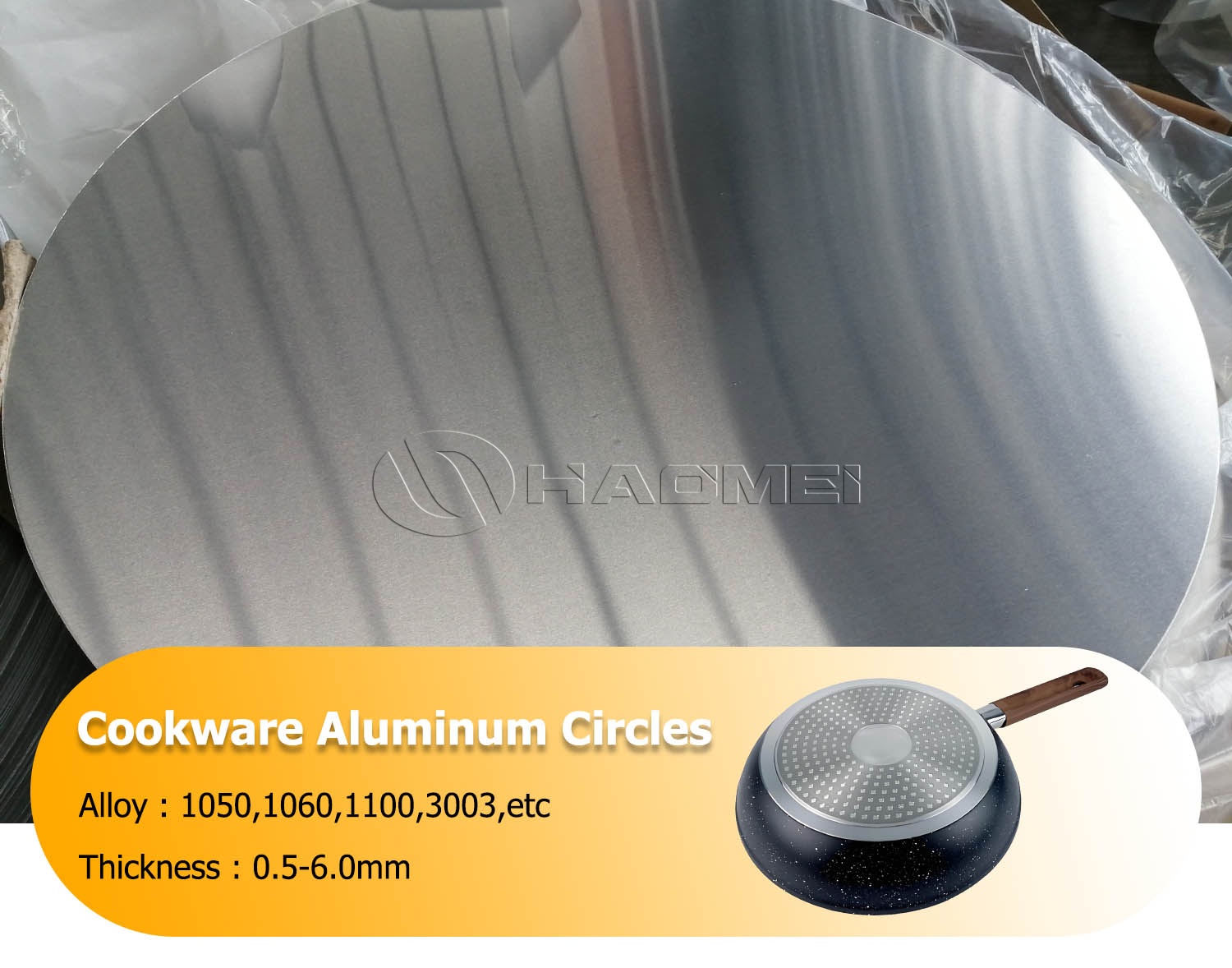
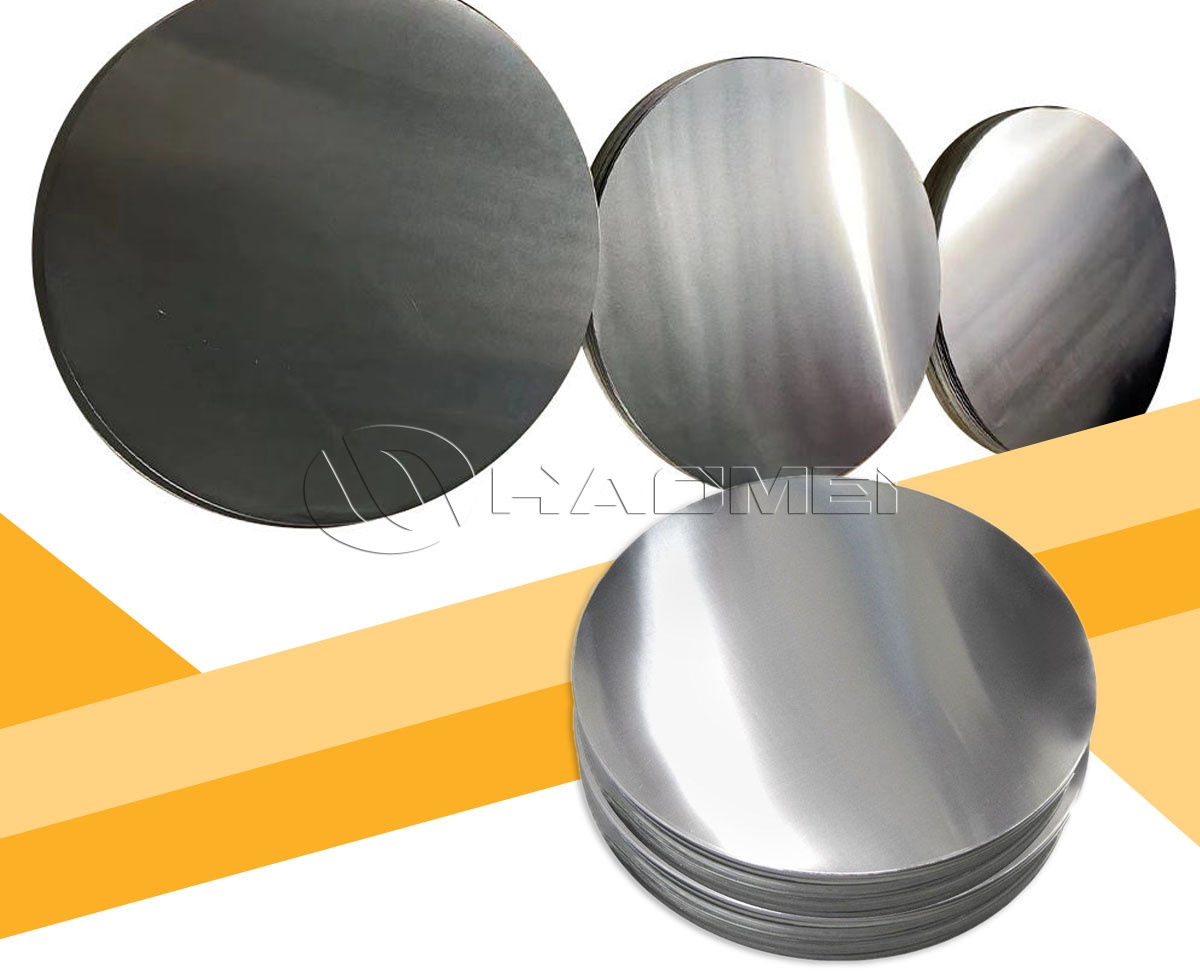
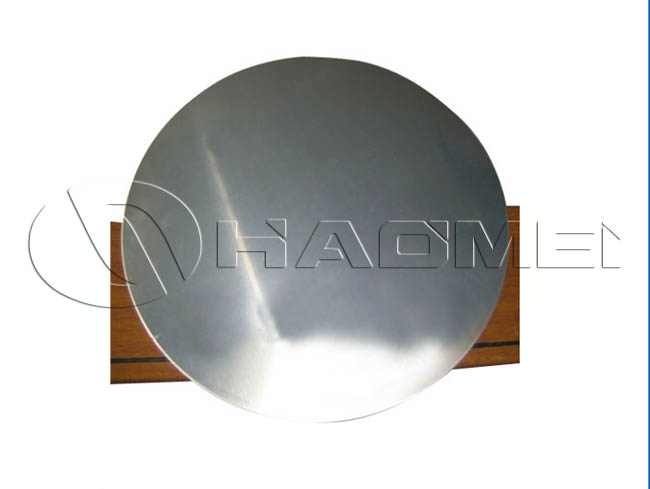
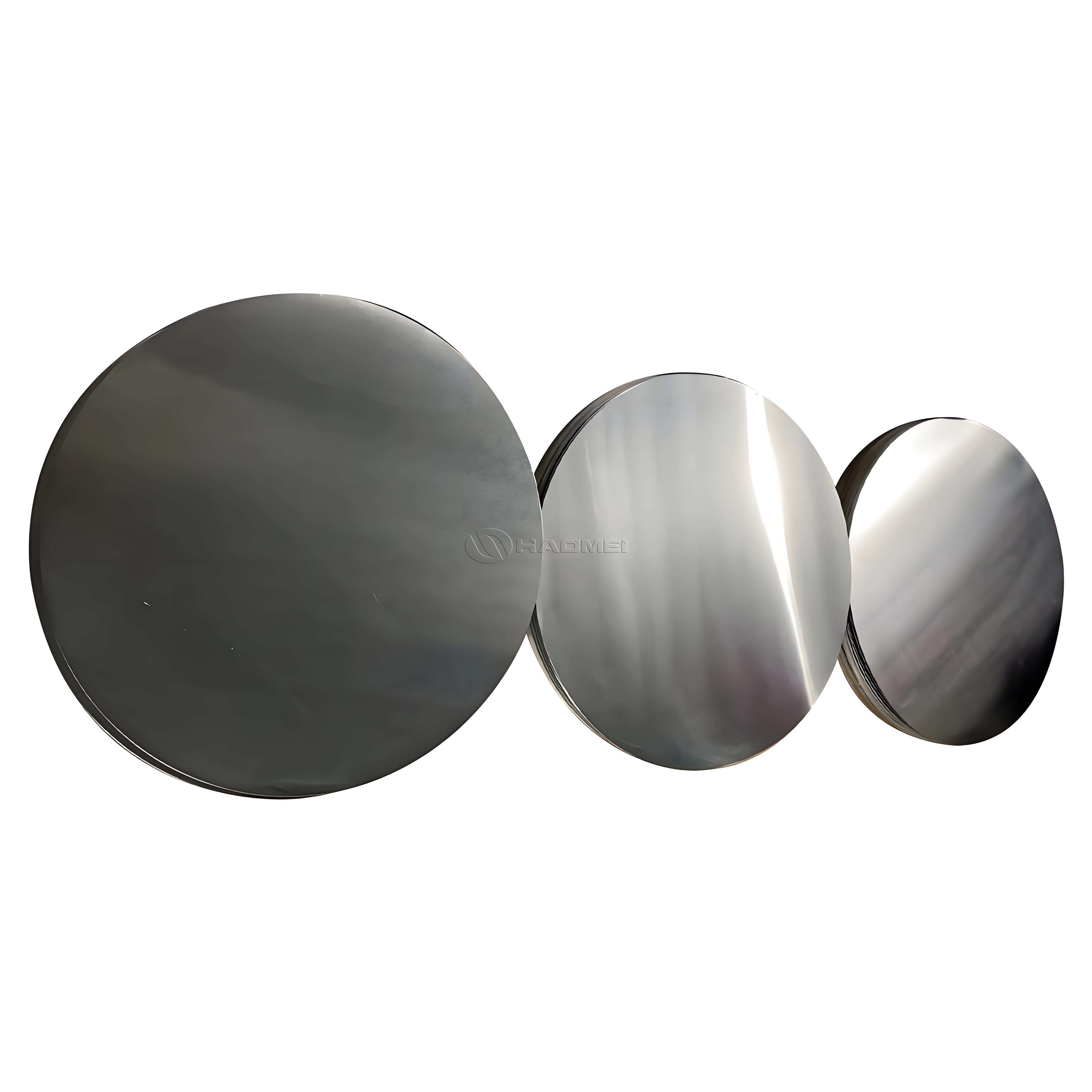
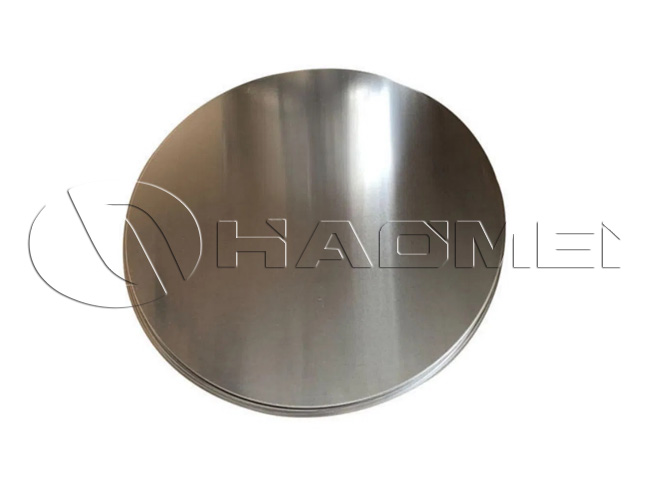
As a manufacturer of aluminum circle discs, we produce food grade 24 inch aluminum circles for cookware factories making large pots, stockpots, pressure cooker bodies, basins, catering vessels, and other deep-drawn kitchen products. A 24 inch aluminum circle, equivalent to 609.6 mm in diameter, requires consistent metal quality because its large blank size makes material uniformity especially important during drawing, spinning, and forming.
Our production process is designed around cookware applications. We control alloy chemistry, rolling quality, annealing condition, surface cleanliness, edge condition, and dimensional tolerance before the aluminum disc is supplied to the pot manufacturer. This approach helps customers achieve stable forming performance and reduce scrap caused by cracking, wrinkling, uneven wall thickness, or surface defects.
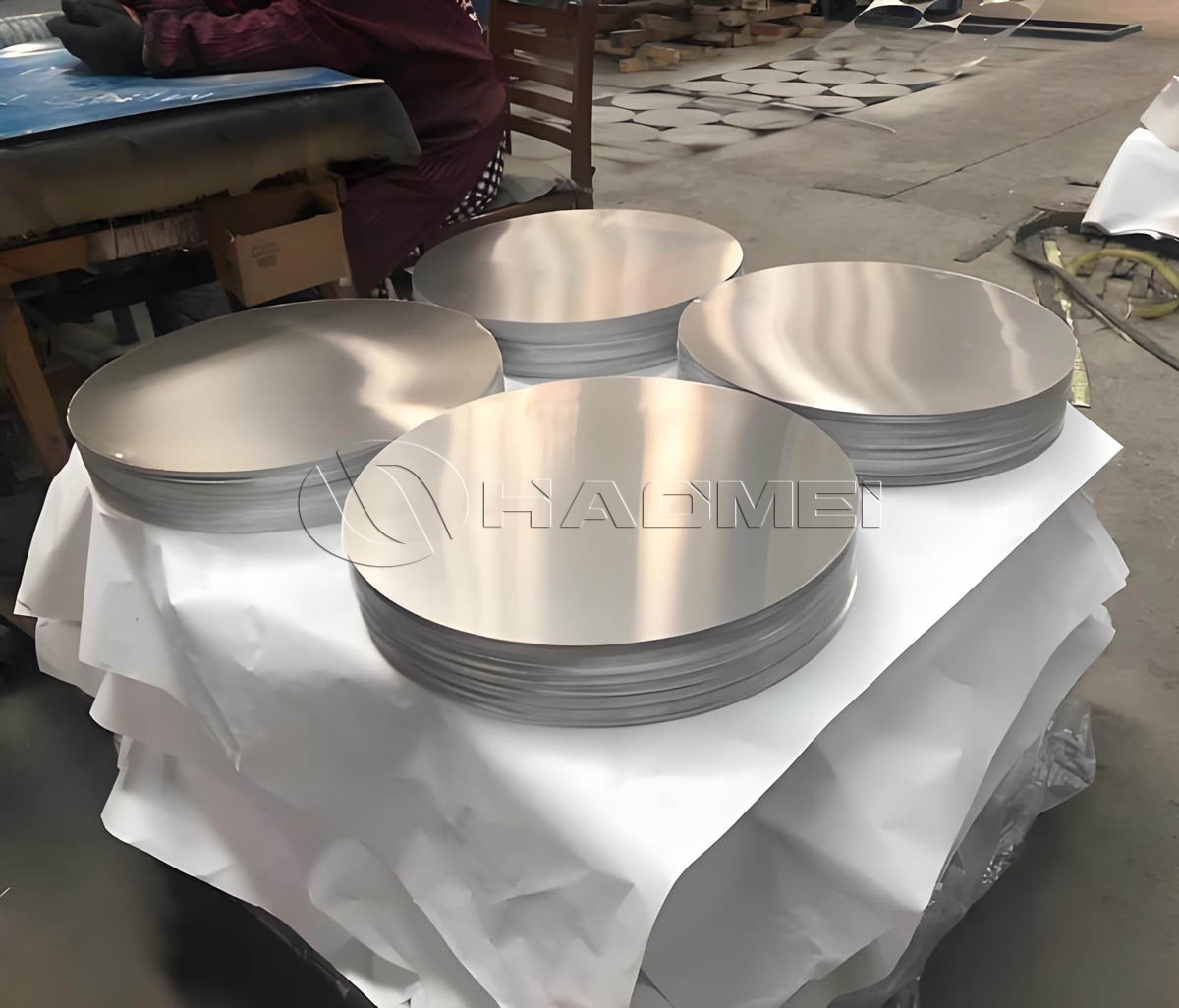
A large cookware aluminum disc is not simply a round piece cut from sheet. For pot making, the disc must withstand substantial deformation while maintaining a smooth surface after forming. The final result depends on the interaction between the aluminum alloy, temper, blank diameter, thickness, tool design, lubrication, and drawing ratio.
For 24 inch aluminum circles used in pot production, the principal manufacturing requirements include:
Stable mechanical properties across the full disc diameter.
Fine and uniform grain structure after annealing.
Good elongation for deep drawing or spinning.
Clean surface without oil stains, rolling marks, pinholes, dents, or embedded particles.
Smooth, burr-controlled edges to support safe feeding and forming.
Accurate diameter and thickness to maintain repeatable pot geometry.
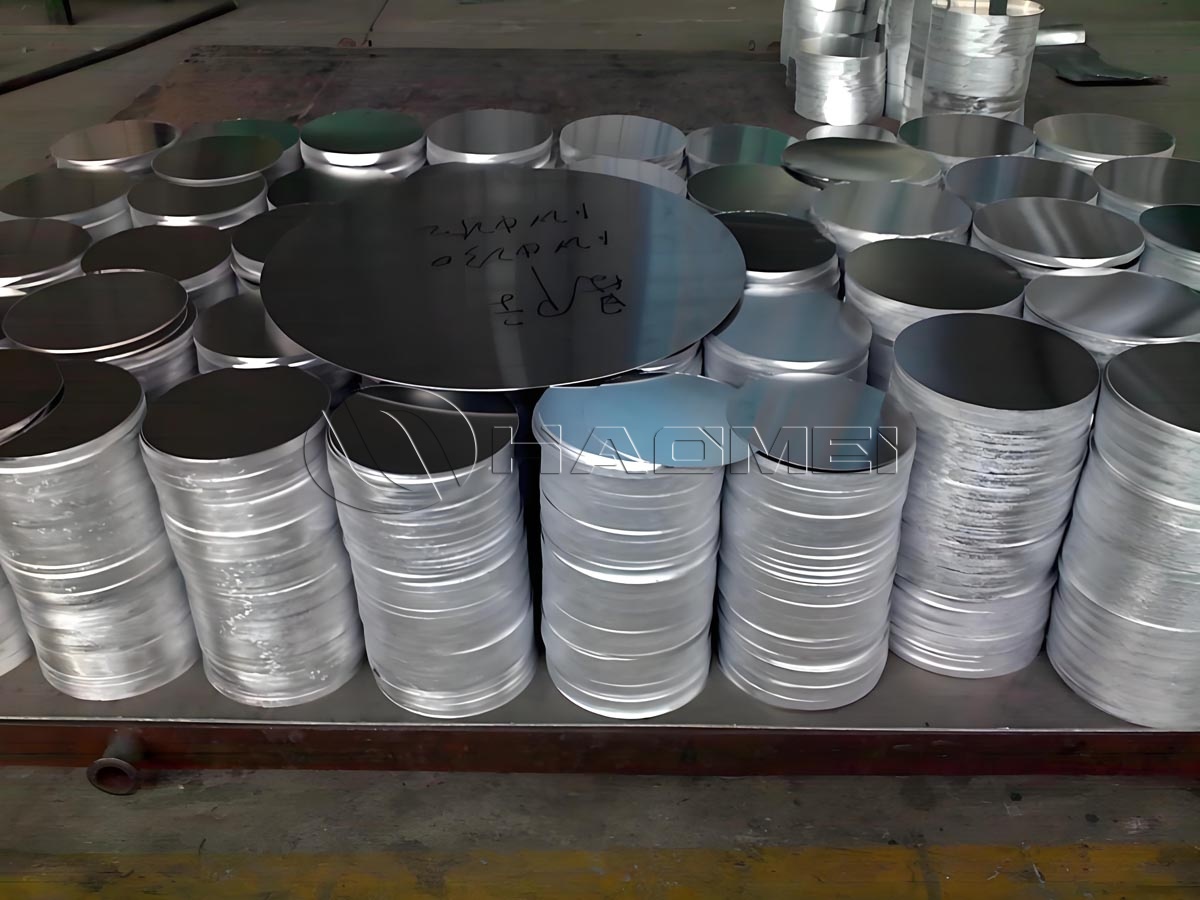
Flat blanks that can be efficiently stacked and processed by automated equipment.
We manufacture aluminum circle discs from controlled rolling stock and inspect each production stage, from incoming coil selection through blanking, annealing, packing, and shipment preparation.
1. Food-Contact Safety: Made from aluminum that meets relevant food-contact safety standards, making it suitable for the manufacture of cookware.
2. Excellent Thermal Conductivity: Offers rapid and uniform heat transfer, which helps improve cooking efficiency.
3. Good Formability: Exhibits excellent stamping, deep-drawing, and spinning characteristics, making it ideal for producing various types of cookware.
4. High Dimensional Precision: Features a 24-inch diameter, superior roundness, and consistent thickness, facilitating subsequent manufacturing processes.
5. Superior Surface Quality: Provides a smooth surface with minimal defects, enhancing the appearance of the finished cookware.
6. Good Corrosion Resistance: Can be enhanced through appropriate surface treatments to improve the durability of the cookware.
The correct alloy depends on the pot design and forming route. For uncoated cookware bodies, common choices are commercially pure aluminum grades in the 1xxx series and manganese-containing 3003 alloy. These materials are widely used for aluminum cookware because they provide suitable formability, thermal conductivity, and surface finishing characteristics.
1050, 1060, and 1070 aluminum circles are commonly selected for cookware requiring high ductility and good heat transfer. Their relatively high aluminum content supports deep drawing and spinning operations. Soft annealed tempers are generally preferred for one-piece pot bodies with significant draw depth.
1060 aluminum circle discs are frequently used for standard pots, rice cooker inner pots, basins, and kitchen utensils. 1070 may be selected when customers need particularly high aluminum purity and strong forming performance. The final material choice should be confirmed according to the required mechanical properties, coating system, and applicable food-contact regulations in the destination market.
3003 aluminum circles contain manganese and provide higher strength than 1xxx series alloys. They are suitable for cookware designs requiring improved rigidity or for formed products where moderate strength is important. Depending on the pot geometry, 3003 may be supplied in an appropriate annealed temper for drawing or spinning.
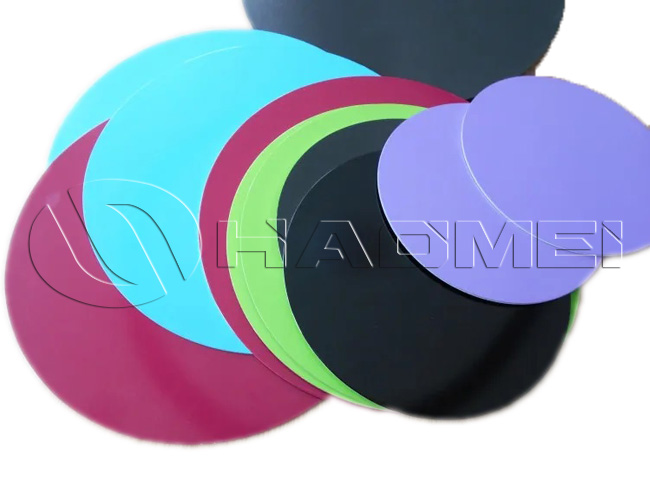
For projects involving non-stick coating, anodizing, polishing, or other surface treatments, our technical team can recommend the suitable alloy and surface quality based on the downstream process.
The following table shows typical production capability for a food grade 24 inch aluminum circle for pot making. Final specifications are confirmed against the customer's drawing, forming method, and quality standard.
| Parameter | Typical Specification | Notes |
|---|---|---|
| Product name | 24 inch aluminum circle disc | For pot and cookware manufacturing |
| Nominal diameter | 24 inches / 609.6 mm | Custom diameter tolerances available |
| Diameter range | 100 mm to 1200 mm | Subject to alloy and thickness |
| Typical thickness | 0.60 mm to 6.00 mm | Selected according to pot depth and rigidity |
| Common alloys | 1050, 1060, 1070, 3003 | Other grades available on request |
| Common tempers | O, H12, H14 | O temper recommended for deep drawing |
| Surface finish | Mill finish, bright finish, coated-ready | Surface selected by end application |
| Edge condition | Smooth, deburred, controlled burr | Suitable for press feeding and forming |
| Diameter tolerance | As agreed in order specification | Based on product thickness and process |
| Thickness tolerance | As agreed in order specification | Controlled through rolling and inspection |
| Flatness | Suitable for blanking and forming | Confirmed according to blank size |
| Production methods | Cold rolled, hot rolled, deep drawing grade | Determined by application requirements |
| Packaging | Interleaved paper, palletized export packing | Helps protect surface during transport |
For customers processing heavy-gauge or large-diameter blanks, we can also supply a Hot Rolled Aluminum Circle with specifications matched to demanding forming operations.
The term food grade aluminum circle should be used with clear technical scope. The aluminum disc is a raw material for cookware manufacturing, and the finished pot's food-contact compliance depends on the complete production system. This includes alloy selection, surface preparation, cleaning, coatings, anodizing, handles, rivets, and final product testing.
As a factory, we provide material identification, alloy information, and inspection documentation according to the agreed order requirements. Where customers require specific food-contact declarations or third-party testing, these requirements should be identified before production. We can coordinate material and surface specifications for target markets, including requirements related to heavy metals, coating adhesion, migration testing, and traceability.
For uncoated aluminum cookware, customers should also consider the intended cooking application and local regulatory requirements. For coated cookware, the aluminum circle surface must support reliable coating adhesion after cleaning and pretreatment.
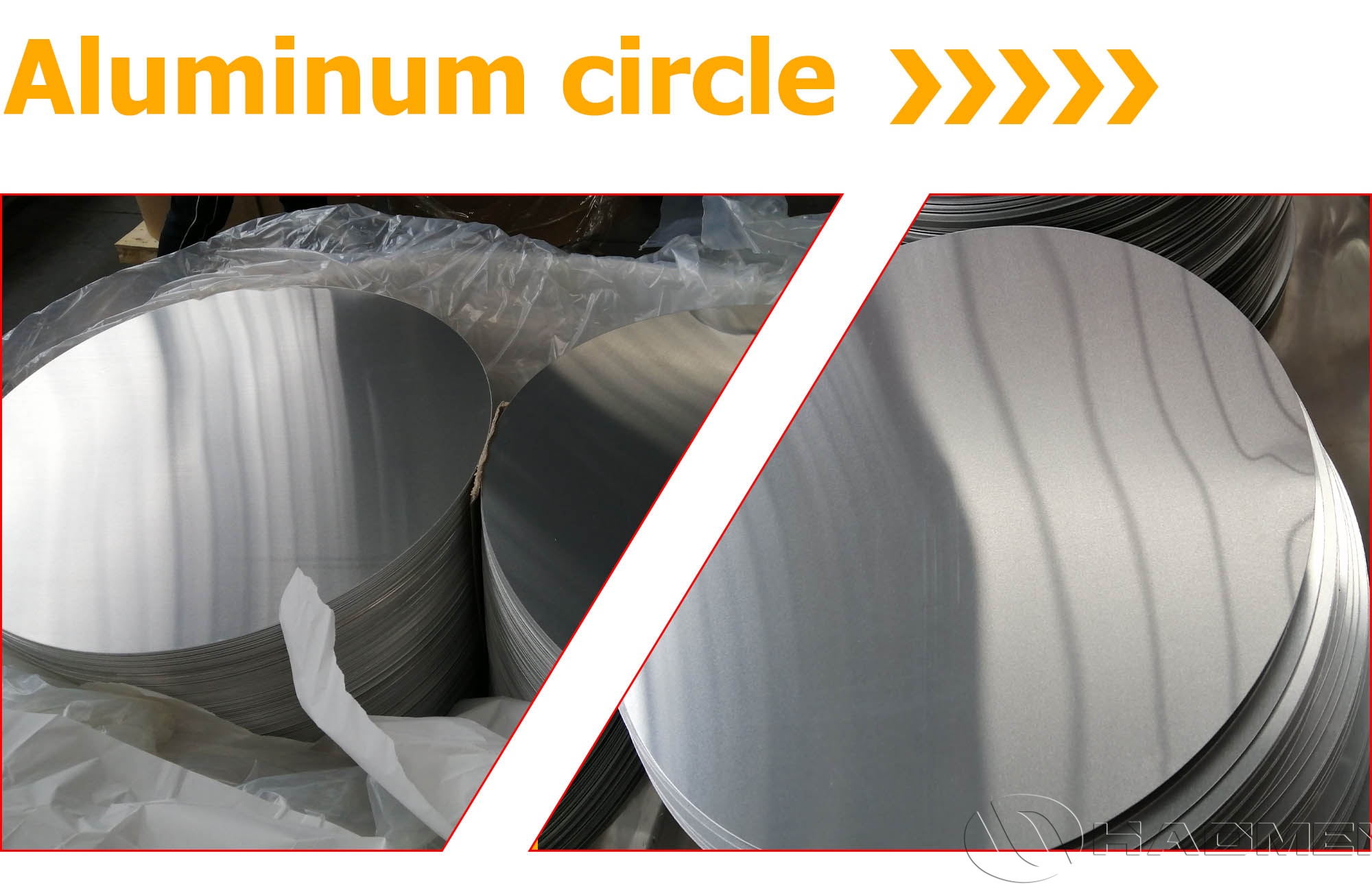
A 24 inch aluminum disc may be transformed into a large pot body through deep drawing, multi-stage drawing, spinning, or a combination of these processes. O temper aluminum is fully annealed and normally provides the elongation needed for demanding deformation.
During annealing, we control the thermal cycle to obtain a stable soft temper. Insufficient annealing can increase the risk of edge cracking during deep drawing. Excessive or inconsistent annealing may affect dimensional stability and handling. Our process controls are intended to deliver material with balanced softness, surface quality, and formability.
The pot manufacturer should determine the drawing ratio based on equipment capacity, punch and die design, blank holder pressure, lubrication, and wall thickness requirements. For deep pots, multiple drawing stages may be necessary. We can produce trial quantities for forming evaluation before the customer proceeds with a full production order.
Surface quality directly affects the appearance and processability of finished pots. A scratch, dent, oil mark, or inclusion on the aluminum circle can become more visible after drawing, polishing, anodizing, or coating. For this reason, our cookware aluminum discs are handled with controlled stacking and protective interleaving where required.
Typical surface requirements include:
No visible cracks, corrosion, severe scratches, dents, or edge damage.
No harmful oil contamination that could interfere with coating or cleaning.
No laminations or defects that may open during deep drawing.
Uniform appearance across the disc surface.
Suitable roughness for the intended polishing, anodizing, or coating process.
For premium cookware, we recommend confirming surface acceptance criteria with reference samples. This helps align inspection standards between our factory and the customer's finishing department.
Our quality management for aluminum circles for cookware begins with raw material control. We verify coil identification, alloy designation, thickness, and surface condition before processing. During circle blanking, we monitor diameter accuracy, edge quality, and blank shape. After annealing, samples are checked for mechanical properties and forming suitability according to the approved specification.
Final inspection can include visual surface examination, thickness measurement, diameter measurement, flatness verification, temper review, and packaging inspection. Each batch is marked for traceability. Export packaging is designed to reduce movement, moisture exposure, and surface abrasion during container transport.
Customers sourcing Aluminum Circles for Cookware for regular production can define their own inspection plan, including sampling level, test items, document requirements, and packaging configuration.
To quote a 24 inch aluminum circle for pot making accurately, we recommend providing the following details:
Alloy requirement, such as 1050, 1060, 1070, or 3003.
Temper requirement, especially whether O temper is needed for deep drawing.
Exact diameter and permitted tolerance.
Thickness and thickness tolerance.
Manufacturing process, such as deep drawing, spinning, stamping, or polishing.
Surface requirement, including mill finish, bright surface, anodizing quality, or coating-ready surface.
Application details, including pot depth, finished diameter, and forming stages.
Packaging requirement and destination port.
Required certificates, inspection reports, or compliance documents.
A food grade 24 inch aluminum circle for pot making must provide more than the correct diameter. Alloy composition, annealed temper, thickness consistency, surface condition, edge quality, and traceability all influence cookware forming efficiency and final product quality. As an aluminum circle manufacturer, we produce large-diameter cookware discs to match the practical requirements of pot factories, from trial development through repeat export production.
By confirming the pot design and forming process before manufacture, we can supply 24 inch aluminum discs with specifications that support stable drawing, controlled finishing, and reliable cookware production.

Office Address:
No.14 Waihuan Road, CBD, Zhengzhou, China
Contact Us
HAOMEI Aluminum offer an custom aluminum circle for you!
whatsapp: +86-18703635966
Email: sales@alummc.com
Email: alummc@hotmail.com
Request Free Sample & Quotation
Copyright © 2026 By HAOMEI Aluminum CO., LTD. All Rights Reserved. Sitemap
 +86-18703635966
 sales@alummc.com
 8618703635966
