
 No.14 Waihuan Road, CBD, Zhengzhou, China
 +86-18703635966

No.14 Waihuan Road, CBD, Zhengzhou, China
+86-18703635966
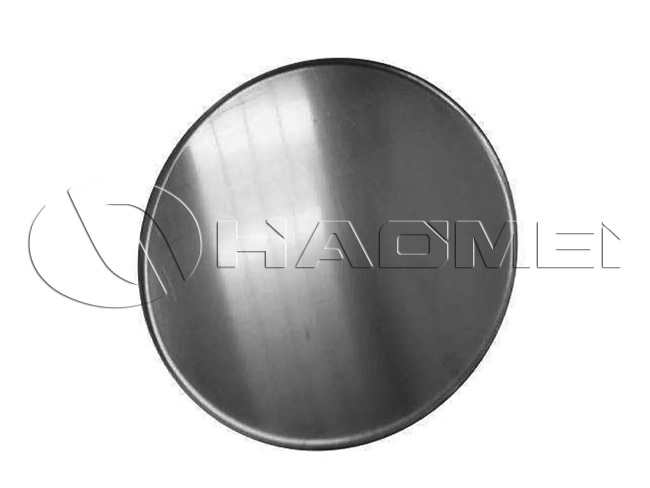
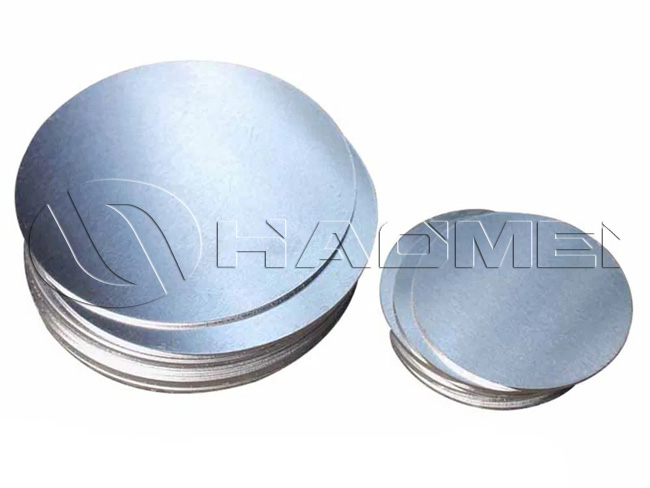
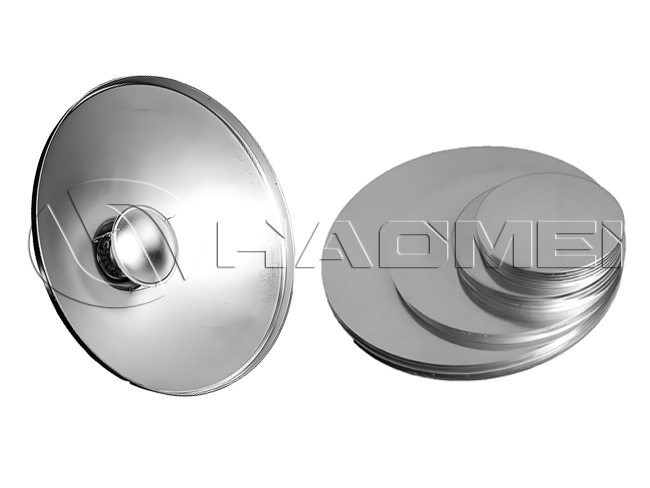
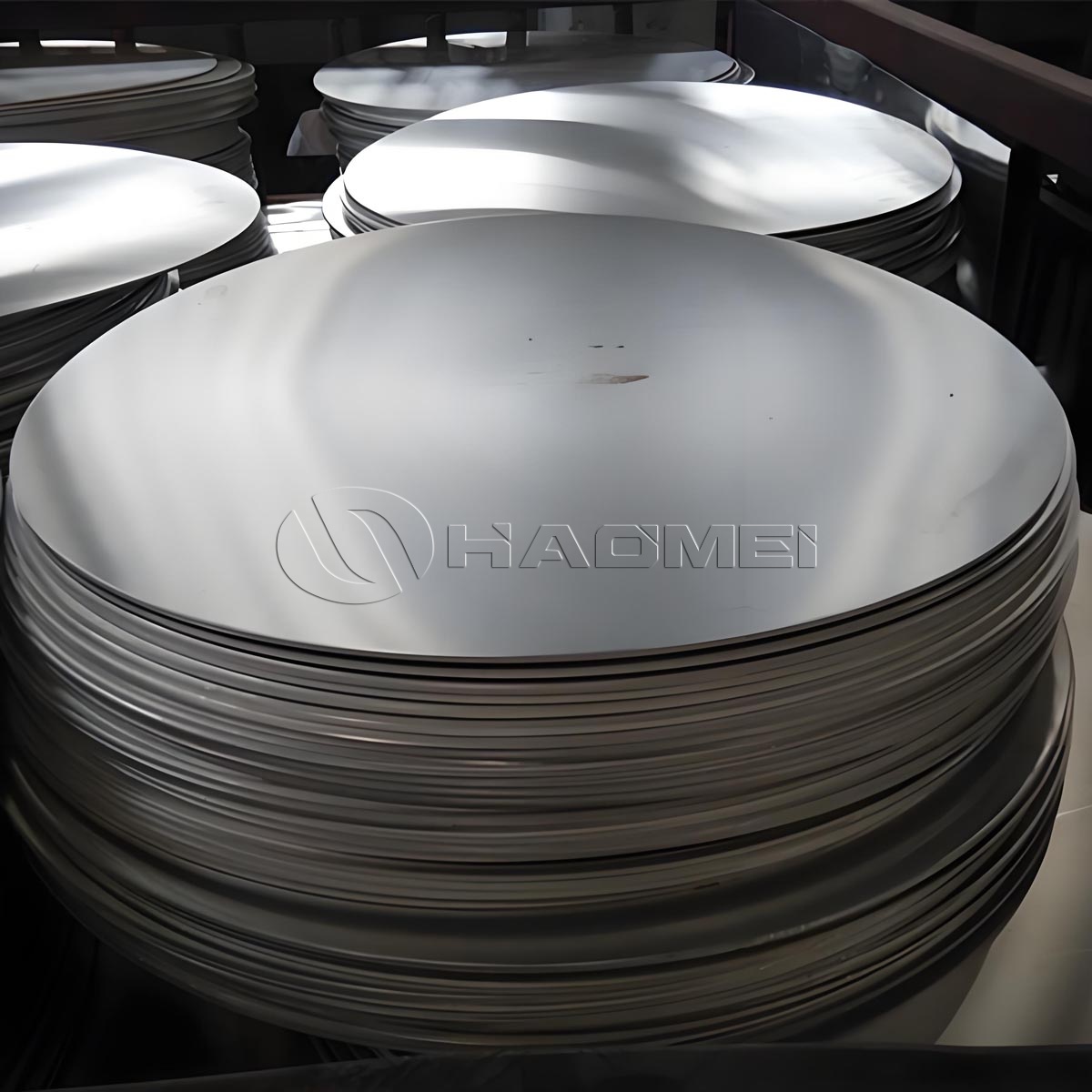
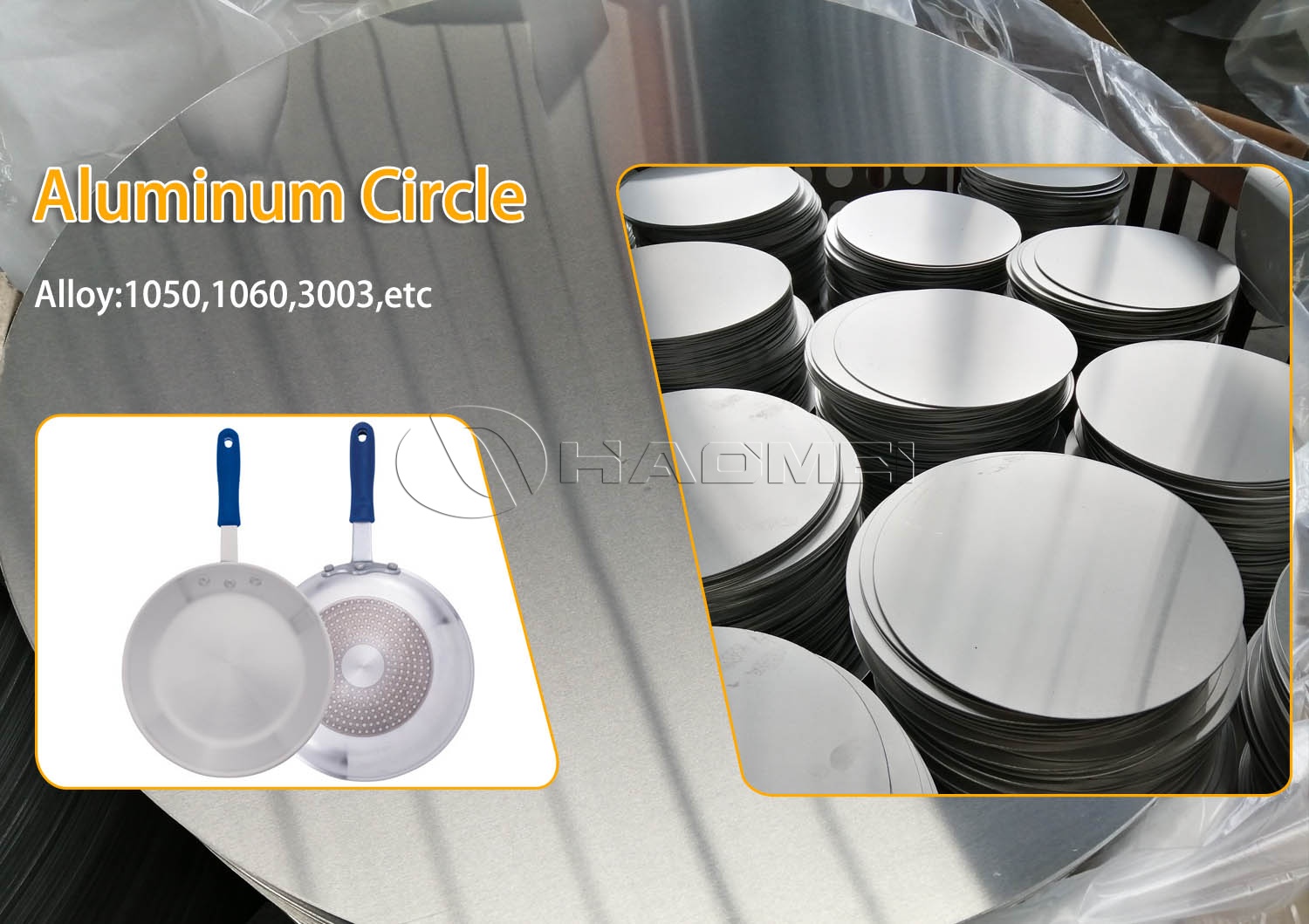
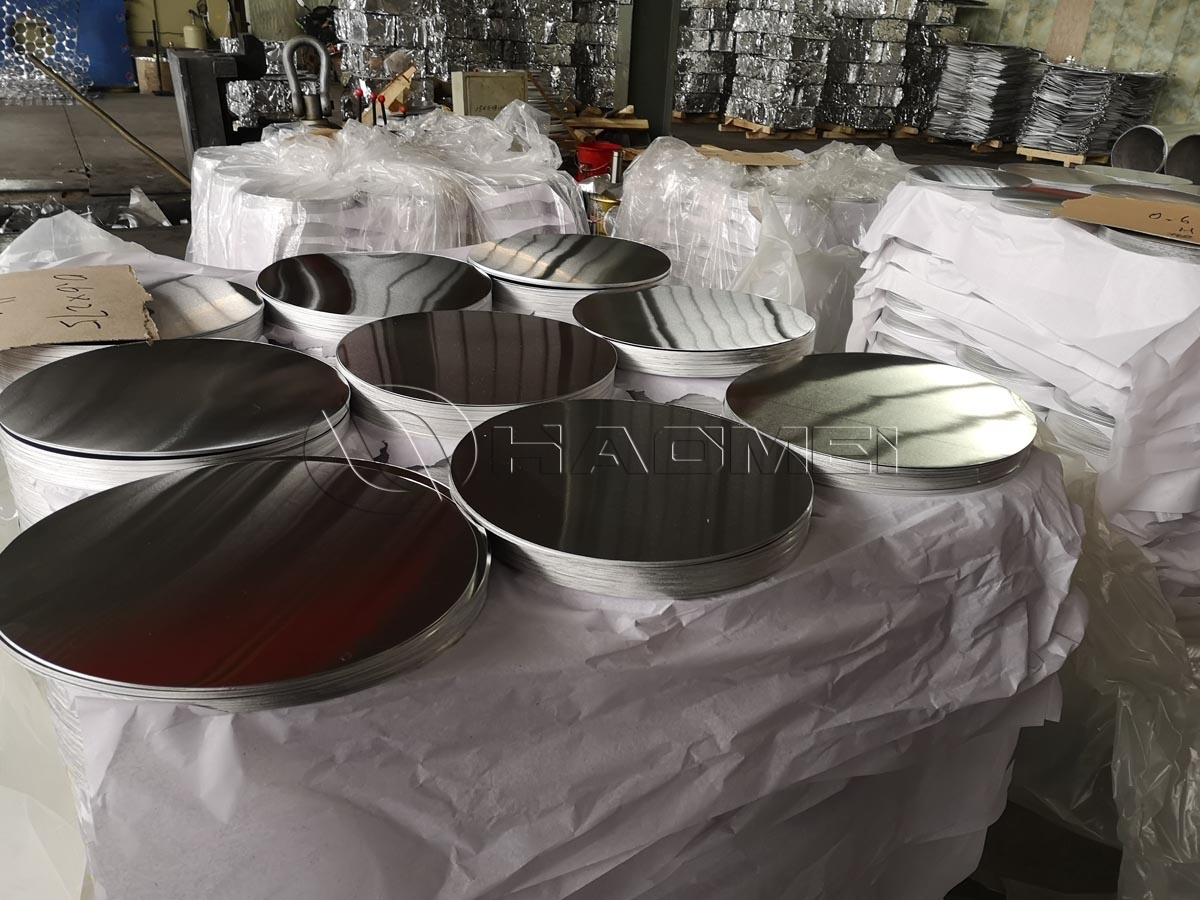
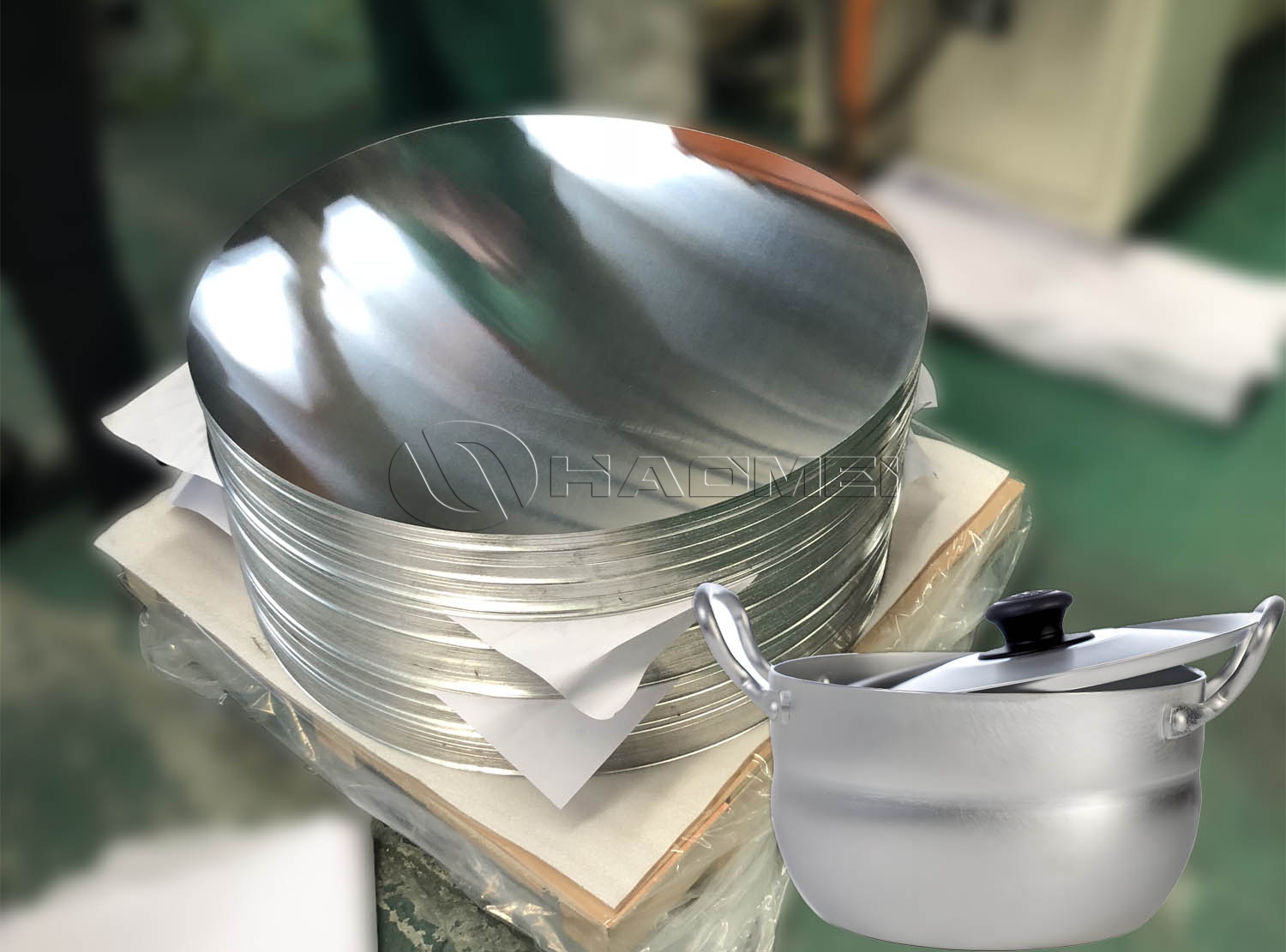
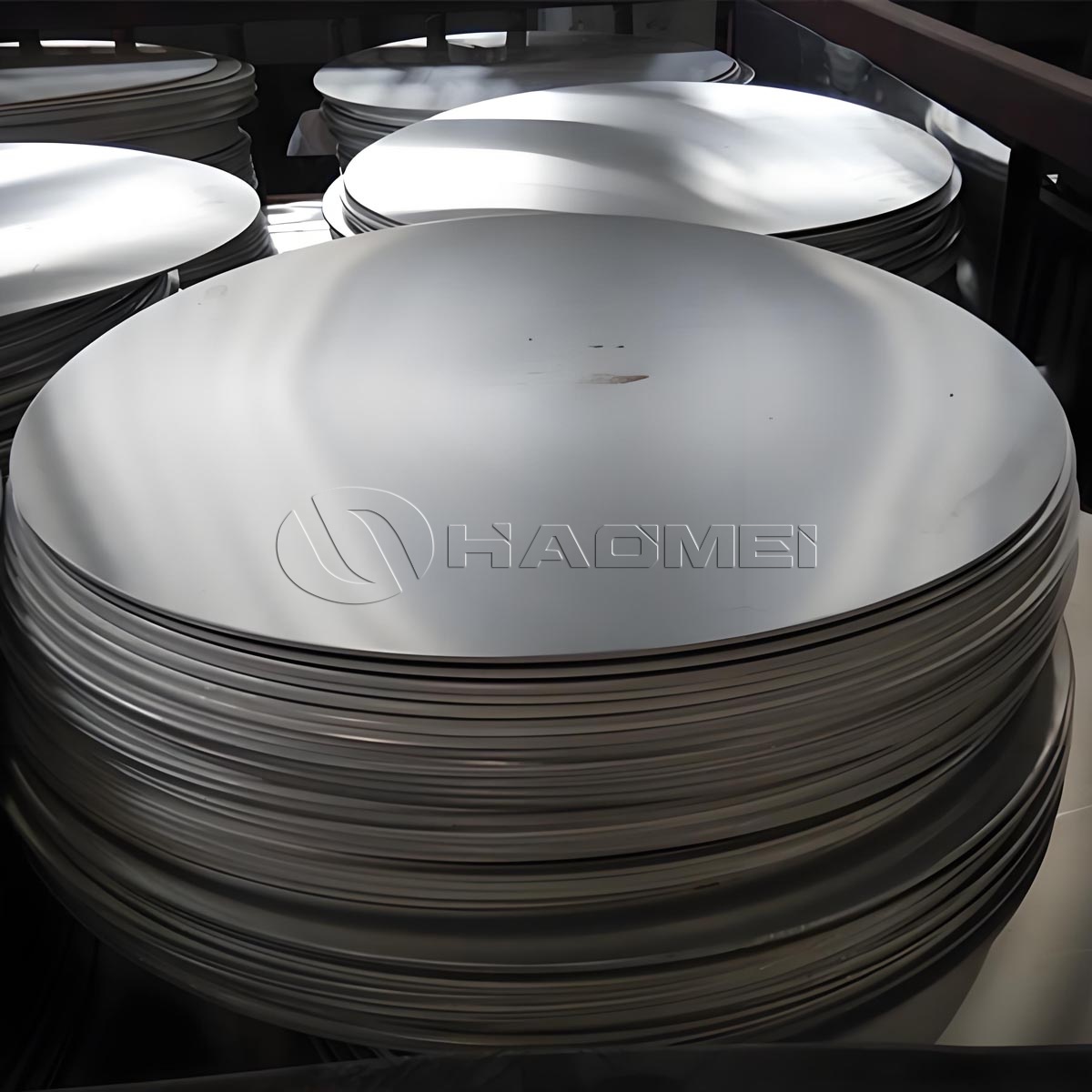
As an aluminum circle manufacturer, we produce precision aluminum circles for high-end cookware applications requiring stable forming performance, consistent surface quality, and dependable dimensional control. Our cookware aluminum circles are supplied in thicknesses from 0.3 mm to 6.0 mm and diameters from 80 mm to 1600 mm, supporting the production of frying pans, saucepans, stockpots, pressure cookers, woks, baking trays, and specialty kitchenware.
For premium cookware production, an aluminum circle is not simply a round blank. Its alloy chemistry, temper, grain structure, edge condition, flatness, and surface cleanliness directly affect deep drawing, spinning, impact bonding, anodizing, coating, and final product appearance. We control these factors from coil selection through slitting, blanking, inspection, and packing to provide aluminum circle discs suitable for demanding manufacturing lines.
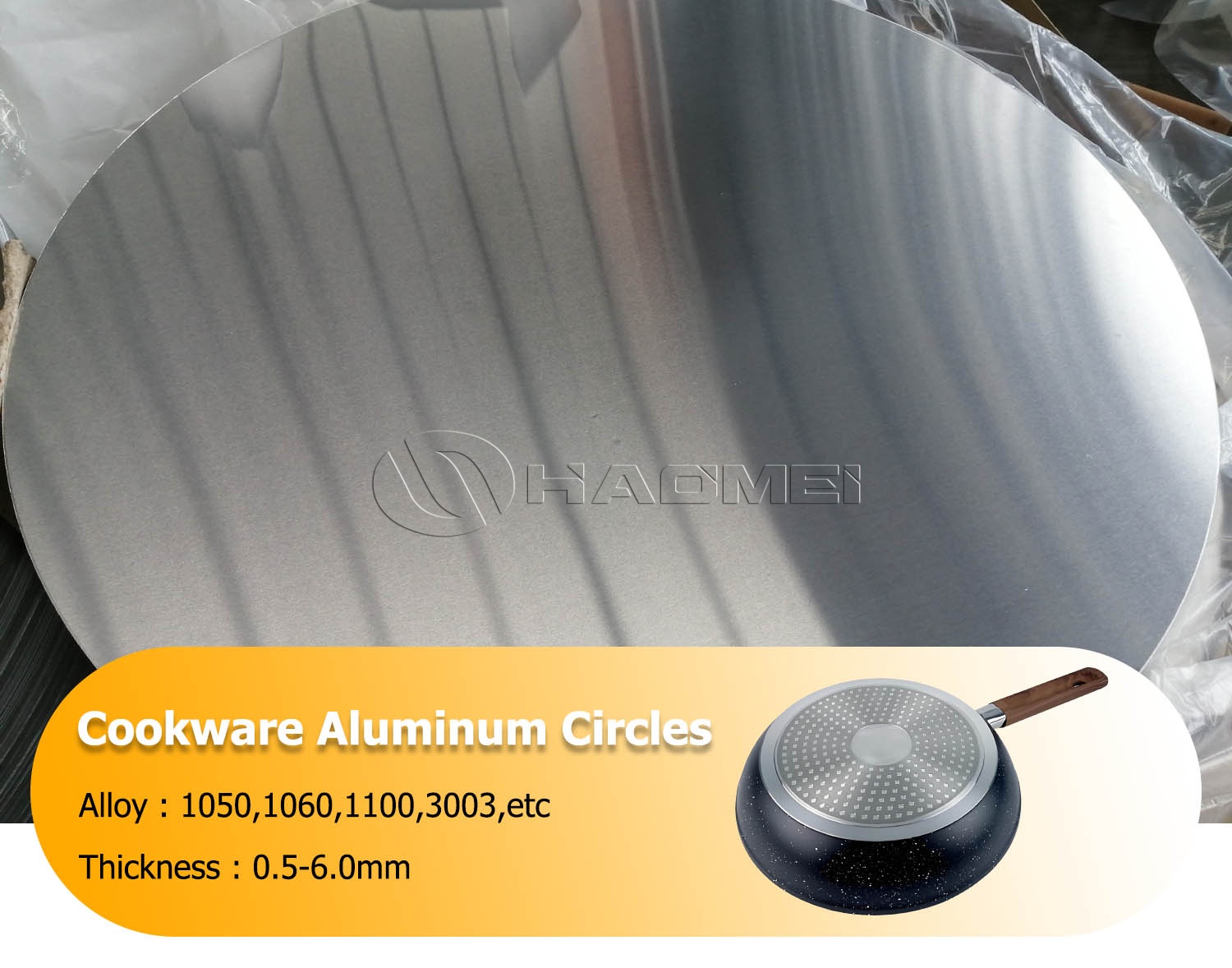
Our factory manufactures aluminum circles for cookware from selected aluminum coils and plates. Material specifications can be adjusted according to the forming method, cookware design, wall thickness requirement, and downstream surface treatment process.
| Parameter | Available Range | Notes |
|---|---|---|
| Product | Aluminum circle discs | Round blanks for cookware fabrication |
| Thickness | 0.3-6.0 mm | Customized thickness available by agreement |
| Diameter | 80-1600 mm | Suitable for small utensils through large cookware bodies |
| Common Alloys | 1050, 1060, 1070, 1100, 3003, 3004, 3105 | Alloy selected according to forming and strength needs |
| Common Tempers | O, H12, H14, H16, H18 | O temper is widely used for deep drawing and spinning |
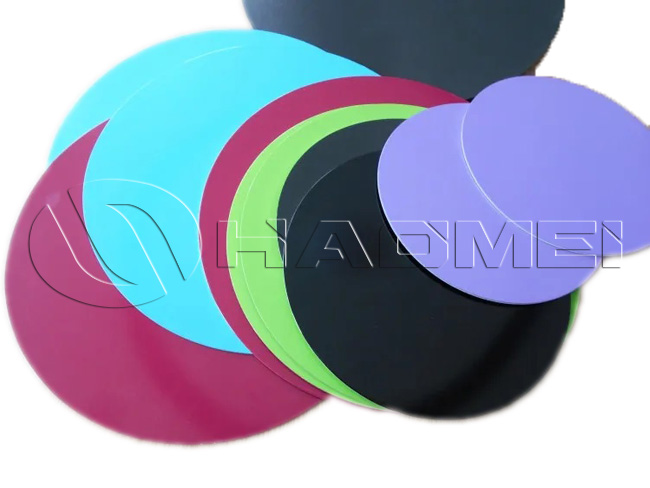
| Surface | Mill finish, bright finish, brushed, coated, anodizing-grade | Selected according to the final cookware process |
| Edge Type | Smooth deburred edge | Designed to reduce handling and forming issues |
| Production Methods | Blanking, punching, cutting from coil or sheet | Method selected by size, thickness, and order volume |
| Typical Applications | Frying pans, pots, woks, pressure cookers, bakeware | Also suitable for multilayer cookware components |
| Inspection Items | Thickness, diameter, surface, edge, flatness, packaging | Inspection standard confirmed with customer requirements |
Excellent thermal conductivity: Aluminum conducts heat efficiently, allowing cookware to heat up faster and more evenly while minimizing localized overheating.
Lightweight: Its low density helps reduce the product's weight without compromising structural strength, making it more convenient to use.
Superior formability: Excellent deep-drawing, spinning, and stamping characteristics make it ideal for manufacturing complex cookware shapes such as pots, frying pans, and pressure cookers.
Good corrosion resistance: Aluminum naturally forms a dense oxide layer on its surface, enhancing the cookware's resistance to corrosion during daily use.
Consistent surface quality: The rolled surface is smooth and uniform, meeting the requirements for subsequent processes such as anodizing, coating, and polishing.
High dimensional accuracy: Stable tolerances for thickness and diameter facilitate automated stamping and mass production.
High customizability: Available in various alloys (e.g., 1050, 1060, 3003) and tempers (e.g., O, H12, H14) tailored to specific cookware types, with support for cut-to-size specifications.
Different cookware structures require different combinations of ductility, strength, corrosion resistance, thermal conductivity, and finishing performance. We recommend alloy and temper combinations based on the intended manufacturing process rather than supplying a one-size-fits-all aluminum disc.
The 1xxx series is widely used for cookware aluminum circles because of its high aluminum content, good thermal conductivity, and excellent ductility. In O temper, 1050 and 1060 aluminum circle discs are suitable for deep drawing, spinning, pressing, and other severe deformation processes. These grades are commonly selected for frying pan bodies, cookware lids, kitchen utensils, and light-gauge pressed products.
For applications requiring a clean and uniform surface before anodizing or coating, we apply strict surface inspection to control scratches, oil stains, rolling marks, and other defects that may become visible after finishing.
For cookware requiring greater mechanical strength than commercially pure aluminum, 3003 and 3004 alloys are practical choices. Manganese-containing alloys offer improved strength while maintaining useful formability. They are often used in cookware bases, deeper vessels, pressure cooker components, and products where resistance to deformation during service is important.
The final temper must be matched carefully to the draw ratio and tool design. For deep drawn cookware, material that is too hard can cause cracking or uneven deformation. Material that is too soft may create handling or dimensional stability concerns. Our technical team reviews these factors before production.
We manufacture aluminum circles through a controlled process designed to reduce variation between batches. This is particularly important for high-end cookware factories operating automated or semi-automated forming lines.
Production begins with approved aluminum coil or plate. We verify alloy designation, chemical composition documentation, thickness range, surface condition, and temper condition before the material enters circle processing. For cookware programs with repeat requirements, we maintain agreed production parameters to improve consistency from order to order.
Coil width and blank layout are planned to achieve appropriate material utilization while maintaining stable blanking quality. Our equipment is adjusted according to thickness, diameter, alloy, and temper. Proper die clearance and blanking conditions are essential for minimizing burrs, edge distortion, and deformation.
For larger diameters or heavier gauges, processing methods are selected to maintain roundness and flatness. For smaller aluminum discs for frying pans, lids, and utensils, high-efficiency blanking can support consistent production volumes.
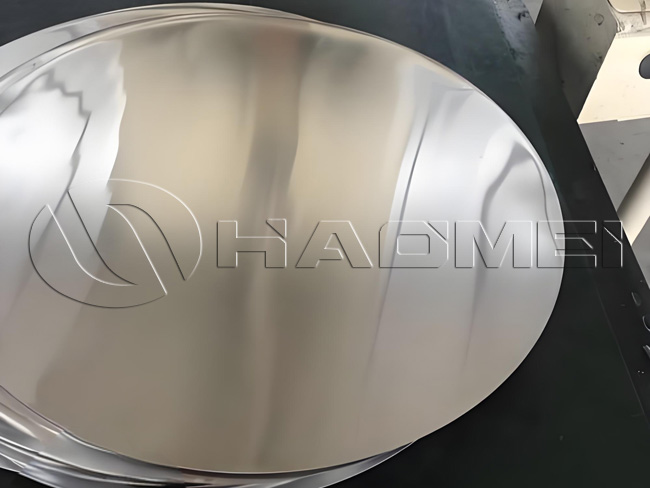
A smooth edge is important for safe handling and stable forming. Excessive burrs can damage forming tools, interfere with stacking, or create defects during drawing. We inspect edge quality during production and separate material with unacceptable blanking defects.
Surface quality is equally important. High-end cookware frequently receives polishing, non-stick coating, anodizing, enamel treatment, or decorative finishing. We therefore control surface contamination and handling marks throughout production and packing.
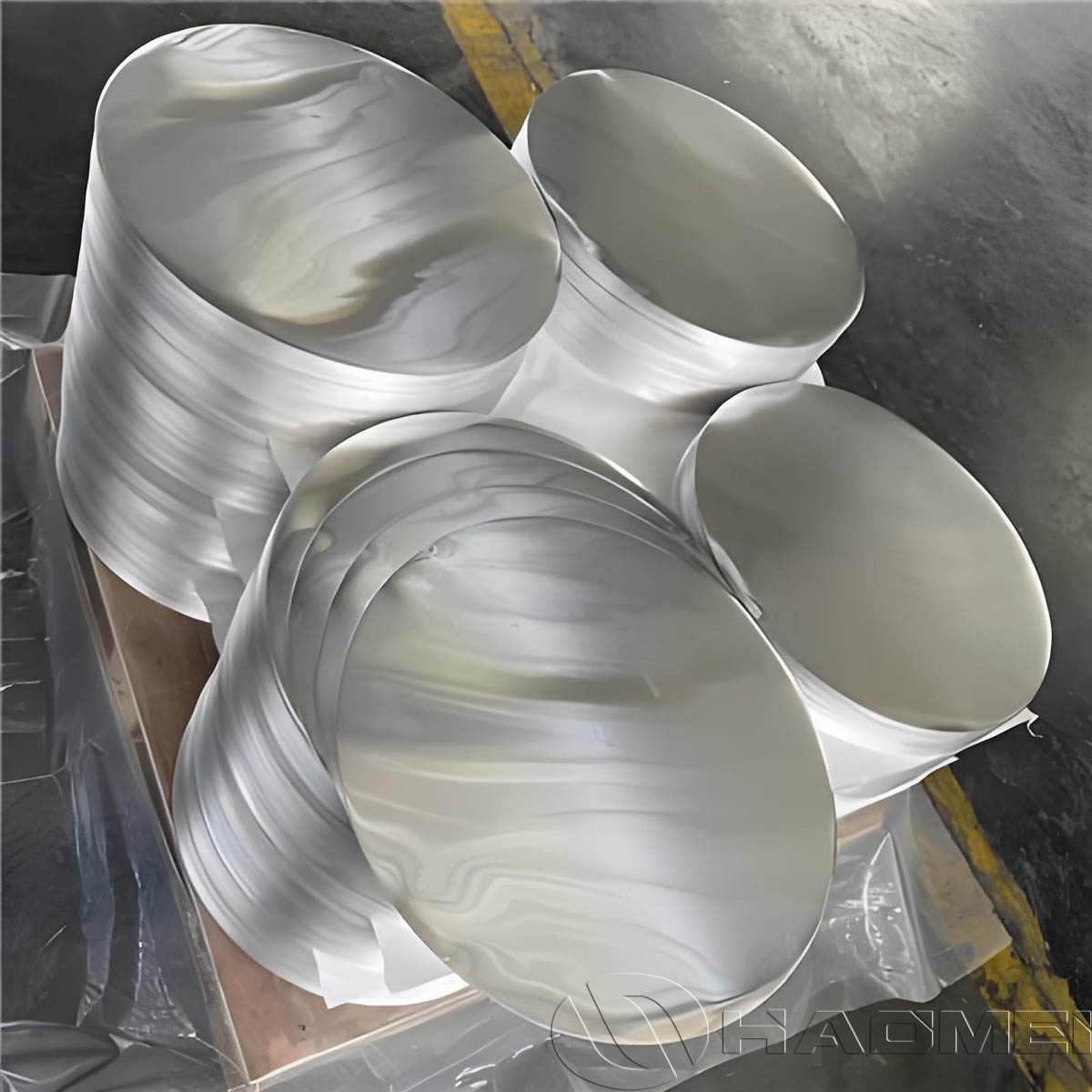
The performance of aluminum circles for cookware is primarily evaluated by how reliably they form into the intended cookware shape. Deep drawing places substantial stress on the blank, especially in products with high side walls, complex radii, or multiple drawing stages. Spinning processes also require uniform material behavior to produce smooth, symmetrical walls.
For deep drawing aluminum circles, O temper is generally preferred because it provides high elongation and reduced risk of cracking. However, the correct alloy and temper depend on the product geometry, blank diameter, draw depth, lubrication, press capacity, die design, and number of forming operations.
When customers provide drawings or sample cookware, we can review the following production considerations:
Blank diameter and finished cookware dimensions.
Target wall thickness after forming.
Drawing depth and draw ratio.
Required bottom flatness and sidewall geometry.
Surface treatment after forming.
Whether the product will be induction bonded, clad, coated, polished, or anodized.
Requirements for mechanical strength and heat distribution.
This approach helps us supply aluminum circle discs that are aligned with the actual process rather than only meeting nominal dimensions.
Cookware manufacturers use different surface conditions depending on their product positioning and finishing route. We can provide mill-finish aluminum circles for customers who perform polishing, brushing, coating, or anodizing in-house. For projects requiring a more controlled appearance, surface requirements can be defined in advance by reference sample, roughness target, or agreed inspection criteria.
Common options include mill finish for conventional pressed cookware, bright surfaces for decorative products, and clean surfaces intended for non-stick coating or anodized cookware. We also provide product solutions such as Aluminum Circles for Cookware for customers seeking material specifications tailored to cookware manufacturing.
For coated or decorative components, surface preparation should be considered together with the final coating system. A visually attractive raw surface does not always guarantee the best coating adhesion. Our team can help identify the suitable base material condition for the intended process.
Our quality control focuses on the characteristics that affect customer production efficiency and finished cookware quality. Each order is inspected according to the agreed specification and applicable internal procedures.
Key inspection items include thickness consistency, diameter, roundness, surface condition, edge burr, flatness, alloy confirmation, temper verification, and package integrity. For orders requiring tighter tolerances, we confirm the inspection method and acceptance limits before production.
Thickness control is especially important for cookware. Variation may affect thermal response, drawing behavior, finished weight, bonding performance, and the uniformity of non-stick or anodized coatings. Diameter consistency supports repeatable press setup and helps reduce material-related downtime on high-volume manufacturing lines.
Our aluminum circles are used as primary blanks or component materials for a broad range of kitchenware products. The material can be selected for lightweight cookware, durable everyday products, and premium finished lines with decorative or functional surface treatments.
Typical applications include:
Frying pans and saute pans.
Saucepan and stockpot bodies.
Woks and deep cooking vessels.
Pressure cooker components.
Cookware lids and base plates.
Baking pans and pizza trays.
Kettles, bowls, and kitchen utensils.
Induction-compatible cookware components after bonding or base processing.
For cookware programs requiring heavier starting stock or enhanced forming stability, our Hot Rolled Aluminum Circle options can be evaluated according to the final product structure and process route.
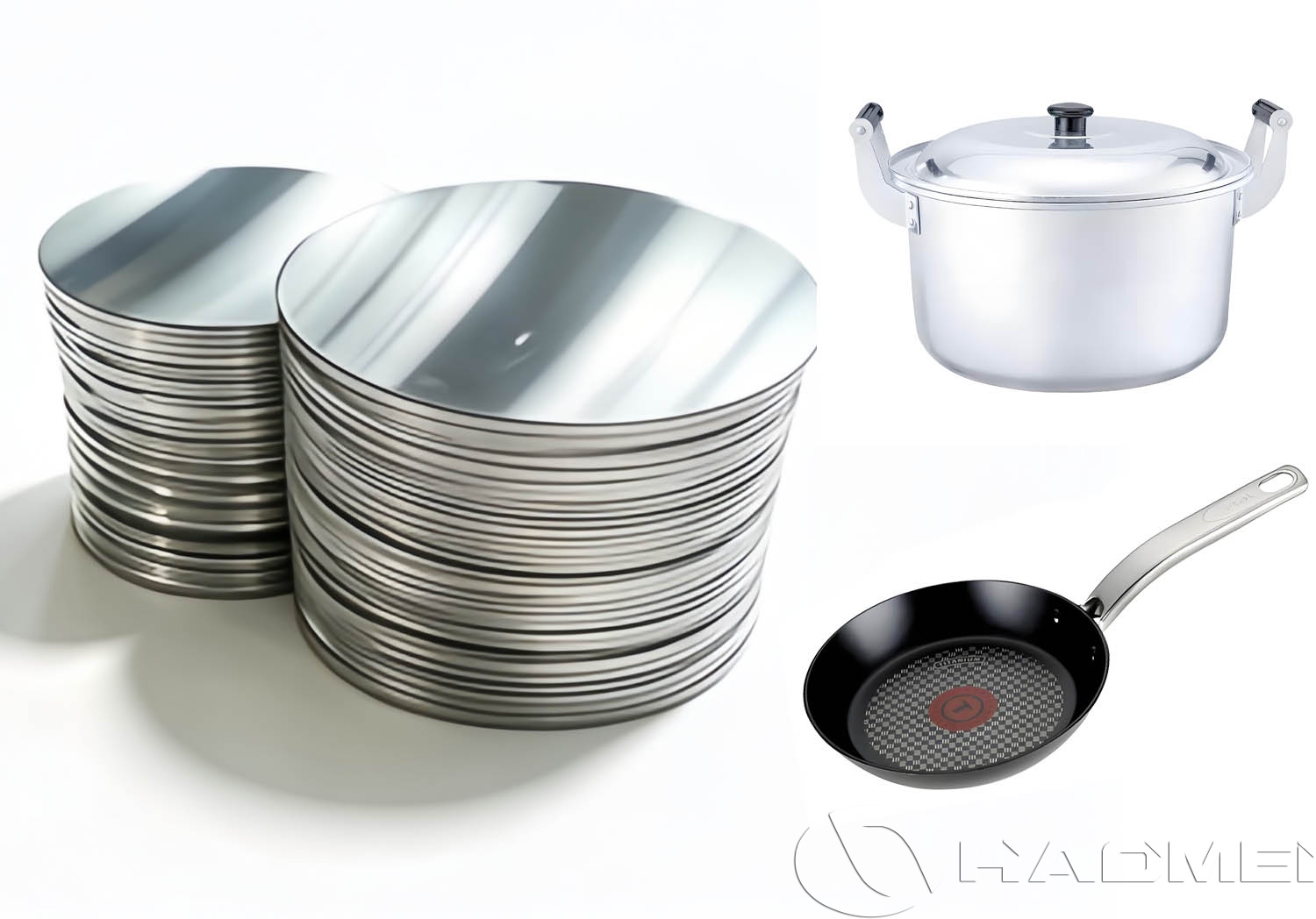
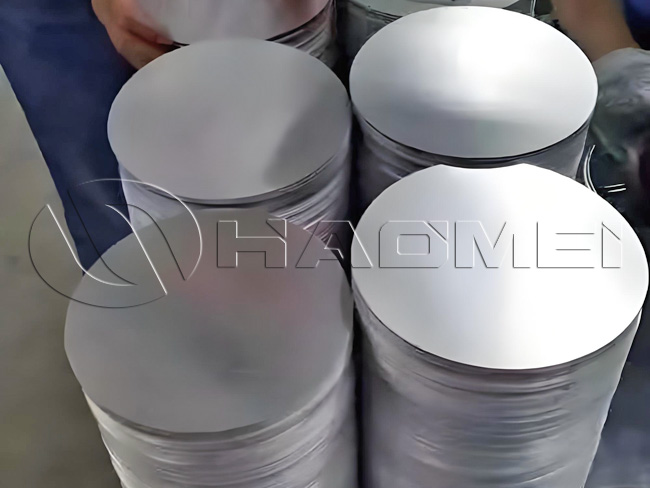
As a factory serving aluminum export customers and cookware manufacturers, we package aluminum circles to protect surface quality during storage and international transport. Circles are stacked in stable bundles or on pallets with protective interleaving where required. Moisture-resistant wrapping, reinforced outer protection, and clear labels can be arranged according to shipment conditions and customer handling requirements.
Each package can be marked with relevant product information, including alloy, temper, thickness, diameter, batch identification, quantity, and customer reference number. This supports warehouse traceability and efficient receiving at the destination plant.
High-end cookware requires aluminum circles with more than standard dimensions. Reliable deep drawing performance, controlled temper, clean surfaces, smooth edges, and consistent thickness are essential to efficient downstream processing and premium finished appearance. With thicknesses from 0.3 mm to 6.0 mm and diameters from 80 mm to 1600 mm, our factory supplies aluminum circle discs engineered for a wide range of cookware manufacturing requirements.
By matching alloy, temper, size, surface condition, and inspection standards to each application, we help cookware manufacturers obtain aluminum blanks that perform consistently from the first forming operation to the finished product.

Office Address:
No.14 Waihuan Road, CBD, Zhengzhou, China
Contact Us
HAOMEI Aluminum offer an custom aluminum circle for you!
whatsapp: +86-18703635966
Email: sales@alummc.com
Email: alummc@hotmail.com
Request Free Sample & Quotation
Copyright © 2026 By HAOMEI Aluminum CO., LTD. All Rights Reserved. Sitemap
 +86-18703635966
 sales@alummc.com
 8618703635966
