
 No.14 Waihuan Road, CBD, Zhengzhou, China
 +86-18703635966

No.14 Waihuan Road, CBD, Zhengzhou, China
+86-18703635966
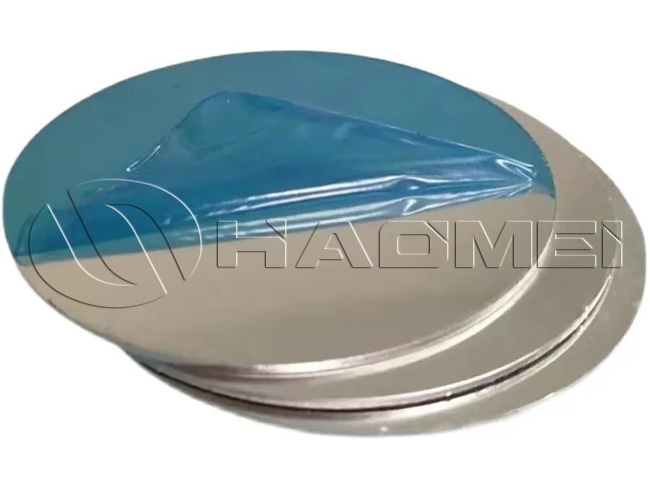
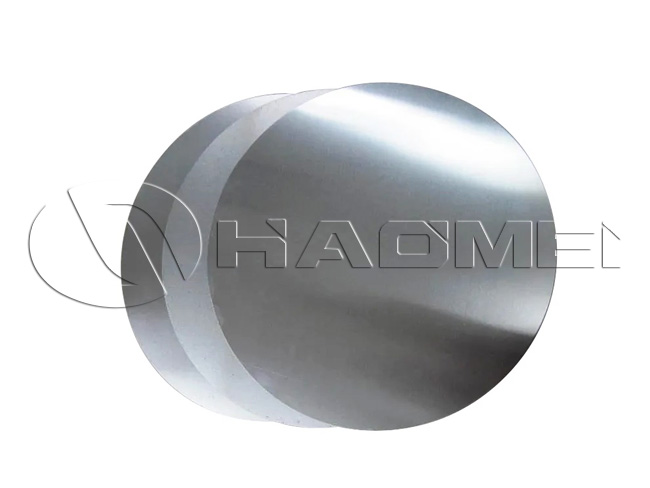
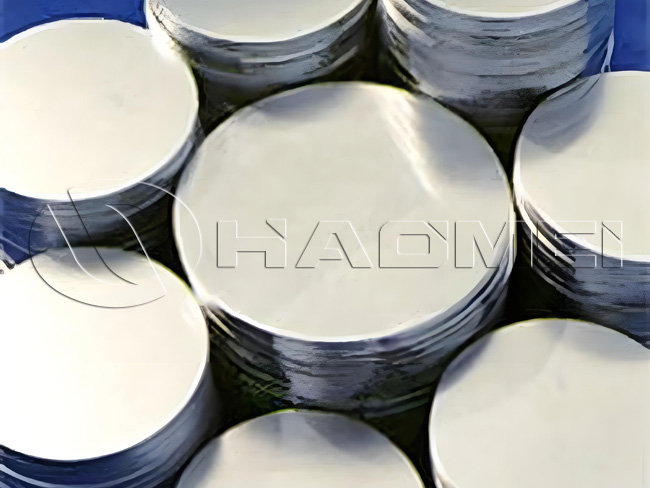
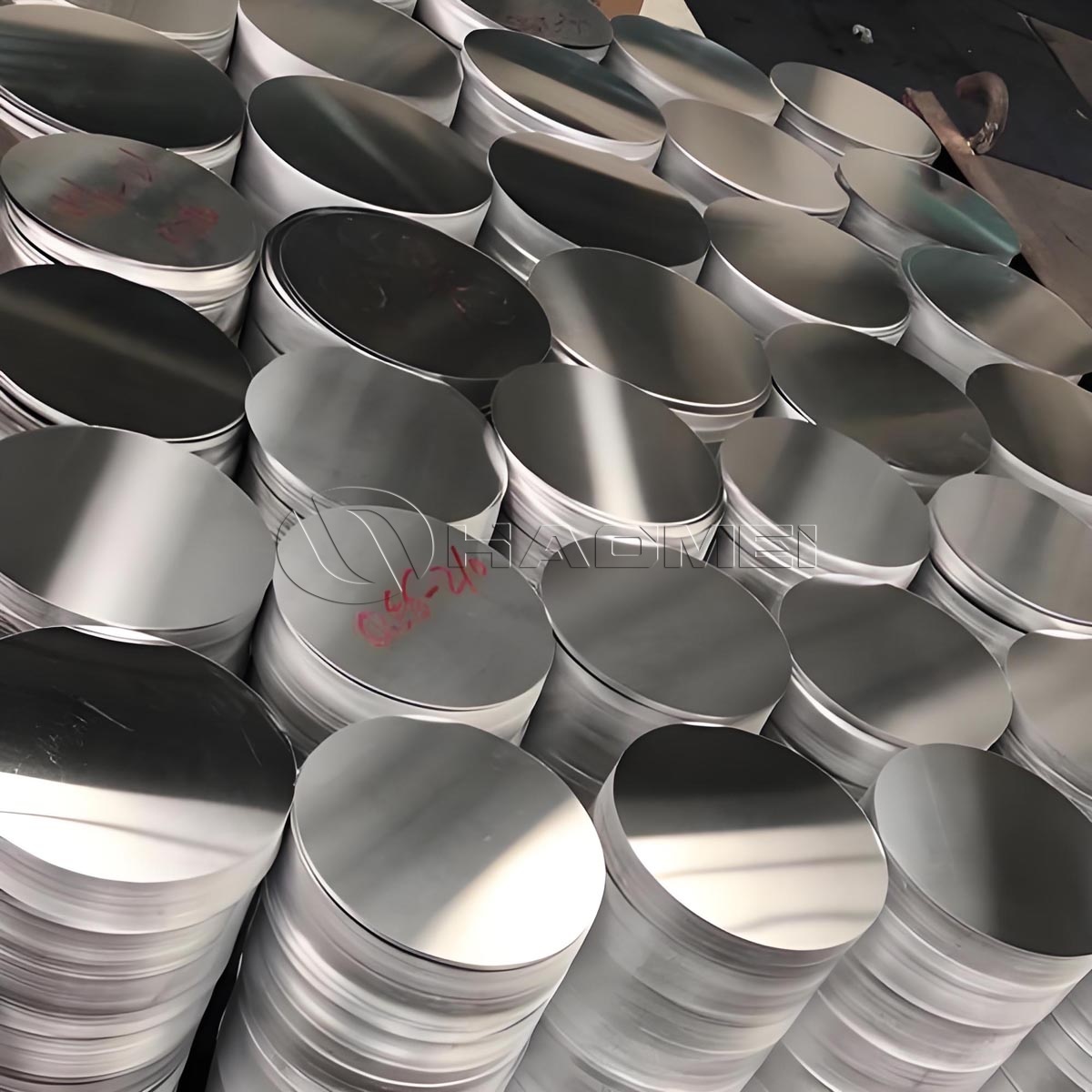
Deep drawing is a forming process where an aluminum disc is drawn into a die to produce a cup, shell, or complex hollow shape. Stable drawing performance depends on alloy selection, temper, cleanliness, and the consistency of thickness and grain structure. As a manufacturer of aluminum circles, we supply AA 3105 aluminum circles for deep drawing with controlled chemistry, reliable mechanical properties, and surface quality suitable for demanding forming lines.
Our production focuses on repeatability: consistent coil sourcing, optimized rolling schedules, accurate blanking, and batch-level inspection. When buyers specify deep drawing for cookware, light reflectors, or general formed parts, we typically evaluate draw ratio, target temper, required earing control, and finishing route (anodizing, painting, or polishing) before confirming the final specification.
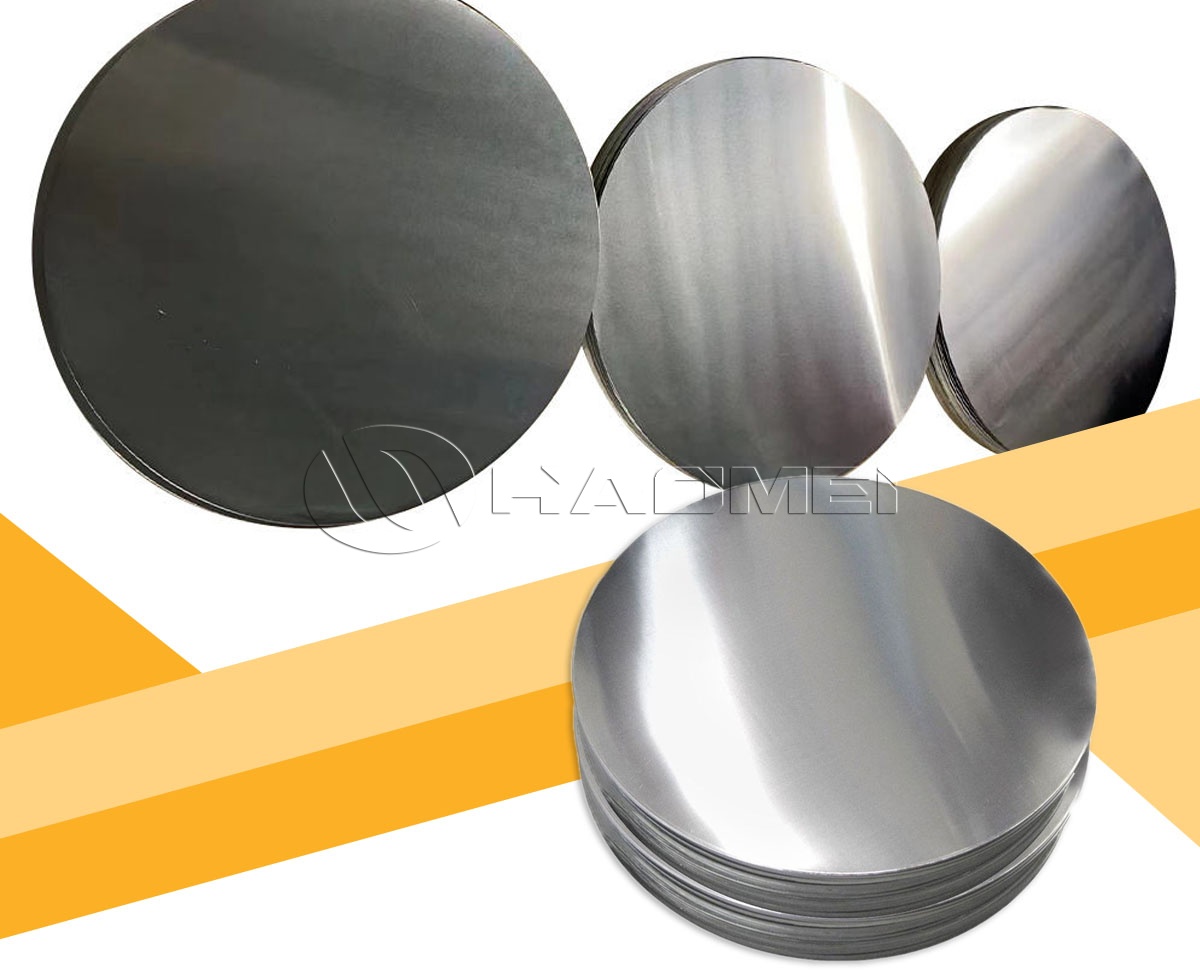
3105 is an Al-Mn alloy in the 3000 series, strengthened mainly by work hardening. It is widely used for forming applications because it offers a balanced combination of ductility, moderate strength, and corrosion resistance.
Key features for deep drawing aluminum disc applications include:
Good formability in O temper: suitable for higher draw ratios and complex shapes.
Stable work hardening behavior: supports process windows on automated presses.
Corrosion resistance: useful for cookware bodies, household items, and industrial shells.
Surface suitability: compatible with coating and many finishing systems when cleanliness and roughness are controlled.
As a factory, we also manage the upstream process parameters that influence deep drawing results, including thickness tolerance, grain size trend, and blanking edge quality. These factors directly affect earing, tearing, orange peel, and wrinkling risk.
Below is a typical technical range for our 3105 aluminum circle production. Final values depend on temper, thickness, and agreed standards.
| Item | Typical Range / Option | Notes for Deep Drawing |
|---|---|---|
| Alloy | AA 3105 | Al-Mn alloy for forming |
| Temper | O, H12, H14, H16 | O for maximum ductility; H14 for moderate strength |
| Diameter | 80 mm to 1200 mm | Larger diameters available based on thickness and tooling |
| Thickness | 0.30 mm to 6.00 mm | Common for cookware: 0.8 to 4.0 mm |
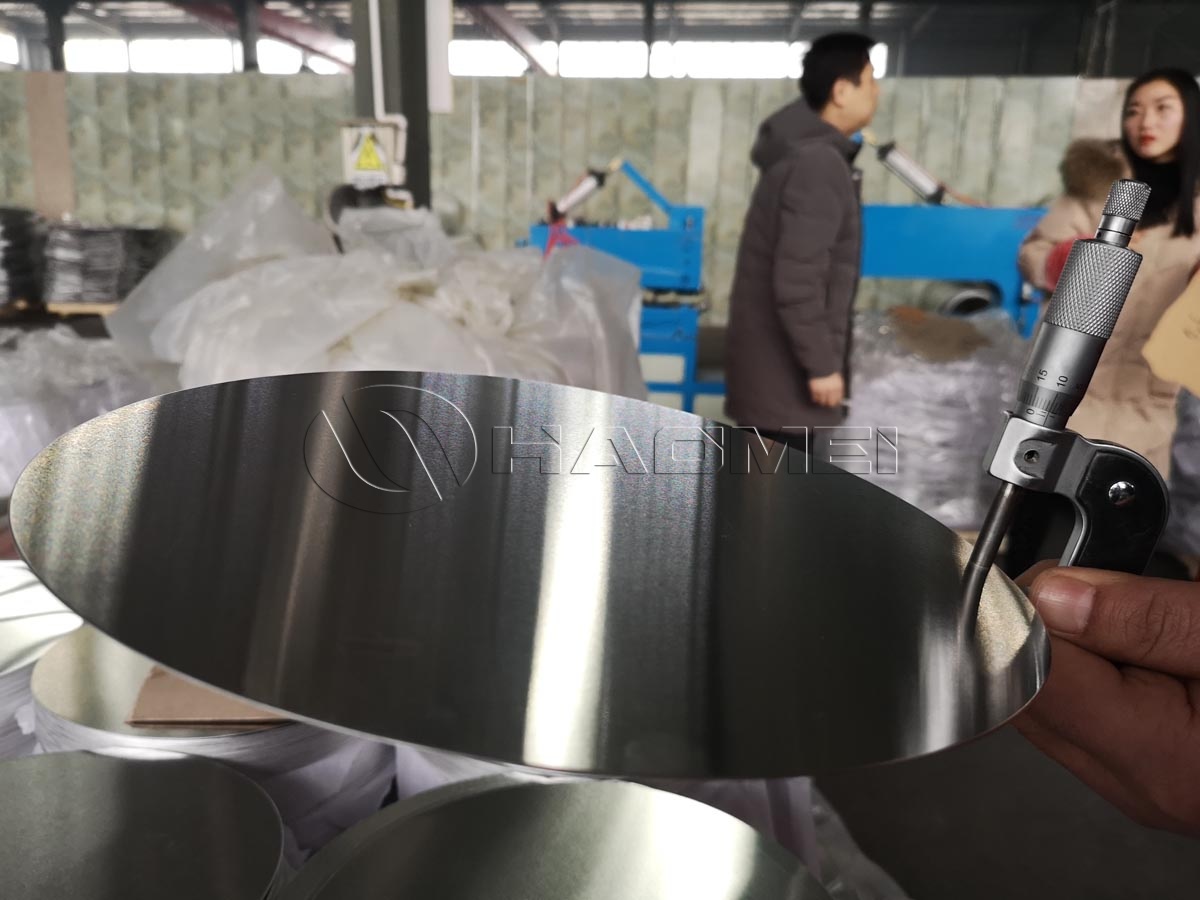
| Thickness tolerance | As agreed, typically tight control for drawing | Consistent thickness reduces uneven flow |
| Surface finish | Mill finish, bright finish (by request) | Selection depends on polishing, anodizing, coating |
| Edge quality | Deburred, controlled burr height | Critical to avoid cracks and tool wear |
| Flatness | Controlled per application | Flat blanks improve feeding and reduce wrinkles |
| Grain control | Process-controlled | Supports stable earing behavior |
| Standards | ASTM B209, EN 485 (as applicable) | Or buyer-specific specs |
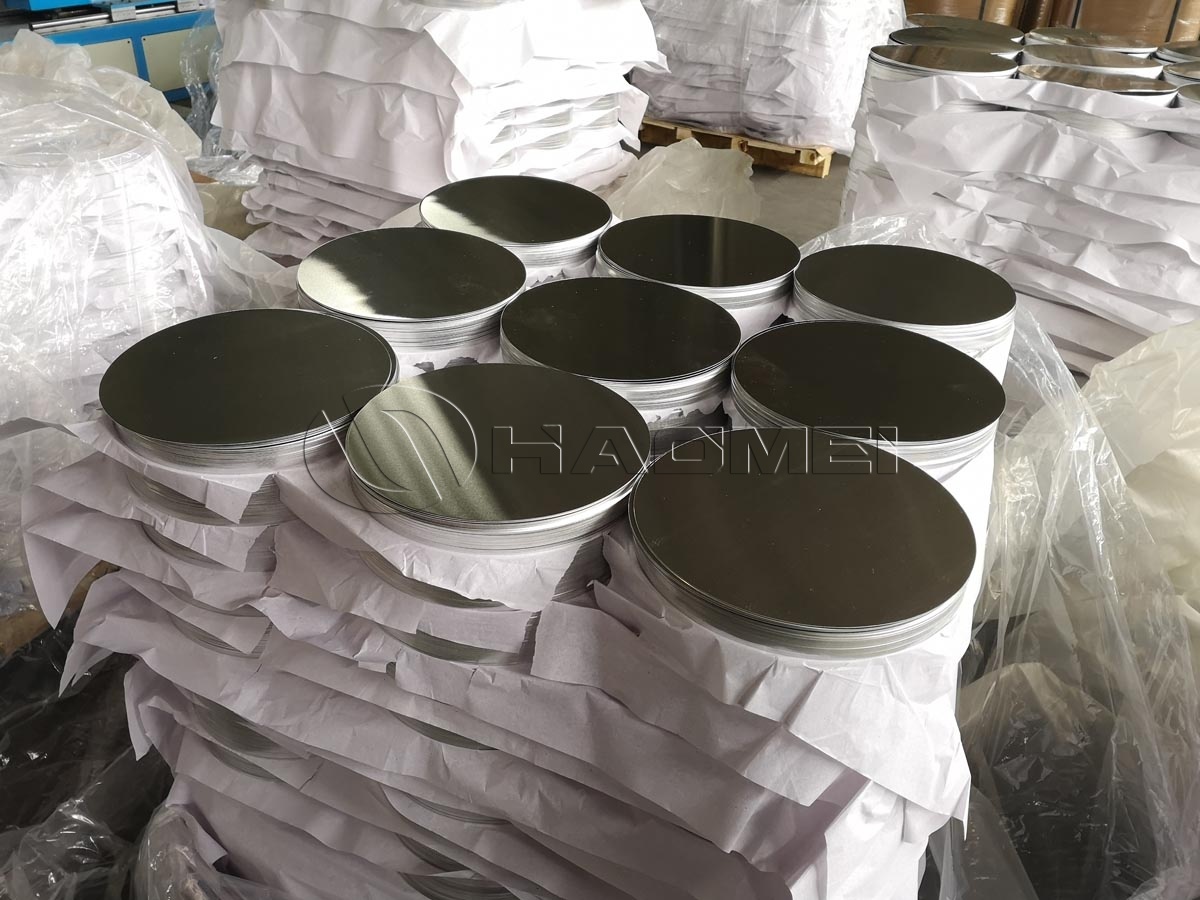
| Packaging | Export seaworthy, palletized | Anti-scratch separation available |
| Typical inspections | Chemistry, tensile, thickness, surface, edge | COA provided per batch |
If your forming route requires higher draw ratios, we normally recommend 3105-O aluminum circles after evaluating thickness and final part geometry. For applications requiring higher stiffness after forming, H12/H14 may be suitable, subject to draw depth and tooling design.
Deep drawing performance is not only about alloy designation. It is the outcome of metallurgical condition and process stability. Our manufacturing process includes:
Melting and chemistry control: We control alloying additions and impurity limits to maintain consistent behavior during rolling and forming.
Hot rolling and cold rolling schedules: Reduction plans are selected to support consistent mechanical properties and grain structure.
Intermediate annealing (when required): Used to achieve target temper and improve ductility for deep drawing.
Circle blanking: High-precision blanking with controlled edge condition. Burr and edge deformation are monitored because they can initiate cracks in drawing.
Surface cleanliness management: We control rolling oil residues and handling marks to reduce surface defects that can print through after coating or polishing.
For buyers sourcing multiple 3000 series options, we also supply related products such as 3000 Series Aluminum circle specifications under the same quality framework.
Our QC system is designed for export supply where forming performance and batch consistency are critical.
Incoming material verification: coil ID tracking, heat number linkage, and basic dimensional checks.
In-process inspection: thickness mapping, surface visual checks under controlled lighting, and edge inspection after blanking.
Mechanical testing: tensile testing per agreed standard, with attention to elongation for deep drawing tempers.
Surface criteria: control of scratches, pits, rolled-in defects, and oil stains. Acceptance is defined by the application (e.g., anodizing-grade vs coated-grade).
Documentation: COA and packing list with heat/lot traceability.
We manufacture to commonly requested international standards such as ASTM B209 and EN 485, or to buyer drawings and technical agreements. When customers run automated press lines, we can align inspection items to their internal control plan, such as burr height limits, flatness checkpoints, or surface class definitions.
As a manufacturer, we support customization beyond diameter and thickness, including:
Temper selection: O, H12, H14, and other negotiated conditions.
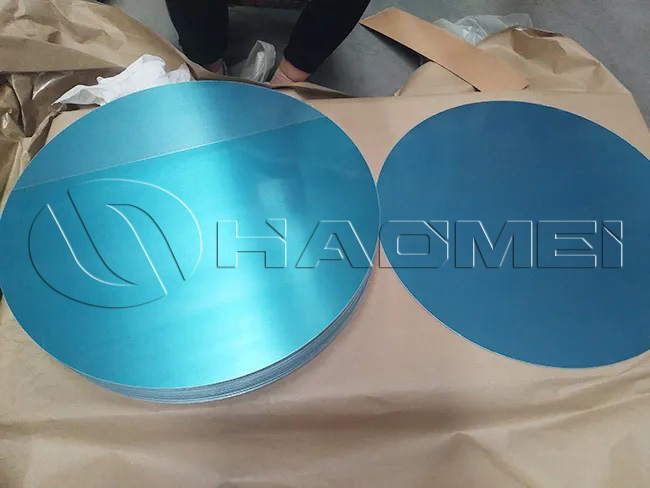
Surface protection: interleaving paper, PE film, or special packaging to reduce transit scratches.
Edge requirements: tighter burr limits, deburring process adjustments, or tooling selection for specific thickness ranges.
Blank tolerances: diameter tolerance adjustments for automated feeding systems.
Application-specific routes: recommendations on temper choice based on draw depth and subsequent finishing.
For projects that specify a direct product reference, our 3105 Aluminum Circle supply can be aligned to deep drawing requirements through an agreed technical sheet.
3105 aluminum circles for deep drawing are used across industries where a round blank is formed into a functional part. Common scenarios include:
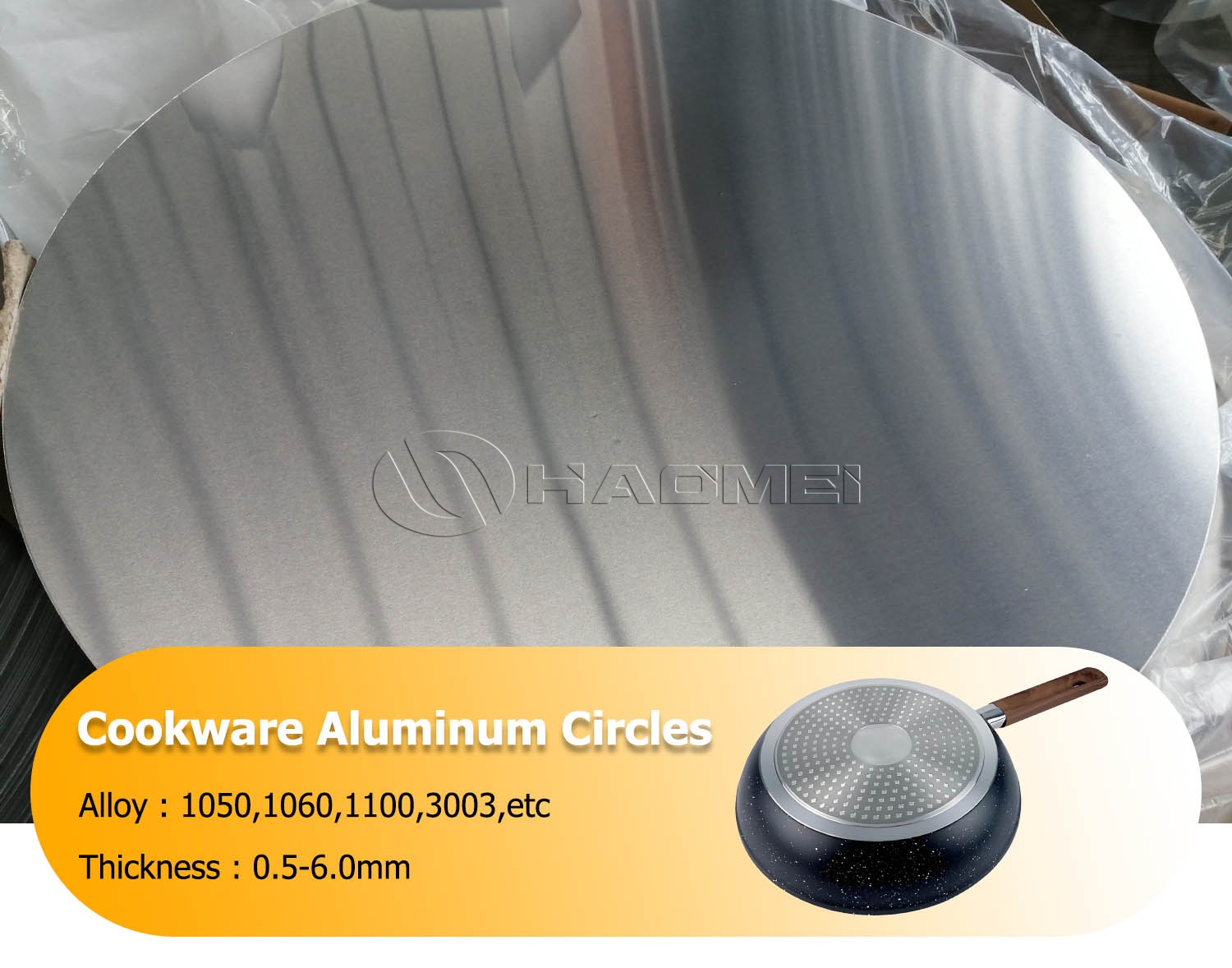
Cookware and kitchenware: pots, pans, lids, and inner liners requiring stable forming and acceptable surface for coating.
Lighting components: reflector bases and formed housings where surface condition affects finishing and appearance.
HVAC and appliance parts: formed covers, caps, and shells.
General industrial deep drawn parts: containers, covers, and housings produced on mechanical or hydraulic presses.
In these applications, consistent thickness and controlled edge quality help reduce press downtime, tooling wear, and scrap rate. Where appearance is critical, additional controls on scratches and surface defects are recommended at the procurement stage.
Selecting the right alloy for deep drawing depends on the required draw depth, final strength, cost targets, and finishing process. Below is a practical comparison from a manufacturing perspective.
Formability: Both are widely used for forming. 3003 is often considered a baseline for general forming; 3105 provides comparable performance with good corrosion resistance.
Typical use: 3105 is common where stable coil supply and consistent forming properties are needed across batches.
Selection note: For buyers already approved on 3003, qualification to 3105 can be evaluated through trial runs and earing comparison.
Strength: 3004 generally offers higher strength due to Mg addition, but formability windows can differ.
Deep drawing: For very demanding deep drawing, O temper selection and process control matter more than small strength differences.
Selection note: If the part needs higher strength after forming, 3004 may be considered; if you prioritize stable drawing and surface for coating, 3105 is often suitable.
Formability: High-purity alloys typically have excellent ductility, often preferred for very deep draws or for high reflectivity requirements.
Strength and stability: 3105 provides higher strength than pure aluminum and can offer stable industrial performance for coated or painted parts.
Selection note: If the application is a lighting reflector requiring high brightness, pure aluminum with specific finishing may be used. For many deep drawn shells requiring balanced properties, 3105 is a practical choice.
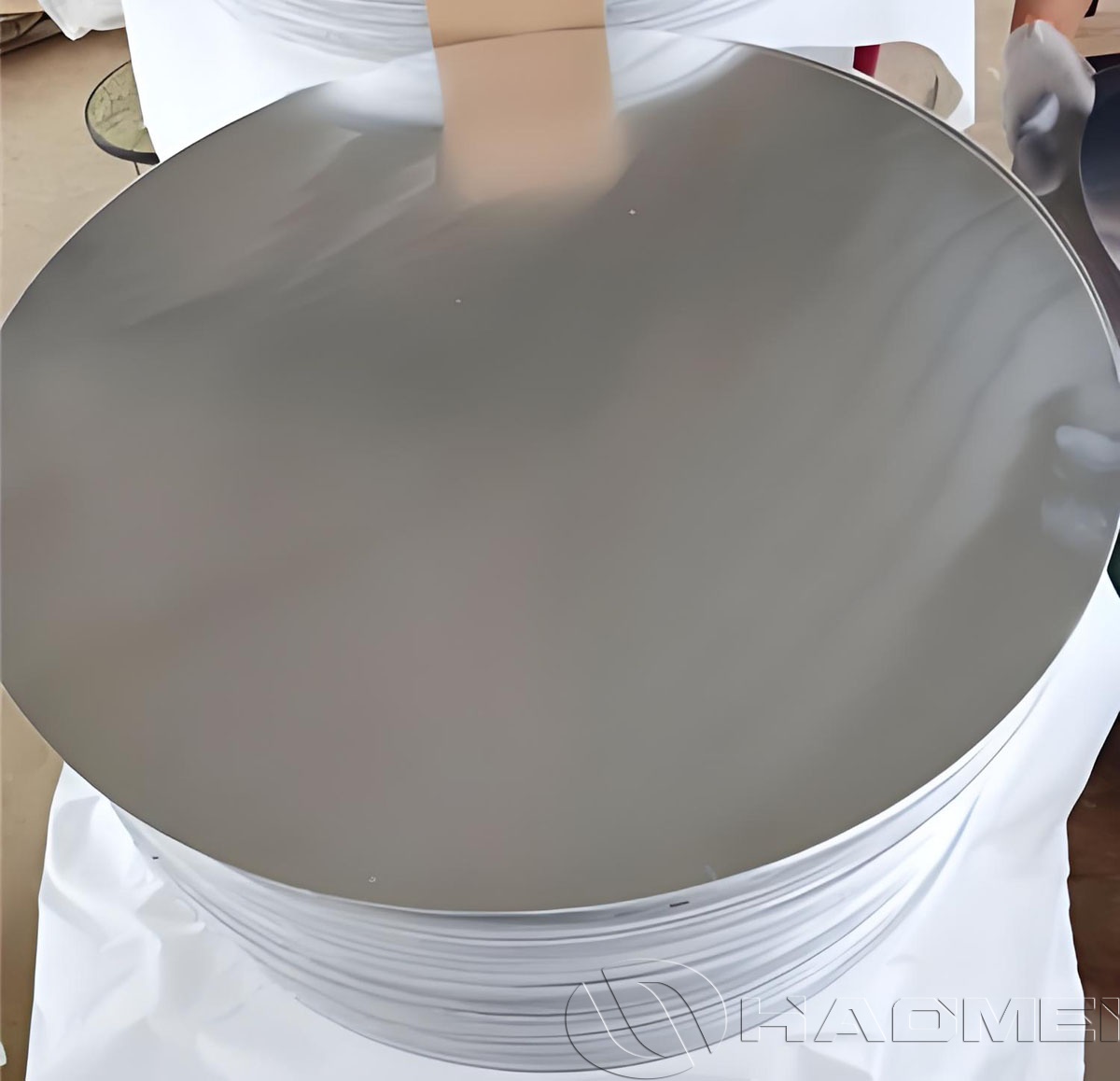
To ensure the delivered deep drawing aluminum disc matches your press conditions, we recommend confirming these items during inquiry:
Part drawing or target draw depth, including draw ratio and number of draws.
Preferred temper (often O for deeper draws).
Surface class requirements (coating-grade, anodizing-grade, or general industrial).
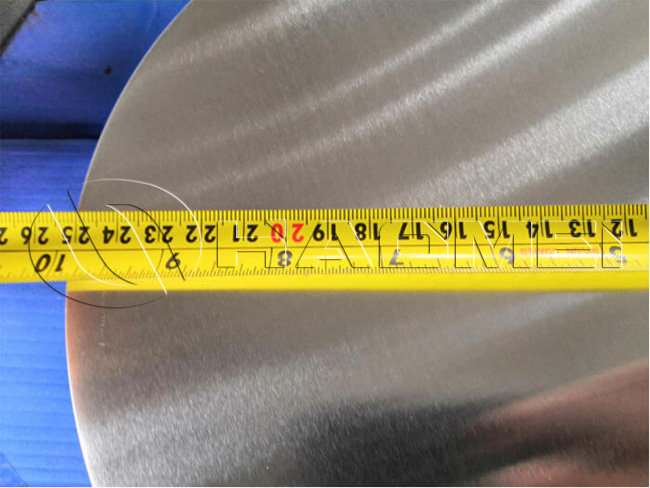
Diameter and thickness tolerances for your feeder and tooling.
Packaging and anti-scratch measures for your logistics route.
When needed, we can support pre-production trials by providing sample circles from the intended production route, helping verify earing trend, cracking margin, and surface suitability before volume supply.
We produce 3105 aluminum circles for deep drawing with controlled chemistry, consistent rolling and annealing practices, and precise blanking to support reliable press performance. Our approach as a manufacturer is to align material condition, dimensional control, and surface quality to the forming and finishing needs of your product.
For long-term programs, we support stable batch supply, documentation traceability, and technical coordination on temper selection and quality criteria. If you share your forming process requirements and target part geometry, we can propose a specification and supply plan designed for consistent deep drawing results over time.


Office Address:
No.14 Waihuan Road, CBD, Zhengzhou, China
Contact Us
HAOMEI Aluminum offer an custom aluminum circle for you!
whatsapp: +86-18703635966
Email: sales@alummc.com
Email: alummc@hotmail.com
Request Free Sample & Quotation
Copyright © 2026 By HAOMEI Aluminum CO., LTD. All Rights Reserved. Sitemap
 +86-18703635966
 sales@alummc.com
 8618703635966
