
 No.14 Waihuan Road, CBD, Zhengzhou, China
 +86-18703635966

No.14 Waihuan Road, CBD, Zhengzhou, China
+86-18703635966
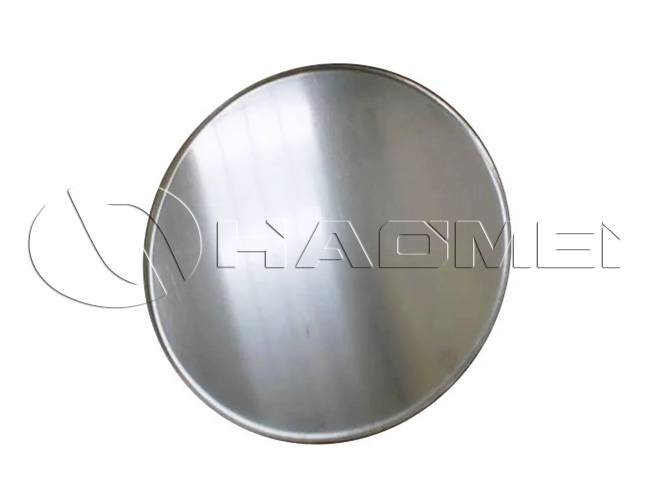
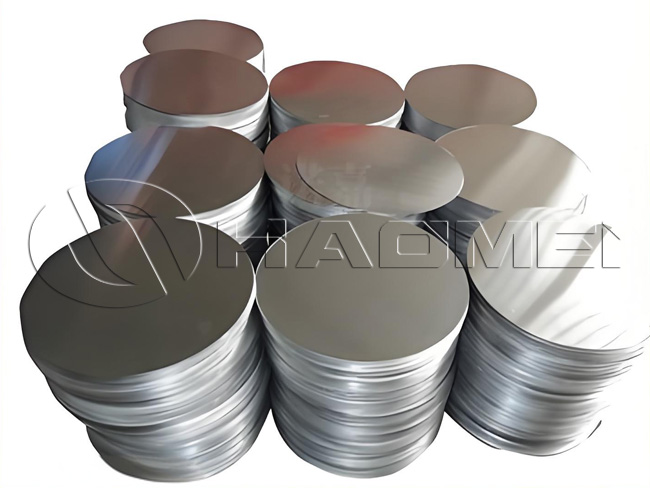
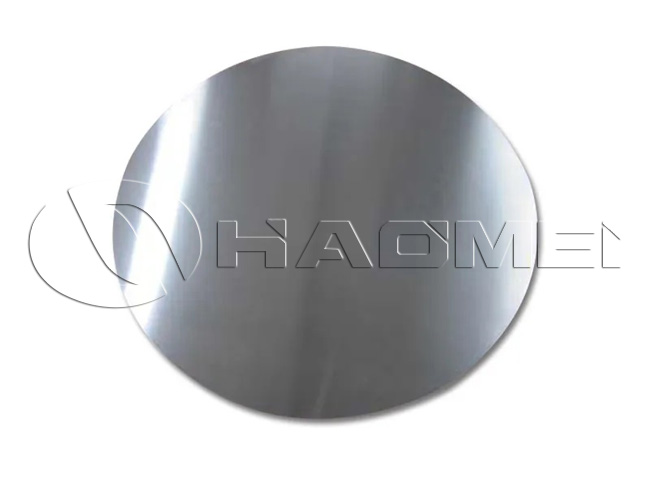
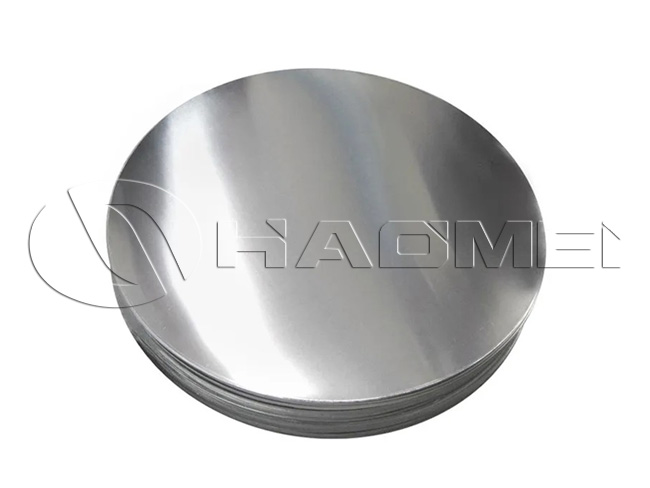
As a manufacturer of aluminum circle products, we supply 1050 HO aluminum circle for kitchen utensils to cookware and kitchenware producers that require stable forming performance, uniform thickness, and reliable surface quality. In daily production, kitchen utensil components such as pans, pots, lids, pressure cooker parts, and small stamped kitchen accessories demand aluminum discs that can remain dimensionally consistent during blanking, spinning, pressing, and subsequent surface treatment. Our manufacturing focus is to provide that consistency from raw material control to finished circle delivery.
1050 aluminum belongs to the commercially pure aluminum family, with high aluminum content and good processing characteristics. In the HO condition, the material is fully annealed, which makes it suitable for applications that require good ductility and smooth forming. For manufacturers of kitchen utensils, this combination is important because it supports efficient processing while helping reduce cracking, edge defects, and thickness variation during forming.
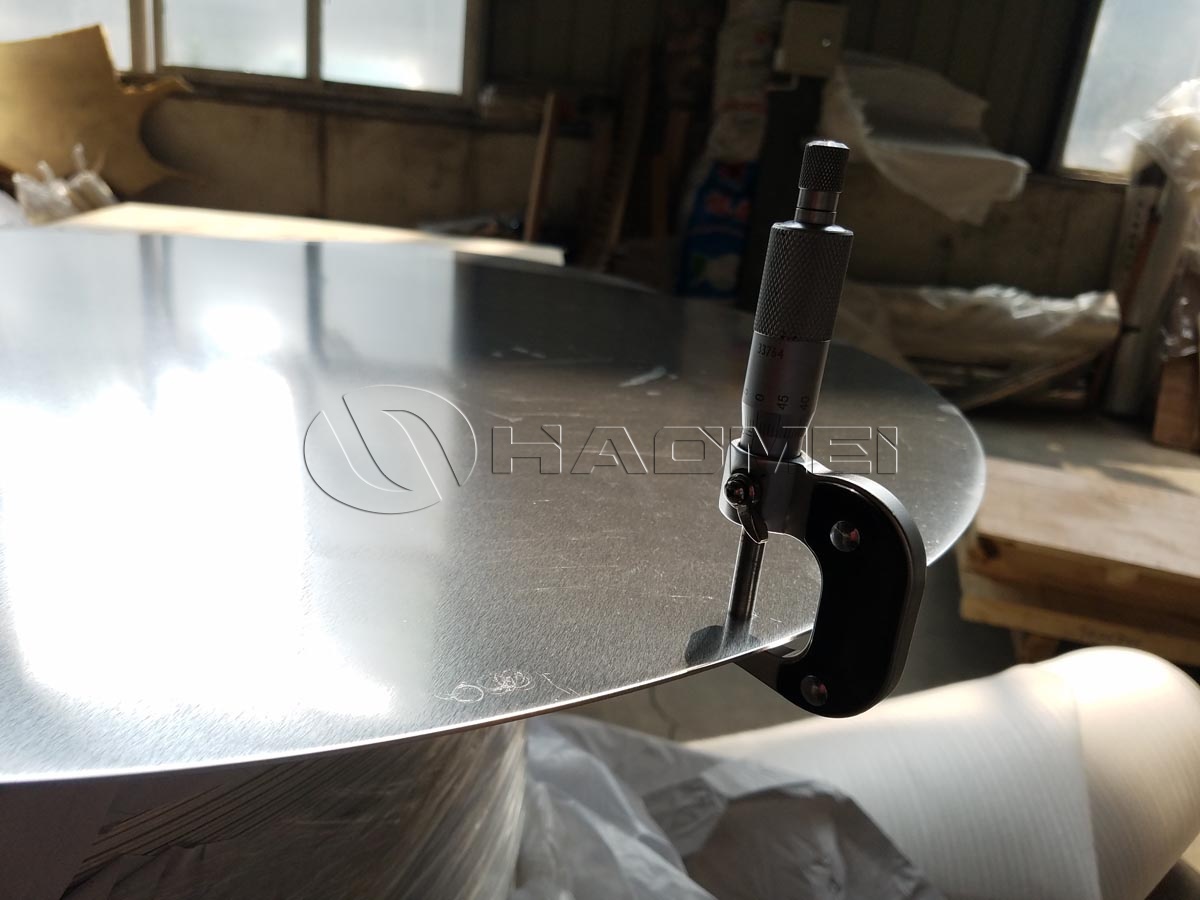
Kitchen utensil production places practical requirements on aluminum circles. The material must be easy to process, clean in appearance, and dependable in repeated batch manufacturing. 1050 HO aluminum circle is widely used because it provides several advantages that fit these requirements.
First, the alloy has good formability. Many kitchen utensils are produced by deep drawing, spinning, or stamping. Fully annealed 1050 HO aluminum circle can adapt well to these processes, especially for products requiring moderate to high deformation.
Second, the alloy offers good thermal conductivity. For cookware and related kitchen products, heat transfer performance is a relevant material property. Although the final utensil design also affects thermal behavior, the base aluminum material contributes to heat distribution.
Third, 1050 aluminum has good corrosion resistance in common service environments. For kitchenware manufacturers, this helps support product durability after surface finishing or coating.
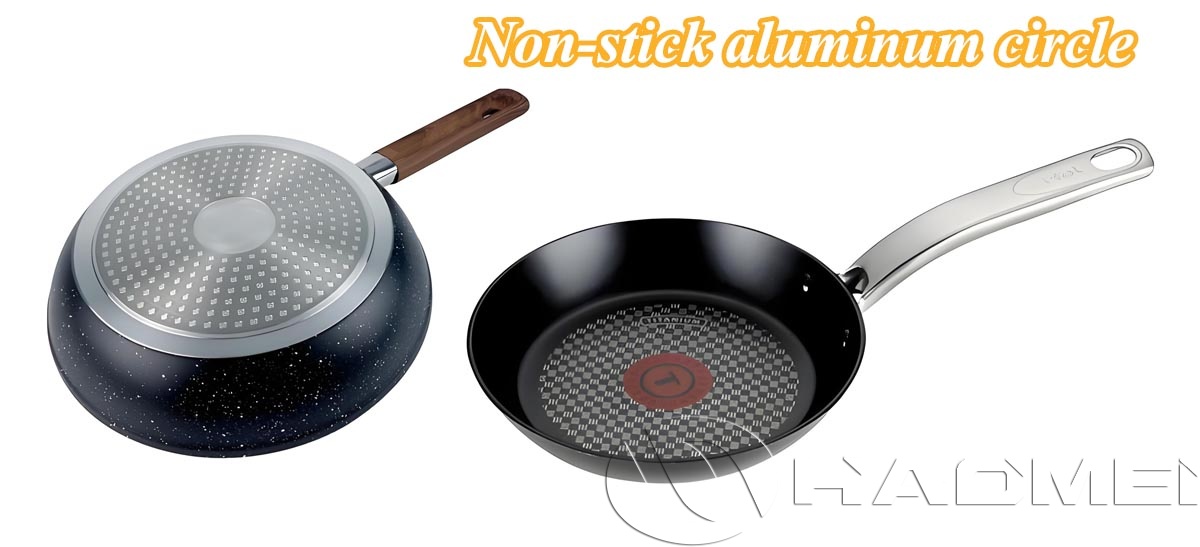
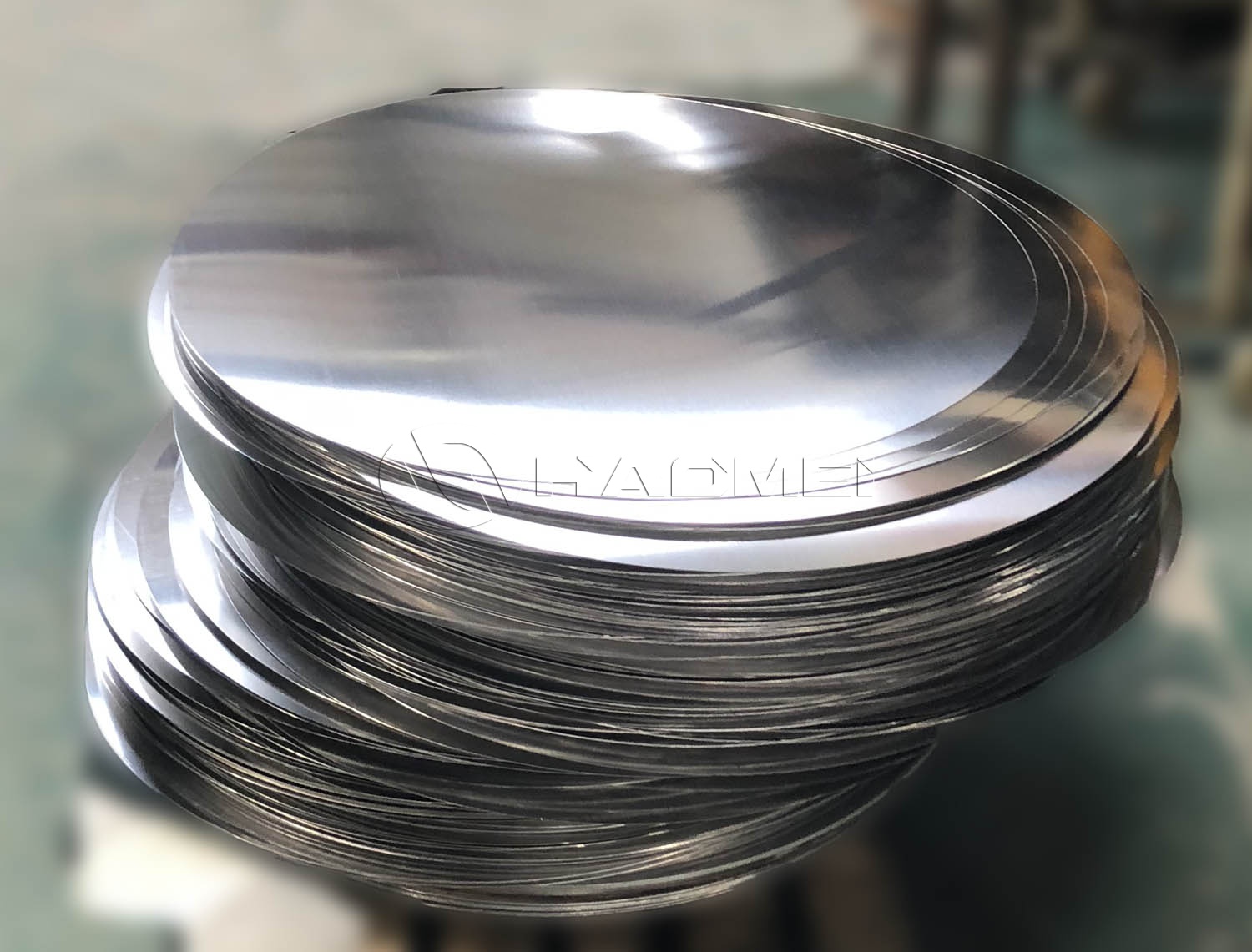
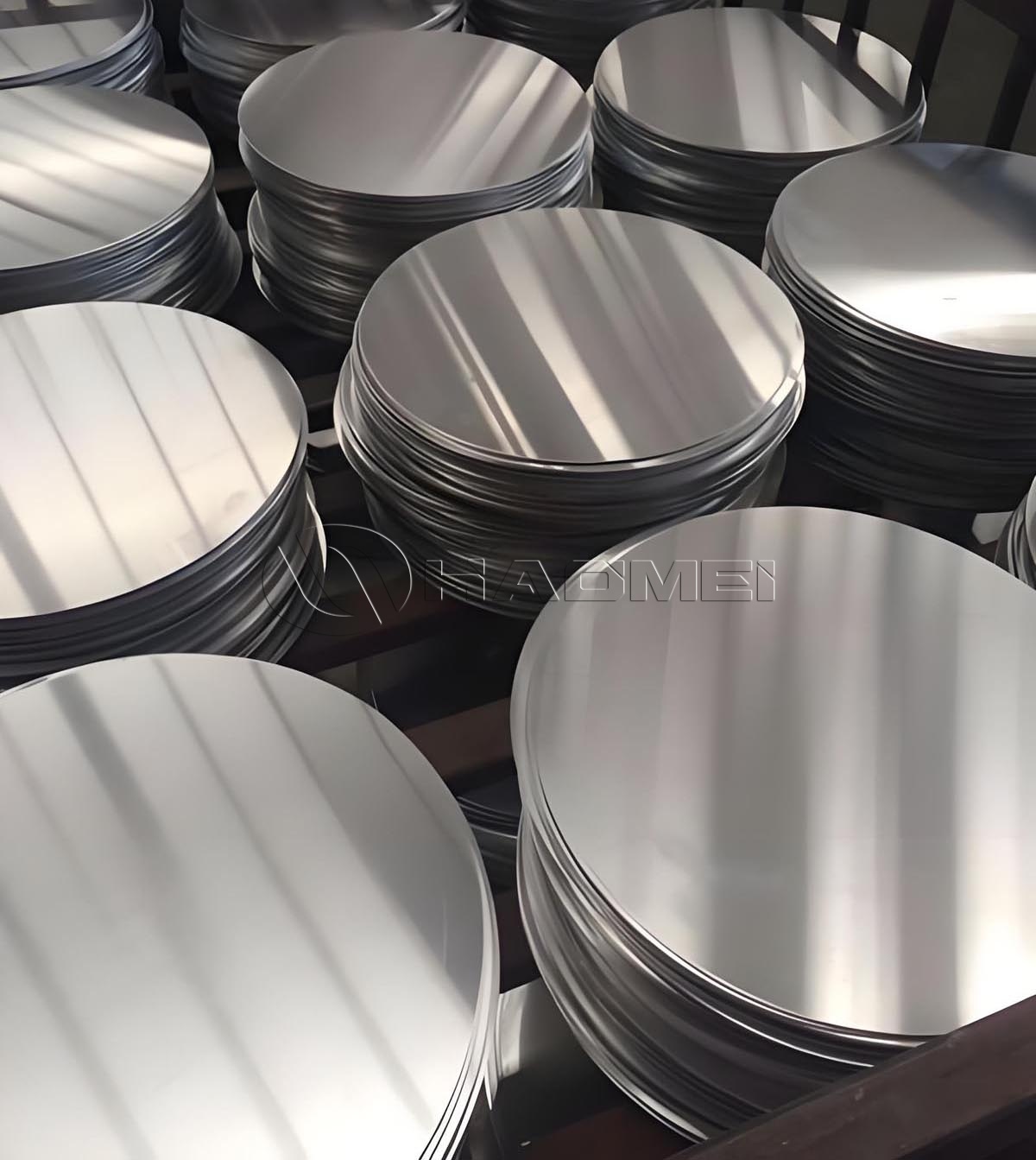
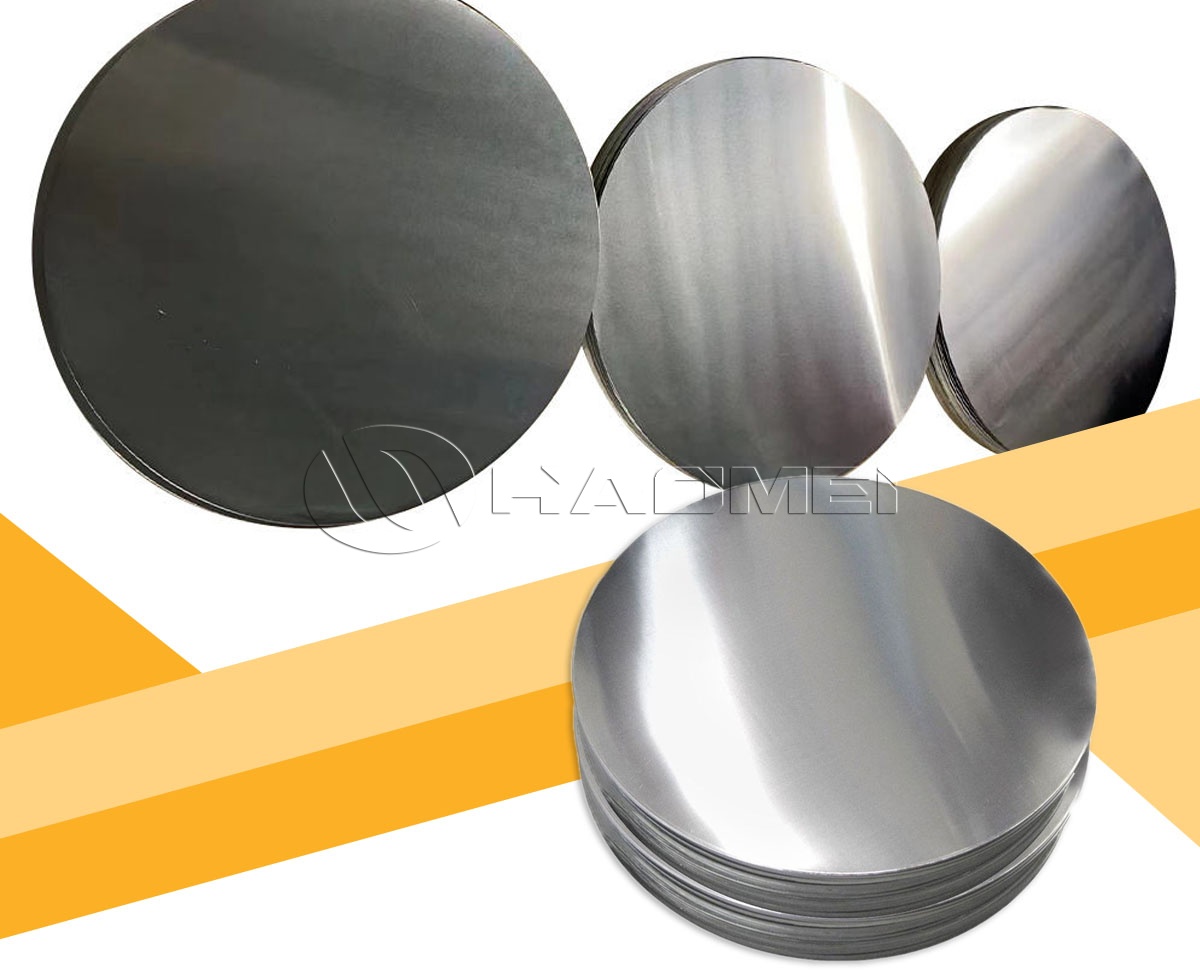
Fourth, the surface quality of a properly produced aluminum disc is important for anodizing, polishing, non-stick coating, or mechanical finishing. In our factory, we pay close attention to surface cleanliness, edge condition, and flatness because these factors influence downstream yield.
For buyers comparing grades within the 1000 Series Aluminum circle category, 1050 is often selected when a balance of formability, purity, and cost control is required. For projects with specific dimensional or mechanical requirements, our 1050 Aluminum Circle can be produced according to detailed utensil manufacturing standards.
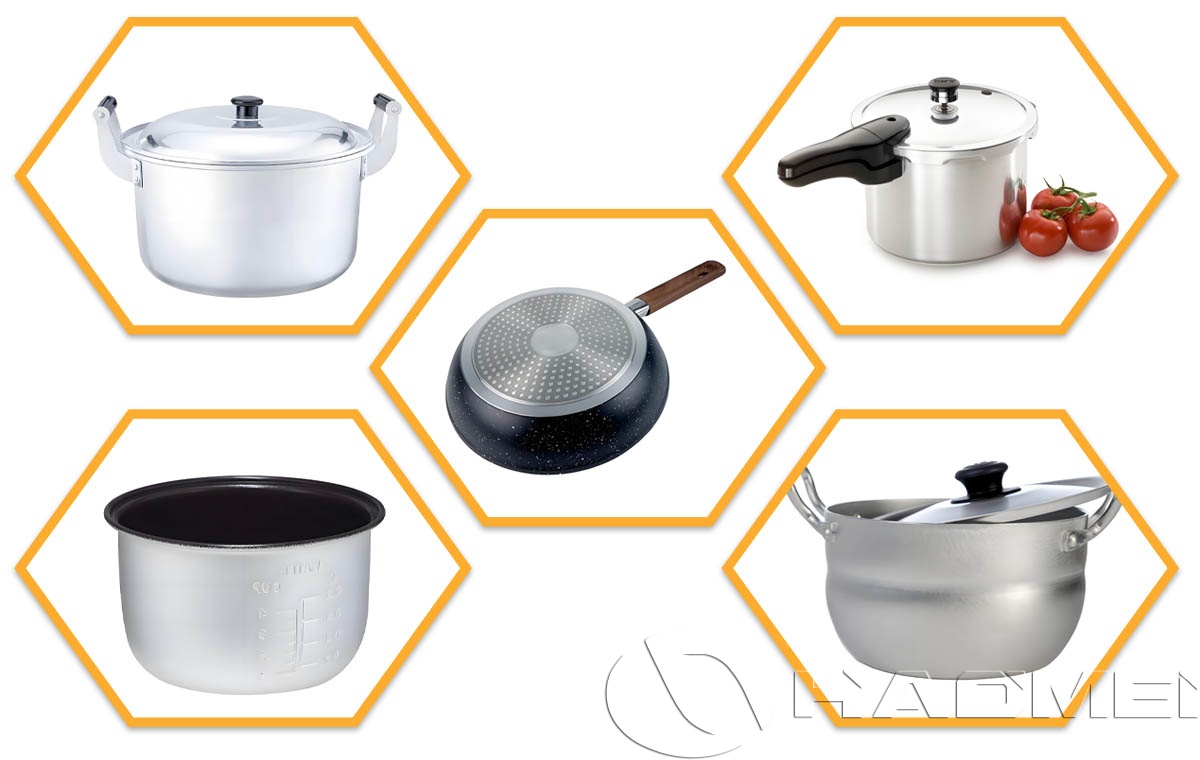
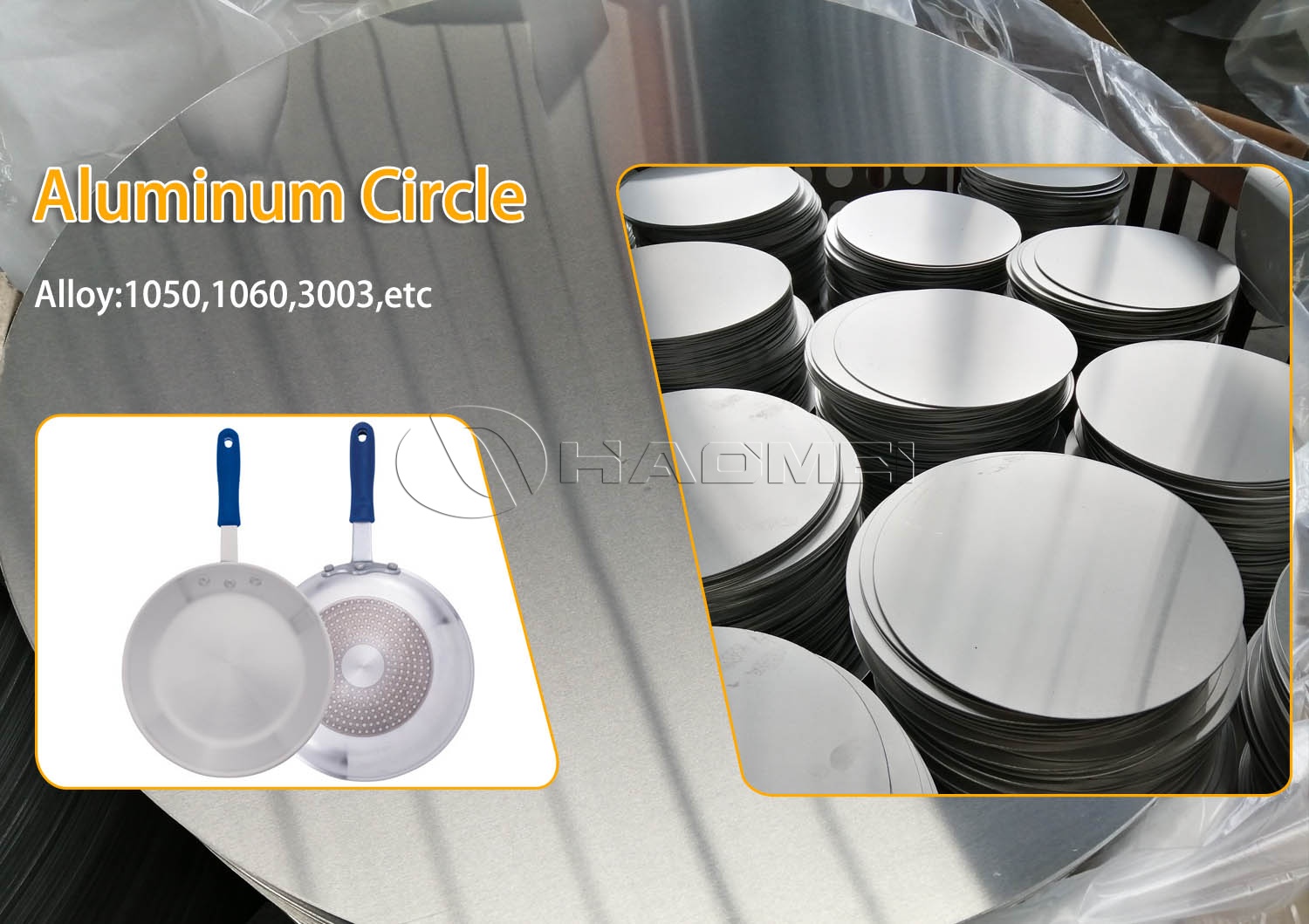
Our 1050 HO aluminum circles are produced for a wide range of kitchen utensil applications. The exact suitability depends on thickness, diameter, temper consistency, and the customer's forming route.
Typical uses include:
Cookware bodies for small and medium pots
Frying pan and saucepan components
Pressure cooker parts
Rice cooker inner and outer accessories
Kettle and utensil base parts
Kitchen bowl and container blanks
Pot lids and cover components
Spun kitchenware items
In these applications, manufacturers generally expect good blanking performance, low ear formation tendency under suitable process conditions, and clean edges after punching. Our production process is designed to support those requirements with controlled metallurgy and dimensional precision.
The exact specification range can be adjusted according to utensil type and equipment conditions. Below is the standard technical scope we commonly produce for kitchen utensil applications.
| Parameter | Specification |
|---|---|
| Alloy | 1050 |
| Temper | HO, O |
| Aluminum content | 99.5% min |
| Thickness range | 0.4 mm to 6.0 mm |
| Diameter range | 80 mm to 1200 mm |
| Diameter tolerance | According to order requirement |
| Thickness tolerance | According to applicable production standard and order requirement |
| Surface | Mill finish, clean, smooth, oil-free or lightly oiled as required |
| Edge condition | Sheared or punched, burr controlled |
| Production method | DC material, hot rolling, cold rolling, circle blanking |
| Forming suitability | Stamping, spinning, deep drawing |
| Packaging | Wooden pallet, moisture-proof export packaging |
| Standard references | GB, EN, ASTM, or customer technical agreement |
For some kitchen utensil projects, buyers request narrower thickness tolerances and stricter flatness control to improve automation performance in pressing lines. We can match these requirements through process adjustment and inspection planning before shipment.
As a manufacturing plant, we control the process from base coil selection to finished aluminum circle inspection. This is essential for kitchen utensil customers because the final forming result depends not only on alloy designation, but also on grain structure, annealing quality, lubrication condition, and blanking accuracy.
Our production control typically includes the following stages:
We use qualified 1050 aluminum coil or sheet feedstock produced under controlled chemical composition limits. Stable raw material is the basis for stable deep drawing and spinning performance.
The HO temper requires full annealing. We control annealing parameters to achieve the ductility required for kitchen utensil processing, while avoiding excessive variability between batches.
The blanking stage affects edge quality, roundness, and dimensional consistency. For cookware and utensil plants running automatic equipment, these details directly influence feeding and forming efficiency.
We inspect for scratches, roll marks, oil contamination, oxidation, and other visible defects that could affect polishing, anodizing, or non-stick coating.
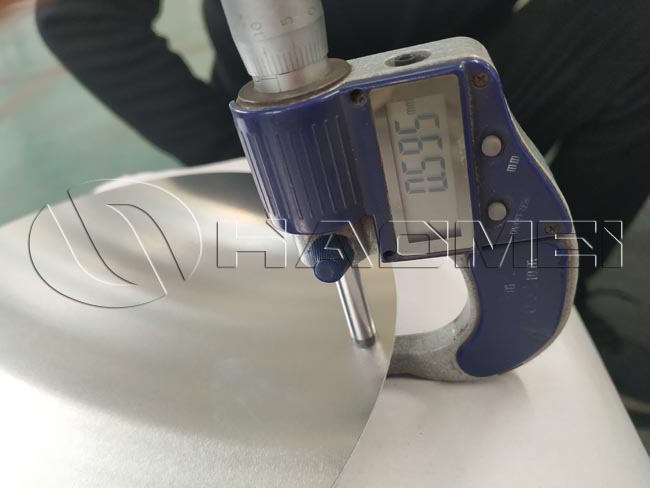
Thickness, diameter, temper condition, and visual quality are checked before packing. If required, we can also support customer-specific inspection items related to deep drawing performance.
In kitchen utensil manufacturing, material quality is often judged by practical production results. Based on factory supply experience, the following points are especially important when selecting 1050 HO aluminum circle.
The circle must perform consistently during forming. Unstable ductility can result in cracking, wrinkling, or deformation irregularity, especially in deeper drawn utensils.
Thickness variation affects part strength, forming behavior, and heat distribution. Good thickness consistency supports process stability and product uniformity.
Kitchen utensils often receive decorative or functional finishing. Surface defects can become more visible after polishing, anodizing, or coating. Therefore, clean mill finish quality is important.
Poor edge quality may lead to edge cracking or feeding issues in automated lines. We maintain burr control and dimensional stability to support downstream efficiency.
For factories producing the same utensil model over long periods, material consistency from one shipment to another is essential. Our production planning emphasizes repeatability for regular orders.
Within the 1000 series, 1050, 1060, 1070, and 1100 are all used in circle production. The most suitable grade depends on the intended product and processing route.
1050 HO aluminum circle is commonly chosen for kitchen utensils because it offers a practical combination of purity, processability, and cost efficiency. Compared with 1060 or 1070, it is often selected where very high purity is not strictly necessary but stable forming is still required. Compared with 1100, 1050 is typically preferred when customers want a standard pure aluminum option for cookware and kitchenware components.
From a factory perspective, the selection should be based on the utensil design, drawing depth, finishing method, and final use conditions rather than on alloy number alone. We regularly assist buyers in confirming the correct diameter, thickness, and temper for their production lines.
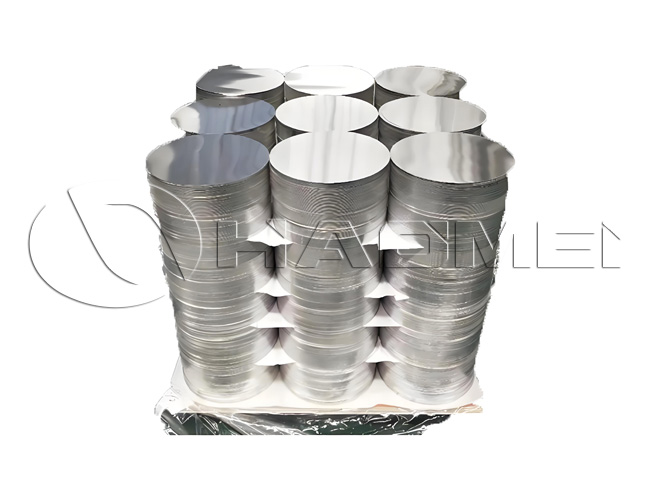
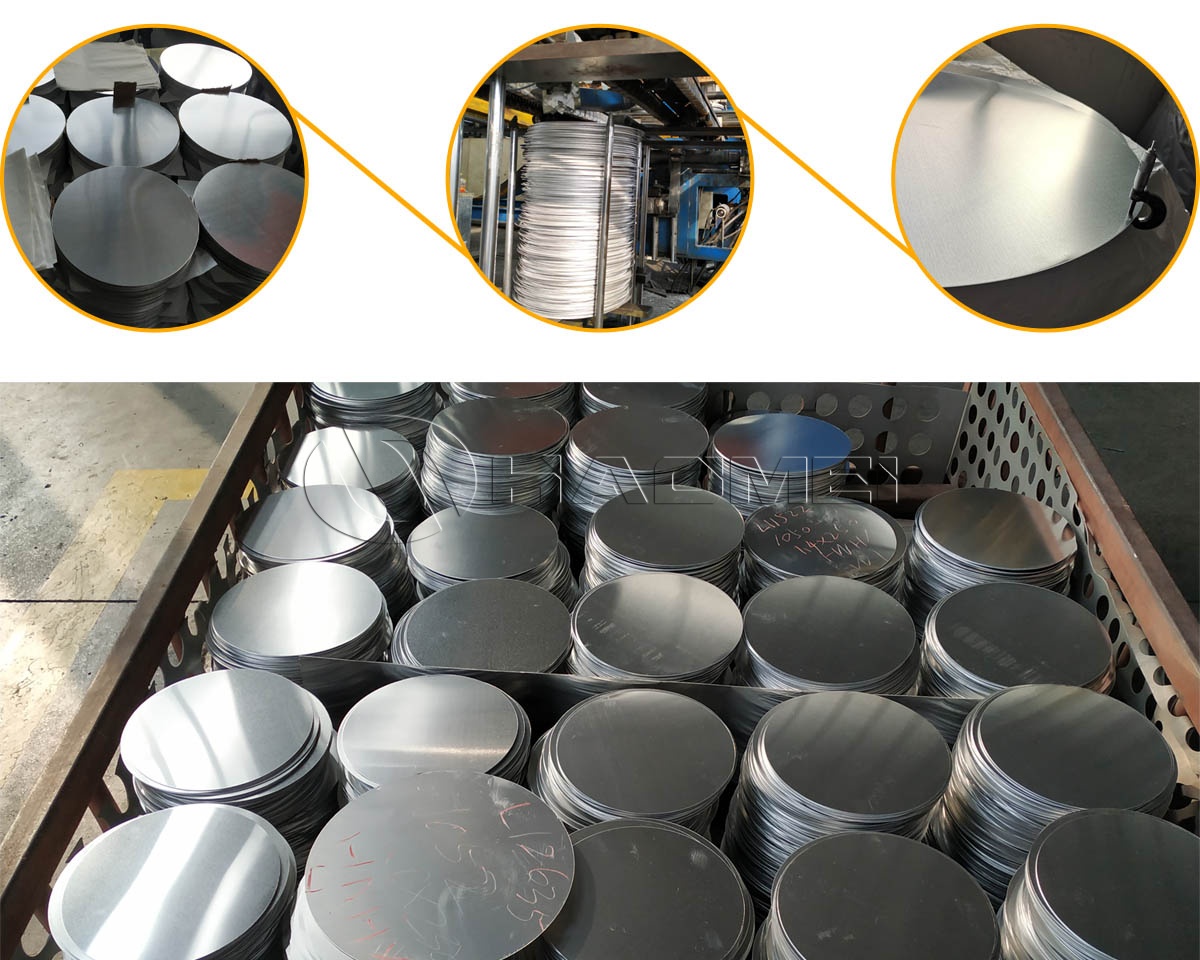
For export shipments, packaging is designed to protect circle flatness, surface condition, and edge integrity during storage and transport. Depending on disc size and quantity, circles are stacked and secured on wooden pallets with moisture-proof protection and external reinforcement.
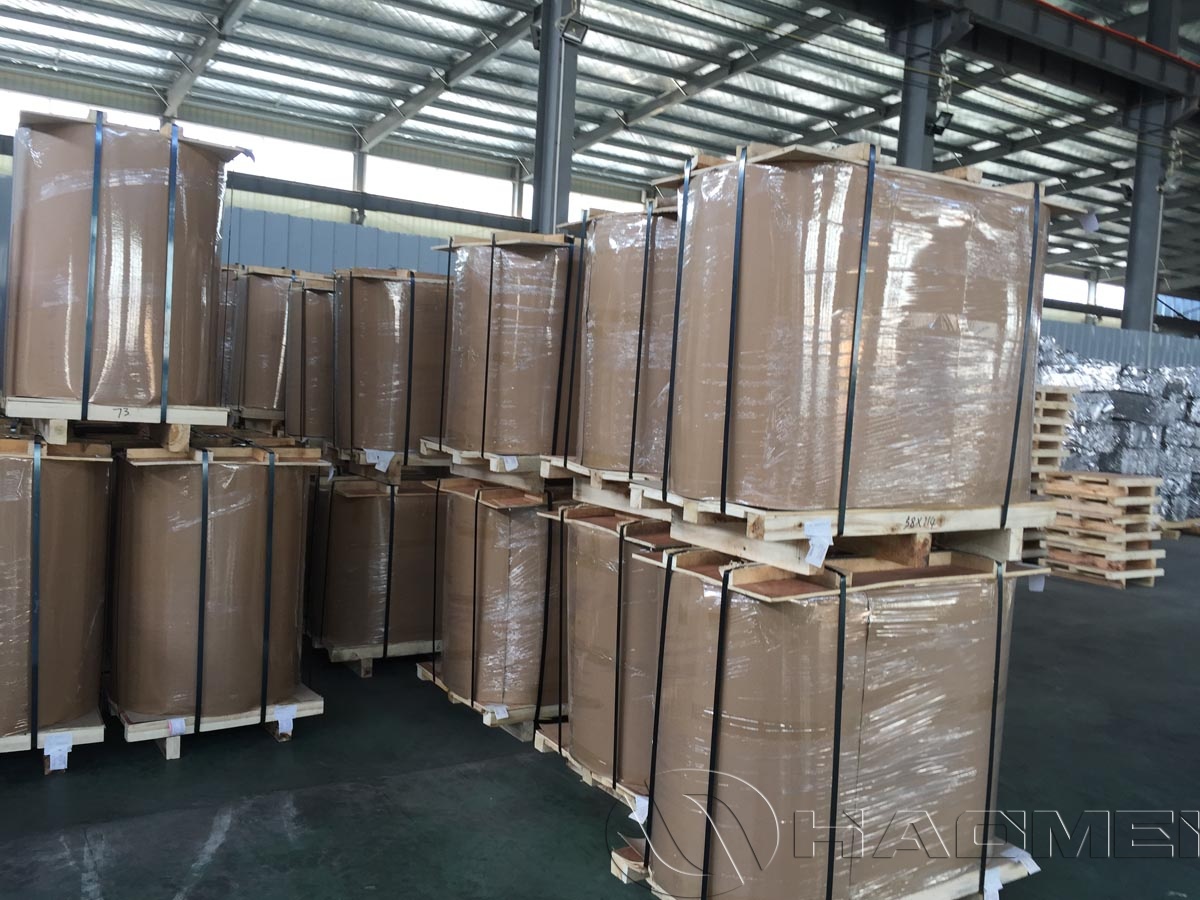
Proper packaging matters particularly for kitchen utensil manufacturers because surface contamination, impact damage, or moisture exposure can affect processing and appearance. Our export packing method is arranged according to product dimensions, destination, and handling requirements.
Different kitchen utensil factories use different equipment and forming parameters. For this reason, standard size supply is not always sufficient. We manufacture 1050 HO aluminum circle according to customer drawings and production targets, including:
Custom diameter
Custom thickness
Special packaging quantity per pallet
Surface cleanliness requirements
Mechanical property coordination for forming
Coil-to-circle production for repeat orders
When customers provide utensil type, forming method, and target dimensions, we can recommend a more suitable production range and inspection plan.
1050 HO aluminum circle for kitchen utensils is a practical material solution for manufacturers that require reliable forming performance, clean surface condition, and steady batch consistency. As a factory, we focus on production control rather than generic trading descriptions. From raw material selection to annealing, blanking, inspection, and export packaging, each step is managed to support real kitchenware manufacturing needs.
For buyers producing cookware, lids, pressed kitchen parts, and spun utensils, the value of 1050 HO aluminum circle lies in its stable ductility, corrosion resistance, and suitability for efficient downstream processing. With the right specification and process control, it can help maintain both production yield and finished product quality.

Office Address:
No.14 Waihuan Road, CBD, Zhengzhou, China
Contact Us
HAOMEI Aluminum offer an custom aluminum circle for you!
whatsapp: +86-18703635966
Email: sales@alummc.com
Email: alummc@hotmail.com
Request Free Sample & Quotation
Copyright © 2026 By HAOMEI Aluminum CO., LTD. All Rights Reserved. Sitemap
 +86-18703635966
 sales@alummc.com
 8618703635966
