
 No.14 Waihuan Road, CBD, Zhengzhou, China
 +86-18703635966

No.14 Waihuan Road, CBD, Zhengzhou, China
+86-18703635966
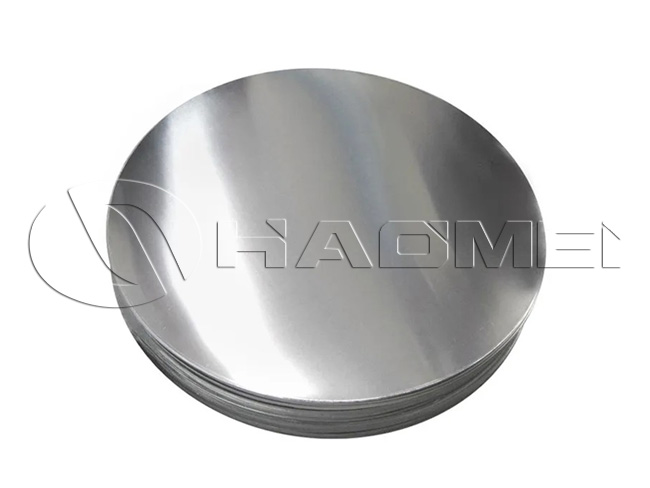
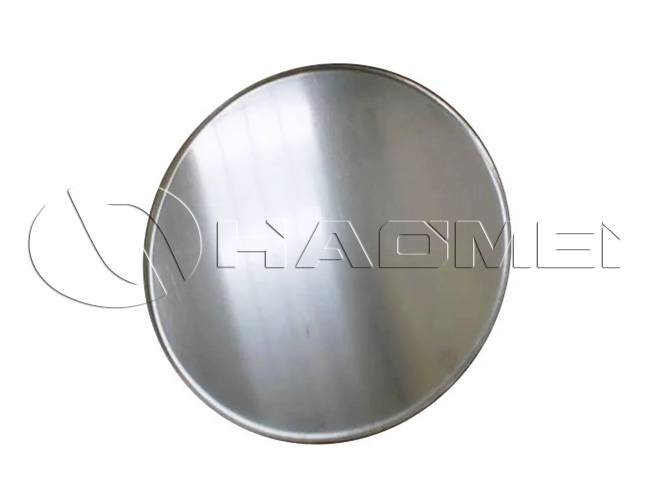
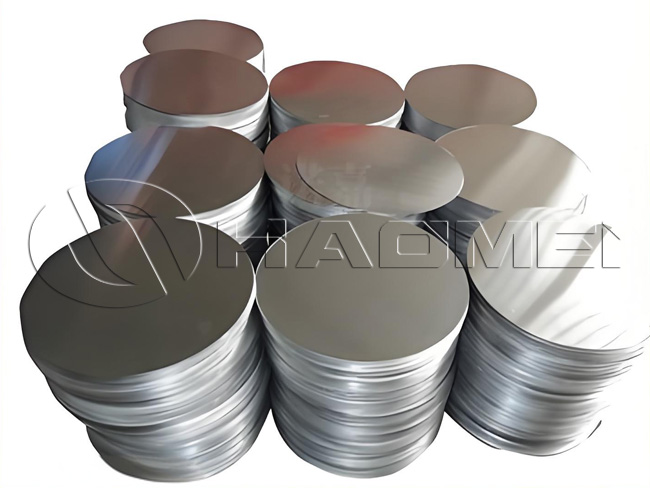
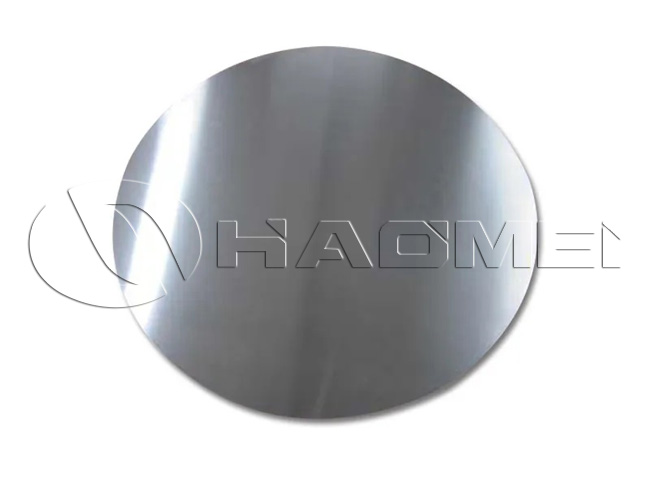
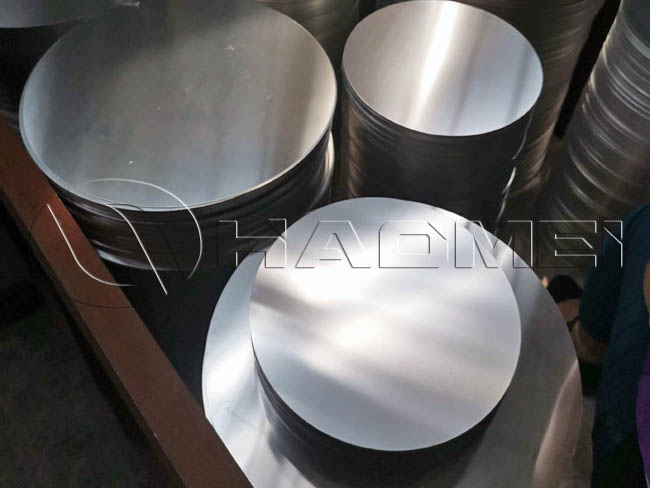
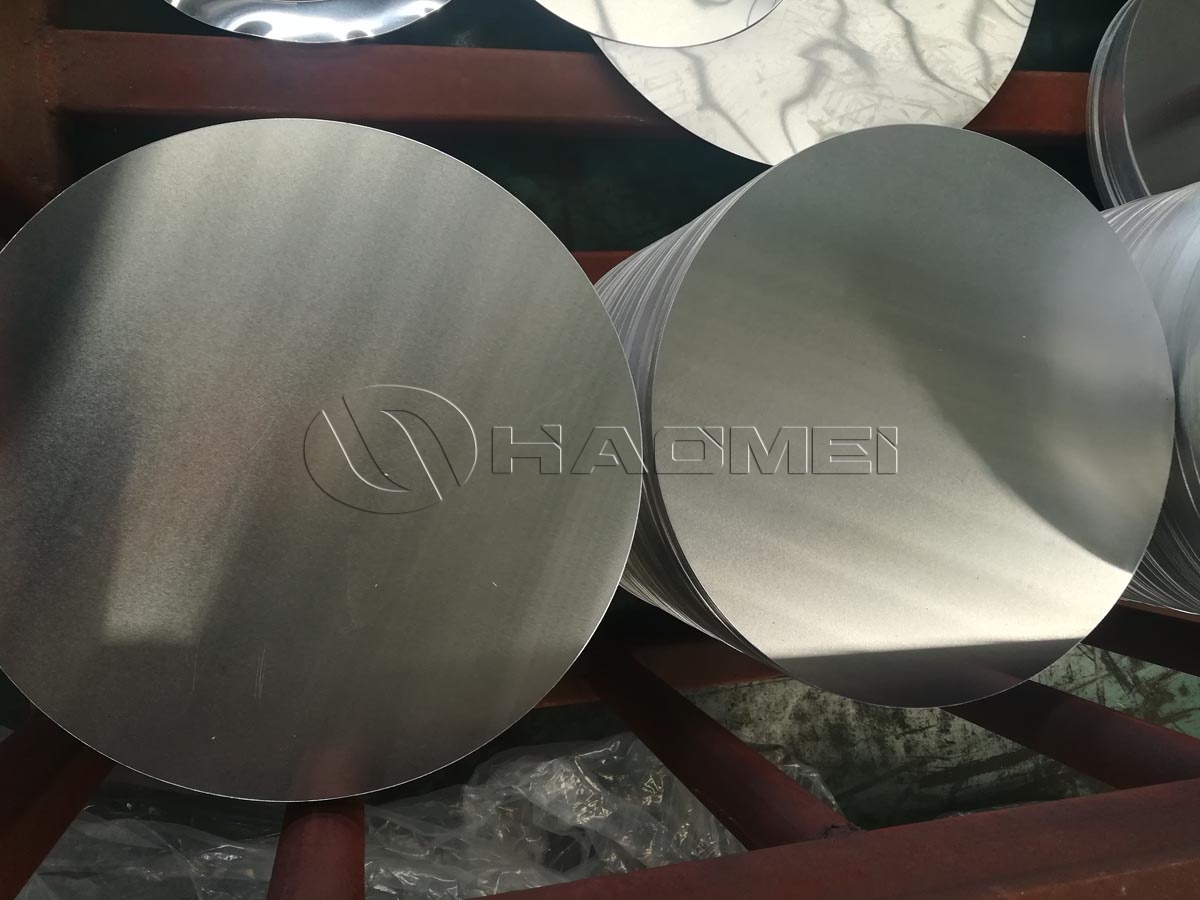
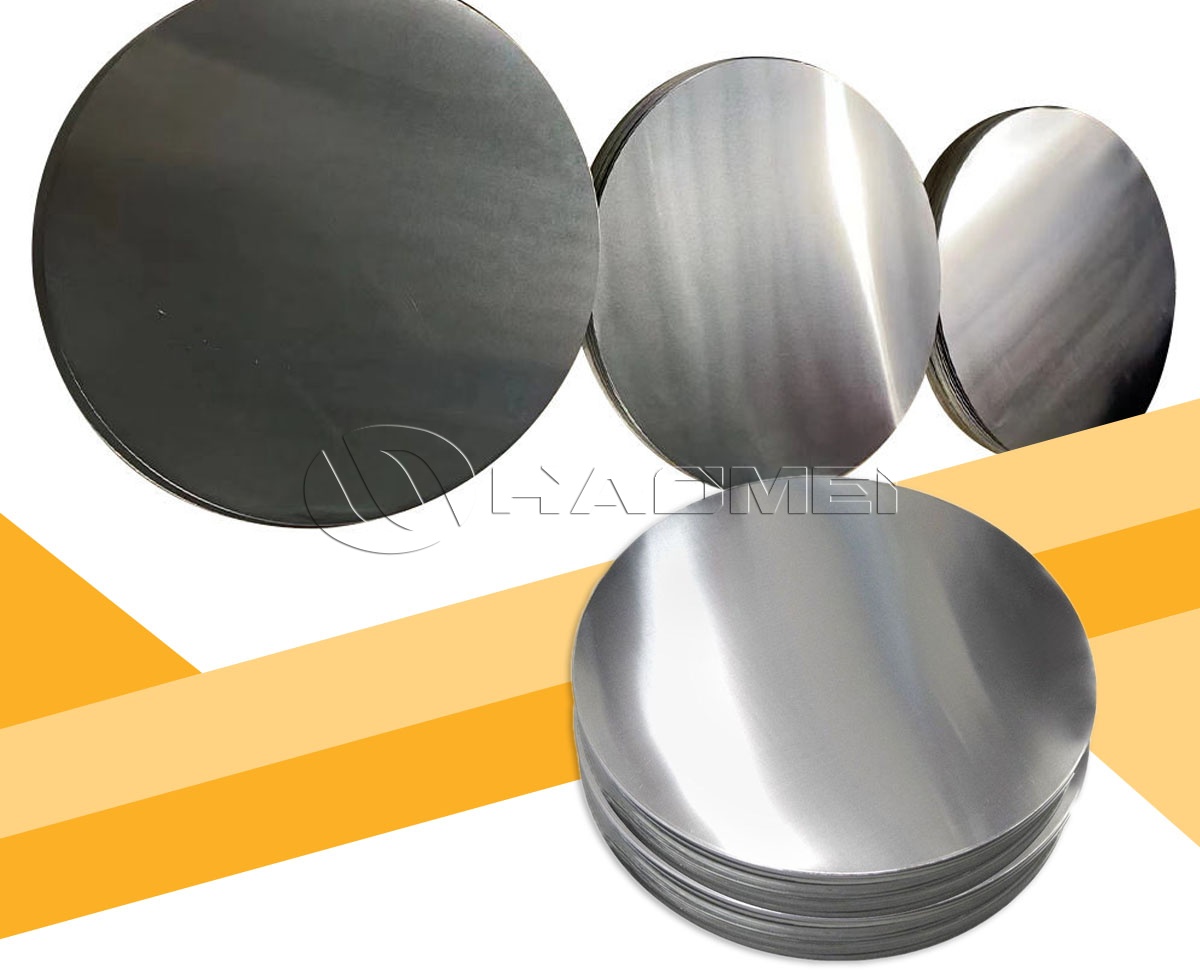
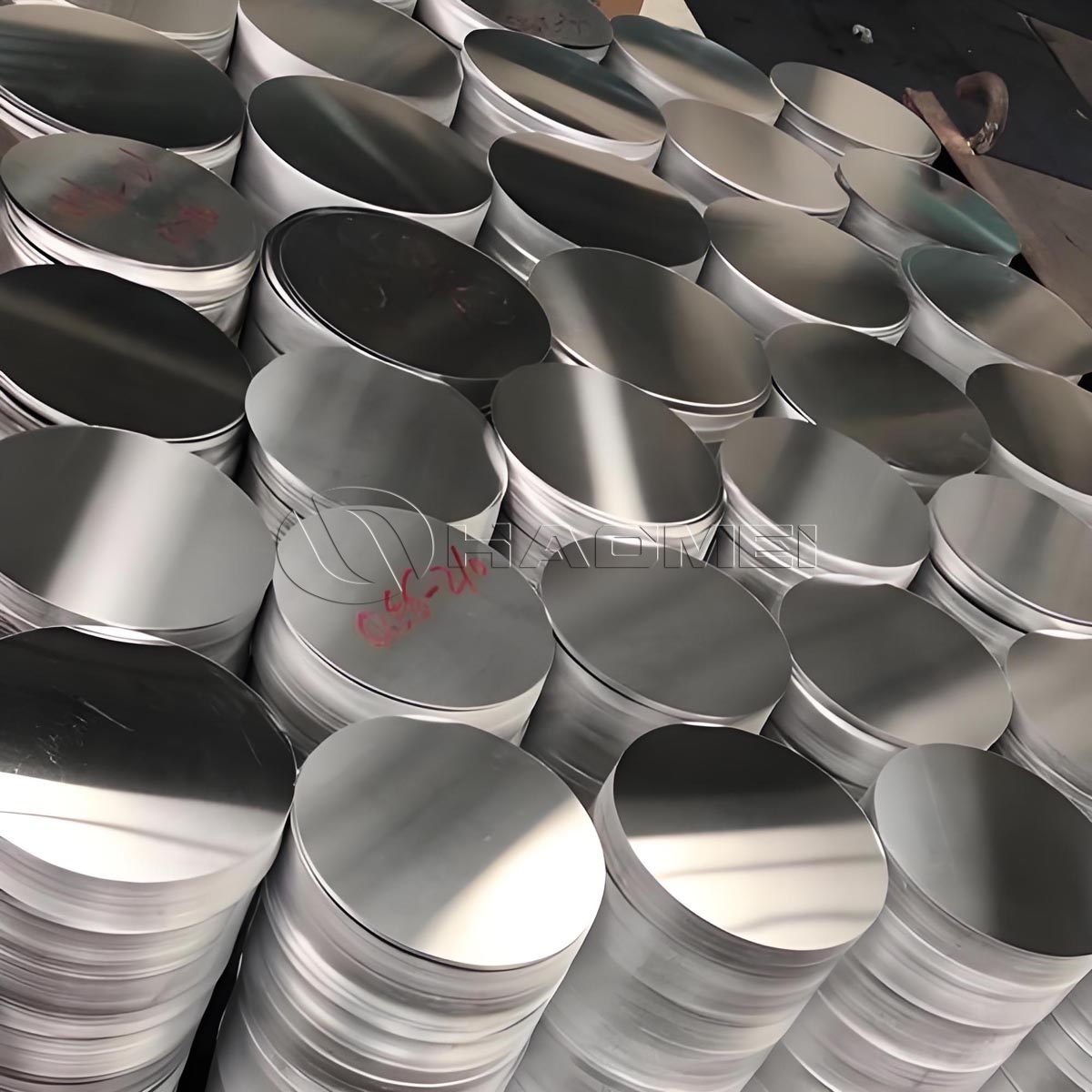
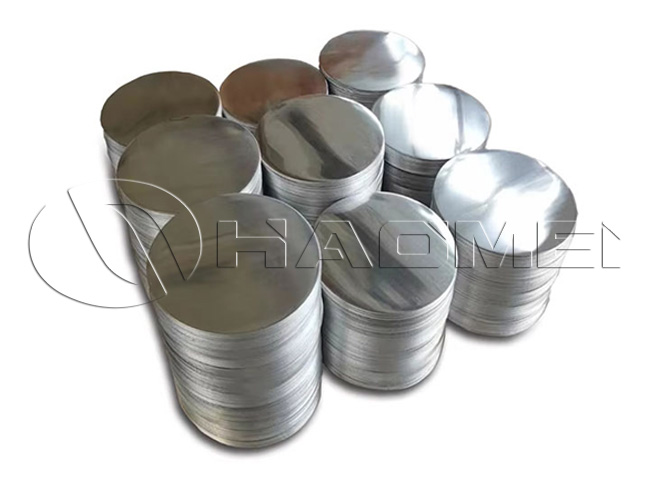
As a manufacturer of aluminum circle and disc products, we produce 1050 and 1060 aluminum discs specifically for large-diameter cookware applications, including 1450 mm cookware components. These products are made from 1000 series industrial pure aluminum and are designed for deep drawing, spinning, forming, anodizing, and surface finishing processes commonly used in cookware production.
For large cookware bodies, lids, and formed kitchenware parts, material consistency is critical. Disc flatness, thickness tolerance, ear formation control, surface cleanliness, and elongation directly affect downstream stamping and spinning efficiency. In our factory, we manage these factors through raw material selection, rolling control, annealing process adjustment, blanking precision, and final inspection.
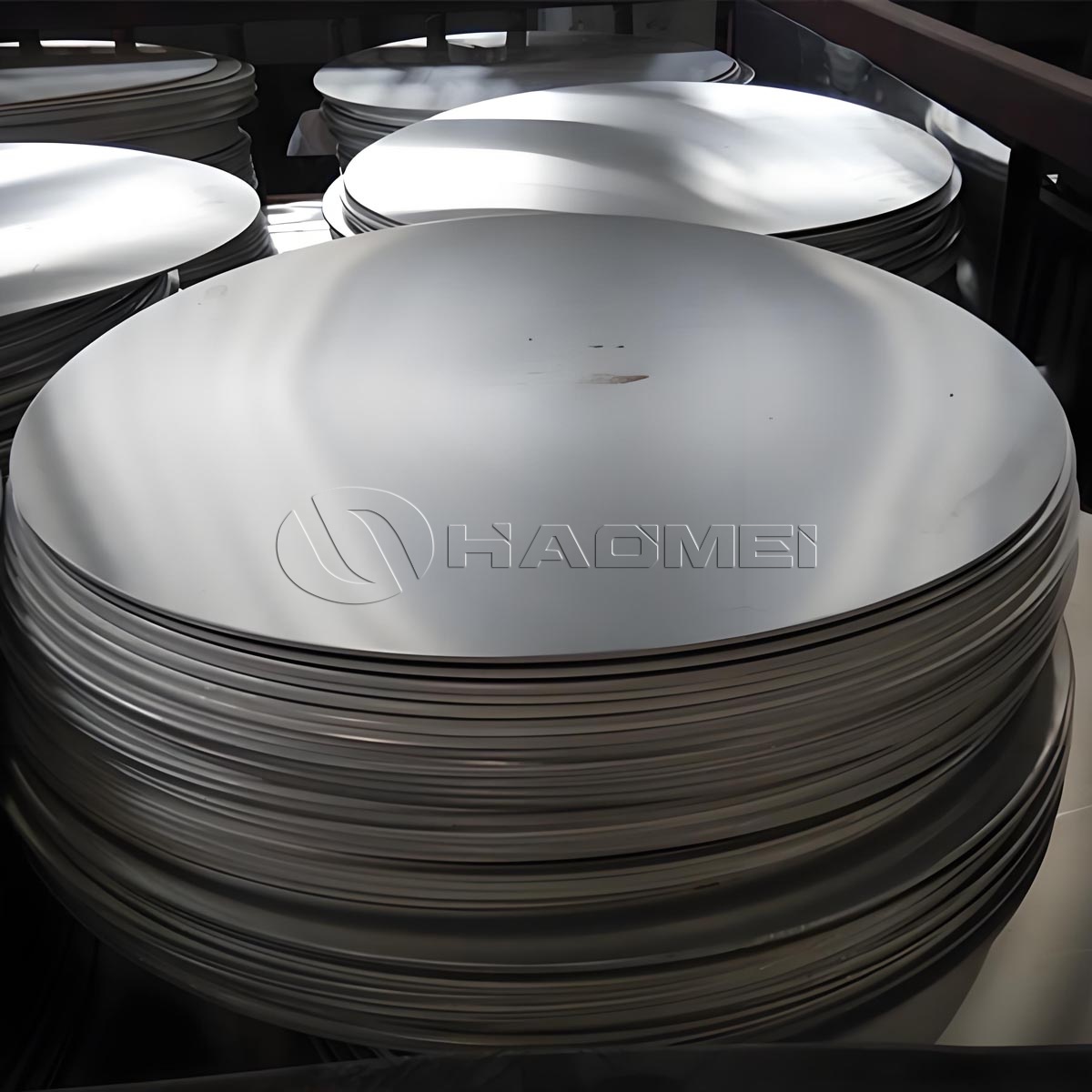
1050 aluminum discs and 1060 aluminum discs are widely used in cookware manufacturing because they offer a practical balance of formability, thermal conductivity, corrosion resistance, and cost control. For extra-large cookware sizes such as 1450 mm, the material must maintain stable forming behavior across a broad diameter. This is especially important when the final product requires uniform wall thickness and a smooth finished appearance.
Compared with alloy grades containing higher amounts of alloying elements, 1050 and 1060 belong to the high-purity aluminum family. Their aluminum content supports good ductility and consistent deformation during deep drawing or spinning. For cookware producers, this means lower risk of cracking, reduced scrap, and more predictable forming results.
In our production practice, 1050 is often selected when buyers require balanced mechanical properties and reliable commercial processing. 1060 is commonly preferred when higher aluminum purity and improved forming softness are needed, particularly for applications involving extensive spinning or deep drawing.
We manufacture these products within our 1000 Series Aluminum circle production range, with process routes adapted to cookware-grade requirements.
A 1450 mm aluminum disc is generally used for extra-large cookware or industrial kitchenware components rather than conventional household utensils. These may include:
Large stock pot bodies
Oversized cookware lids
Commercial food processing containers
Catering kitchen pans
Spun and drawn kitchenware shells
Pressure-formed cookware parts
For these end uses, the aluminum circle for cookware must demonstrate:
Stable mechanical properties across the full disc area
Low anisotropy for controlled ear height
Smooth edges after blanking
Surface quality suitable for polishing or anodizing
Good response to deep drawing and spinning
Reliable thermal conductivity in the finished cookware product
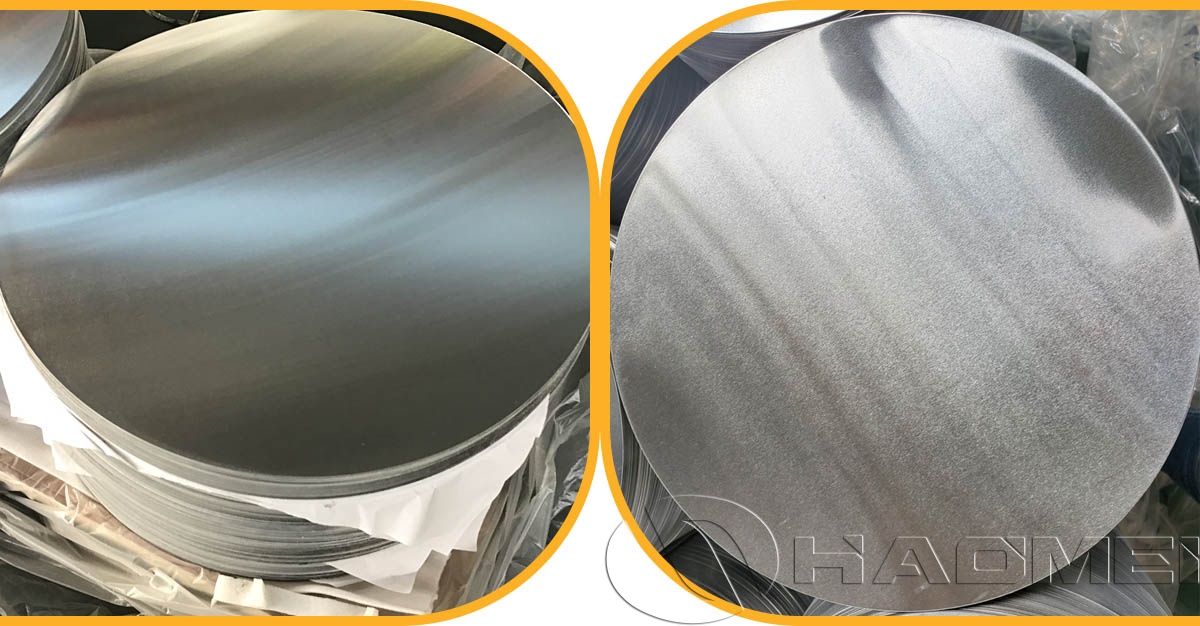
Both 1050 and 1060 are standard materials in cookware aluminum discs, but they are selected according to different production priorities.
1050 aluminum contains a minimum aluminum content of 99.5 percent. It offers good ductility, corrosion resistance, and thermal conductivity. It is suitable for cookware parts that require smooth forming and good finished surface quality. In many cookware factories, 1050 aluminum discs are used for spinning, shallow drawing, and medium-depth forming.
For product-specific requirements, we also supply 1050 Aluminum Circle with controlled temper and size tolerances.
1060 aluminum contains a minimum aluminum content of 99.6 percent. Its higher purity contributes to excellent ductility and conductivity. It is especially suitable for deep drawing aluminum circle production where severe deformation is involved. For large cookware with demanding forming geometry, 1060 is often selected to improve process stability and reduce the risk of edge cracking.
We also produce 1060 Aluminium Circle for cookware, lighting, and industrial forming applications.
The following table shows the typical manufacturing range and supply conditions for 1050 / 1060 aluminum discs suitable for 1450 mm cookware.
| Item | Specification |
|---|---|
| Product name | 1050 / 1060 aluminum discs |
| Application | 1450 mm cookware, large pots, lids, kitchenware shells, industrial cookware components |
| Alloy | 1050, 1060 |
| Temper | O, H12, H14, H24 |
| Aluminum purity | 1050: Al >= 99.5%, 1060: Al >= 99.6% |
| Diameter range | Up to 1450 mm and customized larger-size blanking within production capability |
| Typical thickness range | 0.5 mm to 6.0 mm |
| Surface finish | Mill finish, clean surface, oil-free or lightly lubricated according to forming process |
| Manufacturing method | Cold rolled base material, precision blanking |
| Edge condition | Smooth edge, burr-controlled |
| Forming process suitability | Deep drawing, spinning, stamping, pressing, anodizing |
| Flatness control | Controlled for large-diameter forming applications |
| Surface quality | Free from obvious scratches, dents, oxidation marks, and rolling defects |
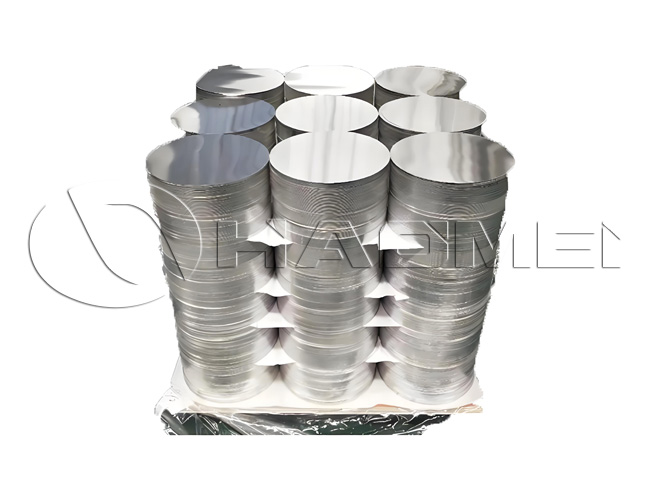
| Packaging | Interleaving paper, export wooden pallets, moisture protection |
| Standard reference | According to agreed international or customer specifications |
Actual parameters can be adjusted based on cookware design, forming route, and buyer quality standards.
Producing a 1450 mm aluminum disc is not the same as producing a standard small cookware blank. As disc diameter increases, process control becomes more demanding. From a manufacturing standpoint, the following points are especially important.
We begin with stable 1050 or 1060 base material. Chemical composition control, rolling quality, and internal cleanliness affect the final forming behavior of the disc. For cookware applications, we prioritize material with good grain structure and controlled hardness after annealing.
Cookware forming performance depends heavily on temper. O temper is commonly selected for deep drawing aluminum circle applications because it provides the highest ductility. H12, H14, or H24 tempers may be used when buyers need higher strength or specific forming behavior. We adjust annealing practice according to thickness, diameter, and final use.
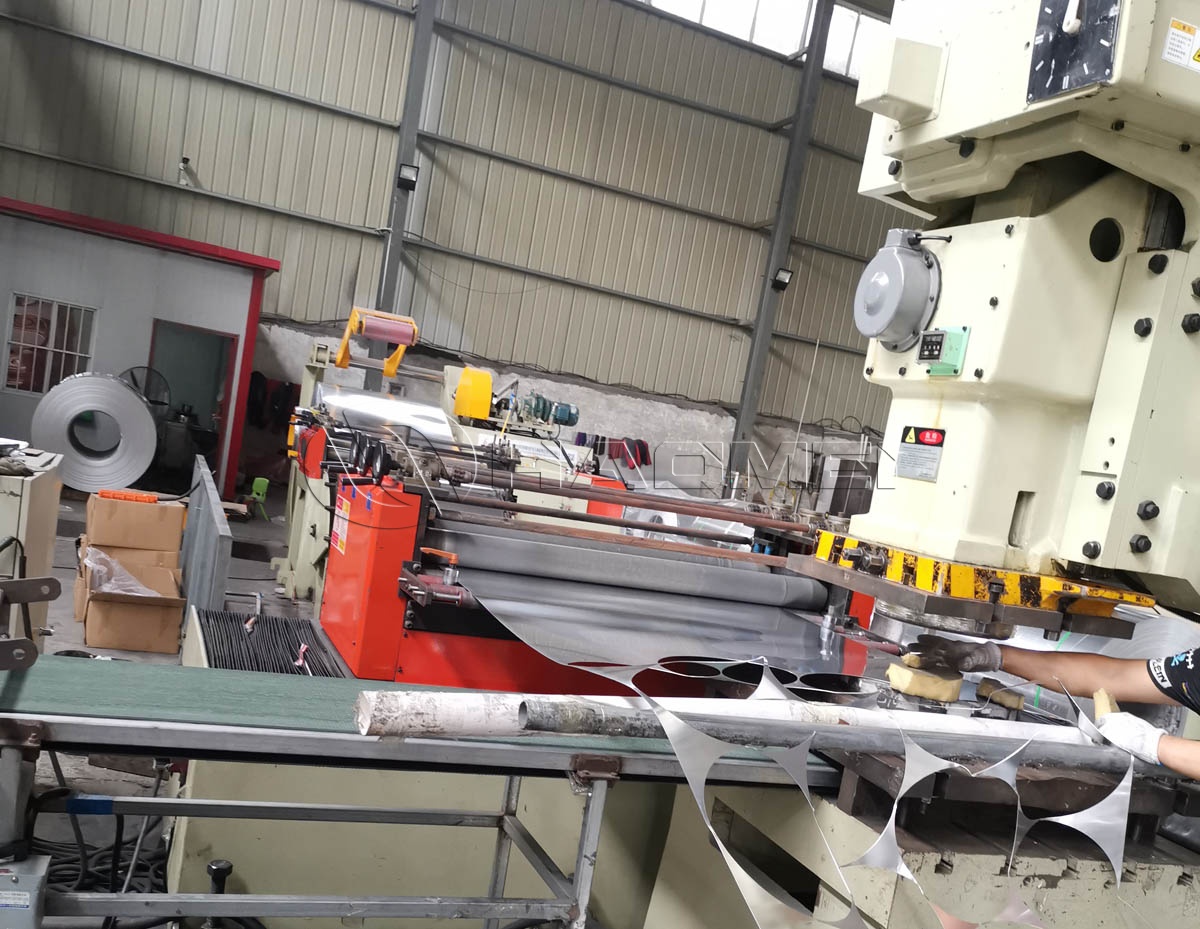
For large-sized aluminum discs, blanking precision directly affects spinning and deep drawing results. Our production line controls diameter accuracy, roundness, and edge quality to reduce downstream trimming and improve forming consistency.
Cookware manufacturers typically require a clean, uniform surface for polishing, coating, or anodizing. We inspect disc surfaces for rolling lines, mechanical damage, contamination, and oxidation to ensure suitability for visible and functional cookware parts.
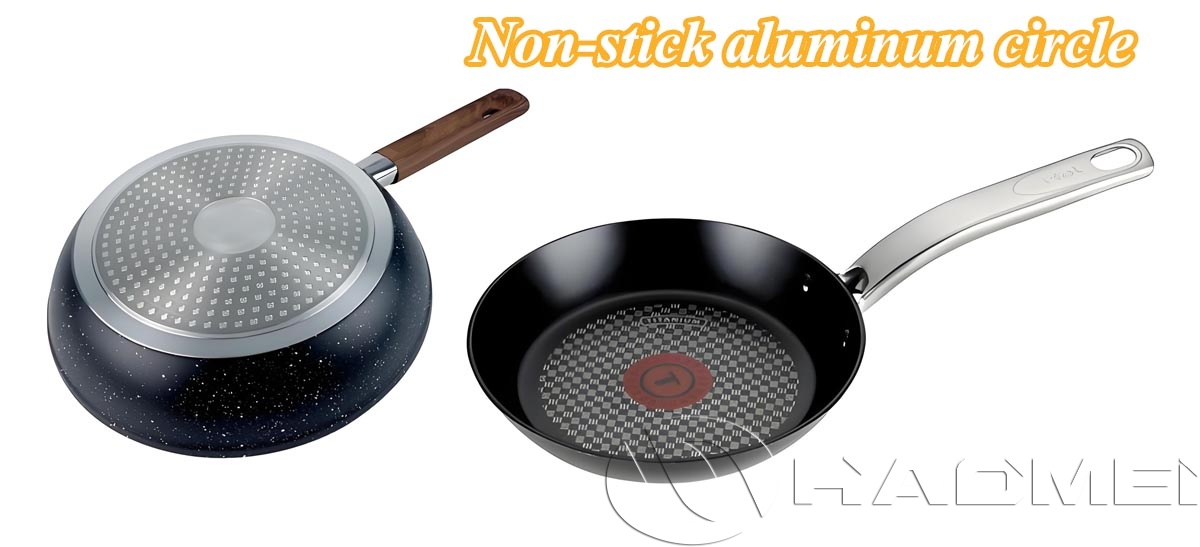
When buyers source cookware aluminum discs, they usually focus on dimensions first. In practice, processing performance is equally important. For 1450 mm cookware production, the following material behaviors should be assessed carefully.
A deep drawing aluminum circle should maintain sufficient elongation and stable grain flow during deformation. This helps avoid cracking near the edge or shoulder area of the cookware body.
A spun aluminum disc must deform uniformly without tearing, excessive orange peel, or severe local hardening. Large cookware parts often depend on spinning performance more than simple stamping performance.
Low earing is important for reducing material waste during trimming. Good control of rolling texture and anisotropy helps improve edge uniformity after drawing.
For polished or anodized cookware, the formed surface must remain visually consistent. This requires stable base material, clean processing, and controlled surface defects before forming.
As a factory, we do not treat all aluminum circle for cookware orders as standard stock items. Large cookware projects usually require production matching based on end use. Before manufacturing, we confirm:
Final cookware type and drawing depth
Required diameter and thickness
Temper preference
Whether the part will be deep drawn, spun, or stamped
Surface expectations after forming
Whether anodizing or coating will follow
Packaging and transport requirements for oversized discs
Based on this information, we recommend suitable 1050 or 1060 aluminum discs and set process parameters accordingly. This approach helps customers maintain stable productivity in mass cookware manufacturing.
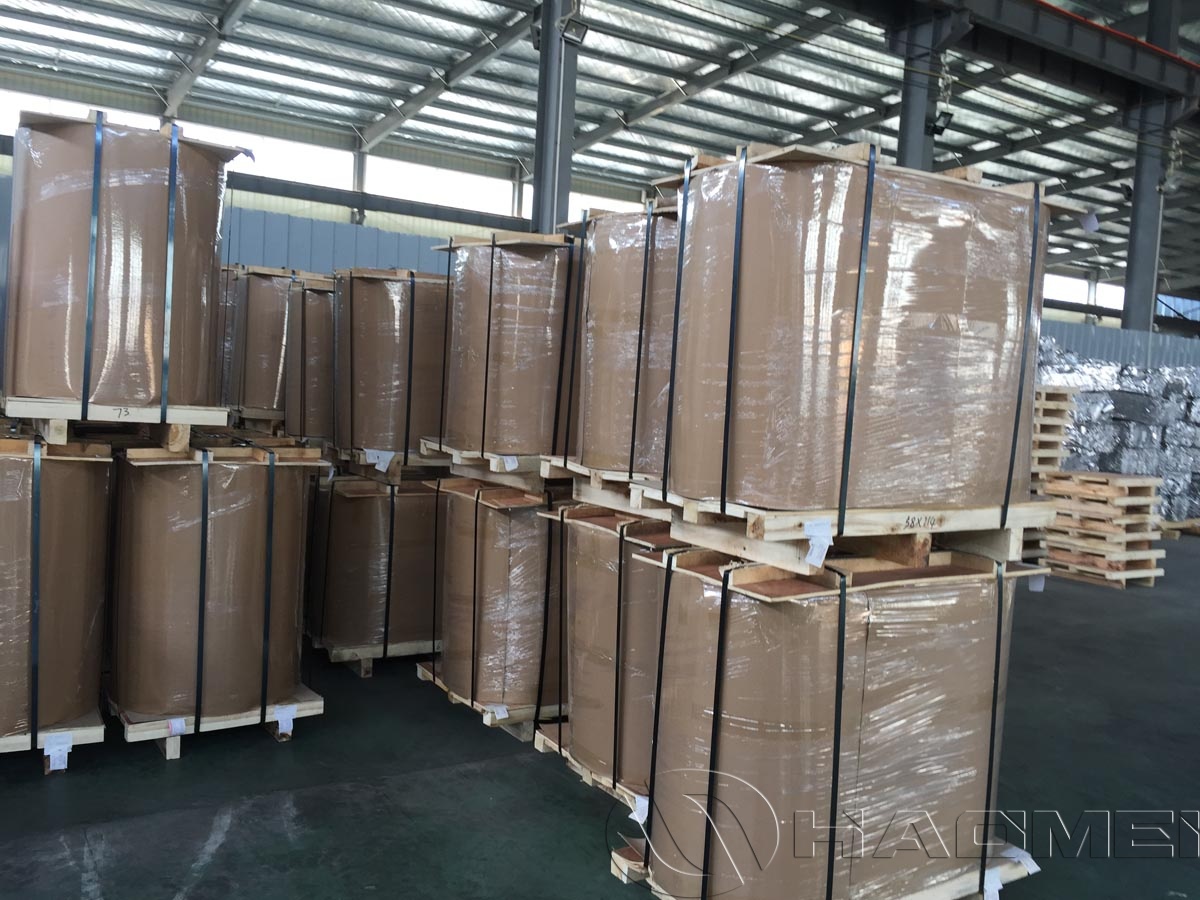
Because 1450 mm aluminum discs are large and relatively sensitive to edge and surface damage, packaging must be adapted to the product format. In our factory, export packaging is designed to protect flatness, prevent collision damage, and minimize moisture exposure during transport and storage.
Typical packaging measures include:
Soft interleaving material between discs if required
Strong pallet support for large diameter products
Moisture barrier wrapping
Edge protection for oversized blanks
Batch identification for traceability
1050 and 1060 aluminum discs are practical and reliable materials for 1450 mm cookware manufacturing when produced with proper control of alloy chemistry, temper, flatness, edge quality, and surface condition. For large-diameter cookware applications, the value of the material lies not only in the nominal alloy grade, but in its actual forming consistency during deep drawing, spinning, and finishing.
As a manufacturer, we supply cookware aluminum discs with process-oriented production control rather than simple diameter cutting. If your project involves 1450 mm cookware components, we can produce 1050 aluminum discs and 1060 aluminum discs to match the technical requirements of large-scale cookware fabrication, including customized dimensions, temper selection, and export packaging.

Office Address:
No.14 Waihuan Road, CBD, Zhengzhou, China
Contact Us
HAOMEI Aluminum offer an custom aluminum circle for you!
whatsapp: +86-18703635966
Email: sales@alummc.com
Email: alummc@hotmail.com
Request Free Sample & Quotation
Copyright © 2026 By HAOMEI Aluminum CO., LTD. All Rights Reserved. Sitemap
 +86-18703635966
 sales@alummc.com
 8618703635966
