
 No.14 Waihuan Road, CBD, Zhengzhou, China
 +86-18703635966

No.14 Waihuan Road, CBD, Zhengzhou, China
+86-18703635966
In automotive manufacturing, wheel performance not only affects driving safety but also plays a critical role in overall vehicle efficiency and dynamics.
During operation, automotive wheels are subjected to long-term cyclic loads, impact loads, and complex environmental conditions. As a result, wheel materials must meet stringent requirements:
High strength and excellent fatigue performance to ensure long-term safety
Good plasticity and formability to suit forging and flow forming processes
Uniform microstructure with minimal internal defects to avoid safety risks
Clear lightweight advantages to reduce unsprung mass
Good corrosion resistance to adapt to various climates and road conditions
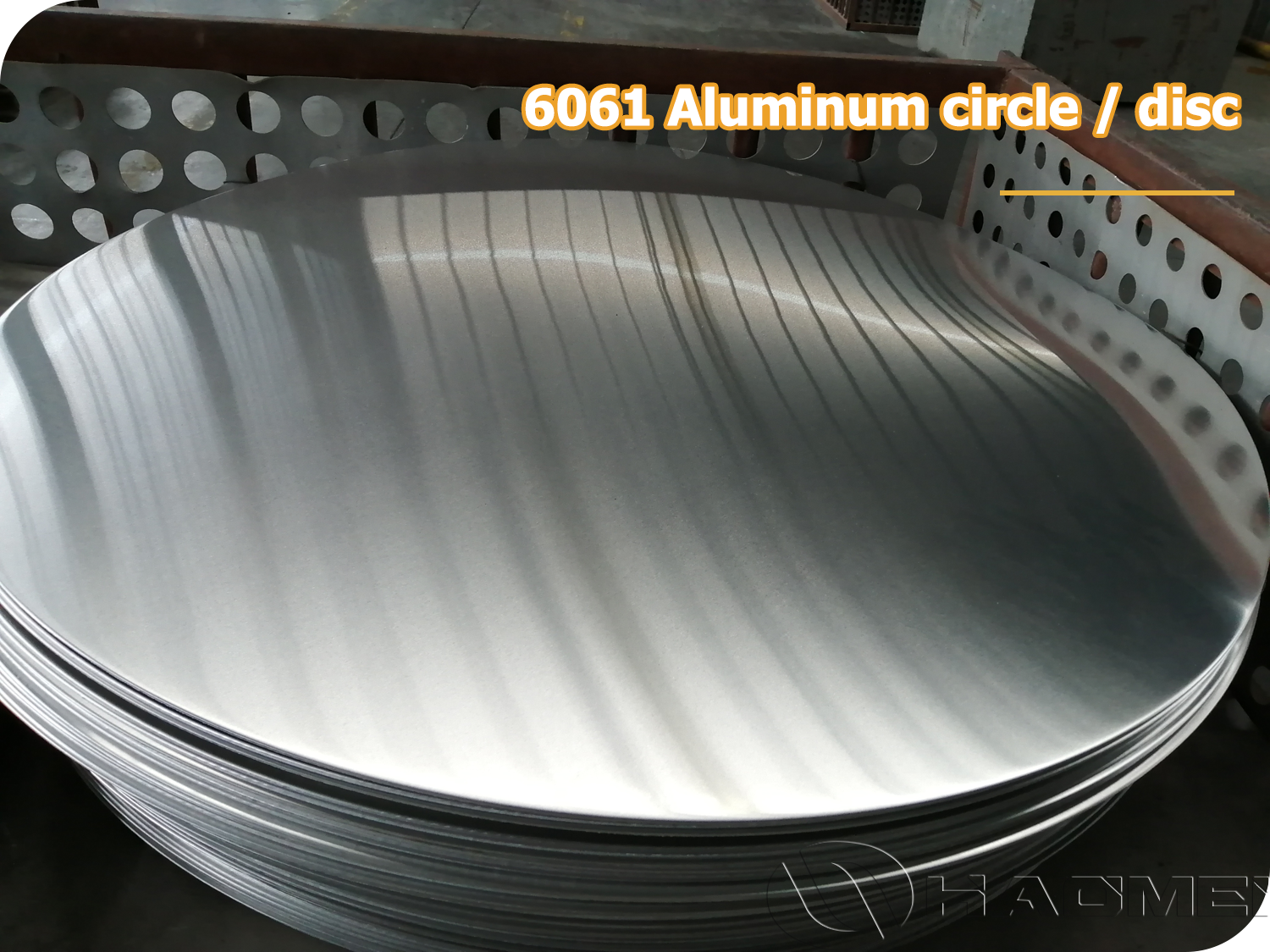
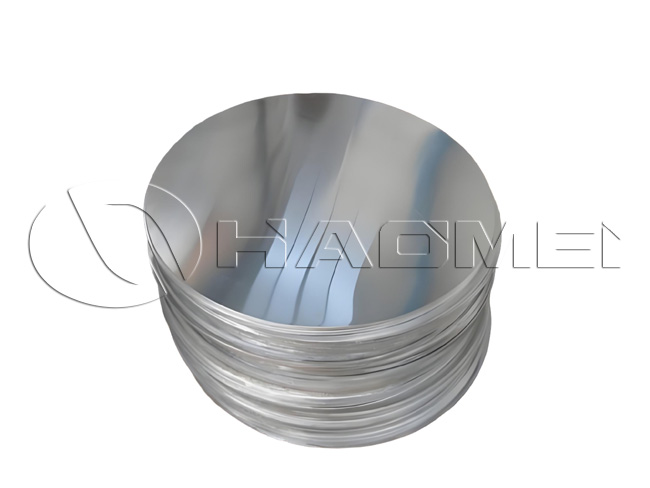
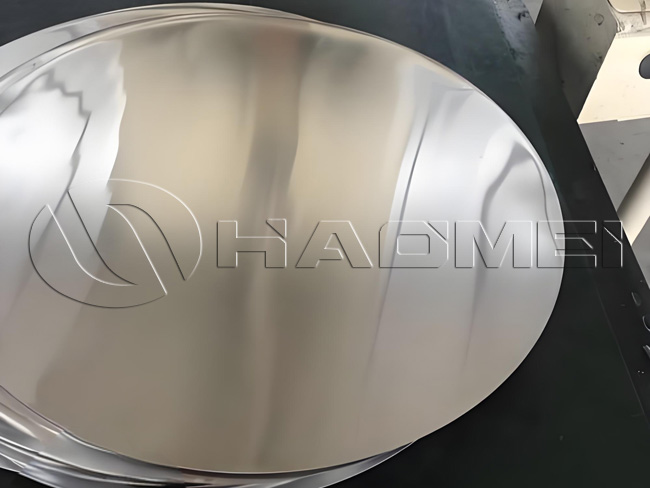
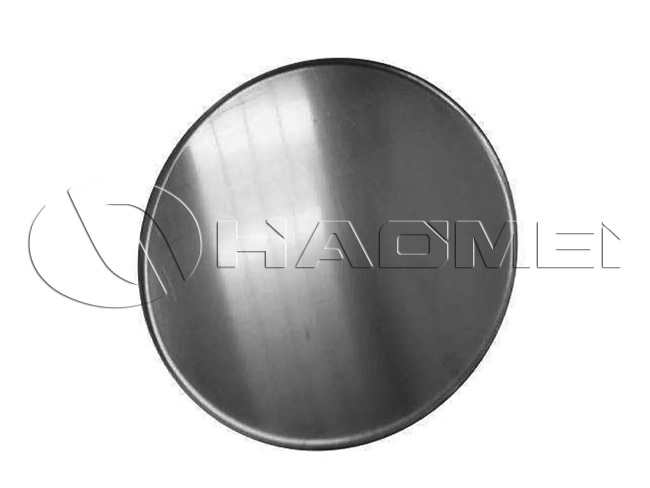
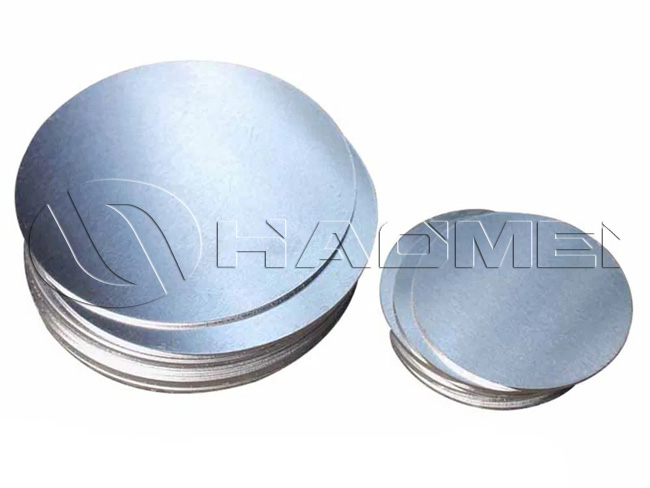
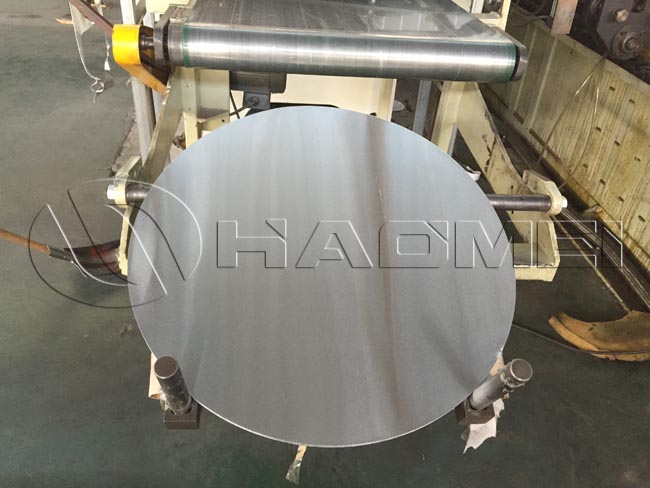
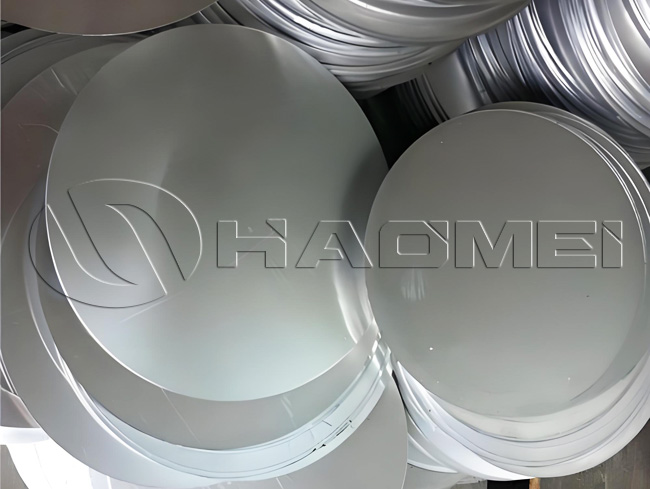
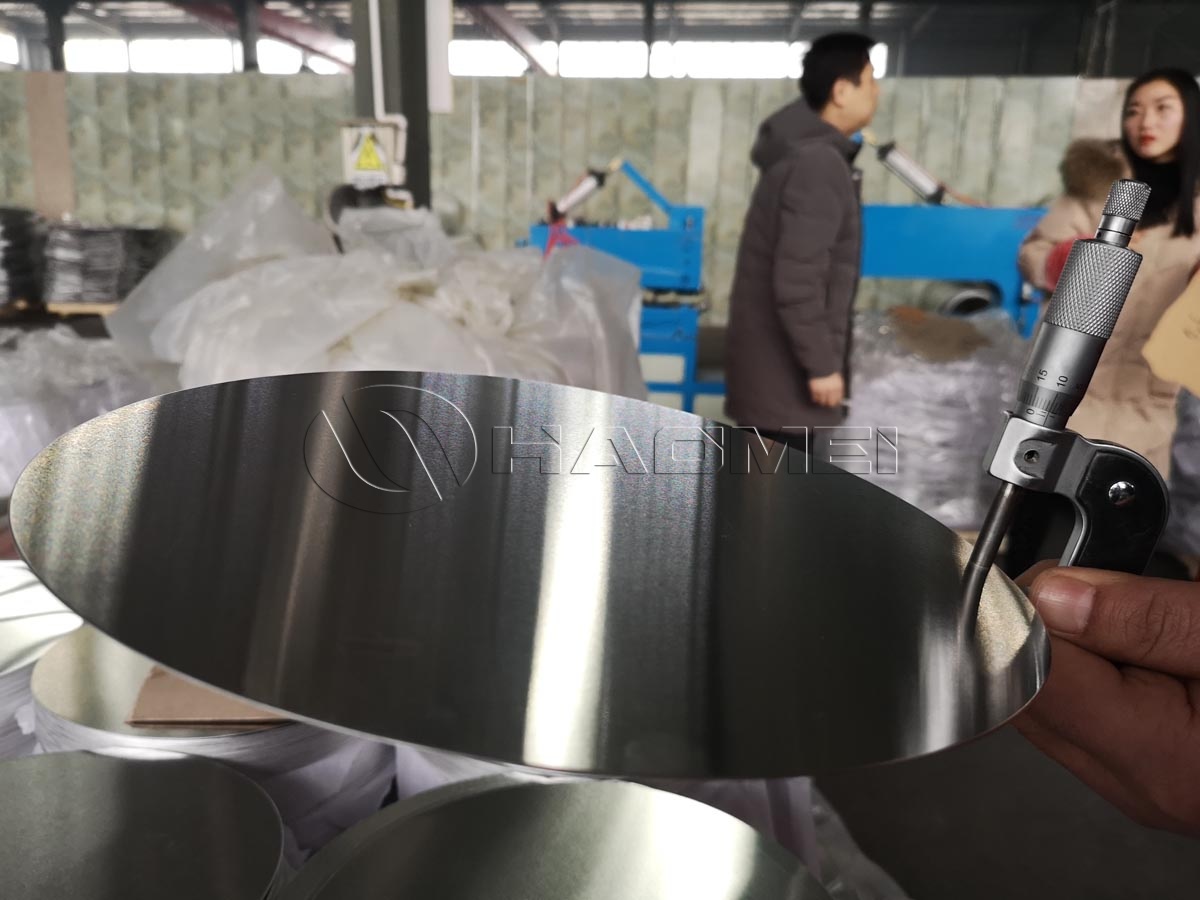
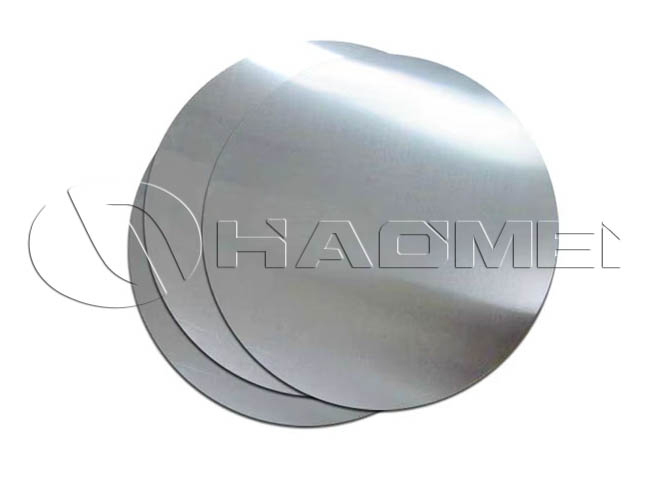
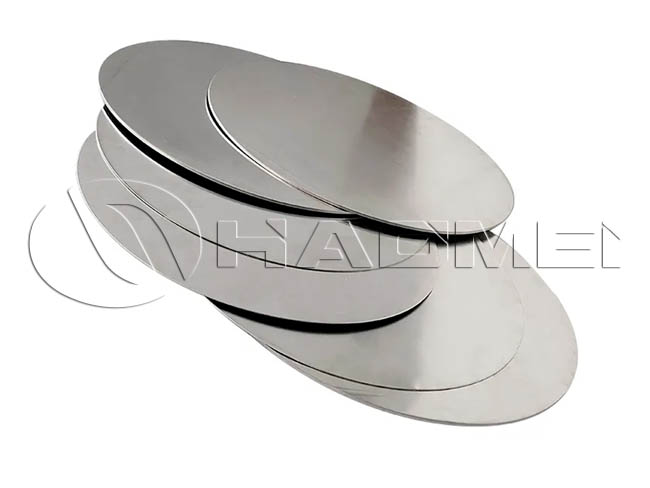
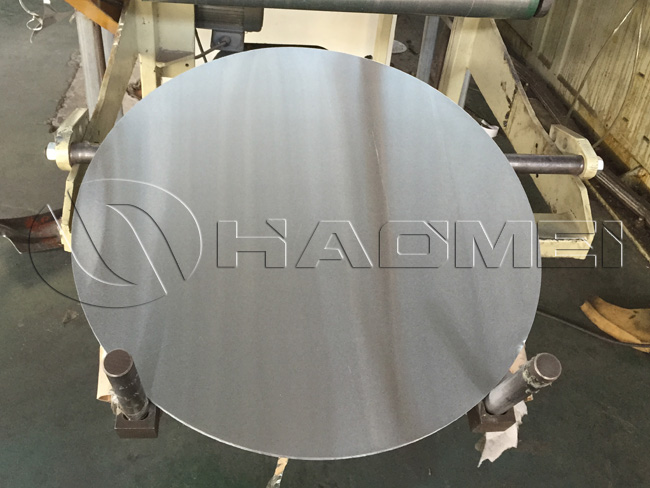
The 6061 aluminum circle / discs produced by HAOMEI Aluminum achieve an optimal balance among strength, toughness, and processing performance, fully meeting the comprehensive requirements of automotive wheels.
6061 aluminum alloy belongs to the Al-Mg-Si series of heat-treatable alloys. Through solution treatment and aging, it can significantly improve strength and hardness while maintaining good toughness and ductility. When processed into disc form, the material exhibits a more uniform structure and higher dimensional accuracy, making it an ideal starting billet for forging and flow forming of automotive wheels.
Lightweight: Approximately 30-40% lighter than steel, significantly reducing unsprung mass and improving acceleration, braking, and handling response.
High strength: 6061 aluminum can withstand centrifugal forces of up to 1000 kN, ensuring wheel stability at high speeds (e.g., 300 km/h).
Corrosion resistance: Maintains a clean and bright surface even in saltwater, snowy roads, or industrially polluted environments, with a service life of 10-15 years.
Aesthetic versatility: Can be finished by painting, polishing, or sandblasting to achieve metallic silver, gold, rose gold, and other appearances, enhancing the premium look of vehicles.
Heat dissipation: Excellent thermal conductivity helps dissipate heat generated by braking systems more efficiently, maintaining braking performance.
Environmentally friendly and recyclable: Aluminum has a recycling rate of up to 95%, making it a sustainable and renewable material aligned with the automotive industry's sustainability goals.
| Alloy | 6061 |
| Temper | O / T4 / T6 |
| Disc diameter | 200 - 800 mm (customizable) |
| Thickness | 20 - 80 mm (commonly 25 - 60 mm for wheels) |
| Thickness tolerance | ±0.2 - ±0.5 mm |
| Surface condition | Turned surface / sawn surface / precision-machined surface |
| Surface treatment | Anodizing, coating, brushing, etc. |
| MOQ | 1-3 tons |
Mechanical Properties
| Temper | Tensile Strength (MPa) | Yield Strength (MPa) | Elongation (%) |
| O | ≥ 110 | ≥ 55 | ≥ 25 |
| T4 | ≥ 180 | ≥ 110 | ≥ 14 |
| T6 | ≥ 290 | ≥ 240 | ≥ 10 |
Chemical Composition (%)
| Alloy | Si | Mg | Cu | Cr | Fe | Mn | Zn | Al |
| 6061 | 0.40-0.80 | 0.80-1.20 | 0.15-0.40 | 0.04-0.35 | ≤ 0.70 | ≤ 0.15 | ≤ 0.25 | remainder |
Flow forming is currently the mainstream technology for manufacturing high-performance aluminum alloy wheels, offering an excellent balance between performance and cost.
Casting preform: First, the aluminum disc is melted and cast into a near-net-shape preform, where the spoke area is largely formed and the rim section remains relatively thick.
Hot flow forming (key step): The preform is heated and mounted on a flow forming machine. As it rotates at high speed, specialized rollers apply strong pressure and elongation to the rim section. Similar to "hand-shaping pottery," this process causes the metal grains to flow in a circumferential, fibrous pattern along the rim, greatly enhancing radial strength and toughness. This step fully utilizes the excellent plasticity of the original disc material.
Heat treatment (T6): The formed wheel blank undergoes solution treatment and artificial aging to achieve the highest strength and hardness of 6061 aluminum alloy.
Precision machining: Multi-axis CNC machines are used to precisely machine the mounting face, bolt holes, center bore, and spoke surfaces to ensure perfect balance, installation accuracy, and appearance.
Surface finishing: Painting, plating, or anodizing is applied to provide corrosion resistance and personalized aesthetics.
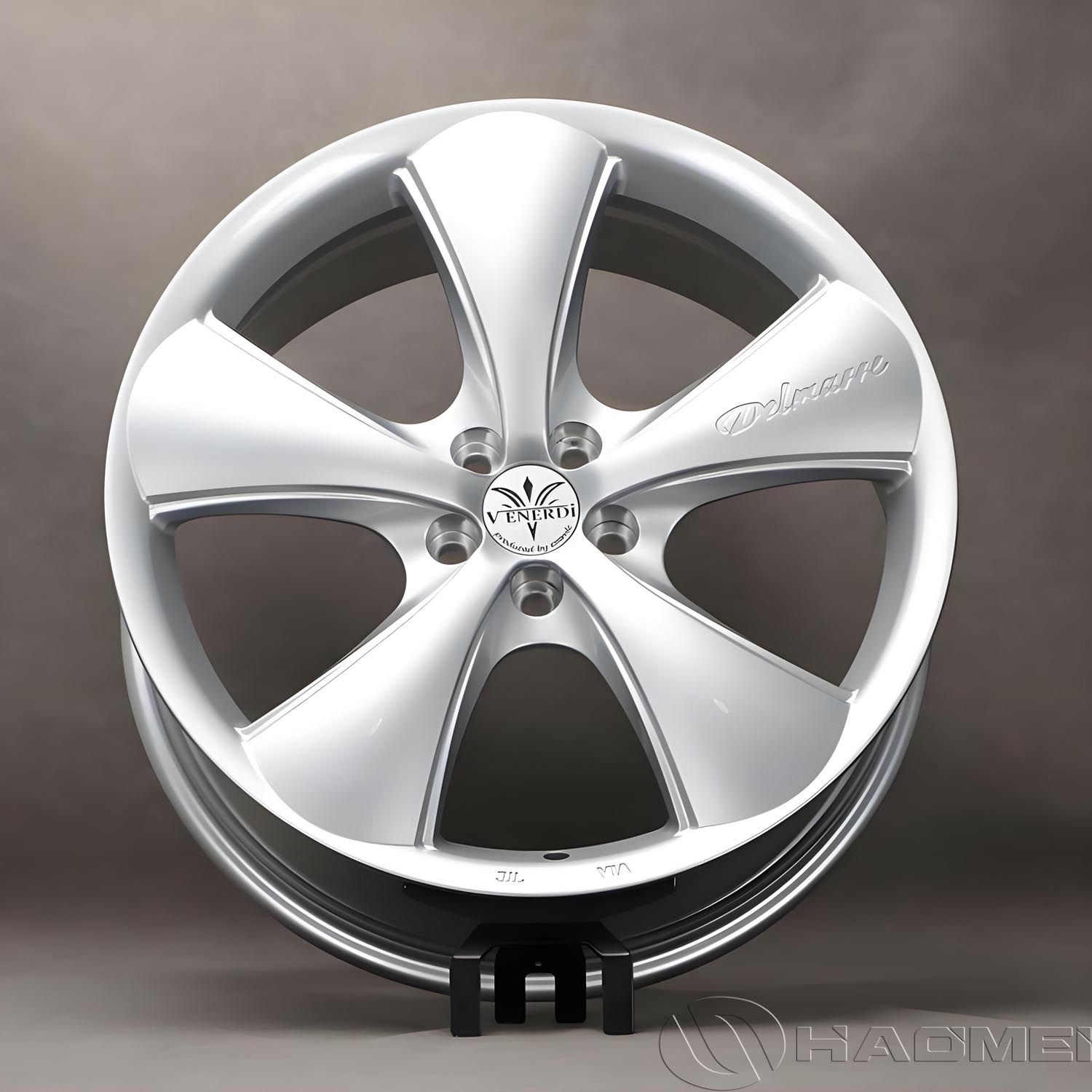
Compared with 5000 series aluminum circles, 6061 aluminum discs can be significantly strengthened through heat treatment, making them more suitable for wheels with high load-bearing requirements. Compared with certain higher-strength but less formable alloys, 6061 offers superior processing stability, cost efficiency, and overall performance. As such, it remains a mature and reliable choice for automotive wheel manufacturing.

Office Address:
No.14 Waihuan Road, CBD, Zhengzhou, China
Contact Us
HAOMEI Aluminum offer an custom aluminum circle for you!
whatsapp: +86-18703635966
Email: sales@alummc.com
Email: alummc@hotmail.com
Request Free Sample & Quotation
Copyright © 2026 By HAOMEI Aluminum CO., LTD. All Rights Reserved. Sitemap
 +86-18703635966
 sales@alummc.com
 8618703635966
