
 No.14 Waihuan Road, CBD, Zhengzhou, China
 +86-18703635966

No.14 Waihuan Road, CBD, Zhengzhou, China
+86-18703635966
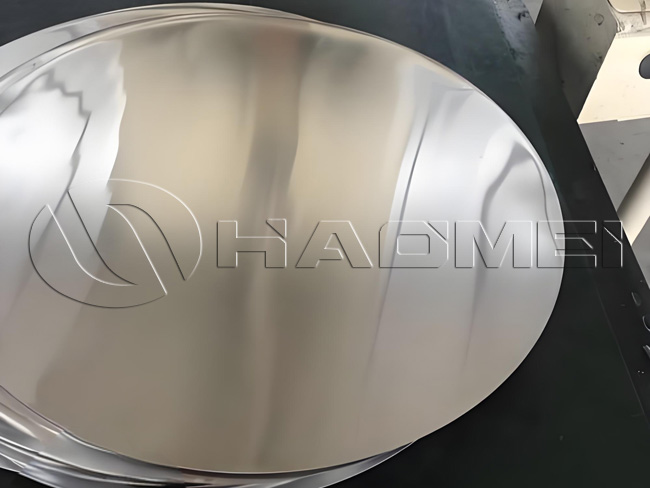
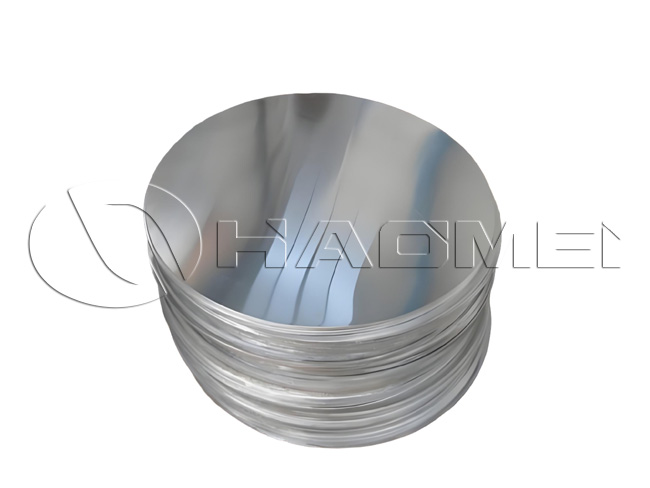
As an aluminum disc manufacturer, we supply precision aluminum circles for lampshades to lighting factories, metal spinning workshops, and OEM assembly plants. Lampshade production requires a material that can be formed into smooth curves, maintain dimensional stability, accept surface finishing, and support consistent batch manufacturing. For these reasons, aluminum discs are widely used for pendant lamps, industrial lampshades, ceiling fixtures, reflector housings, decorative lamp covers, and commercial lighting components.
Compared with many sheet metal alternatives, aluminum offers a practical balance of low weight, good formability, corrosion resistance, thermal conductivity, and surface adaptability. When the alloy, temper, thickness, diameter tolerance, and surface condition are correctly specified, aluminum discs for lampshades can improve production efficiency and help lighting manufacturers maintain stable quality across large orders.
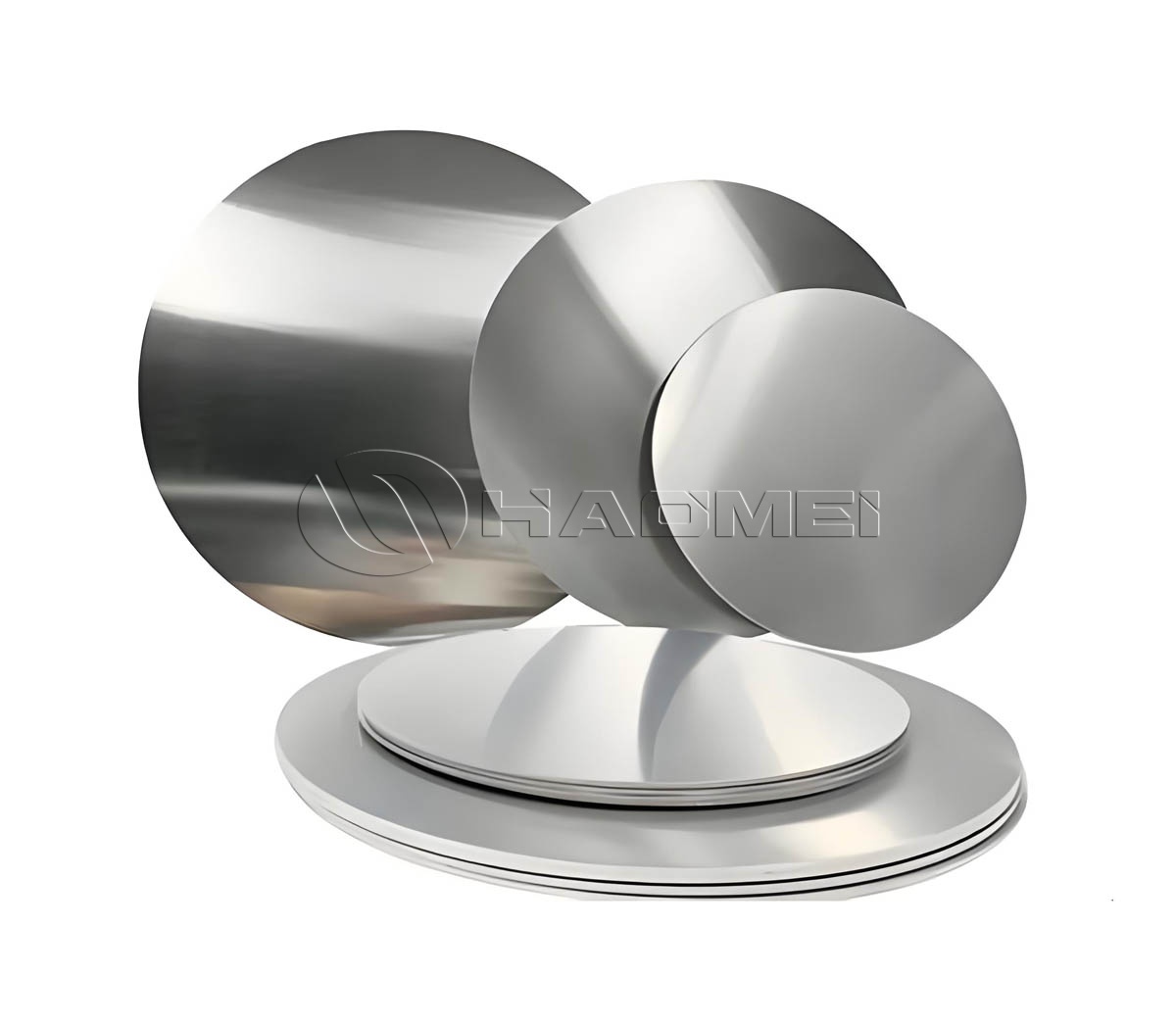
A lampshade is not only a decorative shell. In many lighting designs, it also contributes to heat management, light reflection, product weight control, and structural reliability. Aluminum circle discs are particularly suitable for lampshades because the circular blank is already prepared for spinning, stamping, deep drawing, or pressing. This reduces trimming waste and supports a cleaner production process.
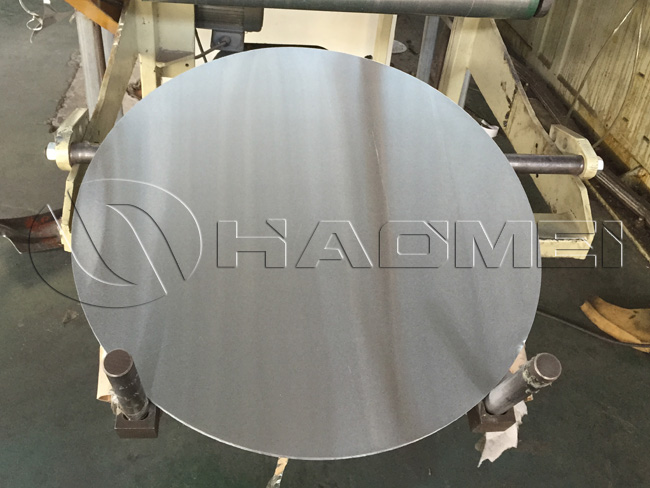
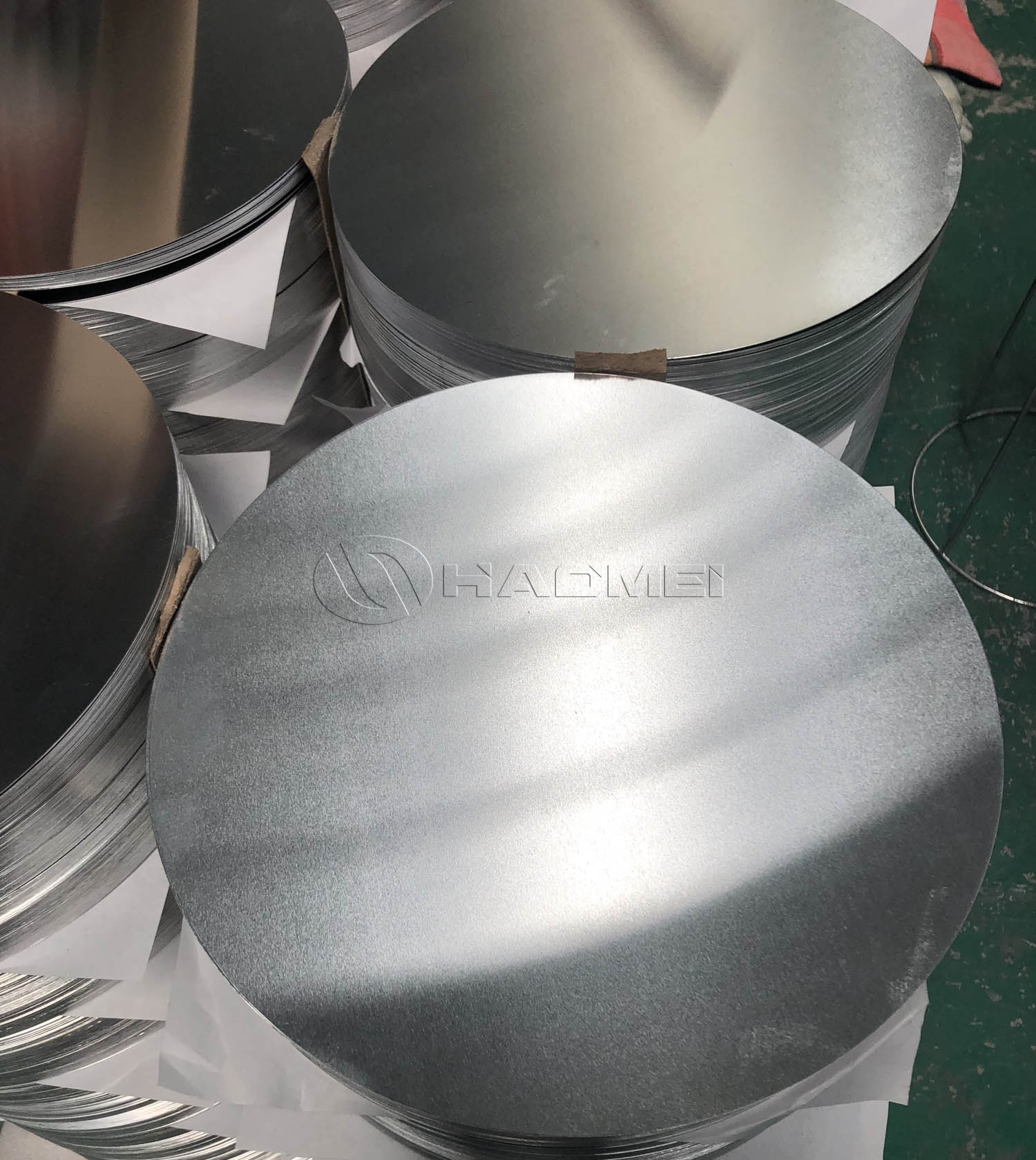
In our factory, aluminum discs for lampshades are produced from selected aluminum coils or sheets through blanking, leveling, annealing, cleaning, inspection, and packaging. The goal is to provide lighting manufacturers with blanks that can enter forming lines directly, with stable mechanical properties and a surface condition suitable for further processing.
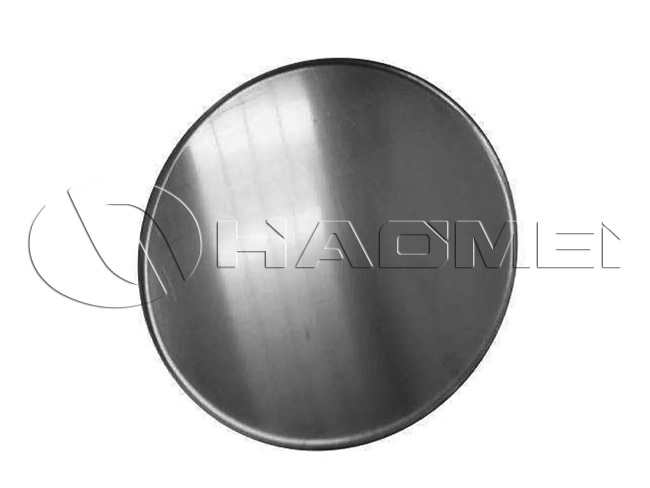
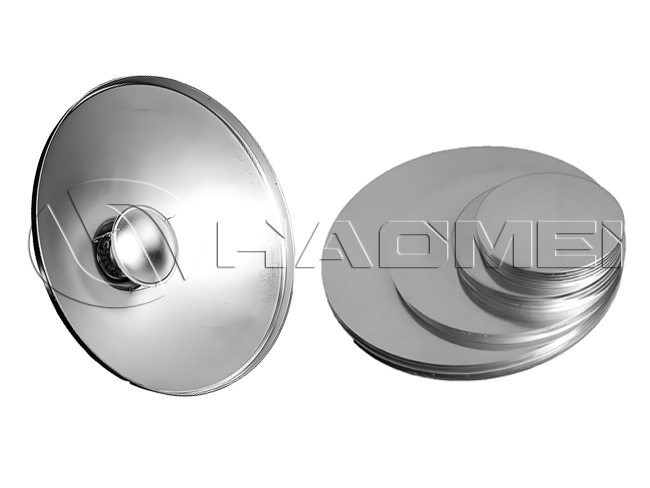
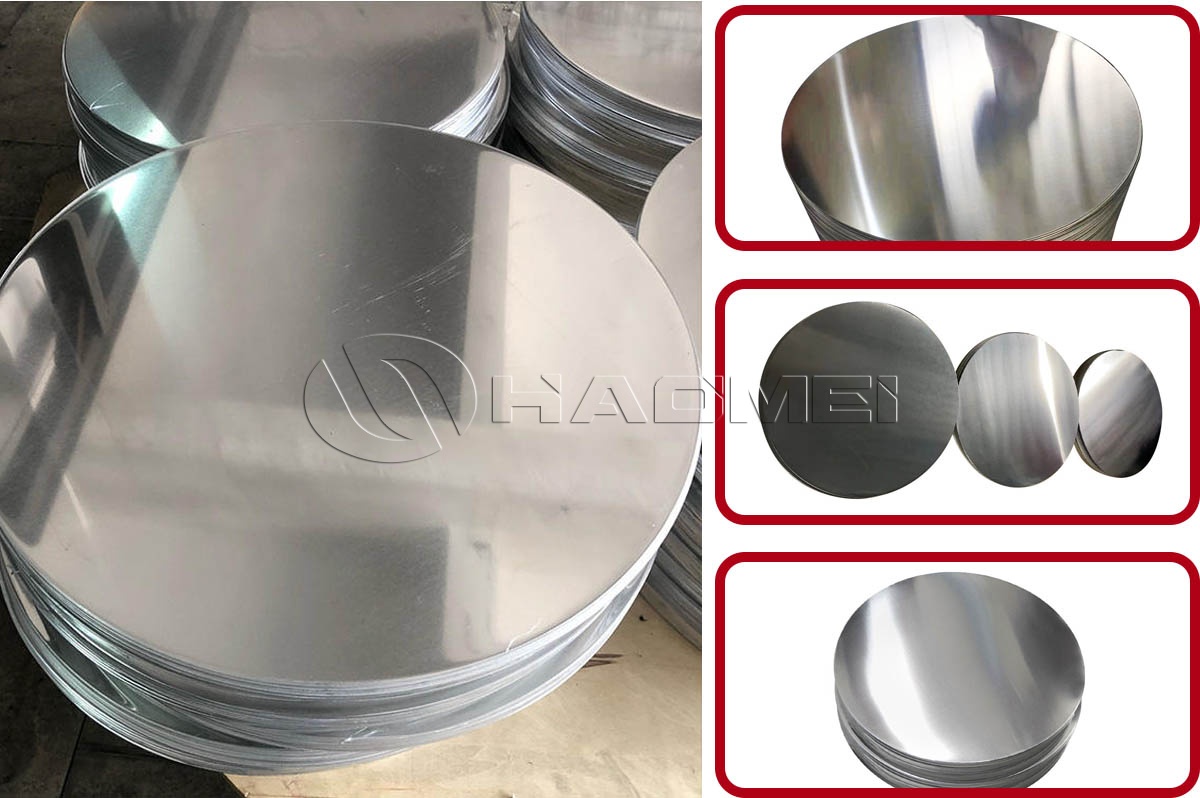
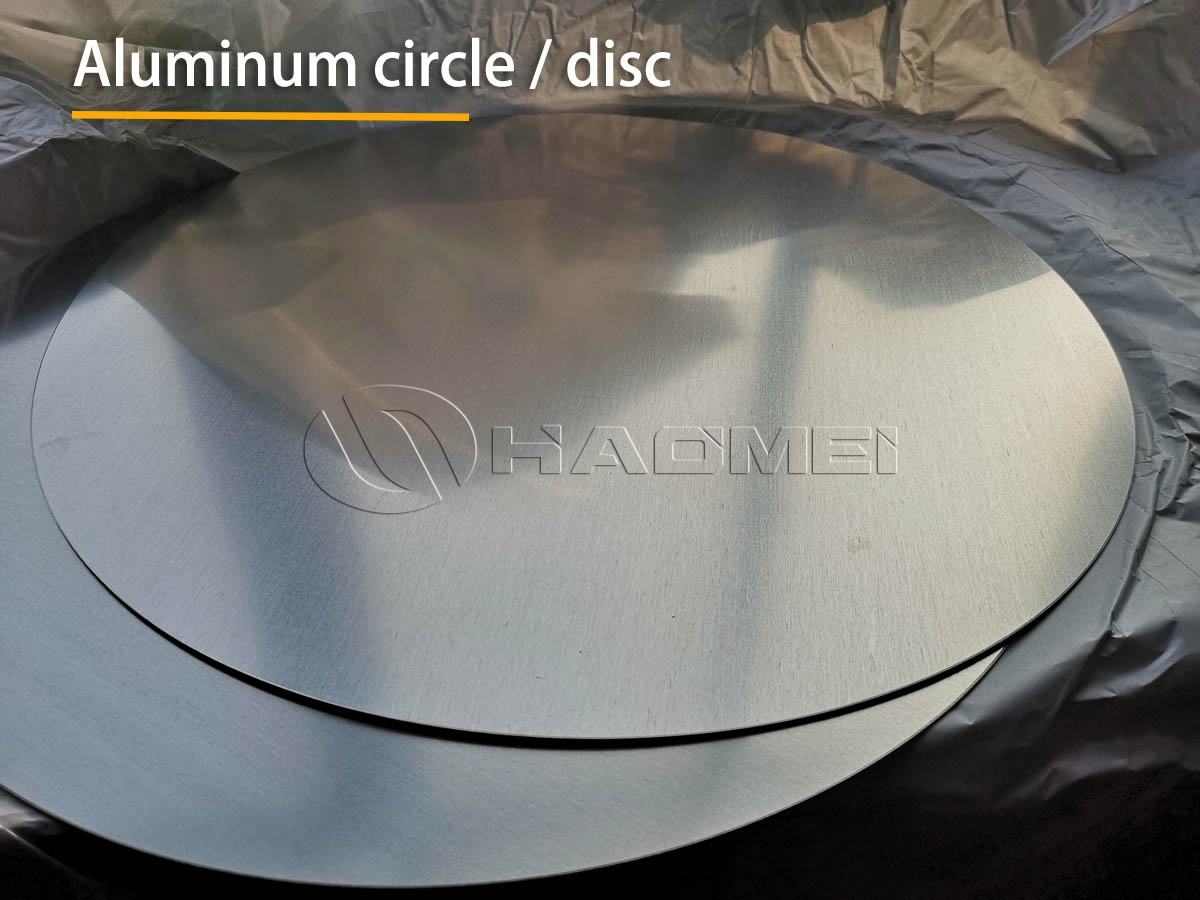
For customers who require finished or semi-finished lighting materials, Aluminum Circles for Lampshades can be produced according to different alloy, temper, diameter, thickness, and surface requirements.
The correct specification depends on the lampshade structure, forming method, surface finish, and final application environment. The following table shows typical parameters we supply for lampshade production.
| Parameter | Typical Options | Manufacturing Notes |
|---|---|---|
| Alloy | 1050, 1060, 1070, 1100, 3003, 3004, 5052 | 1xxx alloys provide excellent formability. 3xxx alloys offer higher strength. 5052 is suitable for applications requiring better corrosion resistance. |
| Temper | O, H12, H14, H16, H18 | O temper is preferred for deep drawing and spinning. H14 or H16 can be used where higher rigidity is required. |
| Thickness | 0.4 mm to 4.0 mm | Common lampshade thickness is often 0.6 mm to 1.5 mm, depending on diameter and design. |
| Diameter | 80 mm to 1200 mm, customized | Diameter tolerance is controlled according to drawing and forming requirements. |
| Surface | Mill finish, bright finish, anodizing quality, coated surface | Surface selection depends on painting, powder coating, anodizing, polishing, or reflective use. |
| Edge condition | Smooth edge, burr controlled | Burr control helps protect tooling and improves operator safety. |
| Processing method | Stamping, spinning, deep drawing, pressing | Material temper and lubrication condition should match the forming process. |
| Packaging | Wooden pallet, moisture-proof film, paper interleaving | Export packaging is designed to reduce abrasion and oxidation during transport. |
One of the main benefits of choosing aluminum discs for lampshades is their forming performance. Lampshades often require smooth curves, conical shapes, hemispherical profiles, or stepped structures. These shapes are commonly produced by metal spinning, hydraulic pressing, or deep drawing.
Soft temper aluminum, especially O temper 1050, 1060, 1070, and 1100, can deform evenly under controlled forming conditions. This helps reduce cracking, wrinkling, and orange peel defects during production. For lampshade manufacturers, stable formability means fewer rejected parts, less downtime for tooling adjustment, and more predictable production output.
When customers provide forming drawings, our technical team can recommend a suitable alloy and temper based on the reduction ratio, draw depth, flange design, and final surface requirements. For deep drawn lampshades with large deformation, soft temper material is usually recommended. For shallow stamped shades or decorative covers, half-hard tempers may be suitable when higher stiffness is required.
Aluminum has a lower density than steel, which helps reduce the final weight of lighting products. This is important for pendant lamps, ceiling lamps, architectural lighting, and export fixtures where shipping weight and installation convenience are considered during product design.
A lighter lampshade can reduce the load on brackets, ceiling mounts, cables, and packaging. It can also improve handling efficiency during assembly. In batch production, reduced component weight may contribute to lower logistics costs and safer manual operations.
For large-diameter lampshades, weight control becomes especially important. Aluminum discs allow designers to increase diameter without making the product unnecessarily heavy. This benefit is one reason aluminum circles for lampshades are widely used in commercial lighting, industrial lighting, and decorative lighting series.
Lighting products generate heat, especially when used with high-power LED modules, industrial lamps, or enclosed fixtures. While the main heat dissipation design usually depends on heat sinks, housings, and ventilation, the lampshade material can also influence temperature distribution.
Aluminum has good thermal conductivity compared with many other common decorative materials. A lampshade made from aluminum disc can help distribute heat more evenly across the metal surface. This may support a more stable working environment for the fixture, depending on the lamp structure and installation design.
For lighting OEMs, thermal performance should be evaluated as part of the complete product. However, choosing a lampshade aluminum circle with suitable thickness and alloy can provide a practical foundation for both mechanical forming and thermal behavior.
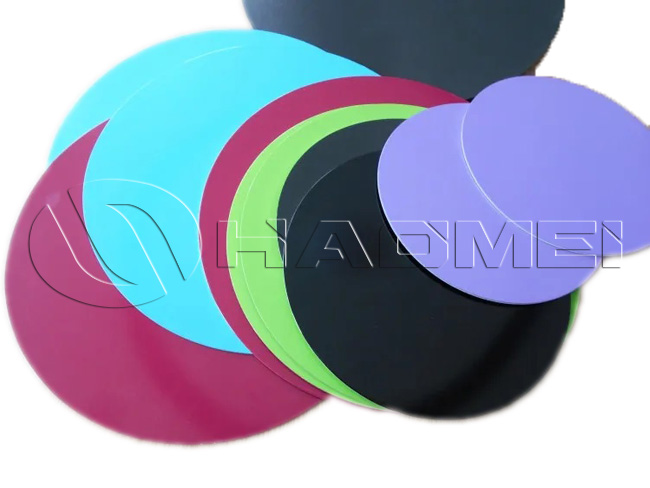
Lampshades often require attractive and durable surface finishes. Aluminum discs can be processed by polishing, brushing, anodizing, painting, powder coating, electrophoresis, and other finishing methods. This gives lighting designers flexibility in color, gloss, texture, and reflectivity.
For decorative lighting, a smooth and clean surface is important because defects may become visible after coating or polishing. During production, we control surface quality by using suitable raw material, proper blanking equipment, protective interleaving, and careful packaging. For customers who require a brighter surface, a bright or mirror-grade material can be considered. For specific reflective or decorative applications, Mirror Aluminum Circle options may be selected based on reflectivity and surface protection requirements.
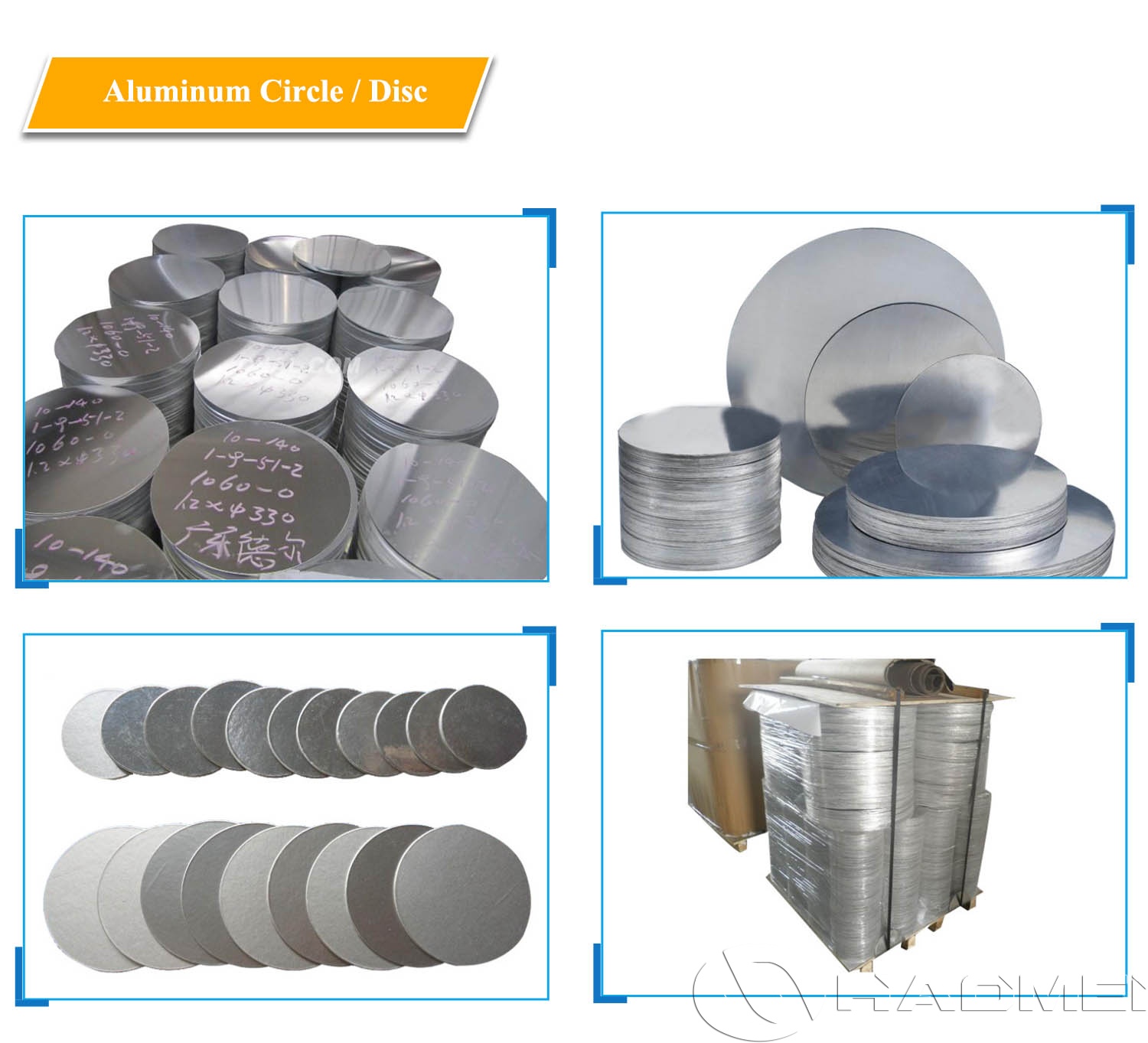
Aluminum naturally forms a thin oxide layer on its surface, providing basic corrosion resistance. This is valuable for lampshades used in kitchens, workshops, warehouses, commercial interiors, and semi-outdoor environments. When combined with powder coating, anodizing, or painting, the corrosion resistance of aluminum lampshade components can be further improved.
For environments with higher humidity or more demanding conditions, alloy selection becomes more important. 3003 aluminum offers better strength than pure aluminum while maintaining good formability. 5052 aluminum provides better corrosion resistance and is often considered for more demanding applications, although its forming behavior differs from 1xxx series aluminum and should be evaluated according to the lampshade geometry.
As a manufacturer, we do not recommend selecting alloy only by price. The final environment, finishing process, expected forming depth, and structural requirements should all be considered before production.
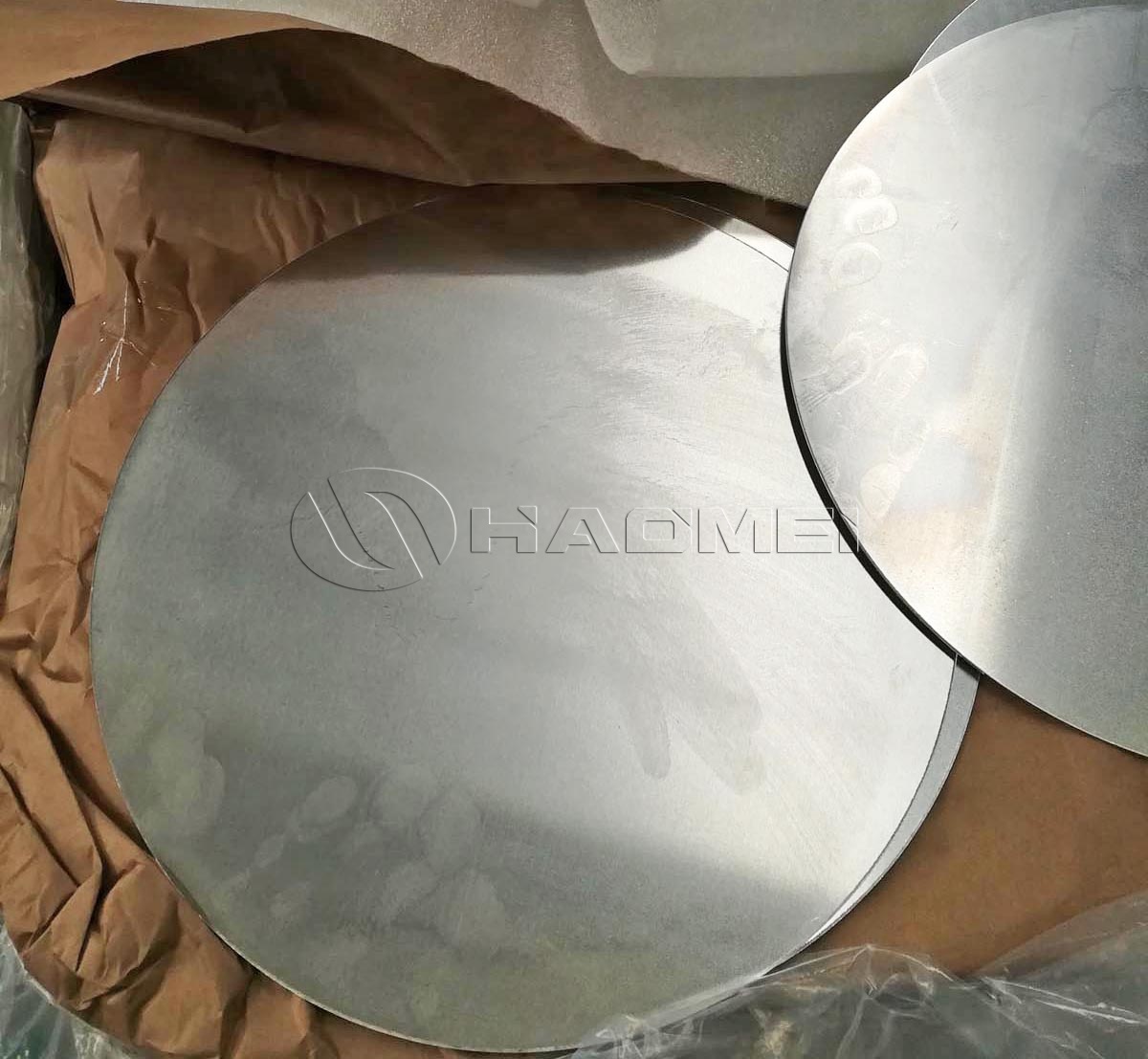
Using pre-cut aluminum discs can improve production efficiency compared with cutting round blanks from rectangular sheets at the customer site. Factory blanking allows better control of diameter, roundness, edge burr, and surface protection. It also reduces scrap handling and simplifies inventory management for lighting manufacturers.
For customers with continuous lampshade production, we can supply discs in consistent batches, reducing variation between production lots. Stable thickness, temper, and diameter help maintain forming consistency and reduce the need for frequent machine adjustment.
Material utilization is another important consideration. When aluminum circles are produced from optimized coil widths and nesting plans, scrap can be controlled more effectively. This supports cost control for both the disc manufacturer and the downstream lampshade producer.
Modern lighting factories often use automated or semi-automated equipment for feeding, forming, trimming, cleaning, coating, and assembly. Aluminum discs are convenient for automated handling because they can be stacked, separated, and fed into production equipment with predictable geometry.
Uniform disc diameter and controlled flatness help feeding systems operate smoothly. Burr-controlled edges reduce the risk of scratching adjacent discs or damaging tooling. Proper packaging with paper or film interleaving can also reduce surface abrasion before the discs enter the forming line.
For high-volume orders, we discuss stack height, pallet weight, inner packaging, and loading method with the customer. These details may appear minor, but they can influence unloading efficiency, warehouse storage, and line feeding stability.
Aluminum discs for lampshades can be used in a wide range of lighting designs. Common applications include:
Spun aluminum pendant lampshades
Deep drawn industrial lamp covers
Reflector-type lighting components
Ceiling lamp housings
Decorative lamp shells
Downlight and spotlight components
Outdoor fixture covers with protective coating
Commercial and architectural lighting shades
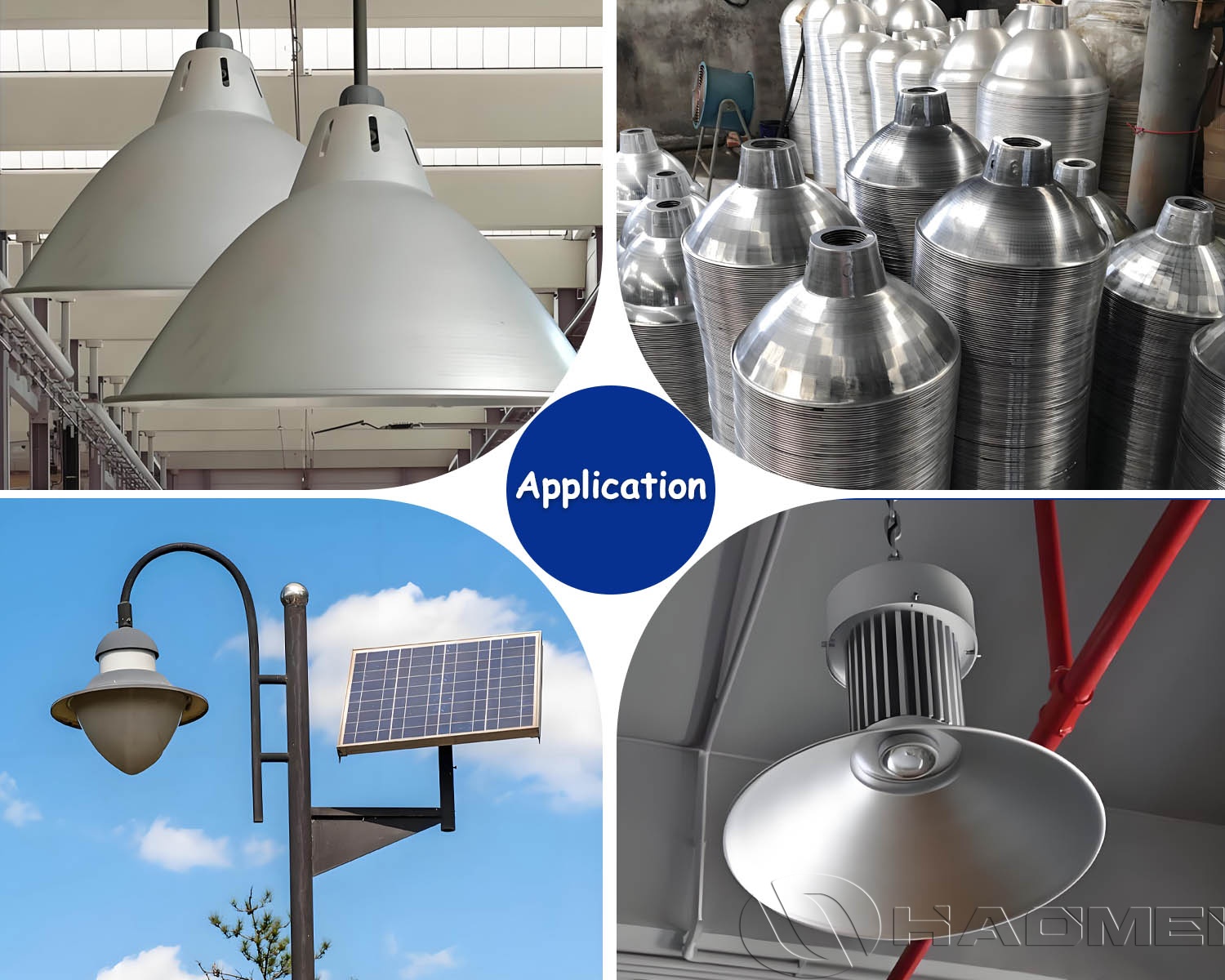
Because aluminum is easy to form and finish, it supports both simple industrial designs and more refined decorative products. The same base material can be adapted to matte black, white powder coating, brushed metallic finish, anodized finish, or reflective interior surface, depending on the customer specification.
To supply aluminum discs suitable for lampshades, manufacturing control must cover the entire process rather than only final inspection. Our production process generally includes raw material selection, coil or sheet leveling, blanking, annealing when required, surface cleaning, dimensional inspection, packaging, and shipment preparation.
Key control points include:
Alloy verification and chemical composition control
Thickness measurement across the strip or sheet
Temper and mechanical property confirmation
Diameter and roundness inspection
Edge burr control after blanking
Surface inspection for scratches, oil stains, oxidation, and dents
Packaging inspection before export loading
For export customers, we can provide production documentation according to order requirements, including material certificates, packing lists, and inspection records. If the customer has special standards for coating, anodizing, or forming trials, these should be confirmed before mass production.
When choosing aluminum circle discs for lampshade manufacturing, buyers should provide as much technical information as possible. Important details include final lampshade diameter, drawing depth, forming method, required surface finish, coating process, target thickness, tolerance requirements, and annual or batch quantity.
For example, a deep spun pendant lampshade may require soft temper 1060 aluminum with a clean surface and precise diameter control. A shallow stamped commercial lighting cover may use 3003 aluminum for higher rigidity. A decorative shade requiring a high-gloss interior may need a bright or mirror surface with protective film.
Early technical communication helps avoid unsuitable material selection. It also allows us to recommend economical production widths, practical tolerances, and appropriate packaging methods for international shipping.
Aluminum discs provide clear manufacturing advantages for lampshades, including good formability, low weight, thermal conductivity, corrosion resistance, surface adaptability, dimensional consistency, and efficient use in automated production. For lighting manufacturers, these benefits can support stable forming, reliable finishing, and consistent product quality.
As a factory producing aluminum discs for lampshades, we focus on alloy selection, temper control, surface quality, dimensional accuracy, and export packaging. The best results are achieved when the aluminum disc specification is matched to the lampshade design, forming process, and final application environment. With the correct material and manufacturing control, aluminum circles can be a dependable solution for modern lighting production.


Office Address:
No.14 Waihuan Road, CBD, Zhengzhou, China
Contact Us
HAOMEI Aluminum offer an custom aluminum circle for you!
whatsapp: +86-18703635966
Email: sales@alummc.com
Email: alummc@hotmail.com
Request Free Sample & Quotation
Copyright © 2026 By HAOMEI Aluminum CO., LTD. All Rights Reserved. Sitemap
 +86-18703635966
 sales@alummc.com
 8618703635966
