
 No.14 Waihuan Road, CBD, Zhengzhou, China
 +86-18703635966

No.14 Waihuan Road, CBD, Zhengzhou, China
+86-18703635966
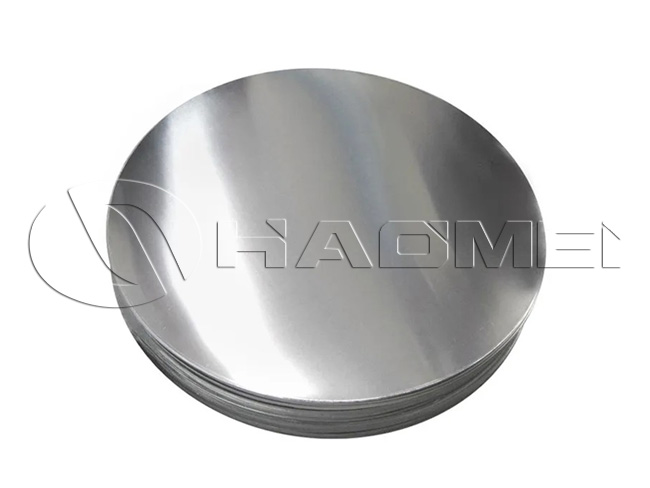
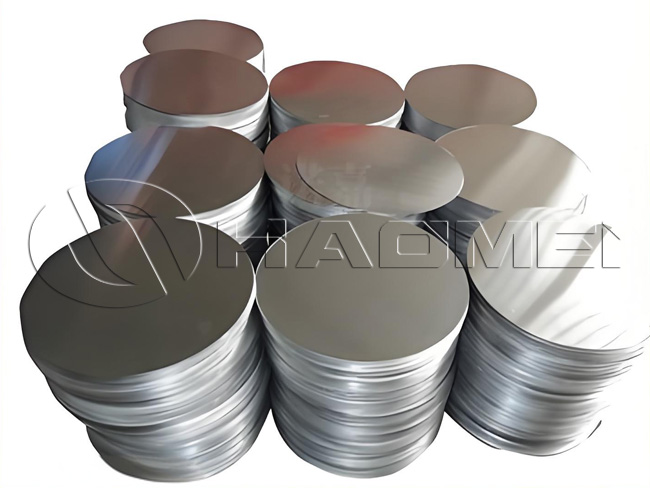
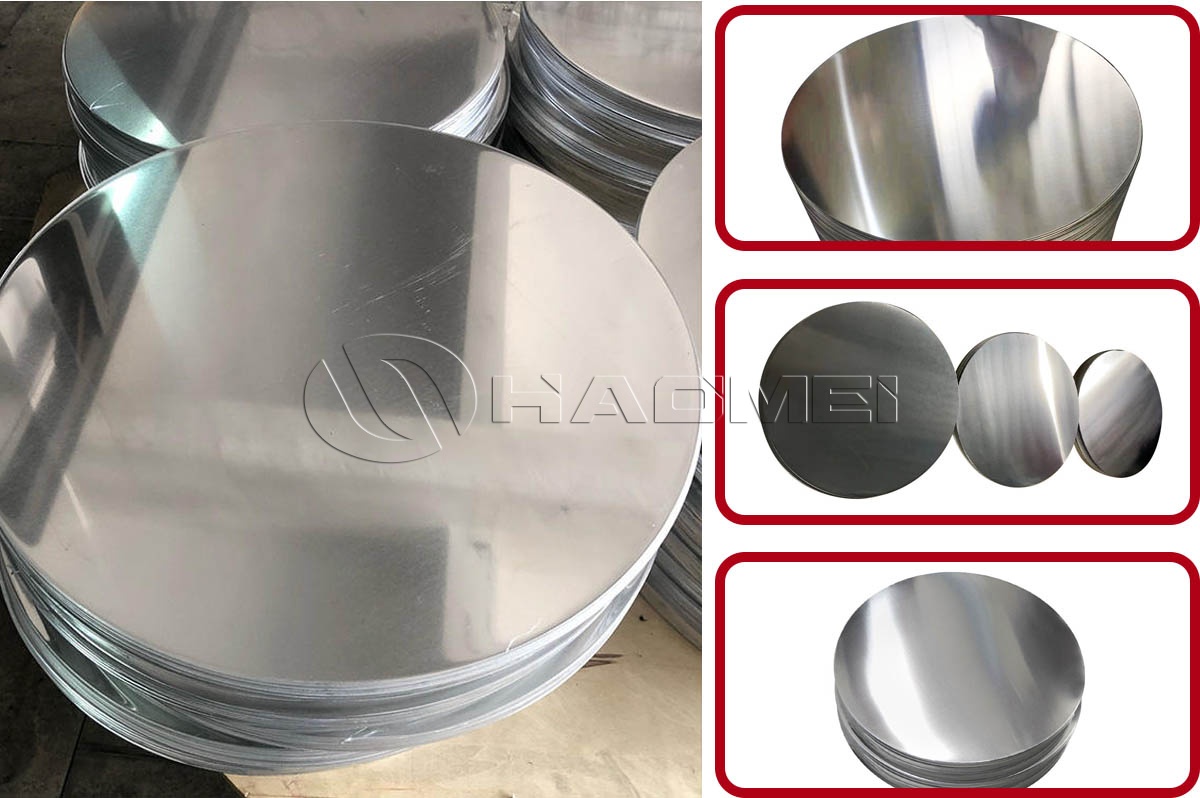
As a manufacturer of aluminum circles and discs, we produce 1050 aluminum circles for cookware applications where high formability, stable surface quality, and efficient heat transfer are required. These round blanks are widely used as the starting material for frying pans, saucepans, stockpots, pressure cooker components, baking utensils, and non-stick cookware bodies.
A 1050 aluminum circle is made from commercially pure aluminum alloy with a minimum aluminum content of 99.5 percent. Its relatively low alloying content gives it excellent ductility and corrosion resistance, making it particularly suitable for spinning, deep drawing, stamping, and other cookware forming operations. For cookware manufacturers, the consistency of the blank is as important as the alloy itself. Thickness control, edge condition, grain structure, and surface cleanliness all influence downstream production efficiency.
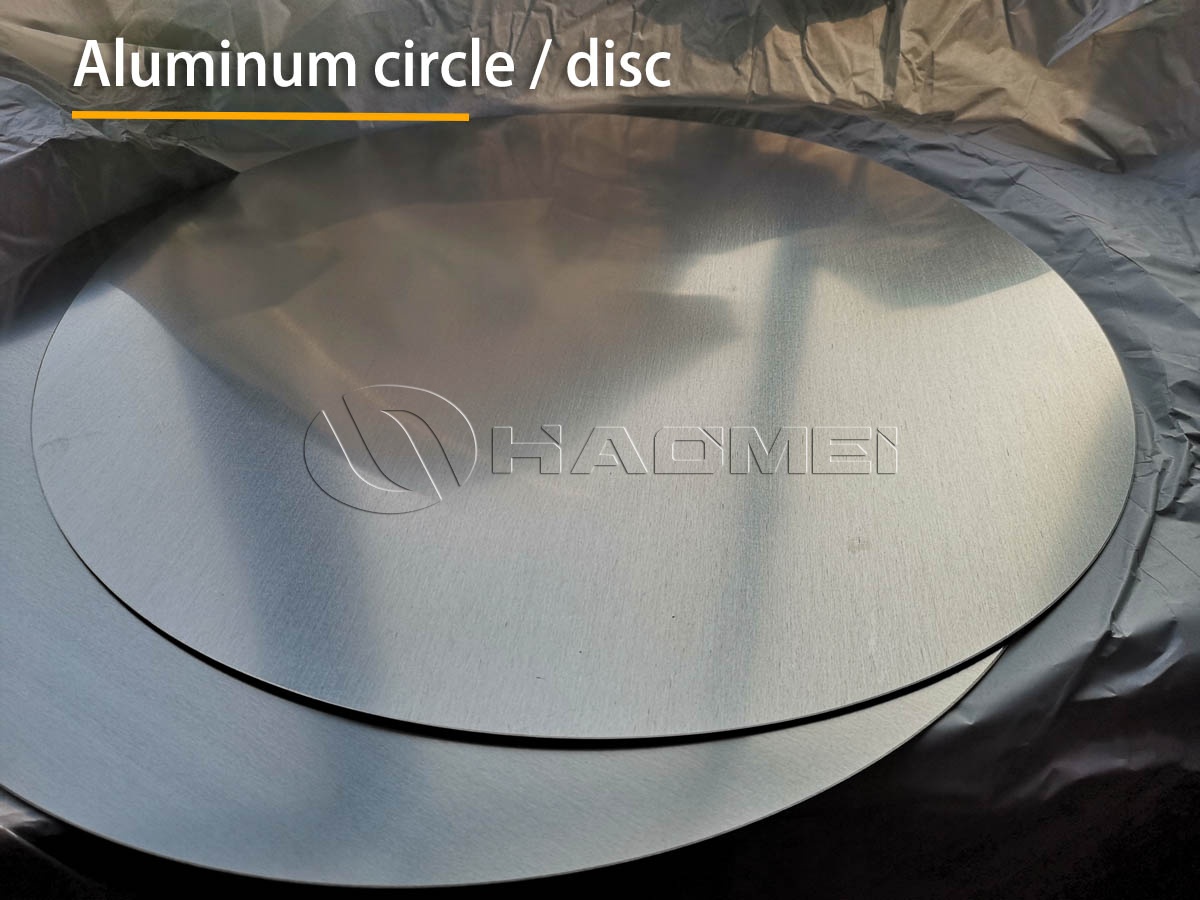
The primary function of a cookware body is to transfer heat efficiently while retaining sufficient structural integrity for forming, coating, assembly, and daily use. 1050 aluminum disc material meets these requirements in many conventional cookware designs.
The high aluminum purity of alloy 1050 supports good thermal conductivity. This helps cookware bodies distribute heat more evenly than many heavier or lower-conductivity materials. Although final heat performance also depends on pan geometry, thickness, base construction, and coating system, the aluminum substrate remains a key factor.
From a manufacturing perspective, 1050 aluminum circles offer several practical advantages:
High elongation for deep drawing and spinning processes.
Good compatibility with anodizing, non-stick coating, and painting preparation processes.
Stable performance in soft O temper for complex forming operations.
Low density, supporting lightweight cookware designs.
Good corrosion resistance in normal kitchen environments.
Smooth, uniform surfaces that support consistent coating adhesion after proper pretreatment.
We commonly recommend 1050 O aluminum circle material when customers need to form deeper cookware bodies, such as saucepans, bowls, and stockpots. For shallower stamped products or applications requiring more rigidity before forming, H12, H14, or H24 tempers may be considered according to the production route.
Our production specifications are adjusted according to cookware design, tooling conditions, and forming method. The following table presents common parameters for 1050 aluminum circles used in cookware manufacturing.
| Parameter | Typical Specification | Notes for Cookware Production |
|---|---|---|
| Alloy | AA 1050 | Minimum 99.5 percent aluminum |
| Temper | O, H12, H14, H24 | O temper is widely used for deep drawing and spinning |
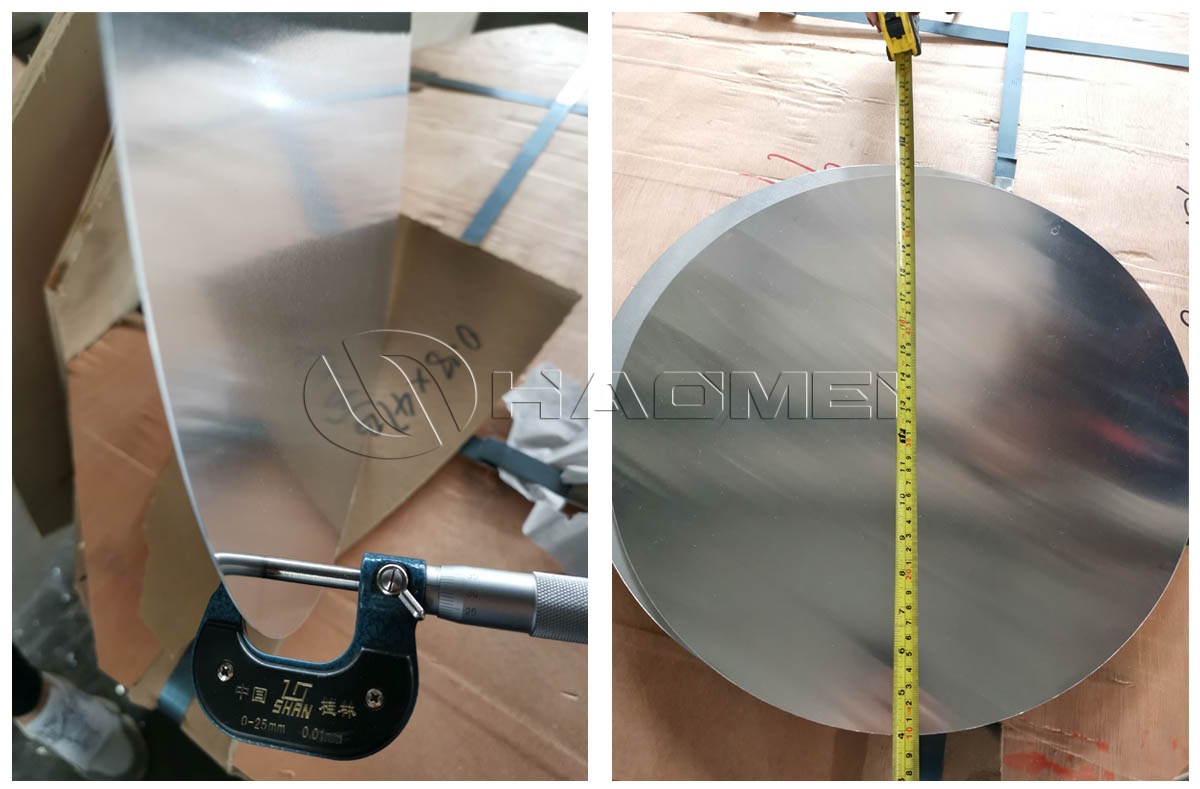
| Diameter | 80 mm to 1,250 mm | Custom diameters available based on tooling requirements |
| Thickness | 0.40 mm to 6.00 mm | Selected according to pan size, shape, and base design |
| Diameter tolerance | Typically +/- 0.5 mm to +/- 1.0 mm | Depends on blank diameter and customer requirement |
| Thickness tolerance | According to agreed standard | Controlled throughout rolling and blanking stages |
| Surface finish | Mill finish, bright finish, coated preparation grade | Surface requirements depend on final coating process |
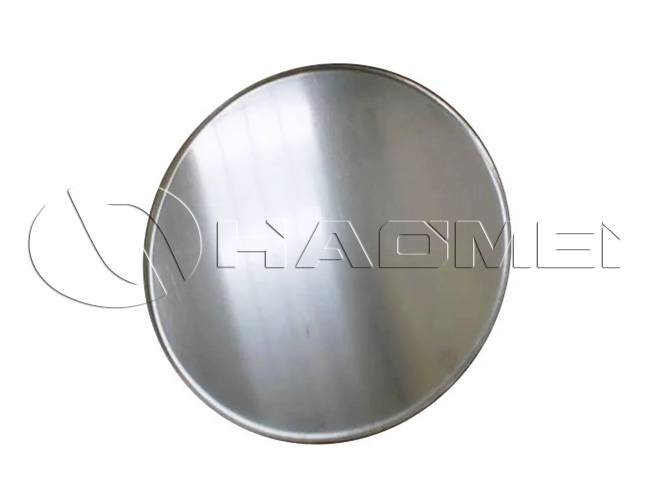
| Edge condition | Smooth, burr-controlled edge | Important for safe handling and stable forming |
| Forming methods | Stamping, deep drawing, spinning, pressing | Material condition is matched to the selected process |
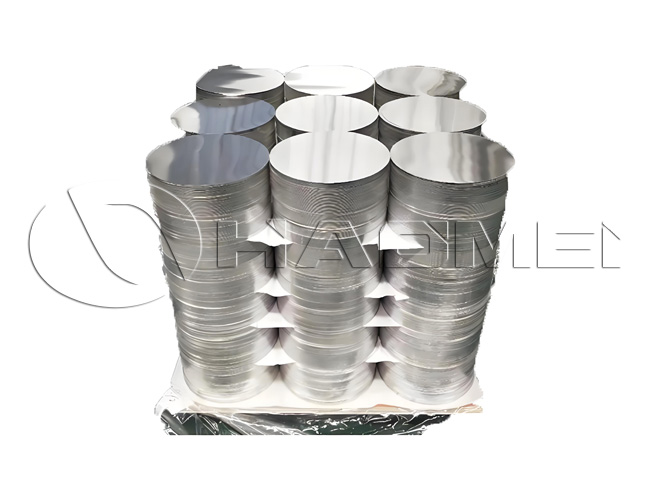
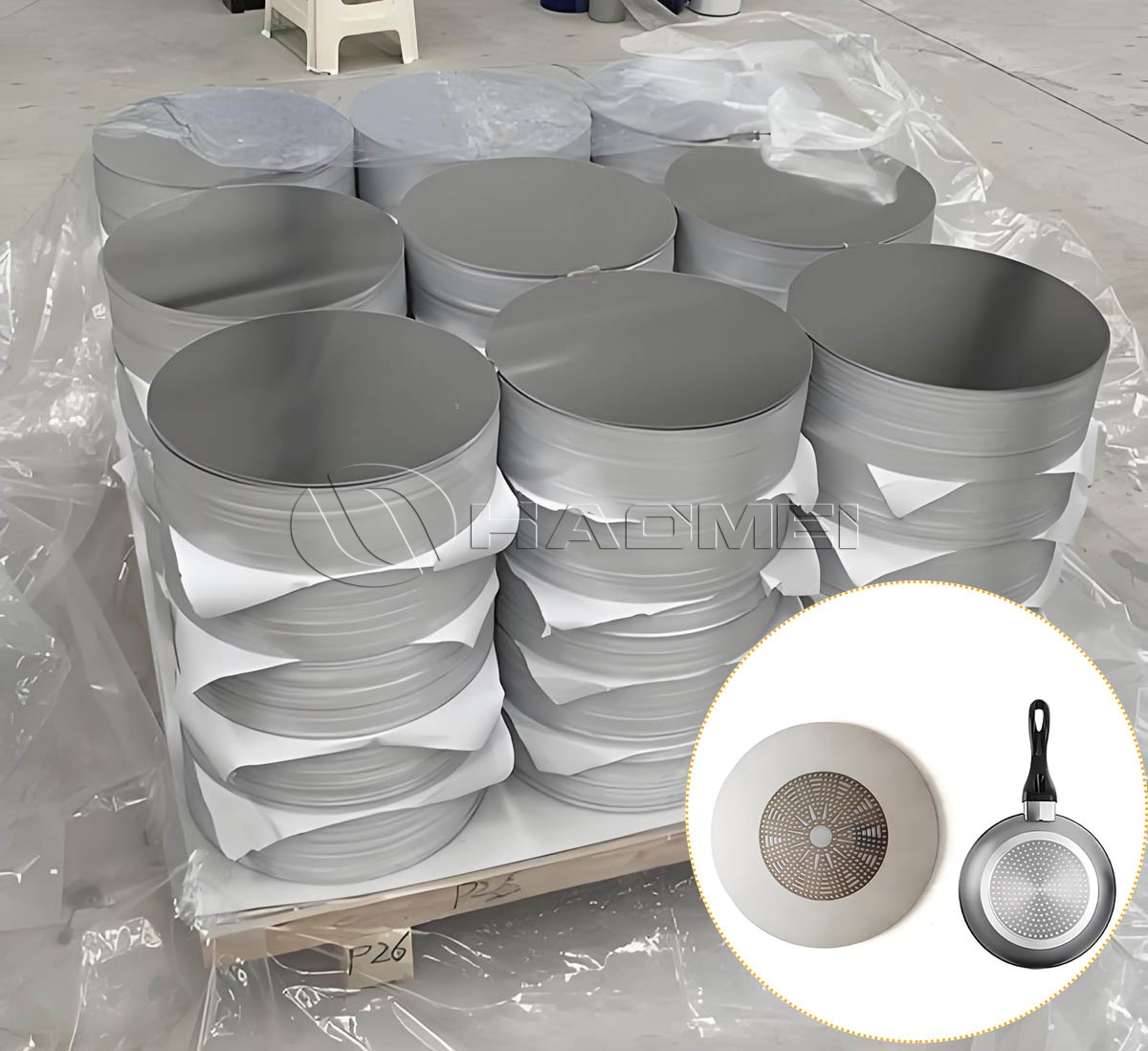
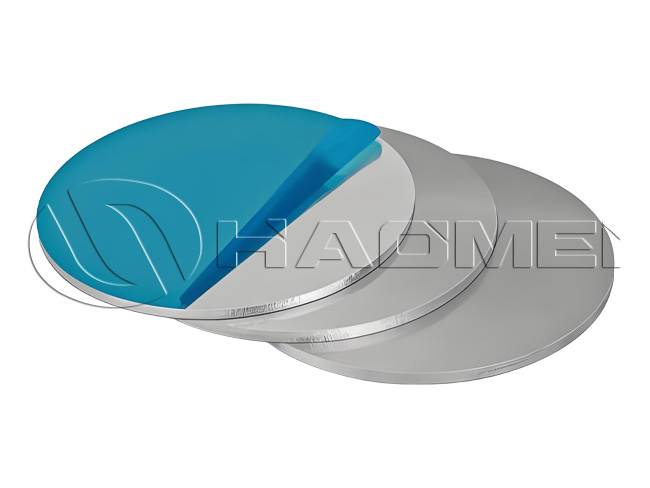
| Packaging | Interleaved, palletized, moisture-protected | Designed to reduce transit damage and surface marks |
The correct combination of thickness and temper should be verified through trial production. A thin circle may be appropriate for lightweight frying pans, while a thicker 1050 aluminum disc may be required for larger cookware, heavy-gauge stockpots, or products incorporating an induction-ready base.
Formability is one of the main reasons cookware manufacturers choose 1050 aluminum circles. During deep drawing, a flat circle is pulled into a die to form a three-dimensional shape. During spinning, the blank is shaped over a mandrel while rotating. Both processes impose significant deformation on the material.
For these applications, the aluminum circle must have reliable ductility and a uniform metallurgical structure. In our manufacturing process, we control rolling parameters and annealing conditions to achieve a stable O temper suitable for forming. Proper annealing reduces work hardening and improves elongation, helping the material accommodate deformation without excessive cracking.
The deep drawing performance of a 1050 aluminum circle is also influenced by several variables beyond alloy temper:
Blank diameter: The diameter must match the draw ratio and finished cookware geometry.
Thickness consistency: Variation can cause uneven wall thickness, wrinkling, or localized stress during forming.
Surface condition: Clean surfaces reduce the risk of scratches and improve lubricant behavior.
Edge quality: Burrs and edge defects can initiate cracks during severe drawing operations.
Tooling and lubrication: Die radius, blank holder force, and lubricant selection must be optimized together with the material.
For cookware projects with demanding draw depths, we review the product drawing, material thickness, final profile, and production method before confirming a recommended temper and blank size.
Modern cookware often uses non-stick coatings, ceramic coatings, anodized surfaces, painted exteriors, or multi-layer base assemblies. The aluminum substrate must therefore provide a clean and consistent foundation for finishing operations.
Our 1050 aluminum circles are inspected for surface defects that may affect appearance or coating performance. Depending on the agreed quality level, we control scratches, roller marks, oil residues, dents, edge damage, and inclusions. For coated cookware applications, surface uniformity helps create a more consistent pretreatment and coating result.
A mill-finish aluminum circle is commonly supplied for customers that perform their own cleaning, conversion coating, and non-stick coating operations. We can also discuss surface requirements for anodized cookware, where the appearance and response of the aluminum substrate are especially important.
The final coating performance depends on the customer's complete process, including degreasing, chemical pretreatment, curing temperature, coating formulation, and application method. Our role as the aluminum circle manufacturer is to supply a stable substrate that supports those downstream controls.
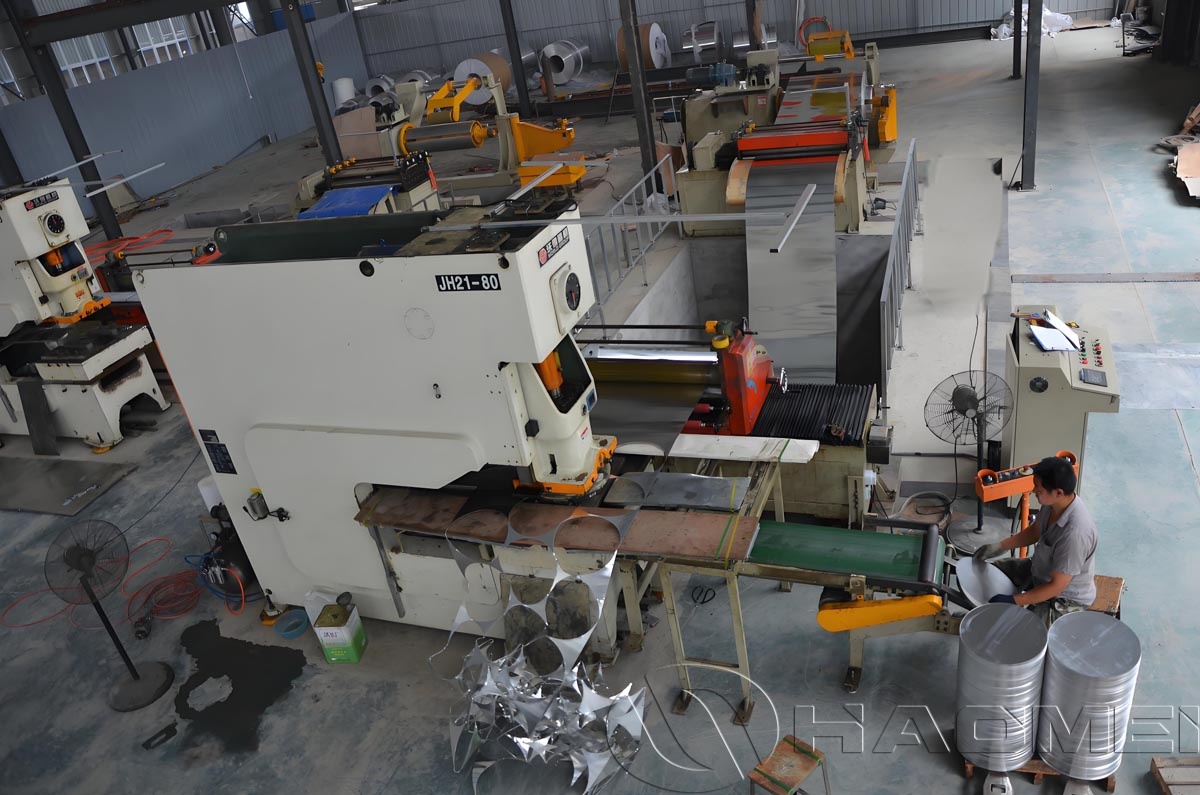
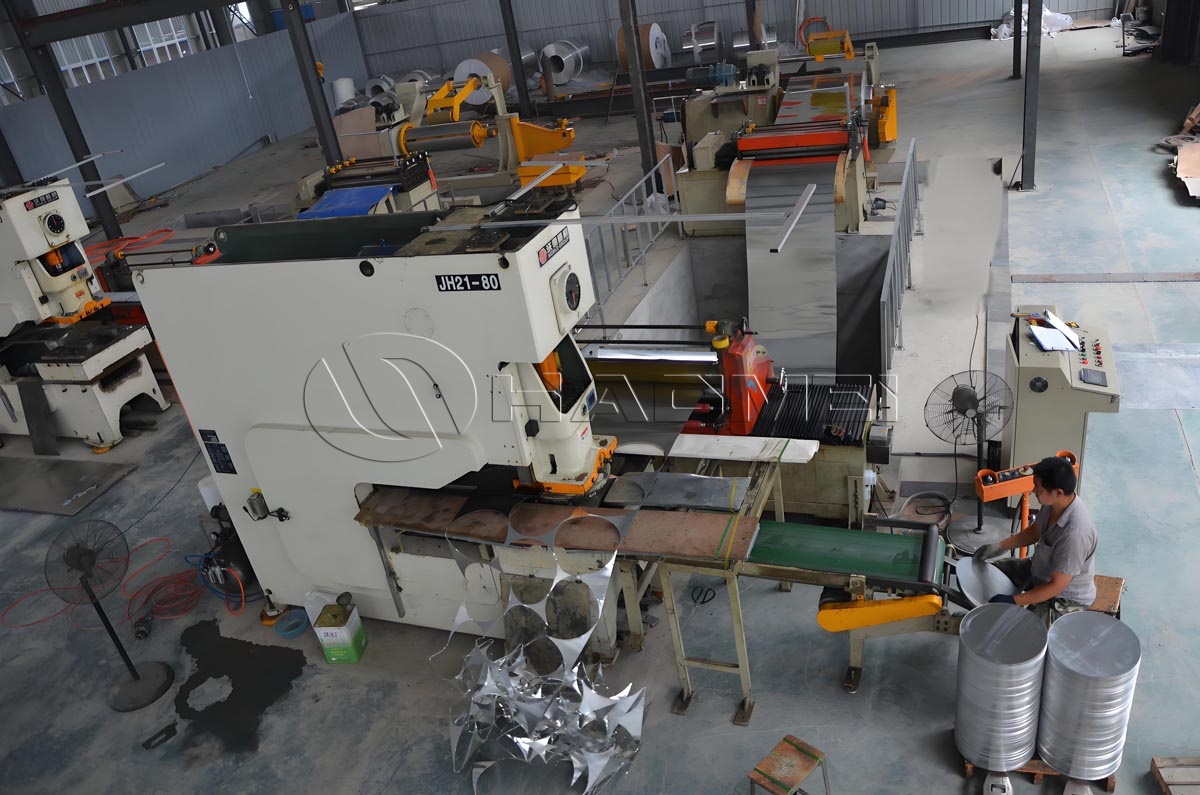
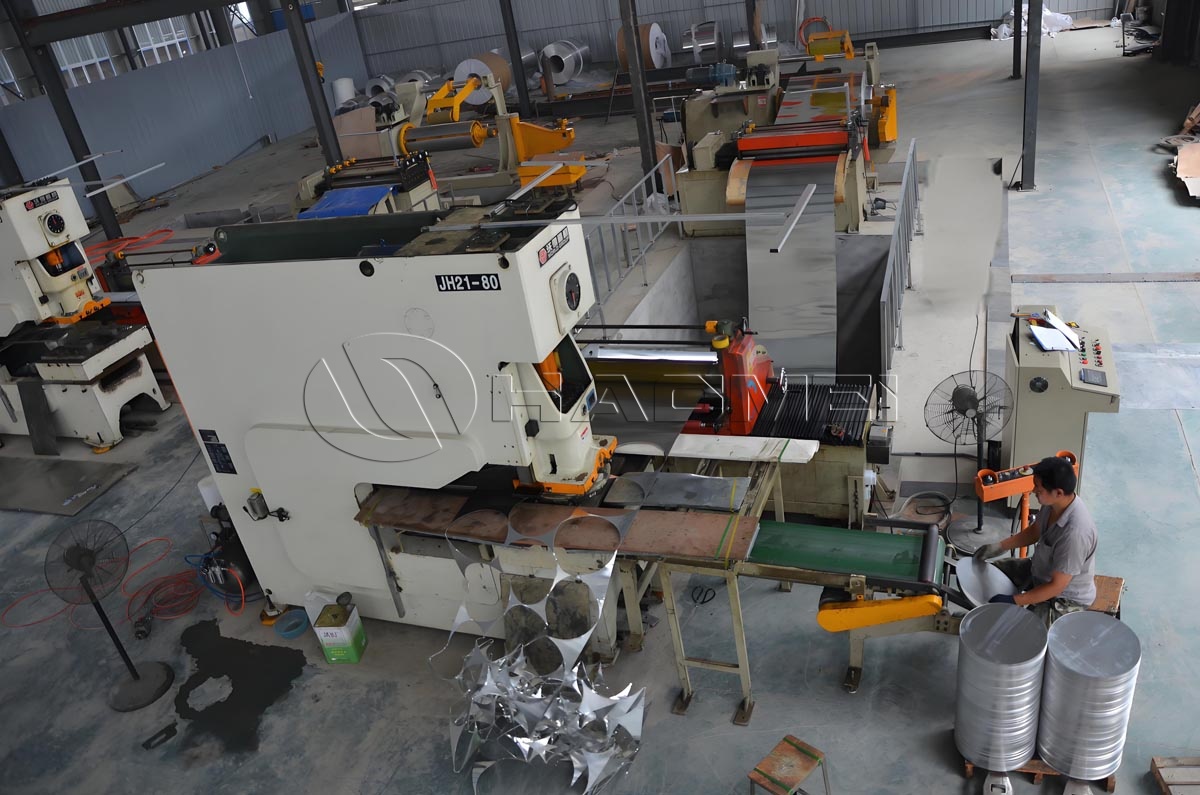
Producing cookware aluminum circles is not simply a blanking operation. It is an integrated process that begins with alloy selection and coil preparation. We manage the key stages needed to produce circles with consistent mechanical properties and dimensional accuracy.
The typical manufacturing sequence includes:
Raw material inspection and alloy verification.
Rolling to the specified thickness and gauge tolerance.
Annealing when soft O temper material is required.
Slitting or sheet preparation for blanking.
Precision punching or cutting into circular blanks.
Deburring and edge inspection.
Surface inspection, dimensional measurement, and packing.
For high-volume cookware programs, repeatability is critical. We monitor diameter, thickness, flatness, temper condition, and surface quality across production batches. This helps cookware manufacturers maintain stable press settings and reduce variability in drawing, spinning, or coating lines.
Our 1050 Aluminum Circle production can be supplied in dimensions tailored to customer tooling. When a cookware producer operates several pan sizes, we can organize specifications by diameter, thickness, temper, surface requirement, and packaging arrangement to support efficient material identification at the factory.
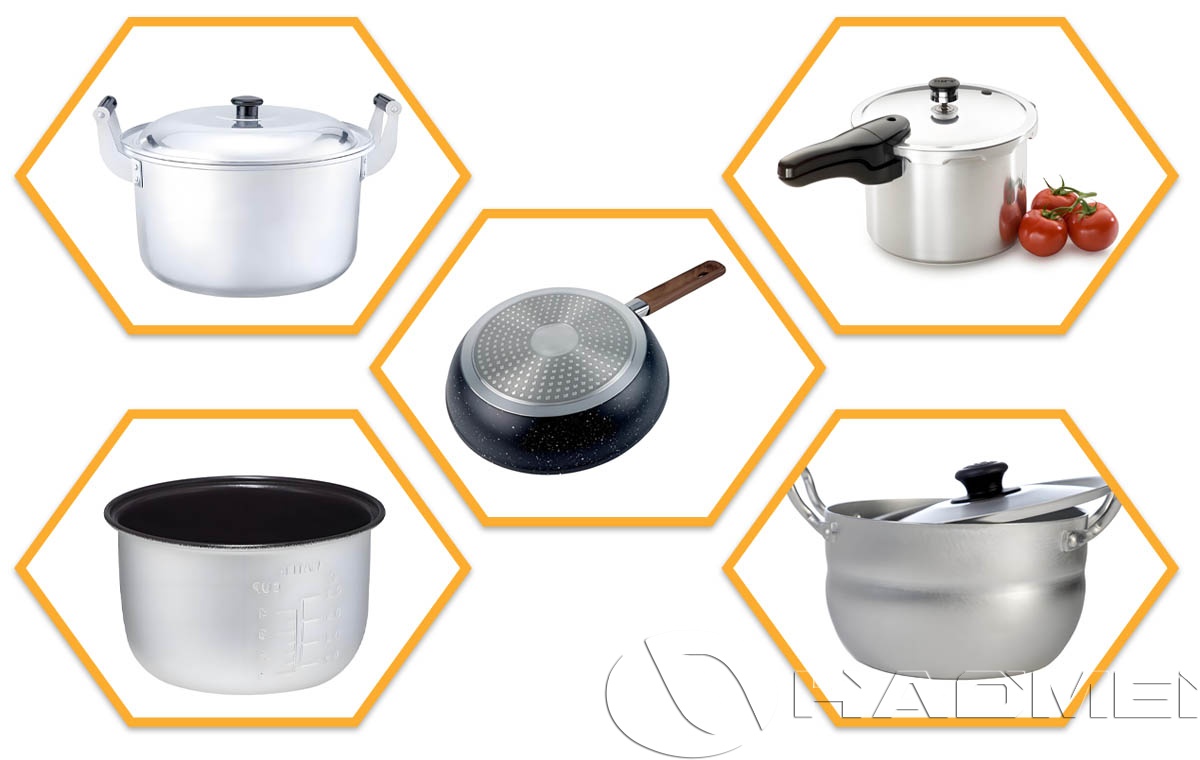
1050 aluminum circles are suitable for a broad range of aluminum cookware products. The final choice depends on the manufacturing method, required durability, heat distribution target, and whether the cookware includes additional layers or an induction base.
Common applications include:
Frying pans and saute pans.
Saucepans and milk pans.
Stockpots and soup pots.
Pressure cooker bodies and lids.
Baking pans and pizza trays.
Non-stick cookware blanks.
Spun cookware and kitchenware components.
Small appliance cooking vessels.
For induction cookware, a 1050 aluminum disc is often used as the formed aluminum body, followed by bonding or attachment of a ferromagnetic stainless steel base. The aluminum provides lightweight construction and heat transfer, while the added base allows compatibility with induction heating systems. The details of the bonding process, base thickness, and cookware geometry should be considered when selecting the original aluminum blank thickness.
The most suitable 1050 aluminum circle is determined by the finished product, not only by the nominal pan diameter. A cookware manufacturer must account for material draw-in, trimming allowance, wall height, bottom profile, and any subsequent spinning or pressing stages.
For example, a shallow frying pan generally requires a different blank diameter and temper from a tall saucepan. A pressure cooker component may require additional thickness and careful control of mechanical properties. Similarly, cookware intended for a heavy non-stick coating may require a surface standard different from that used for polished or anodized products.
When evaluating an order, we recommend providing the following information:
Finished cookware drawing or sample dimensions.
Required aluminum alloy and temper.
Blank diameter and thickness target.
Forming method, such as deep drawing, spinning, or stamping.
Surface and coating requirements.
Quantity per specification and expected purchasing schedule.
Packaging, pallet, and container loading requirements.
Where customers need alternative commercially pure grades, our broader 1000 Series Aluminum circle range can also be evaluated. However, the material should always be selected based on the actual forming and finishing requirements rather than alloy designation alone.
Cookware blanks require packaging that protects both geometry and surface condition. Scratches, moisture exposure, and edge impact can affect downstream forming and coating operations. We use suitable interleaving, wrapping, pallet support, and external protection according to circle size, thickness, and shipment method.
For export orders, aluminum discs may be packed horizontally or vertically depending on product dimensions and handling requirements. Pallets are secured to limit movement during container transport, while moisture-resistant protection can be applied for long transit periods or humid shipping routes.
1050 aluminum circles remain a practical and versatile material for cookware manufacturing because they combine high purity, good thermal conductivity, corrosion resistance, and strong forming capability. When produced with controlled thickness, temper, surface quality, and edge condition, they provide a reliable starting point for deep-drawn, stamped, and spun cookware.
As a dedicated aluminum circle manufacturer, we support cookware producers with specification-based production rather than generic supply. By matching the 1050 aluminum disc to the intended forming process and finished cookware design, manufacturers can improve material utilization, reduce forming issues, and maintain consistent product quality across production batches.

Office Address:
No.14 Waihuan Road, CBD, Zhengzhou, China
Contact Us
HAOMEI Aluminum offer an custom aluminum circle for you!
whatsapp: +86-18703635966
Email: sales@alummc.com
Email: alummc@hotmail.com
Request Free Sample & Quotation
Copyright © 2026 By HAOMEI Aluminum CO., LTD. All Rights Reserved. Sitemap
 +86-18703635966
 sales@alummc.com
 8618703635966
