
 No.14 Waihuan Road, CBD, Zhengzhou, China
 +86-18703635966

No.14 Waihuan Road, CBD, Zhengzhou, China
+86-18703635966
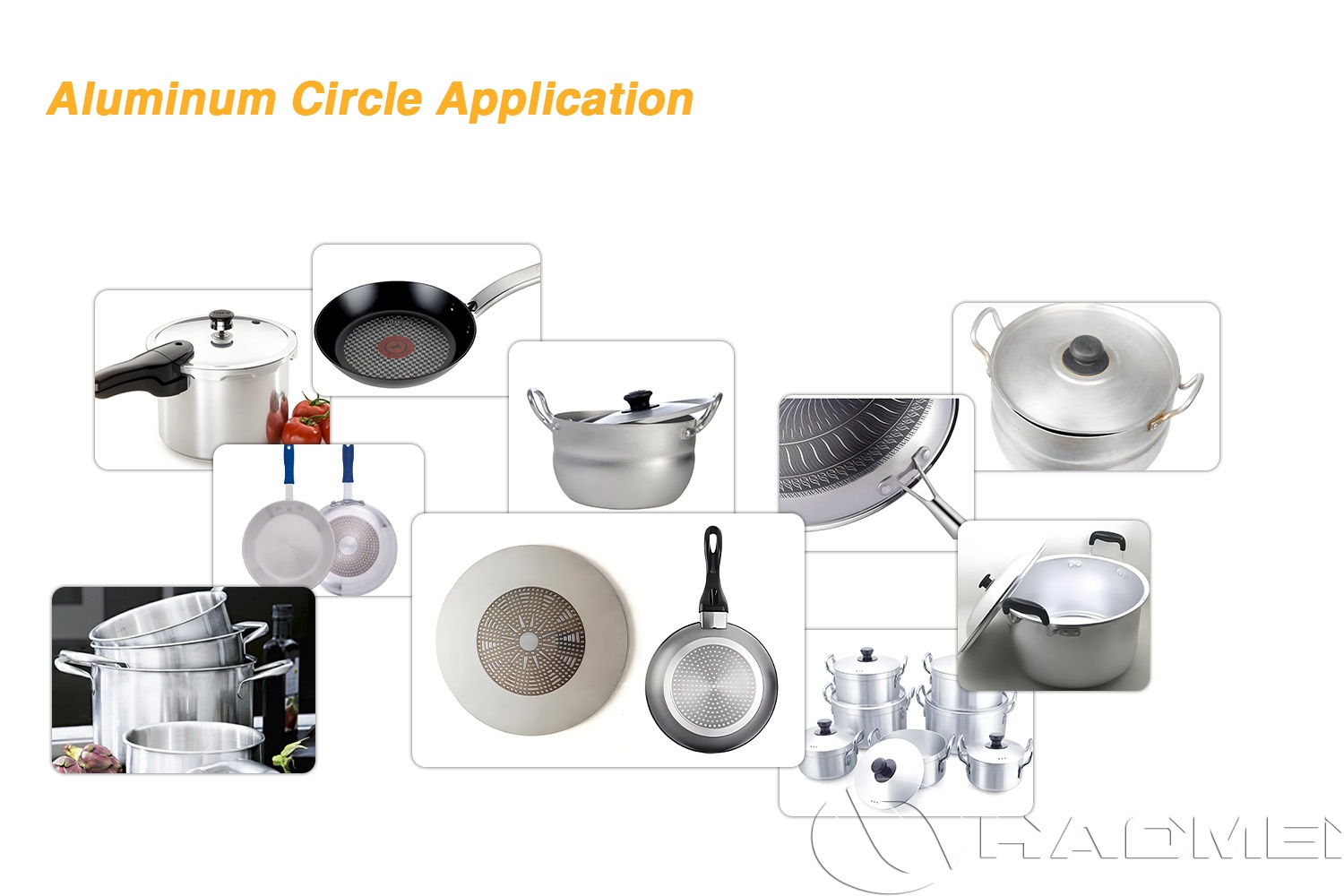
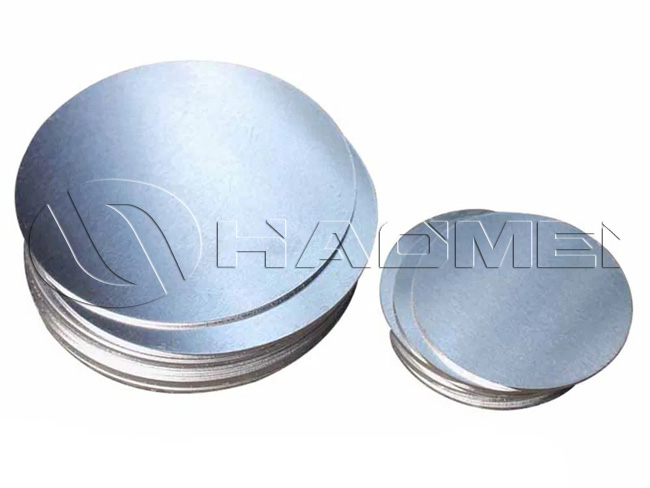
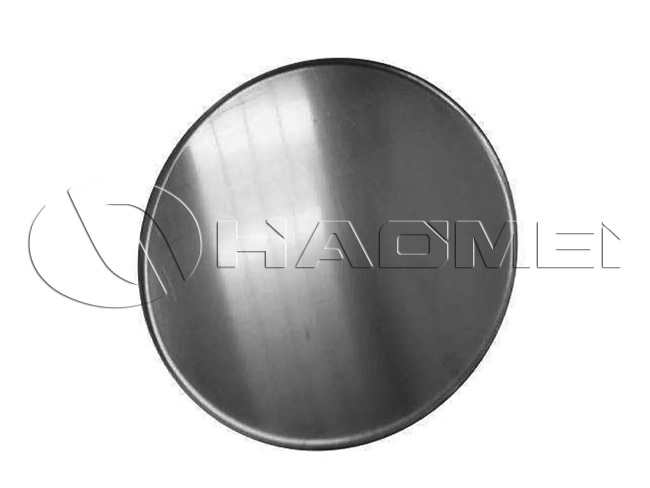
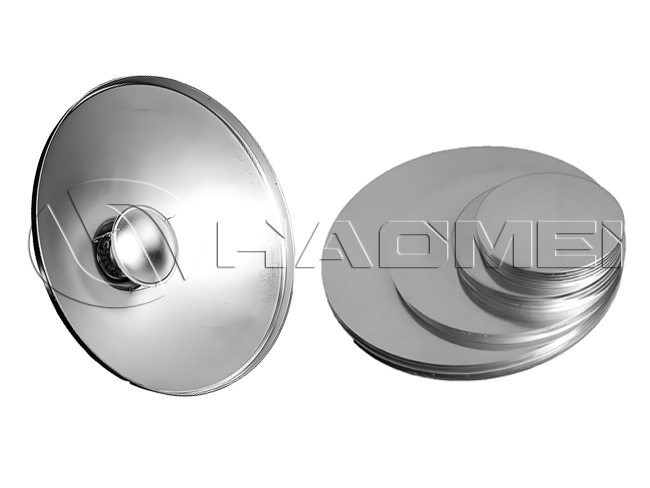
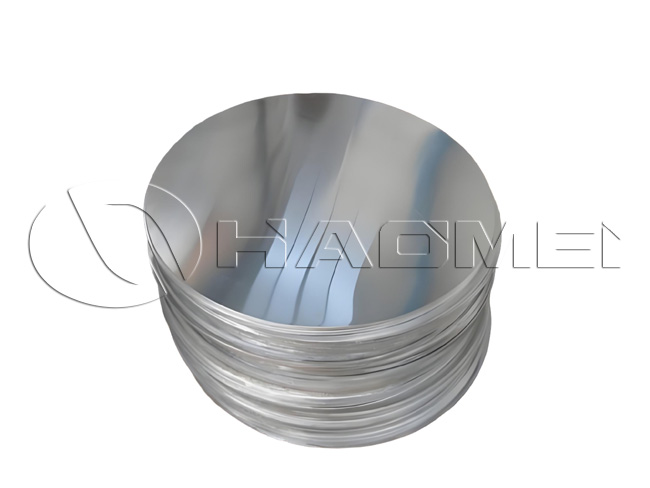
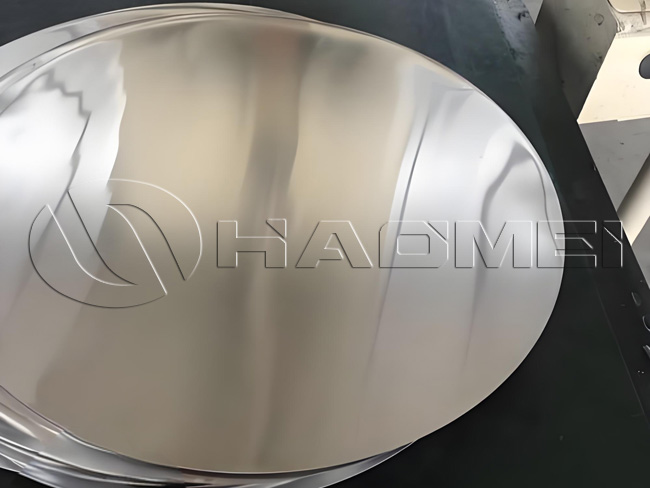
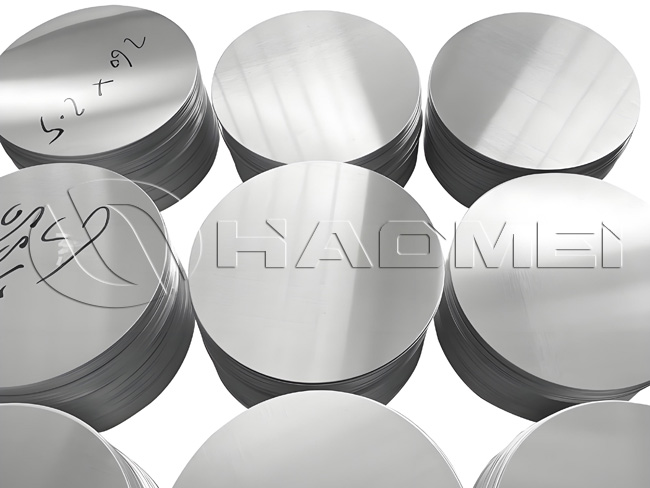
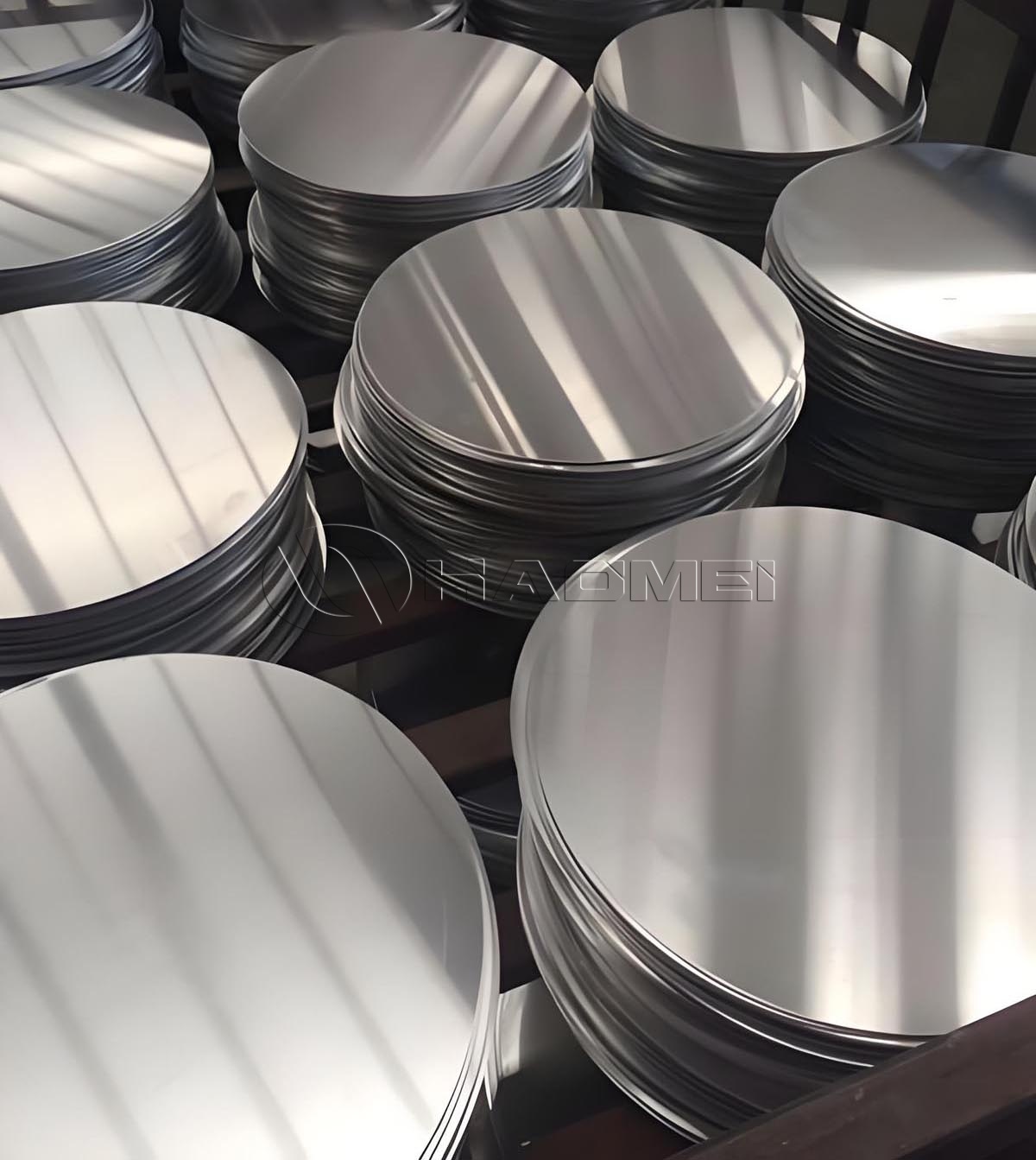
As a manufacturer of aluminum circles and discs, we produce 1060 O temper aluminum circles for cookware factories that require stable deep drawing performance, controlled material consistency, and clean surface quality. These aluminum discs are widely used as blanks for frying pans, saucepans, stockpots, pressure cookers, kettles, and other formed cookware products.
For deep drawn cookware, the aluminum circle must do more than meet basic chemical composition requirements. It must have suitable elongation, controlled hardness, uniform thickness, low earing tendency, and a surface condition that supports forming, polishing, coating, or anodizing. Our production process is designed around these practical requirements for cookware stamping and deep drawing operations.
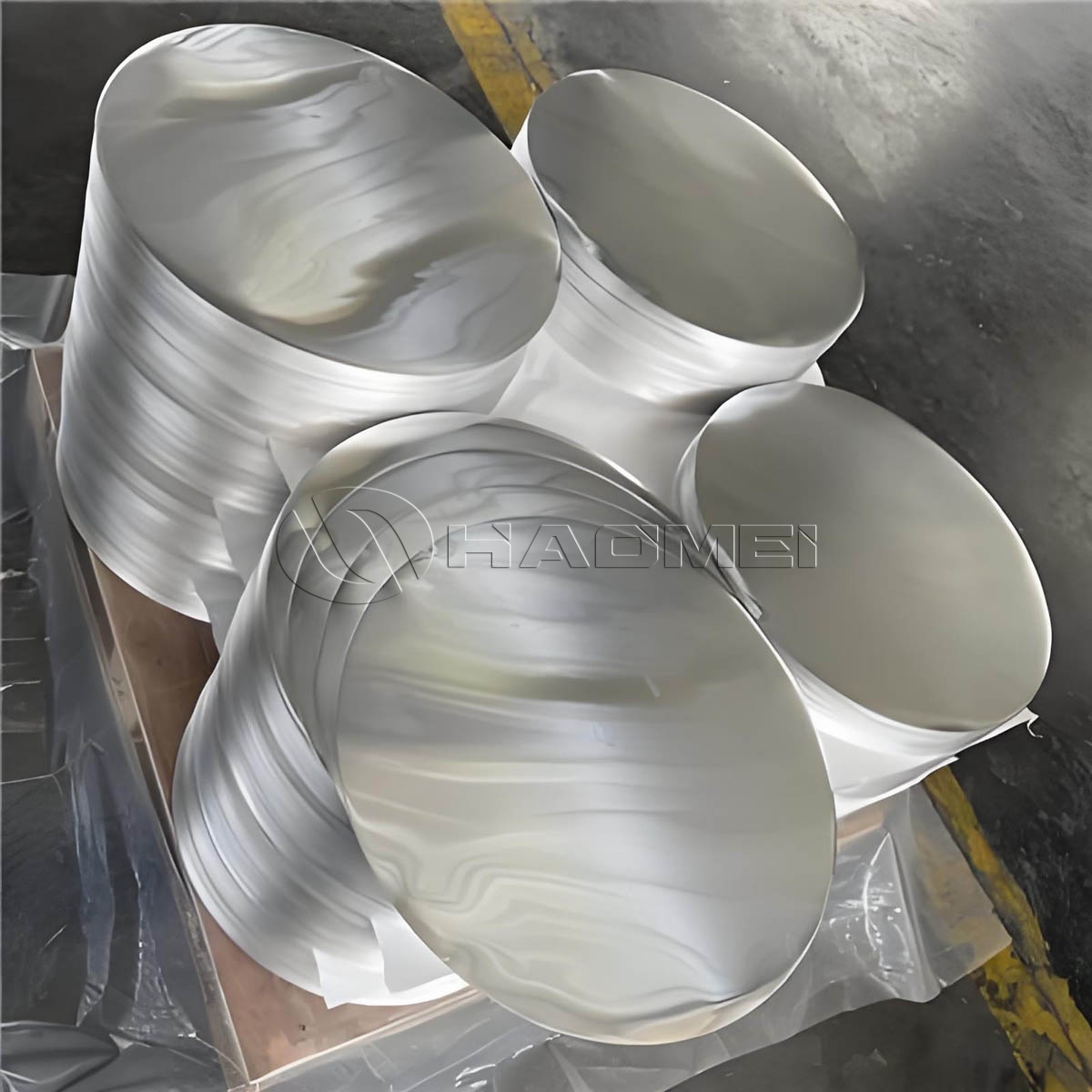
1060 aluminum is a commercially pure aluminum alloy with an aluminum content of at least 99.60 percent. It offers high ductility, good thermal conductivity, corrosion resistance, and reliable workability. Compared with higher-strength aluminum alloys, 1060 is easier to stretch and form into deep cookware shapes without requiring excessive forming force.
O temper means the aluminum has been fully annealed. This temper provides the softest condition of 1060 aluminum sheet and circle material, making it suitable for drawing, spinning, pressing, and stamping. During the deep drawing process, the metal flows into the die cavity. A soft and uniform O temper aluminum circle helps reduce the risk of cracking, edge tearing, and uneven deformation.
For cookware manufacturers, the main advantages of 1060 O temper aluminum discs include:
High elongation for deep drawing and multi-stage forming.
Good thermal conductivity for even heat distribution.
Low density, supporting lightweight cookware designs.
Good compatibility with non-stick coating, anodizing, polishing, and painting processes.
Stable surface condition for visible cookware components.
Cost-effective material selection for aluminum pots and pans.
Our Aluminum Circles for Cookware are supplied according to the forming depth, finished product geometry, and surface requirements of each manufacturing line.
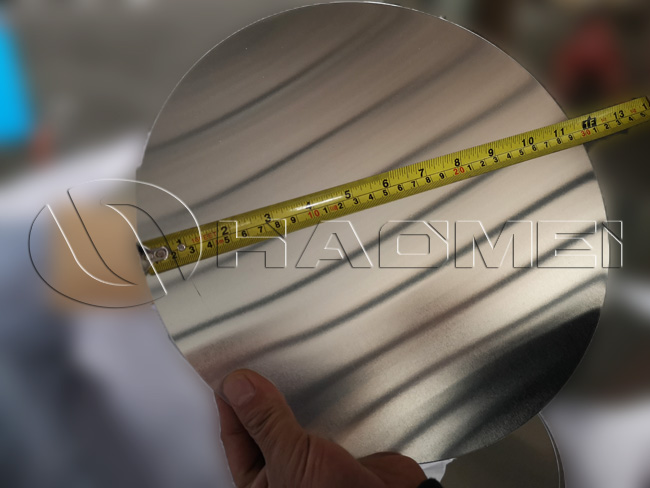
The final specification of a deep drawing aluminum circle should be selected according to the cookware diameter, drawing ratio, wall height, tooling design, and downstream finishing process. We can manufacture standard and customized sizes for cookware production.
| Parameter | Typical Specification | Notes |
|---|---|---|
| Alloy | AA 1060 | Commercially pure aluminum |
| Temper | O, H14, H24 | O temper is recommended for deep drawing |
| Aluminum Content | Minimum 99.60% | Supports high ductility and conductivity |
| Diameter Range | 100 mm to 1,200 mm | Custom diameters available upon request |
| Thickness Range | 0.50 mm to 6.00 mm | Selected according to cookware design |
| Common Thickness | 1.00 mm to 3.50 mm | Frequently used for pots, pans, and cookware bodies |
| Surface Finish | Mill finish, polished, coated-ready | Surface can be matched to the finishing process |
| Edge Condition | Smooth, burr-controlled edge | Supports safe and stable blank feeding |
| Flatness | Controlled according to diameter and thickness | Important for stamping and drawing consistency |
| Tensile Strength | Typically 60 to 95 MPa | Depends on actual thickness and annealing condition |
| Elongation | Typically 25% or higher | Suitable for forming applications |
| Applicable Standards | ASTM B209, EN 485, customer specification | Confirmed in the sales contract and inspection plan |
The values above are typical references. Mechanical properties and dimensional tolerances are confirmed for each order based on the requested specification, production route, and application requirements.
Our manufacturing process begins with aluminum slab selection and controlled rolling. For deep drawing cookware applications, we focus on metallurgical consistency throughout the coil and circle production process. This helps cookware manufacturers maintain stable performance from one batch to the next.
We control alloy composition during melting and casting to ensure the material meets AA 1060 requirements. Impurity control is important because excessive inclusions or inconsistent composition can affect surface quality, elongation, and forming behavior.
Depending on the required thickness and product route, aluminum material is hot rolled and cold rolled to the target gauge. Rolling parameters are managed to maintain thickness consistency and reduce internal stress. For cookware circles that require significant drawing depth, uniform gauge is essential to obtain balanced material flow during forming.
For applications requiring improved structure and forming stability, customers may choose our Hot Rolled Aluminum Circle material. Hot rolled input is often preferred for thicker cookware blanks and products with demanding deep drawing requirements.
Annealing is a critical step for producing O temper aluminum discs. We apply controlled annealing cycles to soften the metal and restore ductility after rolling. Proper annealing produces a more uniform grain structure and supports higher elongation during deep drawing.
An insufficient annealing process can leave the material too hard, increasing the risk of drawing cracks. Excessive annealing or poorly controlled thermal treatment may affect surface quality and mechanical stability. Our annealing parameters are set according to alloy, thickness, coil condition, and the required end use.
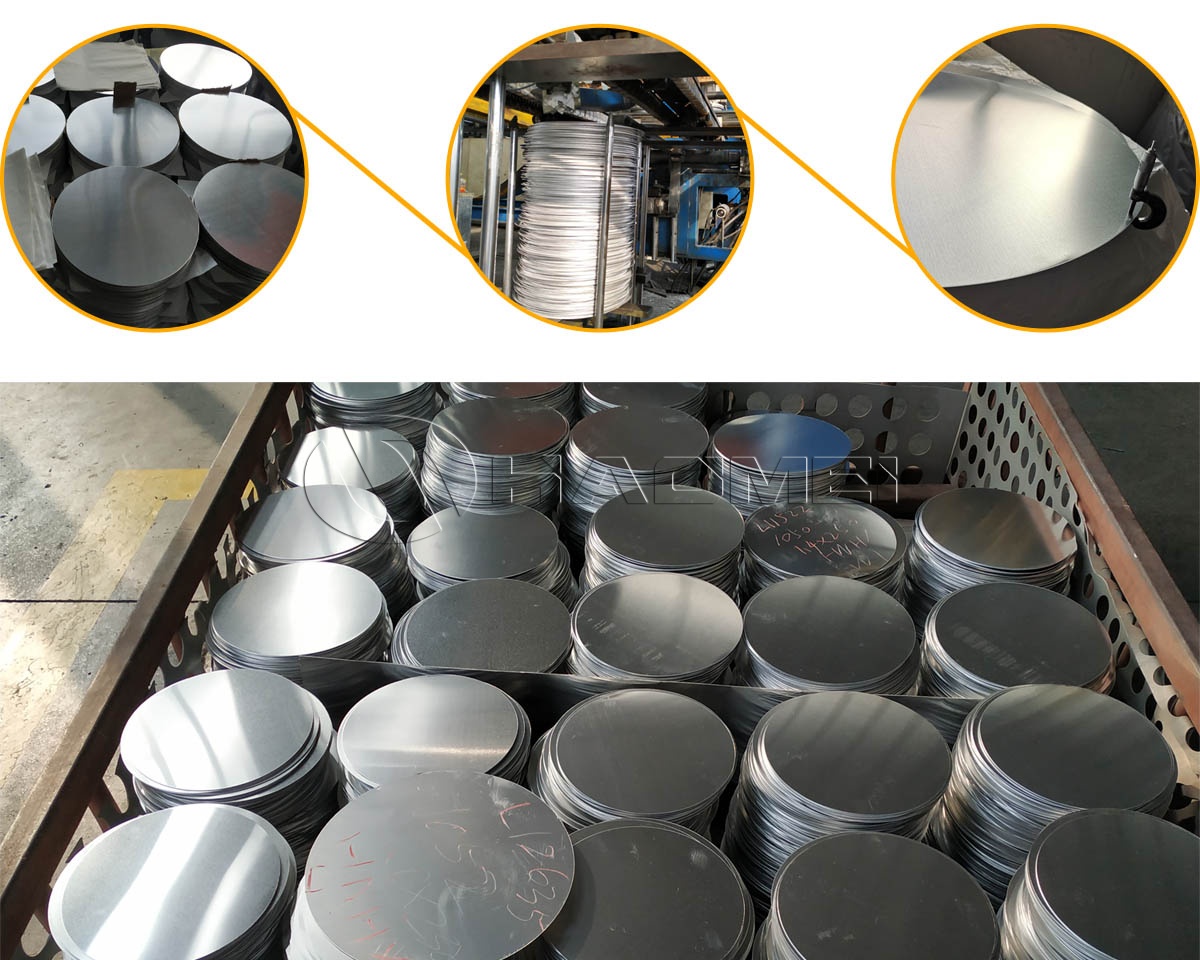
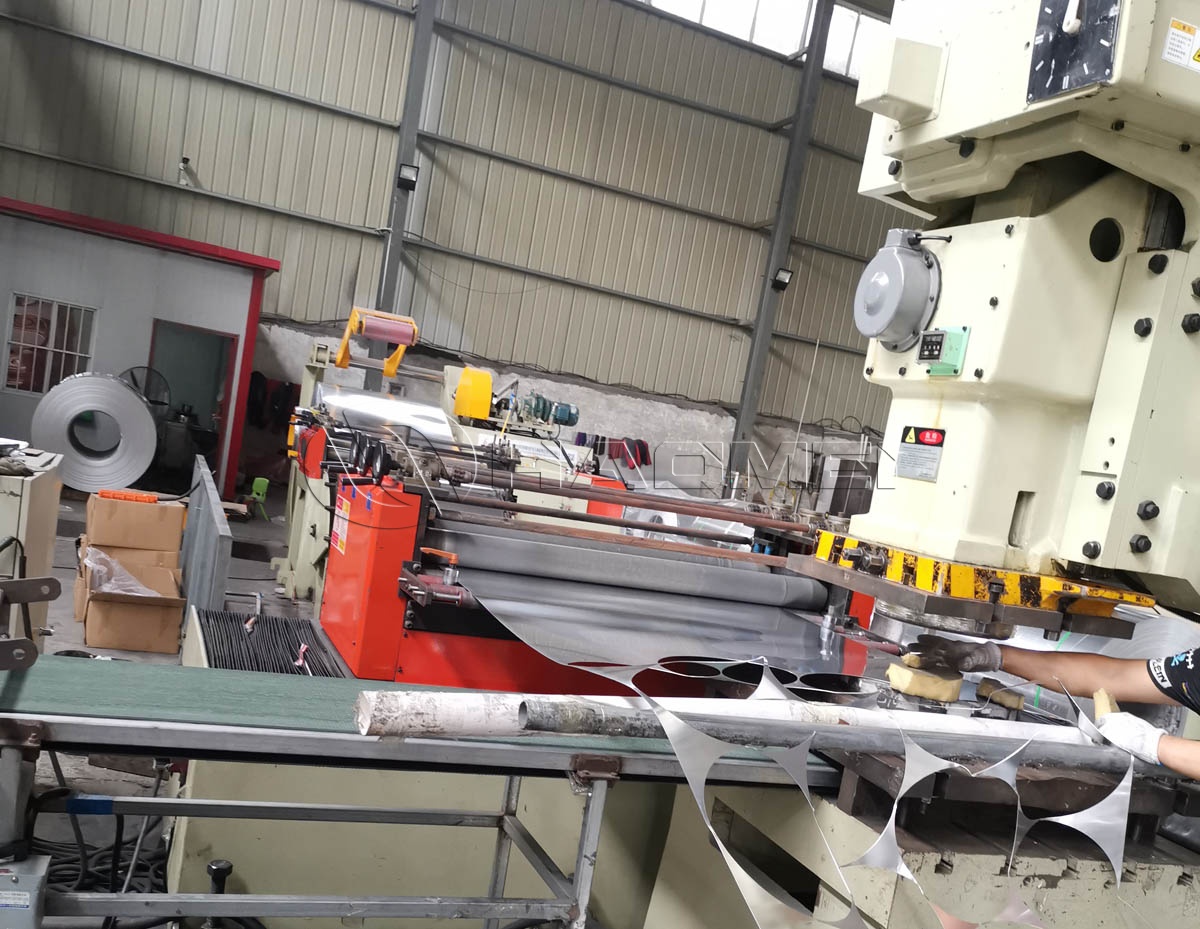
The aluminum sheet or coil is blanked into round discs using dedicated production equipment. We monitor circle diameter, roundness, edge quality, and burr condition. A clean edge is important because edge defects can become crack initiation points during drawing.
For high-volume cookware production, consistent disc geometry also supports reliable feeding into automatic stamping presses. This improves process efficiency and reduces interruptions caused by material variation.
Deep drawing performance depends on the interaction between the aluminum circle, lubricant, punch, die, blank holder force, and drawing sequence. However, material quality remains the foundation of a stable process. As a 1060 aluminum circle manufacturer, we pay particular attention to the following factors.
Uneven thickness can cause asymmetric drawing, uneven wall thickness, and variations in the finished cookware profile. We control gauge tolerance through rolling and inspection processes to support consistent forming results.
Cookware aluminum circles should be free from defects that may affect appearance or coating adhesion. Depending on the required grade, we inspect for scratches, oil marks, roll marks, inclusions, dents, and other visible imperfections. Surface requirements should be defined before production, especially for polished, anodized, or coated cookware.
The same nominal O temper does not always guarantee identical forming behavior. Actual tensile strength, elongation, grain structure, and residual stress influence deep drawing performance. We use process controls and batch inspection to provide consistent mechanical properties for repeated cookware production.
Earing refers to uneven wave-like edges that may appear after drawing due to planar anisotropy in the aluminum sheet. While some trimming is common in cookware production, lower and more consistent earing can improve material utilization and reduce trimming loss. Our rolling and annealing process is managed to support stable forming behavior.
1060 O temper aluminum circles are suitable for a broad range of formed aluminum products. The alloy is particularly appropriate where high ductility is more important than high mechanical strength.
Common applications include:
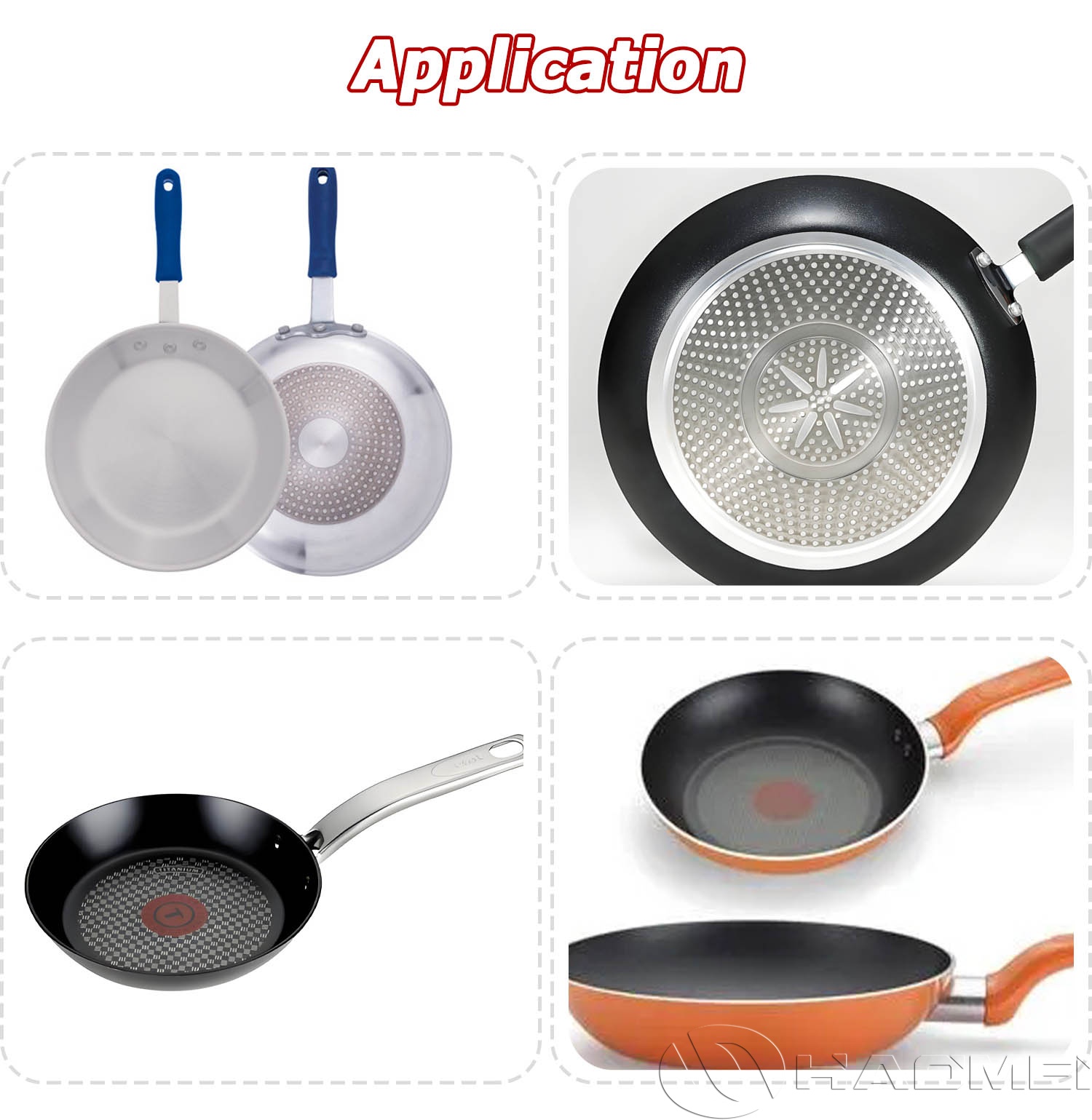
Deep drawn frying pans and wok bodies.
Saucepan and stockpot blanks.
Aluminum pressure cooker components.
Kettle and coffee pot bodies.
Multi-layer cookware base components before bonding.
Spun cookware and kitchen utensils.
Anodized aluminum cookware products.
Non-stick coated aluminum pans.
For cookware with complex shapes, tall walls, or multiple drawing stages, we recommend reviewing the forming process before confirming the aluminum disc specification. Diameter, thickness, annealing condition, and surface finish should be coordinated with the intended tooling and production method.
When sourcing aluminum discs for pots and pans, cookware manufacturers should provide clear technical information. This allows us to recommend a suitable production route and inspection standard.
The most useful information includes:
Finished cookware type and dimensions.
Required circle diameter and thickness.
Drawing depth and number of drawing stages.
Whether the product will be spun, stamped, or deep drawn.
Required temper, usually O temper for deep drawing.
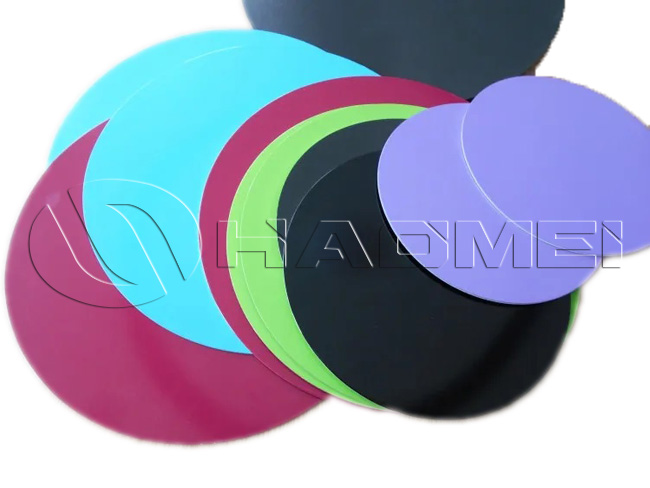
Surface requirements for polishing, anodizing, painting, or non-stick coating.
Packaging requirements and maximum package weight.
Applicable quality standards and inspection documents.
For example, a shallow frying pan may use a thinner aluminum circle with standard O temper properties, while a deep stockpot or pressure cooker component may require a thicker disc, more controlled mechanical properties, and tighter edge quality requirements. The correct material selection reduces trial production time and supports more stable output on the cookware forming line.
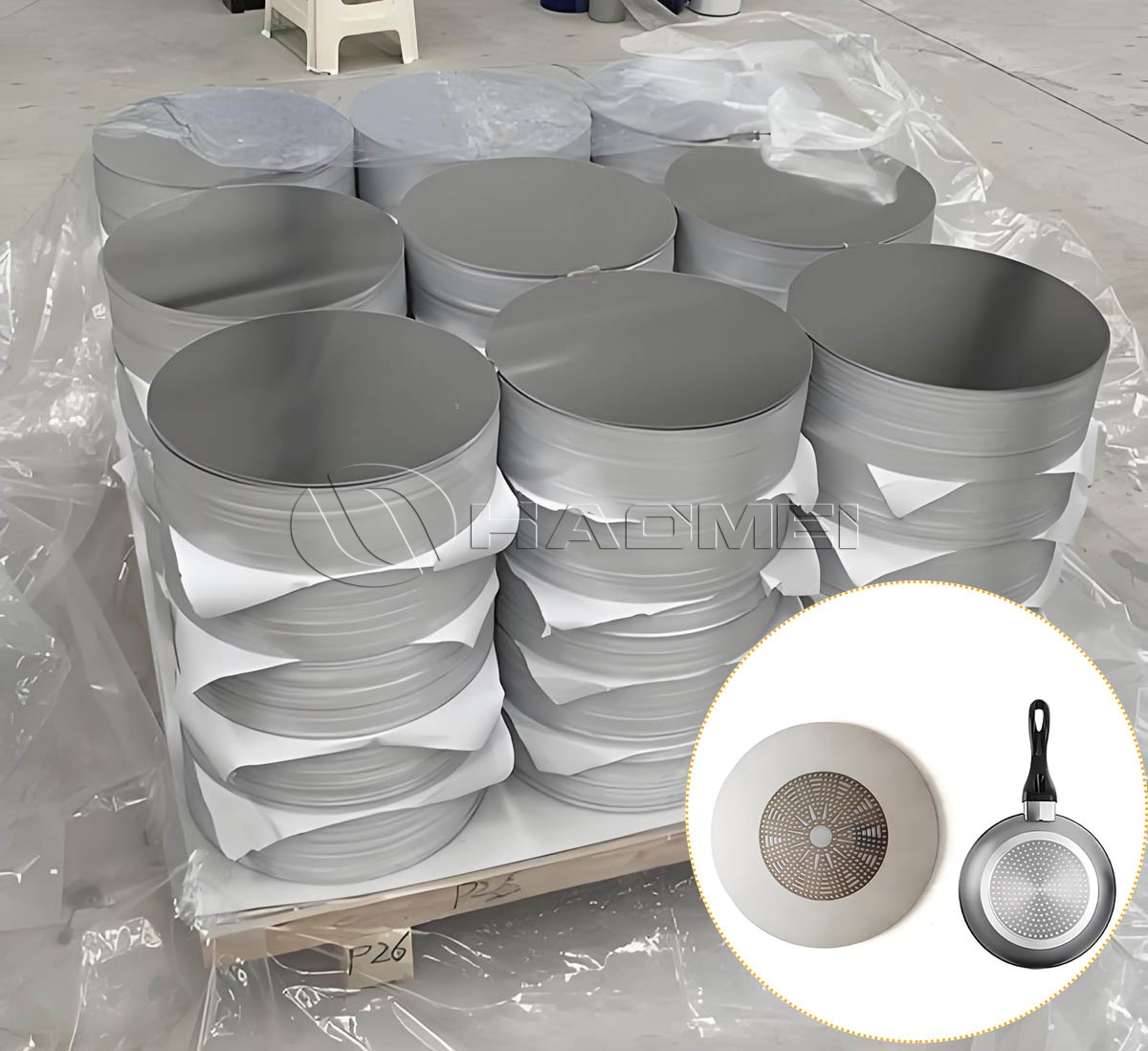
We package 1060 aluminum circles to protect the surface and edges during handling and international transportation. Depending on disc size and customer requirements, circles can be packed on wooden pallets, in reinforced export packaging, or with interleaving material to minimize abrasion.
Each shipment can be supplied with identification information including alloy, temper, thickness, diameter, batch number, quantity, and production date. For customers requiring additional documentation, we can provide mill test certificates and inspection records according to the agreed order requirements.
O temper 1060 aluminum circles are a practical material choice for deep drawn cookware because they combine high ductility, good thermal conductivity, corrosion resistance, and stable processing performance. The quality of the aluminum disc directly affects drawing efficiency, trimming loss, surface finish, and finished cookware consistency.
As a factory producing aluminum circles for cookware, we manufacture 1060 O temper aluminum discs with controlled composition, rolling thickness, annealing condition, surface quality, and blanking accuracy. By matching the circle specification to the cookware design and forming process, manufacturers can obtain reliable blanks for efficient deep drawing production.

Office Address:
No.14 Waihuan Road, CBD, Zhengzhou, China
Contact Us
HAOMEI Aluminum offer an custom aluminum circle for you!
whatsapp: +86-18703635966
Email: sales@alummc.com
Email: alummc@hotmail.com
Request Free Sample & Quotation
Copyright © 2026 By HAOMEI Aluminum CO., LTD. All Rights Reserved. Sitemap
 +86-18703635966
 sales@alummc.com
 8618703635966
