
 No.14 Waihuan Road, CBD, Zhengzhou, China
 +86-18703635966

No.14 Waihuan Road, CBD, Zhengzhou, China
+86-18703635966
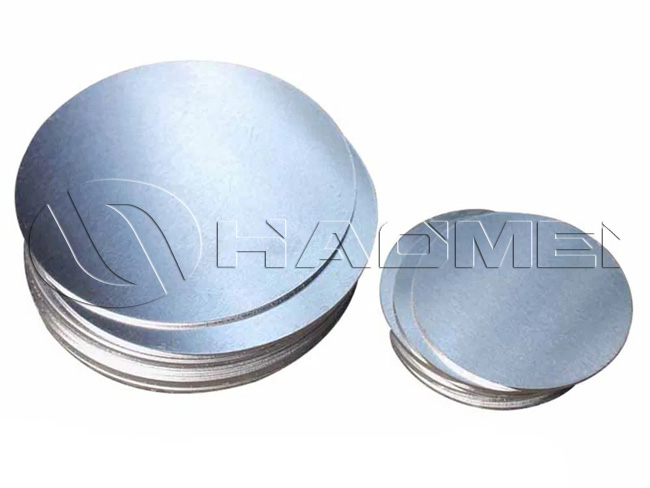
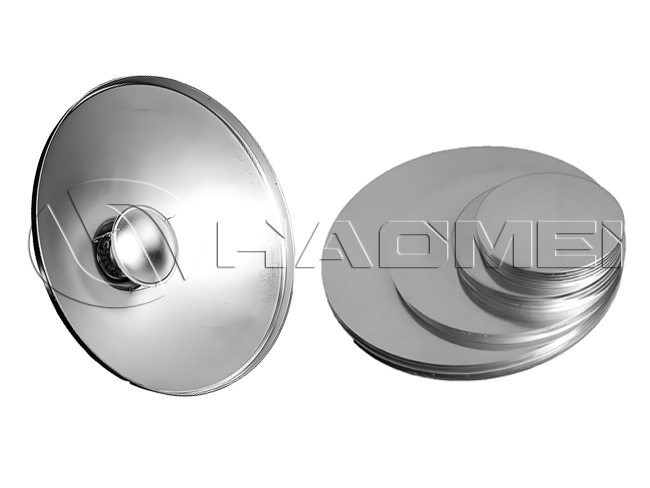
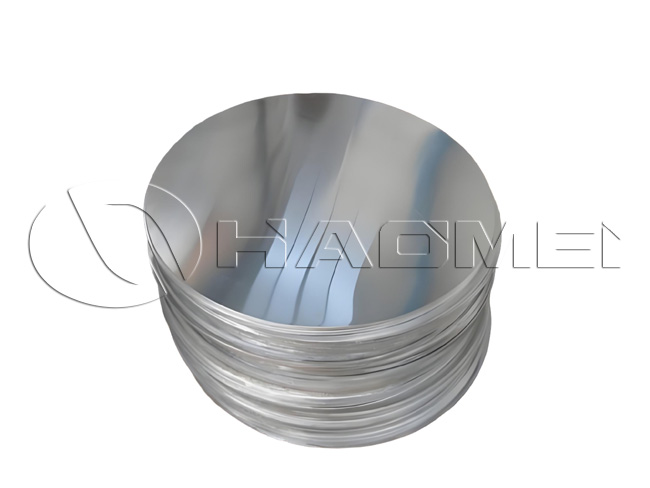
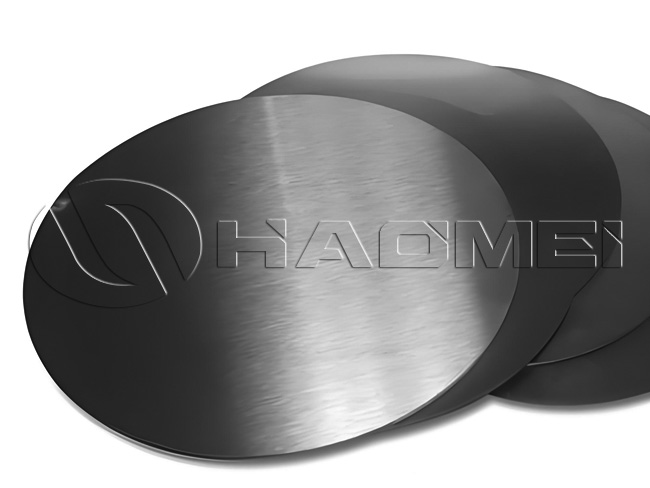
As a manufacturer of aluminum circle blanks, we produce bright-finish aluminum alloy circles for cookware manufacturers that require stable forming performance, controlled surface quality, and dependable batch consistency. Our cookware aluminum discs are supplied for frying pans, saucepans, stockpots, pressure cookers, baking trays, kettle bodies, and other drawn or spun cooking vessels.
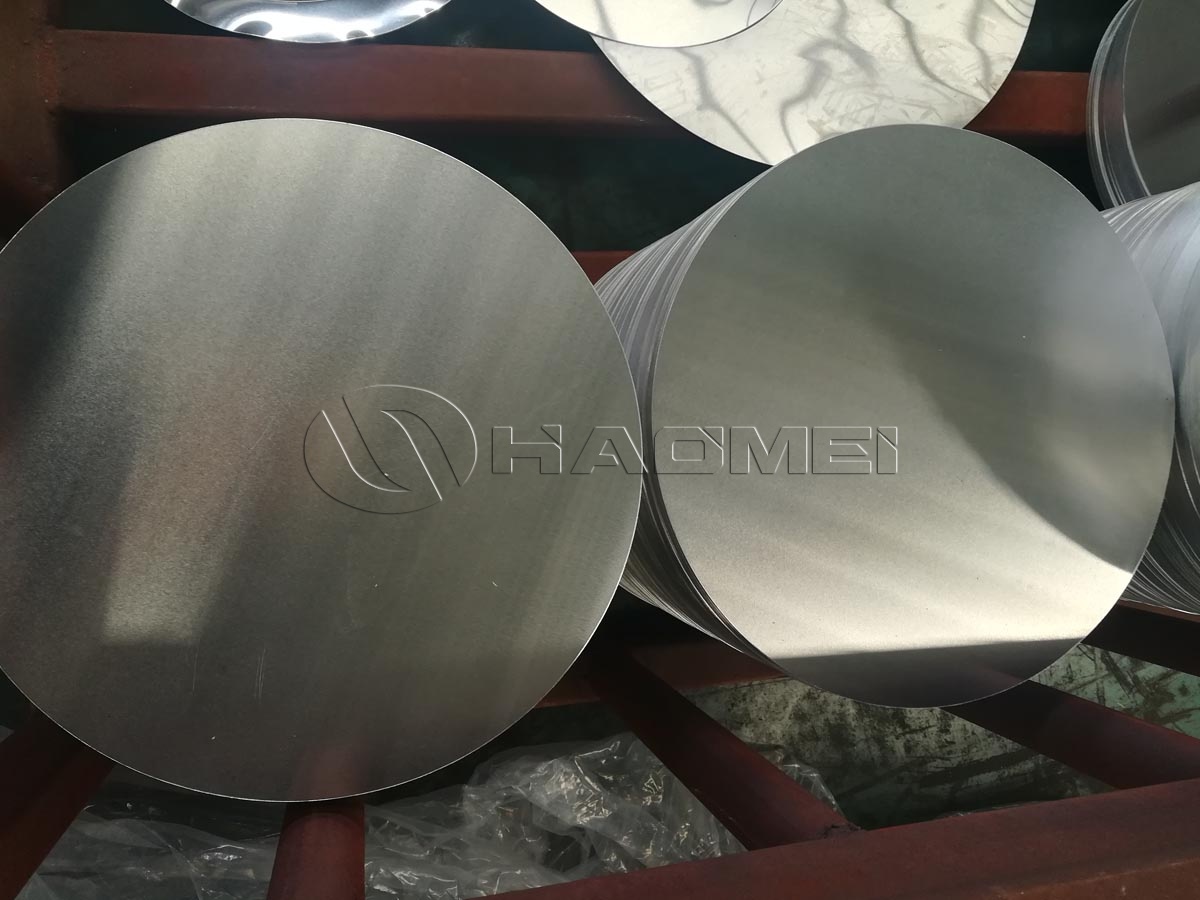
A bright finish is not only a visual requirement. For cookware production, it also supports more consistent downstream processing, including polishing, anodizing, non-stick coating, and decorative finishing. By controlling alloy chemistry, rolling conditions, annealing cycles, and blanking precision, we manufacture aluminum circles for cookware that meet the practical requirements of high-volume forming lines.
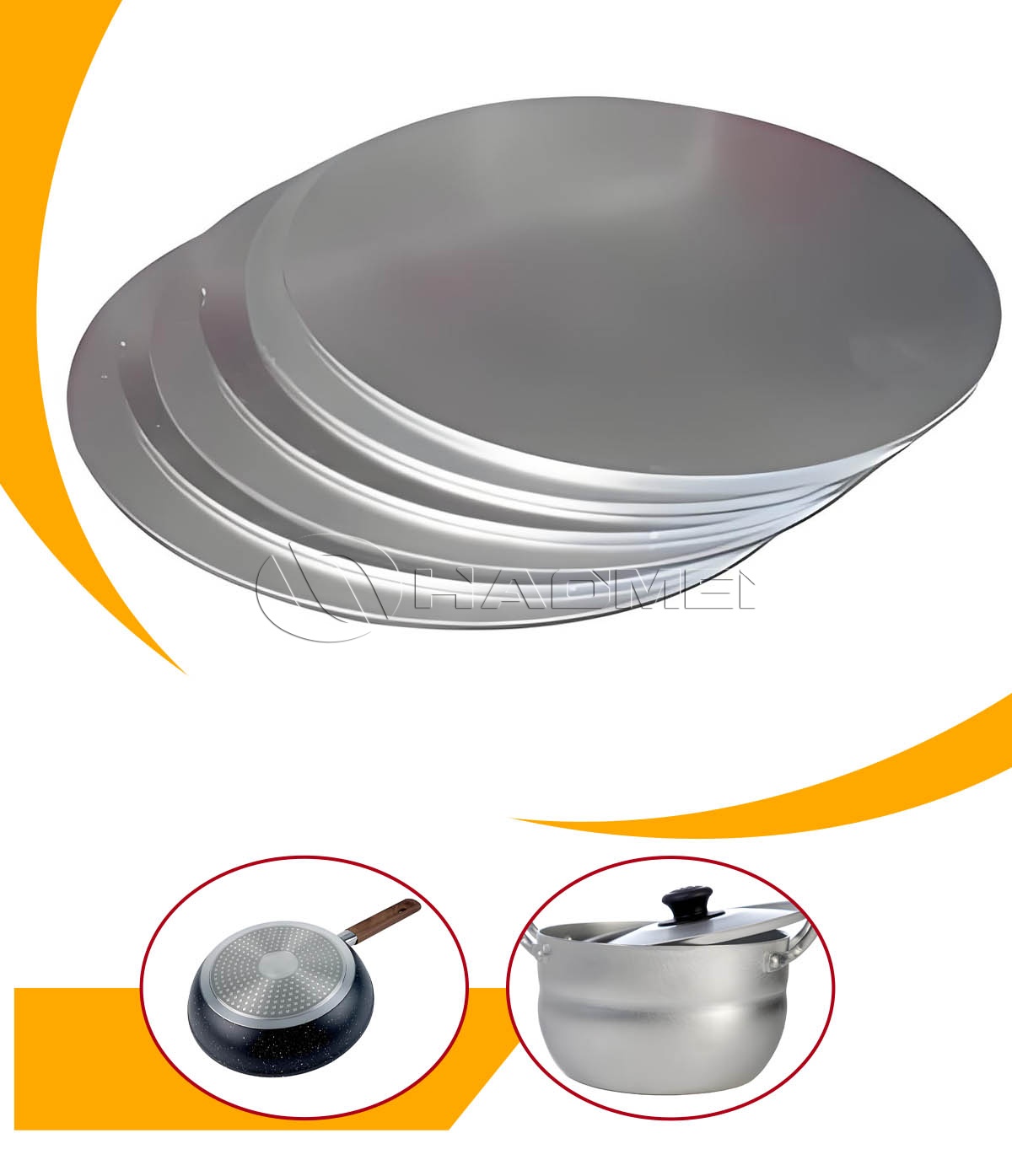
Cookware aluminum circles are commonly subjected to deep drawing, spinning, stamping, trimming, polishing, coating, or anodizing. The surface condition of the starting blank directly influences the appearance and process yield of the finished cookware item. A uniform bright finish helps reduce visible rolling marks, oxidation stains, scratches, oil residues, and other defects that may become more apparent after forming or surface treatment.
In our manufacturing process, bright-finish aluminum circle blanks are produced from selected aluminum coil or sheet with controlled surface cleanliness. We monitor rolling texture, coil handling, lubrication, annealing atmosphere, blanking conditions, and final packaging. This process control enables us to provide a clean and even surface suitable for cookware applications where both functional performance and appearance matter.
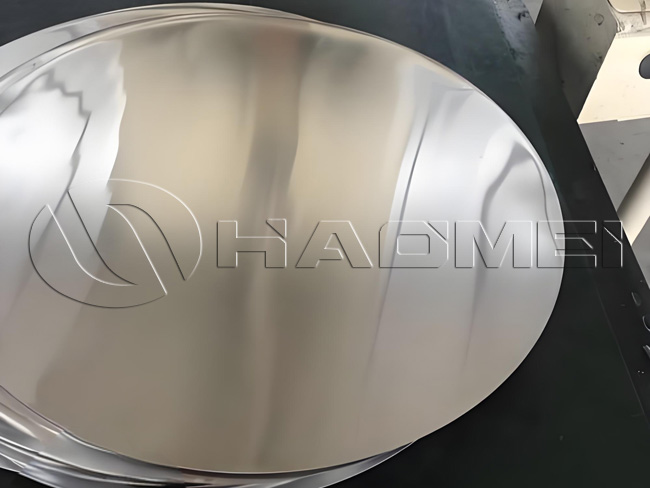
Depending on the requested end use, we can supply mill bright surfaces for subsequent polishing, brushing, anodizing, painting, or non-stick coating. For customers requiring a more reflective decorative substrate, our Mirror Aluminum Circle options can also be evaluated according to the required forming depth and final finish.
The correct alloy depends on cookware design, thickness, forming method, thermal performance requirements, and finishing process. For standard pressed and drawn cookware, 1050, 1060, 1070, 1100, and 3003 aluminum alloys are frequently selected. These grades offer useful combinations of formability, thermal conductivity, corrosion resistance, and surface treatment compatibility.
The 1000 series is widely used where high aluminum content, good heat transfer, and excellent workability are required. Alloy 1050 aluminum circles are a common choice for general cookware, while 1060 and 1070 may be selected for applications requiring higher conductivity or specific material standards. Alloy 1100 provides good formability and corrosion resistance for many household and commercial cookware products.
For cookware that requires greater strength after forming, 3003 aluminum circles are often suitable. The manganese content in 3003 improves strength compared with pure aluminum grades while retaining good drawing and spinning behavior. This alloy is commonly used for deeper cookware bodies, heavier-gauge pans, and products requiring a balance between rigidity and manufacturability.
The following table presents the typical production range for our bright-finish aluminum alloy circles. Final specifications are confirmed according to the cookware drawing depth, tooling design, and processing route.
| Parameter | Typical Specification | Notes |
|---|---|---|
| Alloy | 1050, 1060, 1070, 1100, 3003 | Other grades available by technical review |
| Temper | O, H12, H14, H16, H18 | O temper is preferred for deep drawing and spinning |
| Diameter | 80 mm to 1,400 mm | Customized diameters can be produced |
| Thickness | 0.30 mm to 6.00 mm | Selected based on cookware structure and forming depth |
| Diameter tolerance | Typically +/-0.5 mm to +/-1.0 mm | Depends on diameter, thickness, and order requirement |
| Thickness tolerance | According to applicable material standard | Controlled through rolling and inspection procedures |
| Surface | Bright mill finish, smooth, clean | Free from major scratches, oil stains, and edge damage |
| Edge condition | Cleanly blanked, burr controlled | Important for automated feeding and safe handling |
| Coil source | Hot rolled or cast rolled substrate | Selected according to alloy and end-use requirements |
| Packaging | Paper interleaving, moisture protection, pallets | Export packing available for container shipment |
For cookware manufacturers, forming performance is often the decisive factor when purchasing aluminum circle discs. A circle blank must stretch uniformly during deep drawing without tearing, excessive wrinkling, orange peel, or uneven wall thickness. It must also maintain stable behavior across batches so that press settings and tooling adjustments remain efficient.
We produce deep drawing aluminum circles with particular attention to annealing control. Soft O temper material is commonly selected for deep-drawn pans, pots, bowls, and pressure cooker components because it provides the ductility required for demanding deformation. The annealing process is adjusted to achieve an appropriate grain structure and mechanical balance for the specified alloy and thickness.
For spinning applications, material consistency is equally important. Aluminum circles for spinning cookware must respond predictably as the blank is formed over a mandrel. Stable thickness, smooth edges, and a clean bright surface help reduce processing interruptions and improve the uniformity of the finished item.
Our Aluminum Circles for Cookware are available in specifications developed for both deep drawing and spinning operations. Before production, we can review the intended cookware type, drawing ratio, finished diameter, and coating process to recommend a suitable alloy and temper.
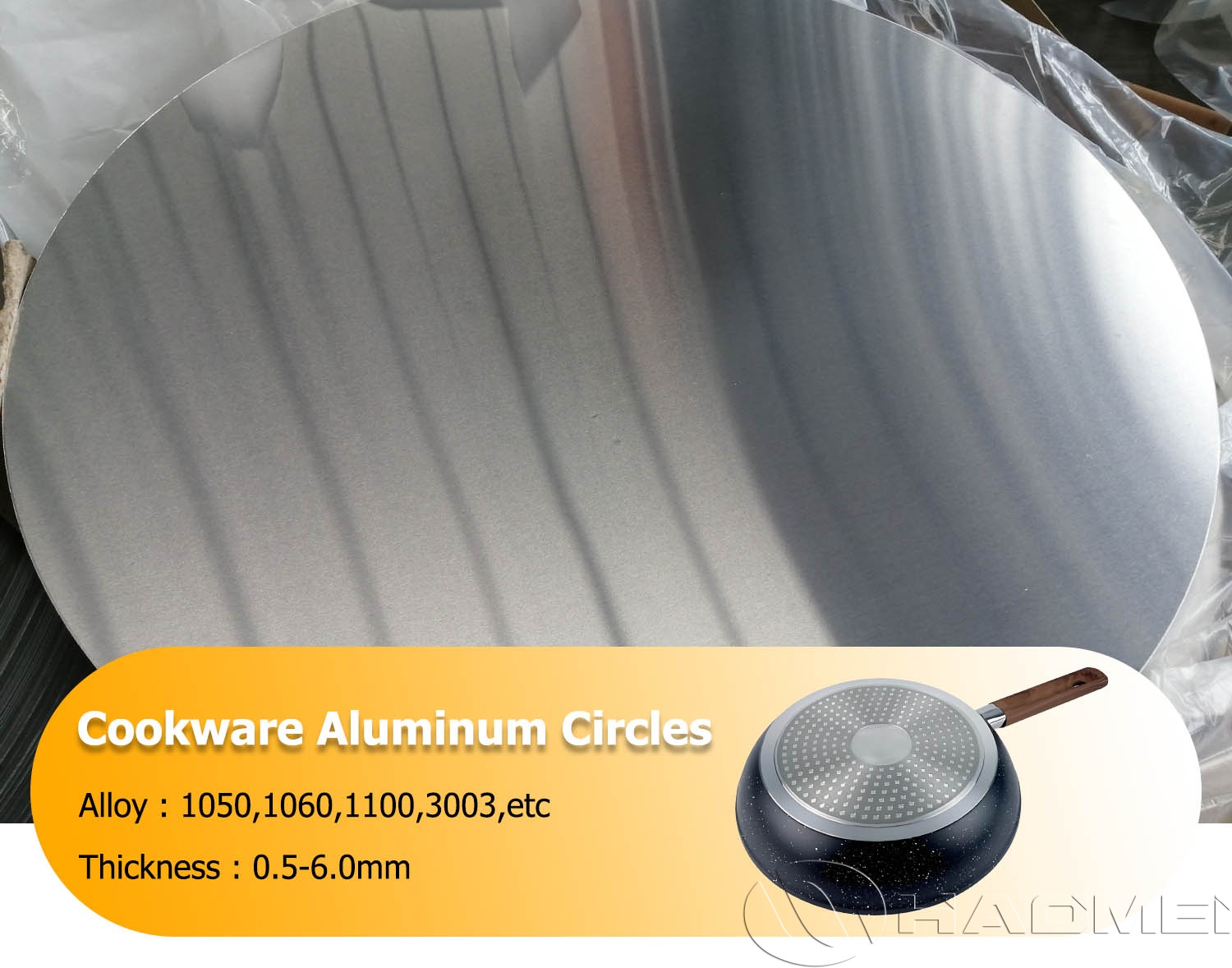
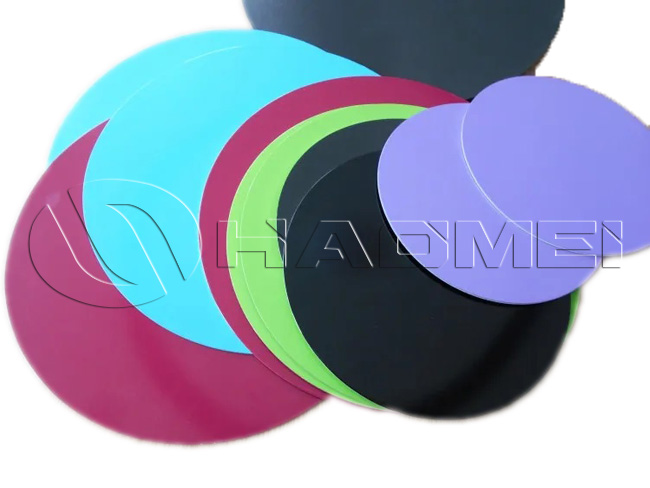
Bright-finish aluminum alloy circles are often used as the base material for coated cookware. A consistent surface supports more stable pretreatment and helps manufacturers achieve uniform performance during anodizing, ceramic coating, PTFE coating, painting, or polishing.
For non-stick cookware, the substrate should be clean and free of contaminants that could interfere with surface preparation. Our production and packing methods are designed to limit handling marks and protect the aluminum disc surface during storage and export transport. Where customers apply anodizing, we pay close attention to surface consistency because rolling marks, local contamination, and uneven metal texture can affect the final appearance.
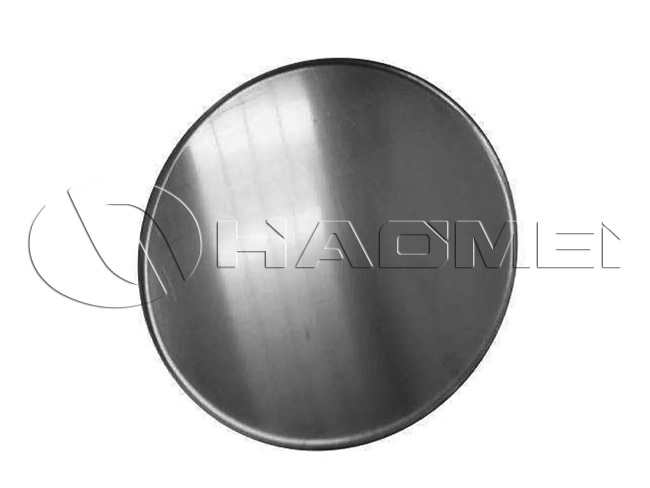
It is important to distinguish between a bright mill finish and a mirror finish. Bright mill-finished cookware aluminum discs have a clean, even metallic appearance and are suitable for most forming and finishing operations. Mirror-finish material is more reflective but may require different handling and protection practices depending on the final product design.
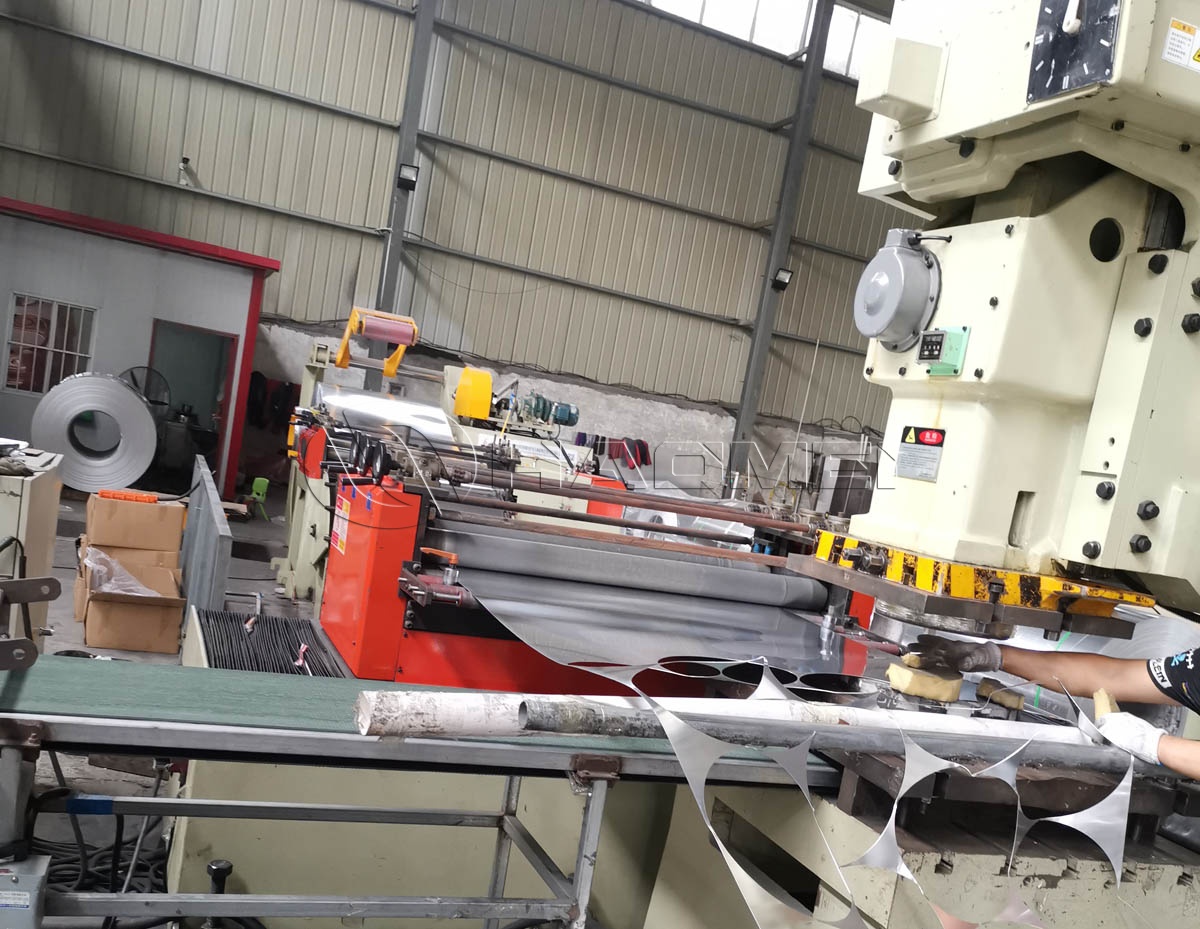
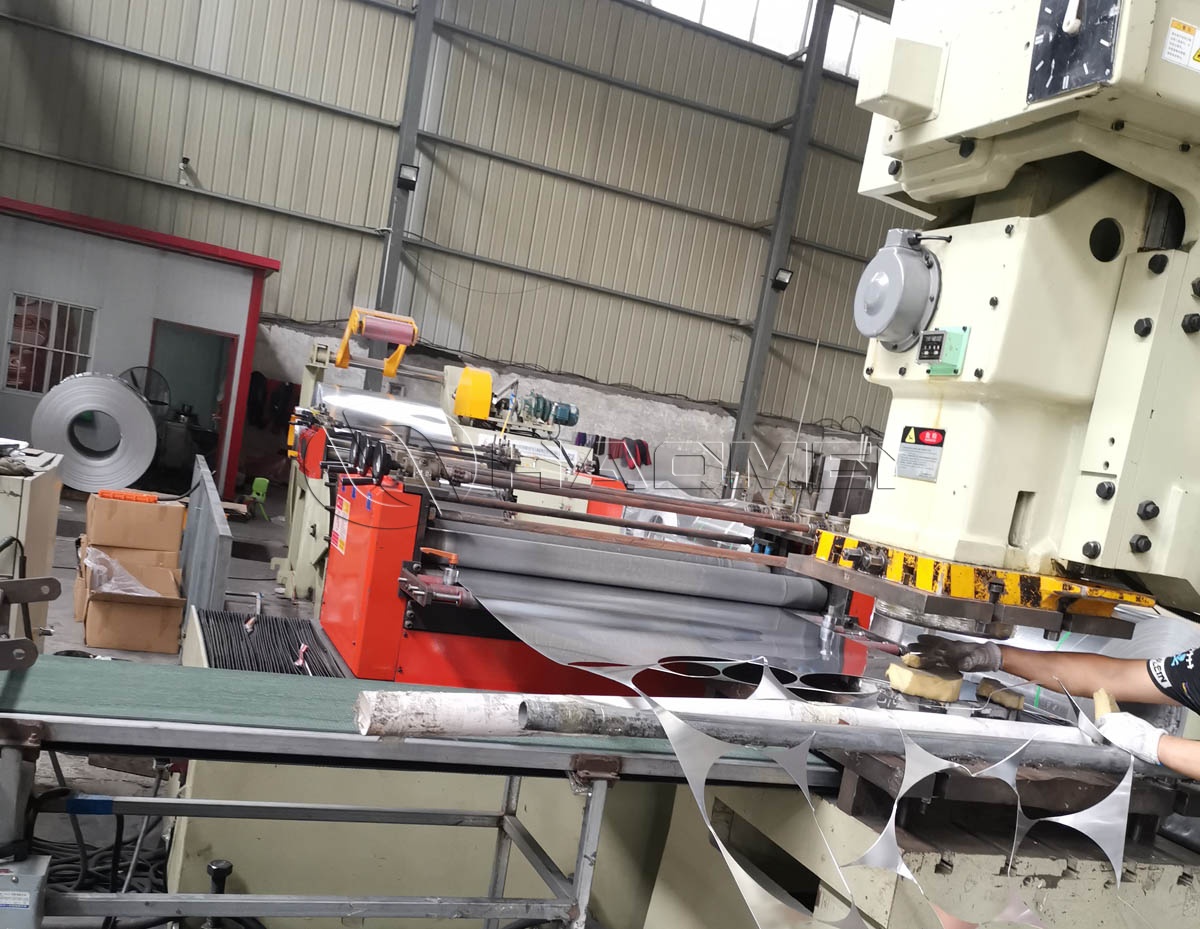
Our aluminum circle manufacturing process begins with qualified aluminum coil or sheet selected according to alloy, temper, thickness, and cookware application. Material is inspected before entering the blanking stage. We then produce circles using precision blanking equipment configured for the requested diameter and edge quality.
Key manufacturing stages include:
Raw material verification for alloy composition, thickness, surface quality, and coil condition.
Rolling and annealing control to achieve the required temper and forming properties.
Precision blanking of aluminum circle discs to the specified diameter.
Edge inspection to control burrs, deformation, and blanking damage.
Surface inspection for scratches, dents, oil residues, oxidation, and other visible defects.
Dimensional inspection of diameter, thickness, flatness, and stacking condition.
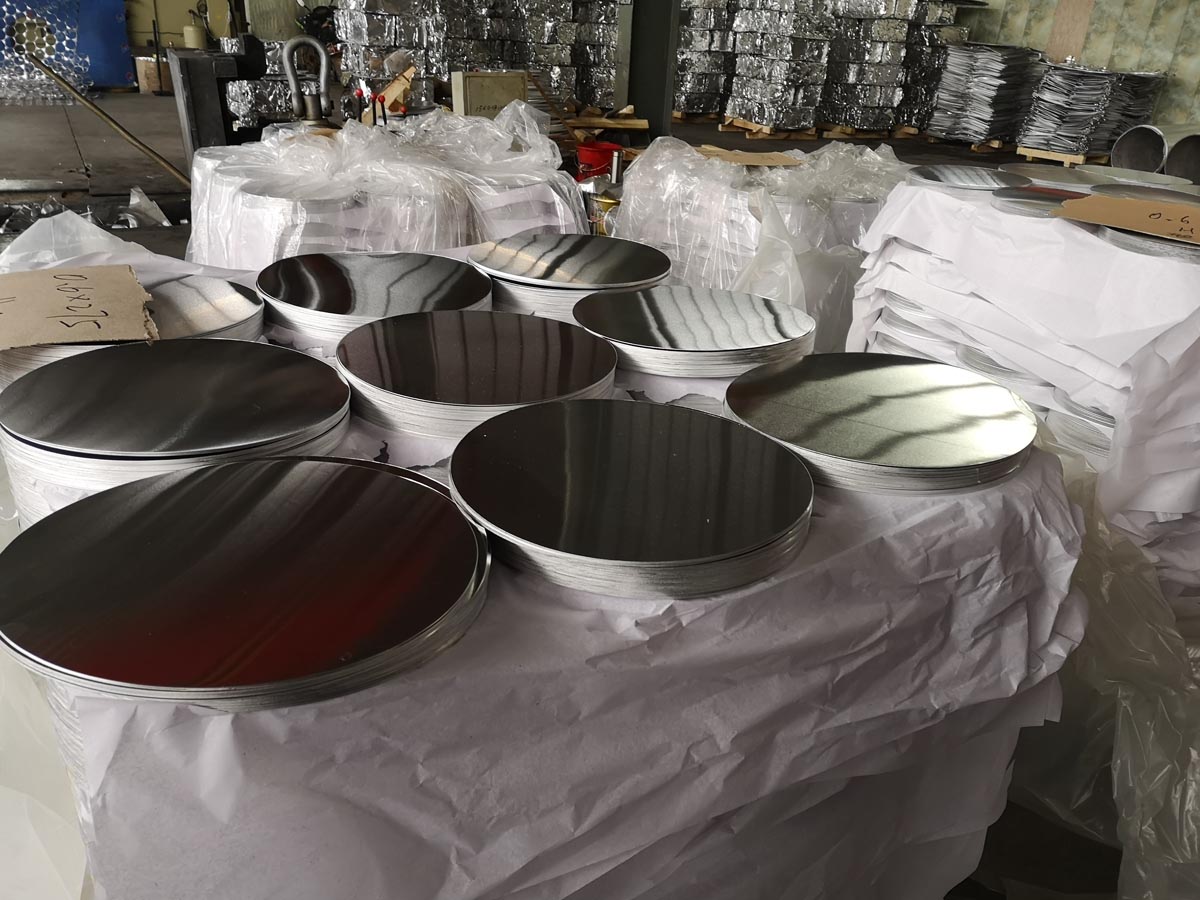
Protective export packaging with interleaving and moisture-resistant materials.
This integrated process allows us to maintain control from raw material selection through finished circle packing. For cookware producers, this approach supports stable incoming material quality and reduces uncertainty in downstream pressing, drawing, spinning, and coating operations.
Our bright-finish aluminum circles are supplied for a broad range of cookware and kitchenware products. The required specification varies according to the forming depth, product size, base thickness, handle design, and final surface treatment.
Common applications include:
Frying pans and saute pans.
Saucepan and stockpot bodies.
Woks and shallow cooking pans.
Pressure cooker components.
Kettles and tea pot bodies.
Pizza pans and baking trays.
Rice cooker inner pots.
Cookware lids, inserts, and accessory components.
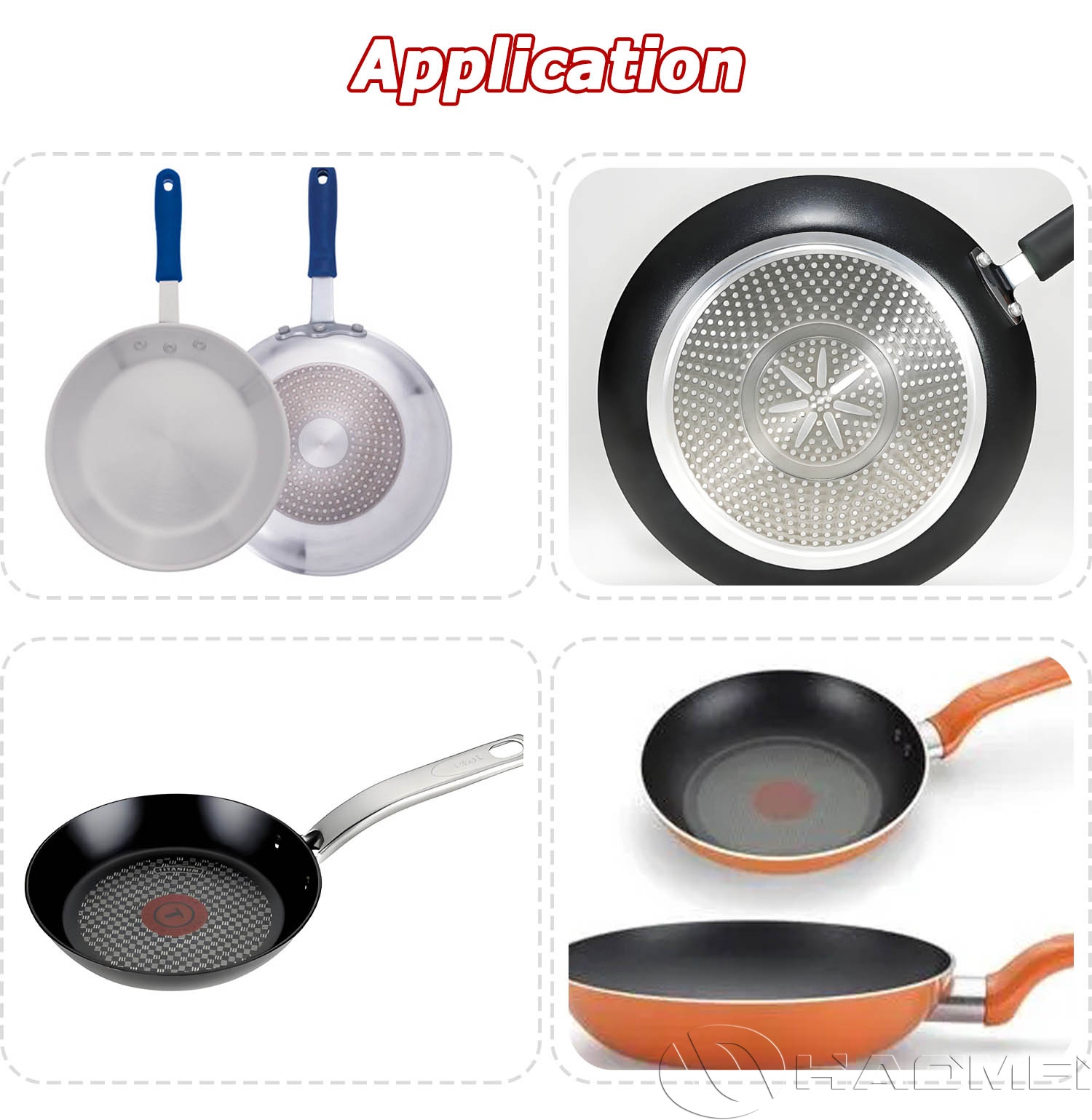
We understand that B2B cookware manufacturers require more than nominal material compliance. They need aluminum circle blanks that can run efficiently on production equipment. Our quality control procedures focus on dimensions, surface condition, edge quality, temper consistency, and packaging integrity.
Each order is checked according to agreed technical requirements. Inspection can include diameter measurement, thickness verification, visual surface evaluation, edge condition assessment, and packing review. For repeat orders, we maintain production records to support consistency between deliveries.
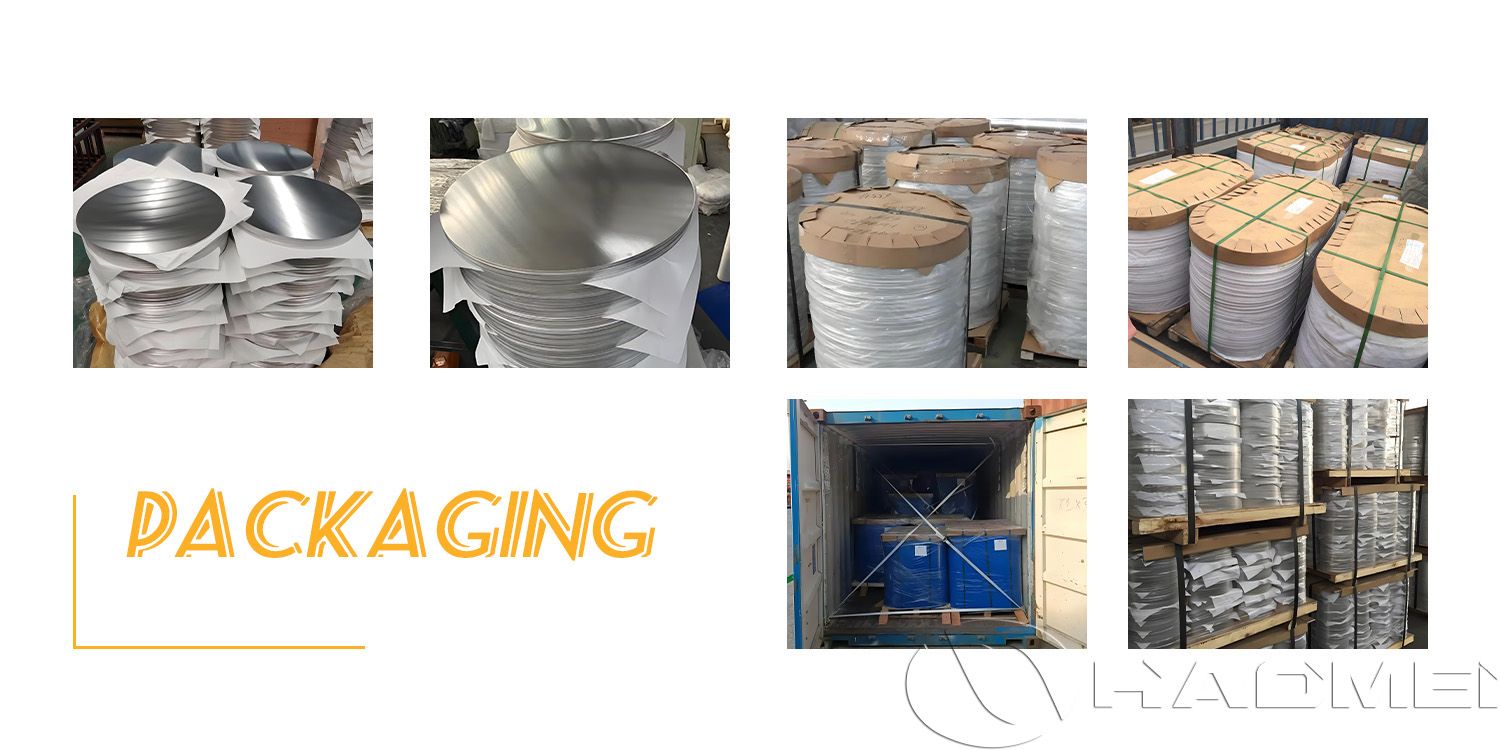
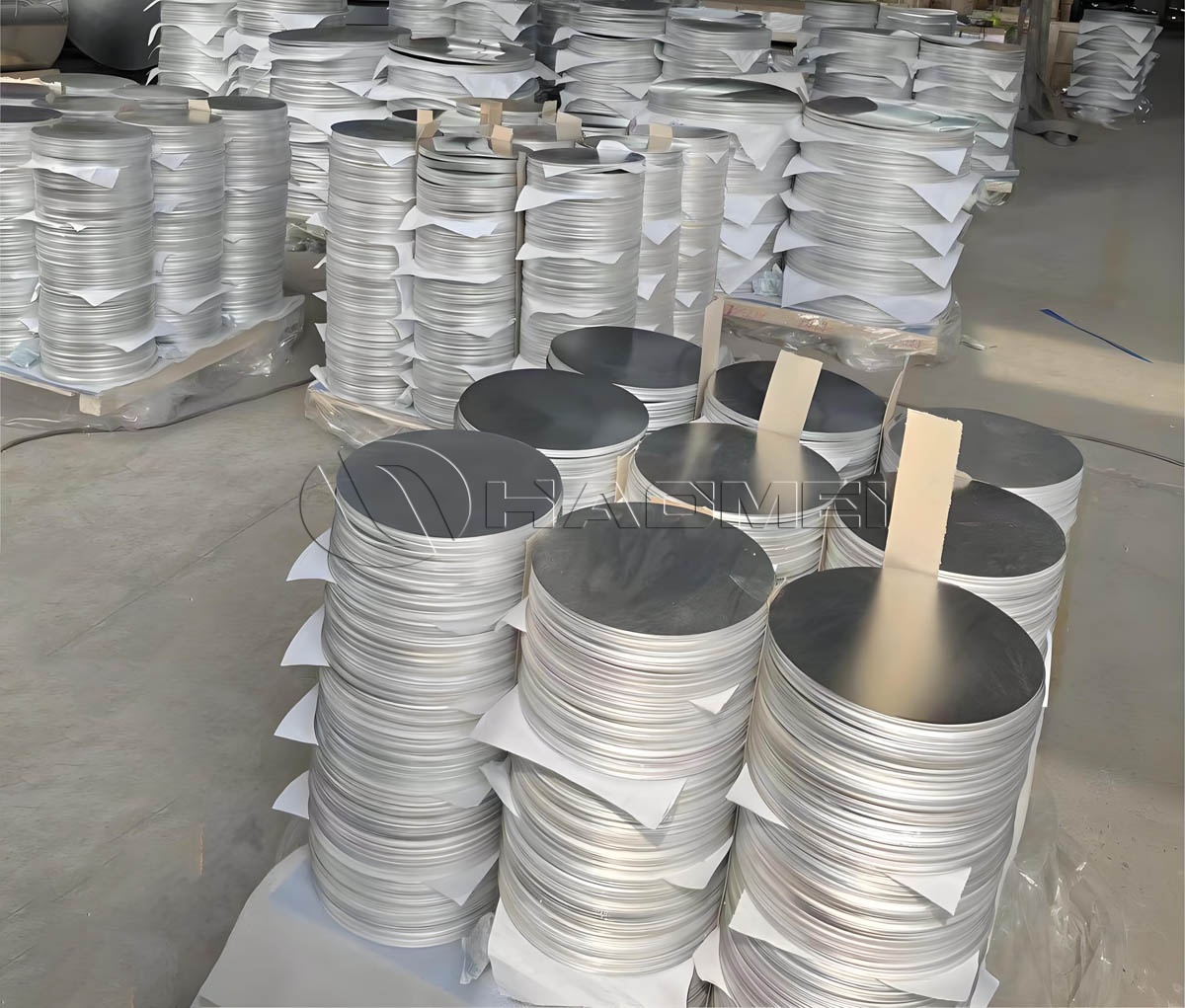
For export shipments, aluminum circles are stacked carefully with protective paper or film where required. Bundles are secured on wooden or non-fumigated pallets, then protected against moisture and movement during ocean or land transport. Packaging details can be adjusted for container loading, customer warehouse handling, and local import requirements.
To prepare an accurate quotation and production proposal, we recommend providing the following information: alloy, temper, diameter, thickness, surface requirement, intended forming process, monthly quantity, and destination port. If the circle will be deep drawn, details such as drawing depth, finished cookware diameter, and tooling method are useful for alloy and temper selection.
As an aluminum circle manufacturer, we work directly with cookware factories to supply bright-finish aluminum alloy circles matched to their production requirements. Our objective is to provide technically suitable material with controlled quality, reliable packaging, and specifications that support efficient cookware manufacturing.

Office Address:
No.14 Waihuan Road, CBD, Zhengzhou, China
Contact Us
HAOMEI Aluminum offer an custom aluminum circle for you!
whatsapp: +86-18703635966
Email: sales@alummc.com
Email: alummc@hotmail.com
Request Free Sample & Quotation
Copyright © 2026 By HAOMEI Aluminum CO., LTD. All Rights Reserved. Sitemap
 +86-18703635966
 sales@alummc.com
 8618703635966
