
 No.14 Waihuan Road, CBD, Zhengzhou, China
 +86-18703635966

No.14 Waihuan Road, CBD, Zhengzhou, China
+86-18703635966
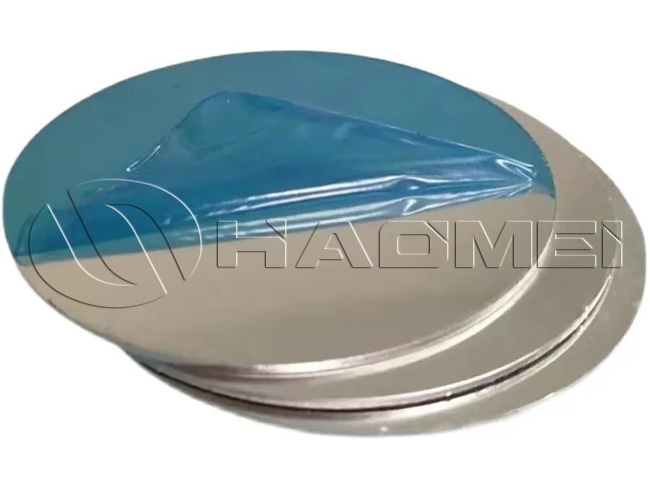
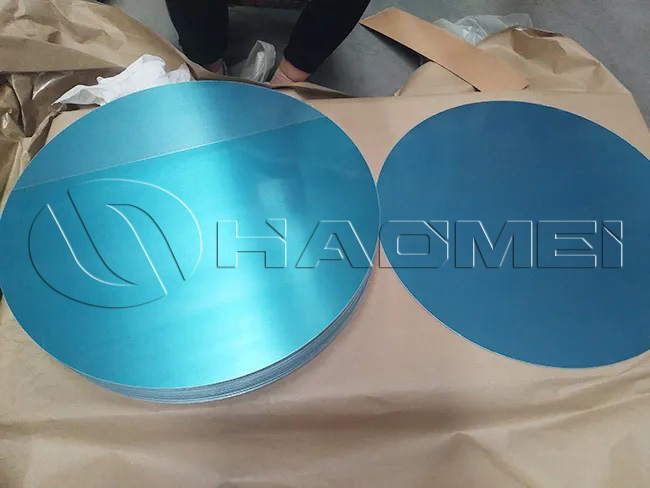
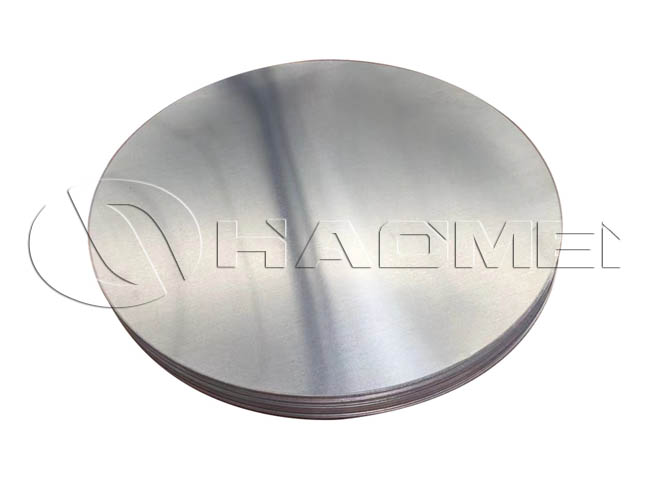
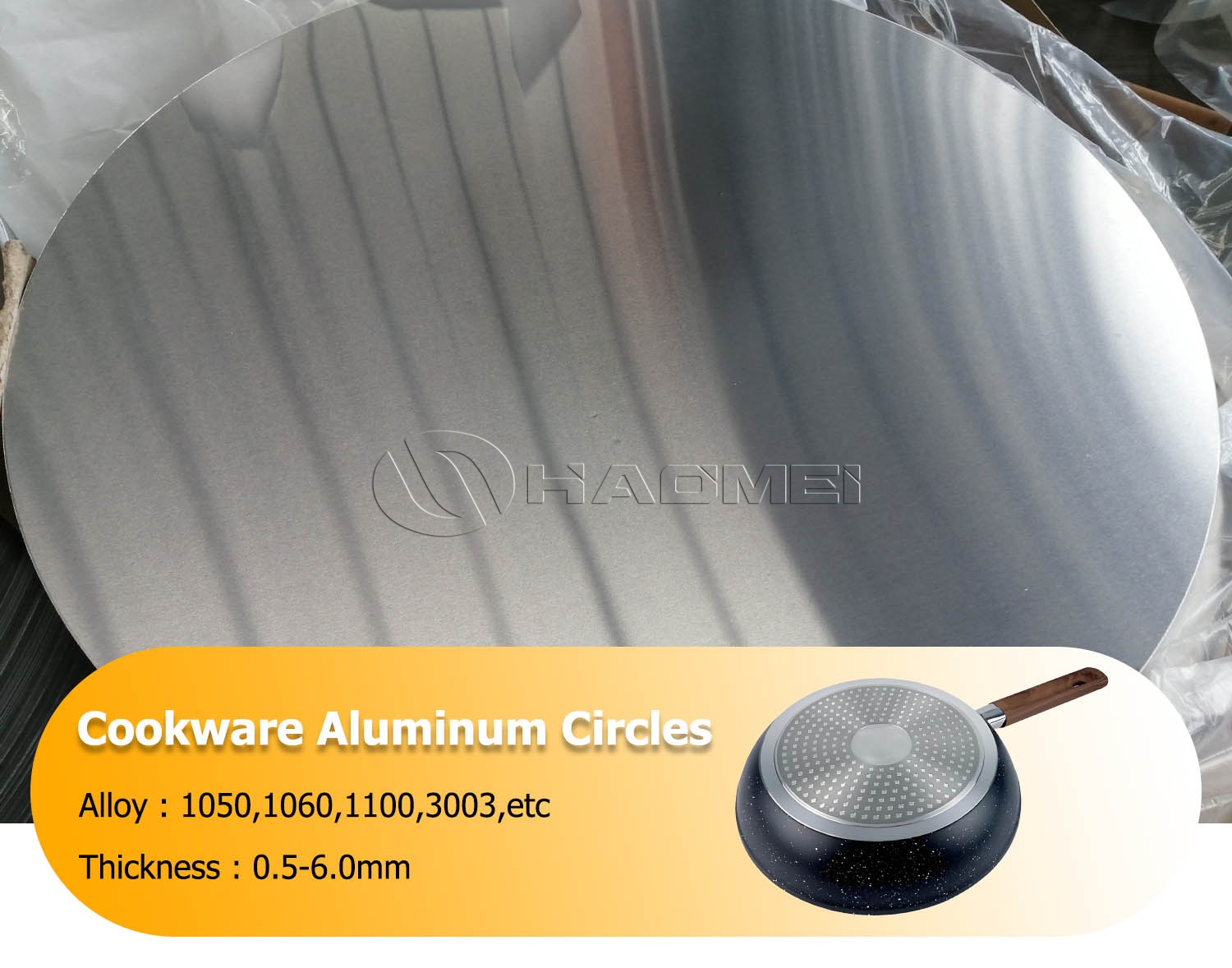
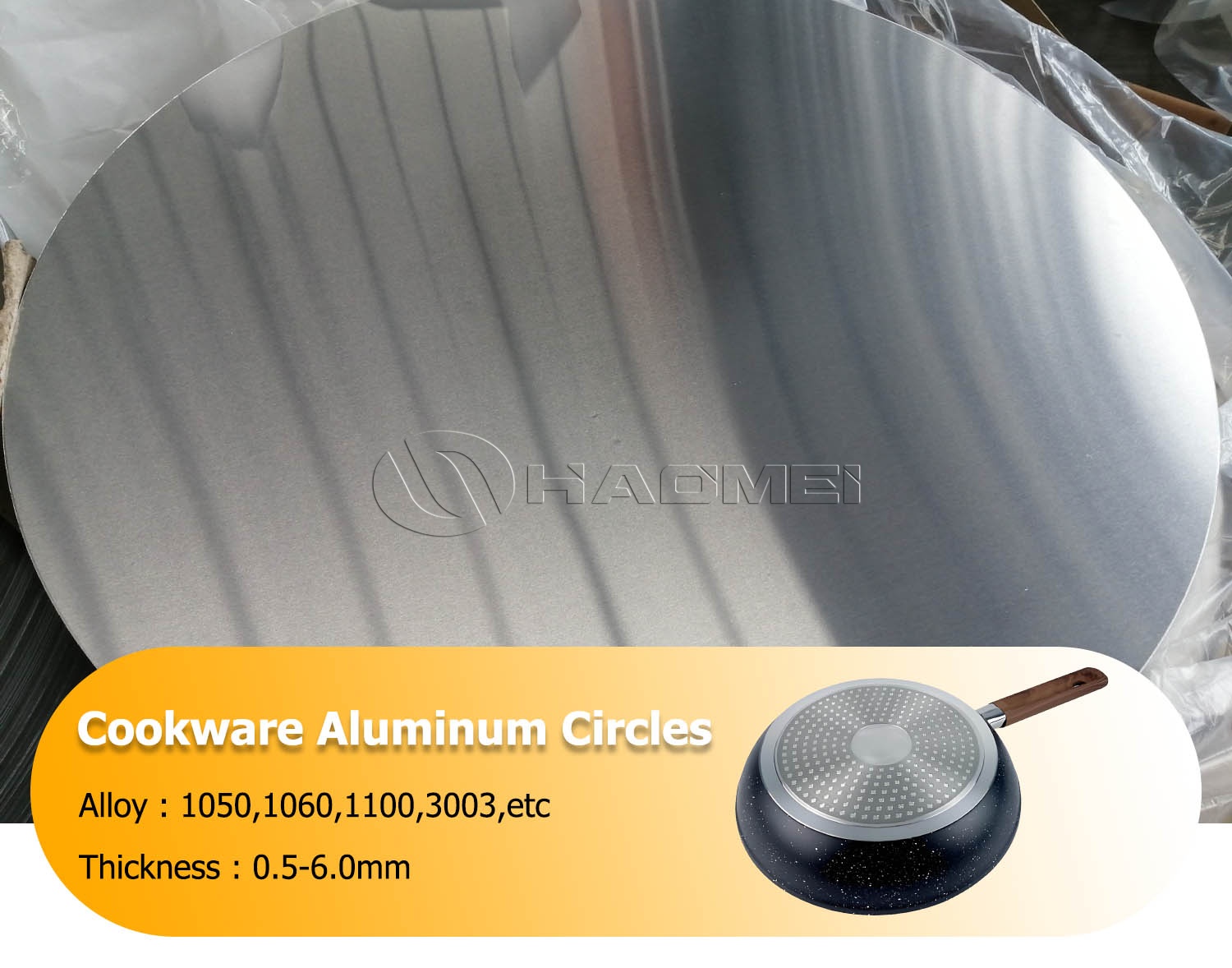
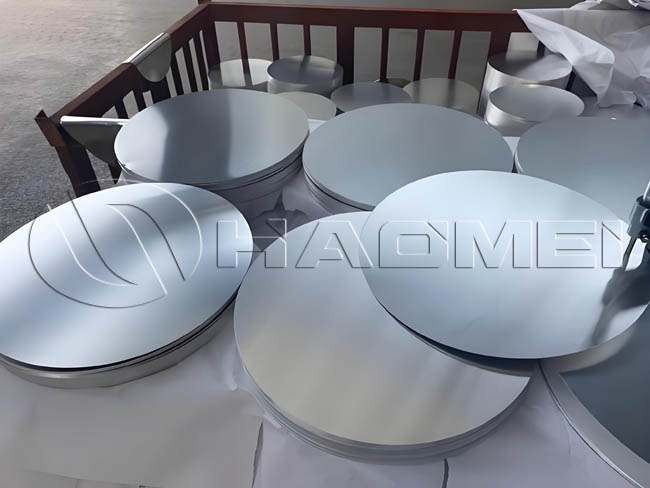
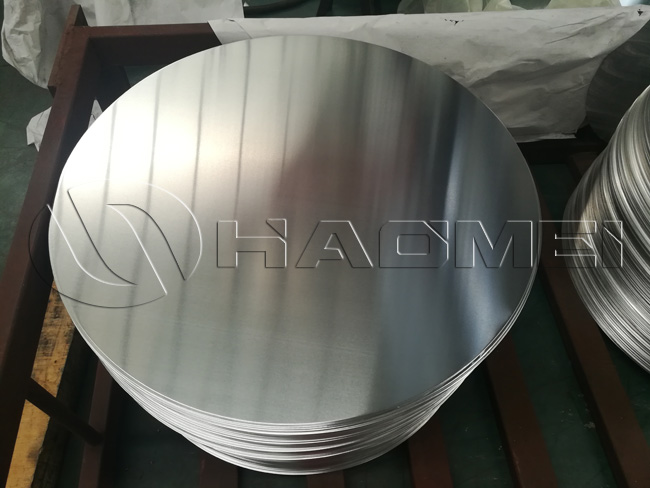
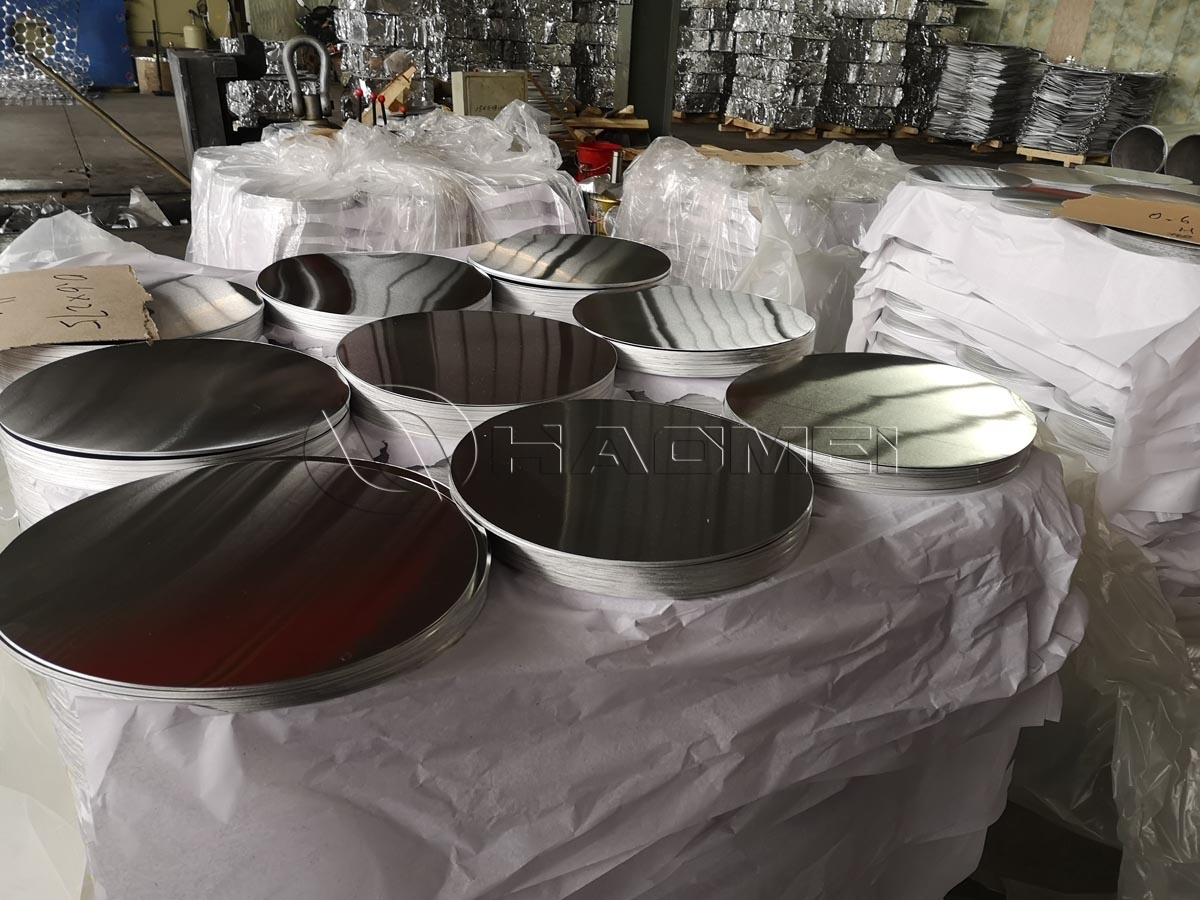
Aluminum circles, also called aluminum discs, are a foundational semi-finished product for deep drawing, metal spinning, stamping, and impact extrusion. As a manufacturer producing coils, sheets, and subsequently blanked circles, we see one decision repeatedly determine downstream yield: alloy selection.
Among the most requested grades, 3003 and 1050 represent two different design philosophies. 1050 is a commercially pure aluminum with very high aluminum content, valued for formability, reflectivity, and conductivity. 3003 is an Al-Mn alloy designed for stronger mechanical performance while retaining good forming behavior.
This article compares 3003 vs 1050 aluminum circles from a factory perspective, focusing on how composition influences forming windows, surface finish, corrosion resistance, and process stability in cookware, lighting, signage, and industrial components.
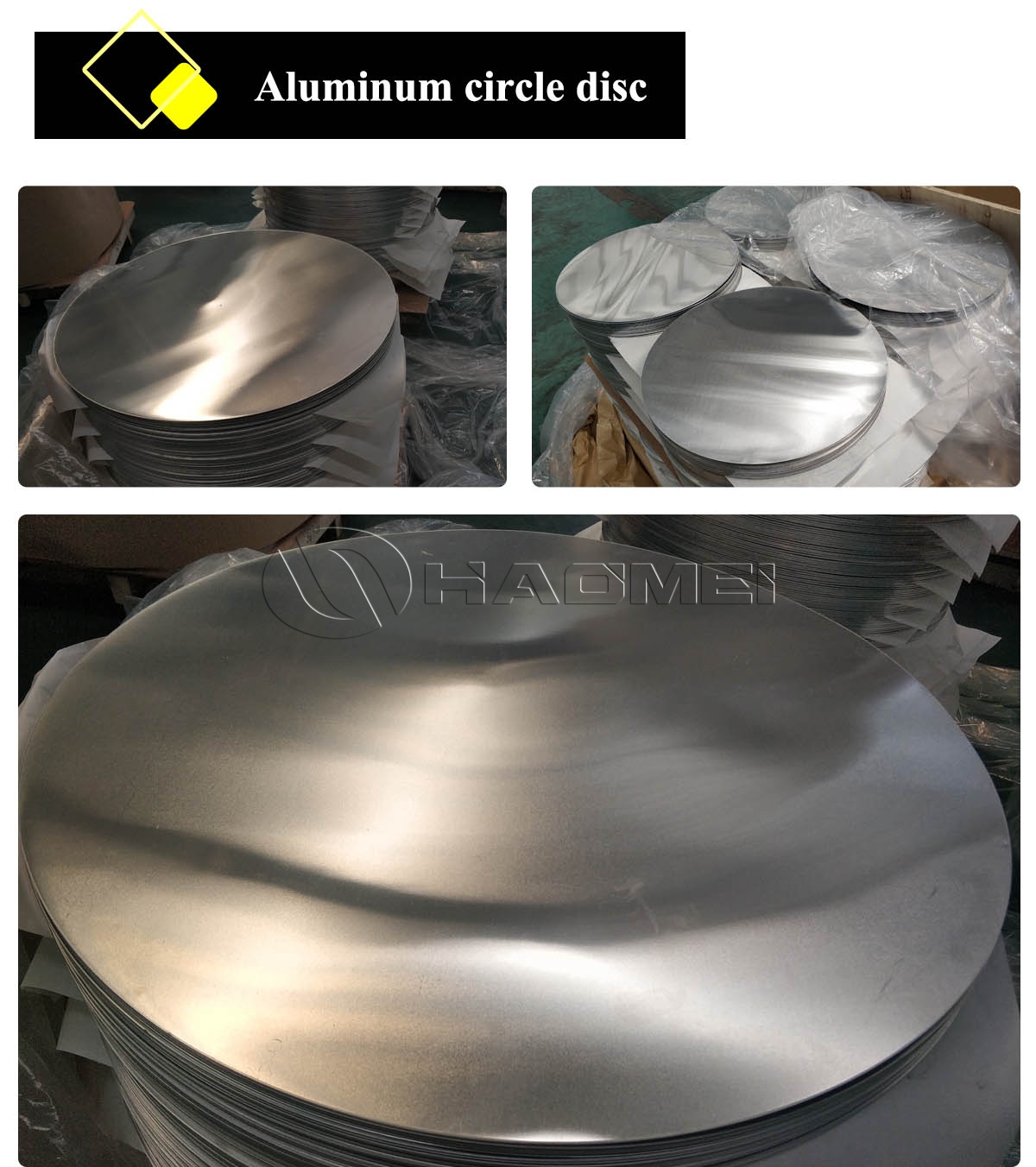
We manufacture aluminum circles by processing hot-rolled or continuous-cast feedstock through cold rolling, annealing (as required), leveling, surface finishing, and precision blanking. For applications such as cookware bottoms or lamp reflectors, the circle is not the final part, but the starting blank. Therefore, the most important requirements are:
Consistent mechanical properties lot to lot for stable drawing and spinning
Clean, uniform surface to minimize post-polishing and coating defects
Tight thickness and diameter tolerances to control tool loads
Controlled burr height and edge condition to reduce cracking and galling
From this standpoint, 1050 aluminum circles and 3003 aluminum circles are both suitable, but they behave differently in tools and in subsequent surface treatments.
1050 belongs to the 1xxx series. Its key feature is purity, which typically delivers:
Excellent ductility and formability
High reflectivity for bright, anodized, or mirror-finish products
High thermal and electrical conductivity
Good corrosion resistance in many environments
In practice, 1050 is often specified for lighting reflectors, simple drawn parts, and applications where surface appearance and conductivity are primary.
3003 belongs to the 3xxx series and contains manganese as the principal alloying element. This increases strength and improves resistance to certain forms of deformation compared with pure aluminum, while maintaining strong forming capability.
3003 is widely used for cookware, pressure cooker components, kitchenware, and general deep drawn or spun parts that benefit from higher strength and better dent resistance than 1050.
For buyers who require a standard 3xxx option, our 3003 Aluminum Circle supply supports common cookware and spinning routes with controlled grain structure and surface quality.
The following table summarizes typical factory-controlled parameters and performance trends for 3003 vs 1050 aluminum circles. Final values depend on temper, thickness, and applicable standards.
| Item | 1050 Aluminum Circle | 3003 Aluminum Circle |
|---|---|---|
| Alloy series | 1xxx | 3xxx |
| Main alloying concept | High-purity Al | Al-Mn |
| Typical temper supply | O, H12, H14, H24 (as required) | O, H12, H14, H24 (as required) |
| Formability (deep drawing, spinning) | Excellent, wide forming window | Very good, more strength, slightly higher forming force |
| Strength level (relative) | Lower | Higher |
| Surface reflectivity potential | Very high, suitable for bright finish | Good, typically less reflective than 1050 for mirror-type targets |
| Thermal conductivity (relative) | Higher | Lower than 1050 |
| Corrosion resistance | Good | Good, often robust in general service |
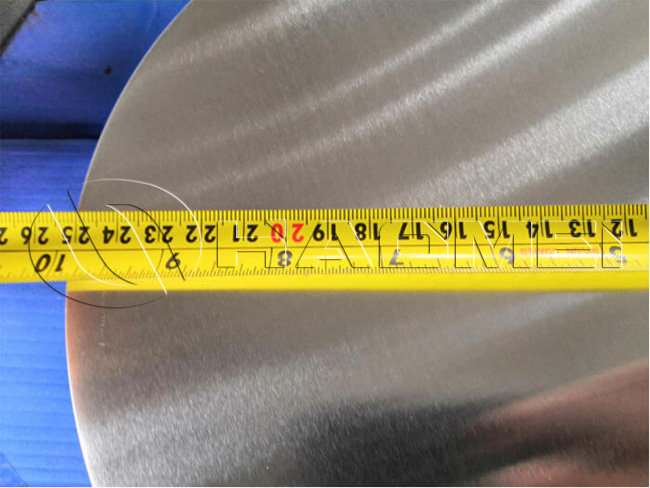
| Typical thickness range for circles (factory capability) | 0.3 to 6.0 mm (project dependent) | 0.3 to 6.0 mm (project dependent) |
| Typical diameter range (factory capability) | 80 to 1200 mm (project dependent) | 80 to 1200 mm (project dependent) |
| Edge and burr control | Low burr with optimized blanking tools | Low burr with optimized blanking tools |
| Best-fit applications | Reflectors, light covers, simple drawn parts, conductive plates | Cookware, deep drawn and spun parts needing higher strength |
Note: For design release, we recommend confirming mechanical property targets (tensile, yield, elongation) by temper and thickness, and matching them to your tool design and lubrication system.
1050: Typically allows deeper draws at lower forming forces. It is forgiving for complex shapes and reduces risk of tearing when lubrication and die radii are not fully optimized.
3003: Requires slightly higher forming force but provides better rigidity in the finished part. In cookware, this often translates to improved dent resistance and dimensional stability.
Earing tendencies depend on rolling texture, annealing practice, and temper. In production, we manage:
Coil-to-coil consistency by controlling reduction schedules
Recrystallization behavior through annealing profiles
Grain size distribution to support stable drawing and spinning
For critical cookware and anodized parts, specifying a controlled grain requirement and validating with trial runs is more effective than relying on alloy name alone.
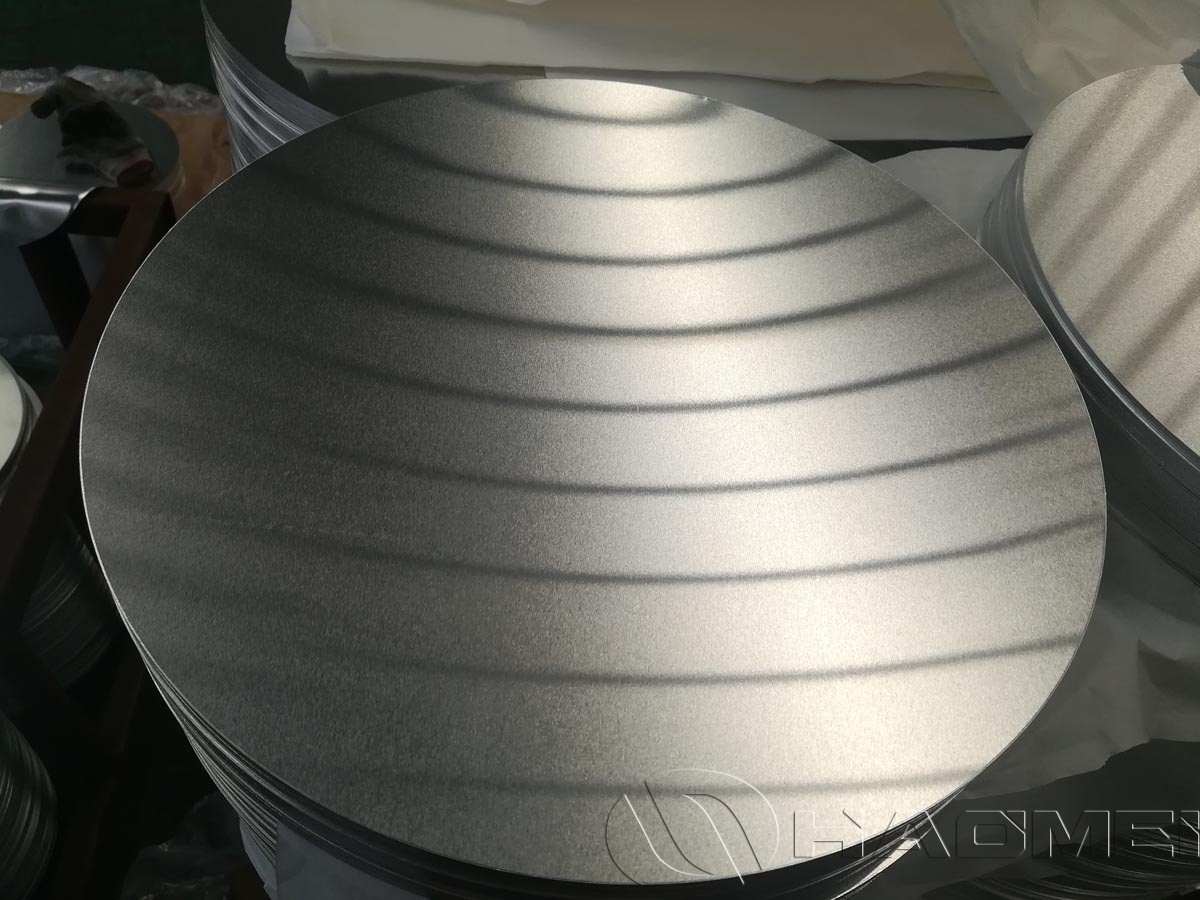
1050 is commonly selected when the circle will be bright anodized, polished, or used as a reflector. Its purity supports cleaner appearance after surface finishing.
3003 is often selected when the part will be non-stick coated, painted, or used in functional cookware. Surface requirements remain strict, but the use case tends to prioritize forming reliability and strength.
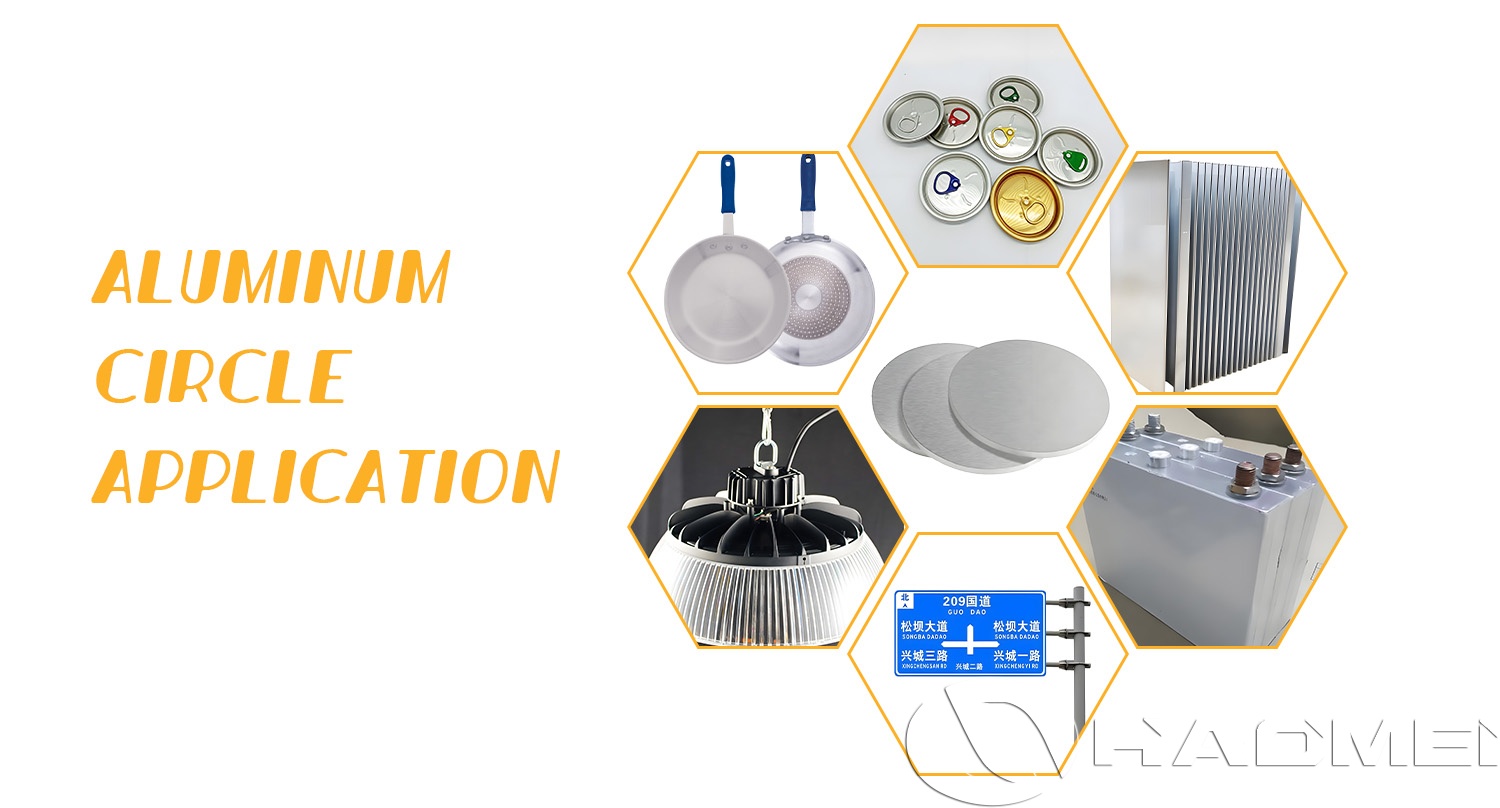
Pots, pans, pressure cooker components
Non-stick coated bases and lidsnCommon choice: 3003 aluminum circle is frequently selected for better mechanical robustness during use. 1050 is used when maximum formability or specific surface appearance is required.
Lamp reflectors, shades, decorative lighting components
Common choice: 1050 aluminum circle is often preferred for reflectivity and surface finishing potential.
Road signs, nameplates, covers, shallow drawn components
Common choice: both alloys are used. Selection depends on strength needs, forming depth, and surface treatment plan.
Spun housings, covers, simple enclosures, conductive plates
Common choice: 1050 when conductivity and formability dominate, 3003 when additional strength is beneficial.
While 3003 vs 1050 covers many standard aluminum disc applications, there are cases where another alloy provides a better fit:
1060/1070: higher purity than 1050, used when reflectivity or conductivity is even more critical.
3004/3105: higher strength options within the 3xxx series, sometimes used for components requiring more rigidity.
5052 (5xxx): stronger and more corrosion resistant in certain environments, but typically less forgiving for deep drawing than 1050 and may require different tooling and process windows.
From a manufacturing perspective, moving away from 1050 toward higher alloy content generally increases forming force requirements and may narrow the safe process window, especially for aggressive deep draws.
Choose 1050 aluminum circles when:
Your part demands maximum ductility for deep drawing or complex spinning
High reflectivity or bright anodized appearance is a key requirement
Thermal or electrical conductivity is important
Choose 3003 aluminum circles when:
You need better dent resistance and higher strength in the finished component
Your process is deep drawing or spinning with moderate to high mechanical demands
The part will be coated or painted, and ultra-high reflectivity is not the priority
For high-volume programs, we recommend a small pilot run with your actual tooling and lubrication. Minor adjustments in temper and surface condition often deliver measurable improvements in scrap rate.
As a manufacturing source for aluminum circles and discs, our role is to deliver consistent metallurgy, controlled surface quality, and repeatable forming performance. Whether your program requires 1050 aluminum circles for reflectors or 3003 aluminum circles for cookware and deep drawn components, we support:
Stable production scheduling for long-term supply
Lot traceability and standard-compliant inspection documentation
Engineering support on temper selection, forming behavior, and surface requirements
Custom diameters, thicknesses, and packaging aligned with your production line
If you share your part drawing, forming route, and target temper, our technical team can propose a practical alloy and specification set to improve yield and maintain consistent mass production.

Office Address:
No.14 Waihuan Road, CBD, Zhengzhou, China
Contact Us
HAOMEI Aluminum offer an custom aluminum circle for you!
whatsapp: +86-18703635966
Email: sales@alummc.com
Email: alummc@hotmail.com
Request Free Sample & Quotation
Copyright © 2026 By HAOMEI Aluminum CO., LTD. All Rights Reserved. Sitemap
 +86-18703635966
 sales@alummc.com
 8618703635966
