
 No.14 Waihuan Road, CBD, Zhengzhou, China
 +86-18703635966

No.14 Waihuan Road, CBD, Zhengzhou, China
+86-18703635966
In cookware and light industrial manufacturing, buyers often face repeat issues that appear late in production: uneven anodized appearance, coating adhesion problems on non-stick lines, orange peel after forming, earings during deep drawing, and inconsistent flatness that complicates automated feeding. These problems are rarely solved by changing only the coating recipe or tooling. In many cases, the root cause is the aluminum disc itselfits alloy selection, temper, cleanliness, grain structure control, and the way the surface is prepared for anodizing and subsequent non-stick systems.
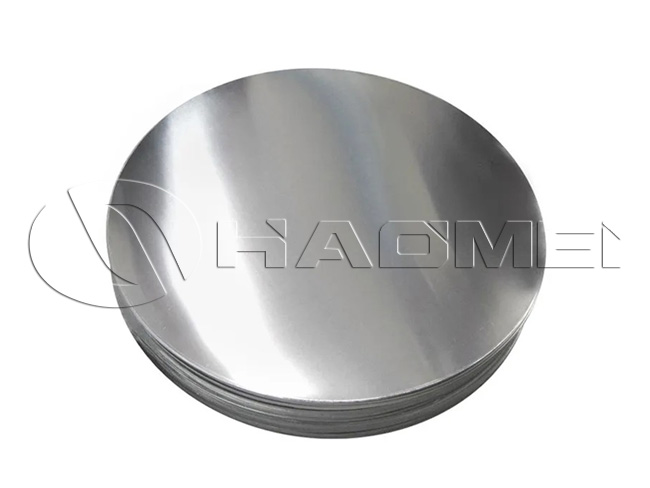
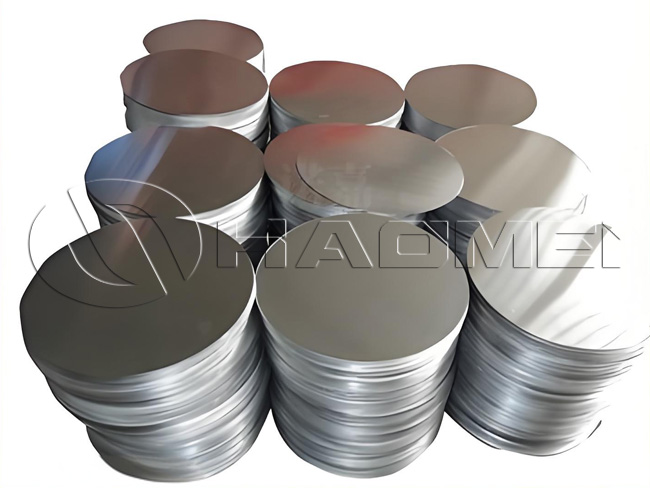
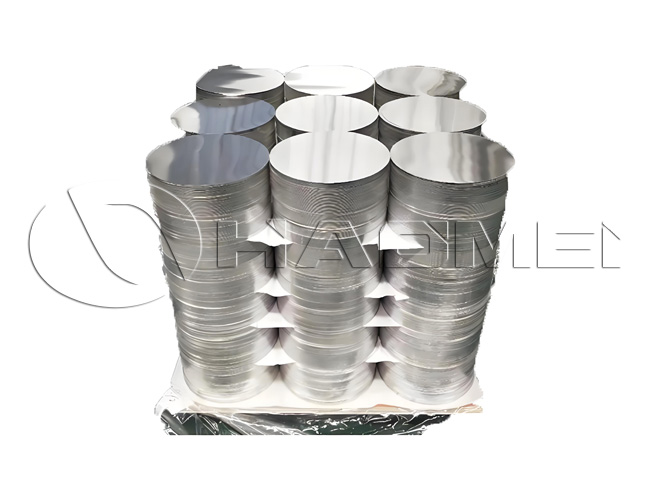
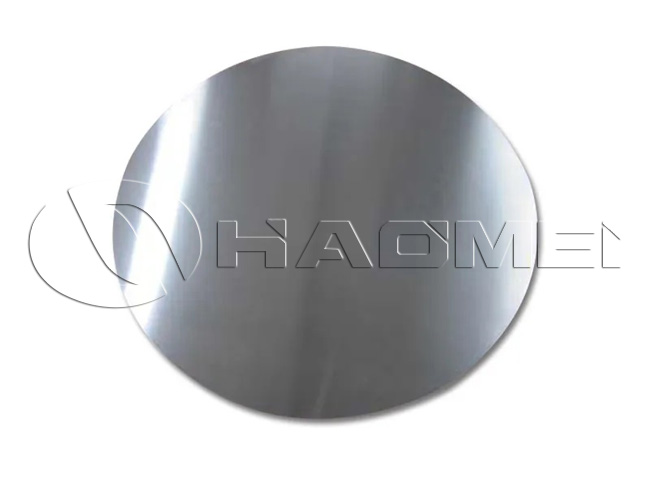
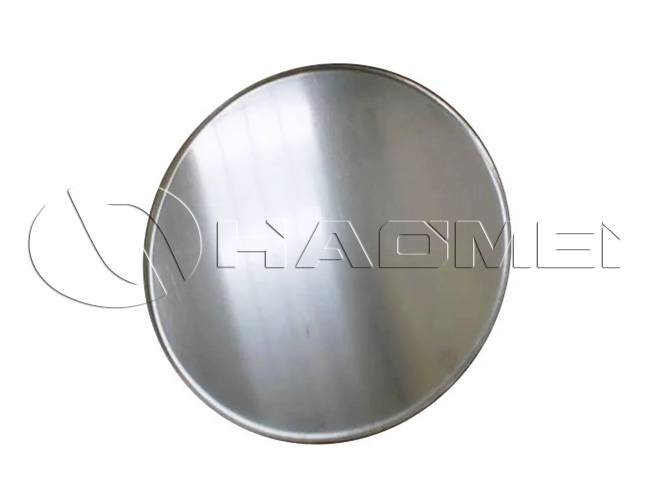
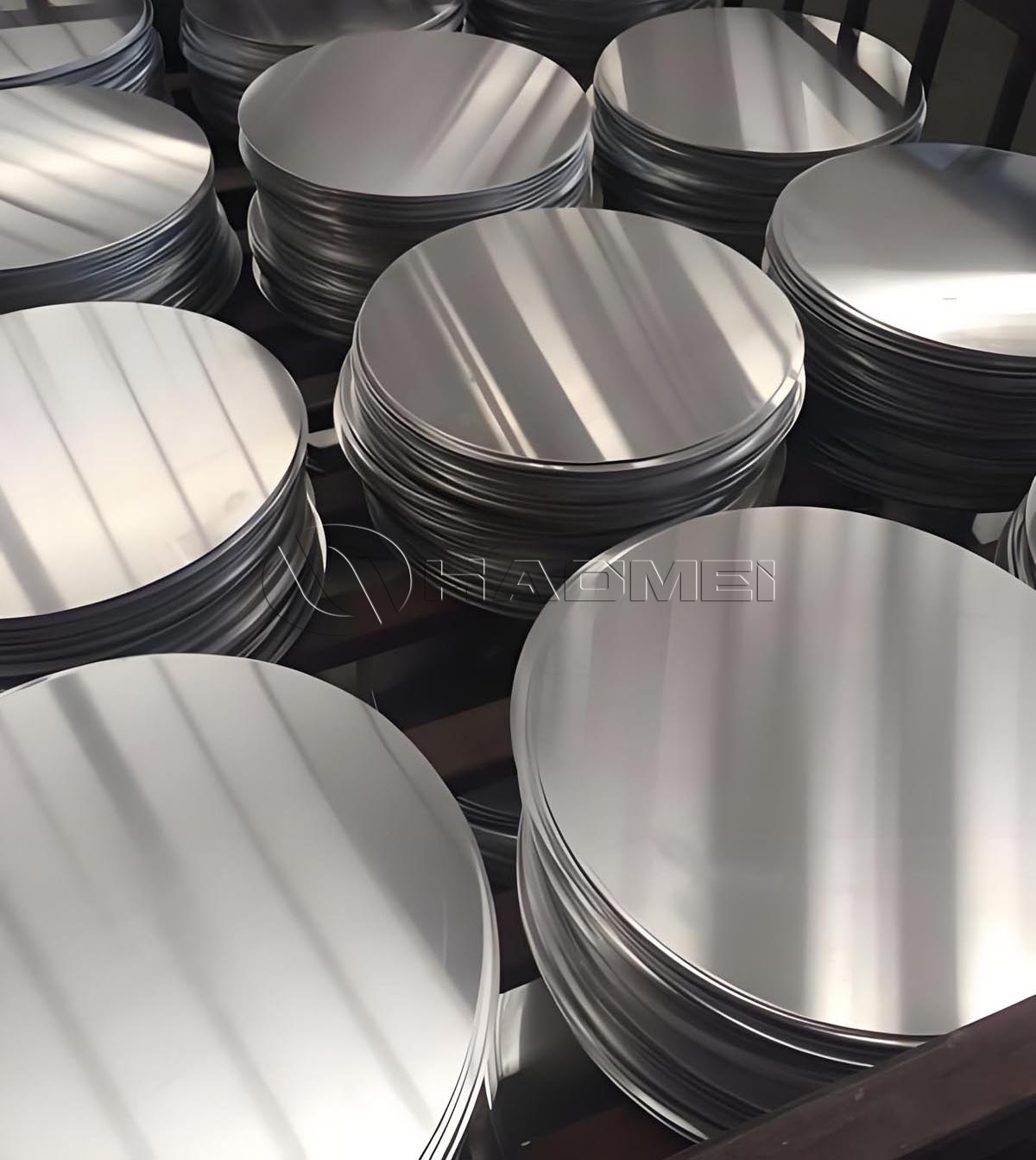
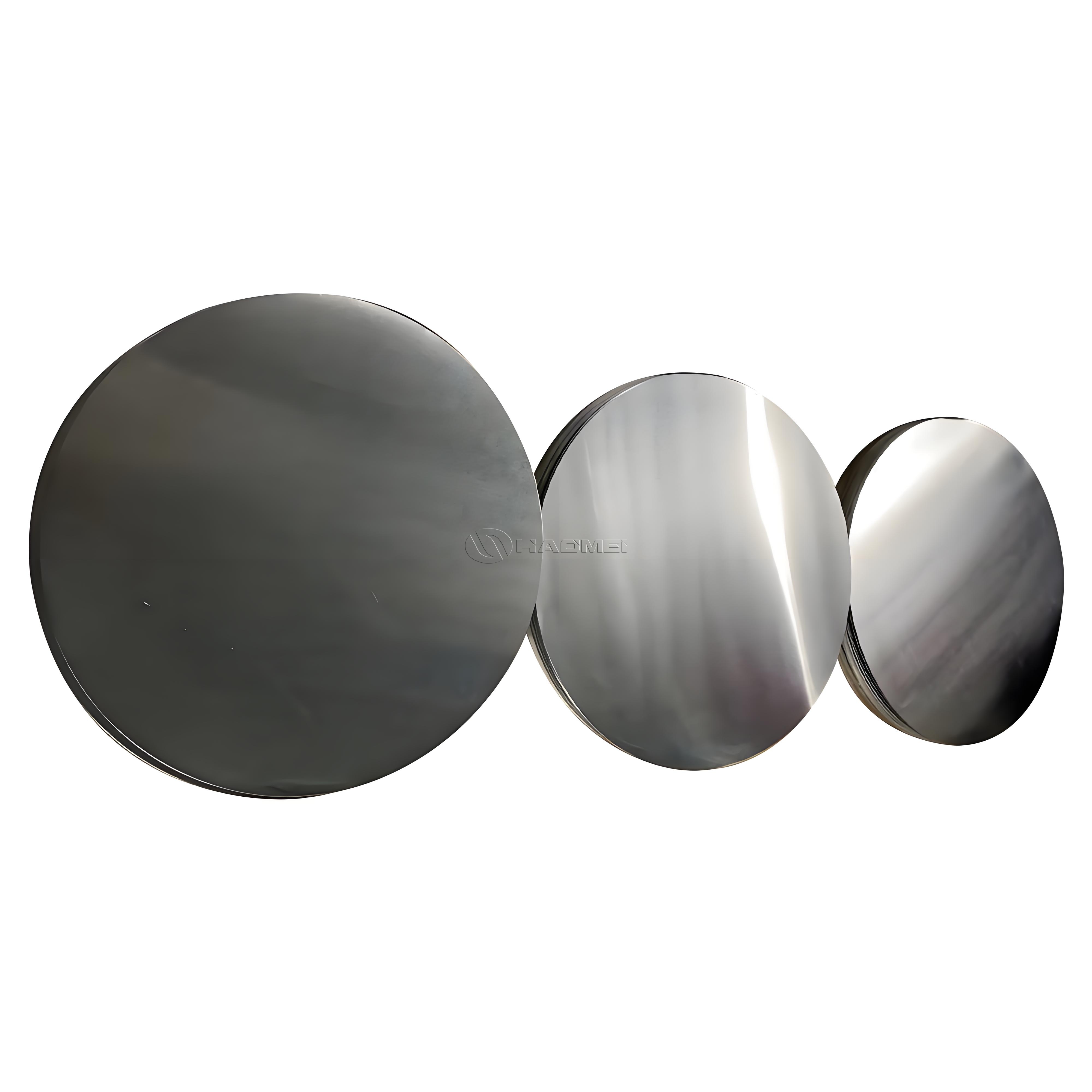
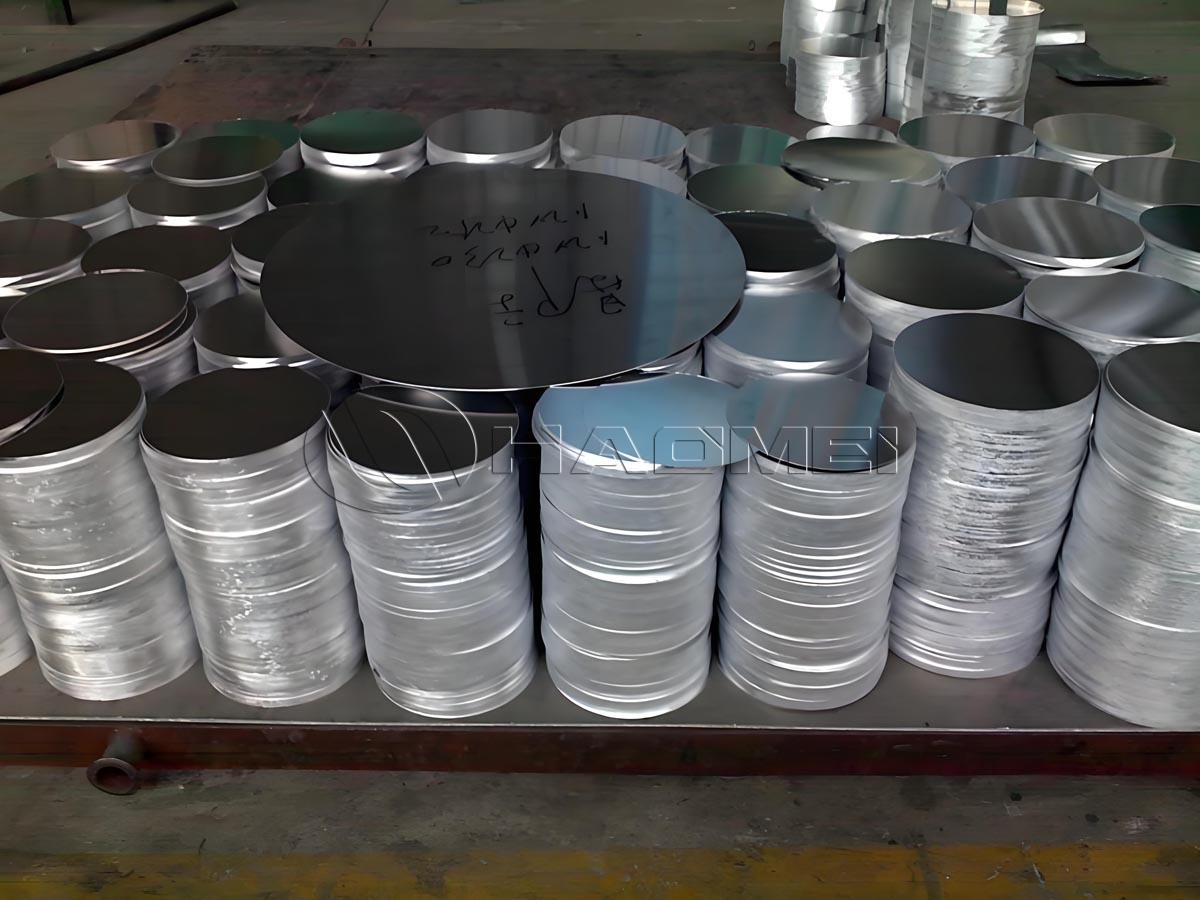
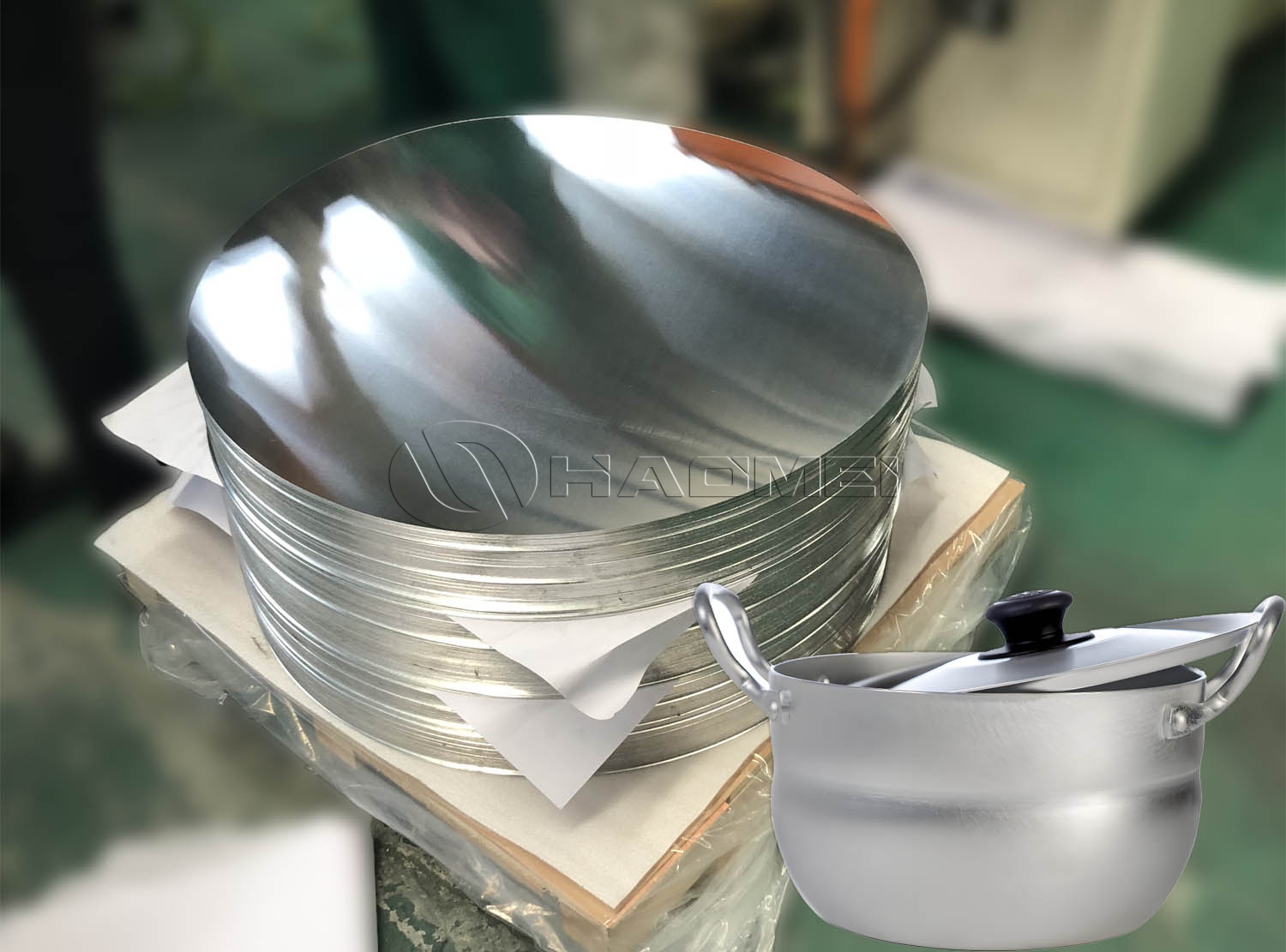
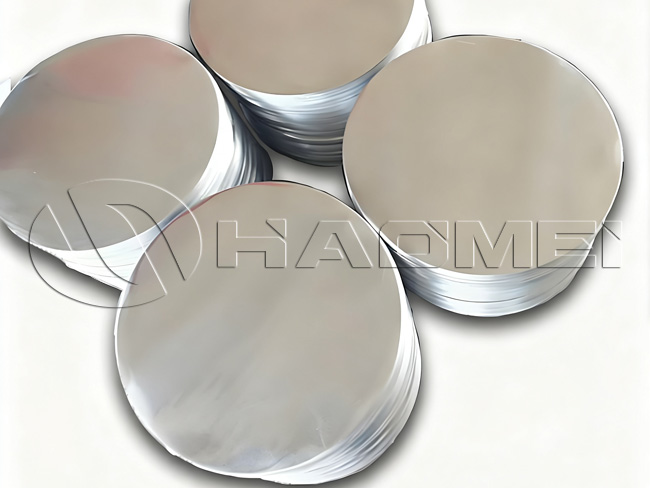
Anodized non-stick aluminum discs (also called aluminum circles) in 1050 / 1060 / 1100 belong to the 1000 series (commercially pure aluminum). They are widely chosen for their stable processing behavior, high ductility, and excellent thermal conductivityqualities that matter when discs must be stamped, spun, or deep-drawn into cookware bodies and then receive anodizing plus PTFE/ceramic non-stick coatings.
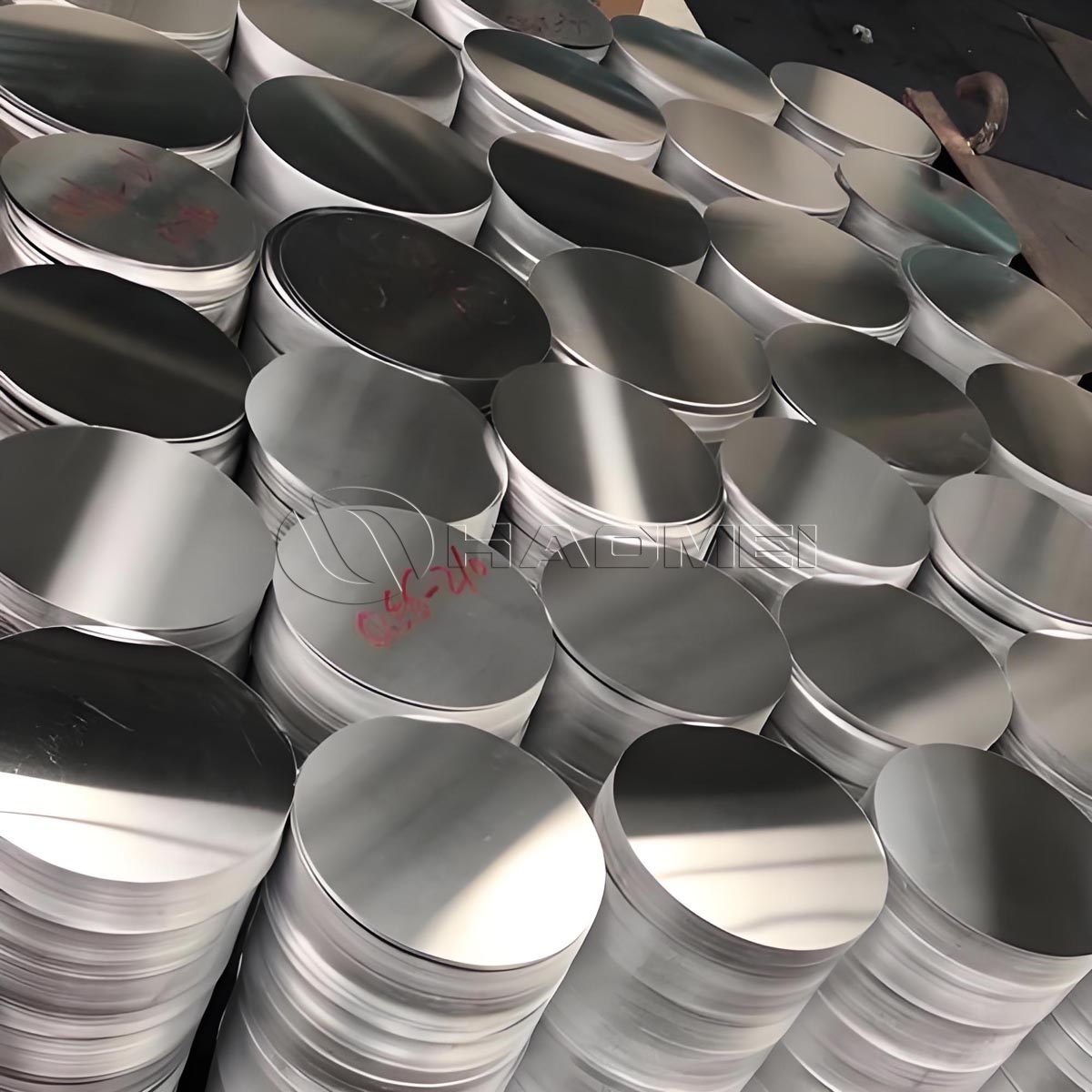
The term is used in two common ways in overseas procurement:
Discs intended for anodizing and then a non-stick coating system (anodizing used as a surface treatment for corrosion resistance, appearance, and improved adhesion depending on the coating route).
Discs supplied with a controlled surface suitable for anodizing/non-stick (even if the buyer performs anodizing and coating in-house).
In both cases, the practical requirement is the same: the disc must combine high formability (to form without tearing/wrinkling), surface uniformity (to avoid coating defects), and consistent metallurgy (to keep yield stable across lots).
1000 series alloys are valued for:
High aluminum purity, enabling predictable corrosion behavior and a clean anodized appearance.
Excellent ductility, supporting deep drawing and spinning with reduced cracking risk.
High thermal conductivity, useful for cookware heat response and even heating.
Low work-hardening tendency, which can simplify forming sequences (depending on temper).
These characteristics make 1050/1060/1100 a frequent baseline for cookware discs where forming performance and surface consistency are prioritized.
While all are near-pure aluminum, buyers may distinguish them based on typical manufacturing preferences:
1050: Often selected for general cookware and formed parts requiring stable ductility and surface finish.
1060: Frequently favored when buyers focus on higher conductivity and very good forming behavior.
1100: Common in applications needing reliable formability and good corrosion resistance; also used in lighting and general fabrication where surface and workability matter.
(Exact chemical limits and mechanical properties depend on the governing standard and the chosen temper; these should be confirmed in mill test documentation.)
Non-stick systemswhether PTFE-based or ceramicare sensitive to contaminants, embedded particles, and surface heterogeneity. For discs intended for anodizing and coating, manufacturers typically control:
Surface oil residues (from rolling and blanking)
Scratches, roll marks, and chatter that may telegraph through anodizing/coating
Edge burr and edge cracks, which can initiate coating failure at rims
Flatness and residual stress, influencing feed stability and forming symmetry
A disc that forms well but has inconsistent surface quality can still create high scrap rates after anodizing or after the final non-stick bake.
During deep drawing, anisotropy can produce earing (uneven rim height). Controlled rolling and annealing practices help reduce earing, supporting better trimming yield and consistent rim thicknessimportant for cookware sealing surfaces and uniform coating thickness.
The high thermal conductivity of near-pure aluminum supports faster heat transfer. In cookware bodies, this can improve responsiveness. However, the finished performance also depends on final thickness design, forming uniformity, and the coating stack.
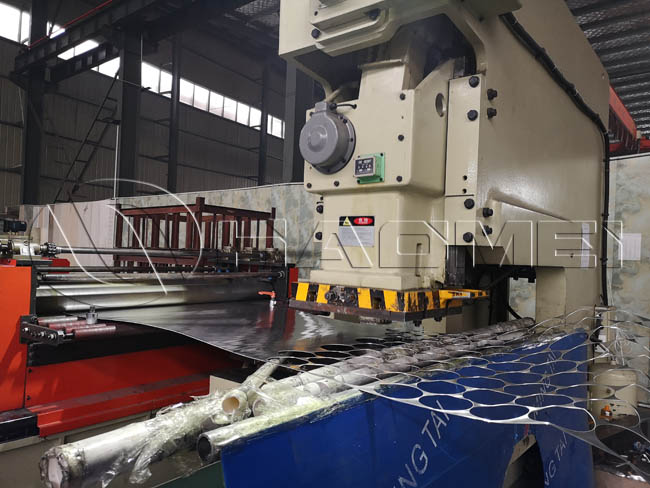
Aluminum discs are typically produced by blanking from coil or sheet. For cookware, processing performance is evaluated by:
Blanking quality: burr height, edge condition, roundness tolerance
Deep drawing: resistance to tearing at punch radius; wrinkling control
Spinning: stable material flow without surface galling
Annealing response: achieving the target temper and consistent hardness across the disc
Where anodizing is part of the route, many buyers also care about the discs response to pre-treatment (degreasing/etching) and the resulting uniformity of the anodized layer appearance.
Temper selection is often the difference between smooth mass production and unpredictable forming losses. Below is a practical overview of common tempers used for aluminum circles for cookware and related parts.
What it is: Fully annealed condition with maximum ductility.
Where it fits: Deep drawing and severe forming where elongation is critical, such as deeper cookware shapes or complex spun forms.
Typical benefit: Lower cracking risk and more stable deformation.
What it is: Work-hardened to a partial degree; H14 is generally harder than H12.
Where it fits: Shallower drawing, stamping, lids, and parts where better rigidity is desired without sacrificing all formability.
Typical benefit: Improved handling stiffness and dent resistance compared with O.
What it is: A balance condition: strengthened but with some recovery to improve formability.
Where it fits: Medium forming operations where O may be too soft (risking handling deformation) and H14 may be too hard (risking cracking).
Typical benefit: Good compromise for consistent manufacturing in multi-step forming.
Note: The exact availability of tempers, and their mechanical ranges, depend on the standard used and the producers capability. Buyers typically specify alloy + temper + thickness + surface condition, then confirm through inspection and mill test reports.
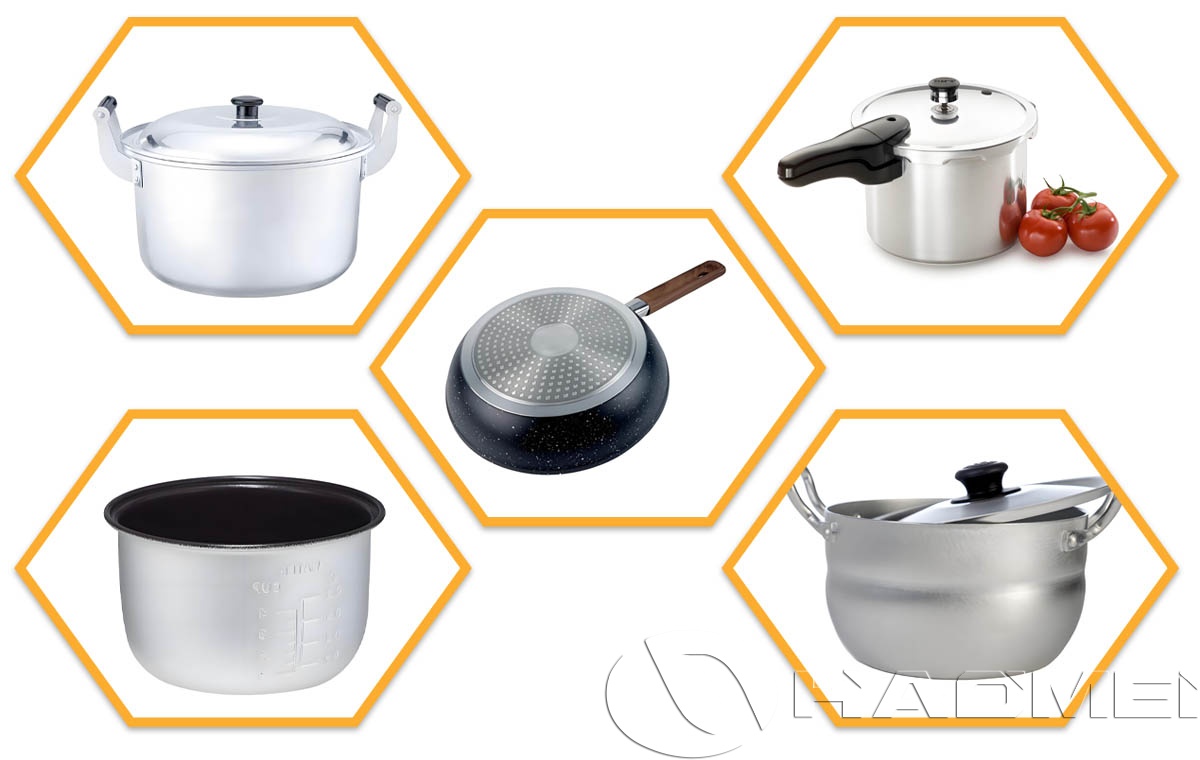
The most common use is forming into:
Frying pans and saut pans
Saucepan bodies
Pressure cooker components (where applicable to design)
For these items, discs must support stable drawing/spinning and provide a surface that performs consistently through anodizing and the non-stick coating line.
Hard anodizing is widely used for cookware for enhanced surface hardness and corrosion resistance. Substrate consistency matters because variations in surface or metallurgy may show up as color/appearance variation or uneven anodic response.
1100 and 1050 discs are also used in spun or stamped parts such as reflectors and housings where surface uniformity and formability are key, and anodizing may be used for appearance or corrosion resistance.
In many supply chains, the selection is guided less by headline differences and more by repeatability in forming and finishing:
Choose 1050 when the priority is broadly compatible forming performance and stable supply.
Choose 1060 when you emphasize excellent ductility and heat transfer for cookware lines.
Choose 1100 when you need a widely recognized near-pure alloy with good workability across formed products.
For buyers standardizing a cookware platform, it is common to lock one alloy and temper combination and then manage variation through process controls (blanking edge, lubrication, die condition, and heat treatment).
Product references often used in sourcing include 1050 Aluminum Circle and 1100 Aluminum Circle.
Because technical parameters must be aligned to a specific standard and purchase agreement, the table below lists typical inspection items rather than claiming fixed numeric values.
| Category | What is commonly specified/checked | Why it matters for anodized non-stick discs |
|---|---|---|
| Alloy & temper | 1050 / 1060 / 1100; O, H12, H14, H24 | Drives formability, hardness, and process stability |
| Thickness & diameter | As per drawing/order | Impacts heat response, forming depth, and tooling compatibility |
| Surface condition | Cleanliness, scratches, dents, roll marks (agreed acceptance) | Affects anodized appearance and coating adhesion uniformity |
| Edge quality | Burr level, edge cracks, roundness (agreed acceptance) | Influences rim coating integrity and forming tear risk |
| Flatness | By agreement / sampling plan | Important for automated feeding, stacking, and consistent forming |
| Grain/earing behavior | Evaluated through forming trials when needed | Helps reduce trimming losses and rim variation |
| Documentation | Mill test report (MTR) and traceability (as agreed) | Supports incoming inspection and lot consistency |
Overseas buyers typically align orders to recognized aluminum sheet/plate standards and define inspection terms in the contract. Common approaches include:
Specifying a recognized alloy designation (1050/1060/1100) and temper (O/Hxx)
Requiring mill test reports and lot traceability
Defining surface and edge acceptance criteria suitable for anodizing and non-stick coating
Because applicable standards vary by destination market and application, the exact standard designation should be confirmed at RFQ/PO stage and matched to the suppliers production route.
Anodized non-stick aluminum discs in 1050 / 1060 / 1100 are chosen for their combination of high ductility, stable forming performance, and surface suitability for anodizing and subsequent non-stick coating systems. In procurement, the most reliable outcomes come from aligning:
Alloy choice (1050/1060/1100) with end-use requirements
Temper selection (O for deep drawing; H12/H14/H24 for higher stiffness or controlled forming)
Surface and edge requirements with the anodizing and coating route
For overseas buyers, this alignment reduces the common pain points seen in cookware manufacturingforming defects, coating inconsistency, and variable yieldwithout relying on downstream process adjustments alone.

Office Address:
No.14 Waihuan Road, CBD, Zhengzhou, China
Contact Us
HAOMEI Aluminum offer an custom aluminum circle for you!
whatsapp: +86-18703635966
Email: sales@alummc.com
Email: alummc@hotmail.com
Request Free Sample & Quotation
Copyright © 2026 By HAOMEI Aluminum CO., LTD. All Rights Reserved. Sitemap
 +86-18703635966
 sales@alummc.com
 8618703635966
