
 No.14 Waihuan Road, CBD, Zhengzhou, China
 +86-18703635966

No.14 Waihuan Road, CBD, Zhengzhou, China
+86-18703635966
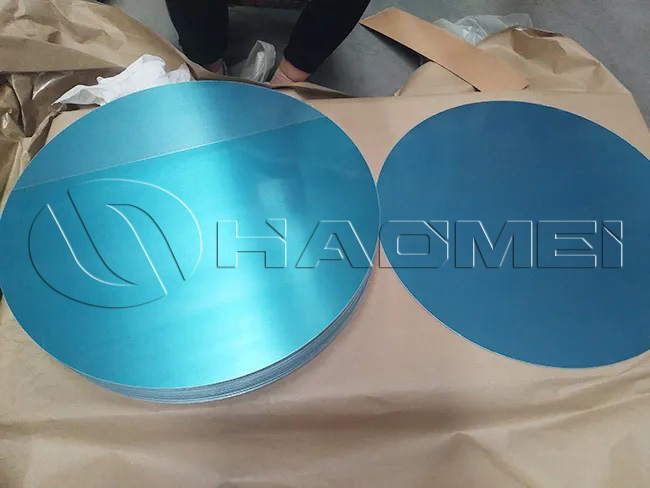
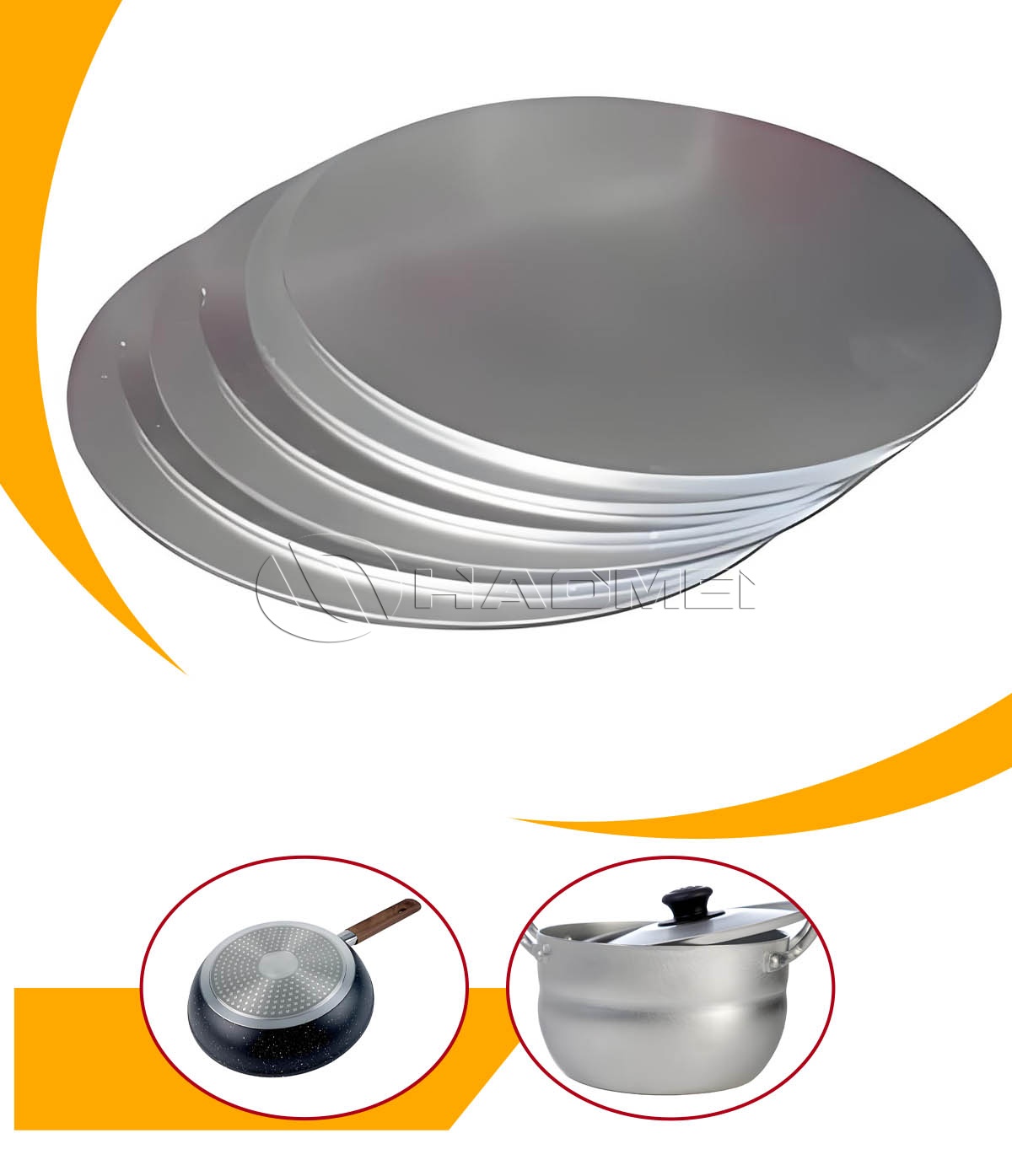
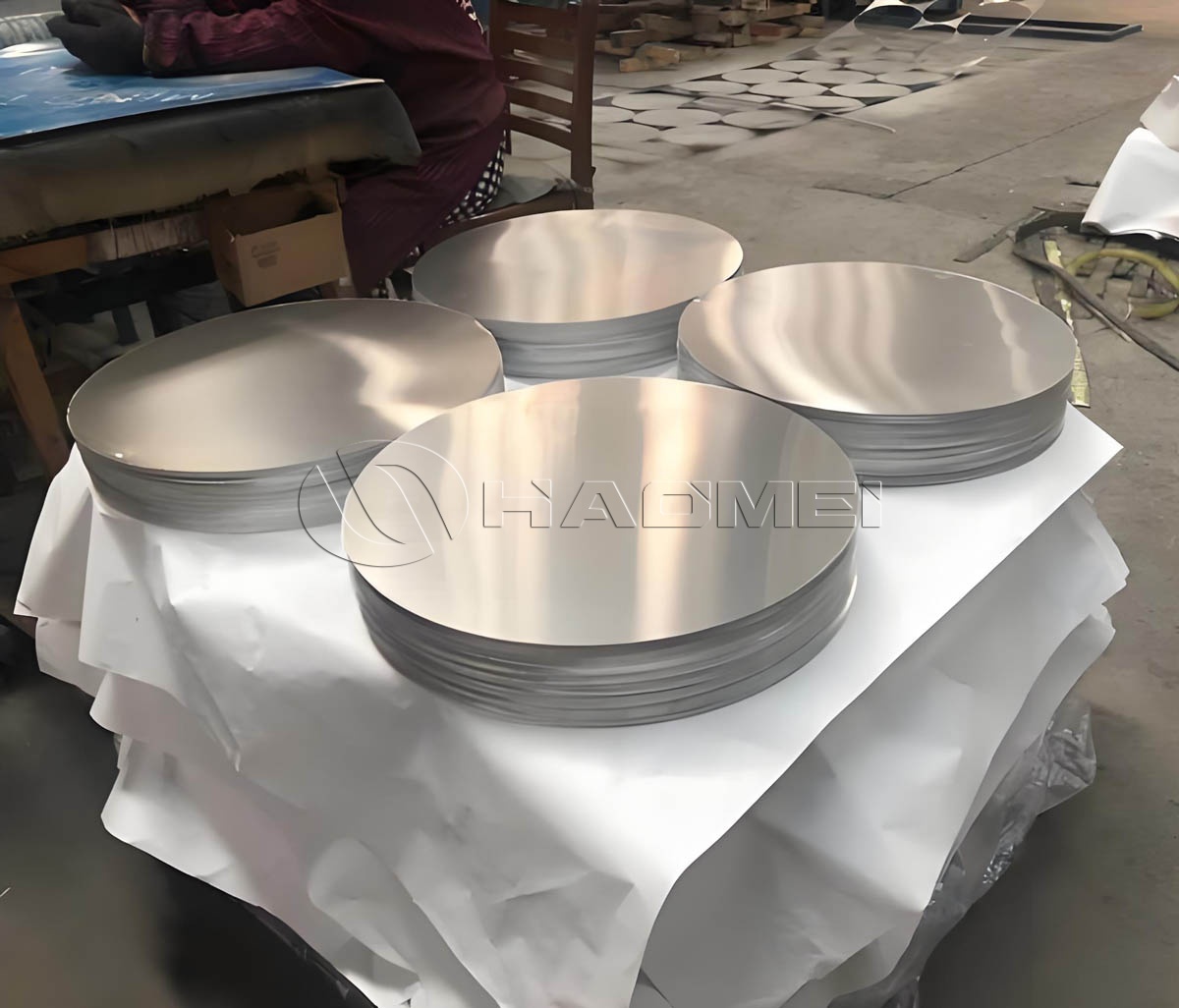
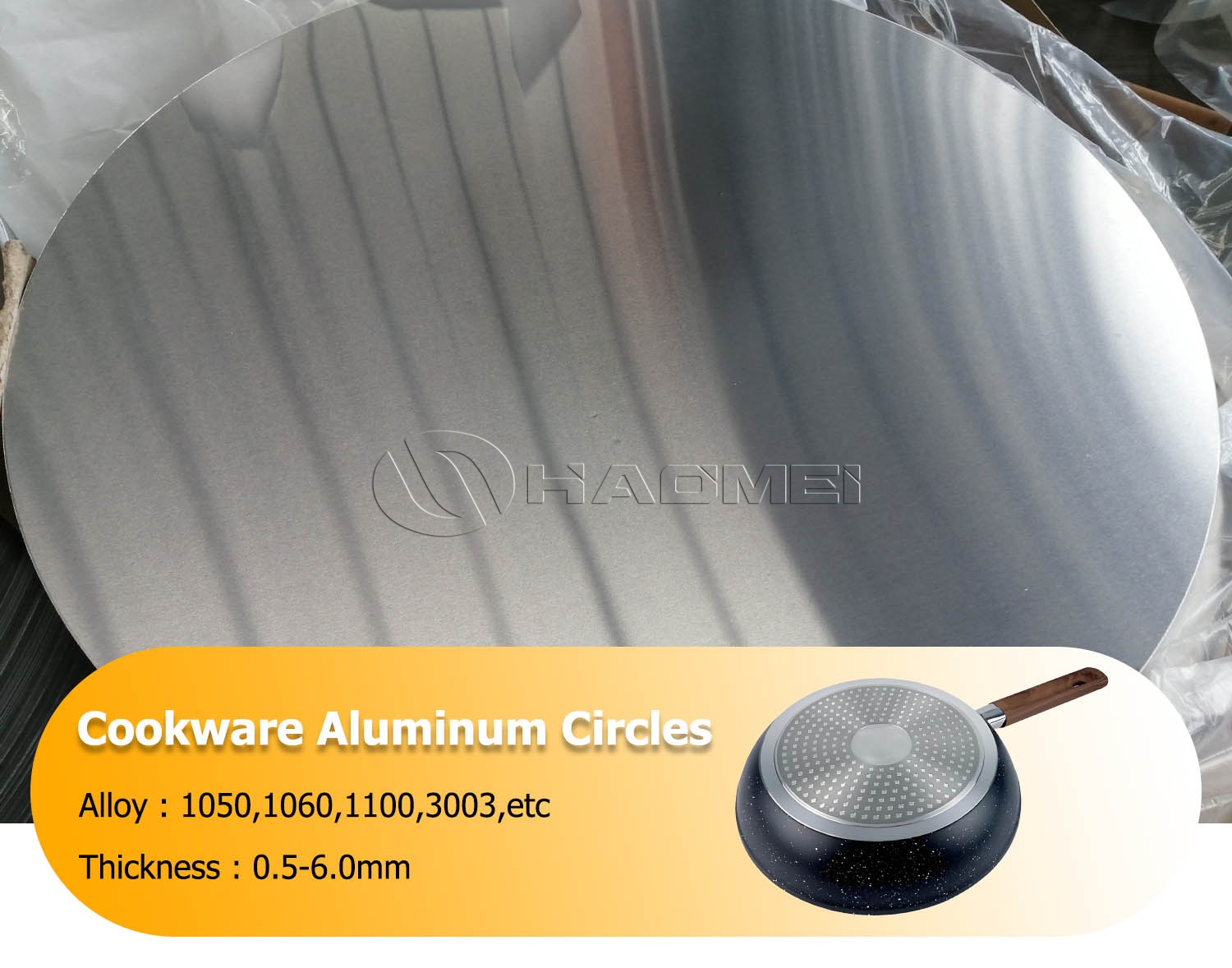
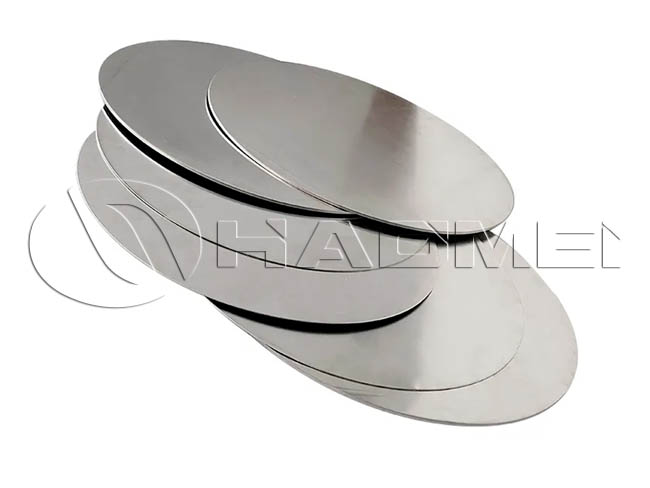
Non-stick frying pans require a base material that can be formed efficiently, transfers heat evenly, and maintains stable performance throughout surface preparation and coating. As a manufacturer of aluminum circles and discs for cookware, we supply 3105 aluminum circle as a practical 3000 series option for pan bodies and bottoms where consistent drawing performance, controllable strength, and surface quality are required.
In production, the aluminum circle is not an isolated material choice. It must match the downstream sequence, including blanking, deep drawing or stamping, trimming, polishing, degreasing, pretreatment, and non-stick coating curing. 3105 aluminum alloy, when supplied in controlled tempers with stable grain structure, supports reliable forming and helps minimize coating-related defects that can originate from surface or cleanliness issues.
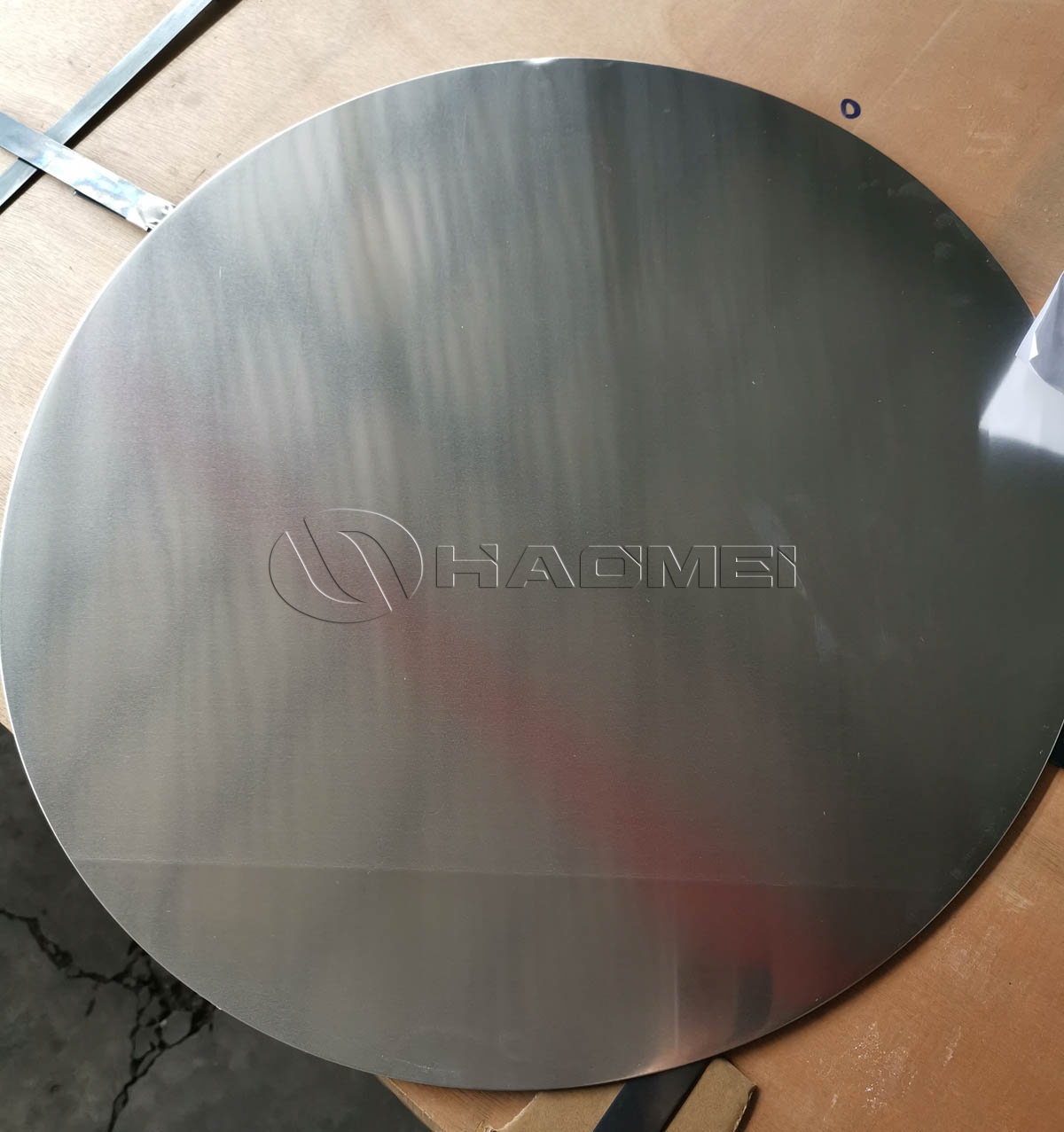
1. Formability for stamping and drawing3105 aluminum circle is commonly selected for cookware forming due to its balanced strength and ductility. When produced with a controlled annealing process, the circles support deep drawing with reduced risk of earing and localized thinning.
2. Surface quality for coating adhesionNon-stick coating systems depend on uniform surface condition after pretreatment. We control surface defects, inclusions, and oil contamination to reduce risks such as pinholes, fisheyes, or uneven coating appearance.
3. Dimensional stability and flatnessGood flatness and tight thickness tolerance improve press stability and help reduce scrap. In addition, consistent diameter and burr control improve automation efficiency in high-volume cookware lines.
4. Thermal conductivity and uniform heatingWhile alloy selection is only one contributor to heating performance (design and thickness are also critical), 3105 provides dependable thermal response for frying pan bodies and bases.
We manufacture 3105 aluminum circles from 3105 alloy coil or sheet, using dedicated blanking lines. Typical supply ranges are below. Actual availability depends on diameter, thickness, temper, and surface requirements.
| Parameter | Typical Specification | Notes for Non-Stick Frying Pans |
|---|---|---|
| Alloy | 3105 | Al-Mn series with Mg micro-additions, suitable for cookware forming |
| Temper | O, H12, H14 | O for deep drawing, H12/H14 for higher rigidity designs |
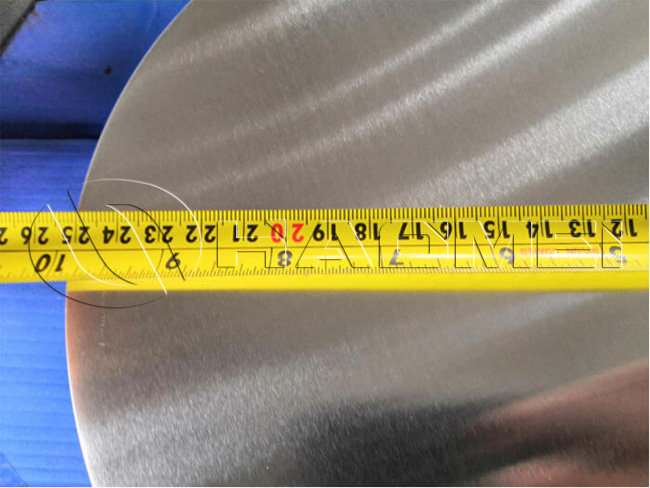
| Thickness | 0.6 to 5.0 mm | Common pan ranges are typically 1.5 to 4.0 mm |
| Diameter | 80 to 1200 mm | Based on pan size and forming design |
| Thickness tolerance | Tight industrial tolerance | Controlled by coil gauge and process capability |
| Diameter tolerance | Tight industrial tolerance | Defined per tooling and customer requirement |
| Surface finish | Mill finish, bright finish on request | Coating lines typically require clean, uniform surfaces |
| Edge | Deburred, smooth edge | Helps reduce die wear and handling injuries |
| Grain control | Controlled grain size | Supports stable drawing and reduced earing |
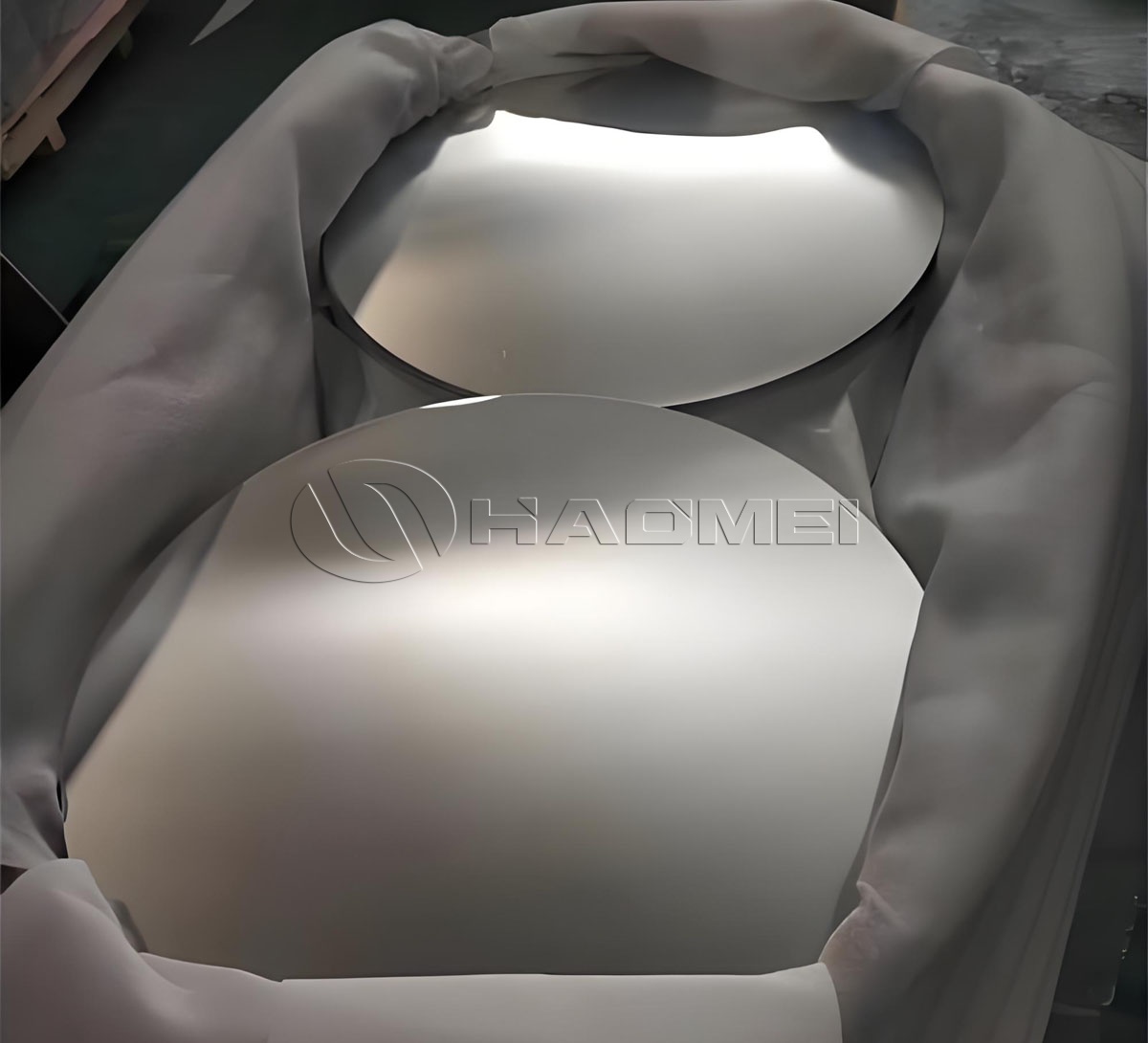
| Packaging | Export seaworthy pallets or cases | Interleaving paper or film available |
As a manufacturing facility, we control the full process chain for cookware circles, including incoming coil qualification, slitting when required, circle blanking, annealing (for O temper), surface protection, and final inspection.
For cookware-grade 3105, consistency between heats is essential. We manage chemistry windows and process parameters to reduce batch-to-batch variability that can cause forming instability. When customers require process mapping, we can align supply lots to support their press setup stability.
Our circle production lines are designed to minimize burr height and maintain consistent diameter. For high-speed stamping lines, burr control is not only a handling issue, it can affect stacking, feeding reliability, and die wear.
For deep drawing frying pan bodies, O temper is frequently selected. We apply controlled annealing to achieve stable softness and ductility while maintaining a uniform microstructure. For applications requiring added rigidity, we also supply H12 and H14 tempers when forming depth is moderate.
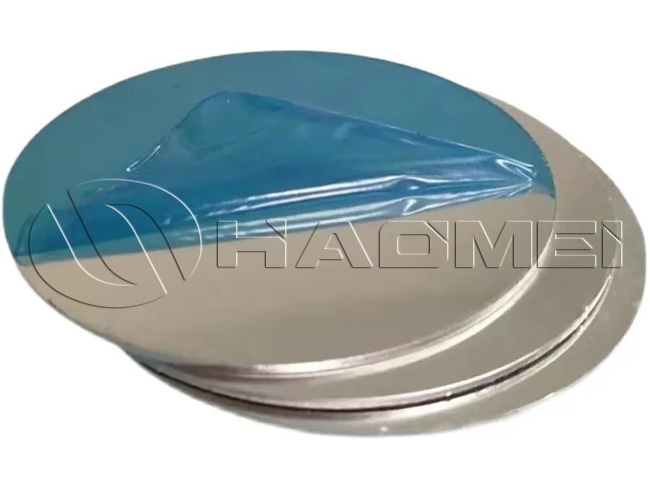
Non-stick applications are sensitive to oil residues and surface contamination. We use process controls for surface cleanliness and can provide protective interleaving (paper or film) when customers need additional protection during transport and storage.
For customers evaluating alternative 3000 series options, our 3000 Series Aluminum circle range covers multiple alloys and temper combinations tailored for cookware forming and finishing.
We treat cookware circles as functional semi-finished parts rather than commodity blanks. Quality control is applied throughout manufacturing to support stable forming and coating outcomes.
Chemical composition verification per alloy requirements.
Mechanical property checks aligned to temper and customer specifications.
Thickness and diameter measurement with calibrated instruments.
Flatness and visual inspection for dents, scratches, oxide streaks, and inclusion-related defects.
Burr height monitoring to support automated feeding and tooling life.
We support common international expectations for aluminum sheet and circle supply, and we provide documentation such as mill test certificates and inspection reports based on contractual requirements. Traceability can be maintained by coil/lot marking and packaging labels.
Cookware manufacturers often need circles optimized for their forming dies and coating systems. We offer customization to align the circle to the actual process window.
Diameter and thickness combinations matched to pan models.
Temper selection (O, H12, H14) based on drawing depth and rigidity.
Surface requirements such as controlled roughness targets or bright appearance when required by finishing steps.
Edge condition including deburring level and specific burr direction control.
Packaging design for automation, including stack height, interleaving, and pallet configuration.
When customers require a dedicated 3105 product page reference for procurement and standardization, our 3105 Aluminum Circle specification can be aligned with project-specific requirements.
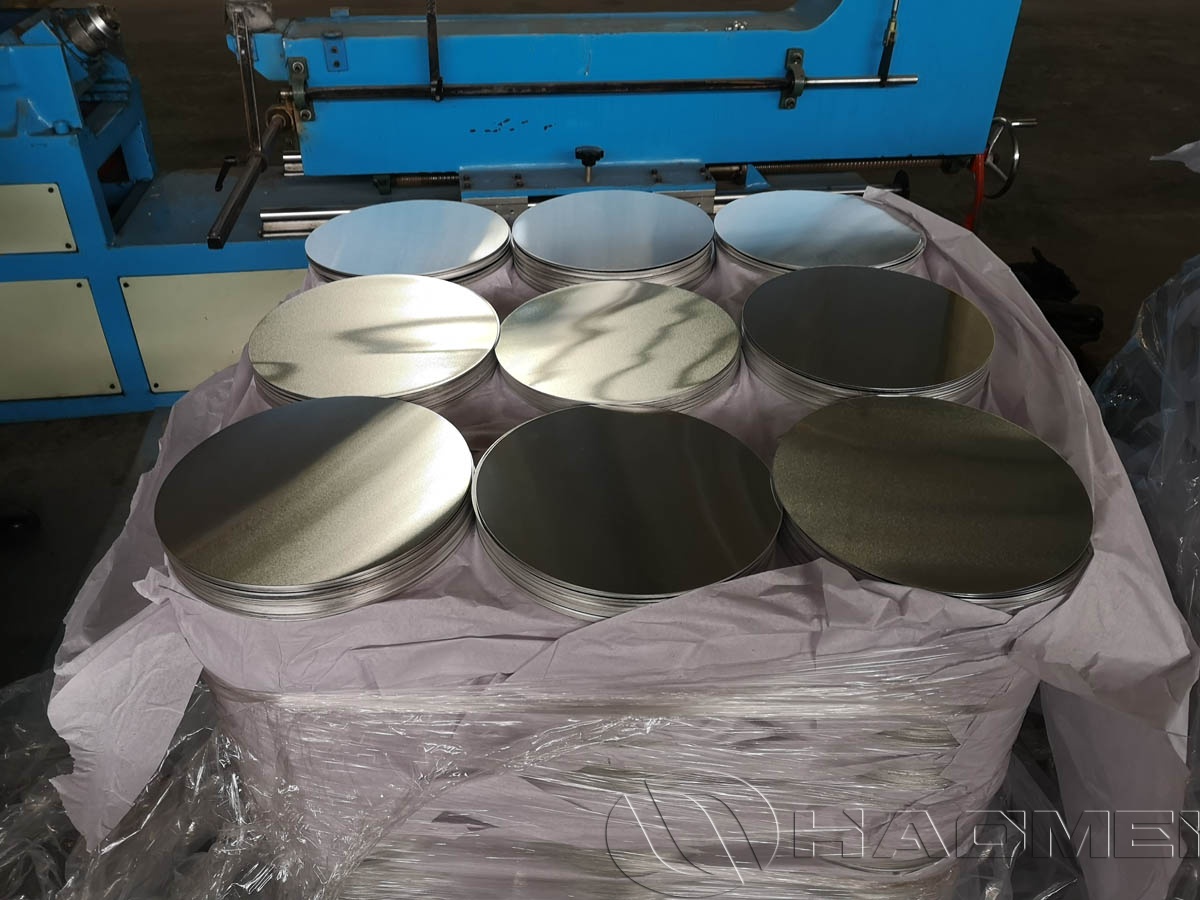
3105 aluminum circles are used for:
Non-stick frying pan bodies formed by stamping or deep drawing.
Pan bottoms and base plates where thickness and flatness influence heating uniformity.
Saute pans, shallow cookware, and lids depending on design and strength needs.
Cookware OEMs producing PTFE and ceramic-coated pans.
Kitchenware manufacturers with automated press lines.
Component suppliers making semi-formed cookware shells for downstream coating.
In addition to non-stick cookware, similar circles can be adapted for general kitchen utensils where forming performance and surface stability are important.
Cookware manufacturers frequently compare 3105 with other aluminum circle alloys in the 1xxx and 3xxx families. The best selection depends on forming depth, strength requirements, coating process, and cost structure.
Formability: 1xxx series is generally very ductile and can be excellent for deep drawing.
Strength and rigidity: 3105 typically offers higher strength than 1xxx series, which can help reduce deformation in certain designs.
Process stability: 3105 can provide a balanced window for forming and handling, especially when consistent temper is required.
Similarity: Both are widely used in cookware circles.
Selection logic: 3003 is often chosen for broad general-purpose cookware; 3105 is selected when customers target a specific strength-formability balance or prefer their established coating and forming parameters on 3105.
Strength: 3004 tends to be stronger due to higher alloying content.
Forming depth: For very deep drawn cookware, alloy and temper must be matched carefully to avoid splits; 3105 in O temper can be a stable option where extreme strength is not required.
Performance: 3005 can offer higher strength, but may require tighter forming controls depending on geometry.
Typical use: 3105 remains a practical choice for high-volume frying pan parts where consistent forming and surface quality are the priority.
From a manufacturing viewpoint, the most important factor is not only alloy name, but repeatable metallurgy, thickness control, and surface condition that match the customer process.
As a dedicated aluminum circle manufacturer, we produce 3105 aluminum circle for non-stick frying pans with controlled temper, stable thickness, reliable edge quality, and surface consistency suitable for pretreatment and coating. We support customers with specification alignment, sampling for die trials, and production lot consistency for long-run models.
For long-term cooperation, we focus on repeatable quality, export-ready packaging, and responsive technical coordination between our production team and your forming and coating engineers. This approach helps reduce scrap, stabilize press parameters, and maintain consistent performance across production batches.


Office Address:
No.14 Waihuan Road, CBD, Zhengzhou, China
Contact Us
HAOMEI Aluminum offer an custom aluminum circle for you!
whatsapp: +86-18703635966
Email: sales@alummc.com
Email: alummc@hotmail.com
Request Free Sample & Quotation
Copyright © 2026 By HAOMEI Aluminum CO., LTD. All Rights Reserved. Sitemap
 +86-18703635966
 sales@alummc.com
 8618703635966
