
 No.14 Waihuan Road, CBD, Zhengzhou, China
 +86-18703635966

No.14 Waihuan Road, CBD, Zhengzhou, China
+86-18703635966
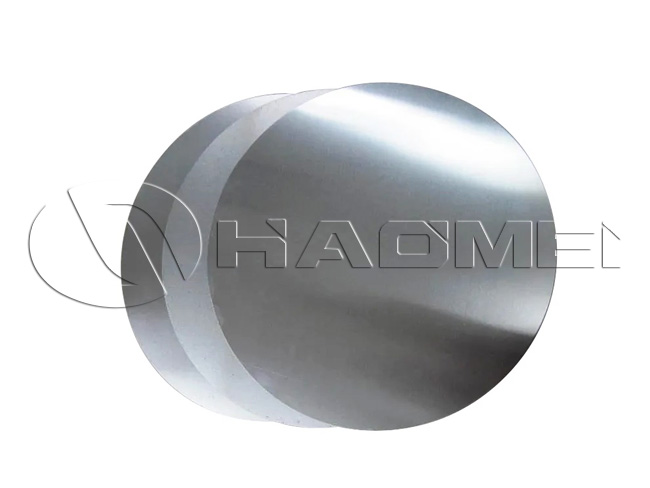
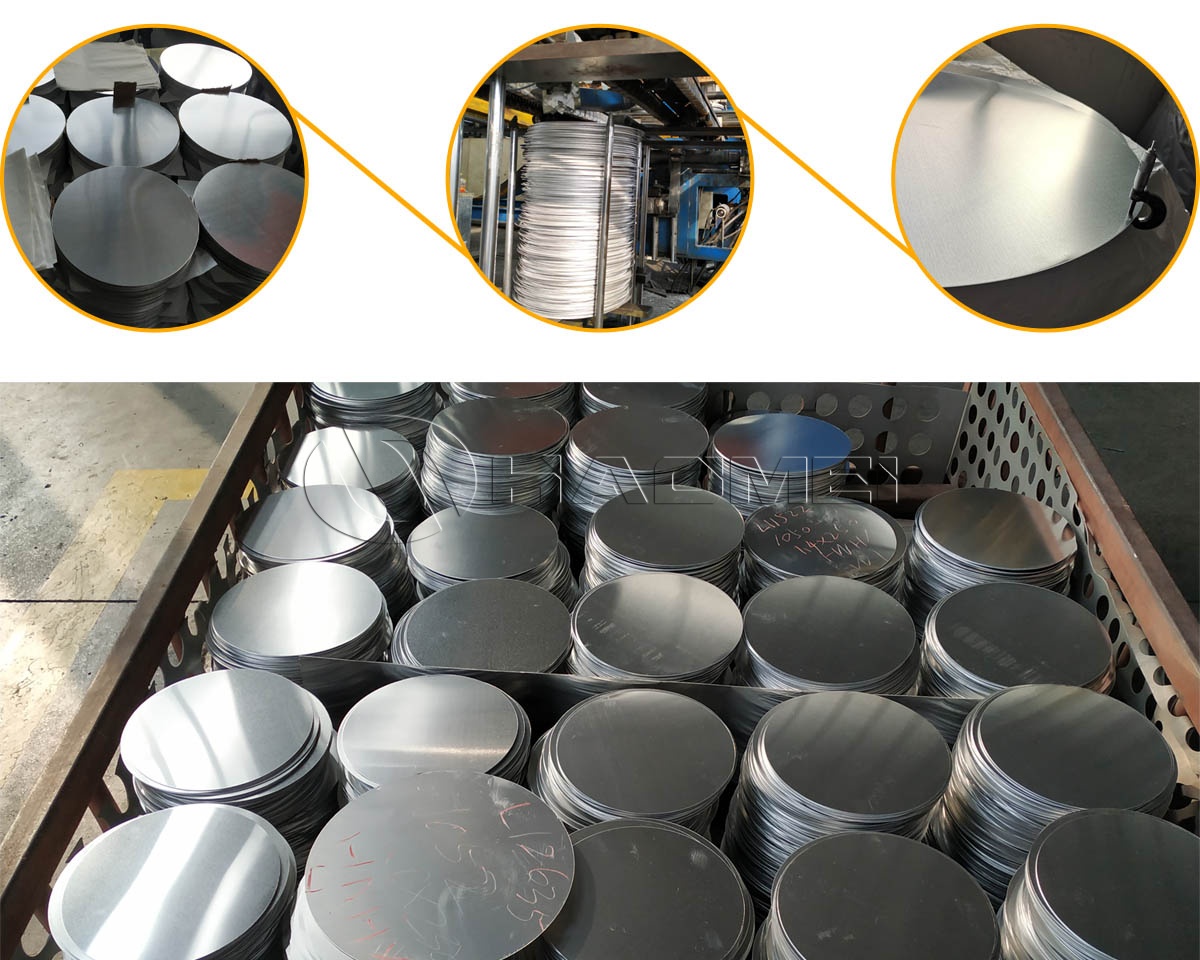
As a manufacturer of aluminum circles and discs, we produce 3003 H12 CC anodized aluminum circles for industrial components requiring moderate strength, stable dimensional control, corrosion resistance, and a uniform decorative surface. Our production process combines continuous cast aluminum coil, precision blanking, controlled H12 temper processing, surface preparation, and anodizing inspection to support repeatable performance in downstream fabrication.
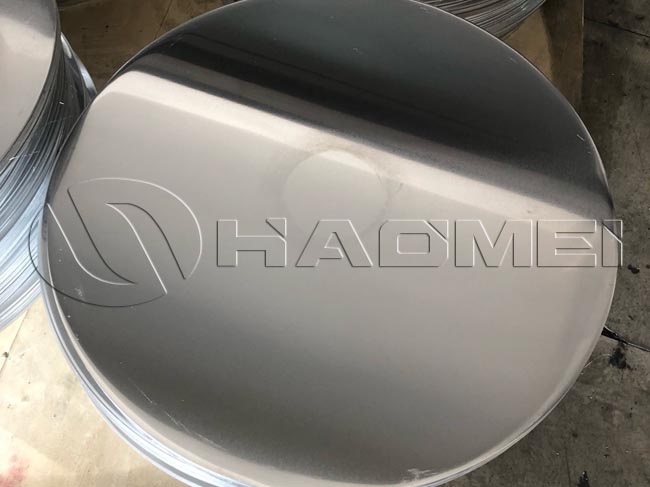
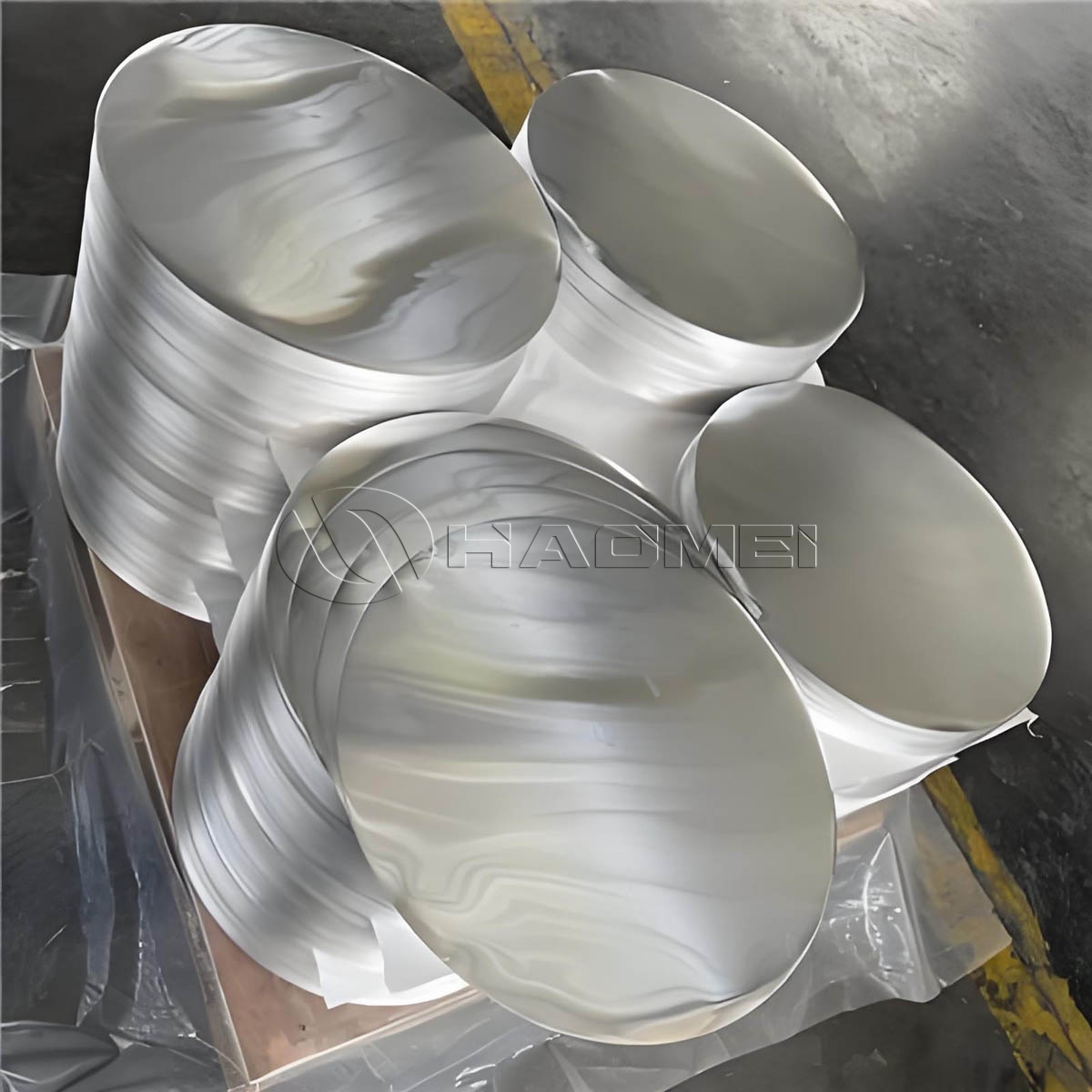
A 3003 H12 CC anodized aluminum circle is made from 3003 aluminum alloy continuous cast coil. The material is blanked into round discs and finished with an anodic oxide layer according to the required application. Compared with untreated aluminum discs, anodized circles provide improved surface durability, reduced oxidation risk, and a more consistent appearance for visible components.
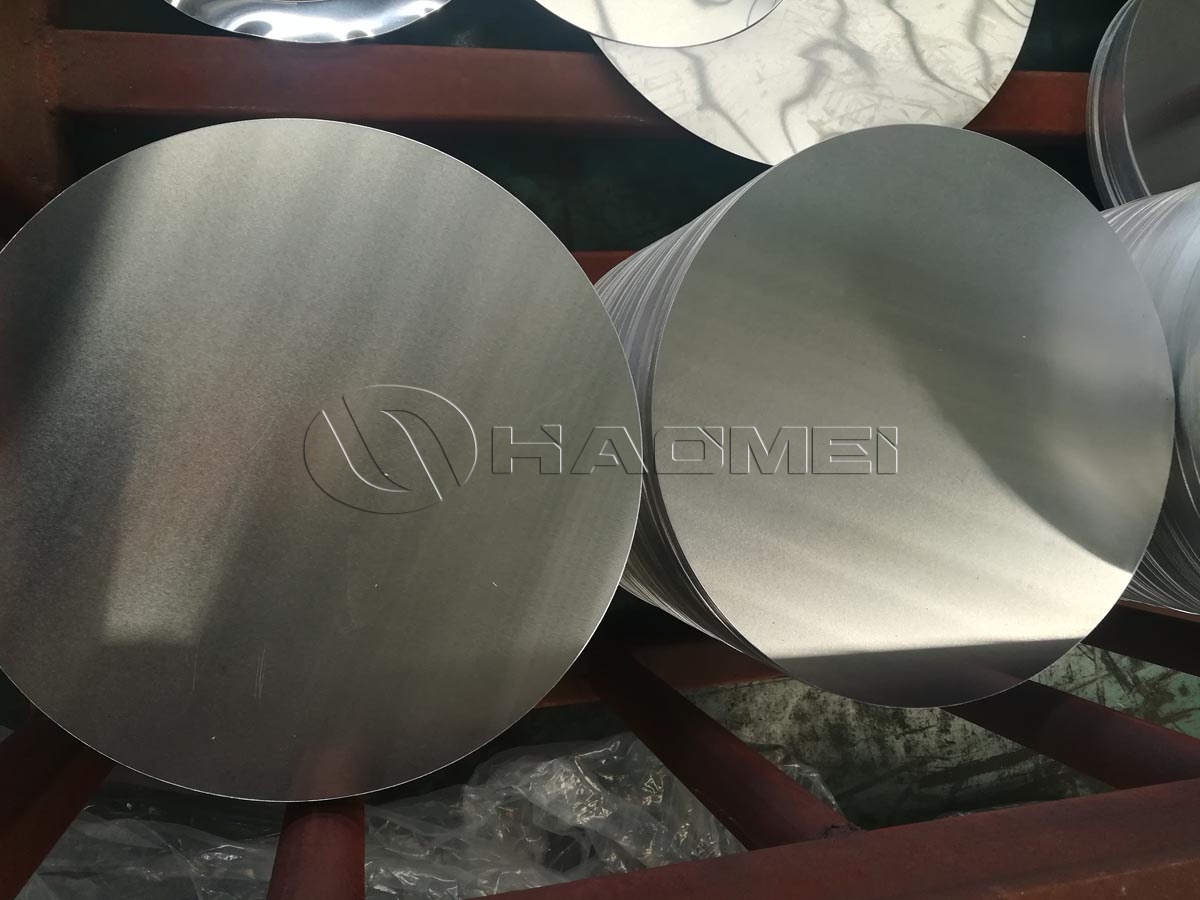
3003 is an aluminum-manganese alloy in the 3000 series. Its manganese content improves strength compared with commercially pure aluminum while maintaining good corrosion resistance, thermal conductivity, and workability. It is commonly selected for lighting reflectors, appliance parts, nameplates, traffic and information signs, ventilation components, decorative covers, and general metal forming applications.
The designation CC refers to continuous cast feedstock. Continuous cast coil is an efficient and stable raw material route for producing aluminum circles where controlled thickness, surface consistency, and economical processing are important. We select and process coil according to the target diameter, thickness, anodizing requirement, and final forming method.
H12 is a strain-hardened and partially annealed temper, generally associated with quarter-hard material. It offers higher rigidity than fully soft O temper while retaining practical bending and shallow forming capability. For applications involving severe deep drawing, customers should review whether O temper or another process route is more suitable. Our technical team evaluates the final part geometry, forming depth, tooling condition, and required anodized finish before confirming material specifications.
The following table shows common manufacturing parameters for our 3003 H12 CC anodized aluminum circle. Final values can be adjusted according to purchase specifications, applicable standards, and processing requirements.
| Item | Typical Specification | Notes |
|---|---|---|
| Alloy | AA 3003 | Aluminum-manganese alloy |
| Material source | Continuous cast coil | CC coil processed for circle blanking |
| Temper | H12 | Quarter-hard condition, subject to thickness and process route |
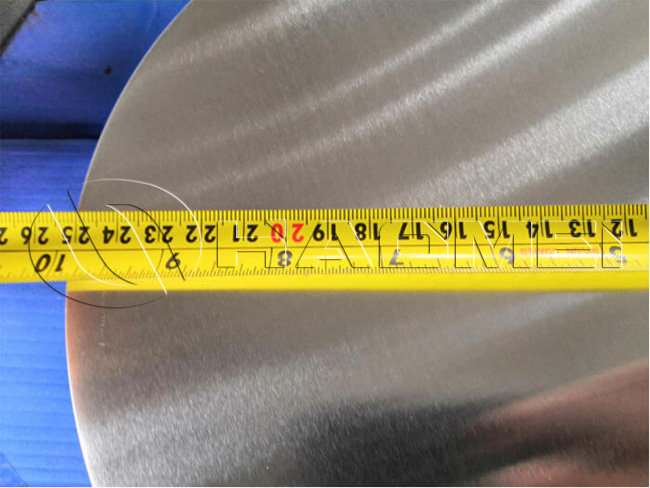
| Circle diameter | 80 mm to 1,200 mm | Custom diameters available by agreement |
| Thickness | 0.40 mm to 4.00 mm | Available range depends on diameter and finish |
| Diameter tolerance | Typically +/- 0.30 mm to +/- 1.00 mm | Determined by disc diameter and blanking method |
| Thickness tolerance | According to agreed standard | Controlled through incoming coil and in-process inspection |
| Surface finish | Mill finish, satin, brushed, or anodized | Finish selected according to end use |
| Anodic film thickness | Commonly 5 to 25 microns | Higher film thickness available for specific environments |
| Anodizing color | Natural silver, bronze, black, champagne, custom colors | Color capability depends on coating process and quantity |
| Edge condition | Smooth blanked edge, deburred edge | Edge requirement confirmed before production |
| Flatness | Controlled for blanking and end-use needs | Evaluated by diameter, thickness, and packaging method |
| Standard reference | ASTM B209, EN 485, or customer specification | Applicable requirements confirmed with each order |
The chemical composition of 3003 aluminum is controlled through our incoming material verification and production documentation. Manganese is the principal alloying element, while copper remains at a low level. This combination supports good atmospheric corrosion resistance and stable anodizing response when surface cleaning and coating parameters are properly managed.
Our manufacturing process is designed to maintain consistency from coil selection to finished packing. Each stage is monitored to reduce surface defects, dimensional variation, edge burrs, and coating nonuniformity.
We begin with qualified 3003 continuous cast aluminum coil. The coil is checked for alloy identification, thickness, surface condition, coil geometry, and mechanical property consistency. Because anodizing makes surface defects more visible, coil quality has a direct effect on the appearance of the finished anodized aluminum disc.
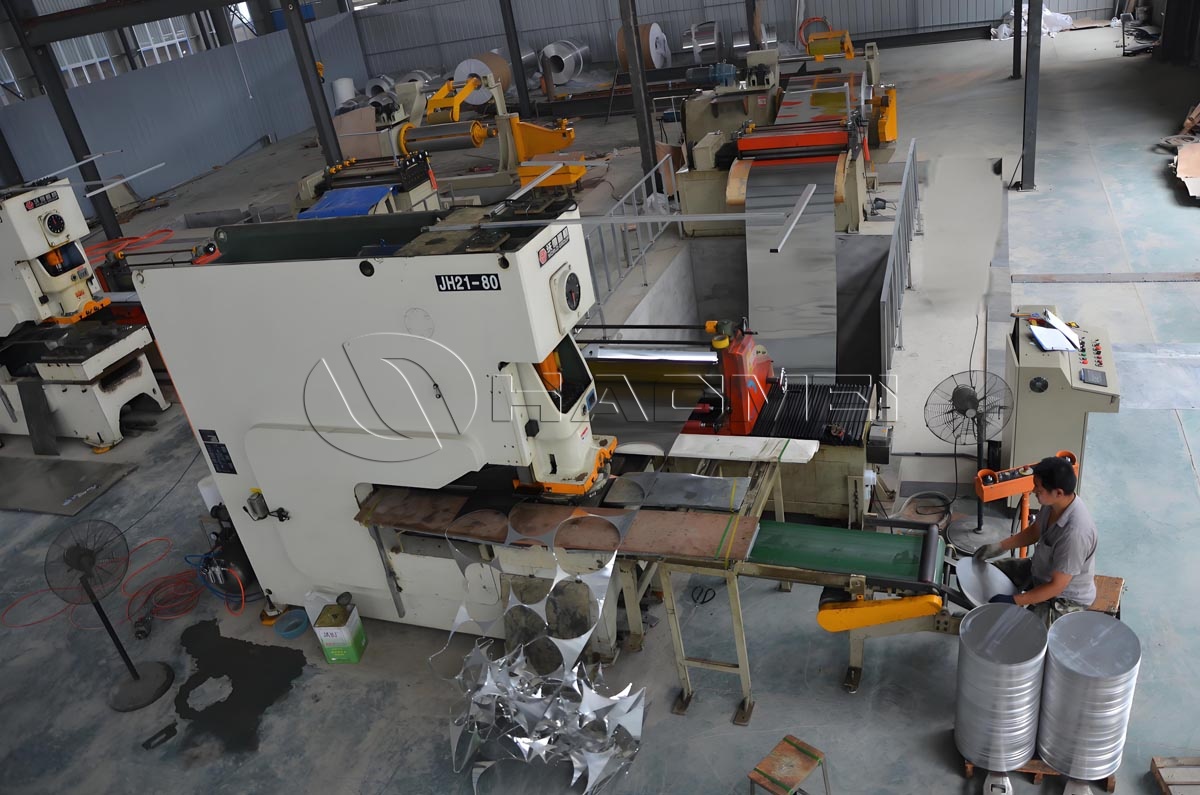
The coil is slit where necessary and fed into circle blanking equipment. Depending on the required size and order volume, we use precision press blanking or other suitable cutting methods. Tooling clearance is controlled to produce clean edges and reduce burr formation.
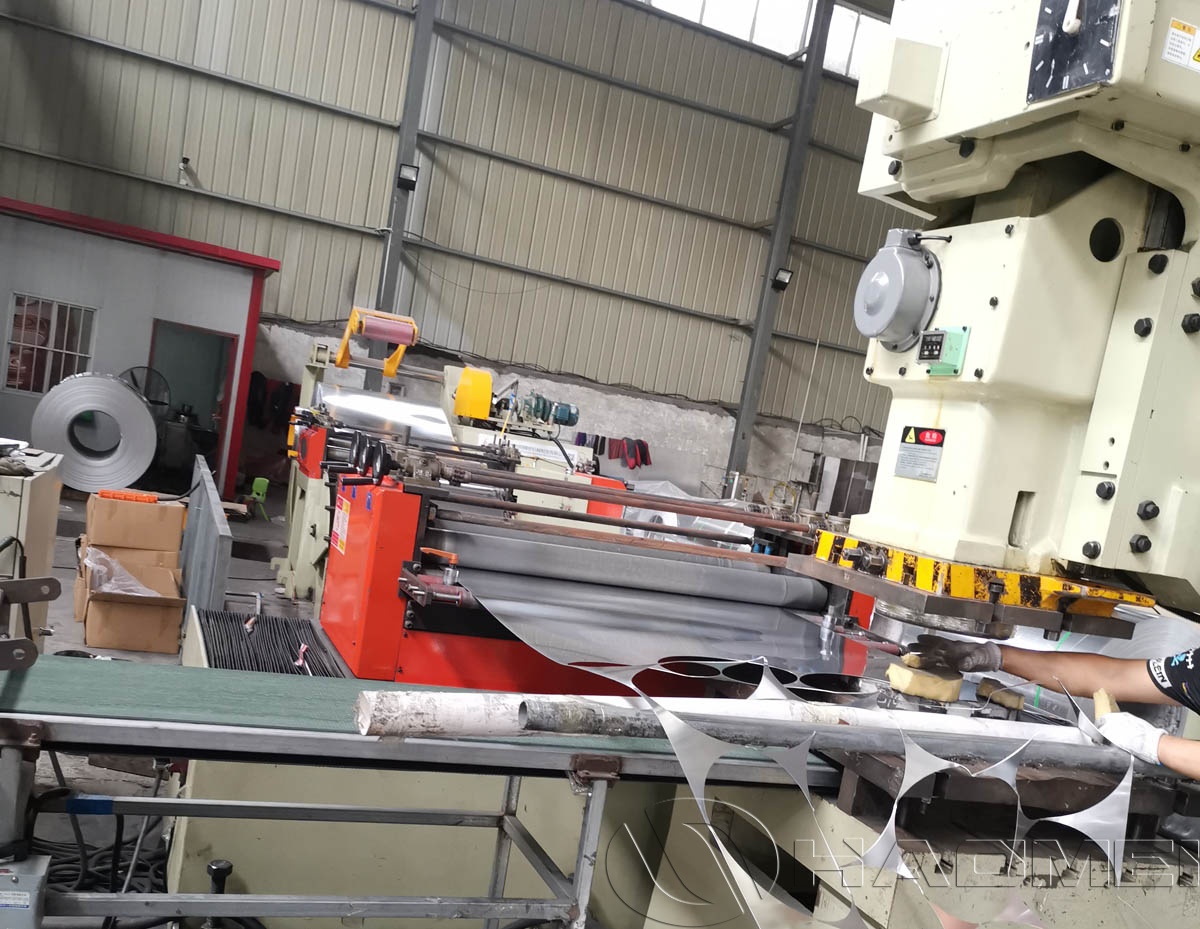
For customers requiring high diameter consistency, we verify tooling condition, disc roundness, and edge quality during production. We can also provide customized diameter and thickness combinations for OEM component manufacturing.
Before anodizing, aluminum circles undergo cleaning and surface preparation. Oils, particulate matter, and handling residues must be removed because they can affect coating adhesion and color uniformity. The preparation sequence may include degreasing, rinsing, alkaline etching, desmutting, and final rinsing.
The selected pretreatment influences the final appearance. A light etch can provide a uniform matte surface, while controlled mechanical finishing can support brushed or satin decorative effects. We confirm the required appearance against approved samples when visual consistency is critical.
During anodizing, the aluminum circle becomes the anode in an electrolytic process. A controlled oxide layer grows from the aluminum substrate, creating a finish that is integral to the metal rather than a separately applied paint film. The anodic coating improves surface hardness, wear resistance, and corrosion protection.
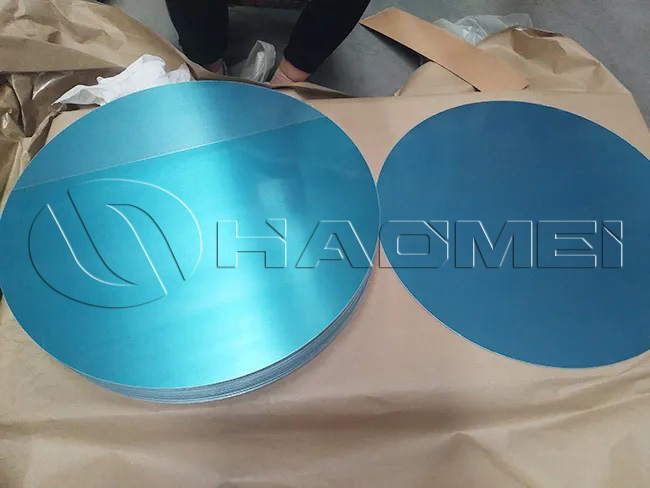
After anodizing, the oxide pores may be sealed to improve corrosion resistance and reduce staining. Natural silver anodizing is widely used where a clean metallic appearance is needed. Colored anodized aluminum circles can also be supplied for architectural, lighting, signage, and decorative applications, subject to color matching requirements.
Finished 3003 H12 anodized aluminum circles are inspected for diameter, thickness, surface quality, anodic film appearance, edge condition, and packaging integrity. Our inspection process includes sampling at defined stages and final lot review before shipment.
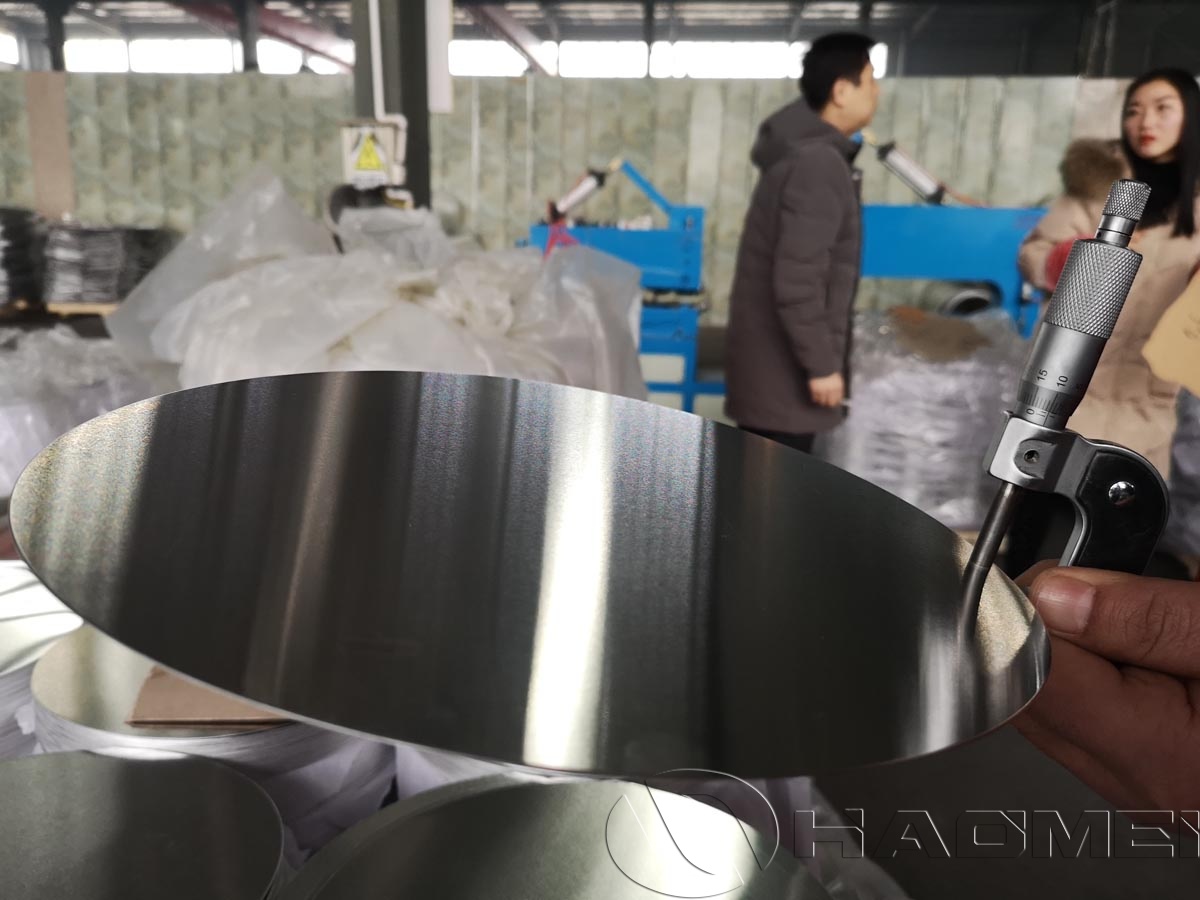
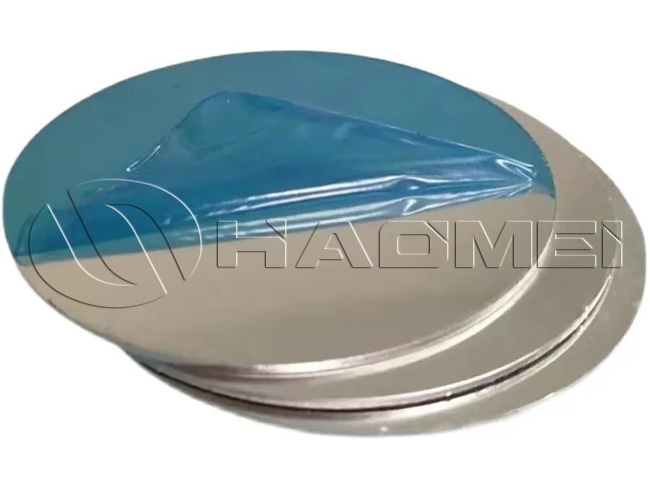
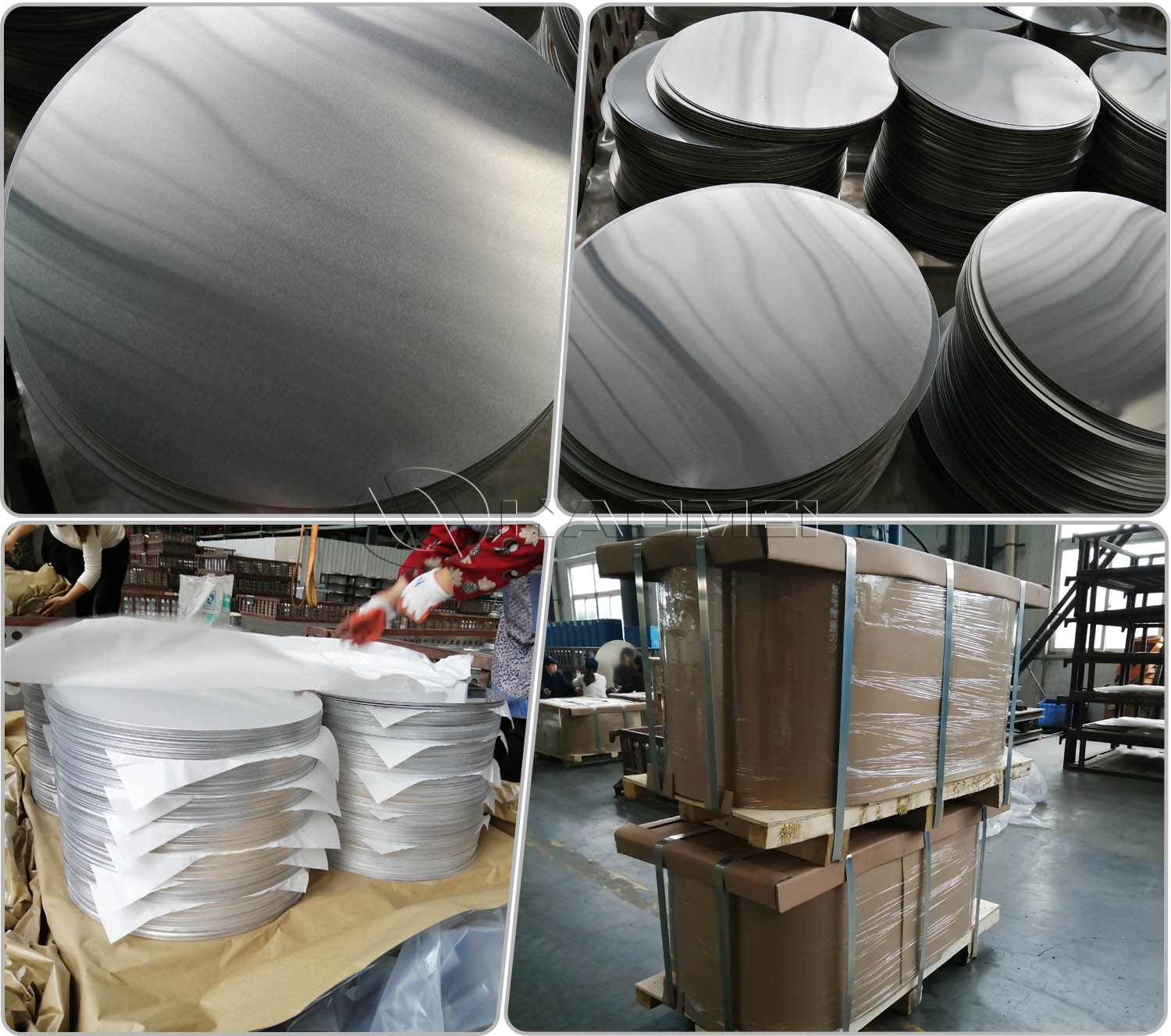
To protect the anodized surface, circles are separated with protective paper or film where required. Packing options may include palletized cartons, wooden cases, moisture-resistant wrapping, and export-grade securing methods based on destination and transport conditions.
The main advantage of a 3003 H12 CC anodized aluminum circle is the balance between material performance and finished appearance. The substrate provides practical mechanical stability, while the anodic finish supports a durable, corrosion-resistant surface.
Key characteristics include:
Moderate strength from the 3003 aluminum-manganese alloy.
Better stiffness than fully annealed aluminum circle material.
Good resistance to normal atmospheric corrosion.
Uniform anodized appearance when produced from controlled coil and pretreatment.
Good thermal conductivity for lighting, appliance, and heat-related components.
Low weight compared with steel-based circular blanks.
Recyclable aluminum substrate suitable for responsible material selection.
Although anodizing improves surface protection, the final product should still be specified according to its operating environment. Marine exposure, strong alkaline cleaners, aggressive chemical contact, and severe abrasion may require a thicker anodic film, additional sealing, or an alternative surface system.
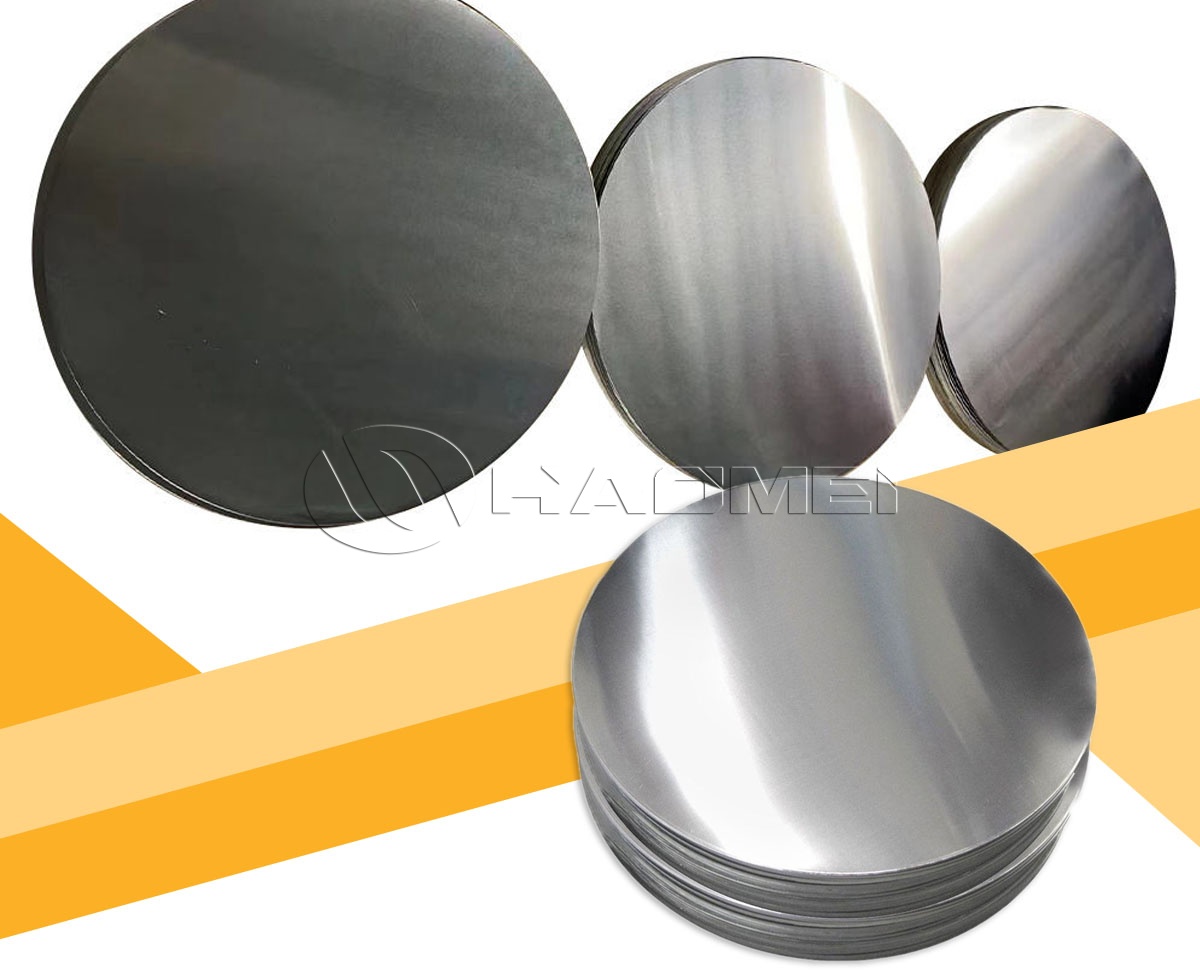
Our 3003 anodized aluminum discs are used in industrial applications where circular geometry, clean appearance, and controlled material properties are required. Common uses include lighting housings, lamp covers, reflector support parts, decorative panels, appliance components, ventilation covers, instrument faces, signage blanks, and equipment identification parts.
For lighting components, anodized circles can provide a durable visible surface and support subsequent spinning, shallow stamping, or assembly operations. For signage and nameplate products, the anodic layer can provide a stable base for engraving, printing, marking, or other secondary processes.
Customers also compare this material with other products in our 3000 Series Aluminum circle range when higher strength, different formability, or alternative surface properties are needed. Where the application specifically requires standard 3003 disc material without a pre-defined anodized finish, our 3003 Aluminum Circle manufacturing program can be matched to the required temper and dimensions.
Before ordering a 3003 H12 CC anodized aluminum circle, buyers should define both the substrate requirements and the finish requirements. A complete inquiry should include diameter, thickness, temper, surface appearance, anodic film thickness, color, edge condition, quantity, application, and any applicable inspection standard.
For formed parts, please provide drawing information including forming depth, bend radius, hole positions, and visible surface area. H12 temper is appropriate for many shallow forming operations, but it is not automatically the best choice for deep drawn cookware, complex spinning, or high elongation parts. Confirming the forming process before production helps prevent cracking, uneven surface appearance, or unnecessary processing cost.
For decorative anodized circles, approved samples are especially important. Color perception can vary with alloy batch, surface preparation, film thickness, lighting conditions, and viewing angle. We recommend establishing a reference sample and acceptable visual criteria for repeat production orders.
As a factory, we maintain process control through material identification, production records, dimensional inspection, and final quality verification. We monitor key parameters that affect anodized aluminum circle quality, including coil thickness, blanking dimensions, surface cleanliness, anodizing conditions, film consistency, and packaging protection.
For project-based orders, inspection documents can be prepared according to the agreed scope. These may include material certificates, dimensional inspection reports, surface inspection records, packing lists, and other documentation required for industrial procurement.
3003 H12 CC anodized aluminum circles are a practical material solution for applications requiring a combination of moderate strength, controlled circular dimensions, corrosion resistance, and a durable metallic finish. By managing continuous cast coil selection, blanking accuracy, surface preparation, anodizing, and final inspection within our factory, we supply aluminum circles that support reliable downstream fabrication.
Our production team can evaluate your required diameter, thickness, H12 temper condition, anodizing specification, forming process, and packing requirements to define a suitable 3003 anodized aluminum disc solution for your application.

Office Address:
No.14 Waihuan Road, CBD, Zhengzhou, China
Contact Us
HAOMEI Aluminum offer an custom aluminum circle for you!
whatsapp: +86-18703635966
Email: sales@alummc.com
Email: alummc@hotmail.com
Request Free Sample & Quotation
Copyright © 2026 By HAOMEI Aluminum CO., LTD. All Rights Reserved. Sitemap
 +86-18703635966
 sales@alummc.com
 8618703635966
