
 No.14 Waihuan Road, CBD, Zhengzhou, China
 +86-18703635966

No.14 Waihuan Road, CBD, Zhengzhou, China
+86-18703635966
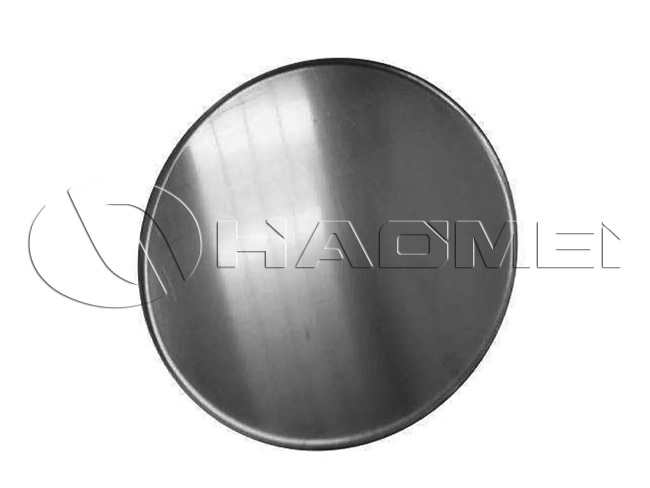
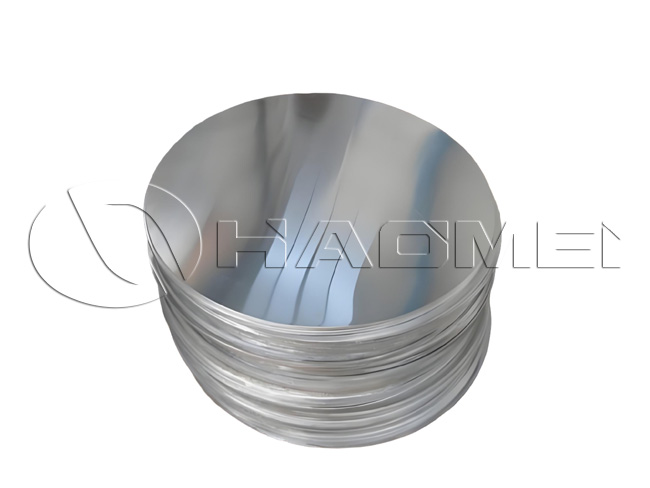
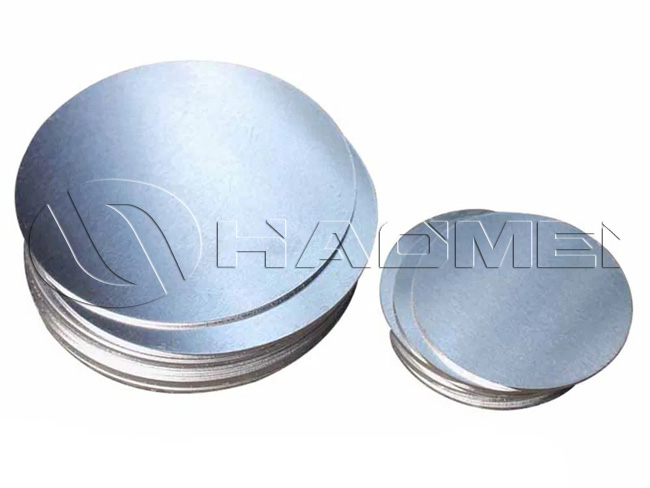
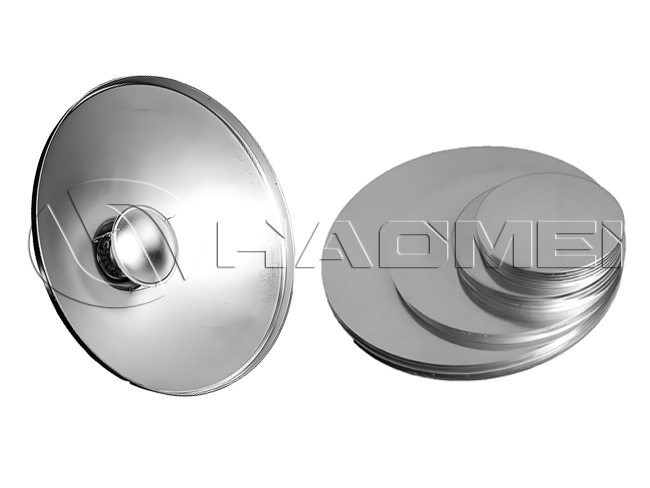
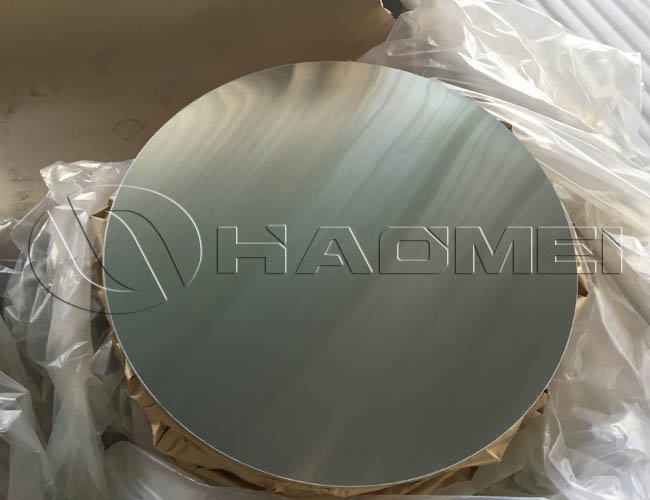
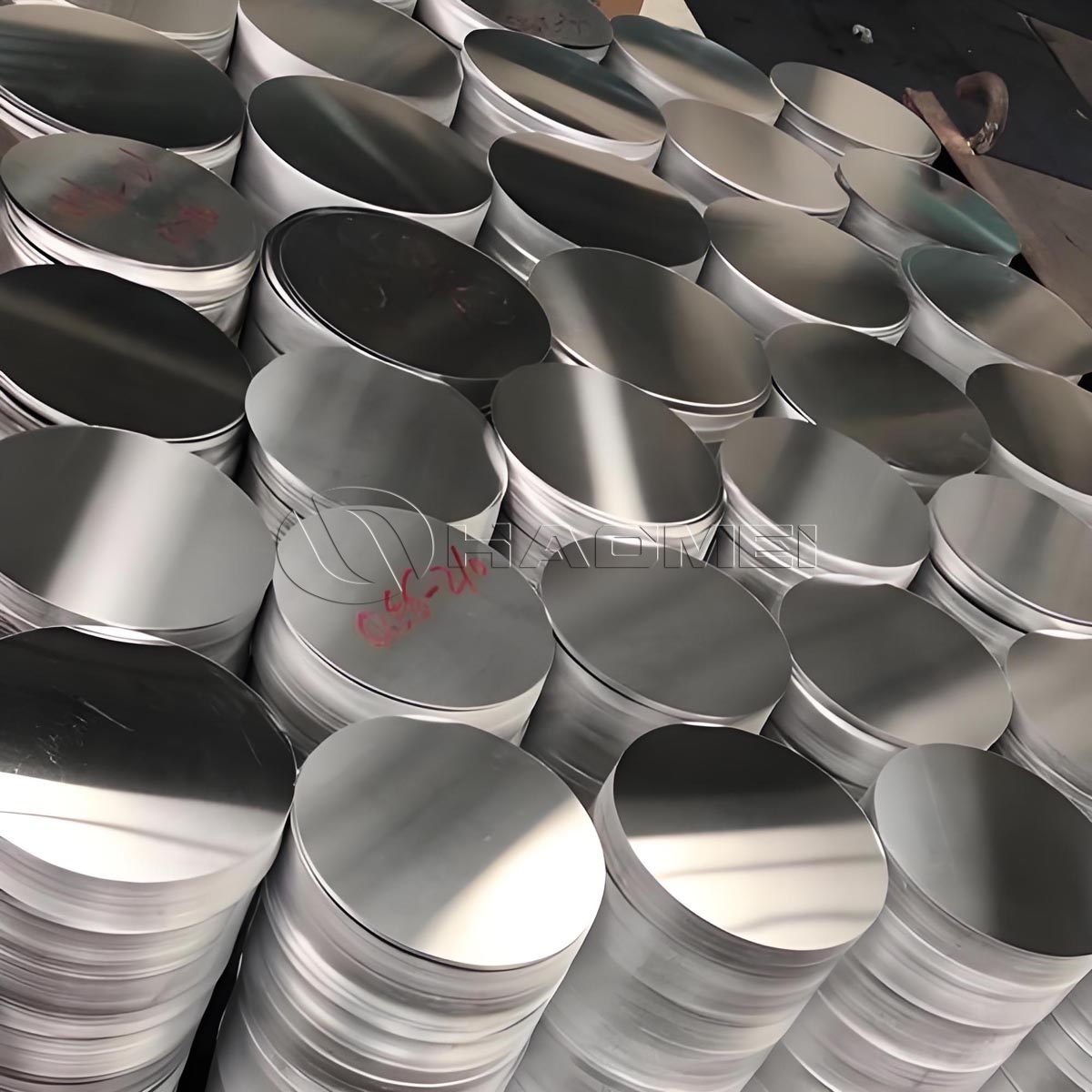
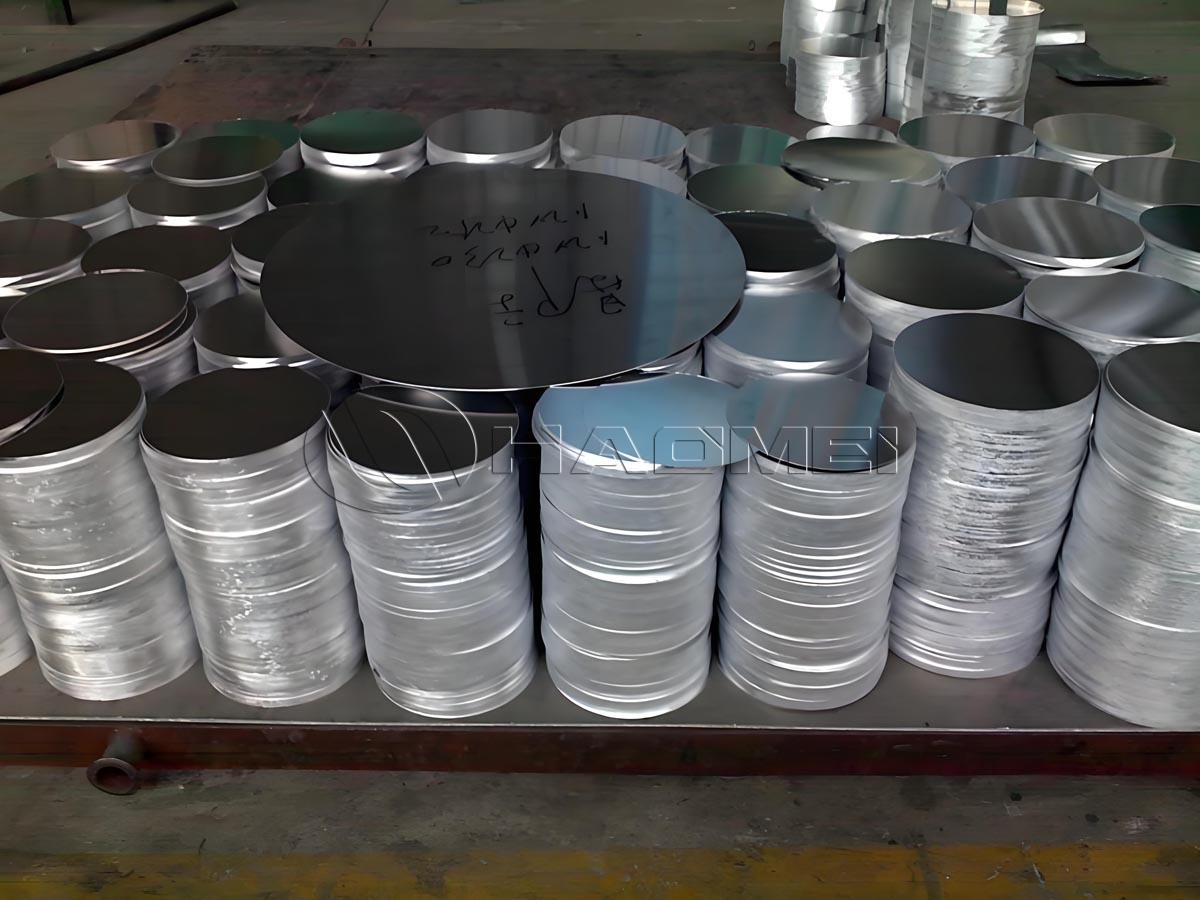
Yes, aluminum circles can be anodized. As an aluminum circle manufacturer, we routinely produce aluminum disc blanks for customers whose parts require subsequent anodizing, including lighting reflectors, decorative covers, nameplates, electrical housings, cookware components, traffic signs, and industrial enclosures.
However, not every aluminum circle will produce the same anodized appearance or coating performance. Alloy composition, temper, surface finish, forming history, cleaning method, and anodizing process control all affect the final result. For buyers planning to anodize aluminum discs, material selection must begin with the required finish, corrosion resistance, forming operation, and end-use environment.
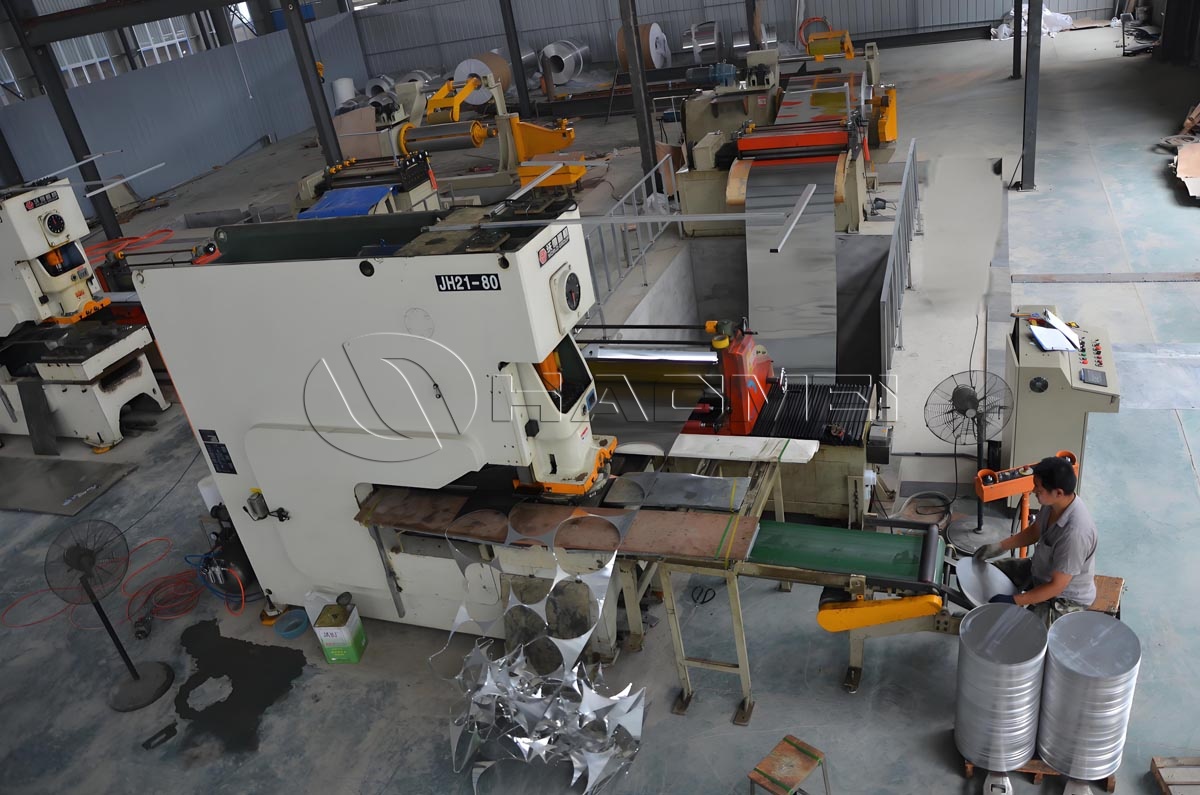
Anodizing is an electrochemical conversion process that thickens the natural aluminum oxide layer on the metal surface. During the process, the aluminum circle acts as the anode in an electrolyte solution, commonly sulfuric acid. Electrical current converts the outer aluminum surface into a controlled aluminum oxide layer.
Unlike paint or plating, the anodic layer is integrated with the base metal. It is not simply deposited on top of the aluminum disc. The resulting oxide coating can improve corrosion resistance, surface hardness, electrical insulation, and appearance. After anodizing, pores in the coating are usually sealed to improve durability and reduce staining.
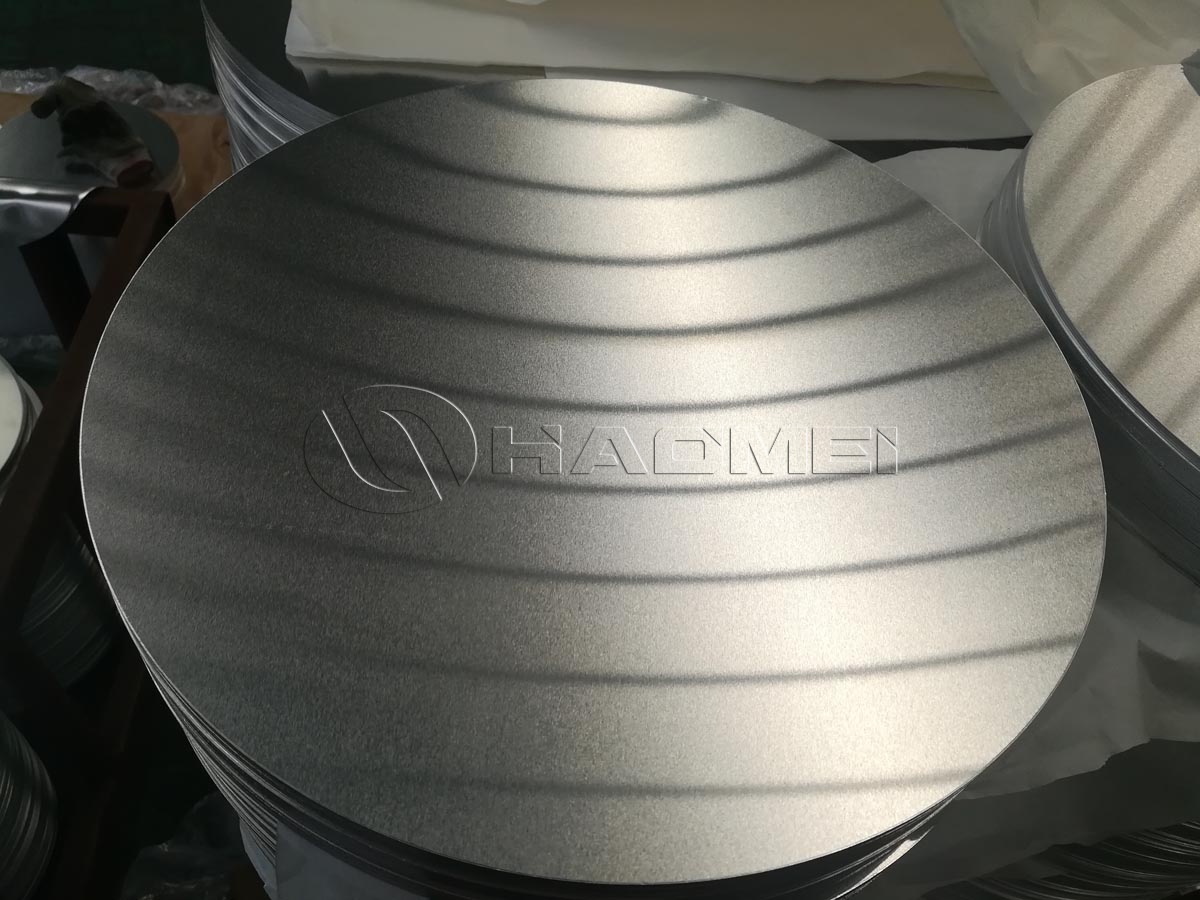
For anodized aluminum circles, the final finish may be clear, silver, matte, satin, brushed, chemically polished, or colored. The appearance depends not only on the anodizing line but also on the original aluminum circle surface supplied before treatment.
High corrosion resistance: Anodizing creates a dense oxide layer that effectively enhances the aluminum disc's corrosion resistance.
High surface hardness: The oxide layer offers excellent wear and scratch resistance, making it suitable for long-term use.
Attractive appearance: The surface is uniform and smooth, and can be finished in various colors such as silver, black, and gold.
Strong adhesion: The oxide layer bonds firmly to the aluminum substrate and does not easily peel off.
Good heat resistance: Suitable for products requiring heat resistance, such as lighting fixtures, cookware, and decorative components.
Good dimensional stability: Suitable for subsequent stamping, deep drawing, and forming processes.
Eco-friendly and non-toxic: The anodized layer is stable and free from the volatile solvents found in traditional organic coatings.
Wide range of applications: Suitable for use in cookware, lighting reflectors, decorative parts, electronic device casings, automotive components, and more.
High-purity 1000 series aluminum circles are generally the preferred choice where a bright, uniform, or decorative anodized finish is required. 1050 aluminum circle, 1060 aluminum circle, and 1070 aluminum circle materials have low alloying-element content, which helps produce a relatively clean and consistent anodic film.
3003 aluminum discs can also be anodized and are widely used where improved strength and formability are needed. However, manganese in 3003 alloy can create a slightly darker, grayish, or less uniform appearance compared with 1000 series material. This does not necessarily reduce functional performance, but it should be considered for decorative parts requiring exact color consistency.
5052 aluminum circles offer higher strength and good corrosion resistance, particularly for marine or humid environments. Their anodized appearance can differ from that of pure aluminum alloys because of magnesium content. We recommend production sampling before volume orders when the anodized part will be visible or color-critical.
| Aluminum Circle Alloy | Anodizing Suitability | Typical Anodized Appearance | Common Applications |
|---|---|---|---|
| 1050 | Excellent | Bright and uniform, especially with suitable pretreatment | Lighting parts, decorative discs, reflectors, nameplates |
| 1060 | Excellent | Clean and consistent natural finish | Lampshades, electronics, signage, cosmetic components |
| 1070 | Excellent | High brightness potential due to high purity | Reflective and decorative applications |
| 1100 | Very good | Good finish with moderate strength | General forming, lighting, industrial covers |
| 3003 | Good | Usually slightly darker or less uniform than 1000 series | Cookware components, housings, formed industrial parts |
| 5052 | Good | Functional and durable, appearance should be sampled | Corrosion-resistant covers, electrical and marine-related parts |
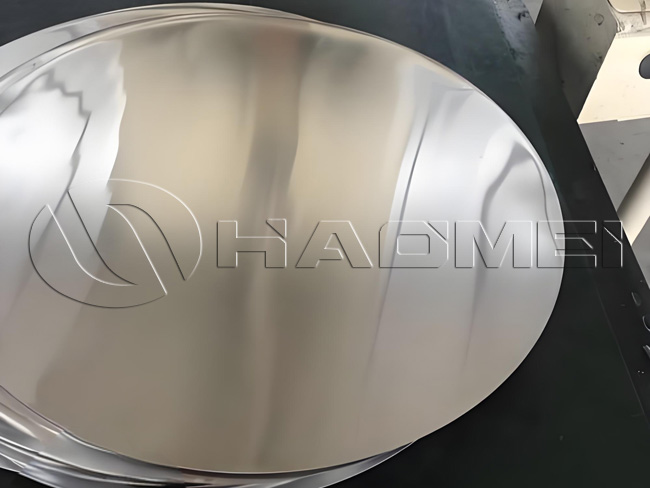
Anodizing does not hide substrate defects. On the contrary, it can make scratches, rolling marks, oil stains, die lines, dents, oxidation spots, and inconsistent grain patterns more visible. For this reason, the quality of the aluminum disc blank is one of the most important factors in anodizing quality.
In our production process, we control coil selection, slitting, blanking, edge condition, surface protection, and final inspection according to the customer's forming and finishing requirements. For anodized aluminum discs, we recommend specifying the intended finish at the inquiry stage rather than purchasing a general-purpose aluminum circle.
For example, a deep drawing aluminum circle intended for a hidden cookware base may accept a standard mill finish. In contrast, an exposed lighting trim ring that will receive clear anodizing may require a more strictly controlled surface, lower oil residue, and protective interleaving during packing and transportation.
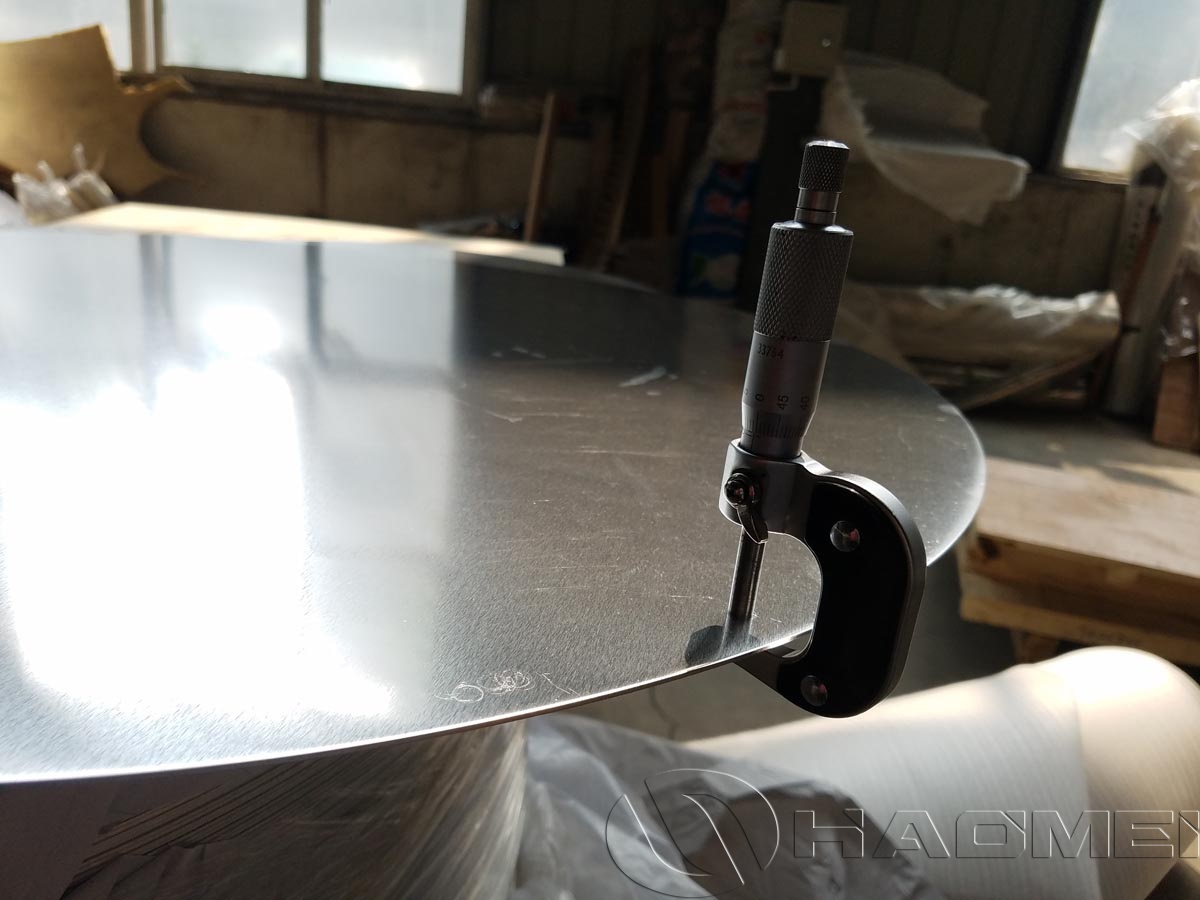
The correct technical parameters depend on the customer's tooling, forming depth, anodizing line, coating thickness, and visual standard. The following table provides common reference ranges for aluminum circles prepared for anodizing.
| Parameter | Typical Range or Requirement | Notes for Anodizing |
|---|---|---|
| Alloy | 1050, 1060, 1070, 1100, 3003, 5052 | 1000 series is preferred for bright decorative finishes |
| Temper | O, H12, H14, H16, H18 | O temper is commonly selected for deep drawing or spinning |
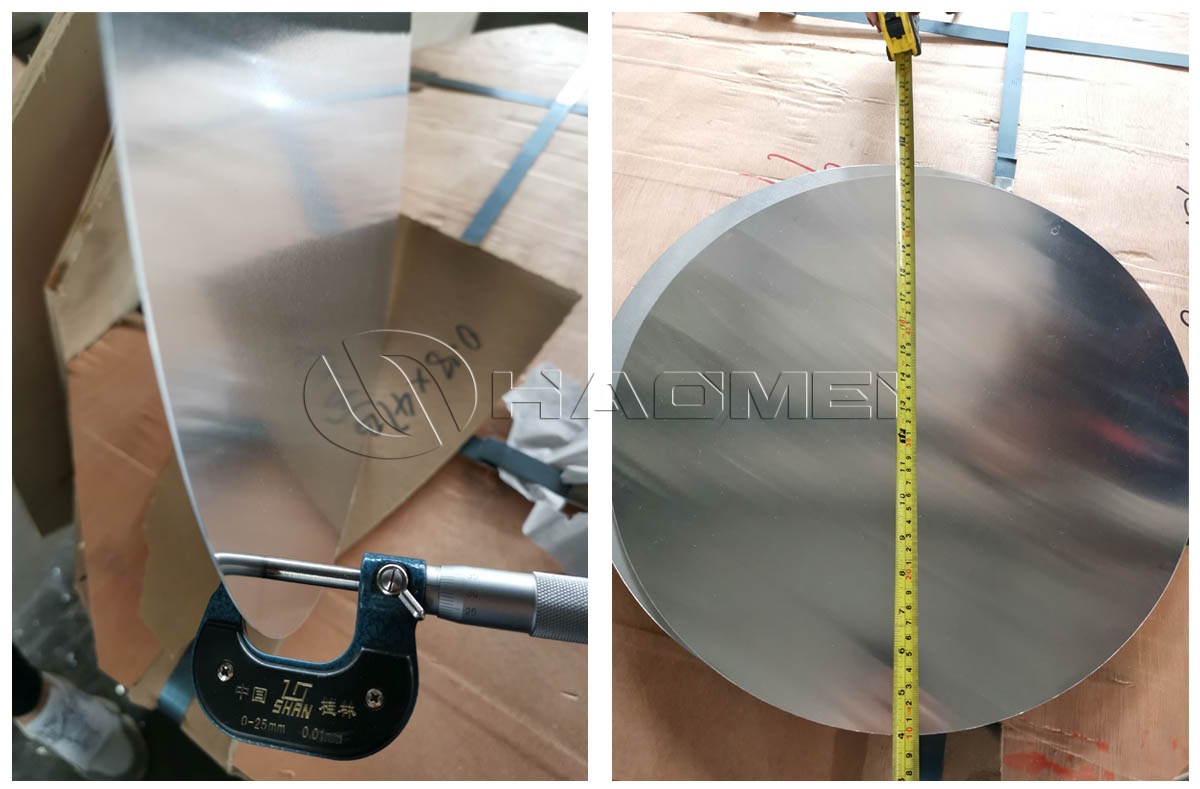
| Thickness | 0.30 mm to 6.00 mm | Tolerance should match the forming and end-use requirement |
| Diameter | 80 mm to 1,200 mm, subject to production capability | Custom diameters can be blanked from coil or sheet |
| Surface | Mill finish, brushed, polished, coated, or special finish | Surface must match the intended anodized appearance |
| Edge condition | Smooth punched edge, deburred when required | Burrs may affect handling, forming, and coating uniformity |
| Flatness | Controlled according to diameter and thickness | Important for racking, masking, and automated processing |
| Oil and contamination | Low-residue forming lubricant or dry surface as specified | Residues can cause water-break failure and coating defects |
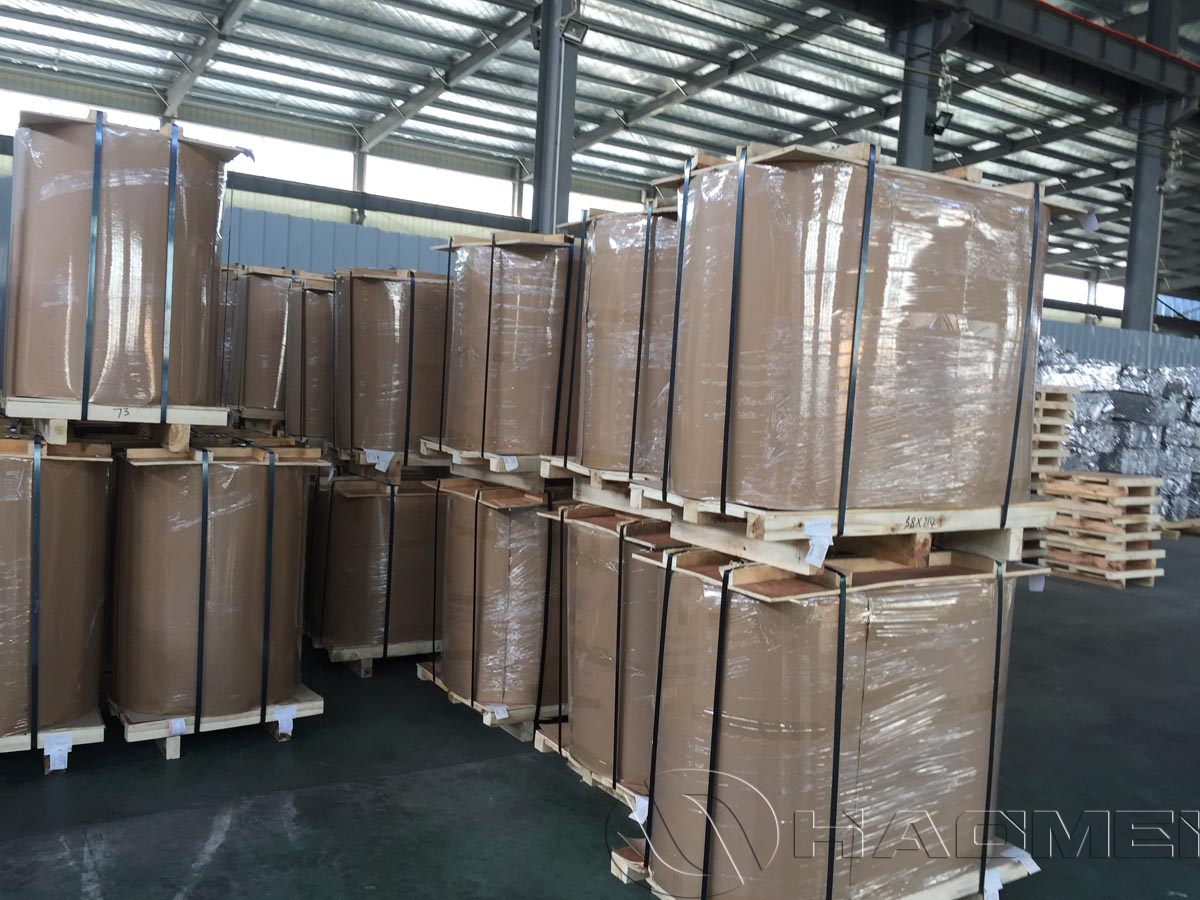
| Protective packing | Interleaving paper, film, or export-grade packing | Prevents scratches and moisture staining before anodizing |
A successful aluminum disc anodizing process begins with preparation. Even premium-grade aluminum circles require appropriate cleaning and pretreatment before they enter the anodizing tank. The standard sequence may vary by finish requirement, but typically includes the following stages.
The aluminum circles are cleaned to remove stamping oil, handling marks, dust, and transport residues. Inadequate degreasing is a frequent cause of uneven anodic films, stains, and poor sealing results. For formed parts, special attention should be given to lubricants trapped in drawn corners or spun profiles.
Alkaline etching creates a matte or satin finish and can reduce minor surface irregularities. Chemical brightening is used when a more reflective finish is required. These treatments do not create the same appearance, so the pretreatment route must be selected based on the final visual requirement.
After etching, insoluble alloying-element residues can remain on the surface. Desmutting removes these residues and prepares the aluminum circle for more uniform oxide growth. This step is particularly important for 3003 aluminum discs and other alloys containing higher levels of manganese, iron, or magnesium.
The anodic layer is formed under controlled current density, voltage, temperature, electrolyte concentration, and treatment time. The coating is then sealed, commonly through hot water, nickel-based sealing, or other approved systems. Proper sealing improves corrosion resistance and color stability.
Anodized aluminum circles can be produced with different coating thicknesses depending on their operating environment. Decorative indoor products often use thinner coatings, while outdoor or wear-resistant parts require thicker films.
| Anodizing Type | Typical Coating Thickness | Typical Use |
|---|---|---|
| Decorative sulfuric anodizing | 5 to 10 microns | Indoor lighting, decorative covers, consumer products |
| Standard protective anodizing | 10 to 15 microns | General industrial parts, housings, signage |
| Architectural or outdoor anodizing | 15 to 25 microns | Exterior components, traffic-related parts, exposed equipment |
| Hard anodizing | 25 to 60 microns or more | Wear-resistant mechanical parts, specialized industrial components |
Coating thickness should be confirmed against the application standard and measured on representative parts. Complexly formed circles may show variation between flat areas, edges, and deep-drawn sections because current distribution changes across the part geometry.
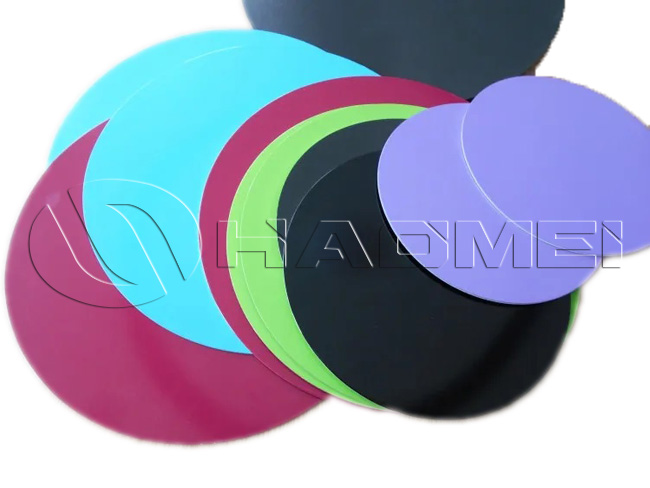
Yes. Aluminum circles can receive electrolytic coloring, organic dye coloring, or other controlled coloring methods after anodizing. Common colors include black, bronze, gold, champagne, blue, red, and gray. Color consistency depends on alloy, surface preparation, oxide thickness, dye chemistry, sealing, and batch control.
For visible products, we advise customers to confirm a physical color standard before mass production. The same color target can appear different on 1050 aluminum circle and 3003 aluminum disc material. It can also vary between a brushed surface and a chemically etched surface. A production trial helps establish acceptable color range, gloss level, and inspection criteria.
As a factory producing aluminum circles for downstream finishing, we focus on preventing avoidable material-related defects before our discs reach the anodizing line.
| Potential Issue | Possible Cause | Recommended Prevention |
|---|---|---|
| Uneven color | Alloy variation, incomplete cleaning, surface inconsistency | Maintain consistent alloy source and use controlled pretreatment |
| Dark spots or streaks | Oil, moisture stains, handling contamination | Use clean handling and protective interleaving |
| Visible scratches | Poor packing, stacking damage, rough handling | Specify cosmetic-grade surface and protected packing |
| Patchy coating | Inadequate desmutting or electrical contact problems | Verify pretreatment sequence and racking contact |
| Edge burning | Excessive current density at sharp edges | Optimize racking, current density, and process time |
| Orange peel appearance | Base-metal texture or aggressive etching | Select suitable coil surface and etching conditions |
When sending an inquiry to an aluminum circle manufacturer, buyers should provide more than diameter and thickness. The intended anodized finish is an essential technical requirement. We recommend confirming the alloy, temper, surface grade, forming operation, required coating thickness, color, visible-side requirement, and packing method.
For decorative clear anodizing, 1050 or 1060 aluminum circles are often the most reliable starting point. For deep-drawn or stronger components, 3003 aluminum discs may be more suitable, provided that the acceptable anodized appearance is established through sampling. For corrosion-resistant applications requiring higher strength, 5052 alloy should be evaluated with the selected anodizing process.
Aluminum circles can be anodized effectively, but the final quality depends on selecting the correct alloy and controlling the full process from disc production through surface treatment. High-purity 1000 series aluminum circles usually provide the best appearance for clear or colored decorative anodizing, while 3003 and 5052 aluminum discs can offer advantages in strength, forming, and service performance.
As a manufacturer, we supply aluminum circle blanks with controlled thickness, diameter, temper, edge quality, surface condition, and export packaging for customers performing anodizing and further fabrication. By defining the anodizing requirement before production, buyers can reduce finishing defects and achieve more consistent results in volume manufacturing.

Office Address:
No.14 Waihuan Road, CBD, Zhengzhou, China
Contact Us
HAOMEI Aluminum offer an custom aluminum circle for you!
whatsapp: +86-18703635966
Email: sales@alummc.com
Email: alummc@hotmail.com
Request Free Sample & Quotation
Copyright © 2026 By HAOMEI Aluminum CO., LTD. All Rights Reserved. Sitemap
 +86-18703635966
 sales@alummc.com
 8618703635966
