 No.14 Waihuan Road, CBD, Zhengzhou, China
 +86-18703635966

No.14 Waihuan Road, CBD, Zhengzhou, China
+86-18703635966
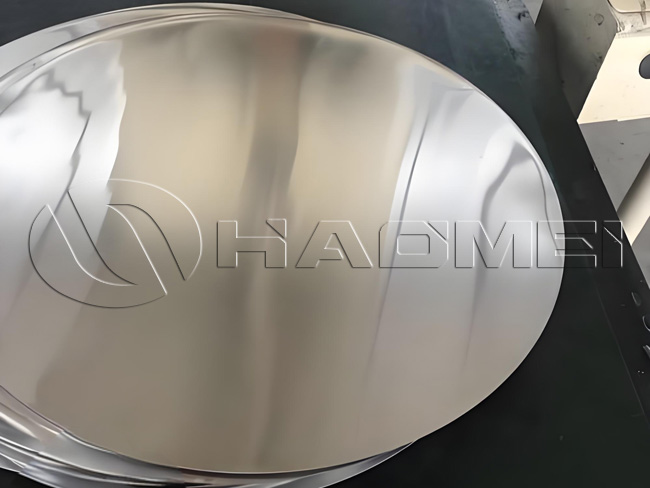
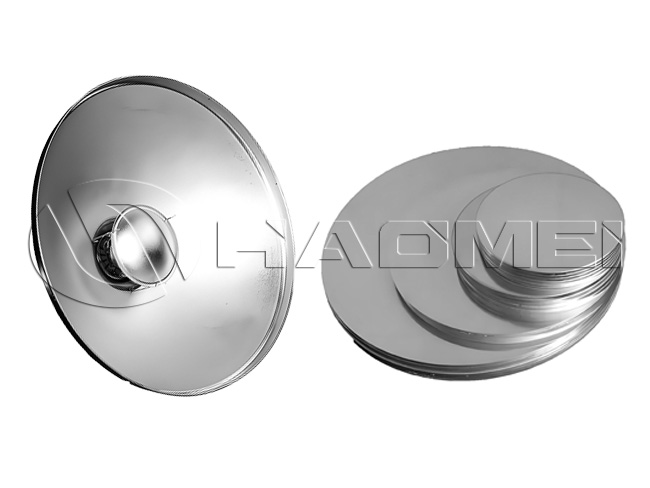
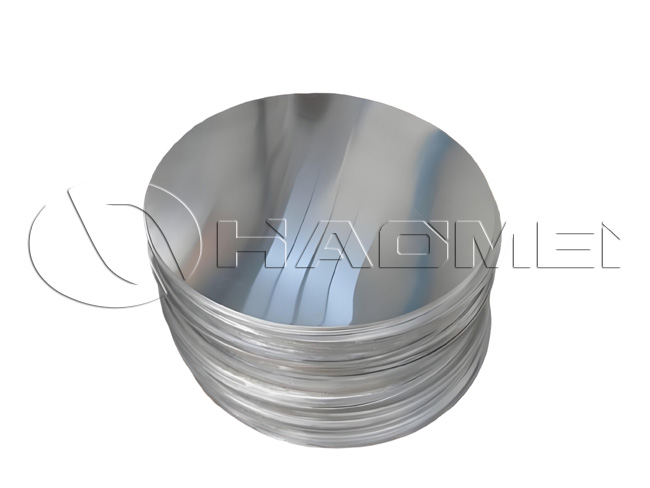
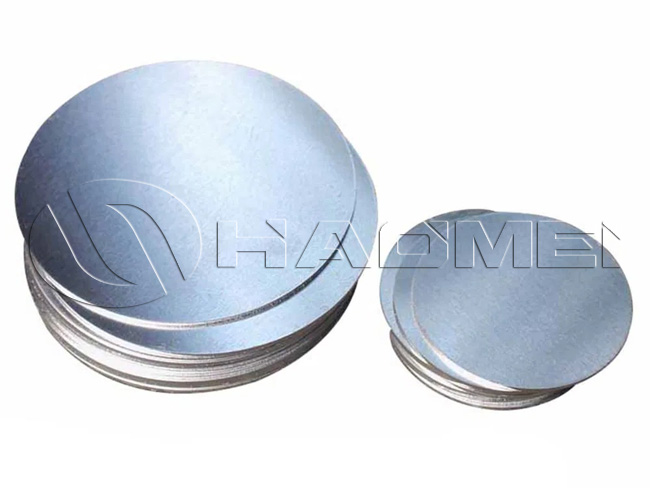
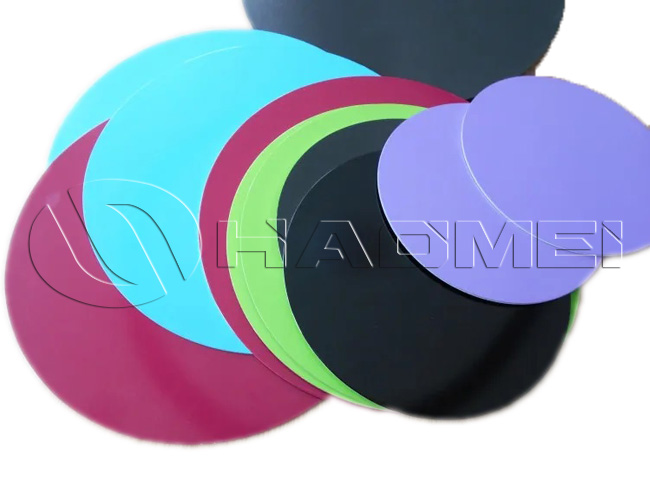
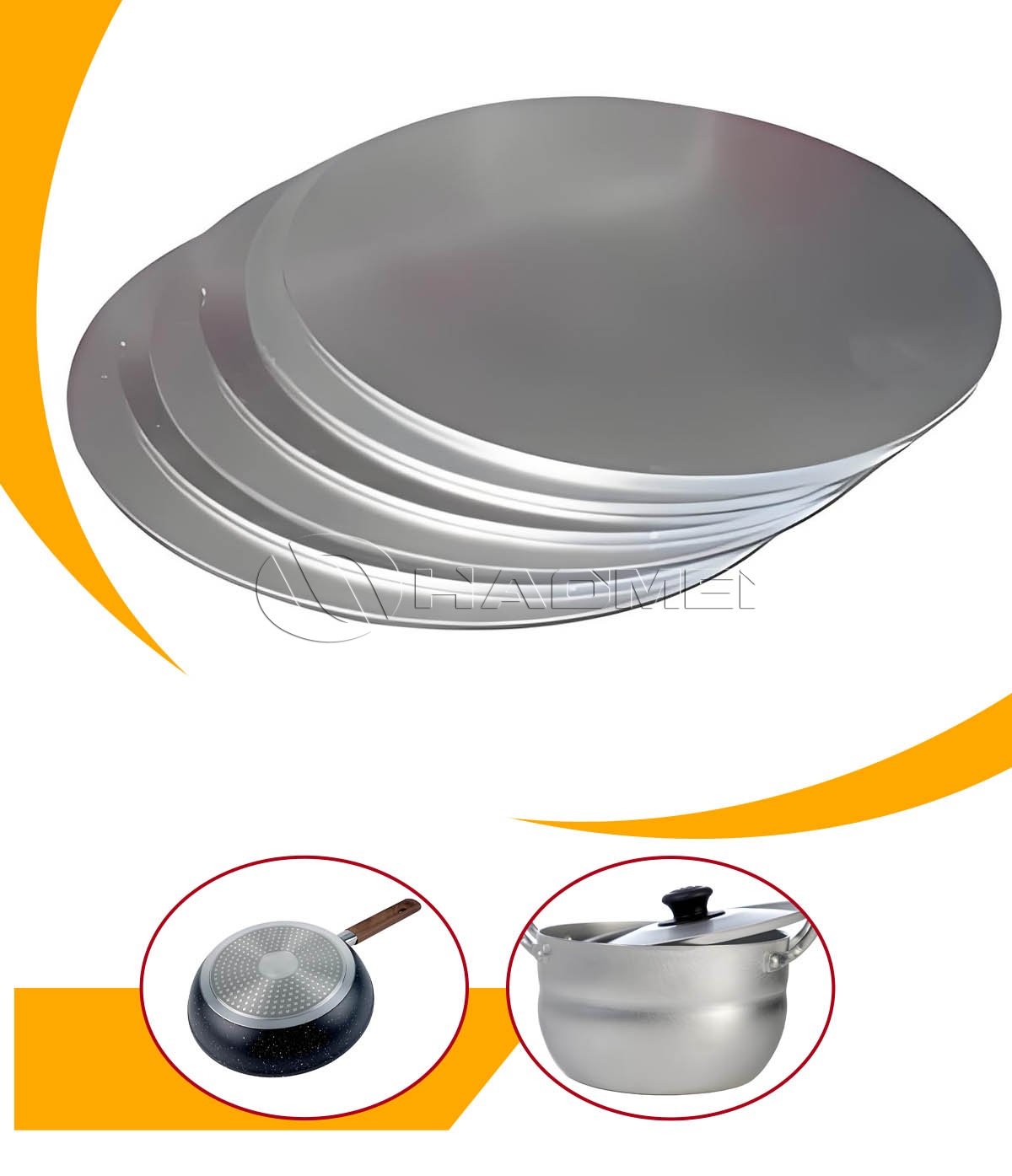
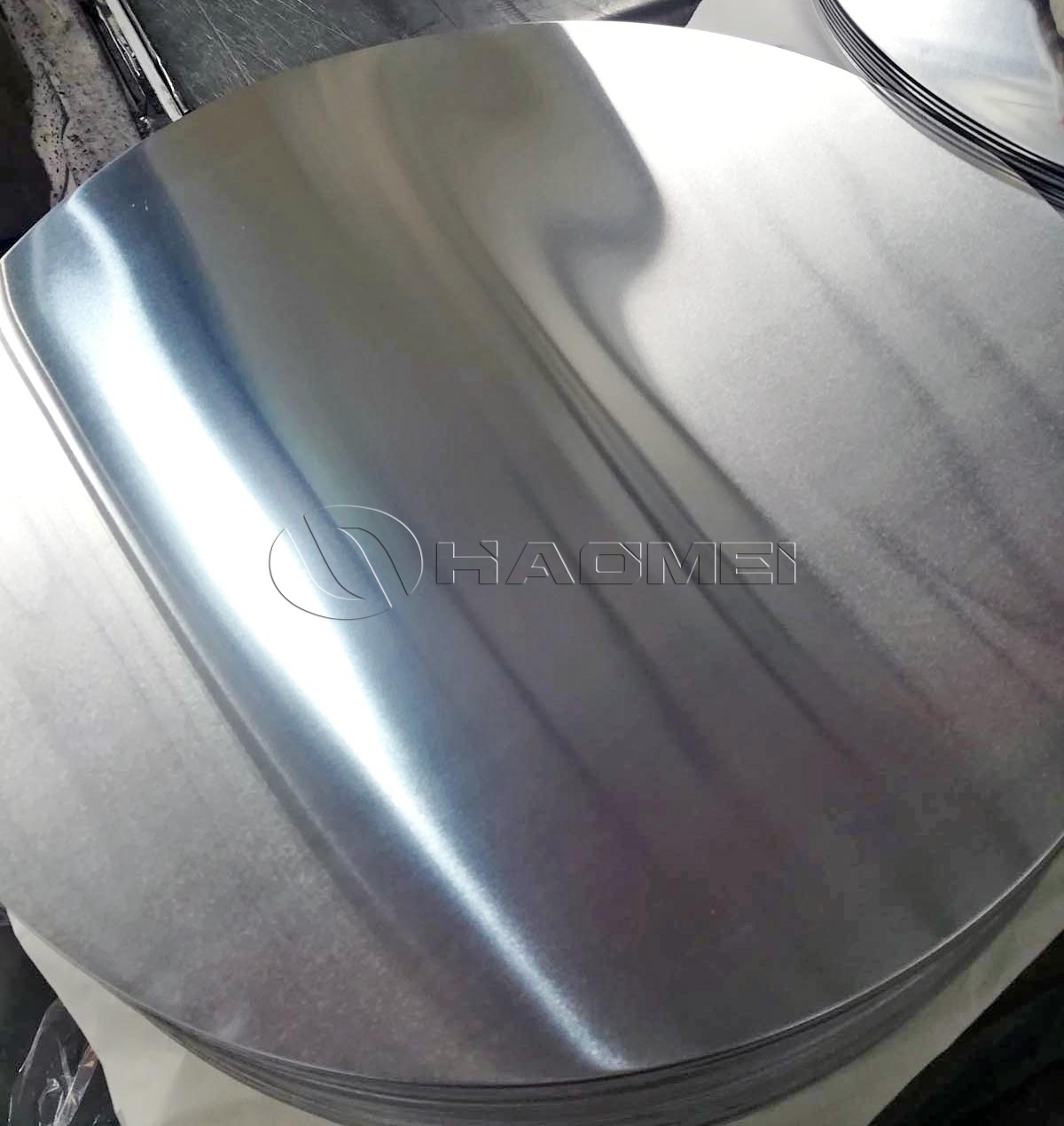
As a manufacturer of aluminum circles and deep-drawing aluminum discs, we produce 1050 and 3003 heat sublimation aluminum circles for cookware manufacturers that require reliable forming performance and a controlled decorative surface. These circles are used as base materials for frying pans, saucepans, pizza pans, stockpots, pressure cooker components, and other round cookware parts where decorative heat-transfer printing is required on the exterior surface.
Heat sublimation aluminum circles combine a formable aluminum substrate with a suitable pre-treatment and coating system. During the sublimation process, printed transfer paper is placed against the coated aluminum surface and heated under pressure. The dye is transferred into the coating layer to create a stable decorative pattern. For cookware applications, this process is generally used on the outer wall, bottom, handle accessories, or non-food-contact decorative areas. The final product design must consider the intended operating temperature, coating specification, and food-contact compliance requirements of the destination market.
1. Excellent Surface Coating: Features a specialized sublimation coating that offers superior ink absorption and pattern adhesion.
2. High Color Fidelity: Ensures clear image transfers with vibrant, saturated colors and rich, intricate detail.
3. Smooth and Even Surface: The uniform coating minimizes the occurrence of air bubbles, scratches, and other surface imperfections.
4. Good Thermal Conductivity: Aluminum conducts heat rapidly, facilitating an even temperature distribution during the sublimation transfer process.
5. Lightweight and Corrosion-Resistant: Aluminum has a low density, offers excellent workability, and provides strong resistance to corrosion.
6. Flexible Specifications: Available in a variety of customizable diameters, thicknesses, and dimensions.
7. Easy to Process: Simple to stamp, cut, and further decorate, making these discs ideal for personalized, custom-made products.
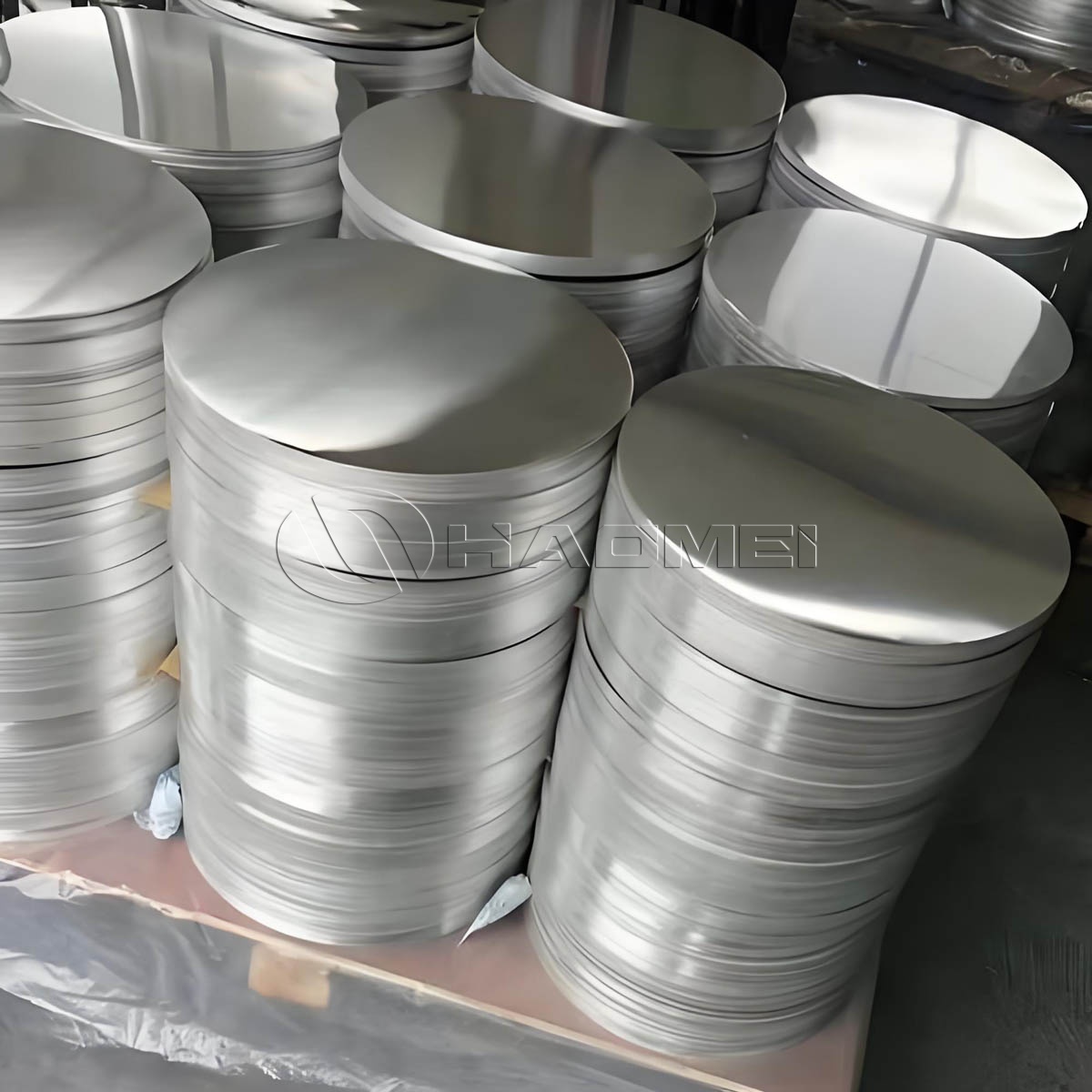
The choice between 1050 and 3003 aluminum circles depends on the cookware design, forming depth, mechanical strength requirement, and thermal performance target. We select coil stock, rolling condition, and annealing parameters according to the customer's drawing process and surface decoration plan.
1050 aluminum is commercially pure aluminum with high aluminum content. It offers good thermal conductivity, strong corrosion resistance, and excellent ductility. A 1050 aluminum circle is widely selected for simple stamped cookware, shallow-drawn pans, lids, and parts requiring efficient heat transfer. Its soft temper condition supports stable pressing and reduces the risk of edge cracking during forming.
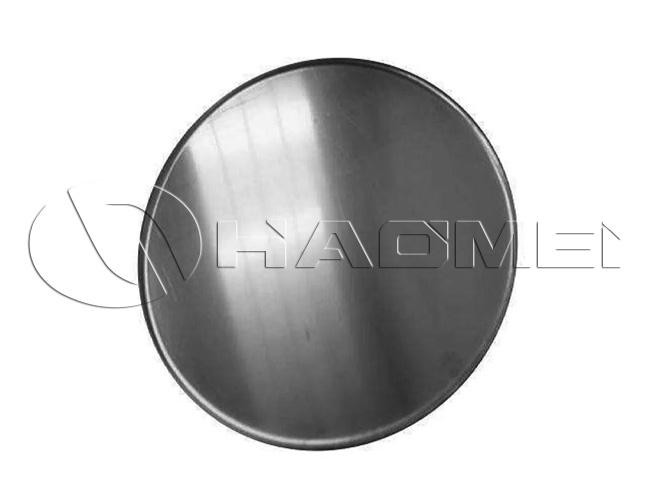
For sublimation decoration, the surface of a 1050 aluminum circle must be controlled carefully. Uniform roughness, cleanliness, and coating coverage help reduce visible defects after heat transfer. We can provide mill finish circles for customers with their own coating line, or supply prepared material according to agreed surface specifications.
3003 aluminum contains manganese, providing higher strength than 1050 while retaining good workability. A 3003 aluminum circle is commonly used for deeper cookware bodies, larger-diameter frying pans, cookware requiring improved dent resistance, and applications where repeated forming operations are necessary.
Compared with 1050, 3003 has slightly lower thermal conductivity but better structural strength. For many cookware factories, 3003 provides a practical balance between formability, durability, and processing consistency. When decorative sublimation is applied after forming, the improved rigidity of 3003 can help maintain dimensional stability through downstream handling and assembly.
The following parameters represent our standard manufacturing range. Final specifications are confirmed according to cookware shape, stamping method, coating system, and purchase order requirements.
| Parameter | 1050 Aluminum Circle | 3003 Aluminum Circle |
|---|---|---|
| Alloy | AA 1050 / EN AW-1050A | AA 3003 / EN AW-3003 |
| Temper | O, H12, H14 | O, H12, H14 |
| Aluminum thickness | 0.40 mm to 6.00 mm | 0.50 mm to 6.00 mm |
| Standard diameter | 100 mm to 1,400 mm | 100 mm to 1,400 mm |
| Diameter tolerance | Typically +/- 0.5 mm to +/- 2.0 mm | Typically +/- 0.5 mm to +/- 2.0 mm |
| Thickness tolerance | Subject to thickness and order specification | Subject to thickness and order specification |
| Surface finish | Mill finish, cleaned, coated upon agreement | Mill finish, cleaned, coated upon agreement |
| Edge condition | Deburred, smooth stamping edge | Deburred, smooth stamping edge |
| Forming suitability | Shallow to medium drawing | Medium to deep drawing |
| Primary cookware use | Pans, lids, shallow cookware bodies | Frying pans, pots, deep cookware bodies |
1. Excellent Thermal Conductivity: Aluminum conducts heat rapidly, facilitating even heat distribution and enhancing the heating efficiency of cookware.
2. Lightweight: Due to its low density, aluminum reduces the overall weight of cookware, making it convenient for daily use.
3. Superior Formability: With excellent ductility and stamping characteristics, the material is well-suited for manufacturing processes such as deep drawing and metal spinning.
4. Strong Coating Adhesion: Specialized sublimation coatings offer excellent pattern transfer capabilities, ideal for personalized cookware decoration.
5. High Dimensional Precision: Uniform thickness and stable dimensions contribute to increased production efficiency for cookware.
6. Good Corrosion Resistance: Aluminum possesses inherent corrosion resistance; when combined with appropriate surface treatments, it significantly extends the product's service life.
7. Flexible Customization: Available in a wide range of diameters, thicknesses, and alloy grades to meet diverse cookware manufacturing requirements.
A heat sublimation aluminum circle requires more than a smooth metal surface. Successful heat transfer printing depends on the interaction between the aluminum substrate, conversion treatment, primer if used, and sublimation-compatible top coating. We work with customers to define the material condition needed for their individual coating and printing process.
The typical production route includes the following stages:
Coil inspection and slitting: We inspect incoming aluminum coil for alloy chemistry, thickness, surface quality, and mechanical properties before production.
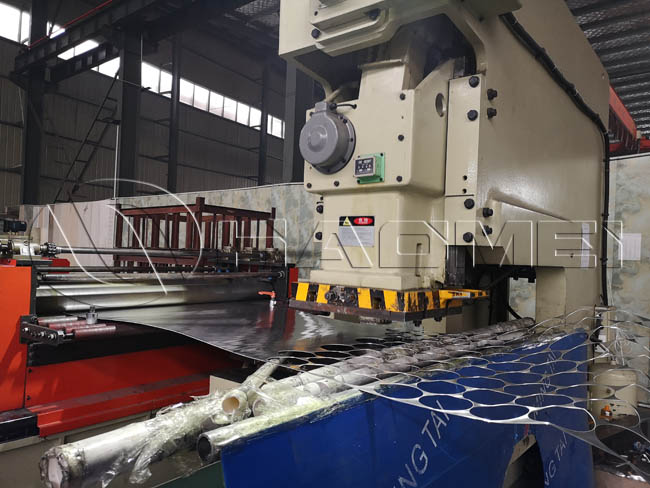
Circle blanking: Aluminum discs are punched with controlled die clearance to achieve clean edges and stable roundness.
Annealing when required: O temper aluminum circles are produced through controlled annealing to support deep drawing and reduce forming stress.
Cleaning and surface control: Oil residue, dust, and rolling contaminants must be managed because they can affect coating adhesion.
Pre-treatment and coating: Depending on the customer's process, circles may receive chemical treatment and a sublimation coating system before printing.
Heat transfer printing: Decorative ink from transfer paper is transferred under controlled temperature, time, and pressure.
The sublimation coating must be selected according to the intended application. Decorative cookware surfaces may encounter heat, humidity, washing agents, and abrasion. Therefore, coating suppliers and cookware manufacturers should validate adhesion, color retention, heat resistance, and chemical resistance on formed parts rather than on flat test panels alone.
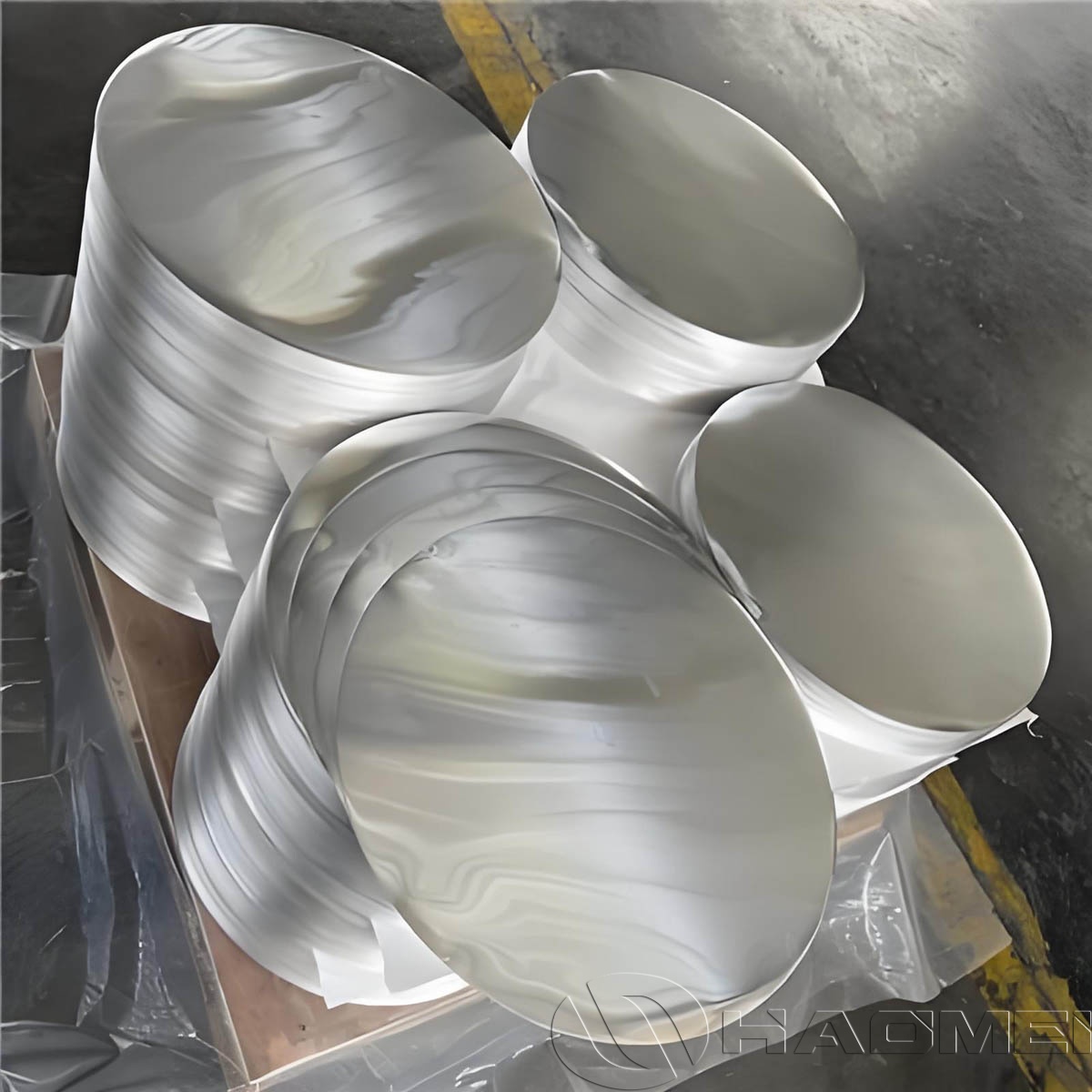
For cookware manufacturers, a printed aluminum disc is only useful if it can be formed consistently. Decorative quality and metal forming performance must be considered together. If the material is too hard, deep drawing can lead to cracking, orange peel, or distortion. If the material is too soft for the product design, the formed cookware body may lose rigidity or deform during handling.
Our production process focuses on stable grain structure, mechanical property consistency, and low earing tendency. These factors support more uniform drawing performance, especially for circular cookware blanks. We also control burr height and edge smoothness to reduce risks during spinning, drawing, trimming, and curling operations.
For customers producing non-stick frying pans, the aluminum circle may pass through blanking, drawing, trimming, sanding, exterior printing, interior coating, base attachment, and final assembly. Material consistency at the first stage supports yield throughout the complete manufacturing route. Our Aluminum Circles for Cookware are available in specifications designed for these common processing conditions.
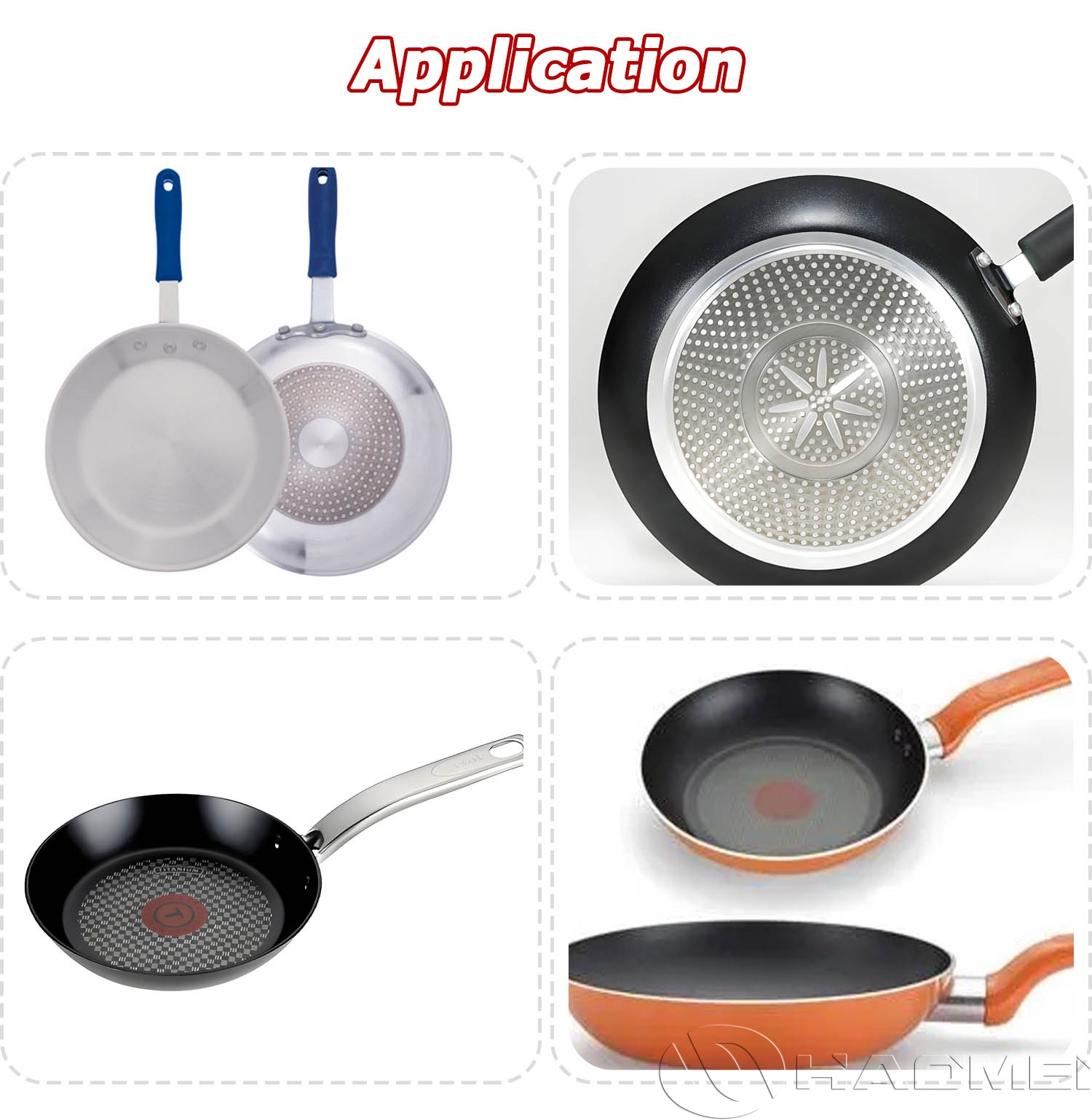
1050 and 3003 sublimation aluminum discs can be used for a range of cookware and kitchenware products, including:
Frying pans with decorative exterior patterns.
Saucepan and stockpot bodies with printed outer surfaces.
Pizza pans and baking trays where the design permits aluminum construction.
Cookware lids, decorative bottom plates, and outer shell components.
Camping cookware and lightweight kitchen utensils.
Gift cookware with customized graphics, branding, or seasonal designs.
The final use of a sublimation coated aluminum disc should be reviewed against applicable product safety rules. We recommend that customers evaluate the full coating system, including inks, coatings, and curing conditions, for food-contact regulations when the decorated area may contact food. For exterior-only decoration, performance testing should still reflect realistic cooking, washing, storage, and transport conditions.
As an aluminum circle manufacturer, we maintain quality controls from coil selection through packing. Inspection items are defined by the order specification and may include alloy verification, thickness measurement, diameter measurement, surface inspection, edge condition, flatness, mechanical properties, and packaging condition.
For sublimation aluminum circles, surface cleanliness is especially important. We check for visible scratches, oil marks, rolling defects, oxidation stains, and foreign particles that may affect downstream coating or print appearance. Where customers specify coating-ready material, we coordinate delivery requirements so that packaging and storage conditions protect the surface before printing.
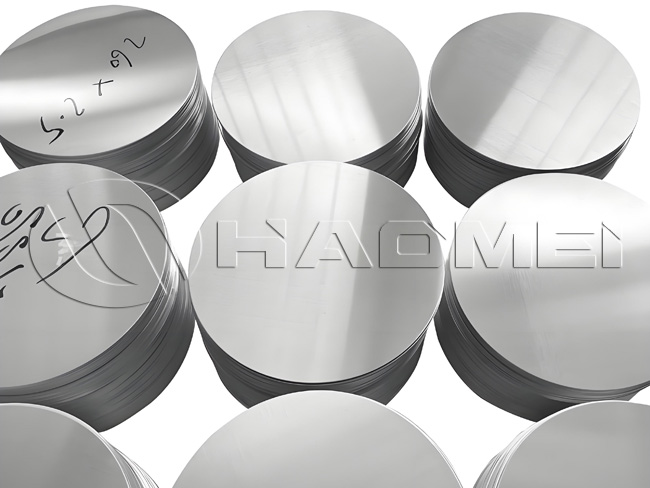
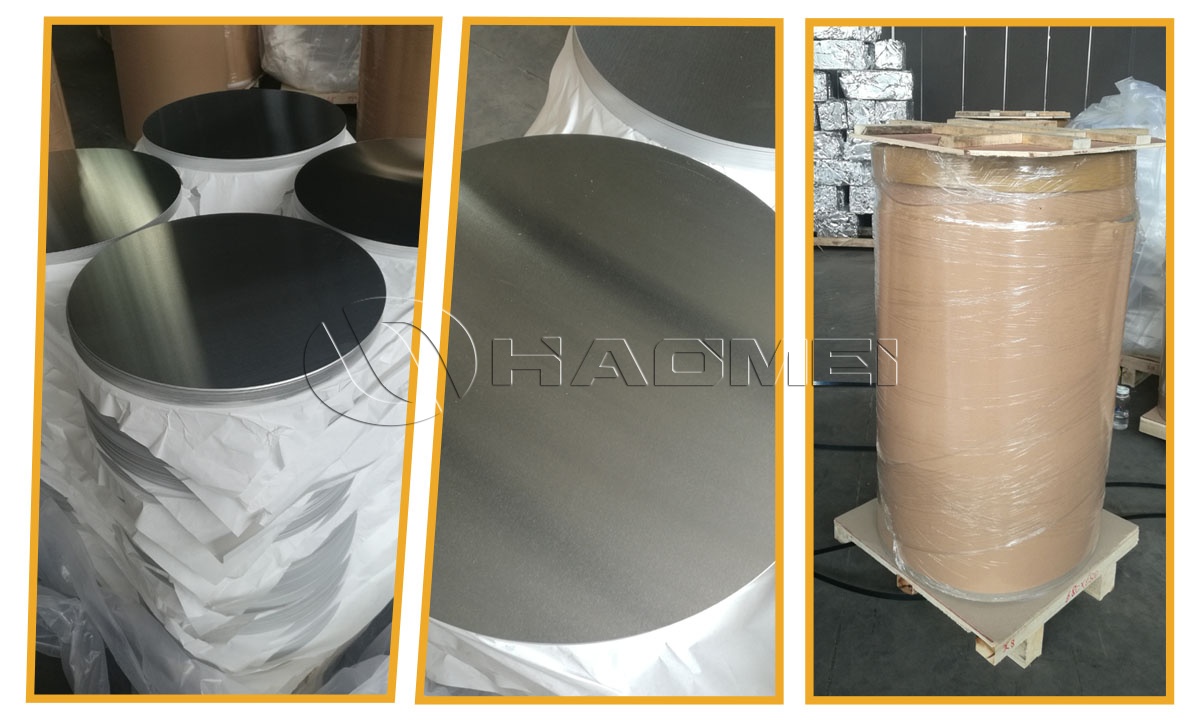
Each batch is packed with interleaving protection where required, then secured on pallets or in export-worthy wooden cases. Packaging design considers disc diameter, thickness, quantity per stack, and destination transport conditions. Clear batch identification supports traceability during the customer's production process.
We manufacture aluminum circles to drawing-based and production-line requirements. Customers can specify alloy, temper, diameter, thickness, blanking condition, surface quality level, packaging method, and quantity per pallet. For products requiring special decorative processing, samples can be evaluated before volume production.
In addition to standard round blanks, we can discuss special diameter ranges, tighter tolerances, and material conditions for spinning or drawing. Customers seeking alternative processing routes may also consider our Color Coated Aluminum Circle options for painted cookware components and decorative metal applications.
1050 and 3003 heat sublimation aluminum circles provide cookware manufacturers with a practical base material for formed and decorated products. 1050 is well suited to applications prioritizing thermal conductivity and ductility, while 3003 offers higher strength for demanding cookware shapes and deeper drawing operations. The selection should be based on the cookware design, forming route, coating technology, and required service performance.
By controlling alloy quality, temper, blanking accuracy, surface condition, and packaging, we supply cookware aluminum circles that support efficient downstream production. For a reliable quotation, customers should provide the required alloy, temper, diameter, thickness, end use, drawing depth, surface treatment requirement, and estimated order volume.


Office Address:
No.14 Waihuan Road, CBD, Zhengzhou, China
Contact Us
HAOMEI Aluminum offer an custom aluminum circle for you!
whatsapp: +86-18703635966
Email: sales@alummc.com
Email: alummc@hotmail.com
Request Free Sample & Quotation
Copyright © 2026 By HAOMEI Aluminum CO., LTD. All Rights Reserved. Sitemap
 +86-18703635966
 sales@alummc.com
 8618703635966
