
 No.14 Waihuan Road, CBD, Zhengzhou, China
 +86-18703635966

No.14 Waihuan Road, CBD, Zhengzhou, China
+86-18703635966
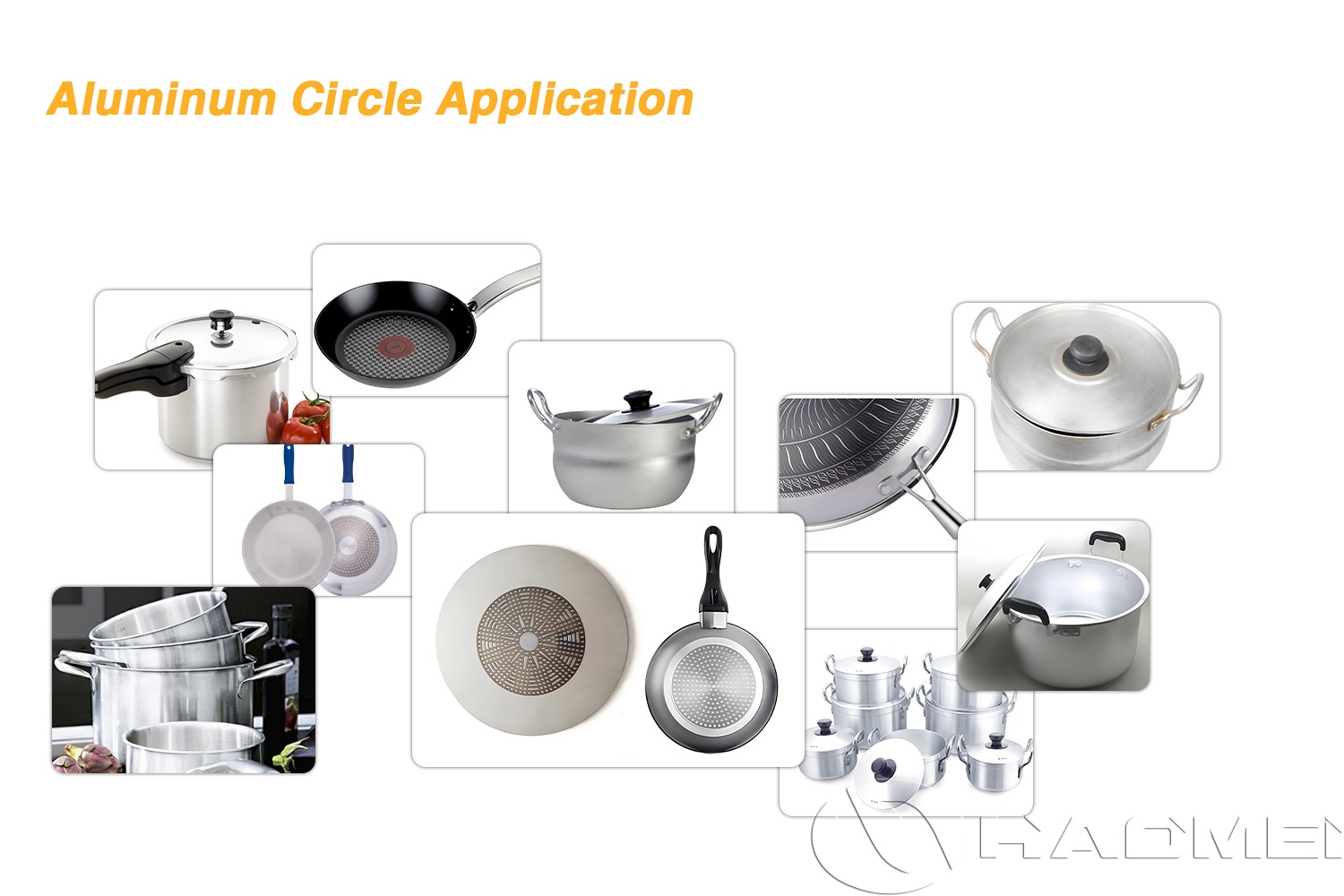
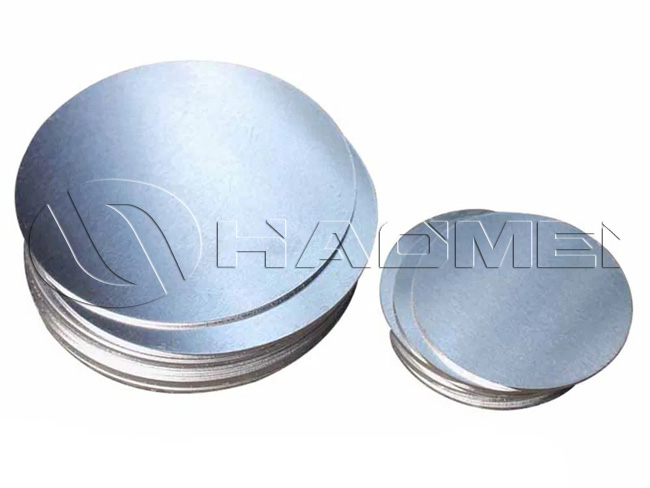
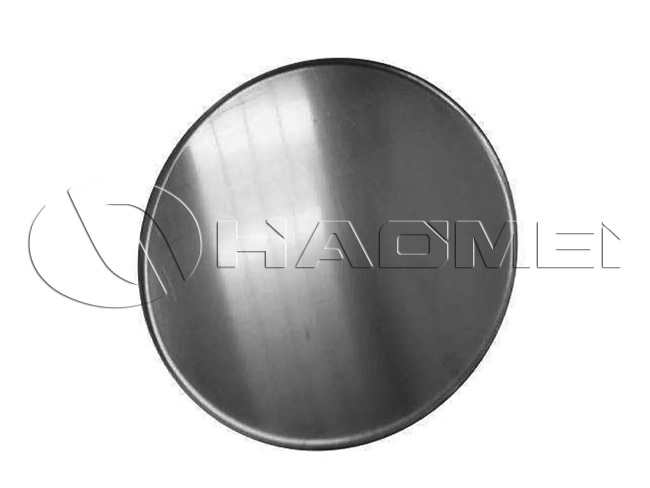
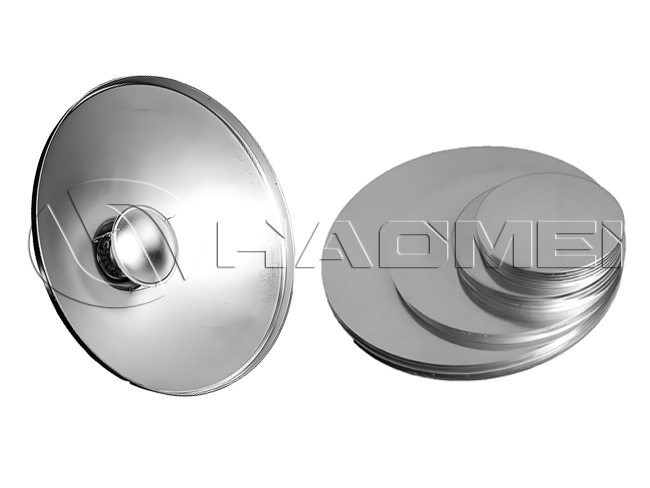
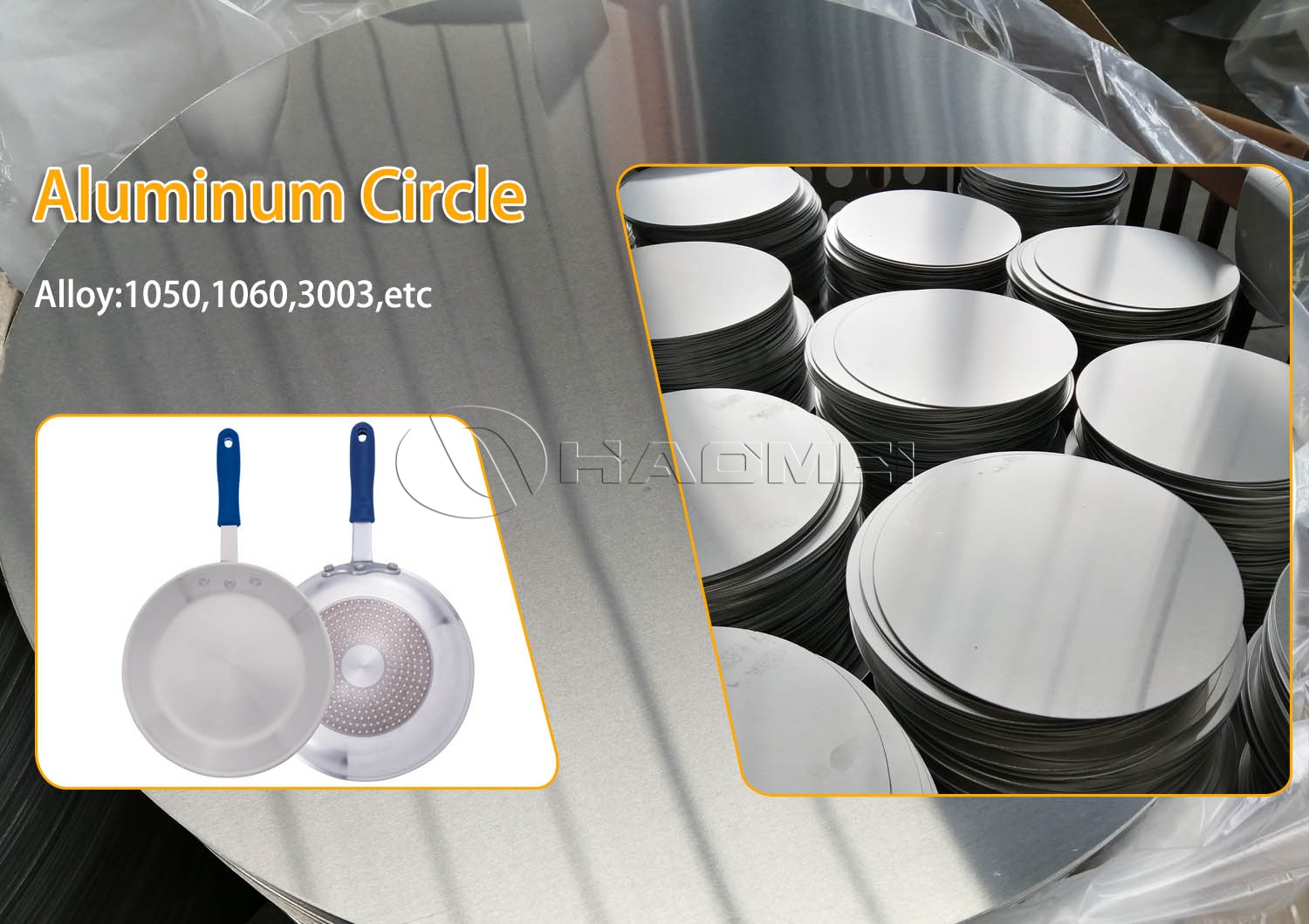
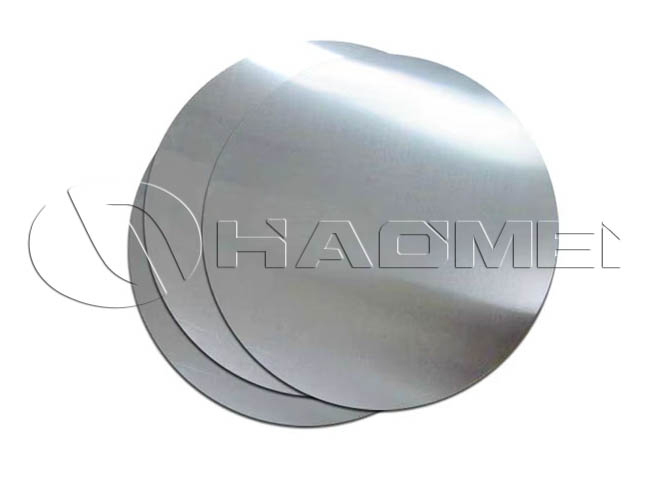
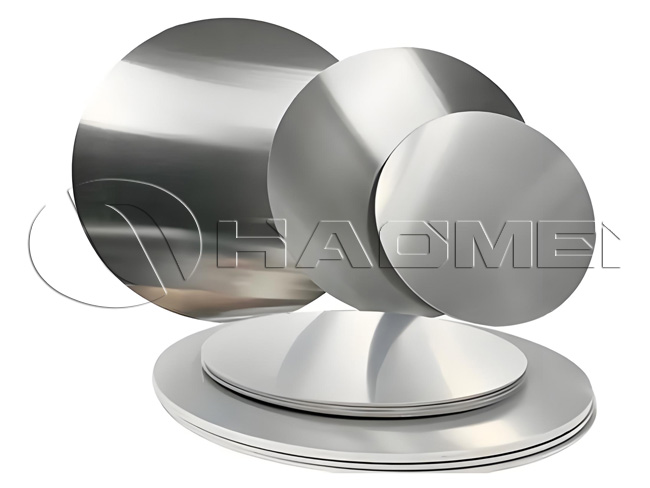
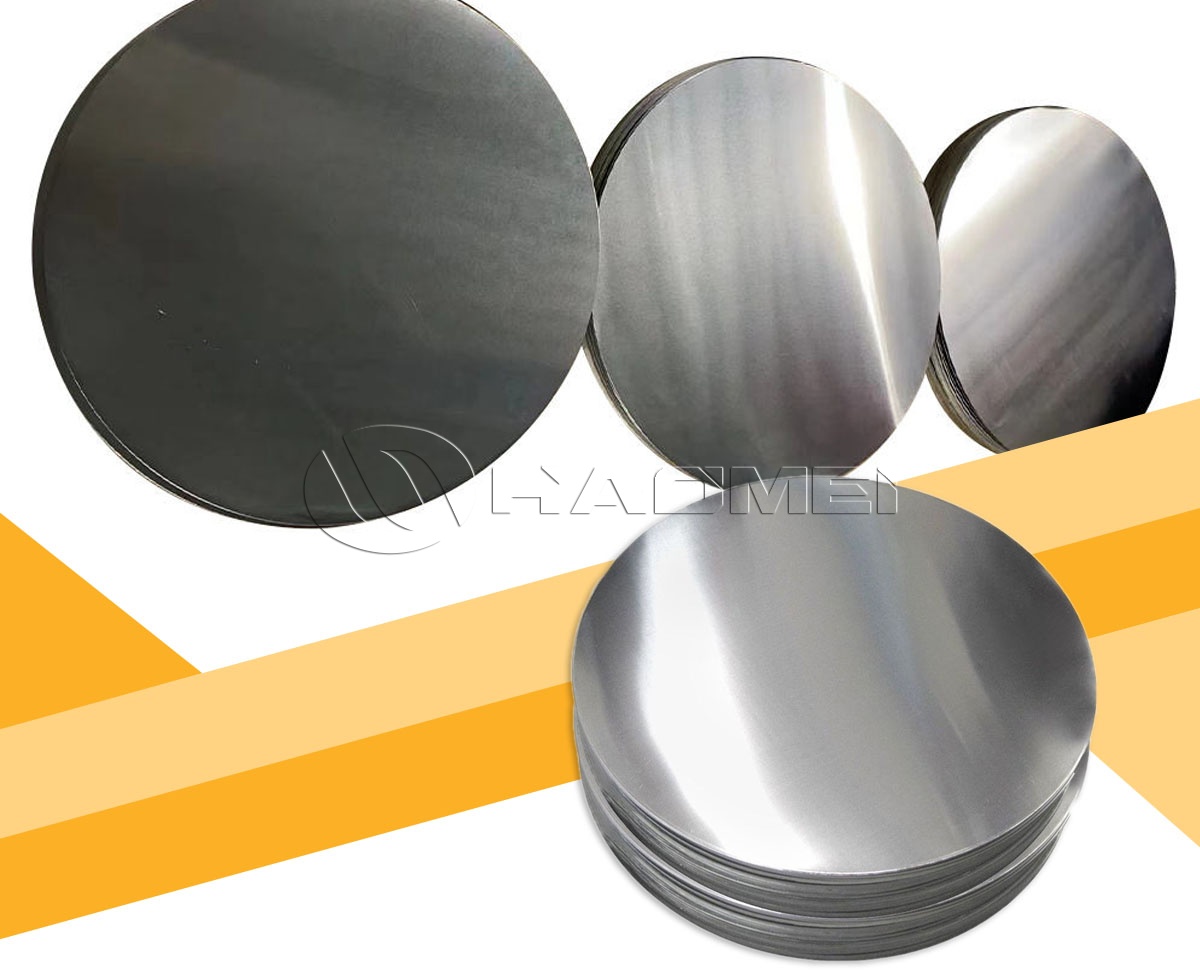
As an aluminum circle manufacturer, we produce 0.5mm-5mm thick aluminum circles for cookware manufacturers that require stable forming performance, consistent surface quality, and reliable dimensional accuracy. These aluminum circle discs are widely used for frying pans, saucepans, stock pots, pressure cooker bodies, rice cooker inner pots, lids, bakeware, and other deep drawn or spun cookware components.
Cookware production places specific requirements on aluminum blanks. The material must have suitable elongation, controlled hardness, clean surface condition, and accurate diameter tolerance. If the aluminum disc is too hard, forming cracks may occur. If the surface is not properly controlled, polishing, coating, or anodizing defects can appear after processing. For this reason, our production is organized from coil selection to blanking, annealing, inspection, and packaging according to cookware-grade requirements.
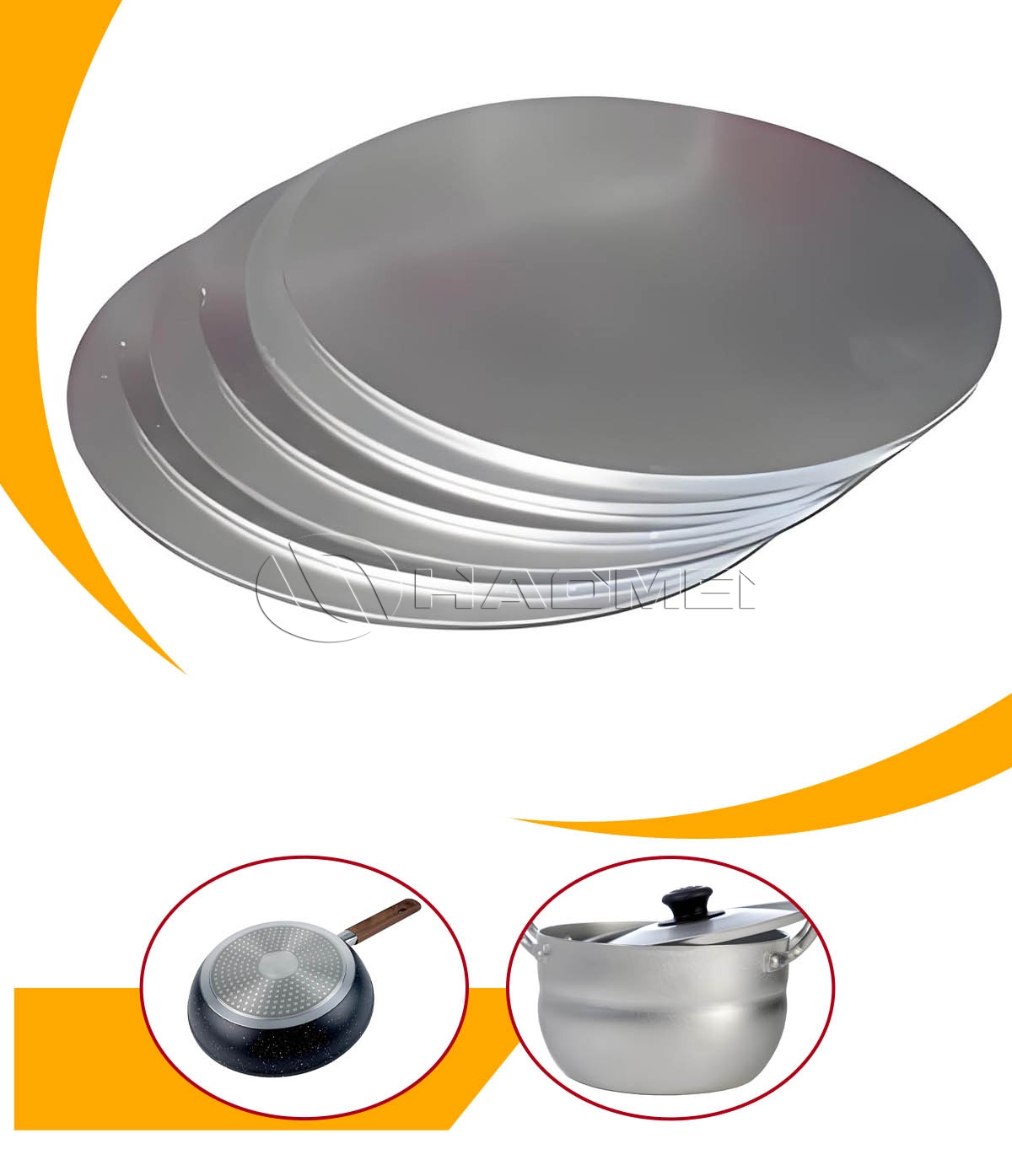
Our factory supplies aluminum circles for cookware in thicknesses from 0.5mm to 5mm. The range covers both light-gauge products, such as lids and shallow bakeware, and thicker blanks used for heavy-duty pots, premium pans, and pressure cooker parts. We manufacture from aluminum coils and sheets through precision blanking lines, with additional annealing and surface control based on the end application.
For cookware producers, the aluminum circle is not only a round piece of metal. It is the starting material for forming, spinning, drawing, impact processing, surface treatment, and assembly. A stable blank reduces production loss and improves downstream efficiency. Our role as a factory is to provide aluminum circle blanks that match the forming method, tooling design, and final cookware grade of each customer.
For standard cookware applications, our Aluminum Circles for Cookware are supplied with alloy and temper options suitable for deep drawing, spinning, and non-stick coated products.
The 0.5mm-5mm thickness range allows cookware manufacturers to select the correct balance between weight, strength, heat transfer, and forming difficulty. Thin aluminum circles are commonly used where low weight and simple forming are required. Medium thicknesses are suitable for general pots and pans. Thick aluminum circles offer higher rigidity and thermal mass, making them suitable for heavy cookware and special industrial cooking vessels.
A 0.5mm aluminum circle can be used for lightweight covers, trays, or shallow forming parts. Thicknesses between 0.8mm and 1.5mm are common for household lids, cake molds, and basic pan components. Circles from 1.5mm to 3.0mm are frequently selected for deep drawn pots, rice cooker inner pots, and frying pans. Thicker options from 3.0mm to 5.0mm are used where high structural stability is required, including heavy pans, pressure cooker parts, and thick-bottom cookware components.
The correct thickness depends on alloy, temper, drawing ratio, final wall thickness, coating process, and required heat distribution. During order confirmation, we review the intended application and recommend practical specifications based on actual production experience.
Cookware aluminum blanks usually require excellent formability and food-contact compatibility after proper downstream processing. Common alloy choices include 1050, 1060, 1070, 1100, 3003, and 3004. Pure aluminum series materials have high formability and thermal conductivity. Manganese-containing 3000 series alloys provide higher strength while retaining good deep drawing performance.
Soft tempers such as O temper are widely used for deep drawing aluminum circles. H12, H14, and H16 may be applied where the cookware design requires higher initial strength and moderate forming. The final selection must consider the forming depth, number of drawing stages, annealing condition, and whether the product will be polished, anodized, coated, or laminated.
Efficient Heat Conductivity: Aluminum has excellent thermal conductivity, several times higher than that of ordinary stainless steel. Cookware made from aluminum circles can transfer heat quickly and evenly, enabling precise temperature control while effectively saving cooking time and gas.
Lightweight and Easy to Use: Aluminum has low density and is lightweight. Even when tossing a pan with one hand or holding it for a long time, users will not feel much strain, making it very convenient for everyday home cooking.
Excellent Formability: Aluminum circles offer outstanding ductility and drawing performance. They are not easy to crack during stamping and deep-drawing processes, and can be formed into various complex and deep cookware shapes through single or multiple drawing operations.
Corrosion and Rust Resistance: High-quality aluminum circles for cookware, such as 3003 aluminum alloy, form a dense aluminum oxide protective layer on the surface, providing strong rust prevention and corrosion resistance.
Cost-Effective: Compared with copper, cast iron, or high-end stainless steel, aluminum has a lower overall production cost, allowing manufacturers to provide consumers with kitchenware that offers excellent value for money.
The following table lists our typical manufacturing parameters for 0.5mm-5mm thick aluminum circles for cookware. Custom requirements can be evaluated according to tooling, coil availability, and final application.
| Item | Typical Specification |
|---|---|
| Product | Aluminum circles for cookware, aluminum circle discs, cookware aluminum blanks |
| Thickness range | 0.5mm-5.0mm |
| Diameter range | 80mm-1200mm, subject to thickness and tooling |
| Common alloys | 1050, 1060, 1070, 1100, 3003, 3004 |
| Temper | O, H12, H14, H16, customized according to forming process |
| Thickness tolerance | Typically +/-0.02mm to +/-0.08mm, depending on thickness and standard |
| Diameter tolerance | Typically +/-0.5mm to +/-2.0mm, depending on diameter |
| Surface condition | Mill finish, bright finish, degreased, protected surface on request |
| Edge condition | Smooth blanked edge, burr controlled for forming safety |
| Processing methods | Blanking, annealing, leveling, cleaning, inspection, packaging |
| Main applications | Pots, pans, lids, rice cooker inner pots, pressure cooker parts, bakeware |
| Packaging | Wooden pallets, moisture protection, paper interleaving or film on request |
| Quality checks | Alloy verification, thickness, diameter, surface, edge burr, temper, appearance |
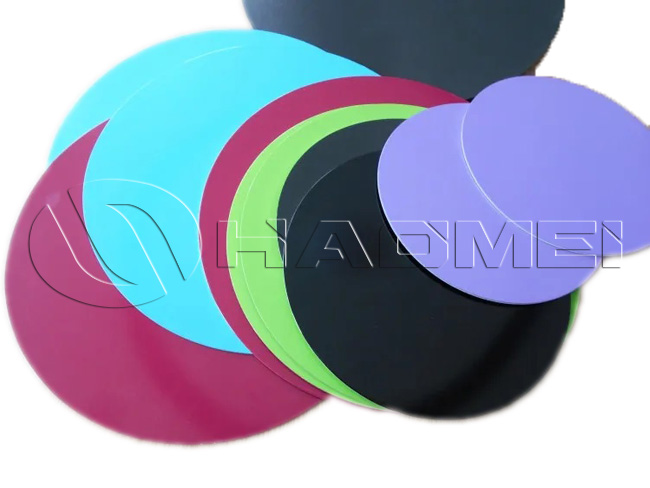
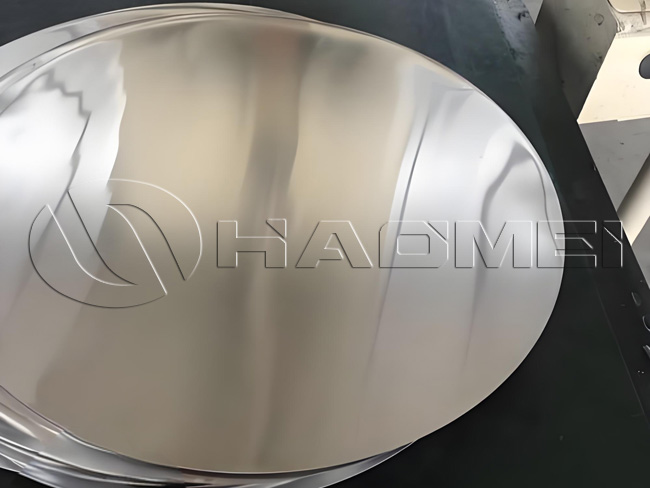
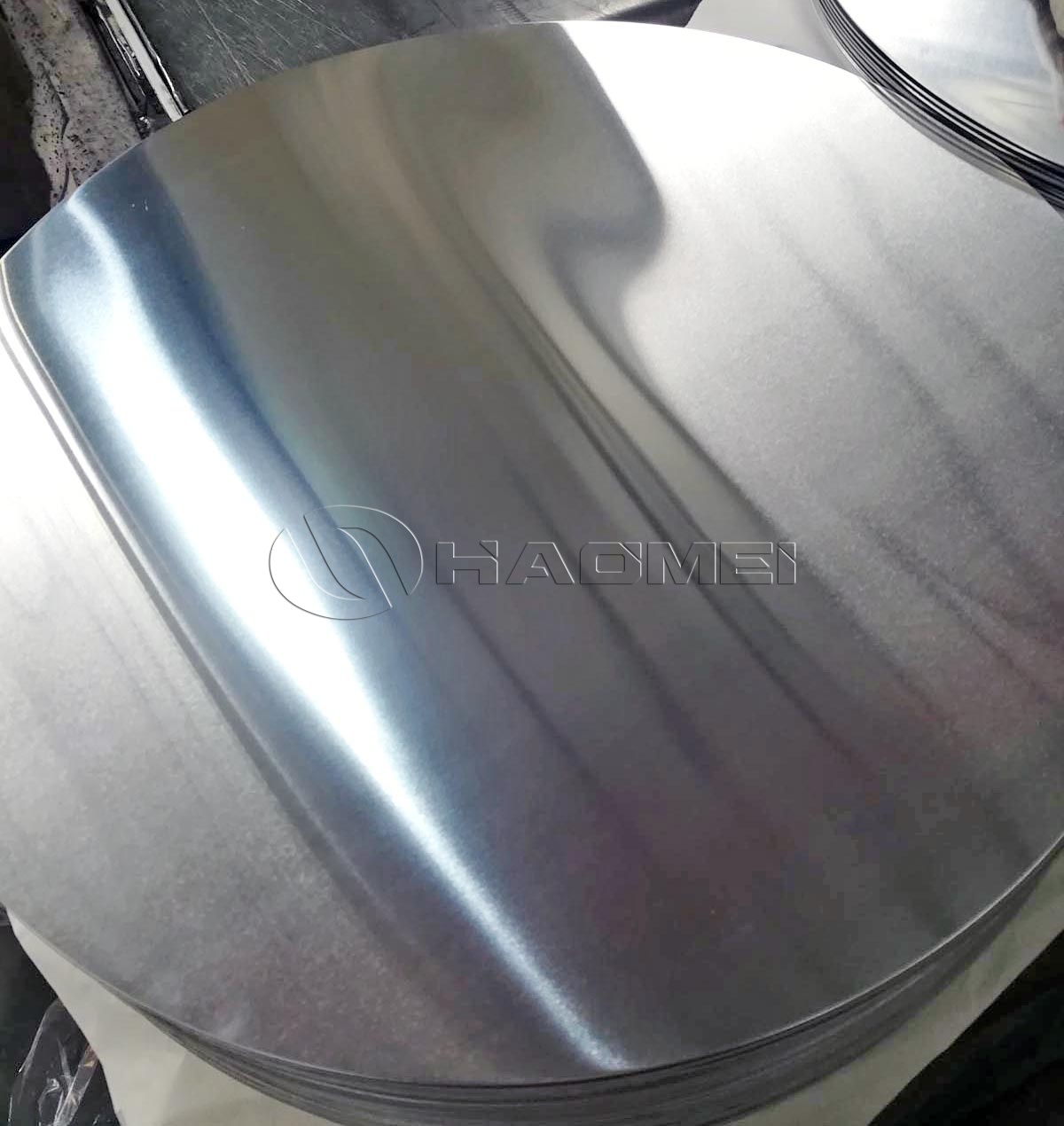
Surface quality is a key factor for cookware aluminum circles. Many cookware products receive additional treatments such as polishing, brushing, non-stick coating, ceramic coating, anodizing, or outer color coating. Surface scratches, rolling marks, oil stains, oxidation spots, and embedded particles can reduce the final product yield.
Our factory controls surface quality from coil storage to circle packaging. Coils are inspected before blanking, and the blanking line is kept clean to reduce surface contamination. For customers requiring higher surface performance, we can provide degreased circles, protective paper interleaving, or film protection according to the processing route.
For cookware that will be non-stick coated, surface cleanliness and stable roughness are important before pretreatment. For cookware that will be polished or anodized, visual surface consistency is more critical. We therefore confirm surface expectations in advance, because different finishing processes require different quality priorities.
Deep drawing aluminum circles must withstand plastic deformation without cracking, orange peel, or excessive thinning. The forming performance is affected by alloy composition, grain size, annealing process, temper, lubrication, tooling condition, and drawing ratio. As a manufacturer, we focus on providing consistent material properties from batch to batch.
O temper aluminum circles are commonly selected for deep drawn pots and rice cooker inner containers. The material needs sufficient elongation and a uniform microstructure. For spinning processes, good edge quality and balanced hardness are also important, because edge cracking can occur if the blank has excessive burr or uneven temper.
For thick aluminum circles, especially 3mm-5mm products, the forming force increases significantly. In these cases, alloy selection and annealing condition must be matched with the equipment capacity of the cookware factory. We can produce both soft and semi-hard tempers depending on whether the customer performs drawing, spinning, stamping, or machining after receipt.
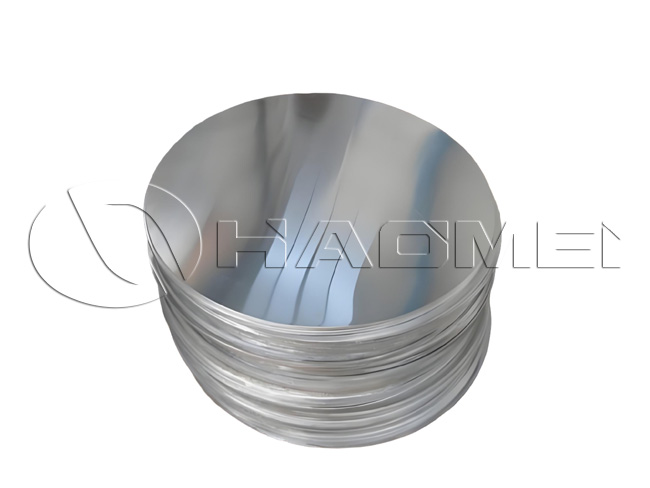
Our production process starts with aluminum ingot or certified aluminum coil procurement, depending on the order type and alloy requirement. For regular cookware aluminum circle discs, we use qualified hot rolled or cold rolled coils with controlled chemical composition and mechanical properties. The coils are slit or leveled before entering the blanking process.
During circle blanking, the tooling is selected according to the required diameter and thickness. Proper die clearance is important to control burr height, edge deformation, and dimensional tolerance. After blanking, circles may be annealed to the required temper. Annealing temperature and holding time are controlled to obtain consistent softness and avoid excessive oxidation.
After heat treatment, the circles are inspected for flatness, surface condition, edge condition, thickness, and diameter. Finished aluminum circles are stacked, separated when required, wrapped with moisture-proof material, and packed on export-grade wooden pallets. Packaging is designed to reduce movement, edge damage, and surface friction during sea transport.
Both hot rolled and cold rolled aluminum circles can be used for cookware, but they are selected according to performance and cost requirements. Hot rolled aluminum circle products usually provide better deep drawing performance and are preferred for demanding cookware forming. Cold rolled circles can be suitable for shallower forming, lids, and general components.
For cookware bodies with a high drawing ratio, many customers prefer Hot Rolled Aluminum Circle material because of its favorable forming stability. However, the best choice should be based on the actual cookware design, drawing depth, surface requirement, and production equipment.
Different cookware products require different aluminum disc specifications. For lids and shallow trays, lower thickness can reduce weight and material cost. For frying pans and saucepans, the blank must provide enough wall thickness after forming while still allowing efficient heat transfer. For pressure cookers or heavy pots, thicker aluminum blanks may be required to meet strength and safety requirements.
Typical selection guidance includes 0.5mm-0.8mm for lightweight lids and shallow parts, 0.8mm-1.5mm for bakeware and common cookware components, 1.5mm-3.0mm for pots, pans, and rice cooker inner pots, and 3.0mm-5.0mm for heavy cookware, thick pan bodies, and pressure cooker applications. These ranges are not fixed standards. Tooling design, forming stages, and final product requirements may change the recommended specification.
Quality control is integrated into each stage of production. Incoming coils are checked for alloy grade, surface condition, and thickness. During blanking, operators monitor diameter, burr, and appearance. After annealing, the temper and softness are evaluated to ensure the circles meet forming requirements.
Before shipment, we perform random or agreed inspection based on customer requirements. Inspection items may include thickness tolerance, diameter tolerance, diagonal deviation where applicable, flatness, edge burr, oil stain, scratch level, oxidation, and packing condition. For long-term customers, we keep production records to improve repeatability and support traceability.
Stable quality is especially important for automated cookware lines. Variations in thickness or temper can affect drawing force, trimming accuracy, coating uniformity, and final assembly. Our objective is to reduce these variations through controlled production rather than relying only on final inspection.
Aluminum circles for cookware are often exported by sea, so packaging must prevent moisture, movement, and edge damage. We normally use strong wooden pallets or wooden cases with waterproof wrapping. For products with higher surface requirements, paper interleaving or protective film can be added. Each pallet is marked with alloy, temper, thickness, diameter, batch number, and net weight for easy warehouse identification.
Proper packaging is not a secondary detail. If circles rub against each other during transport, scratches may appear before the customer starts production. If the pallet is not stable, edges may be damaged. We therefore design the packing method according to diameter, thickness, stack height, and destination handling conditions.
To quote and produce accurately, we usually request the alloy, temper, thickness, diameter, quantity, surface requirement, edge requirement, intended cookware application, and packaging preference. If the customer is developing a new product, sample testing is recommended before mass production. Sample confirmation helps verify drawing performance, coating compatibility, polishing result, and final cookware appearance.
For repeat orders, we can maintain the same production route, annealing parameters, and packaging method to improve consistency. This is especially useful for cookware factories that operate continuous production lines and require predictable input material.
0.5mm-5mm thick aluminum circles for cookware must combine accurate dimensions, suitable alloy and temper, clean surface quality, and dependable forming performance. As a factory manufacturer, we control the process from raw material selection to blanking, annealing, inspection, and export packaging. Whether the application is a lightweight lid, a deep drawn pot, a rice cooker inner pot, or a heavy-duty pan, selecting the right aluminum circle specification is essential for efficient cookware production.
We manufacture cookware aluminum blanks according to practical engineering requirements and support customers with specification selection, sample production, and stable batch supply.


Office Address:
No.14 Waihuan Road, CBD, Zhengzhou, China
Contact Us
HAOMEI Aluminum offer an custom aluminum circle for you!
whatsapp: +86-18703635966
Email: sales@alummc.com
Email: alummc@hotmail.com
Request Free Sample & Quotation
Copyright © 2026 By HAOMEI Aluminum CO., LTD. All Rights Reserved. Sitemap
 +86-18703635966
 sales@alummc.com
 8618703635966
