
 No.14 Waihuan Road, CBD, Zhengzhou, China
 +86-18703635966

No.14 Waihuan Road, CBD, Zhengzhou, China
+86-18703635966
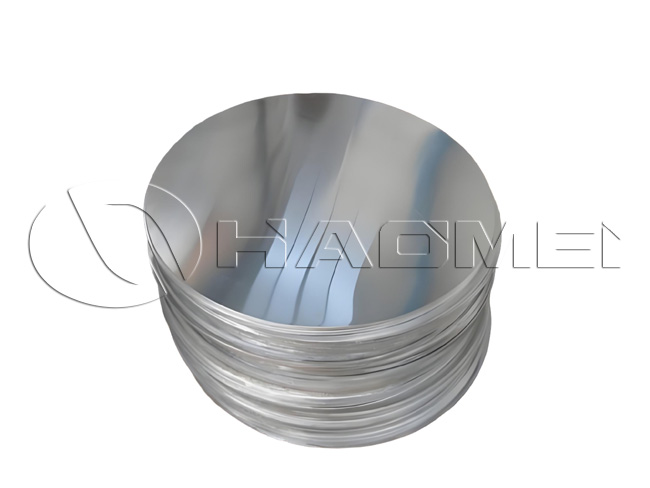
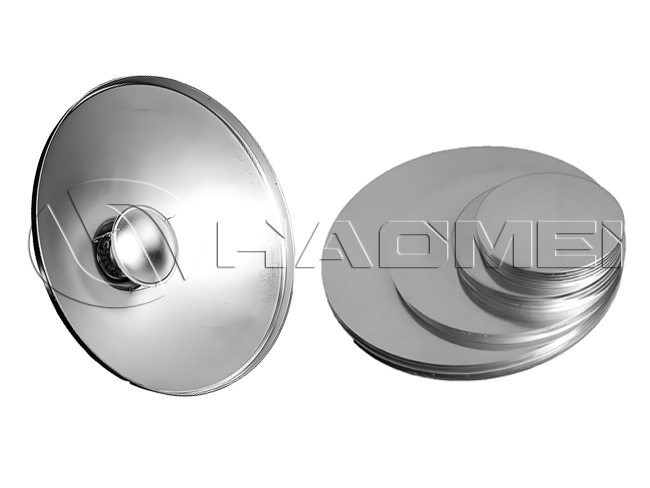
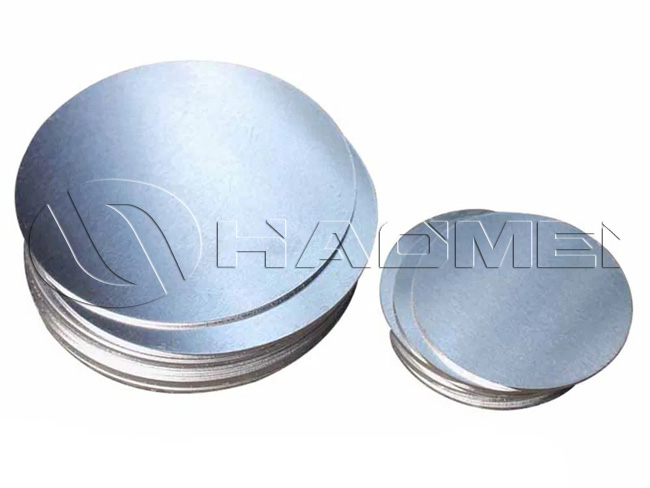
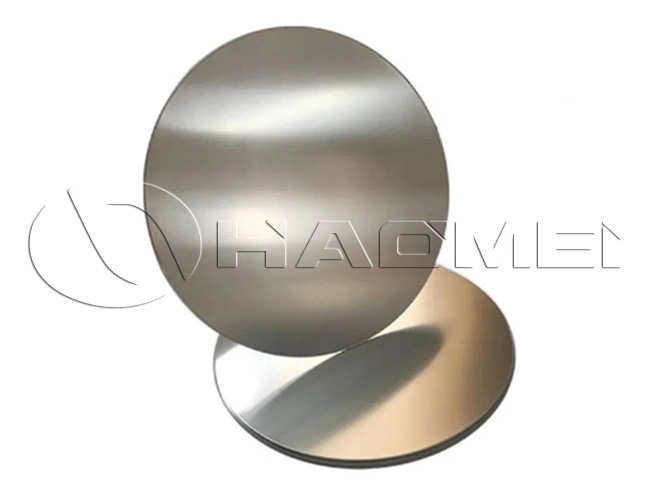
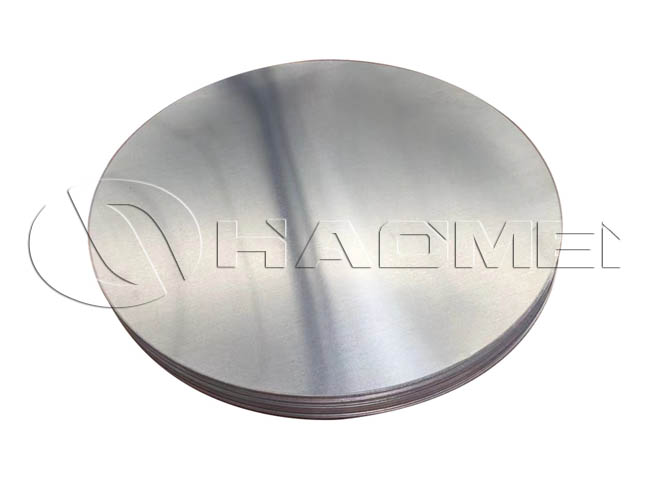
As a manufacturer of cookware aluminum circles, we produce AA1060 and AA1050 aluminum circles for deep-drawn, spun, and pressed cookware components. These aluminum discs are widely used for frying pans, saucepans, stockpots, pressure cookers, rice cooker inner pots, baking trays, and other formed household cookware products.
For cookware production, material consistency is essential. The aluminum circle must provide stable drawing performance, controlled surface quality, reliable thickness tolerance, and uniform mechanical properties from the first blank to the final production batch. Our AA1060 and AA1050 O-grade cookware aluminum circles are manufactured under controlled rolling, annealing, blanking, and inspection procedures to support repeatable forming results.
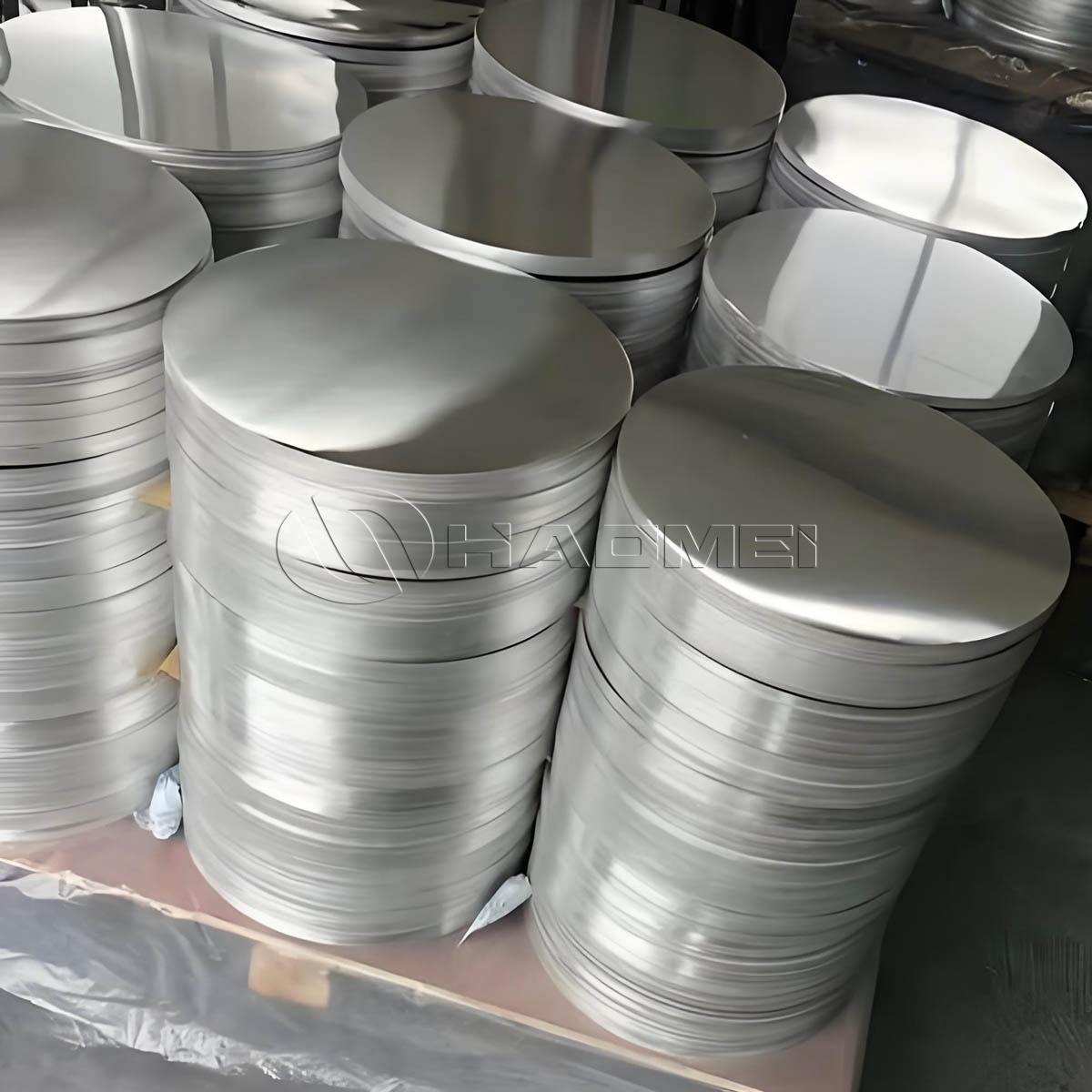
AA1060 and AA1050 are commercially pure aluminum grades with high aluminum content, good corrosion resistance, high thermal conductivity, and excellent formability. Both grades are suitable for cookware aluminum disc production where deep drawing and subsequent surface treatment are required.
AA1060 aluminum circles generally contain a minimum aluminum content of 99.60 percent. AA1050 aluminum circles contain a minimum aluminum content of 99.50 percent. Their low alloy content supports a soft, ductile material structure after annealing, allowing cookware manufacturers to form cups, side walls, rounded bottoms, and complex profiles with a reduced risk of cracking.
The term "O-grade tempered" is commonly used in some purchasing specifications. Technically, O temper refers to fully annealed aluminum, also called soft temper, rather than a hardened temper. For cookware forming applications, O temper is normally the preferred condition because it provides the elongation needed for deep drawing and spinning operations.
Cookware forming often places substantial strain on the aluminum blank. During deep drawing, the outer diameter of the aluminum circle is pulled into a die to create a vessel shape. The material must stretch evenly while maintaining wall integrity and a smooth surface.
Our O temper aluminum discs are processed to provide a stable soft condition before shipment. Controlled annealing reduces residual stress from rolling and improves material ductility. This is especially important for cookware factories using multi-stage drawing, redraw operations, spinning, embossing, or bottom shaping.
Key benefits of O temper cookware aluminum circles include:
High elongation for deep drawing and spinning.
Good resistance to edge cracking during forming.
Uniform deformation across the disc surface.
Reduced risk of orange peel or uneven wall formation.
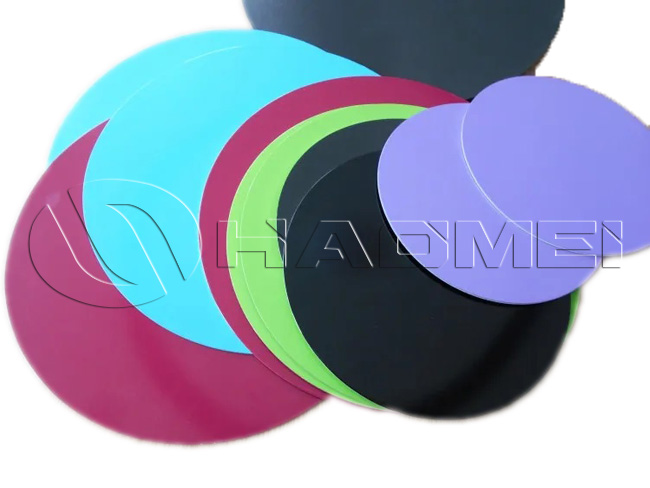
Suitable base material for anodizing, non-stick coating, polishing, and painting.
Good thermal conductivity for cookware heat distribution.
For customers requiring different material conditions, we can also evaluate H14, H24, or other tempers according to the cookware process, product geometry, and forming depth.
The following table presents typical manufacturing ranges for our cookware aluminum circles. Final specifications can be adjusted based on drawing ratio, tooling design, surface treatment, and end-use requirements.
| Parameter | AA1060 Aluminum Circle | AA1050 Aluminum Circle | Typical Cookware Requirement |
|---|---|---|---|
| Aluminum content | Minimum 99.60% | Minimum 99.50% | High-purity aluminum base |
| Available temper | O, H14, H24 | O, H14, H24 | O temper for deep drawing |
| Diameter range | 80 mm to 1,200 mm | 80 mm to 1,200 mm | Customized by cookware size |
| Thickness range | 0.40 mm to 6.00 mm | 0.40 mm to 6.00 mm | Commonly 1.00 mm to 4.00 mm |
| Surface finish | Mill finish, bright, polished | Mill finish, bright, polished | Suitable for coating or anodizing |
| Diameter tolerance | As agreed by specification | As agreed by specification | Controlled for tooling compatibility |
| Thickness tolerance | According to applicable standard | According to applicable standard | Consistent across each coil and batch |
| Edge condition | Smooth, burr-controlled | Smooth, burr-controlled | Supports safe and stable forming |
| Production method | Cold rolled or hot rolled source material | Cold rolled or hot rolled source material | Selected by forming and surface needs |
| Main applications | Pots, pans, lids, cooker bodies | Pots, pans, trays, cooker bodies | Deep drawing, spinning, stamping |
Our production process is designed to maintain traceability and stable physical properties throughout the order. We begin by selecting qualified aluminum slabs and rolling stock suitable for AA1060 or AA1050 production. The material is processed through rolling stages to reach the specified thickness, followed by annealing when O temper is required.
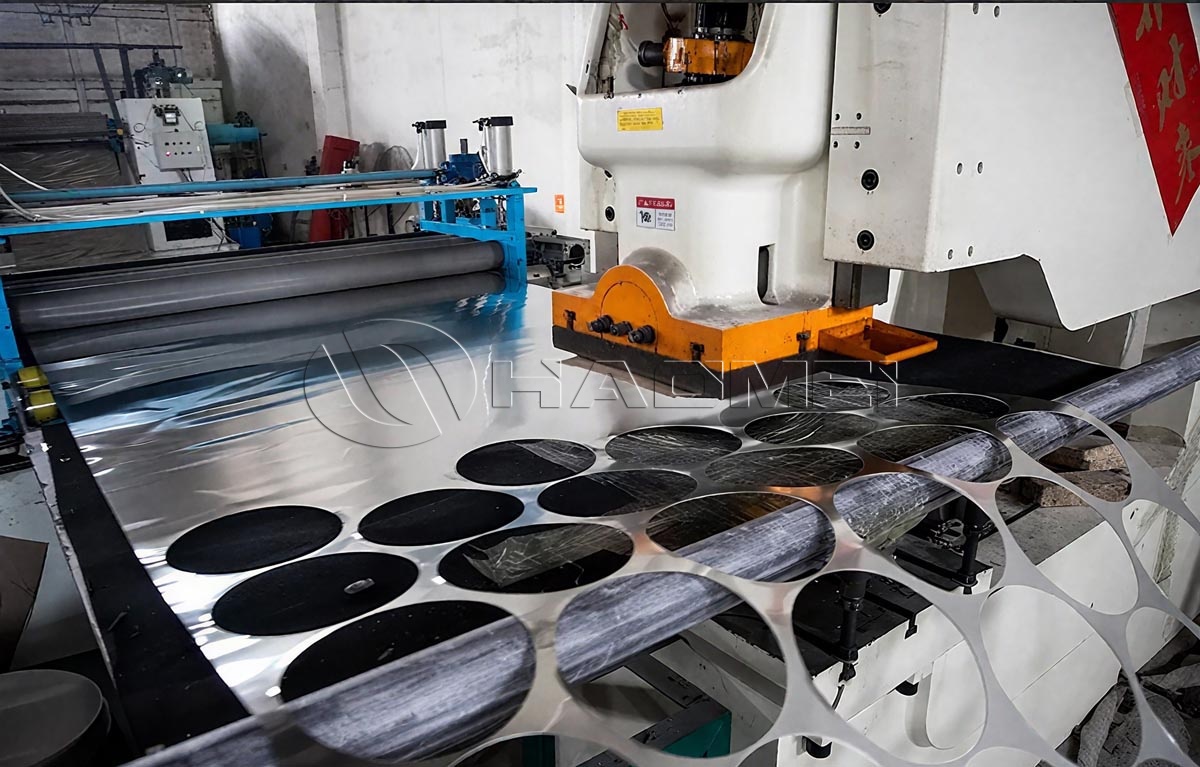
After annealing, the sheet or coil is inspected before blanking. We use controlled punching or cutting methods to produce aluminum circle discs with consistent diameter and edge quality. For larger diameters or special thicknesses, production methods are selected according to material behavior and customer requirements.
The primary manufacturing steps include:
Raw material verification and chemical composition control.
Hot rolling or cold rolling to the target thickness.
Intermediate or final annealing for the required temper.
Surface inspection for rolling marks, scratches, stains, and inclusions.
Circle blanking with controlled diameter and burr condition.
Flatness verification and dimensional inspection.
Protective packaging, labeling, and batch traceability control.
For cookware customers that require enhanced forming stability, we can recommend Hot Rolled Aluminum Circle material. Hot rolled source material can offer a favorable grain structure and reliable deep-drawing performance for demanding pot and pan production.
The surface of an aluminum circle has a direct effect on downstream coating, polishing, anodizing, and forming results. As a factory, we inspect material appearance according to the agreed quality standard and the intended finishing process.
For non-stick cookware, the surface should be clean and suitable for pre-treatment and coating adhesion. For polished cookware or anodized cookware, visual surface consistency becomes more important because minor rolling marks or scratches may become more visible after finishing. For embossed or painted cookware parts, the material must maintain stable formability while supporting the selected decorative treatment.
Our standard inspection focuses on the following items:
Surface cleanliness and freedom from oil contamination.
Absence of severe scratches, dents, corrosion marks, and stains.
Controlled edge burr suitable for automated feeding.
Flatness appropriate for stamping and drawing equipment.
Uniform thickness across the aluminum circle.
Batch consistency for mechanical behavior and forming response.
Customers should specify whether the final product will be coated, anodized, polished, brushed, or used with a visible mill finish. This information allows us to match the surface requirement to the application.
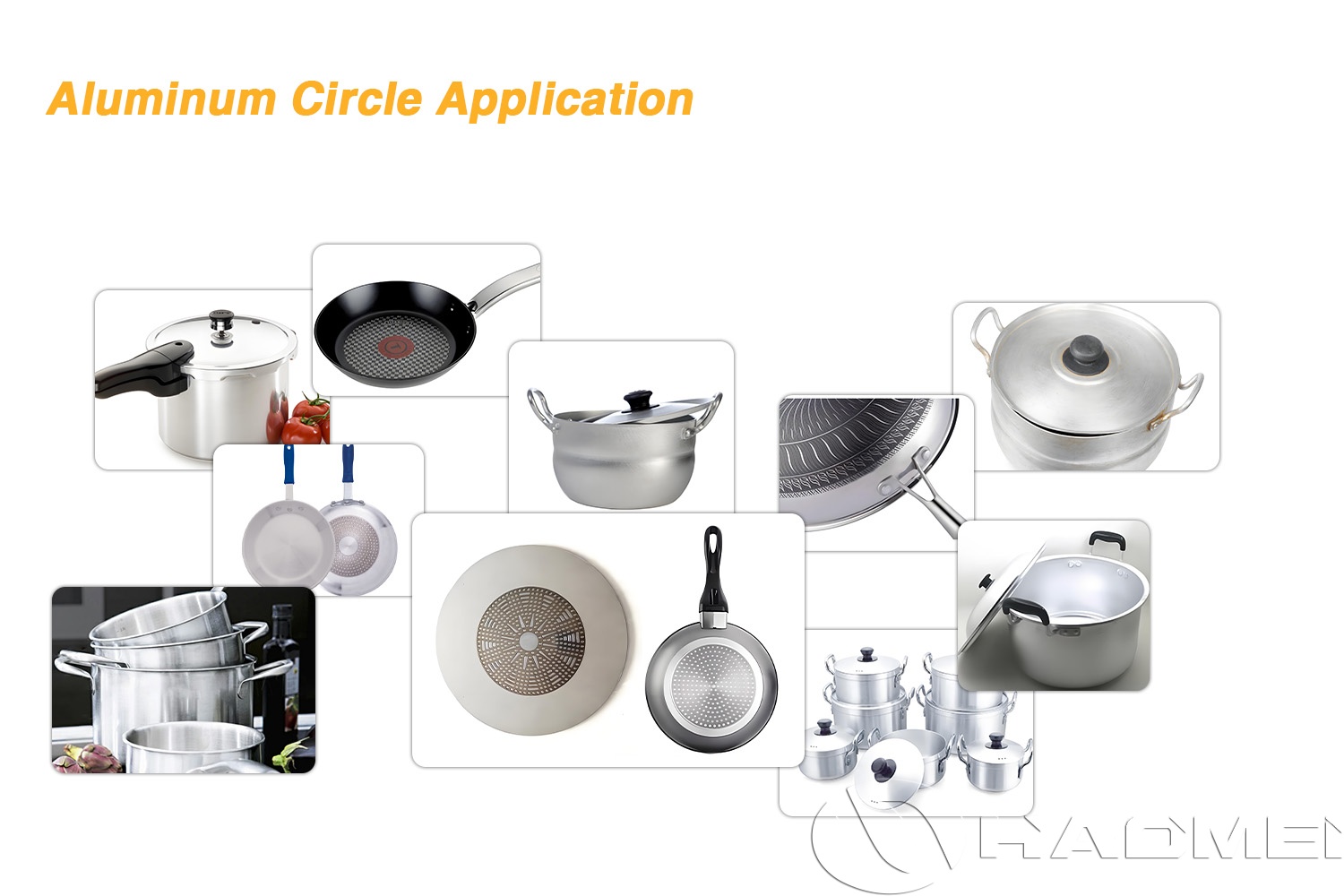
AA1060 and AA1050 are both proven options for cookware aluminum circle applications. The most suitable grade depends on the required product shape, forming process, thickness, surface finish, and commercial specification.
AA1060 aluminum circles are frequently selected where high aluminum purity, strong thermal conductivity, and reliable formability are important. They are suitable for deep-drawn cookware bodies, rice cooker components, kitchenware blanks, and applications requiring further surface processing.
AA1050 aluminum circles are also widely used for cookware due to their ductility, corrosion resistance, and cost-effective processing characteristics. They are appropriate for many standard pots, pans, lids, trays, and spun aluminum products.
When selecting between grades, cookware manufacturers should consider the following factors:
Drawing depth and number of forming stages.
Required wall thickness after forming.
Surface treatment method.
Base diameter and final vessel geometry.
Compatibility with existing dies and presses.
Heating performance requirements.
Internal quality standards and incoming inspection criteria.
Our technical team can review customer drawings, sample discs, forming data, and target specifications before production. This helps ensure that the aluminum circle grade, temper, thickness, and surface condition are aligned with the actual manufacturing process.
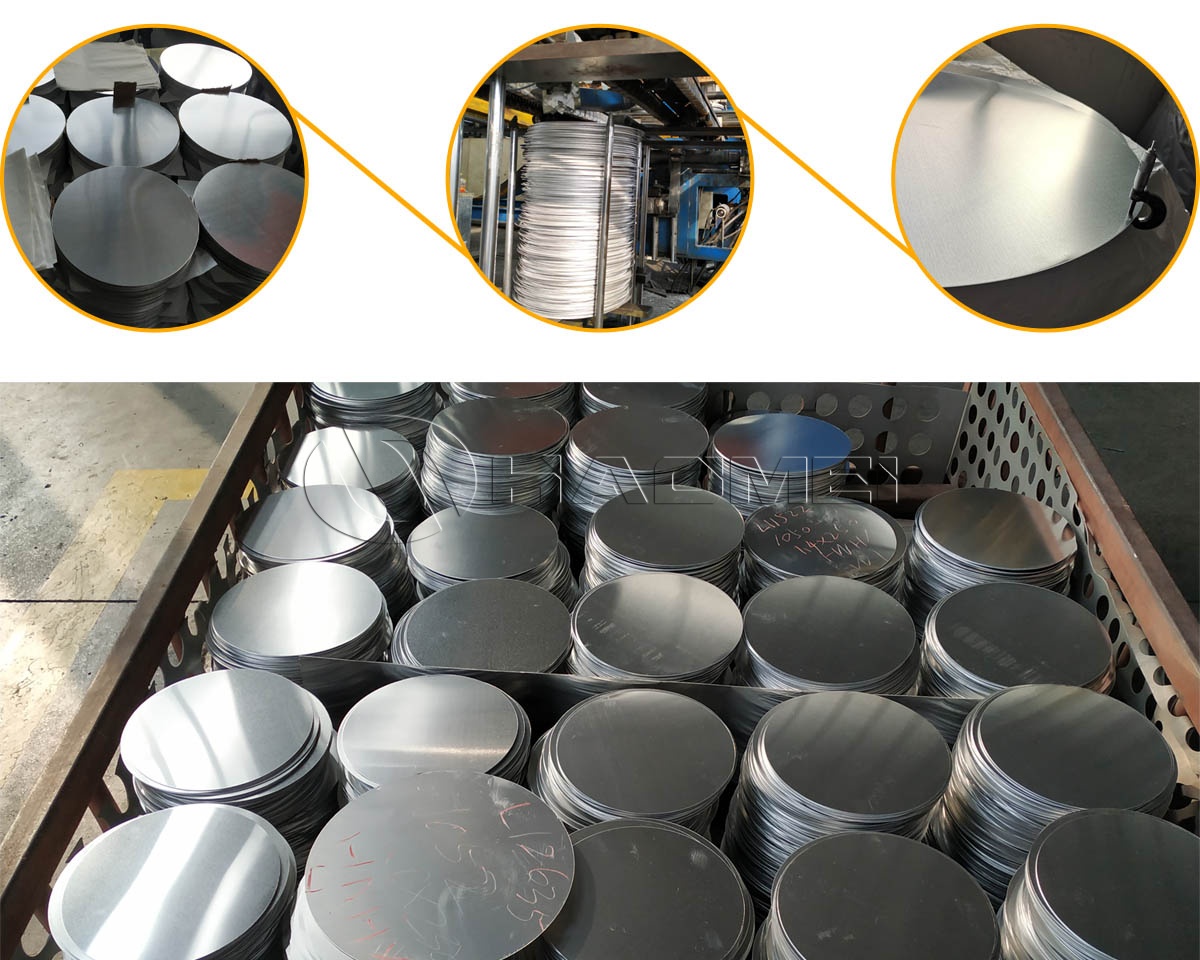
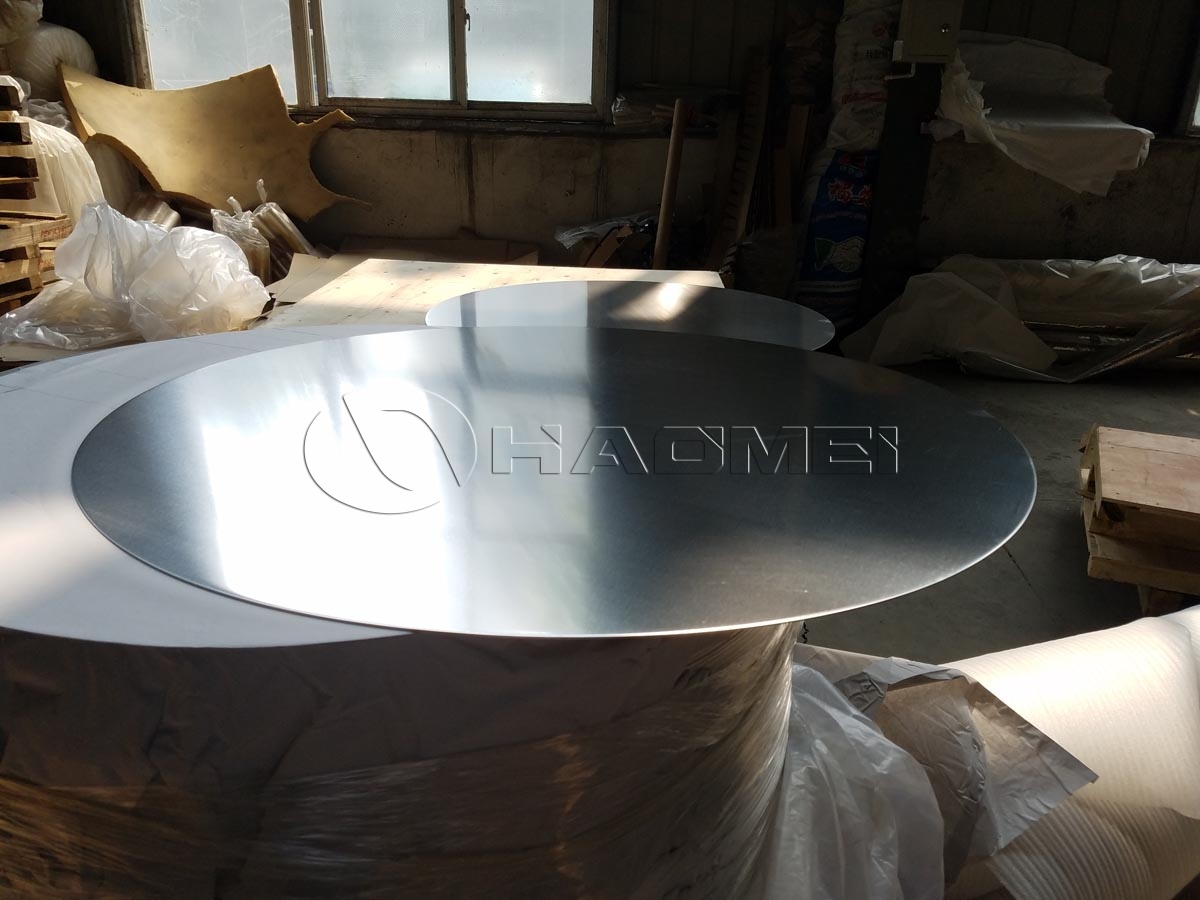
Cookware aluminum circles must be protected from moisture, handling damage, and surface contamination during transport. We package discs in accordance with the size, thickness, surface grade, and shipping method required by the customer.
Typical packaging includes interleaving paper where required, moisture-resistant wrapping, reinforced wooden pallets, edge protection, and clear batch labels. Each package can include information such as alloy, temper, thickness, diameter, net weight, production batch, and purchase order reference.
For export orders, we coordinate packaging dimensions to support container loading efficiency while maintaining adequate protection. Our objective is to deliver aluminum circle discs that arrive in suitable condition for direct incoming inspection and production use.
We manufacture AA1060 and AA1050 O temper aluminum discs for cookware producers that require stable material quality and repeatable forming performance. Our production capability covers customized diameter, thickness, temper, surface condition, packaging, and order quantity requirements.
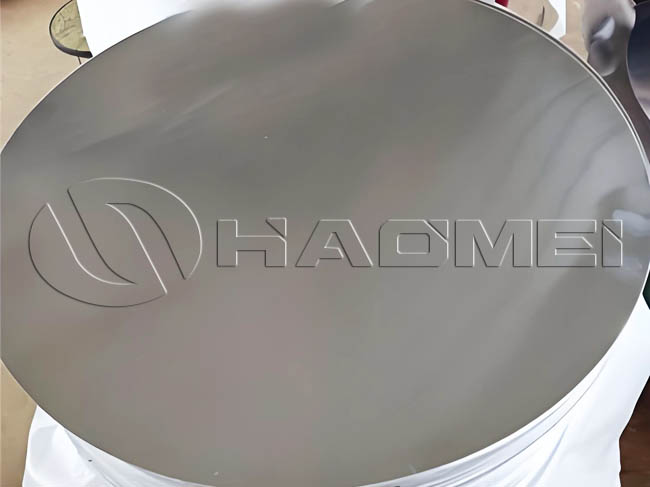
For standard and customized cookware blanks, our Aluminum Circles for Cookware are manufactured for applications ranging from small pan components to large deep-drawn pot bodies. By controlling alloy composition, rolling parameters, annealing condition, blanking quality, and inspection procedures, we support efficient cookware manufacturing from raw disc to finished product.
Before placing an order, customers are encouraged to provide the required alloy, temper, thickness, diameter, final application, forming method, surface finish, and estimated order quantity. With these details, we can prepare a manufacturing specification that is appropriate for the intended cookware process.

Office Address:
No.14 Waihuan Road, CBD, Zhengzhou, China
Contact Us
HAOMEI Aluminum offer an custom aluminum circle for you!
whatsapp: +86-18703635966
Email: sales@alummc.com
Email: alummc@hotmail.com
Request Free Sample & Quotation
Copyright © 2026 By HAOMEI Aluminum CO., LTD. All Rights Reserved. Sitemap
 +86-18703635966
 sales@alummc.com
 8618703635966
