
 No.14 Waihuan Road, CBD, Zhengzhou, China
 +86-18703635966

No.14 Waihuan Road, CBD, Zhengzhou, China
+86-18703635966
From non-stick cookware and pressure cookers in the kitchen to traffic signs on roads, lighting reflectors, and electronic component housings, aluminum circles are widely used in various industries. For customers exporting products to North America and other international markets, ASTM B209/B209M is an important material specification to consider.
As a professional aluminum circle manufacturer, HAOMEI Aluminum can manufacture aluminum circles according to applicable ASTM requirements and provide complete quality documentation. This is important for ensuring stable performance during subsequent stamping, deep drawing, spinning, and other forming processes.
Aluminum circles are generally manufactured from aluminum sheet or coil through processes such as uncoiling, shearing, blanking, and continuous punching.
It is important to clarify that ASTM B209/B209M primarily covers aluminum and aluminum-alloy sheet, coiled sheet, and plate; it is not a standalone standard specifically dedicated to aluminum circles. Therefore, in actual procurement, customers generally require the aluminum circle's parent material to comply with the applicable ASTM material requirements, while the finished circle is manufactured according to the customer's drawings, dimensional tolerances, mechanical properties, and processing requirements.
ASTM B209/B209M-21 covers specified aluminum and aluminum-alloy flat products in designated alloys and tempers and includes requirements related to product quality, identification, and inspection.
For an aluminum circle manufacturer, this means that production is not simply a matter of "cutting aluminum sheet into circles." A complete quality-control system should cover raw material control, rolling quality, circle dimensions, edge quality, inspection, packaging, and transportation.
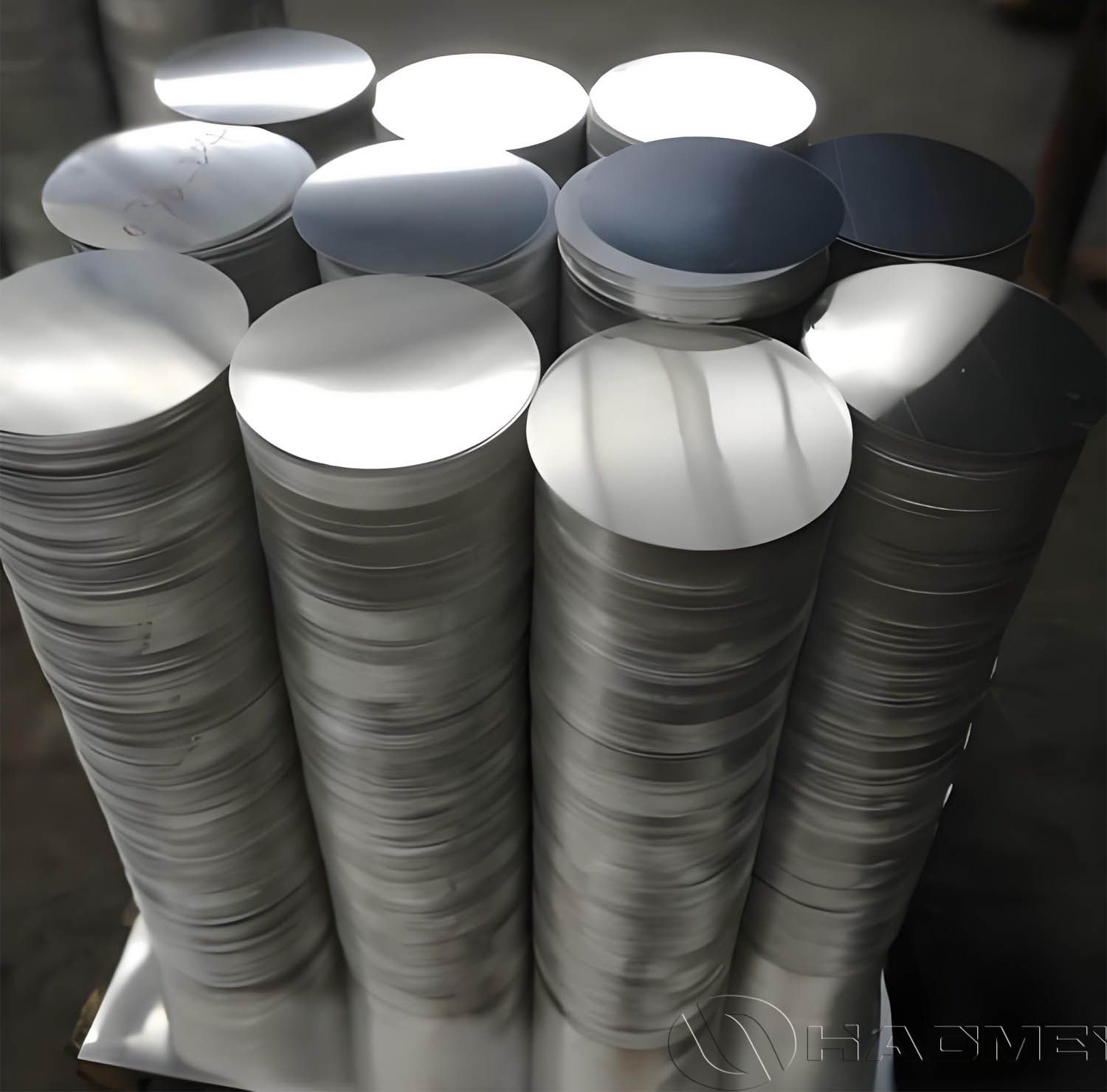
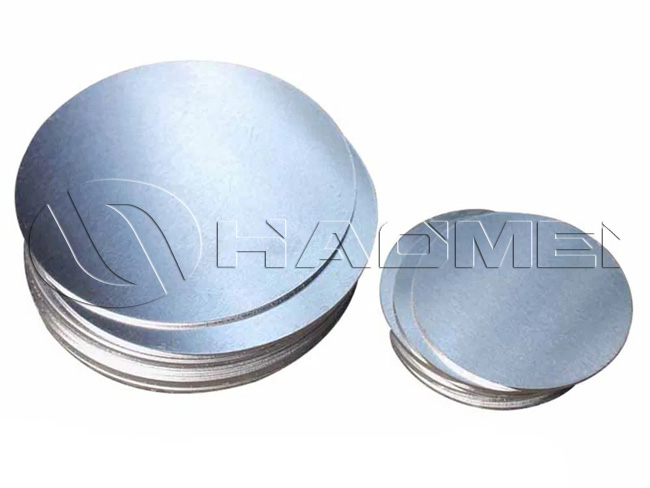
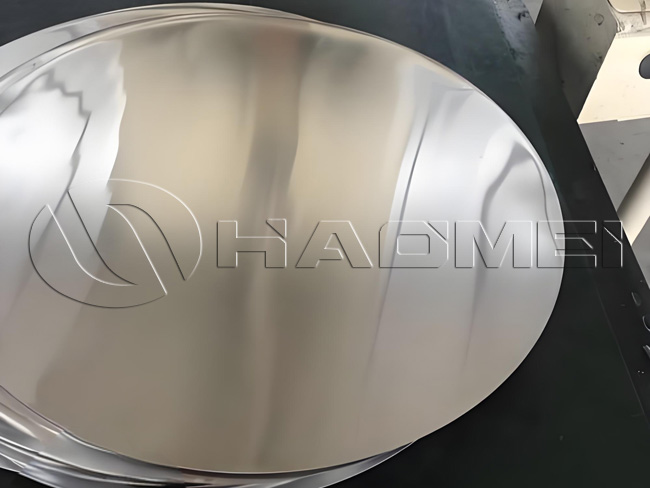
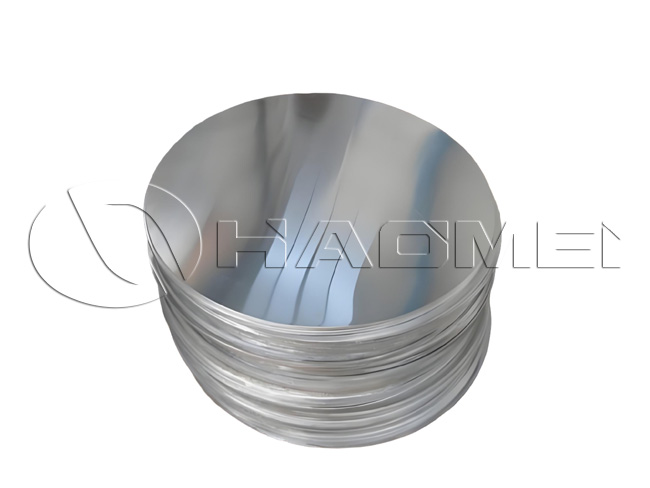
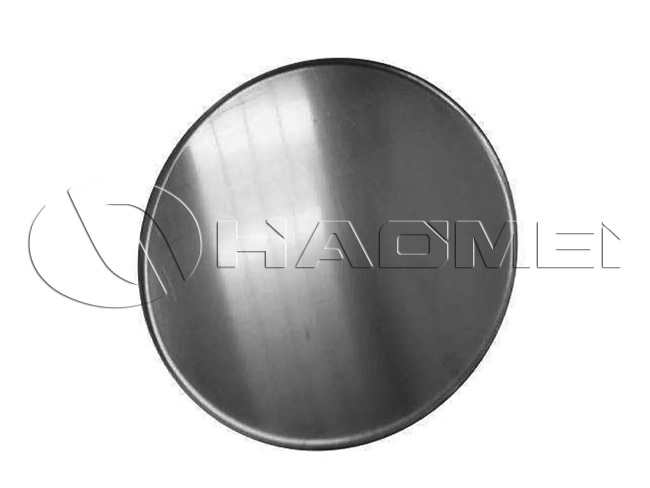
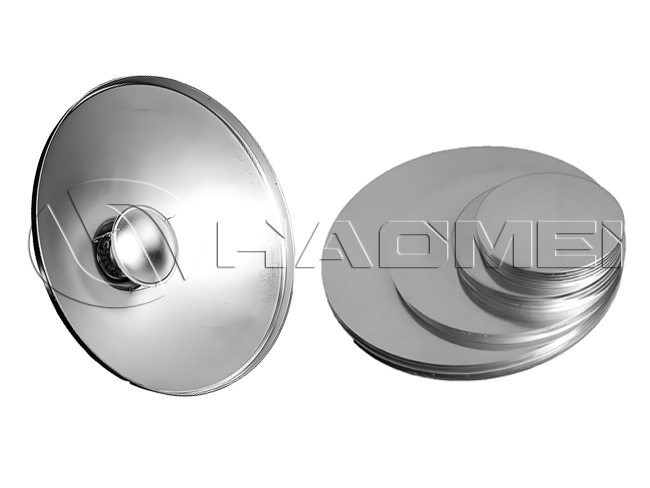
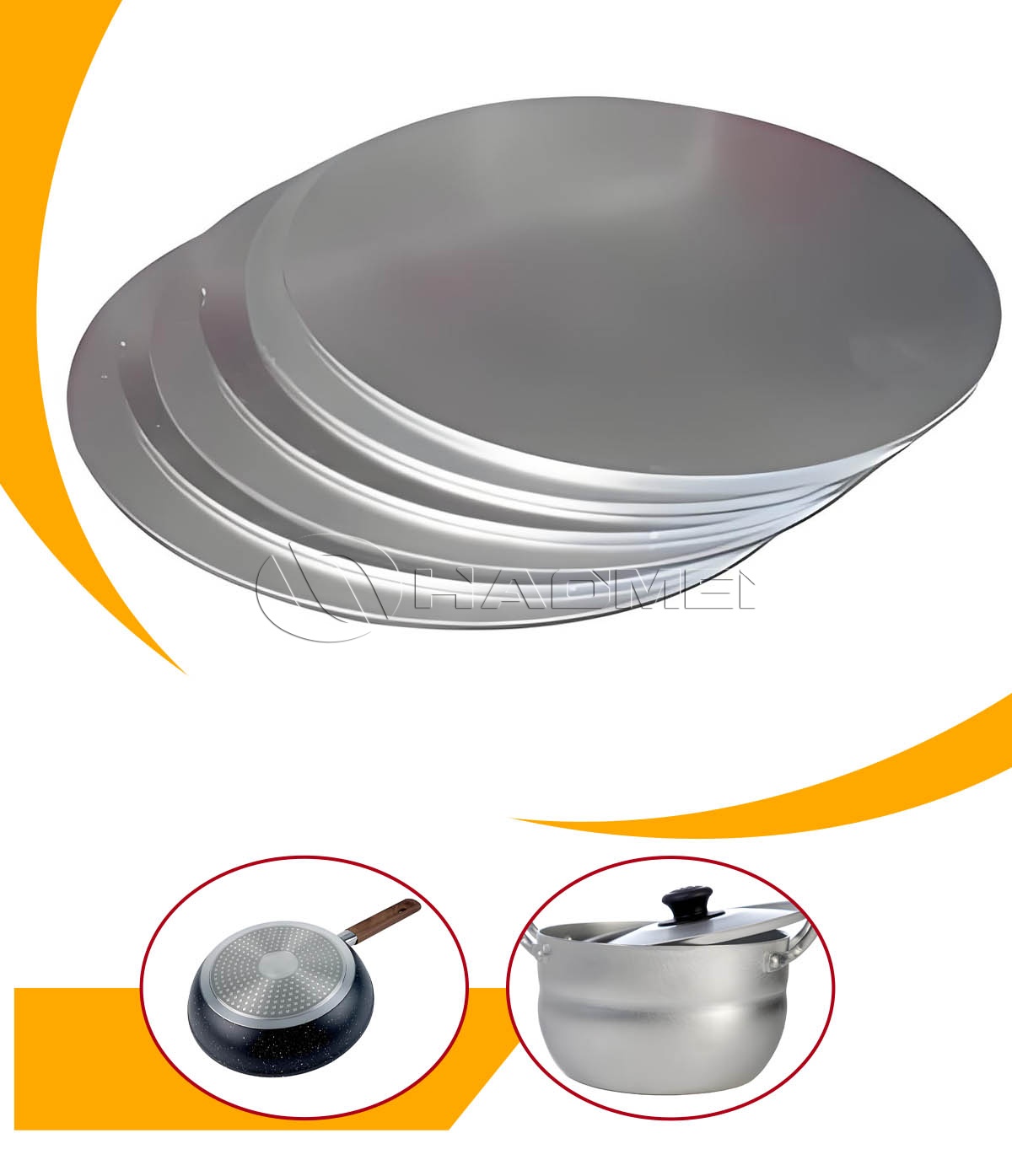
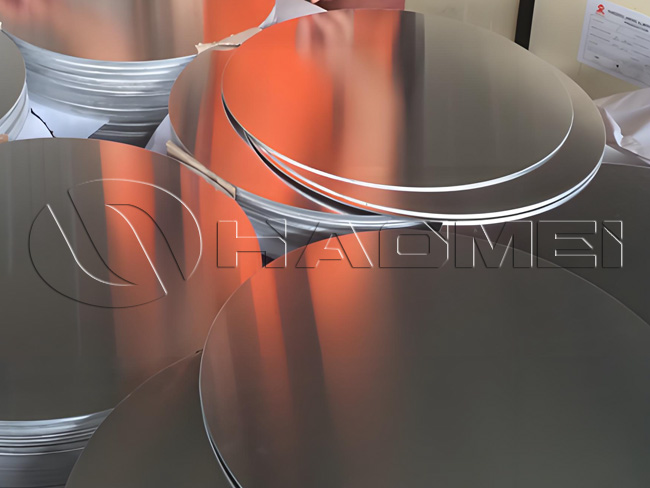
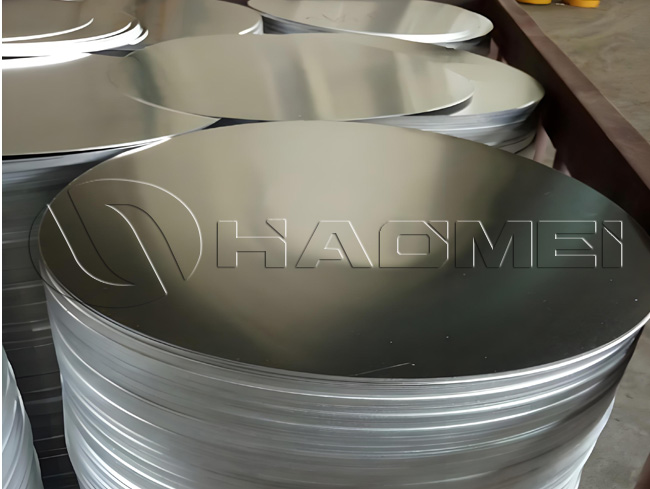
An aluminum circle, also known as an aluminum disc or aluminum blank, is a circular aluminum product manufactured from aluminum sheet or coil through blanking, punching, or other cutting processes.
Typical aluminum circle thicknesses range from 0.3 mm to 10 mm, while diameters can range from approximately 80 mm to 1,500 mm, depending on the manufacturer's capabilities and customer requirements.
Aluminum circles can be customized according to the customer's application and forming process.
There are generally two main production routes.
Traditional process: Aluminum sheets are first cut into square blanks and then stamped into circles using a blanking die.
Fully automated integrated process: On a coil-fed blanking line, circular blanks are stamped directly from the aluminum coil, eliminating intermediate steps such as sheet cutting or slitting. This process offers higher production efficiency and superior material utilization, making it the mainstream manufacturing method.
Based on the manufacturing process, aluminum discs can be categorized into two main types: hot-rolled (DC) and cold-rolled (CC). Hot-rolled aluminum circles offer excellent deep-drawing properties and ductility, making them widely used in cookware manufacturing; cold-rolled aluminum discs feature superior surface quality and high dimensional accuracy, finding common application in sectors such as traffic signage and lighting.
ASTM-compliant aluminum circles are available in a variety of alloy series to meet the requirements of diverse applications.
The 1000 series (pure aluminum) : comprises the most widely used grades, such as 1050, 1060, 1070, and 1100. Grade 1050, for instance, has an aluminum content of ≥99.5% and offers good electrical conductivity, thermal conductivity, and corrosion resistance. Grade 1060, with an aluminum content of ≥99.6%, is a primary grade used for cookware circles.
The 3000 series (aluminum-manganese alloys) : including 3003, 3004, and 3105—offers higher strength than pure aluminum and excellent deep-drawing properties.
The 5000 series (aluminum-magnesium alloys) : including 5052 and 5754—features superior corrosion resistance, making it suitable for marine environments and outdoor applications.
The 6000 series (aluminum-magnesium-silicon alloys) : including 6061—offers medium strength and is suitable for structural applications.
O (Annealed): Fully softened with high elongation; suitable for deep drawing and spinning; the O temper is chosen for the vast majority of cookware products.
H12/H14 (Half-hard): Possesses moderate hardness; suitable for shallow stamping and nameplates/tags.
H16/H18 (Hard): High hardness with minimal formability; primarily used for decorative parts that do not require stamping.
| Parameter | Typical Range |
| Alloy | 1050, 1060, 1100, 3003, etc. |
| Temper | O, H12, H14, H18, H24, etc. |
| Diameter | 50–1,000 mm, customizable |
| Thickness | 0.3–6.0 mm |
| Surface | Mill Finish, Bright Finish, etc. |
| Edge | Smooth, free from obvious burrs |
| Shape | Standard or customized circular blanks |
| Packaging | Wooden cases, pallets, or export-standard packaging |
| MOQ | 3 tons |
Actual specifications can be customized according to the customer's application, forming process, tooling, and purchasing requirements.
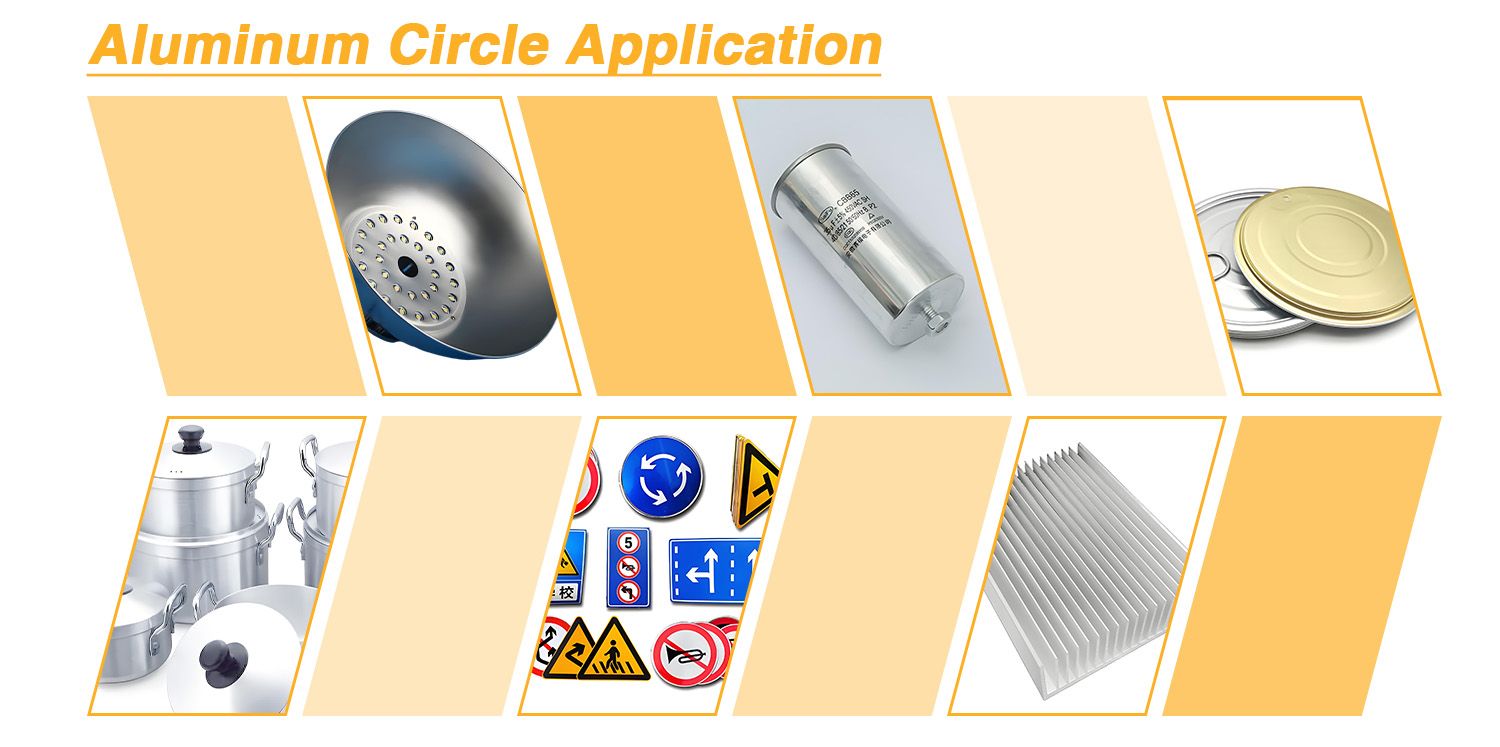
ASTM-compliant aluminum circles are widely used across multiple industries.
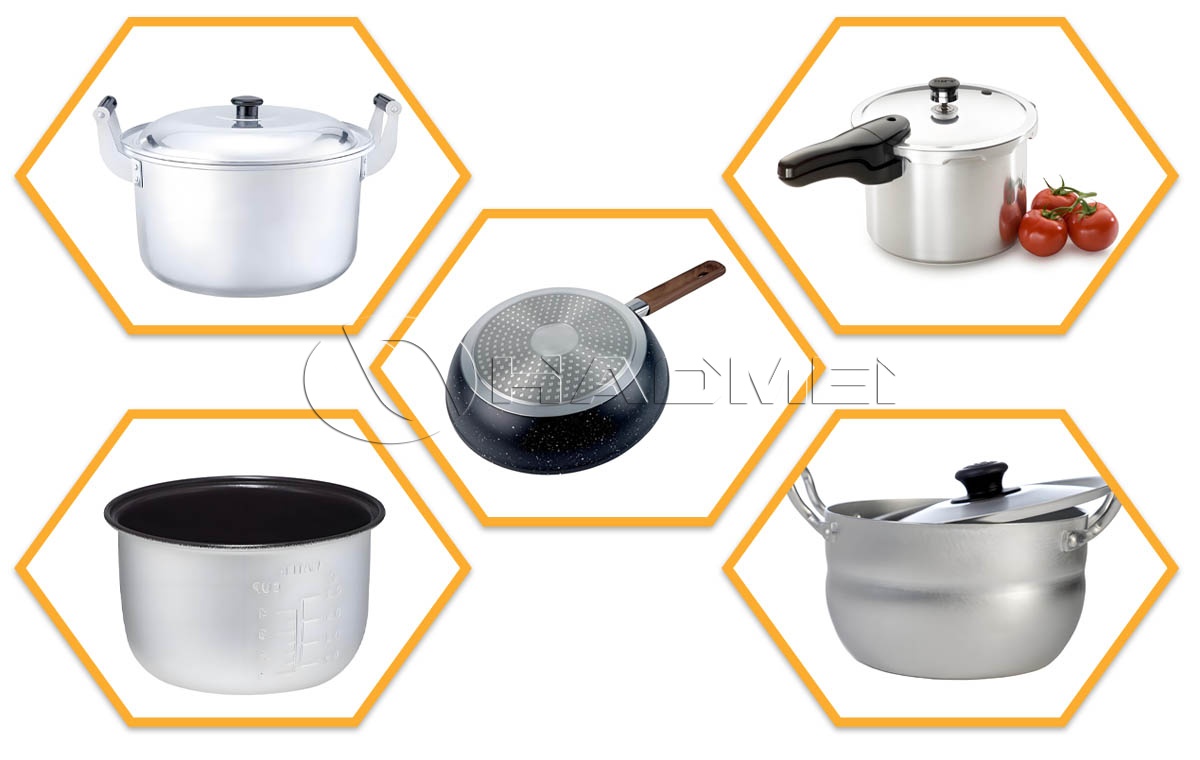
Cookware manufacturing: Non-stick pans, pressure cookers, frying pans, pizza pans, baking trays, teapots, etc.
Traffic facilities: Traffic signs, road signs
Lighting fixtures: Lamp shades, reflectors
Electronics and appliances: Capacitor housings, water heater casings
Industrial containers: Aluminum cans, tank heads
For buyers sourcing ASTM-compliant aluminum circles, the following factors should be carefully considered.
When selecting aluminum circles that meet ASTM standards, purchasers are advised to focus on the following aspects:
1. Confirm standards and alloy grades: Explicitly require compliance with the ASTM B209 standard and select the appropriate alloy grade based on the application: the 1XXX series (e.g., 1050, 1060, 1100) is preferred for cookware; the 3XXX series is suitable for traffic signs; and the 5XXX series should be chosen for applications requiring high corrosion resistance.
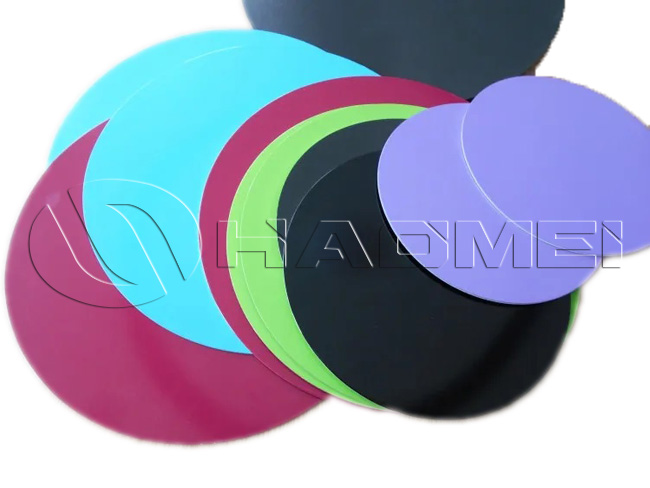
2. Specify parameters: Define requirements for thickness, diameter, temper (e.g., O, H12, H14, H18, H24), and surface finish (e.g., mill finish, anodized, color-coated).
3. Distinguish between hot-rolled and cold-rolled: Hot-rolled (DC) aluminum circles are preferred for deep-drawing applications (such as cookware), while cold-rolled (CC) circles are suitable for applications like traffic signs and lighting.
4. Verify quality certifications: Require the supplier to provide material certificates, Material Test Reports (MTR), and third-party certifications such as ISO and SGS.
5. Assess production capabilities: Evaluate the supplier's annual production capacity, equipment standards (e.g., fully automated uncoiling and blanking lines), and customization capabilities.
6. Consider Minimum Order Quantity (MOQ) and lead times: MOQs vary from 1 to 5 tons depending on the manufacturer, and lead times typically range from 15 to 30 days.



Office Address:
No.14 Waihuan Road, CBD, Zhengzhou, China
Contact Us
HAOMEI Aluminum offer an custom aluminum circle for you!
whatsapp: +86-18703635966
Email: sales@alummc.com
Email: alummc@hotmail.com
Request Free Sample & Quotation
Copyright © 2026 By HAOMEI Aluminum CO., LTD. All Rights Reserved. Sitemap
 +86-18703635966
 sales@alummc.com
 8618703635966
