
 No.14 Waihuan Road, CBD, Zhengzhou, China
 +86-18703635966

No.14 Waihuan Road, CBD, Zhengzhou, China
+86-18703635966
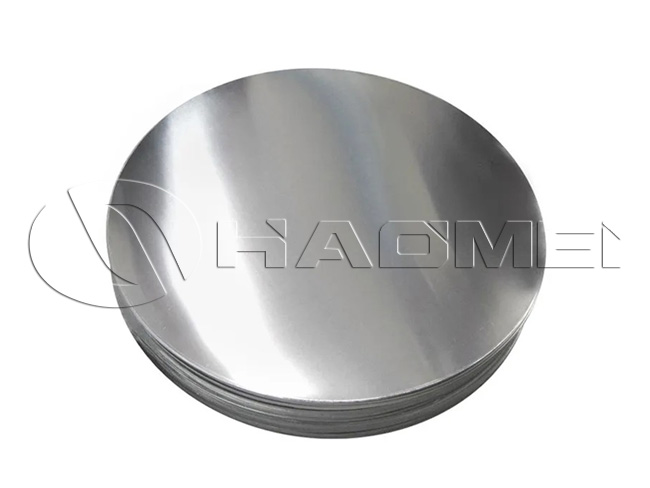
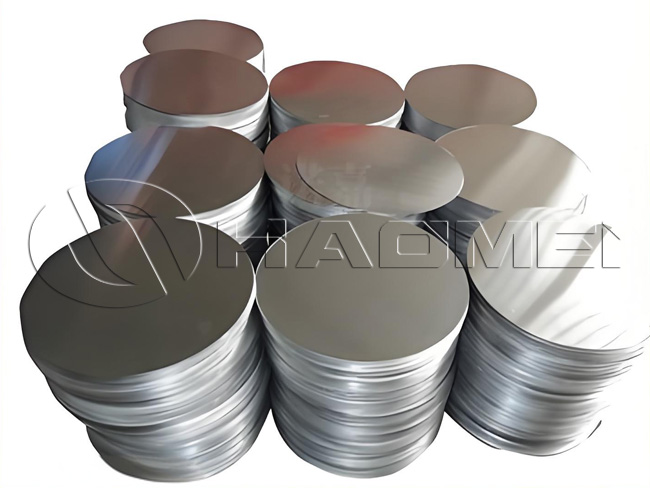
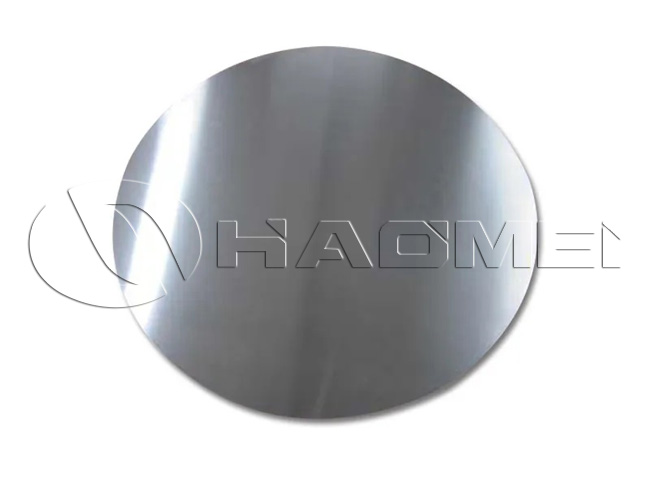
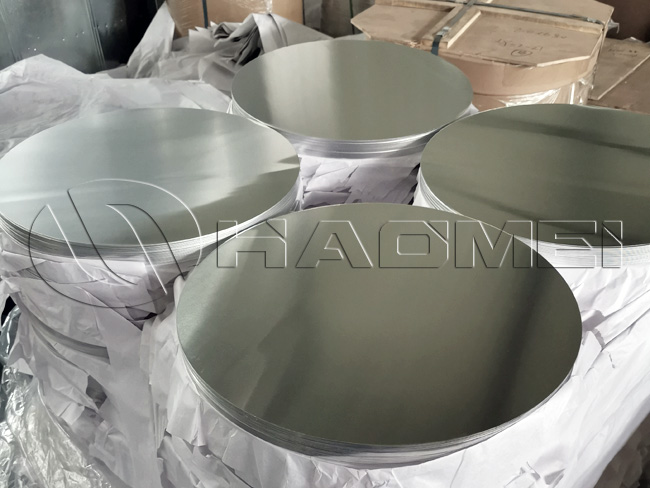
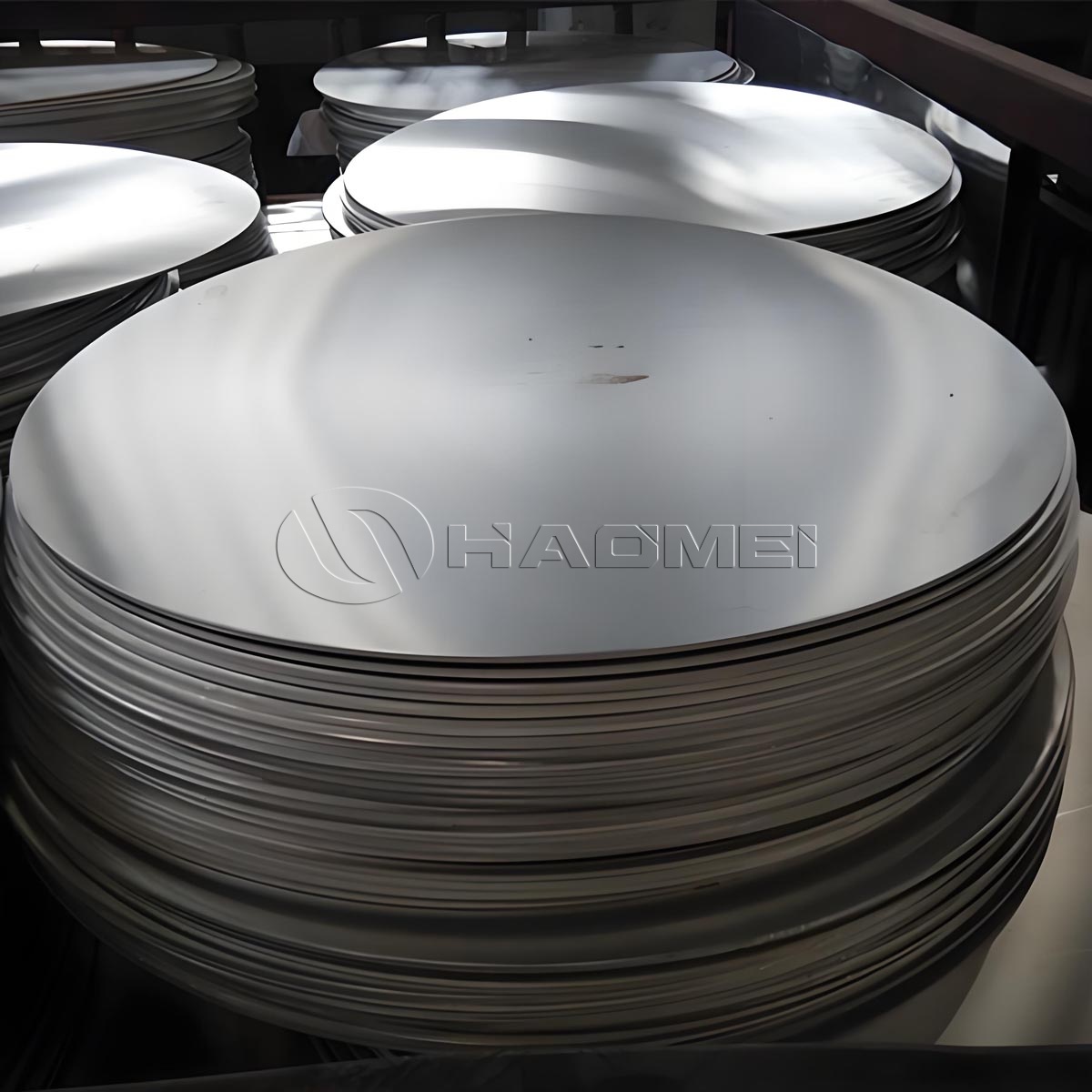
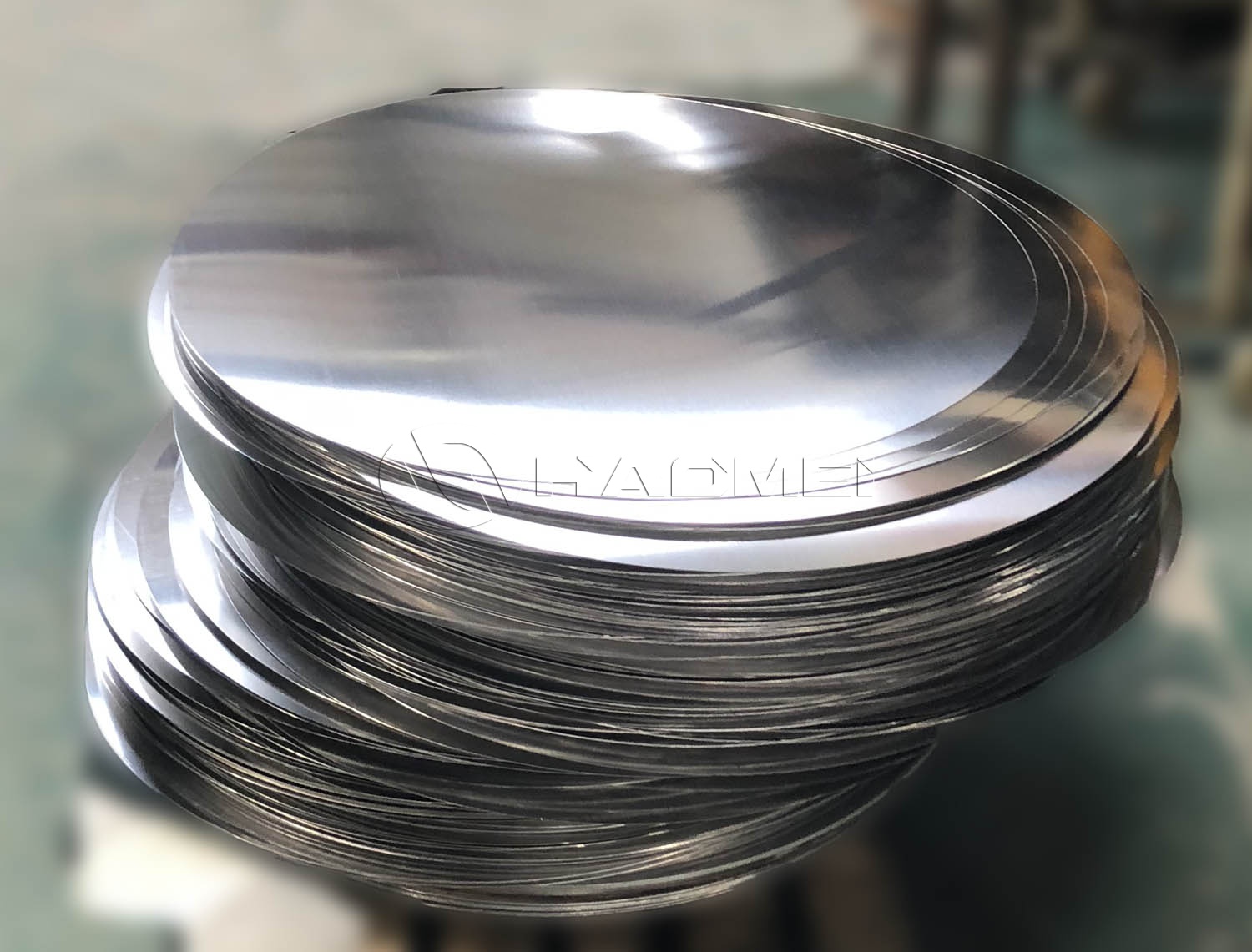
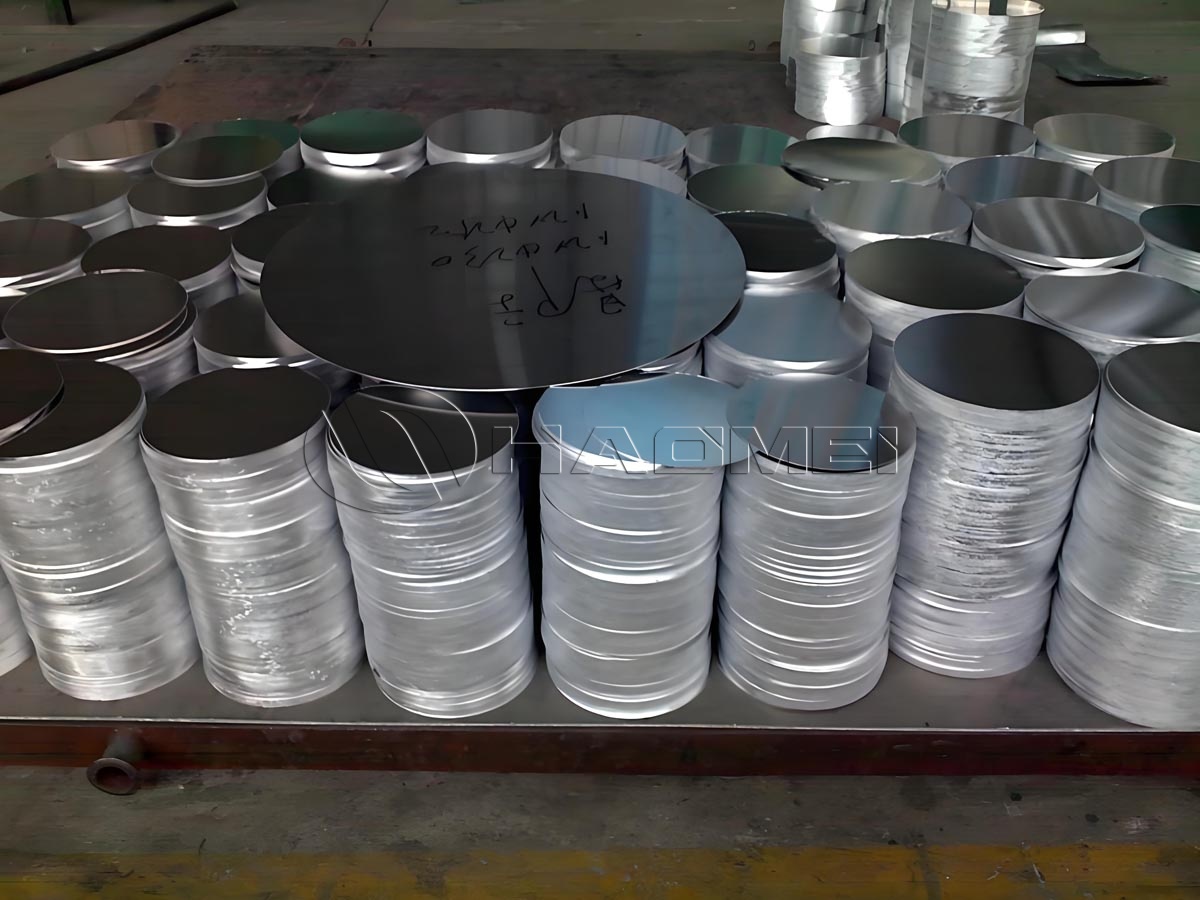
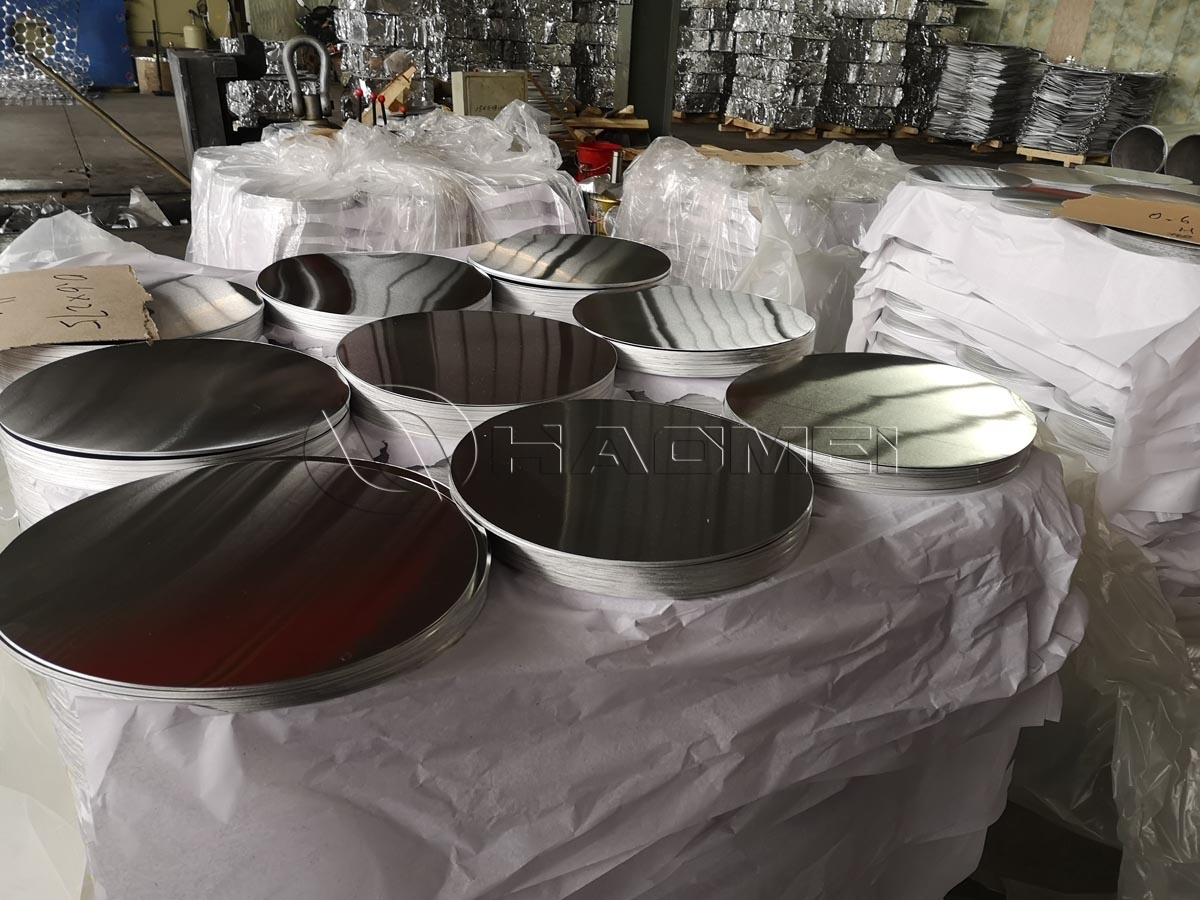
As an aluminum circle manufacturer, we produce 4-40 inch spinning-grade aluminum circles for metal spinning, deep drawing, pressing, and related forming operations. Our aluminum circle discs are supplied as controlled blanks for manufacturers of cookware, lampshades, ventilation parts, industrial covers, reflectors, decorative components, and other rotationally formed products.
Spinning-grade aluminum circles must provide more than dimensional accuracy. During metal spinning, the blank is continuously stretched and compressed over a mandrel. Material quality therefore has a direct effect on wall uniformity, surface appearance, edge stability, and the risk of cracking. We control alloy selection, temper, thickness consistency, burr condition, and surface cleanliness to support reliable downstream forming.
Metal spinning subjects an aluminum disc to localized deformation. Unlike a simple stamping operation, the material flows gradually as the spinning tool forms the blank against a rotating chuck or mandrel. The aluminum circle must maintain sufficient ductility while retaining stable and repeatable mechanical properties from batch to batch.
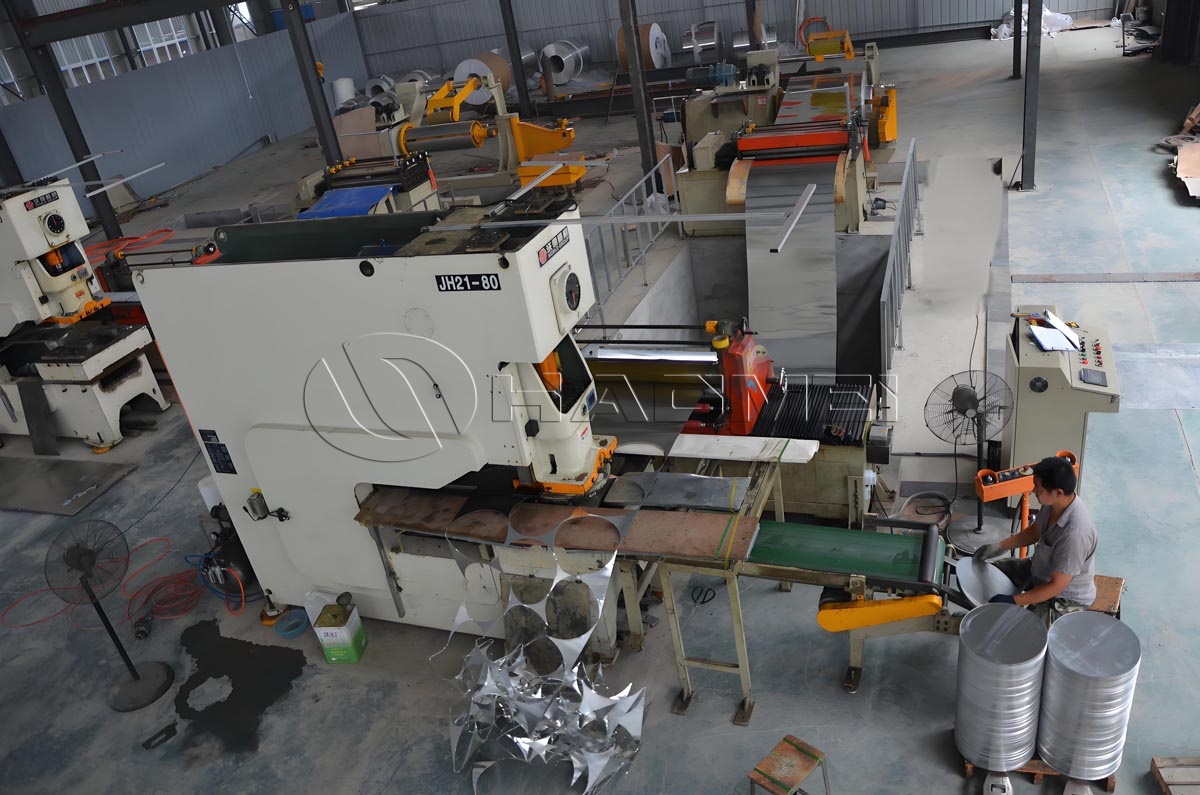
Our spinning-grade aluminum circles are manufactured from high-quality aluminum coil or sheet, then blanked using controlled production equipment. For applications requiring deeper profiles, wider flanges, or multiple forming passes, we normally recommend soft O temper material. H14 and H24 tempers can also be supplied where the finished component requires higher initial rigidity and the forming depth is moderate.
Key characteristics of our aluminum blanks for metal spinning include:
Good elongation for controlled material flow during spinning.
Uniform thickness across each aluminum disc.
Smooth surface suitable for polishing, anodizing, coating, or brushing.
Clean-cut edges with low burr levels.
Stable roundness for balanced rotation during spinning.
Consistent alloy chemistry and temper condition.
Low risk of orange peel, tearing, and edge splitting under suitable forming conditions.
The following specifications represent our regular manufacturing capability for spinning-grade aluminum circles. Final tolerances can be confirmed according to the alloy, diameter, thickness, and forming method required by the customer.
| Parameter | Standard Production Range | Notes |
|---|---|---|
| Diameter | 4-40 inches, 100-1,016 mm | Custom diameters available within production capability |
| Thickness | 0.40-6.00 mm | Thickness is selected according to final spun shape |
| Common alloys | 1050, 1060, 1070, 1100, 1200 | 1000 series aluminum is widely used for spinning |
| Tempers | O, H12, H14, H24 | O temper is preferred for deep spinning |
| Surface finish | Mill finish, bright finish, brushed finish | Protective film available on request |
| Diameter tolerance | Typically +/-0.30 mm to +/-1.00 mm | Depends on disc size and thickness |
| Thickness tolerance | According to applicable aluminum coil standard | Controlled before blanking |
| Edge condition | Deburred, low-burr cut edge | Suitable for safe handling and forming |
| Packaging | Paper interleaf, plastic protection, pallet or wooden case | Export packaging available |
For large-size or deep-spinning applications, the relationship between diameter and thickness should be evaluated before production. A large disc with insufficient thickness may wrinkle or lose wall stability, while an excessively thick blank can increase spinning force and material consumption. Our technical team can review the finished part drawing, forming route, and target wall thickness to recommend a suitable blank specification.
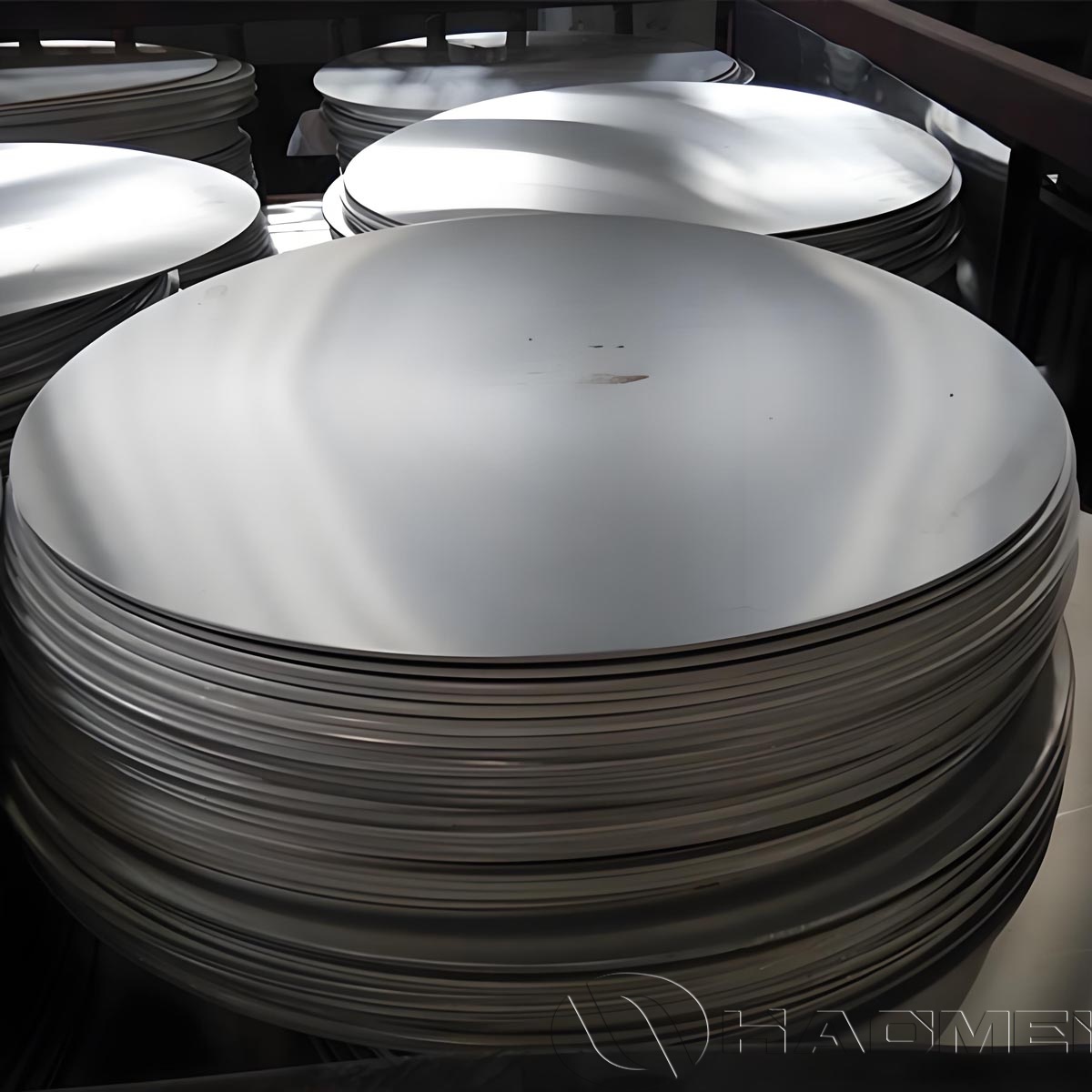
We primarily manufacture 1000 series aluminum circle discs because these grades offer high aluminum purity, good corrosion resistance, thermal conductivity, and excellent formability. The selection of alloy depends on the product design, surface requirements, and degree of deformation during spinning.
1050 aluminum provides excellent ductility and is commonly selected for cookware, lighting components, decorative spun products, and general-purpose formed parts. For deep spinning, our 1050 Aluminum Circle is frequently supplied in O temper to support multiple forming passes with reduced cracking risk.
1060 alloy contains a high aluminum content and offers reliable elongation for spinning and deep drawing. It is widely used for lampshades, reflectors, electrical enclosures, kitchenware, and industrial covers. Our 1060 Aluminium Circle is available in various diameters and thicknesses for customers requiring stable forming behavior and a clean mill surface.
1070 aluminum is suitable where high electrical or thermal conductivity is required. 1100 aluminum offers good formability and is often used for spun household, lighting, and industrial products. 1200 alloy can be selected for general forming applications where standard commercial purity aluminum performance is appropriate. We can recommend the most suitable alloy after reviewing the final application and post-processing requirements.
As a factory, we manage the key production stages that determine the forming quality of aluminum circle discs. Our process begins with qualified aluminum coil or sheet in the specified alloy and temper. Incoming material is checked for thickness, surface condition, and consistency before it enters blanking production.
The aluminum material is slit or prepared to the required width, then processed through circle blanking equipment. Depending on diameter, thickness, order quantity, and tolerance requirements, we use suitable cutting methods to maintain edge quality and production efficiency. The discs are inspected during production for diameter, roundness, thickness, burr direction, and visible surface defects.
For O temper material, annealing control is particularly important. Proper annealing helps obtain the softness and elongation needed for spinning without creating excessive surface oxidation or unstable mechanical properties. We monitor the process to ensure that batches maintain consistent workability during our customers' spinning operations.
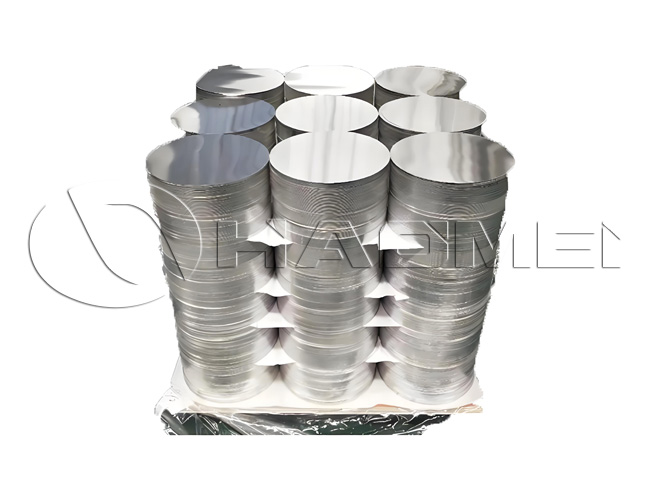
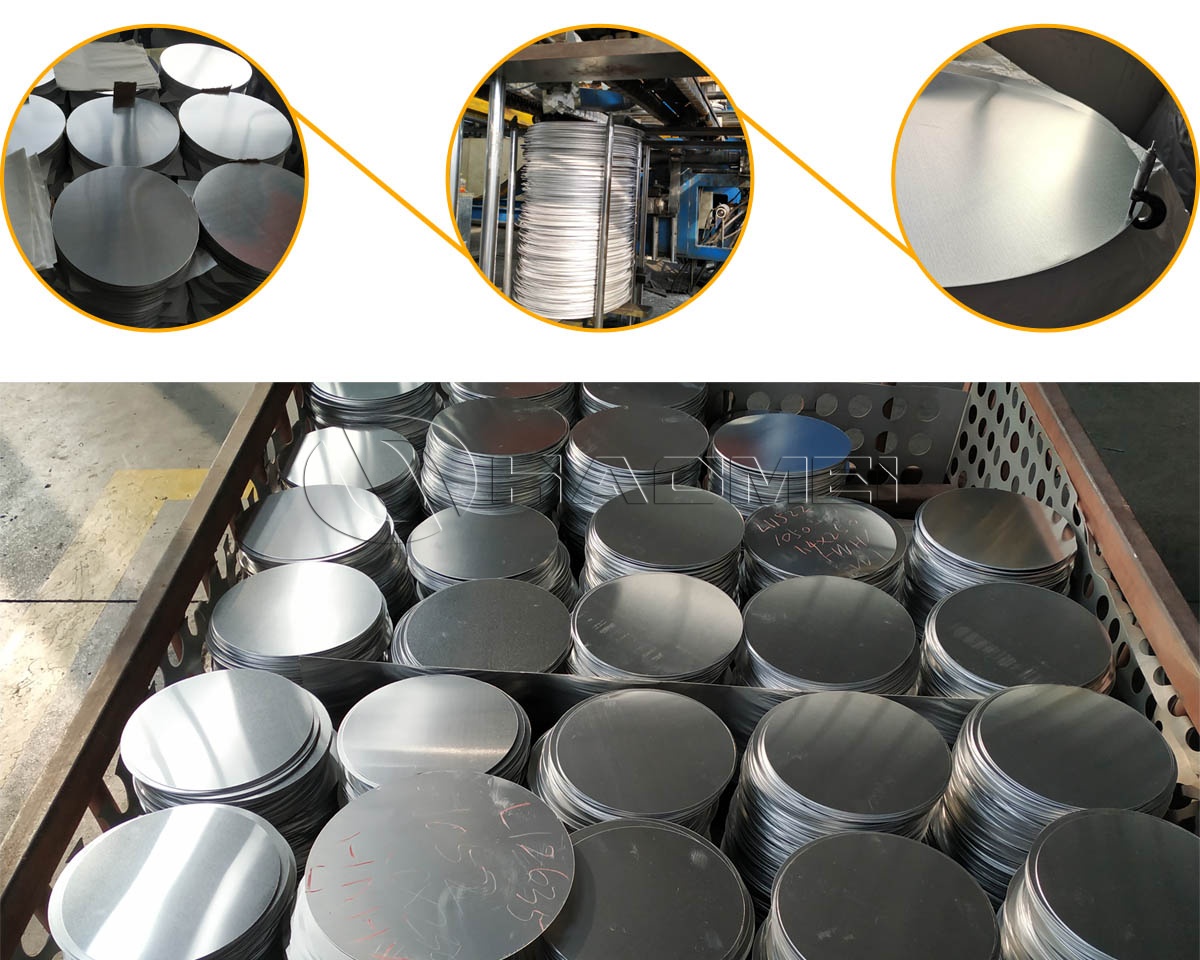
After blanking and inspection, aluminum circles are separated with interleaving materials where required to reduce surface scratching. The discs are then packed vertically or horizontally according to size, thickness, and shipping method. For export orders, we use moisture-resistant protection and reinforced pallet or wooden-case packaging to support container transportation.
Surface quality is especially important for spun aluminum parts because spinning can make pre-existing marks more visible. This is relevant for components that will receive polishing, anodizing, painting, or a decorative brushed finish.
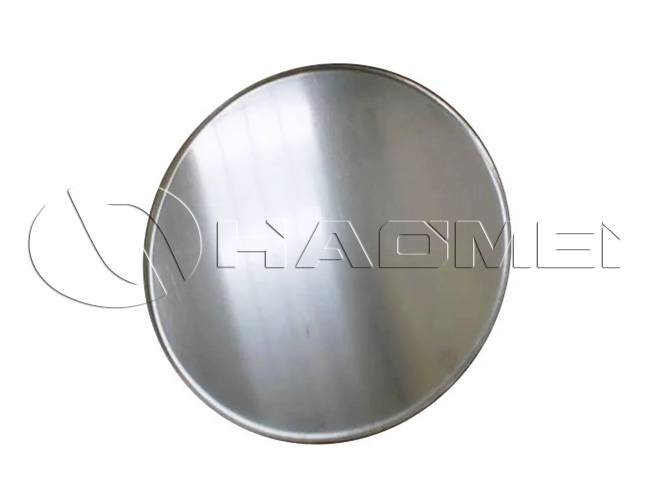
Our standard mill-finish aluminum circles are produced with clean surfaces suitable for general spinning applications. For appearance-sensitive parts, customers can specify requirements for surface cleanliness, oil level, protective film, and allowable marks. We can also supply materials intended for further surface treatment, provided that the required finishing route is defined before production.
Edge quality affects both worker safety and forming performance. Excessive burrs may interfere with loading, cause scratches between discs, or initiate edge defects during spinning. We therefore control tooling condition and blanking parameters to achieve a smooth, low-burr edge. For applications with strict edge requirements, we can discuss additional deburring or edge-conditioning arrangements.
Our 4-40 inch aluminum circles are used as semi-finished blanks by manufacturers operating metal spinning equipment. Common applications include:
Cookware bodies, frying pans, saucepans, and stockpot components.
Lampshades, lighting reflectors, and decorative lighting covers.
Ventilation caps, duct accessories, and air movement components.
Industrial housings, covers, lids, and inspection caps.
Reflective parts for lighting and thermal equipment.
Decorative bowls, trays, containers, and architectural fittings.
Pressure vessel components and formed industrial parts, subject to design validation.
For cookware and food-contact products, material selection should also consider the customer's applicable regulatory requirements, coating system, and final fabrication process. We provide mill certificates and product identification details according to agreed order documentation.
A successful spinning result depends on the combination of material, machine capability, tool design, lubrication, and forming sequence. When requesting a quotation for aluminum circles, customers should provide the following information whenever possible:
Required alloy and temper, or the finished product application.
Disc diameter in inches or millimeters.
Required thickness and thickness tolerance.
Final spun component drawing or target shape.
Surface finish and post-processing requirements.
Expected order quantity and delivery destination.
Packaging preference, including pallet, wooden case, or special protection.
For deep or complex spinning, we recommend trial production before large-scale purchasing. This allows the spinning parameters and blank dimensions to be validated under actual production conditions. If a product requires a specific diameter-to-thickness ratio, we can manufacture trial lots to support the customer's forming evaluation.
Our quality control system focuses on the characteristics that matter in aluminum spinning operations: alloy conformity, temper stability, thickness consistency, disc diameter, roundness, surface condition, and edge quality. Inspection records and material documentation can be supplied according to the purchase agreement.
We serve export customers with production planning based on order specifications and shipping schedules. Each batch is identified to support traceability, and packaging is selected to reduce the risk of deformation, oxidation, moisture exposure, and transit damage. For large aluminum circle discs, reinforced packaging is used to maintain flatness and protect the edges.
Our spinning-grade aluminum circles are manufactured for customers who require reliable blanks rather than general-purpose sheet offcuts. From 4-inch small discs to 40-inch large aluminum circles, we can produce specifications matched to metal spinning, deep drawing, and pressing requirements. Contact our factory with your drawing, alloy preference, dimensions, and expected quantity for a technical review and quotation.

Office Address:
No.14 Waihuan Road, CBD, Zhengzhou, China
Contact Us
HAOMEI Aluminum offer an custom aluminum circle for you!
whatsapp: +86-18703635966
Email: sales@alummc.com
Email: alummc@hotmail.com
Request Free Sample & Quotation
Copyright © 2026 By HAOMEI Aluminum CO., LTD. All Rights Reserved. Sitemap
 +86-18703635966
 sales@alummc.com
 8618703635966
