
 No.14 Waihuan Road, CBD, Zhengzhou, China
 +86-18703635966

No.14 Waihuan Road, CBD, Zhengzhou, China
+86-18703635966
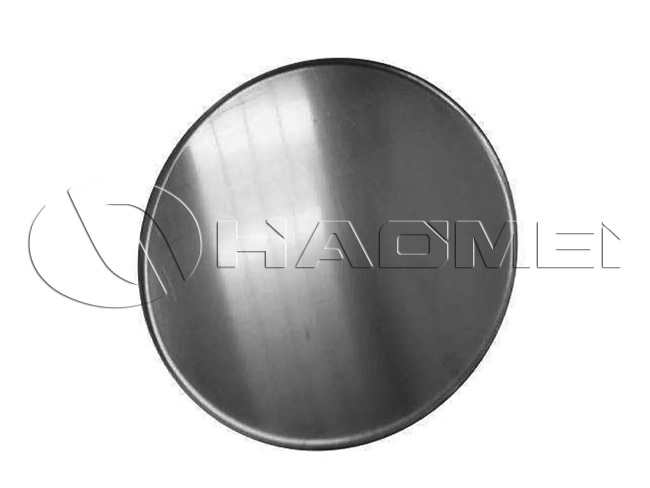
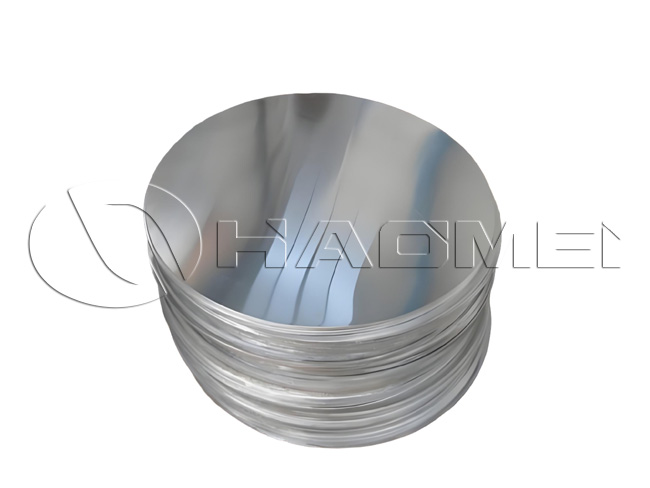
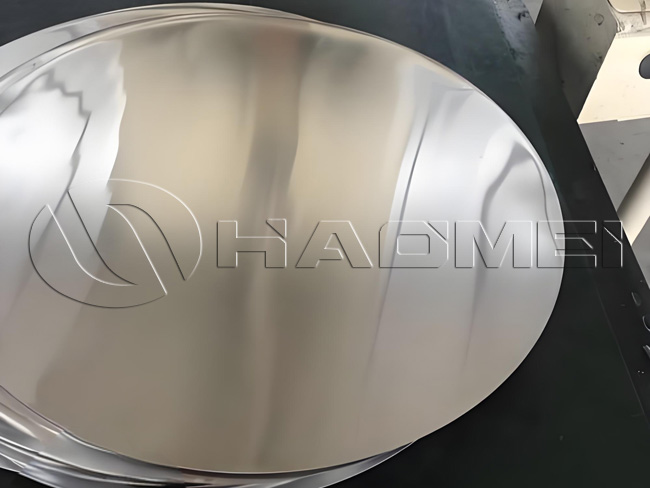
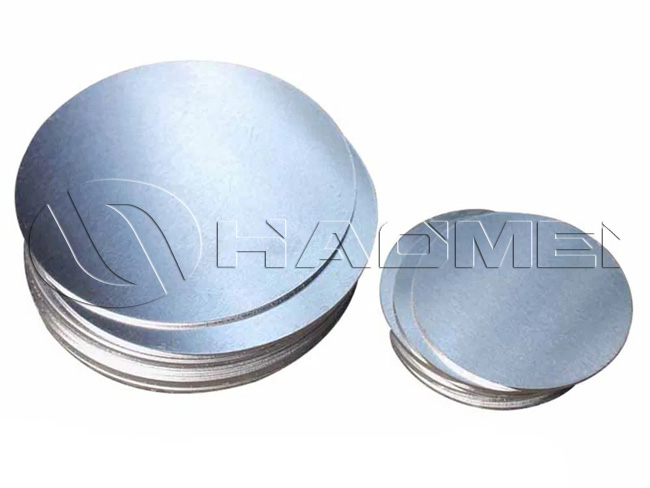
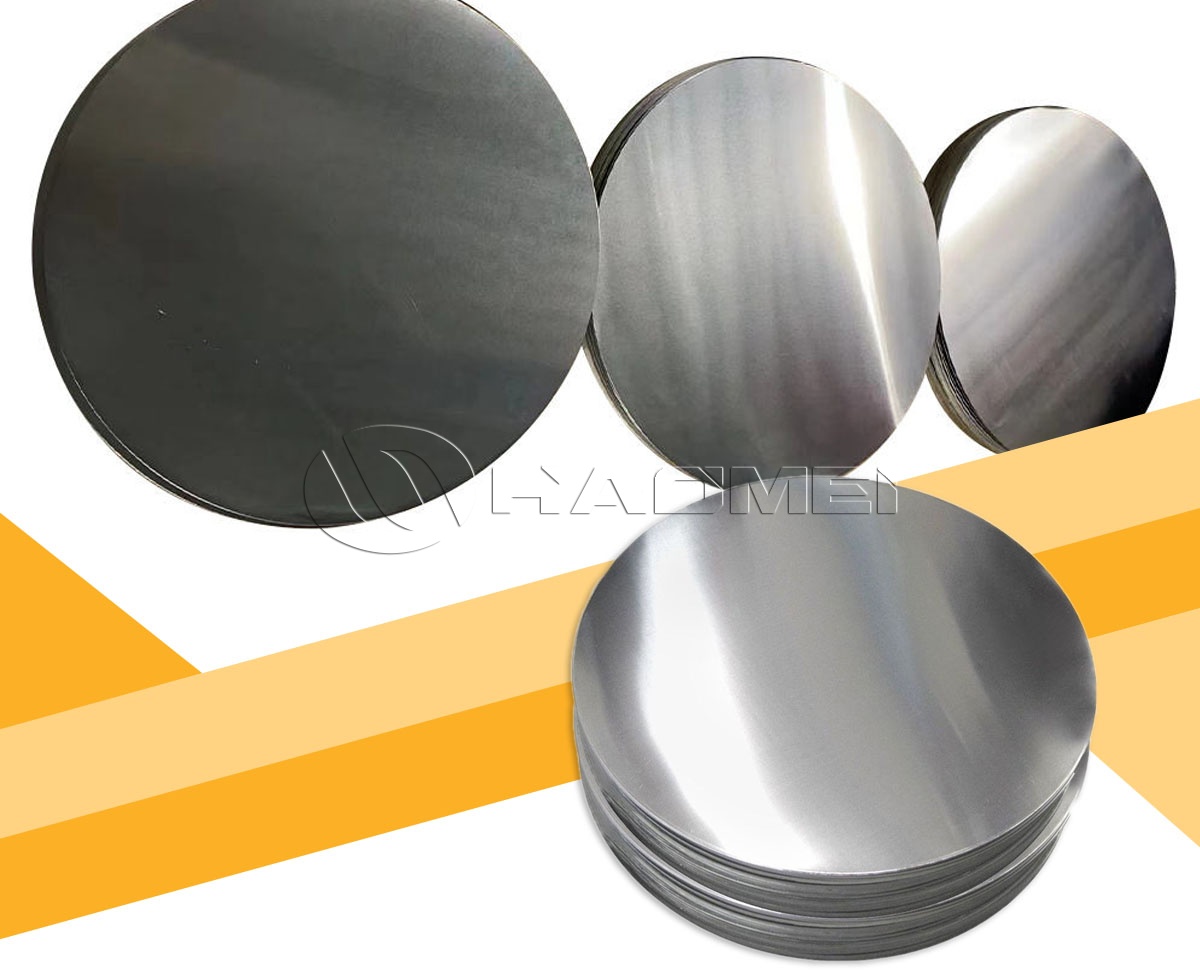
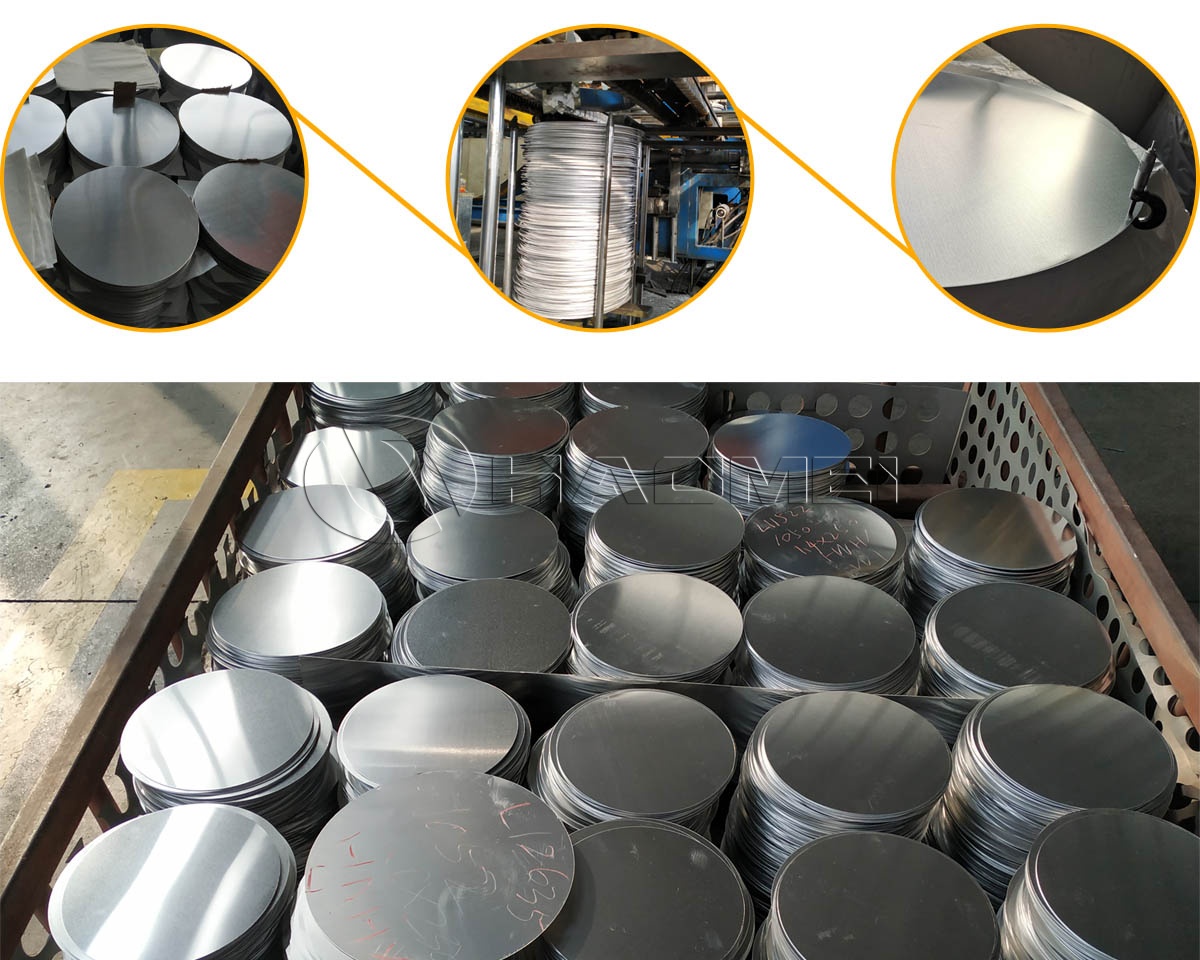
As a manufacturer of aluminum circles for cookware, we produce 3003 hot-rolled aluminum circles for the forming of non-stick frying pans, saucepans, stockpots, saute pans, pressure cookers, and other deep-drawn cookware products. This alloy combines reliable formability with moderate strength, making it a practical base material for cookware factories that require stable processing performance and consistent coating results.
For non-stick cookware, the quality of the aluminum disc affects every downstream process, including deep drawing, spinning, trimming, bottom finishing, coating application, and final assembly. Our production process is designed to supply cookware aluminum circles with controlled thickness, smooth edges, uniform material properties, and surfaces suitable for cleaning, pretreatment, and non-stick coating systems.
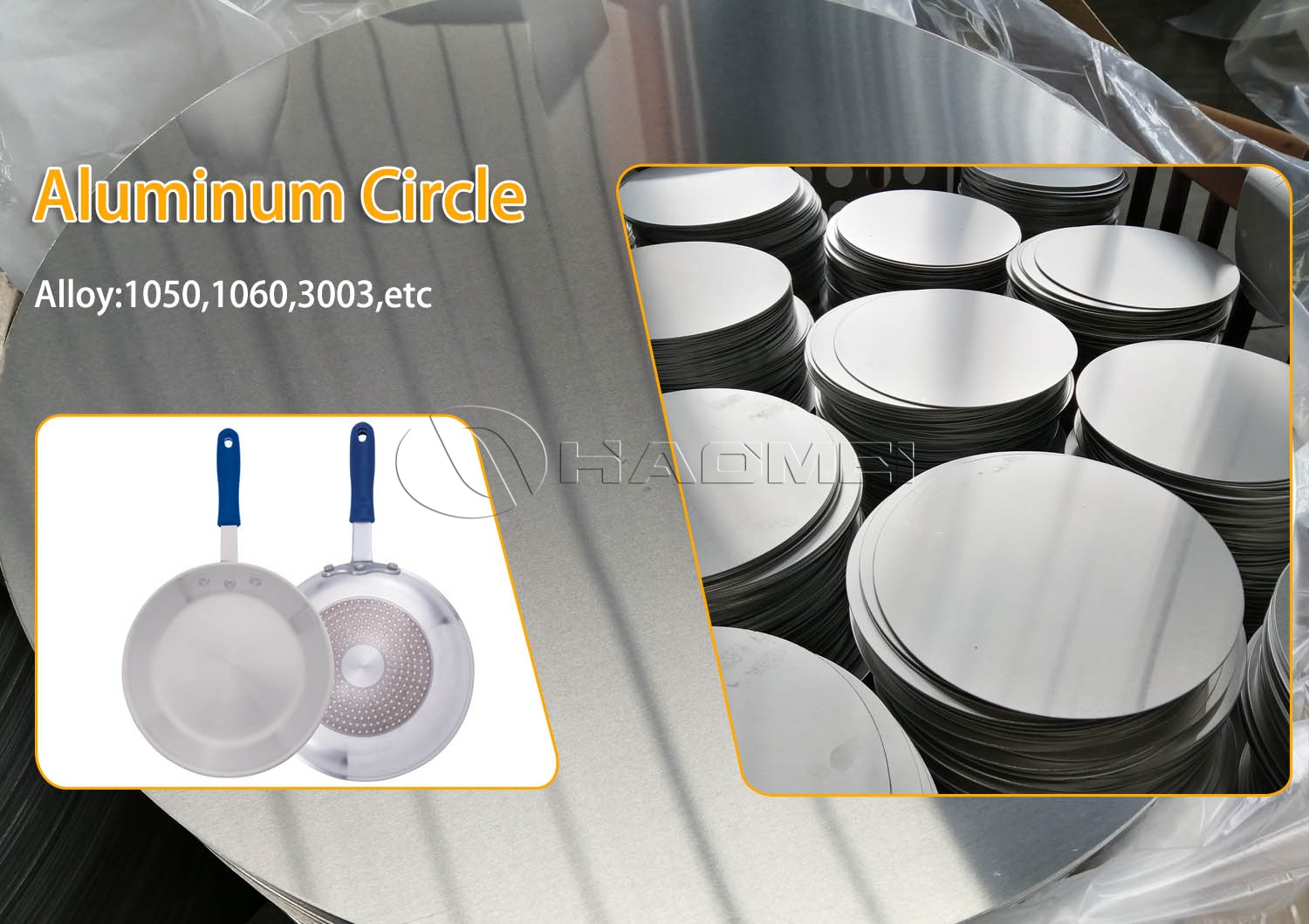
3003 aluminum is an aluminum-manganese alloy. Compared with commercially pure aluminum grades, it provides higher strength while retaining the ductility needed for cookware forming. Its balanced performance makes it widely used for cookware bodies that need to withstand drawing, shaping, and repeated handling during manufacturing.
For non-stick cookware producers, a 3003 aluminum circle offers several practical advantages:
Good deep-drawing and spinning performance for pan bodies and deeper vessels.
Higher strength than 1050 and 1060 aluminum, helping maintain shape during forming.
Suitable thermal conductivity for efficient heat transfer in cookware applications.
Stable substrate properties for surface cleaning, conversion treatment, and coating.
Good corrosion resistance under normal cookware production and service conditions.
Compatibility with multiple bottom constructions, including induction base bonding.
We manufacture 3003 hot-rolled aluminum circles specifically with cookware processing in mind. The material is supplied after controlled hot rolling, annealing, slitting, blanking, and inspection procedures. This process route supports larger diameters and thicker gauges while maintaining the formability required by cookware factories.
The following table shows common technical ranges for our 3003 hot-rolled aluminum circles. Final specifications are confirmed according to the cookware design, drawing ratio, forming method, and customer quality standard.
| Parameter | Standard Supply Range | Notes |
|---|---|---|
| Alloy | 3003 | Aluminum-manganese alloy |
| Temper | O, H12, H14 | O temper is common for deep drawing |
| Thickness | 0.80-6.00 mm | Other thicknesses available by agreement |
| Diameter | 100-1,200 mm | Customized blank diameter available |
| Diameter tolerance | Typically +/- 0.5 mm to +/- 2.0 mm | Depends on disc size and thickness |
| Thickness tolerance | According to ordered gauge | Controlled through rolling and inspection |
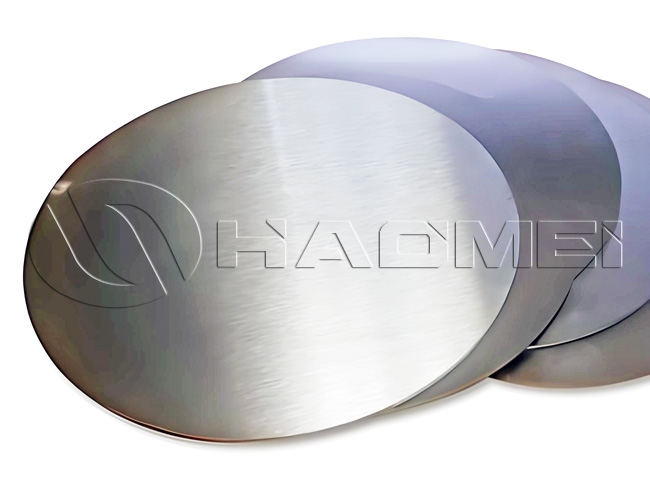
| Surface finish | Mill finish, degreased surface | Suitable for subsequent pretreatment |
| Edge condition | Smooth, burr-controlled | Supports safe and stable forming |
| Flatness | Controlled for cookware blanking | Defined by diameter and thickness |
| Coil or disc source | Hot-rolled aluminum coil | Processed in our factory |
| Typical applications | Frying pans, pots, woks, stockpots | Suitable for coated cookware bodies |
For cookware projects with demanding drawing requirements, we recommend that buyers provide the finished product drawing, target depth, wall profile, and forming method. Our technical team can then recommend an appropriate thickness, temper, and disc diameter before mass production.
Our 3003 aluminum circles are produced through an integrated manufacturing and conversion process. We control each stage to reduce material variation that may affect cookware forming or coating performance.
We begin with qualified 3003 aluminum slab or hot-rolled coil material. Chemical composition control is important because manganese content influences alloy strength, workability, and consistency. Incoming materials are checked against the applicable production specification before further processing.
Hot rolling reduces the aluminum material to the required intermediate thickness while building a suitable metallurgical structure for further processing. For cookware aluminum circle production, stable gauge control is essential. Excessive thickness variation can result in uneven drawing, non-uniform pan walls, and inconsistent heat distribution in the finished cookware.
For deep-drawn non-stick cookware, O temper is commonly selected. Our annealing process is controlled to obtain a soft and uniform material condition. Proper annealing helps the aluminum circle flow more evenly during drawing and reduces the risk of cracking, wrinkling, or uneven deformation.
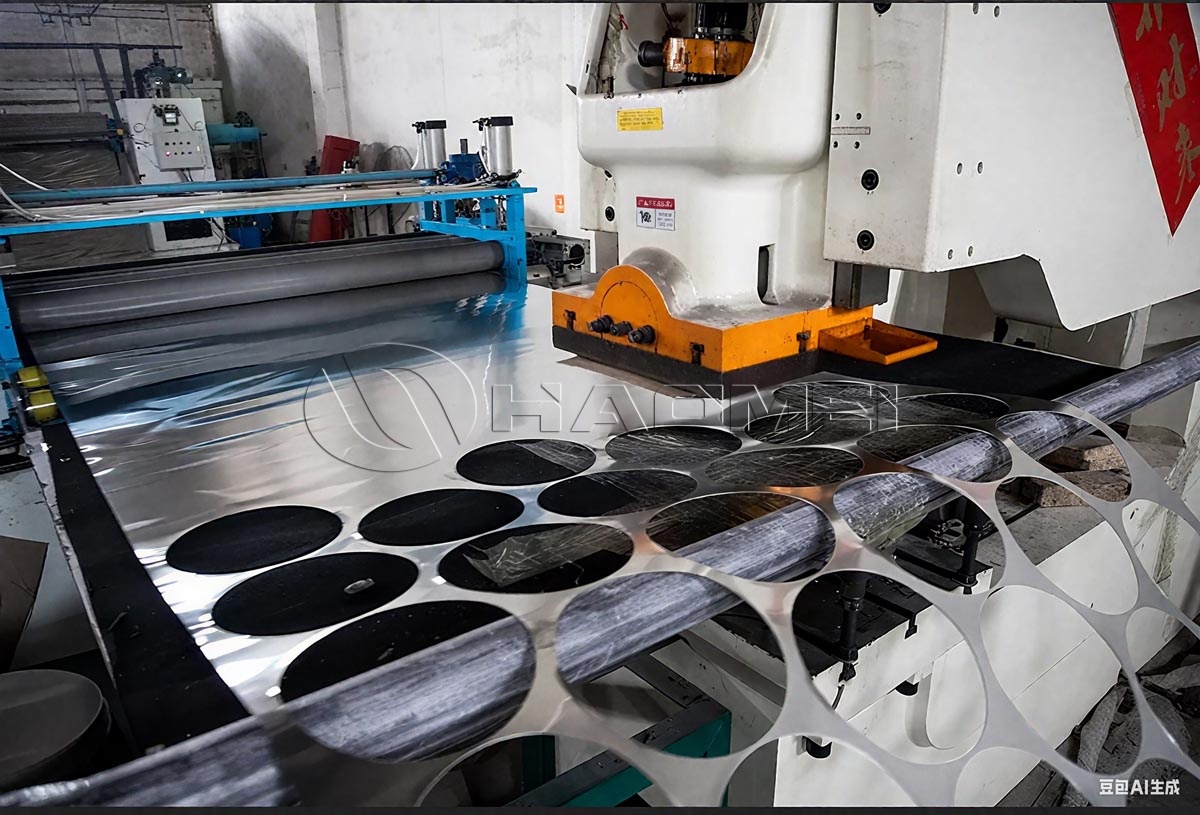
After coil preparation, we use circle blanking equipment to produce aluminum discs in the specified diameter. Tooling condition and blanking parameters are monitored to maintain roundness and minimize burr formation. A clean edge is especially important for automated feeding, progressive forming, and high-volume cookware production lines.
Each production batch is inspected for key requirements such as thickness, diameter, edge quality, surface condition, and flatness. When requested, we can also align inspection methods and documentation with the buyer's incoming material control procedures.
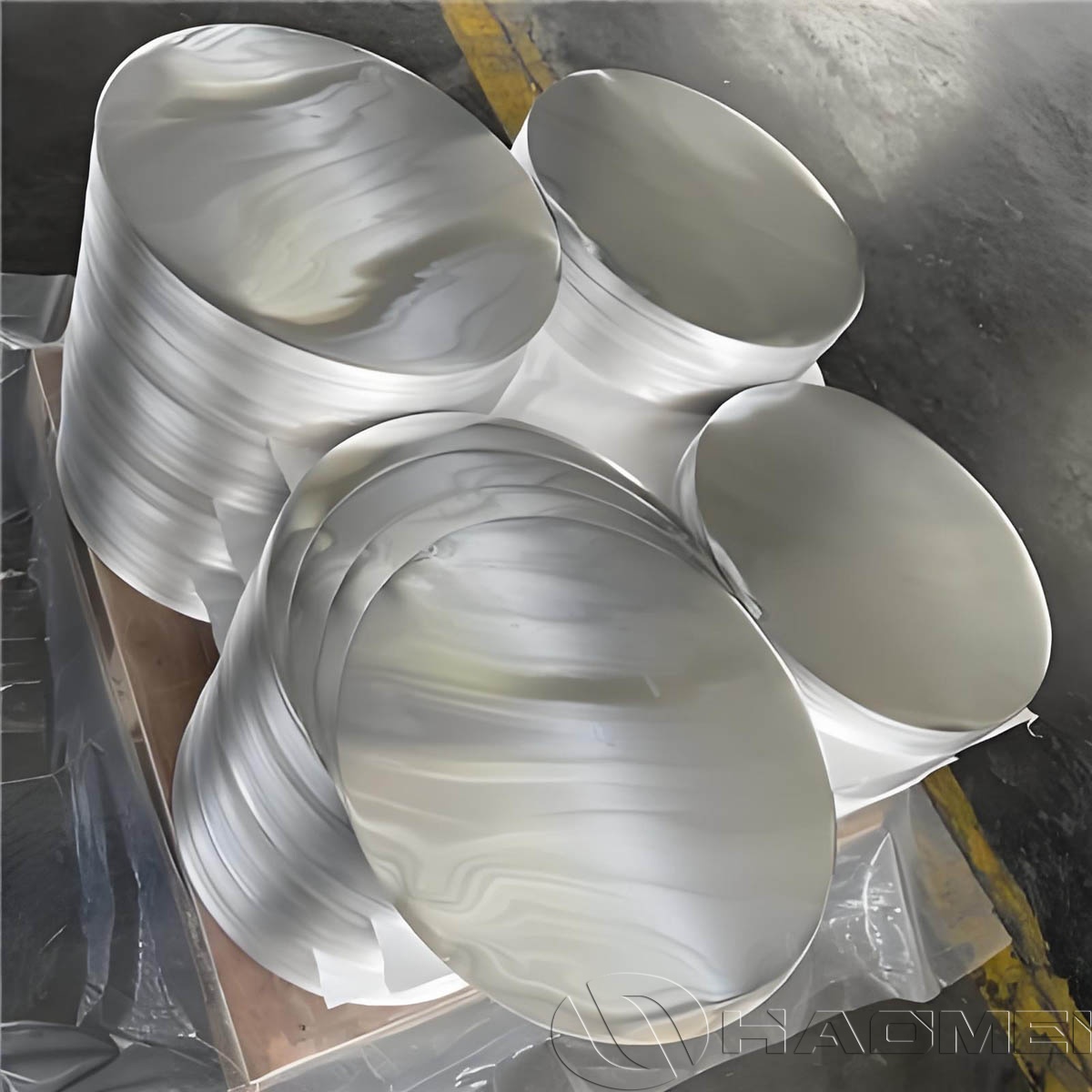
The aluminum substrate is not the final cooking surface, but it has a direct influence on coating preparation and adhesion. Before non-stick coating, cookware manufacturers commonly perform degreasing, roughening or blasting where applicable, chemical conversion treatment, spraying, curing, and quality inspection.
Our non-stick cookware aluminum discs are supplied with a mill-finish surface appropriate for these downstream operations. We focus on avoiding defects that may interfere with pretreatment or coating appearance, including heavy scratches, oil contamination, dents, oxide inclusions, and pronounced roller marks.
The exact surface requirement should be specified according to the buyer's coating process. For example, a cookware factory using automated spray coating may require stricter control of residual oil and handling marks than a factory using a different pretreatment route. As the manufacturer, we can adjust packaging and surface protection practices based on these requirements.
Material selection should be based on the geometry of the final cookware product rather than only on nominal diameter. A shallow frying pan and a deep stockpot may both use 3003 aluminum circles, but their forming conditions can differ significantly.
3003 O aluminum circle is generally the preferred option for deep-drawn cookware. Its soft condition provides high elongation and supports more demanding forming operations. It is often used for deep pots, saucepans, pressure cooker components, and cookware with complex sidewall profiles.
3003 H12 and H14 tempers provide greater hardness and strength. They may be suitable for cookware requiring less severe forming, flatter products, or applications where additional stiffness is beneficial. However, the selected temper must match the drawing depth and tooling conditions to prevent forming defects.
Thicker 3003 hot-rolled aluminum circles are commonly selected for larger cookware, products with induction-compatible bases, or pans requiring stronger body rigidity. Thinner circles can reduce material consumption for lighter cookware, but they require careful design and forming control to maintain the desired shape and durability.
For a broader view of available specifications, our Hot Rolled Aluminum Circle range can be matched to different cookware dimensions and forming needs.
Our factory quality management process focuses on the characteristics most relevant to cookware manufacturing. We do not treat an aluminum circle simply as a cut blank. It is a forming material that must perform consistently in the customer's production line.
Key control items include:
Alloy identification and composition compliance.
Thickness measurement across the disc and throughout the batch.
Diameter and roundness verification.
Edge burr inspection after blanking.
Surface inspection under controlled lighting.
Flatness checks for stable stacking and feeding.
Temper and mechanical property verification when required.
Packaging inspection to prevent transit damage and moisture exposure.
For repeat orders, we maintain production records to support consistency between batches. This is particularly important for cookware manufacturers using standardized dies, automated drawing machines, and controlled coating recipes.
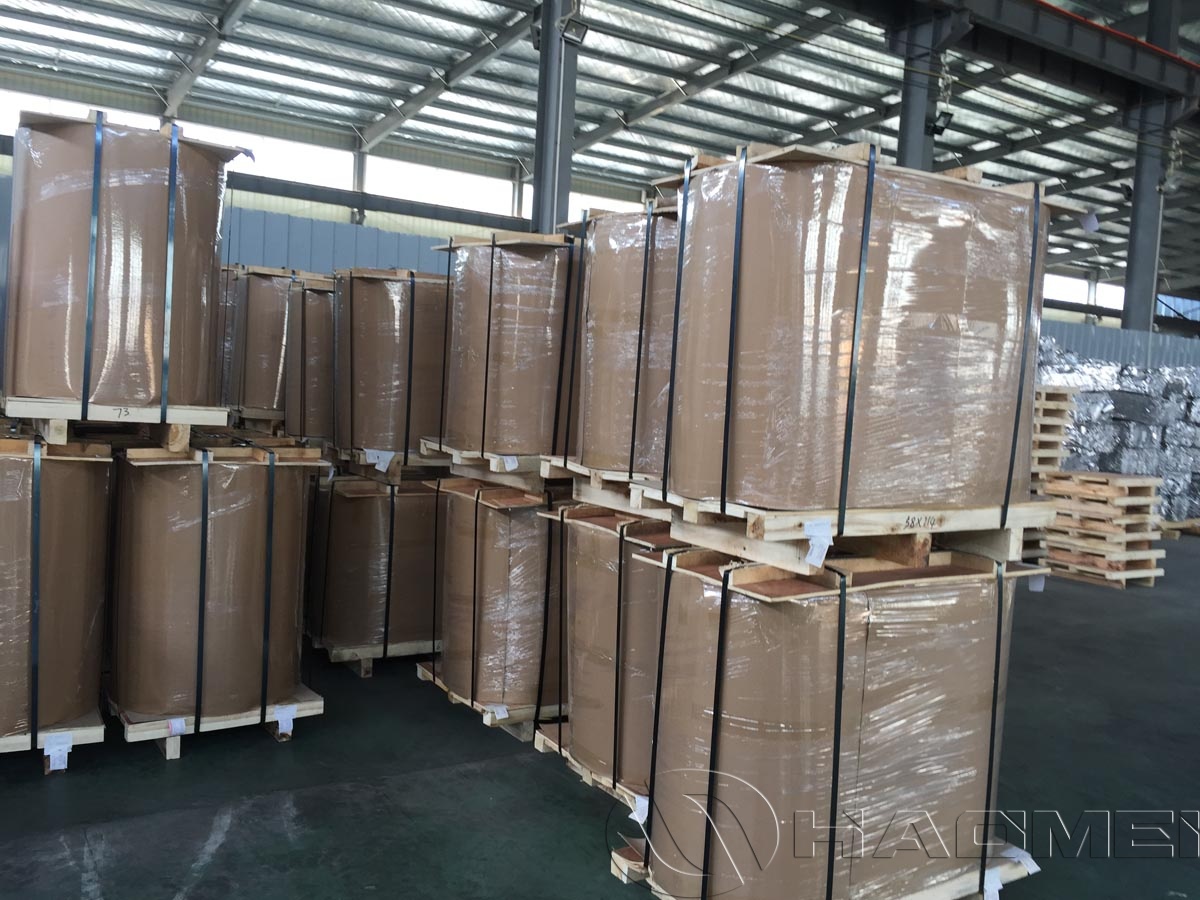
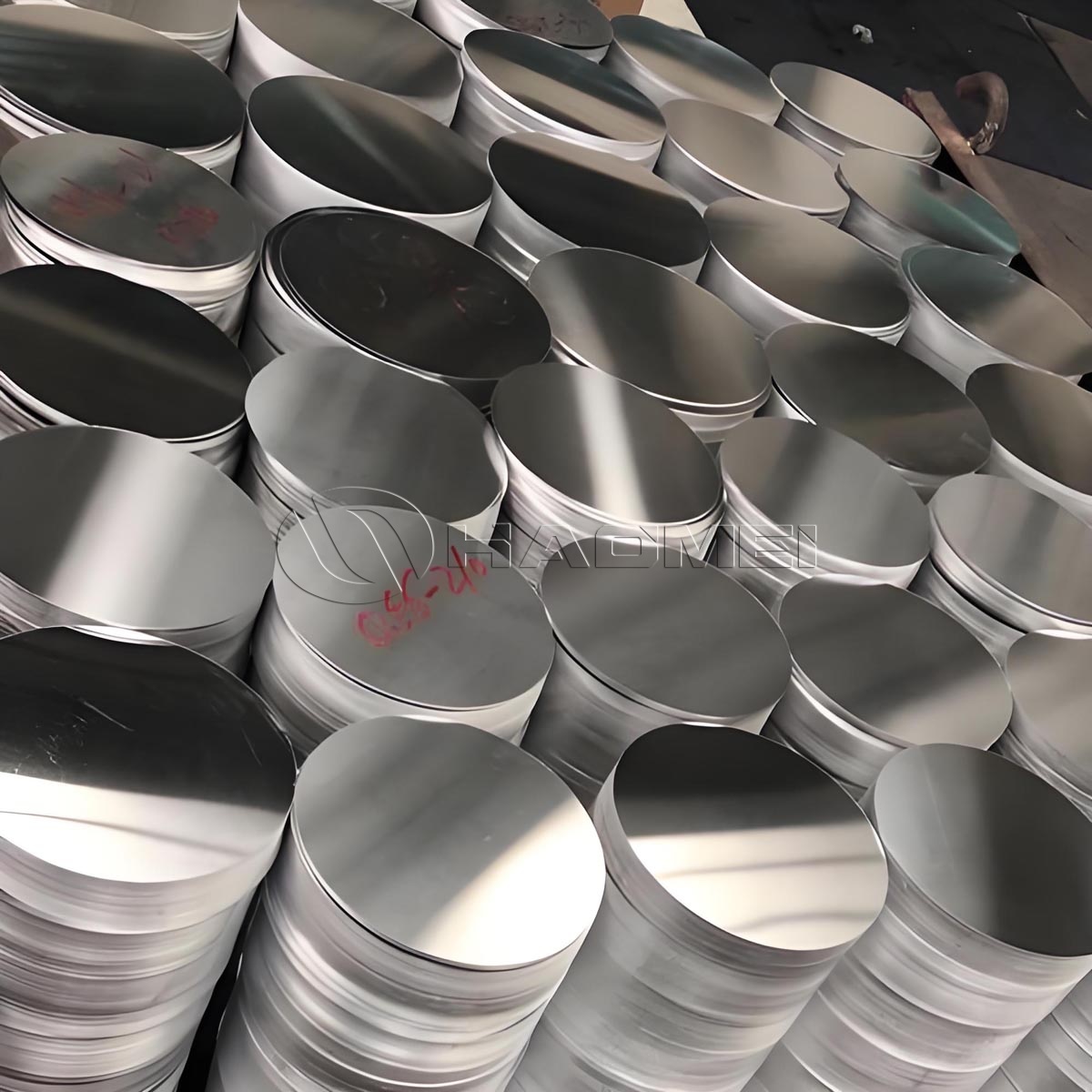
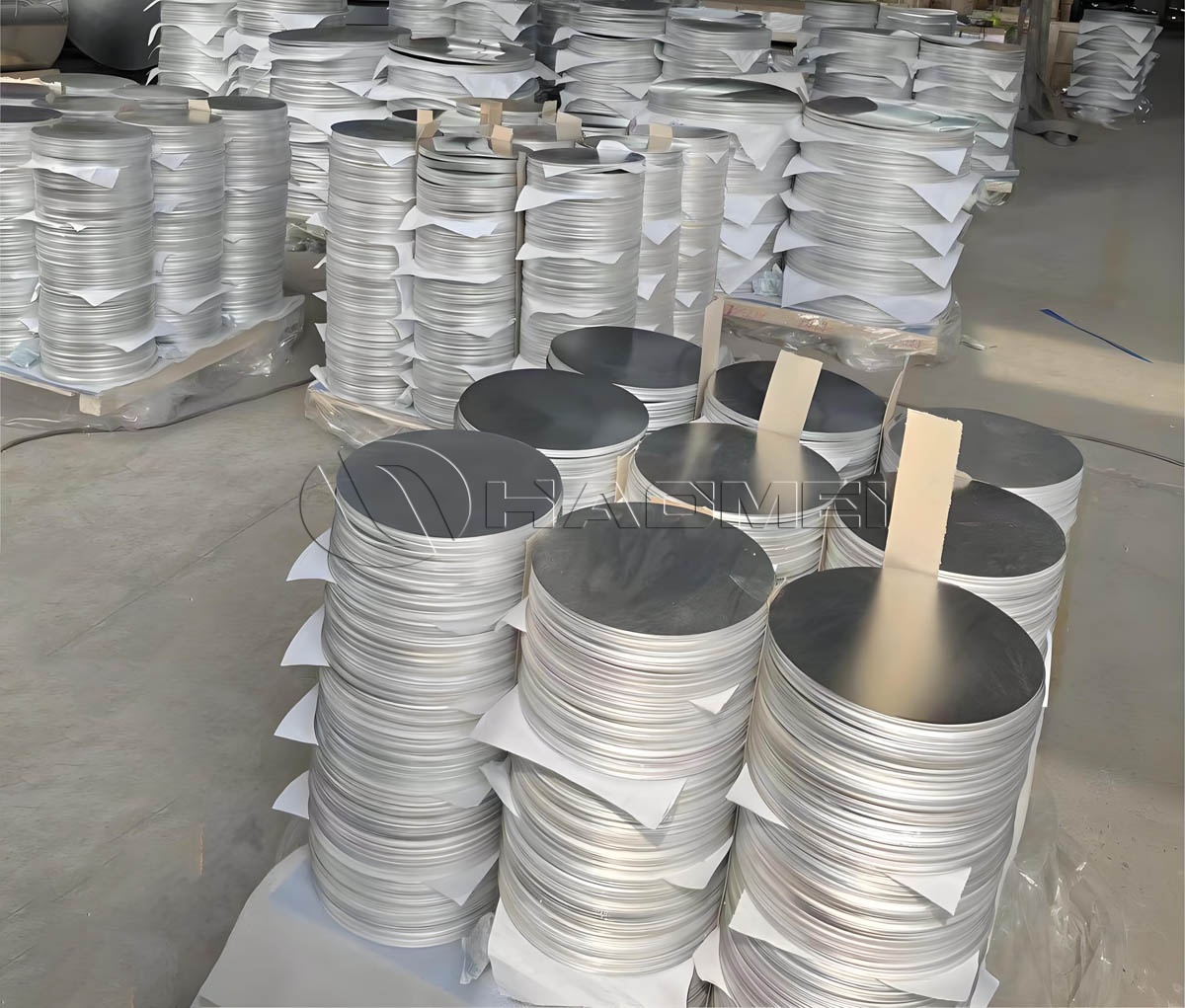
We package 3003 aluminum circles to protect edges and surfaces during warehouse handling and international transport. Typical packaging includes interleaving paper where required, protective wrapping, reinforced pallets, steel or plastic strapping, corner protection, and moisture-resistant outer packing.
Each package can be labeled with alloy, temper, thickness, diameter, quantity, batch number, and customer reference information. This supports efficient incoming inspection and traceability at the cookware factory.
As a manufacturing supplier, we support export orders in container quantities as well as project-based volumes. Order planning can be coordinated around diameter combinations, packaging limits, delivery schedules, and the buyer's production requirements.
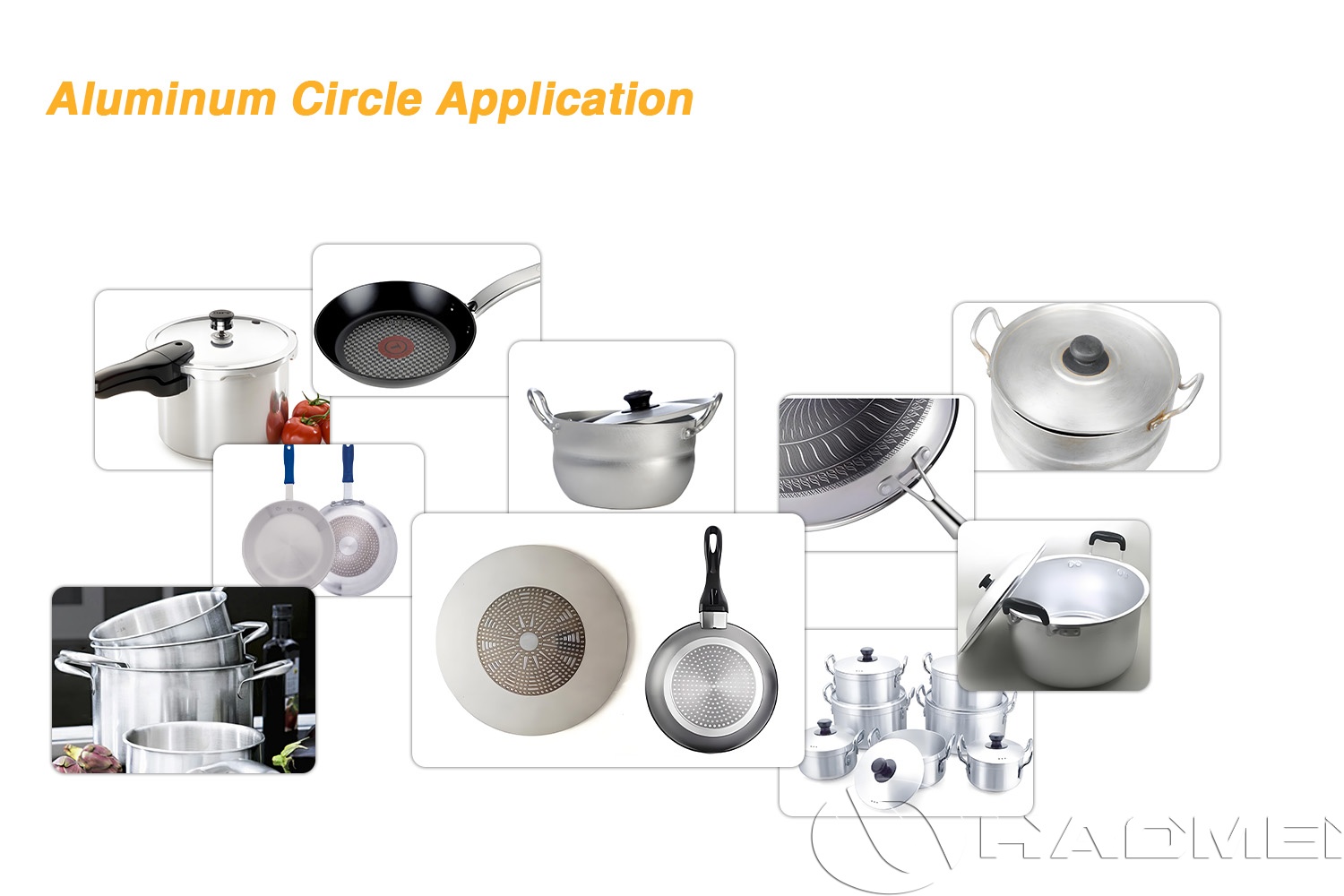
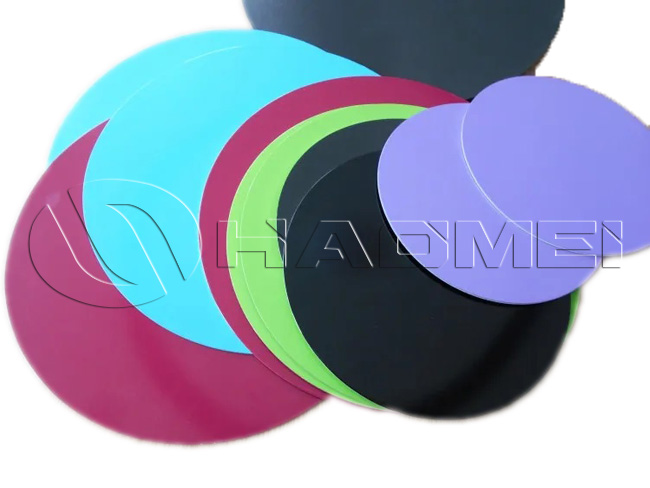
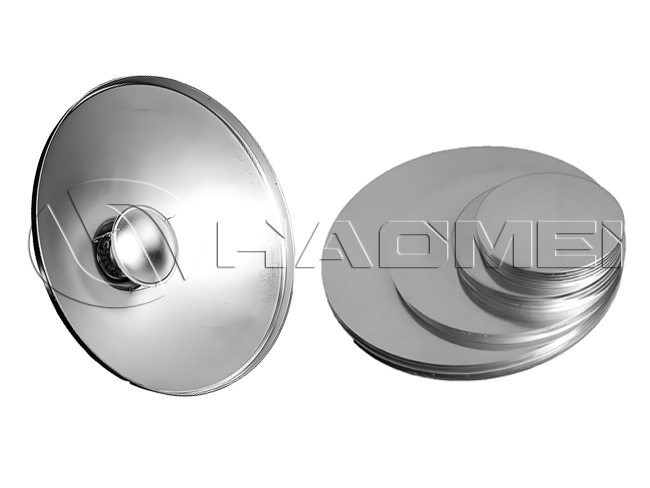
Our 3003 hot-rolled aluminum circles are used as semi-finished blanks for a range of coated cookware products, including:
Non-stick frying pans and omelet pans.
Saute pans and grill pans.
Saucepan and casserole bodies.
Stockpots and soup pots.
Woks and shallow cooking vessels.
Pressure cooker components.
Cookware sets with bonded stainless steel induction bases.
For buyers sourcing materials for multiple cookware types, our Aluminum Circles for Cookware portfolio also includes options for different alloy, temper, surface, and diameter requirements.
3003 hot-rolled aluminum circles are a dependable material choice for non-stick cookware manufacturers that require good formability, stable mechanical properties, and consistent substrate quality. Through controlled hot rolling, annealing, precision blanking, and inspection, we supply aluminum discs that support efficient cookware forming and reliable downstream coating operations.
When specifying a 3003 aluminum circle, buyers should evaluate the finished cookware shape, forming depth, thickness target, temper, coating process, and packaging requirements. Providing these details at the quotation stage enables us to manufacture a cookware aluminum circle that is aligned with the actual production process rather than a generic material specification.

Office Address:
No.14 Waihuan Road, CBD, Zhengzhou, China
Contact Us
HAOMEI Aluminum offer an custom aluminum circle for you!
whatsapp: +86-18703635966
Email: sales@alummc.com
Email: alummc@hotmail.com
Request Free Sample & Quotation
Copyright © 2026 By HAOMEI Aluminum CO., LTD. All Rights Reserved. Sitemap
 +86-18703635966
 sales@alummc.com
 8618703635966
