
 No.14 Waihuan Road, CBD, Zhengzhou, China
 +86-18703635966

No.14 Waihuan Road, CBD, Zhengzhou, China
+86-18703635966
As a manufacturer of aluminum circle products for cookware applications, we are often asked whether 1050 or 1060 aluminum circle is the better choice. Both alloys belong to the 1000 series aluminum family and are widely used in kitchenware, including frying pans, saucepans, rice cookers, pressure cooker liners, and non-stick cookware bases. However, for different forming methods, surface requirements, and cost targets, the preferred alloy may not be the same.
In our production practice, the choice between 1050 aluminum circle and 1060 aluminum circle is usually based on four factors: aluminum purity, forming performance, thermal conductivity, and final cookware design. This article provides a manufacturer-level comparison to help buyers and engineering teams make a practical material selection.
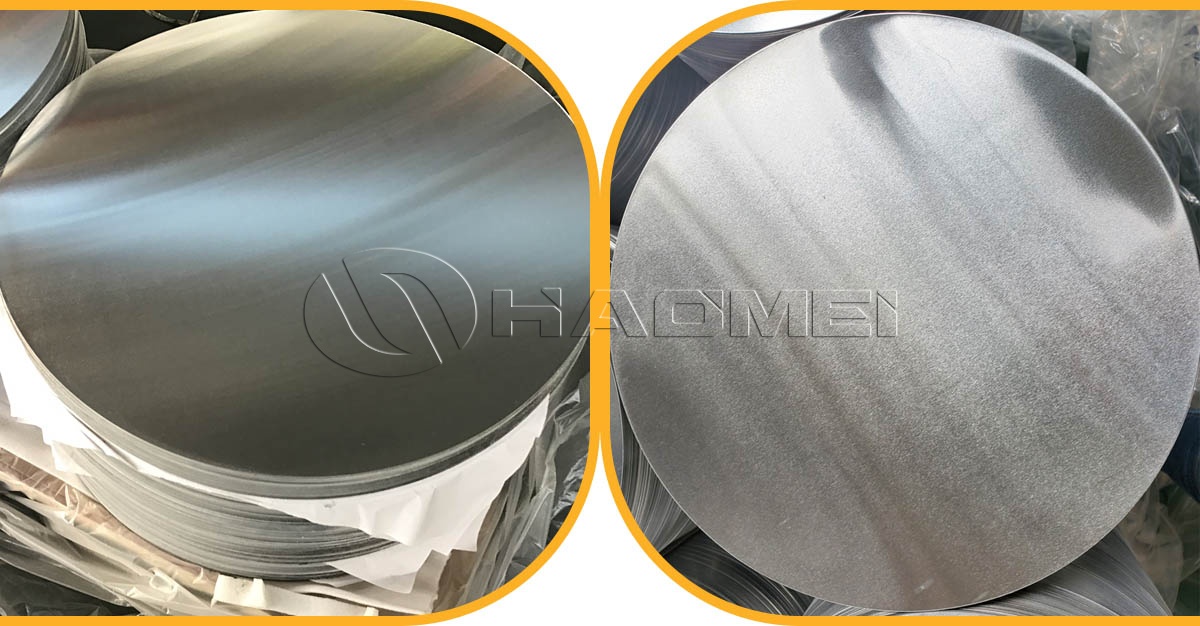
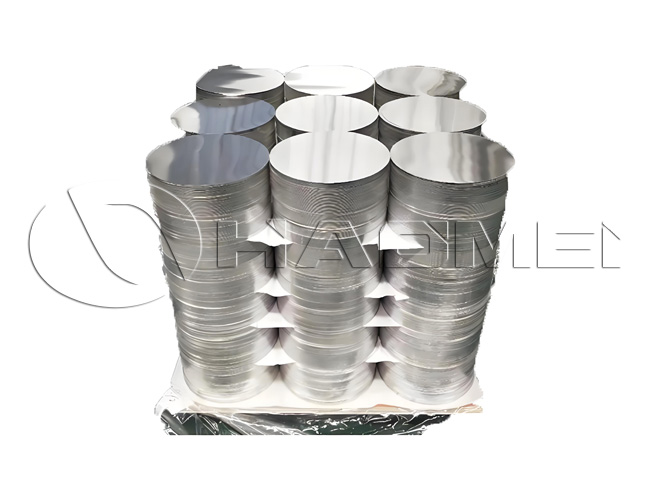
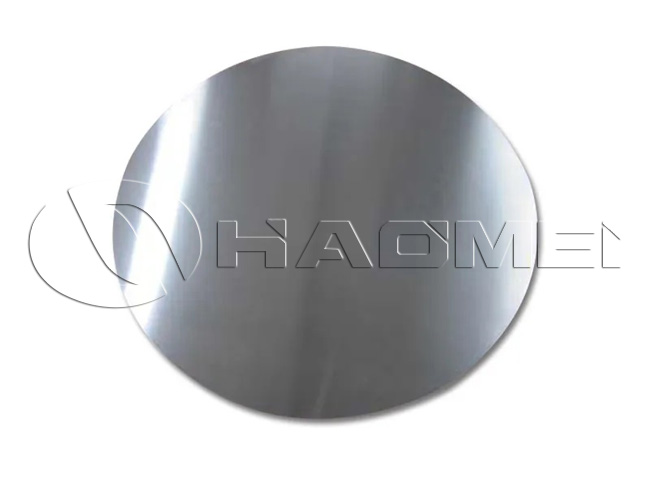
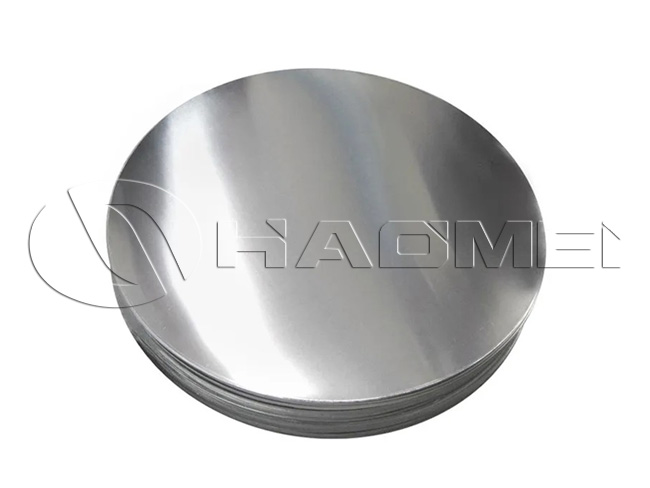
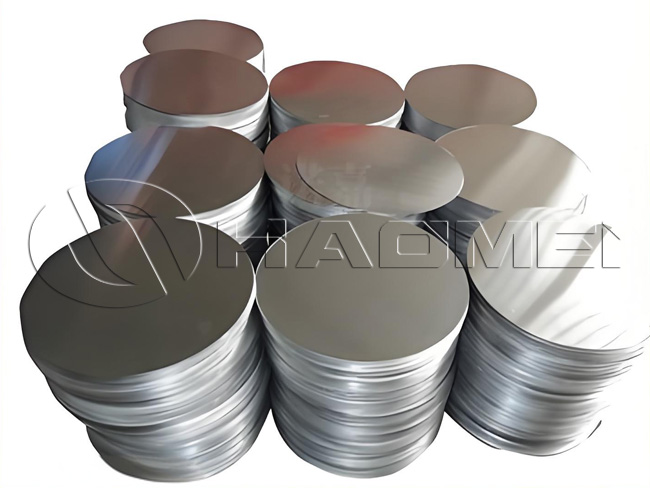
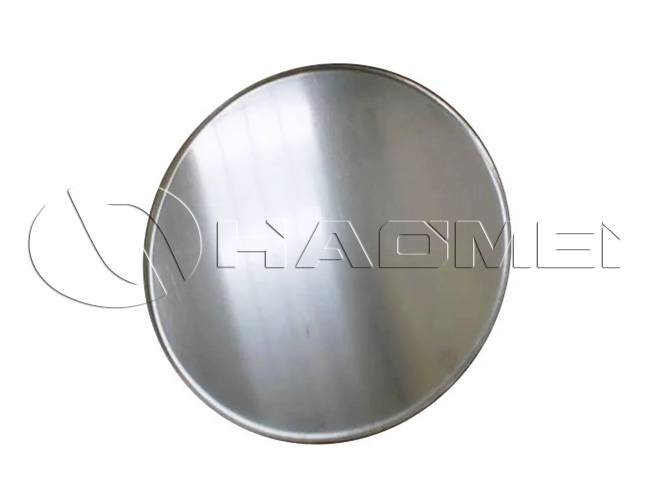
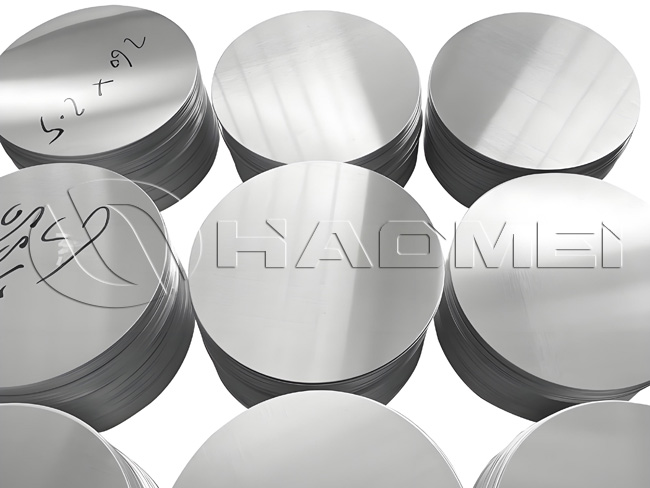
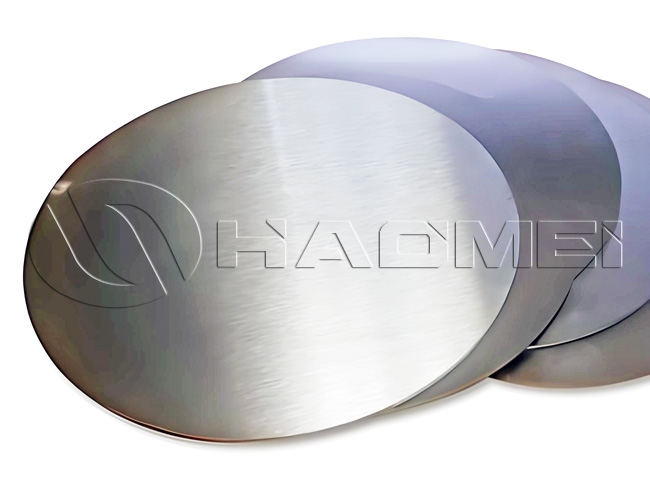
1050 and 1060 are industrial pure aluminum alloys. They are commonly supplied as aluminum circle blanks for deep drawing, spinning, stamping, and impact forming. In cookware manufacturing, these materials are valued for their stable forming behavior, low ear rate, good surface quality, and reliable heat transfer.
From our factory perspective, both alloys can be produced in O, H12, H14, and related tempers depending on the downstream process. For cookware, O temper is frequently selected for deep drawing and spinning because it provides higher ductility and easier deformation.
If the application requires strong forming performance and consistent bottom flatness, buyers often compare 1050 Aluminum Circle and 1060 Aluminium Circle in the same sourcing stage.
The primary difference between 1050 and 1060 aluminum circle is aluminum content. 1060 has higher purity, which slightly improves conductivity and softness, while 1050 offers very similar processing behavior with broad commercial availability.
| Item | 1050 Aluminum Circle | 1060 Aluminum Circle |
|---|---|---|
| Aluminum content | >= 99.50% | >= 99.60% |
| Typical temper for cookware | O, H12, H14 | O, H12, H14 |
| Density | 2.71 g/cm3 | 2.71 g/cm3 |
| Thermal conductivity | Approx. 222 W/m.K | Approx. 229 W/m.K |
| Electrical conductivity | Good | Slightly higher than 1050 |
| Formability | Excellent | Excellent |
| Deep drawing performance | Very good | Excellent |
| Surface finish | Good | Good to very good |
| Corrosion resistance | Excellent | Excellent |
| Typical cookware use | General cookware, pans, lids | Deep-drawn cookware, high-formability parts |
The differences in numerical values are not large, but in volume production, small differences can affect forming stability, scrap rate, and finished surface consistency.
For cookware, formability is often the first decision factor. Pots, pans, and cooker liners usually require multiple drawing or spinning steps. In our factory, 1060 aluminum circle generally performs slightly better in demanding deep drawing operations because of its marginally higher purity and softer material response.
This advantage becomes more visible when the cookware shape is deeper, the wall thinning ratio is higher, or the customer requires a low rejection rate in automatic press lines. For these applications, 1060 aluminum circle may provide more process tolerance.
That said, 1050 aluminum circle also offers excellent formability and is fully suitable for many standard cookware items. For shallow-drawn pans, lids, induction-ready base layers, and general kitchen utensils, 1050 often performs well and can be a cost-efficient option.
Cookware performance depends heavily on heat transfer. Since both 1050 and 1060 belong to the pure aluminum series, both offer strong thermal conductivity compared with many other metal materials. In practical cookware manufacturing, 1060 has a slight advantage in thermal conductivity because of its higher aluminum content.
For end products where fast and uniform heat distribution is critical, such as non-stick frying pans and cooking pots, 1060 may be preferred. However, the real cooking performance also depends on thickness, bottom structure, coating system, and whether the cookware uses a composite or induction base. In many standard applications, the difference between 1050 and 1060 is modest rather than decisive.
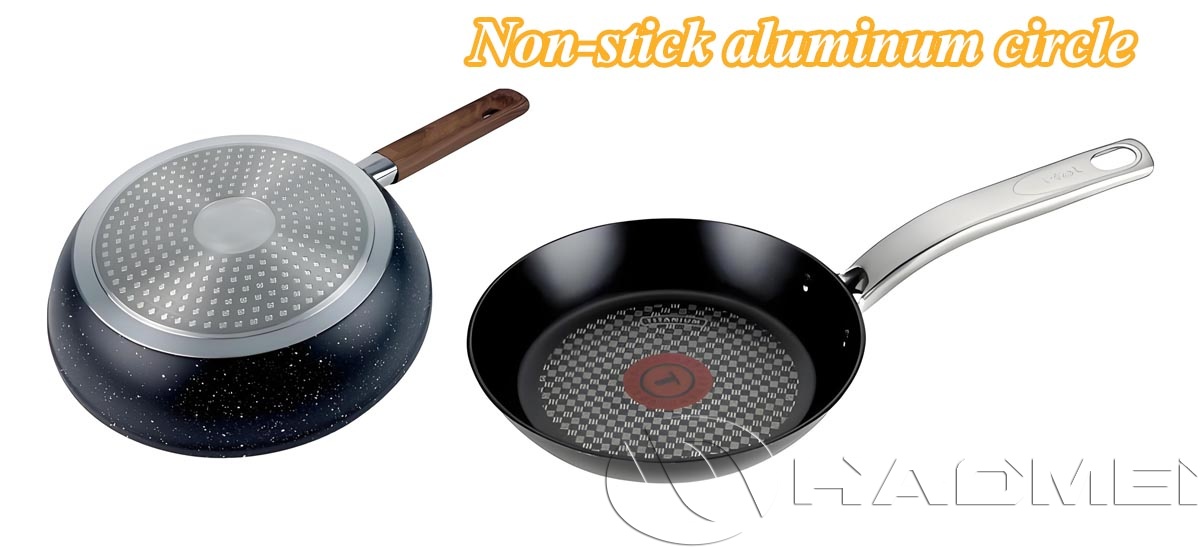
Surface quality is important for both coated and uncoated cookware. A smooth and clean surface supports stable non-stick coating adhesion, better visual appearance, and fewer downstream polishing defects.
From a manufacturing standpoint, both alloys can achieve good surface finish when hot rolling, cold rolling, annealing, and blanking are properly controlled. For anodized kitchenware or products requiring a cleaner decorative finish, 1060 aluminum circle may provide a slightly more uniform response due to its purity level. Still, the production route and surface control are often more important than the nominal alloy difference alone.
Both 1050 and 1060 aluminum circle materials have excellent corrosion resistance in normal cookware environments. They are widely used in food-contact applications when processed under appropriate standards. For cookware bodies, liners, lids, and kitchen utensils, both alloys are established industrial choices.
In actual production, corrosion performance is also influenced by surface treatment, coating integrity, edge finishing, and cleaning conditions during manufacturing. Therefore, alloy selection should be considered together with the final processing route.
For many buyers, especially importers and cookware factories, cost consistency matters as much as technical suitability. 1050 aluminum circle is often selected where the product design does not require the highest available purity in this category. It can provide a sound balance between forming performance and procurement efficiency.
1060 aluminum circle may carry a slight premium, depending on raw material market conditions and order specification. When the cookware design involves deeper drawing, tighter forming tolerance, or higher thermal conductivity targets, that premium may be justified by lower scrap rates and smoother production.
For buyers sourcing 1000 Series Aluminum circle products in large volumes, the best choice is usually determined by the intended forming process rather than by alloy number alone.
Based on our manufacturing experience, the following practical selection pattern is common:
| Cookware application | Recommended alloy | Reason |
|---|---|---|
| Shallow frying pans | 1050 or 1060 | Both have good formability and heat transfer |
| Deep-drawn pots | 1060 preferred | Better tolerance in deep drawing |
| Rice cooker inner pot blanks | 1060 preferred | Stable forming and good surface quality |
| Pressure cooker components | 1060 preferred | Better ductility for demanding shapes |
| Cookware lids | 1050 or 1060 | Standard forming requirements |
| Non-stick pan discs | 1050 or 1060 | Good substrate for coating systems |
| Spun kitchen utensils | 1050 or 1060 | Both are suitable depending on design |
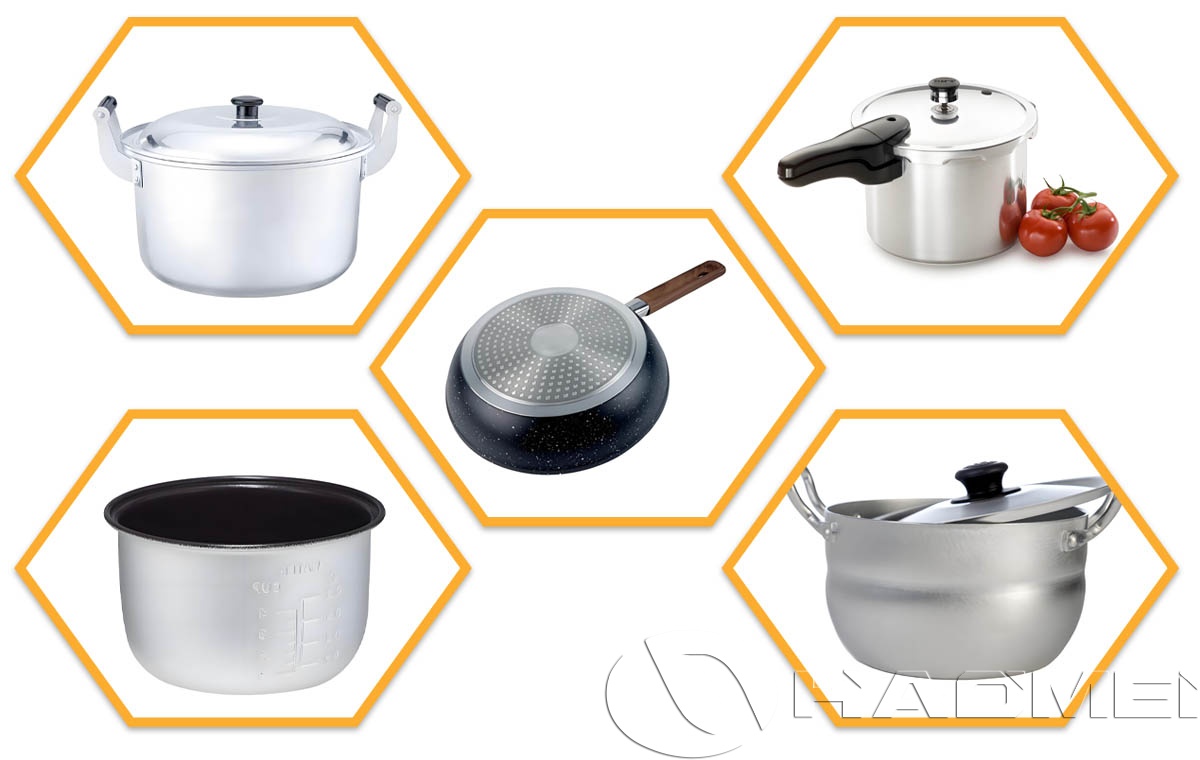
As a factory, we do not define "better" only by chemical purity. We evaluate the material through the full production chain:
Coil quality and thickness tolerance
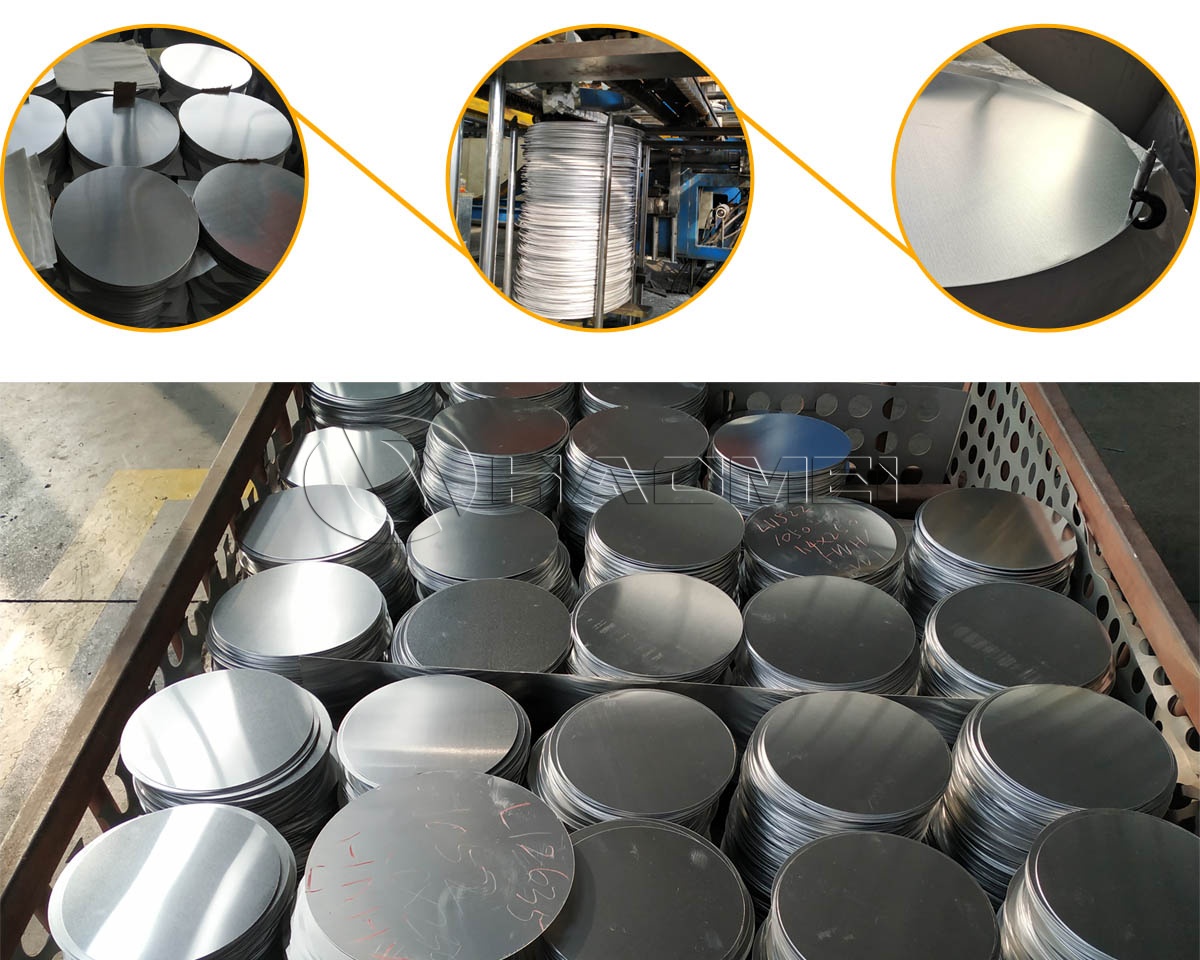
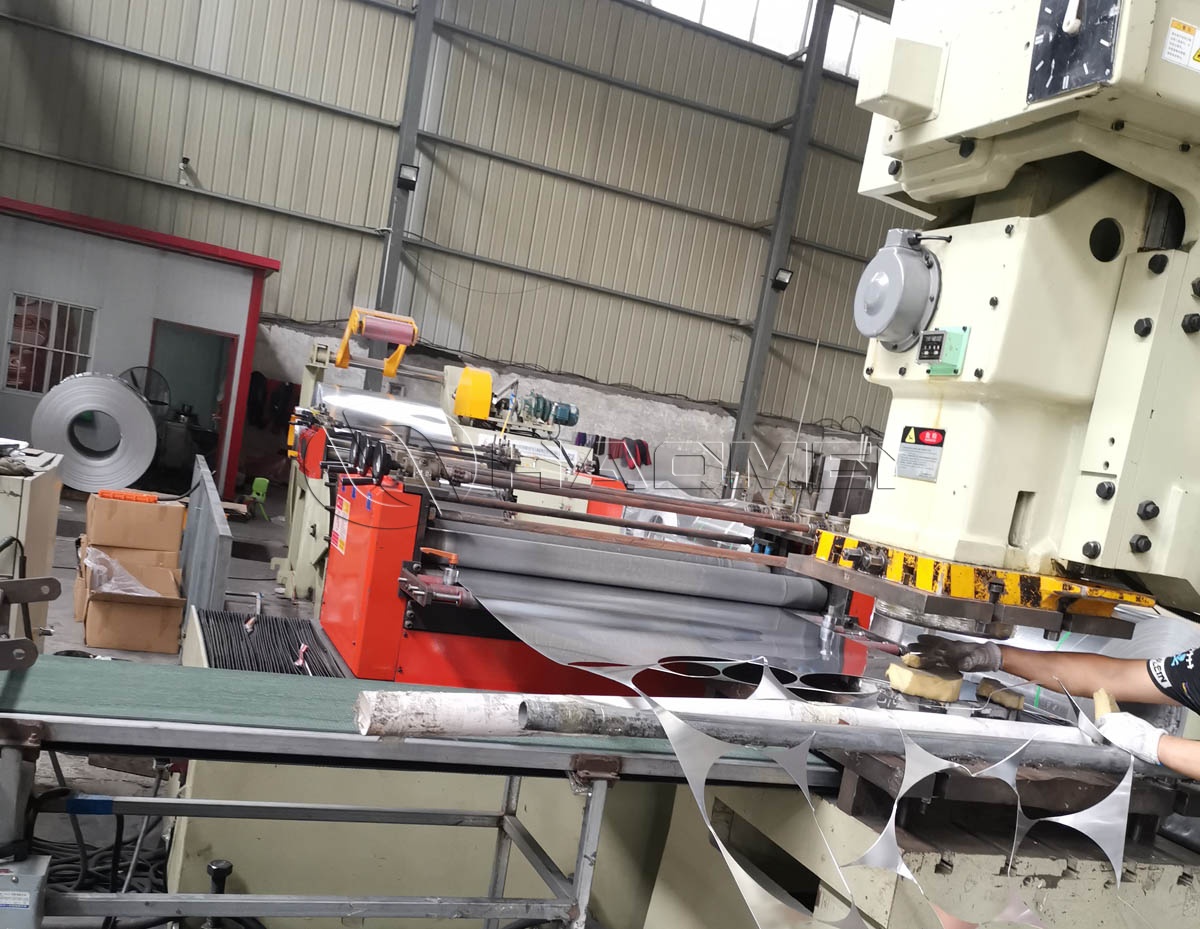
Circle blanking precision
Surface cleanliness
Annealing consistency
Deep drawing and spinning behavior
Ear rate and cracking tendency
Compatibility with coating or anodizing
Final cookware flatness and shape retention
Under these criteria, 1060 aluminum circle is often the better option for technically demanding cookware. It offers slightly better ductility and conductivity, which can improve forming reliability in more complex products.
However, 1050 aluminum circle remains an excellent material for a wide range of cookware applications. It is not a lower-grade substitute in any simplistic sense. In many standard pan and lid products, 1050 can deliver stable processing results and competitive manufacturing economics.
The answer depends on the cookware type and manufacturing method.
The cookware shape is relatively simple
Deep drawing depth is moderate
Cost control is a key purchasing factor
Standard thermal performance is sufficient
The application includes general pans, lids, or utensils
The cookware requires deeper drawing or more severe deformation
High forming stability is required in automated production
Better thermal conductivity is preferred
Surface uniformity is more critical
The application includes deep pots, cooker liners, and precision kitchenware parts
From a manufacturer perspective, both 1050 and 1060 aluminum circle are reliable materials for cookware production. They share excellent corrosion resistance, strong formability, and good thermal conductivity, which is why both are widely used in the cookware industry.
If the priority is balanced cost and broad applicability, 1050 aluminum circle is often the practical choice. If the cookware design places greater demands on deep drawing, heat transfer, and forming consistency, 1060 aluminum circle is generally the better material.
In actual procurement, the best result comes from matching the alloy with thickness, temper, blank diameter, and forming route. For cookware manufacturers, this process-based selection is more valuable than choosing by alloy number alone.
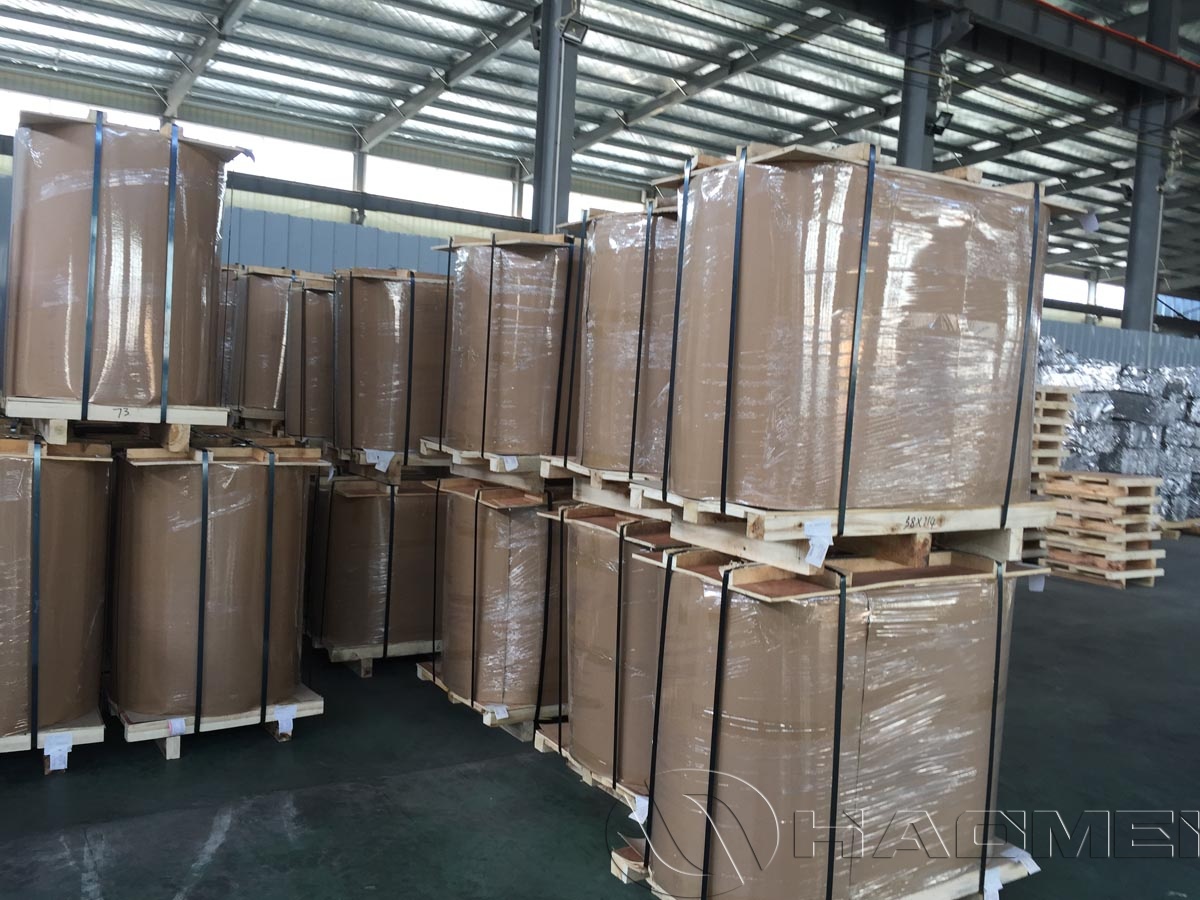
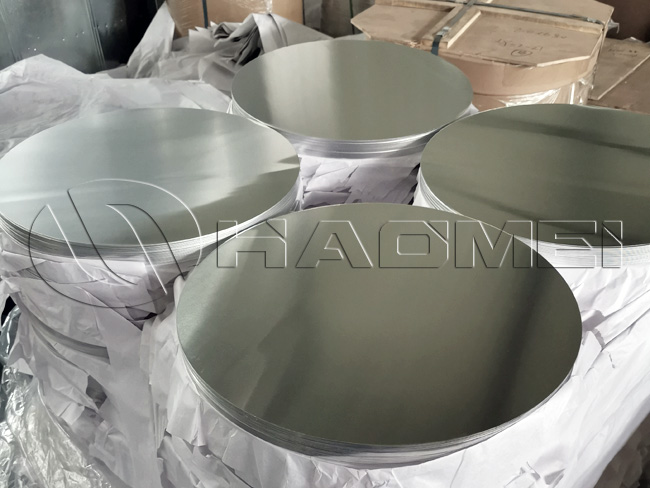
When we support customers in cookware projects, we usually review the product drawing, forming depth, temper requirement, surface expectation, and packaging specification before recommending the final aluminum circle solution. This approach helps ensure that the selected material performs efficiently from blanking to the finished cookware line.

Office Address:
No.14 Waihuan Road, CBD, Zhengzhou, China
Contact Us
HAOMEI Aluminum offer an custom aluminum circle for you!
whatsapp: +86-18703635966
Email: sales@alummc.com
Email: alummc@hotmail.com
Request Free Sample & Quotation
Copyright © 2026 By HAOMEI Aluminum CO., LTD. All Rights Reserved. Sitemap
 +86-18703635966
 sales@alummc.com
 8618703635966
