
 No.14 Waihuan Road, CBD, Zhengzhou, China
 +86-18703635966

No.14 Waihuan Road, CBD, Zhengzhou, China
+86-18703635966
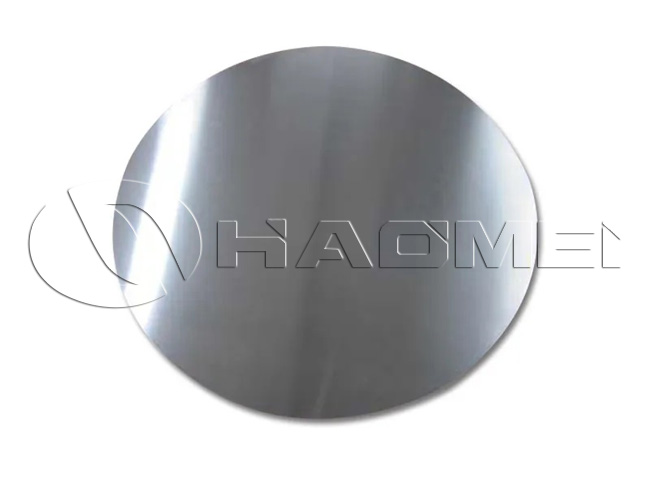
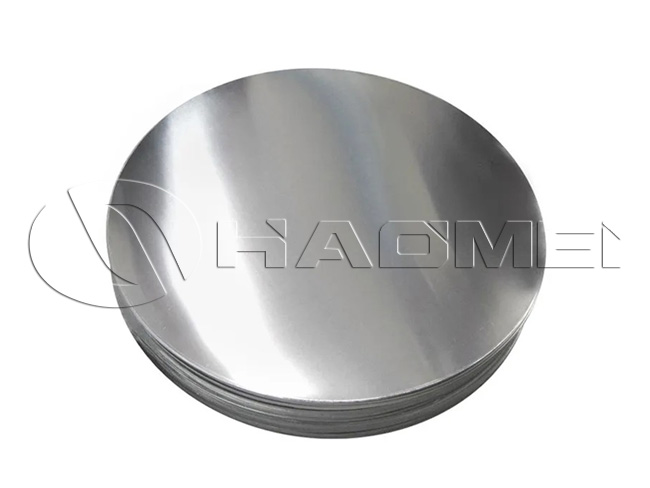
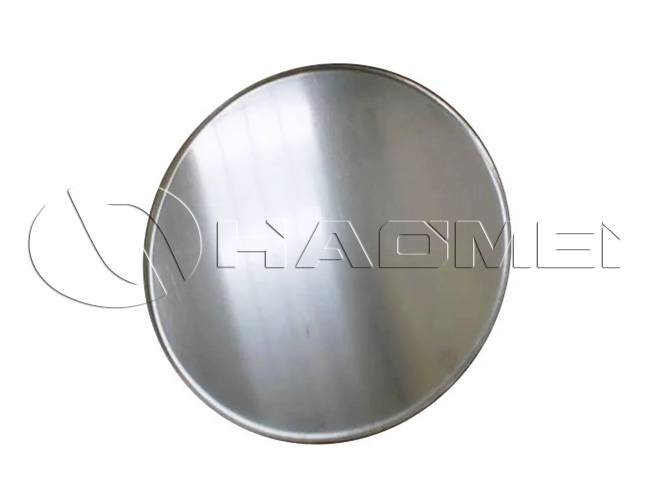
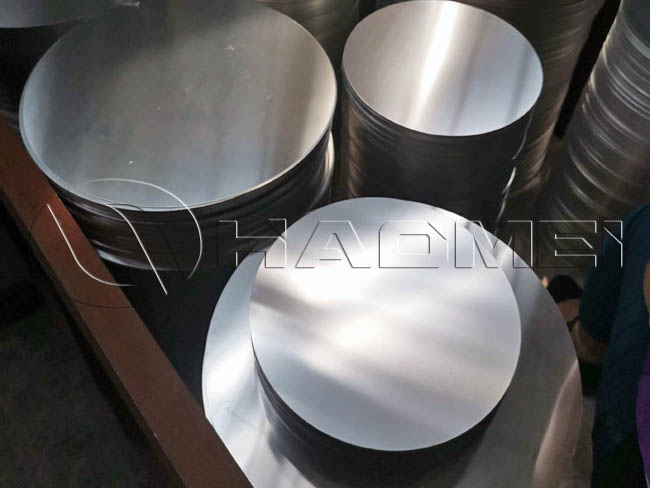
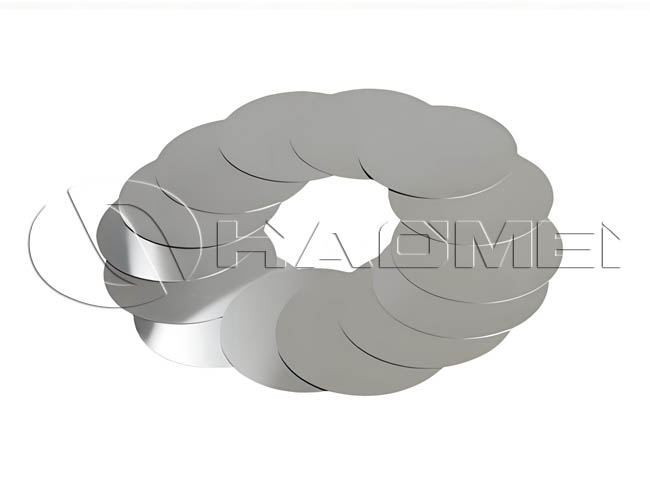
As an aluminum circle manufacturer, we produce 1050 anodized aluminum circles for customers who require stable forming performance, clean surface quality, and controlled anodized film consistency. 1050 aluminum is a commercially pure aluminum alloy with high aluminum content, excellent corrosion resistance, good thermal conductivity, and reliable workability. After anodizing, the aluminum circle surface gains a protective oxide layer that improves appearance, oxidation resistance, and handling durability for downstream fabrication.
Our production is based on coil selection, precision blanking, edge treatment, cleaning, anodizing, inspection, and export packaging. We supply anodized aluminum discs for cookware, lighting reflectors, lamp parts, traffic signs, instrument panels, electronic housings, decorative covers, and general deep drawing components. For buyers comparing untreated aluminum blanks with anodized aluminum blanks, the key difference is not only the surface color, but also the controlled oxide film and the reduced need for later surface finishing.
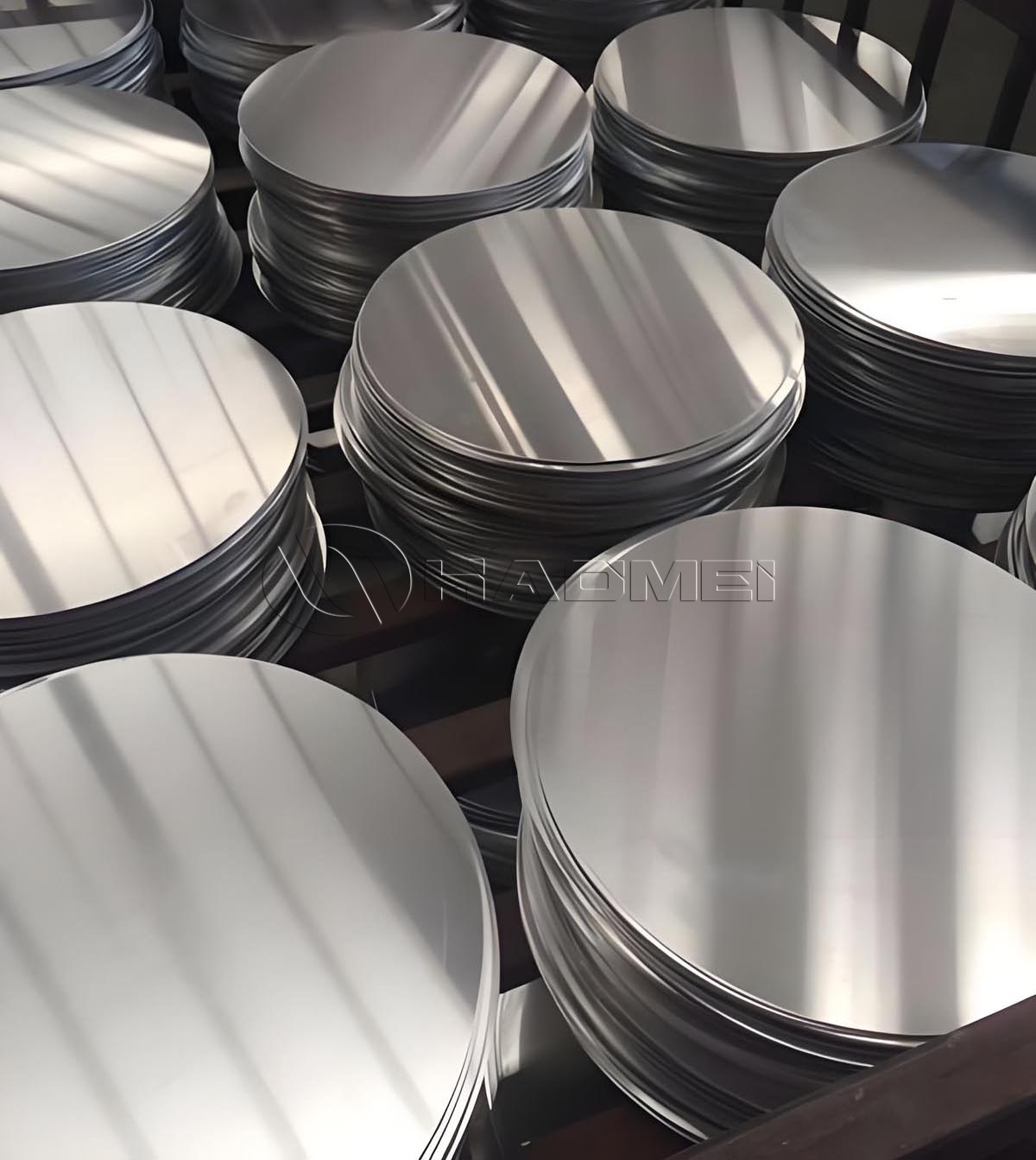
1050 anodized aluminum circles are round blanks made from 1050 aluminum sheet or coil, followed by an anodizing process. The base alloy is usually supplied in O, H12, H14, H16, or H18 temper, depending on the required drawing depth, spinning process, stamping pressure, and final part strength.
The anodizing process forms a dense aluminum oxide layer on the surface. This film is integrated with the aluminum substrate rather than simply coated on top. It helps improve corrosion resistance, surface hardness, and decorative consistency. Clear anodized, natural anodized, black anodized, gold anodized, and other color anodized finishes can be produced according to project requirements.
As a factory, we recommend confirming both the mechanical property requirement and anodized film requirement before production. A deep drawn cookware part and a flat sign blank may use the same 1050 alloy, but the temper, thickness tolerance, film thickness, and surface acceptance criteria can be different.
1050 aluminum contains at least 99.5 percent aluminum. Its purity gives it several advantages for aluminum circle production. It has good ductility, excellent conductivity, good reflectivity, and strong resistance to atmospheric corrosion. These features make 1050 aluminum circles suitable for parts that require forming, spinning, polishing, anodizing, or decorative finishing.
Compared with higher strength aluminum alloys, 1050 is easier to form and less likely to crack during moderate drawing or spinning when the temper is correctly selected. Compared with some alloyed grades, its anodized surface is generally more uniform because the low content of alloying elements helps reduce color variation and surface defects during anodizing.
For customers who are evaluating a related non-anodized product, our 1050 Aluminum Circle page provides additional base material information. For projects involving different pure aluminum grades, our 1000 Series Aluminum circle range can also be used for alloy comparison.
The following table lists our common manufacturing range for 1050 anodized aluminum discs. Special specifications can be discussed according to drawing, sample, or application standard.
| Item | Typical Specification |
|---|---|
| Product name | 1050 anodized aluminum circles, 1050 anodized aluminum discs |
| Alloy | 1050, EN AW-1050A, AA1050 |
| Temper before anodizing | O, H12, H14, H16, H18 |
| Thickness | 0.30 mm to 6.00 mm |
| Diameter | 80 mm to 1200 mm |
| Diameter tolerance | Commonly +/-0.2 mm to +/-1.0 mm, depending on size |
| Thickness tolerance | According to order standard or customer drawing |
| Anodized film thickness | 5 to 25 microns for standard anodizing, higher film by agreement |
| Surface finish | Clear anodized, natural matte, brushed anodized, color anodized |
| Edge condition | Burr controlled, deburred edge available |
| Production method | Coil cutting, blanking, leveling, cleaning, anodizing, inspection |
| Surface protection | Interleaving paper, PE film, or customized protection |
| Packaging | Wooden pallet, wooden case, moisture-resistant export package |
| Typical applications | Cookware, lampshades, signs, reflectors, covers, electronic parts |
The chemical composition of 1050 aluminum supports stable anodizing and good forming behavior. The values below are typical reference limits. Final production follows the applicable standard agreed in the order.
| Element | Content, percent |
|---|---|
| Al | 99.50 min |
| Fe | 0.40 max |
| Si | 0.25 max |
| Cu | 0.05 max |
| Mn | 0.05 max |
| Mg | 0.05 max |
| Zn | 0.05 max |
| Ti | 0.03 max |
| Other each | 0.03 max |
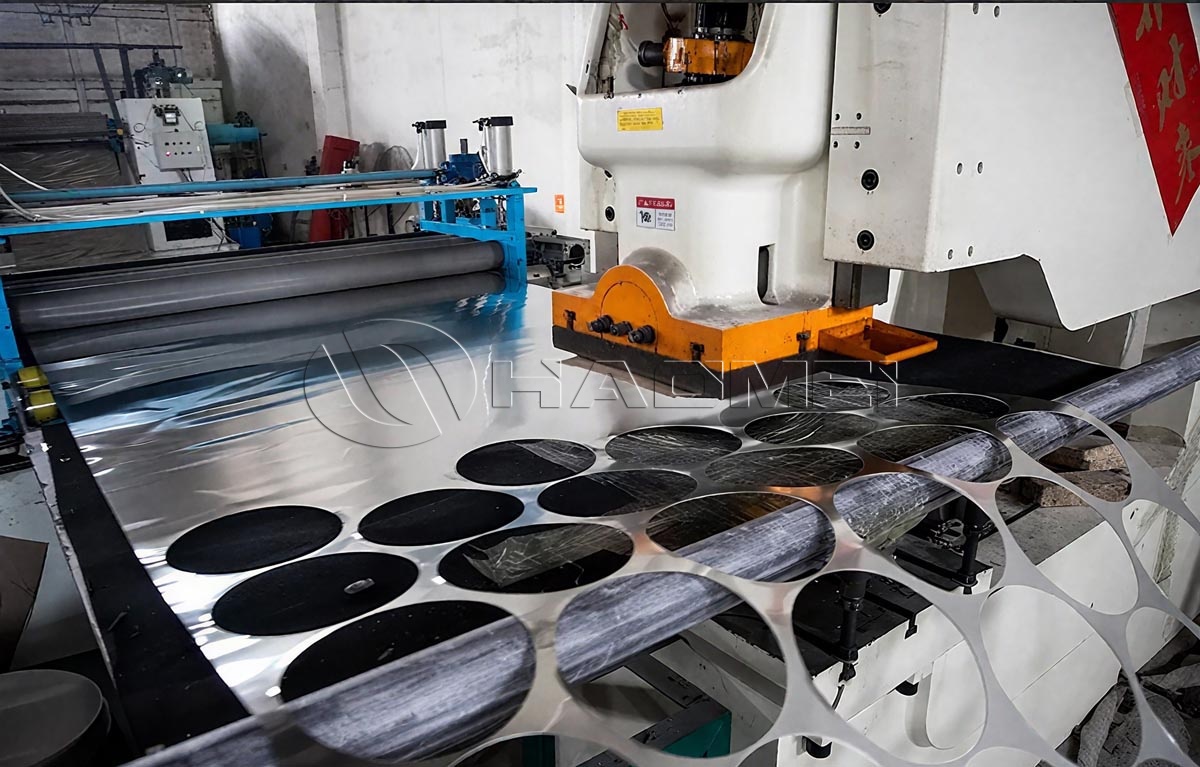
Our production route starts with aluminum coil inspection. We check coil surface, thickness, width, temper, and batch traceability before cutting. The coil is then leveled to reduce internal stress and improve flatness. After leveling, the material is fed into automatic blanking equipment to produce circles with consistent diameter and roundness.
For anodized aluminum circles, surface preparation is critical. Any rolling mark, oil stain, abrasion, or handling scratch may become more visible after anodizing. Our cleaning and pretreatment process removes oil and surface contamination before anodizing. Depending on the required finish, the surface can be chemically treated, brushed, or prepared for clear or color anodizing.
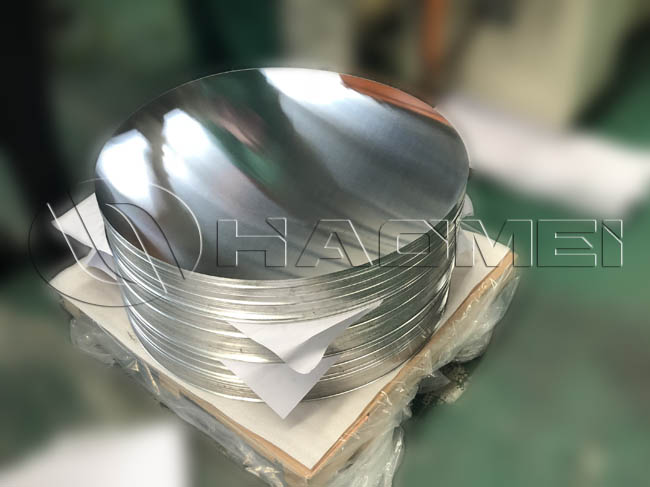
After anodizing, the discs are sealed and dried. Film thickness, color consistency, surface appearance, and adhesion are checked according to the order requirement. The anodized aluminum discs are then separated with protective paper or film to reduce friction during transport.
For international engineering customers, surface consistency is often as important as dimensional accuracy. We inspect 1050 anodized aluminum circles under controlled lighting conditions and separate material according to agreed acceptance levels. Typical inspection points include oxide film thickness, color uniformity, water stain, scratches, black spot, edge burr, oil mark, and deformation.
The anodized layer should be continuous and uniform. For decorative applications, color difference control is especially important between batches. We therefore recommend that customers specify whether the order is for visible decorative parts, internal functional parts, or components that will receive further processing after delivery.
The correct temper should be selected according to the final process. O temper is preferred for deep drawing and spinning because it provides higher elongation and lower forming resistance. H12 and H14 are commonly used for moderate forming and parts that require better shape stability. H16 and H18 provide higher hardness but are less suitable for deep drawing.
For cookware, kettle parts, pressure cooker components, and drawn covers, we normally discuss drawing ratio, tooling radius, lubrication, and annealing requirement with the customer. For lampshades or reflectors, flatness, surface cleanliness, reflectivity, and anodized color are usually the main concerns. For signs and panels, thickness tolerance, surface film, and edge quality are more important.
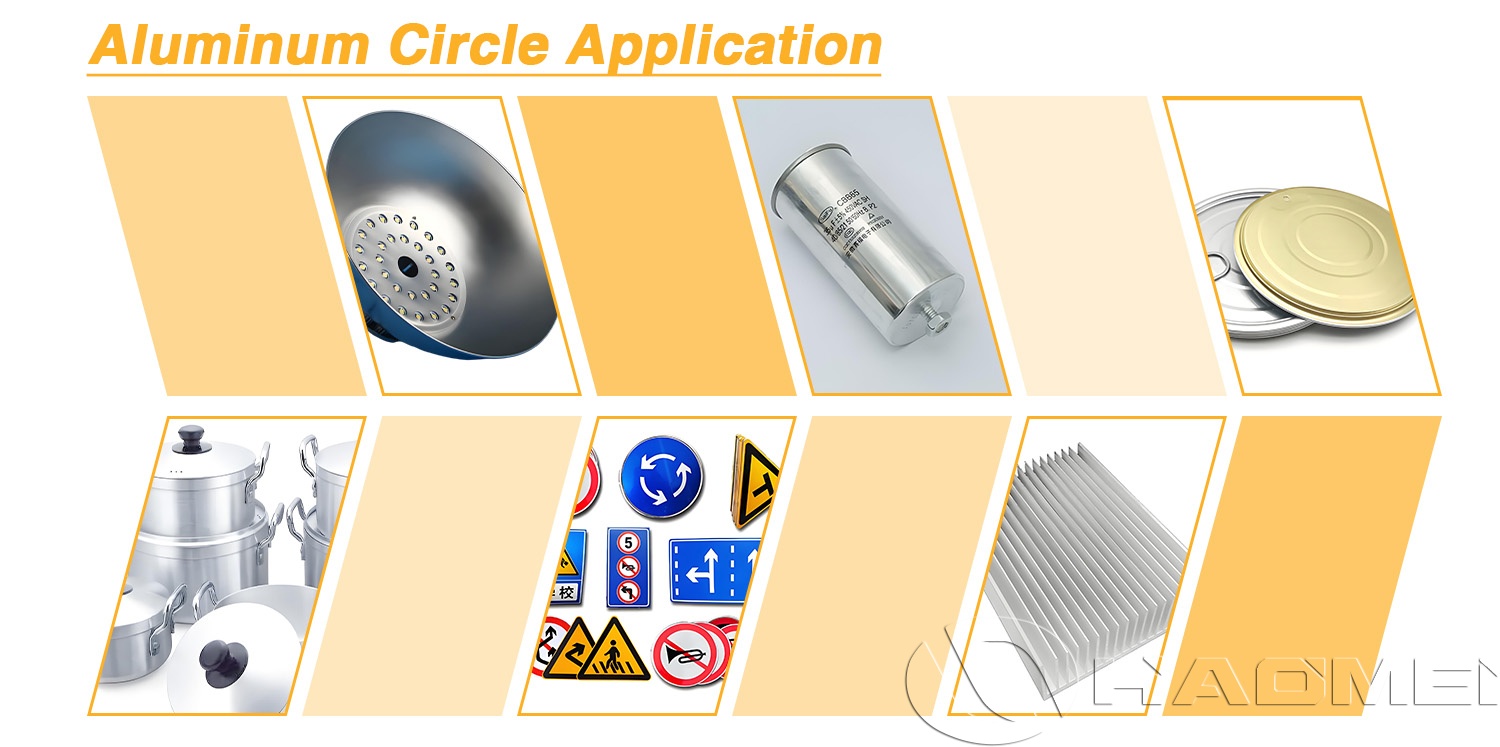
1050 anodized aluminum circles are used in many formed and semi-finished components. In cookware manufacturing, they can be used for non-stick pan bases, pot parts, lids, trays, and kitchen containers. Although some cookware parts require later coating, anodized blanks are still selected for specific products that require corrosion resistance and clean appearance.
In lighting, 1050 anodized aluminum discs are used for lampshades, reflectors, downlight parts, decorative covers, and ceiling lamp components. The high purity of the alloy supports good reflectivity and a clean anodized finish. In signage, anodized aluminum circles are used for traffic signs, road signs, warning plates, and information panels where corrosion resistance and outdoor durability are needed.
The material is also suitable for electronic parts, capacitor shells, instrument plates, nameplates, heat dissipation components, and general stamping parts. For each application, we adjust the alloy temper, thickness, diameter tolerance, and surface protection method to match the customer process.
Working directly with a manufacturer helps reduce uncertainty in specification control. We produce the circles from coil to finished anodized blanks, so the production sequence can be managed as a complete process rather than separated into unrelated steps. This is important when customers require stable anodized quality, strict diameter tolerance, and repeatable forming performance.
Factory production also allows better batch traceability. Each order can be linked to raw material records, process parameters, inspection results, and packaging information. For export customers, this helps simplify incoming inspection and supports long-term supply stability.
We do not position 1050 anodized aluminum circles as a universal material for every forming application. Instead, we review the working conditions and recommend practical specifications. If a customer needs higher purity, stronger drawing performance, or a different mechanical property level, alternative alloys such as 1060, 1070, or 1100 may be considered.
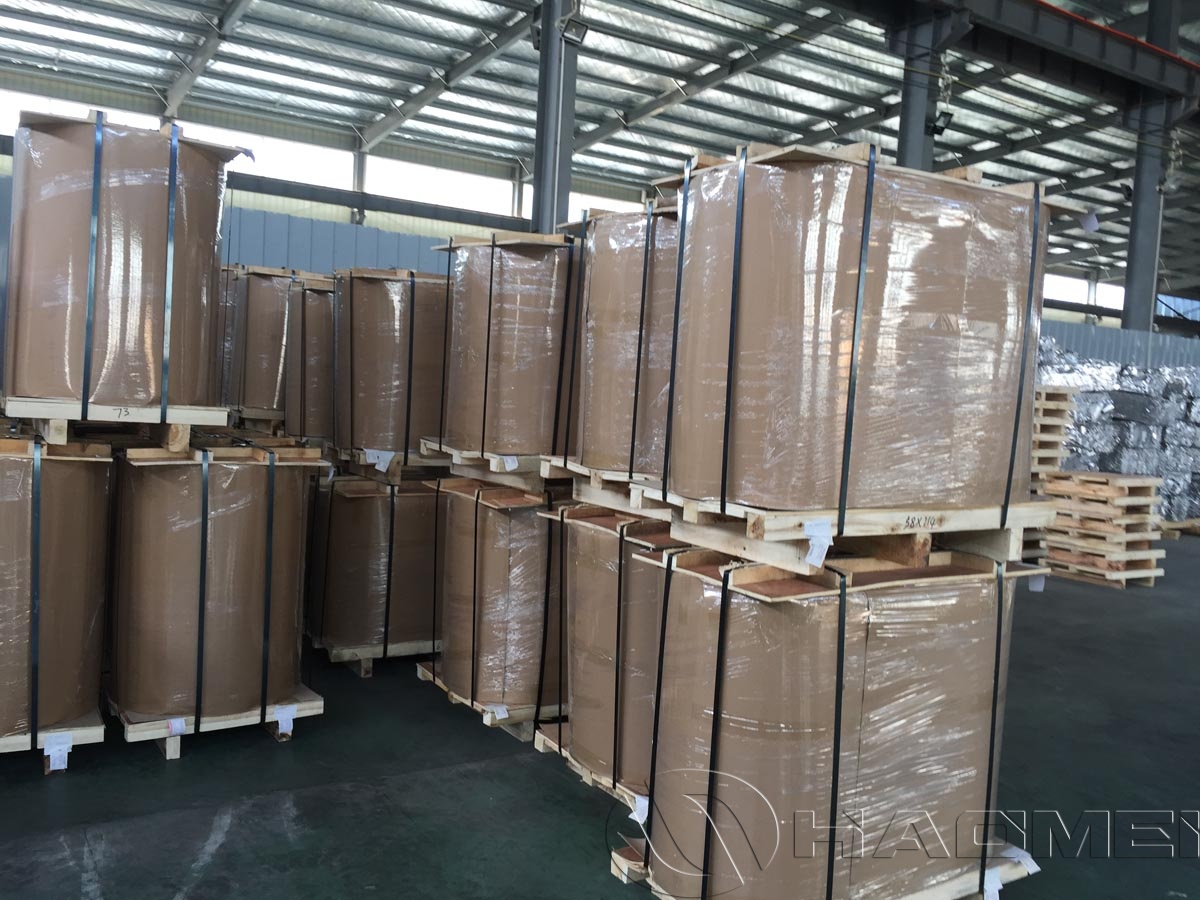
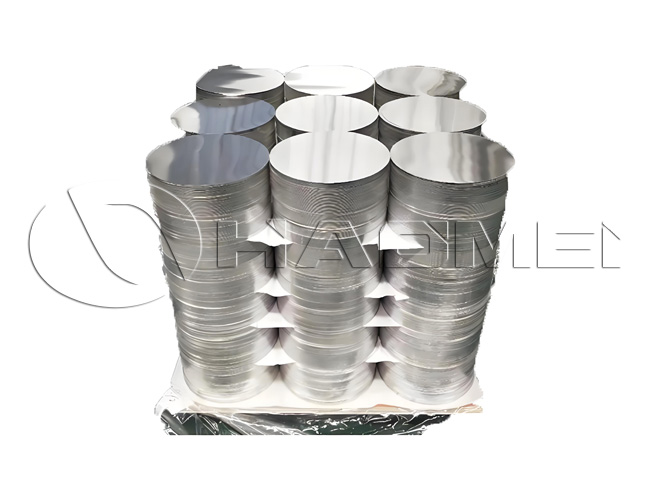
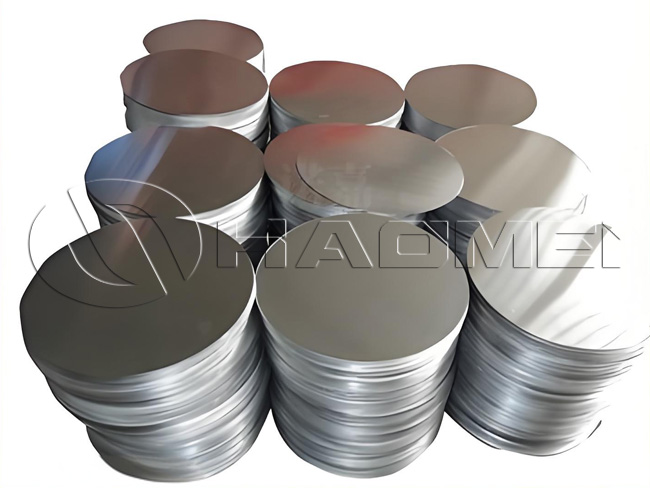
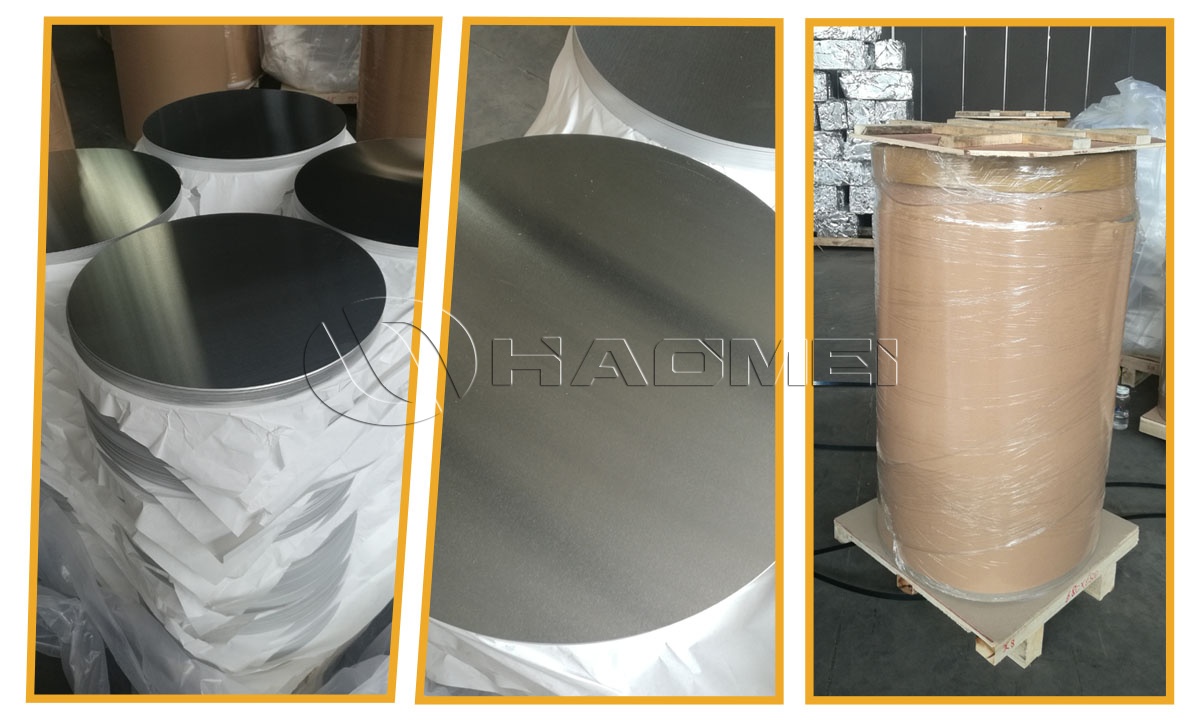
Anodized surfaces require careful packaging because abrasion between discs can damage the oxide film. We use paper interleaving, plastic film, desiccant, moisture-resistant wrapping, wooden pallets, or wooden cases depending on the surface requirement and shipping distance. The stack height and pallet weight are controlled to reduce deformation during sea transport.
For small diameter 1050 anodized aluminum circles, the discs can be packed in bundles or cartons before palletizing. For larger diameters, reinforced wooden packaging is recommended. Labels can include alloy, temper, size, batch number, net weight, gross weight, and customer order reference.
To obtain accurate production and quotation information, customers are advised to provide the following details: alloy, temper, thickness, diameter, quantity, anodized film thickness, surface color, edge requirement, flatness requirement, application, and packing method. If the circles will be deep drawn, a drawing or sample is useful for confirming whether O temper or another temper is more suitable.
For color anodized aluminum circles, it is better to provide a physical color sample or an agreed color range. Digital images are not always reliable because lighting and screen settings can affect color judgment. For decorative parts, a pre-production sample can be arranged before mass production.
1050 anodized aluminum circles combine the forming advantages of high purity aluminum with the surface protection of anodizing. They are widely used in cookware, lighting, signs, electronic components, and decorative parts. As a manufacturer, we control raw material selection, blanking precision, anodizing quality, inspection, and export packaging within one production system.
For buyers requiring anodized aluminum discs with stable size, clean surface, and reliable batch consistency, 1050 aluminum is a practical and economical choice. Correct specification of temper, thickness, diameter, anodized film, and packaging will help ensure that the material performs properly in downstream processing and final application.


Office Address:
No.14 Waihuan Road, CBD, Zhengzhou, China
Contact Us
HAOMEI Aluminum offer an custom aluminum circle for you!
whatsapp: +86-18703635966
Email: sales@alummc.com
Email: alummc@hotmail.com
Request Free Sample & Quotation
Copyright © 2026 By HAOMEI Aluminum CO., LTD. All Rights Reserved. Sitemap
 +86-18703635966
 sales@alummc.com
 8618703635966
