
 No.14 Waihuan Road, CBD, Zhengzhou, China
 +86-18703635966

No.14 Waihuan Road, CBD, Zhengzhou, China
+86-18703635966
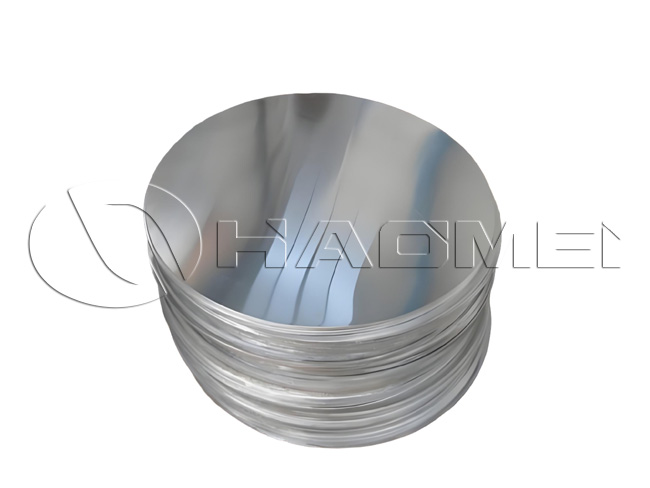
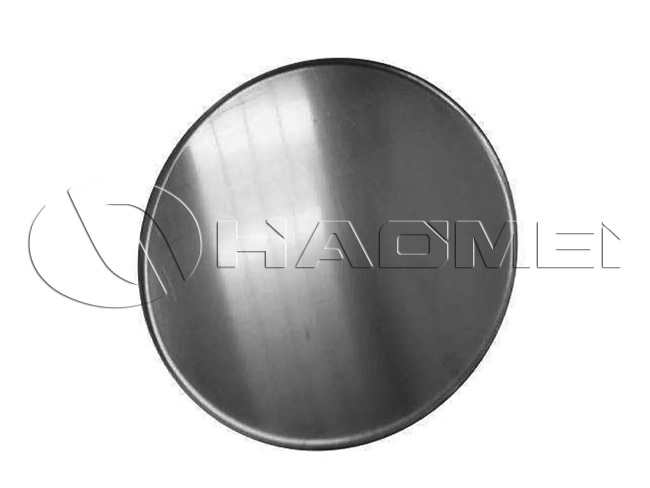
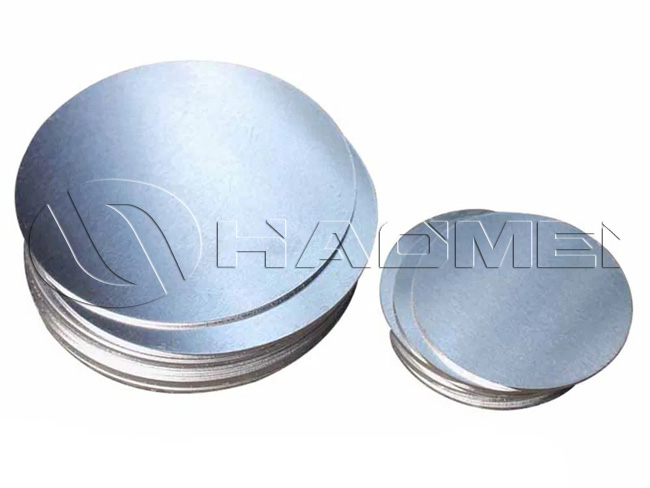
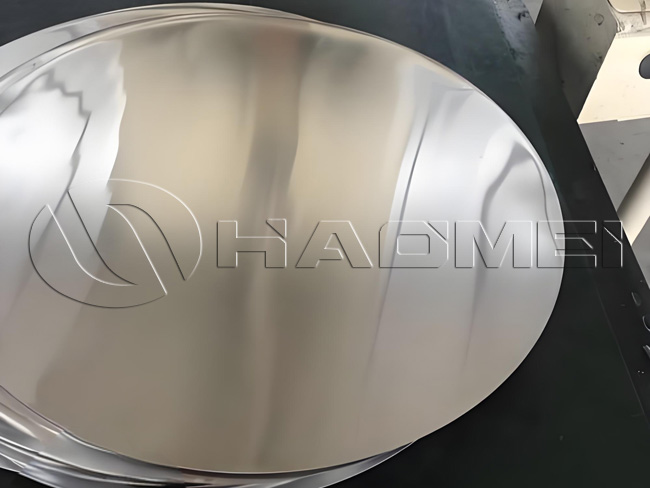
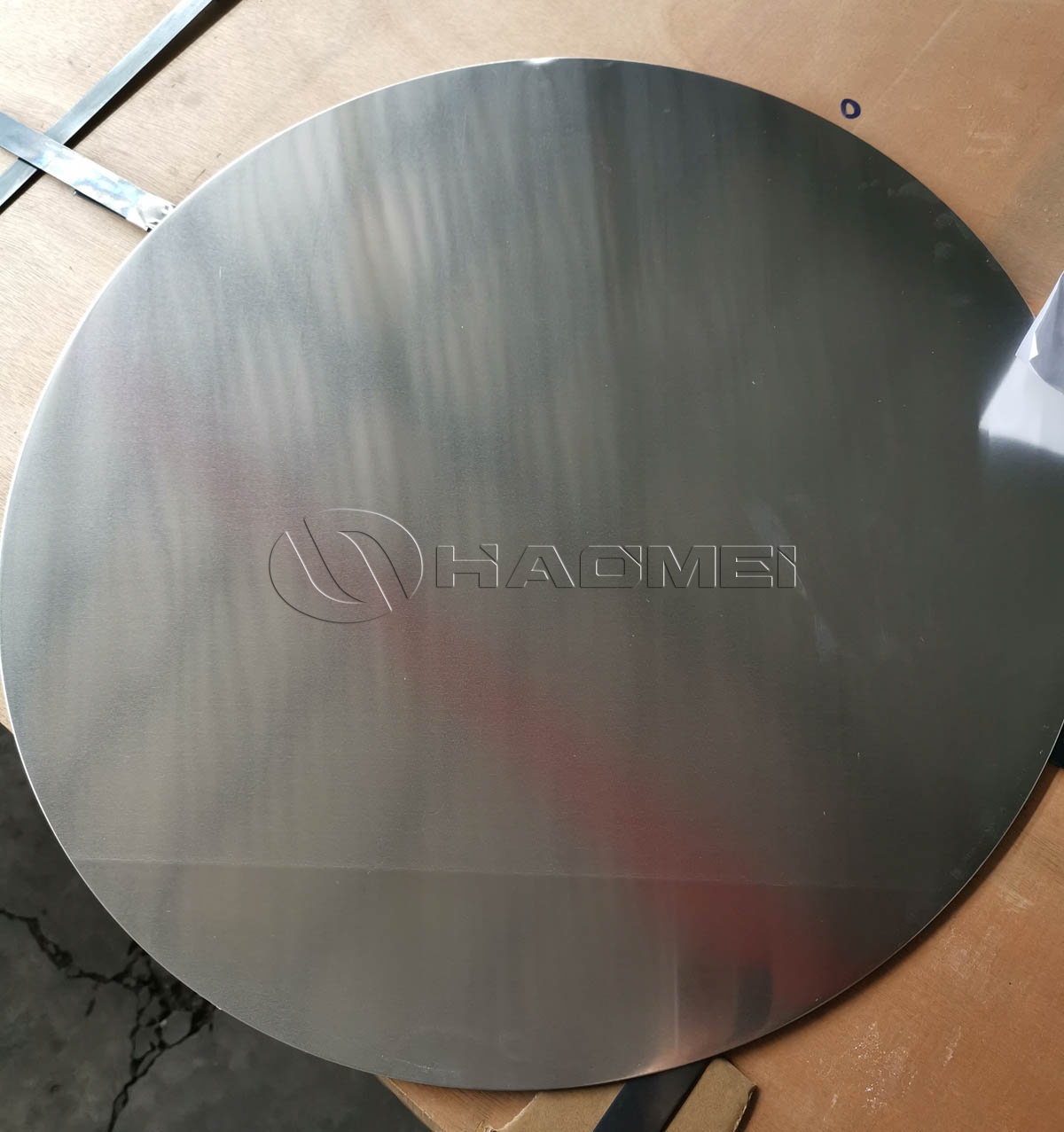
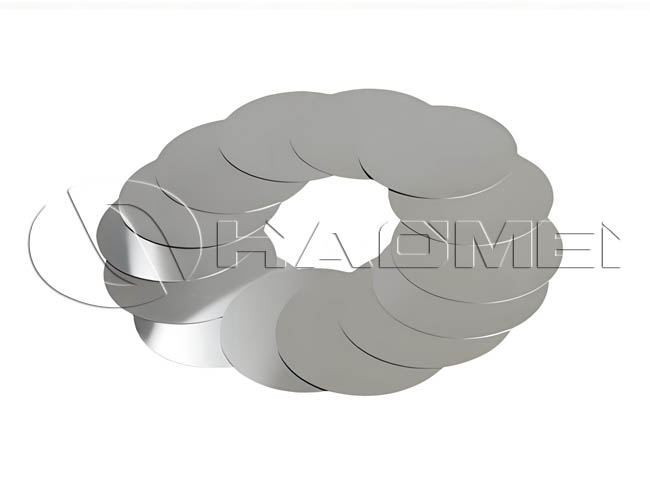
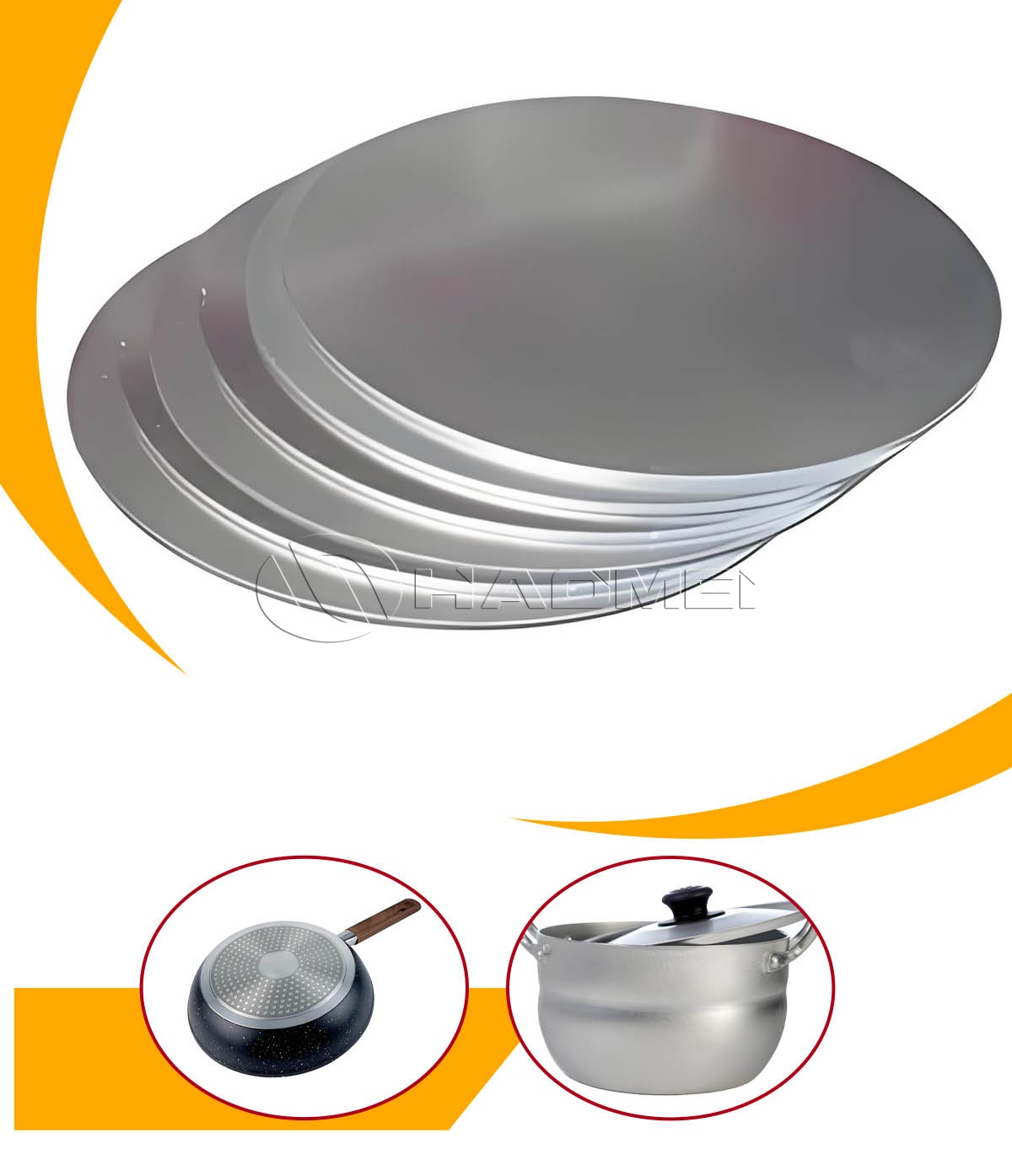
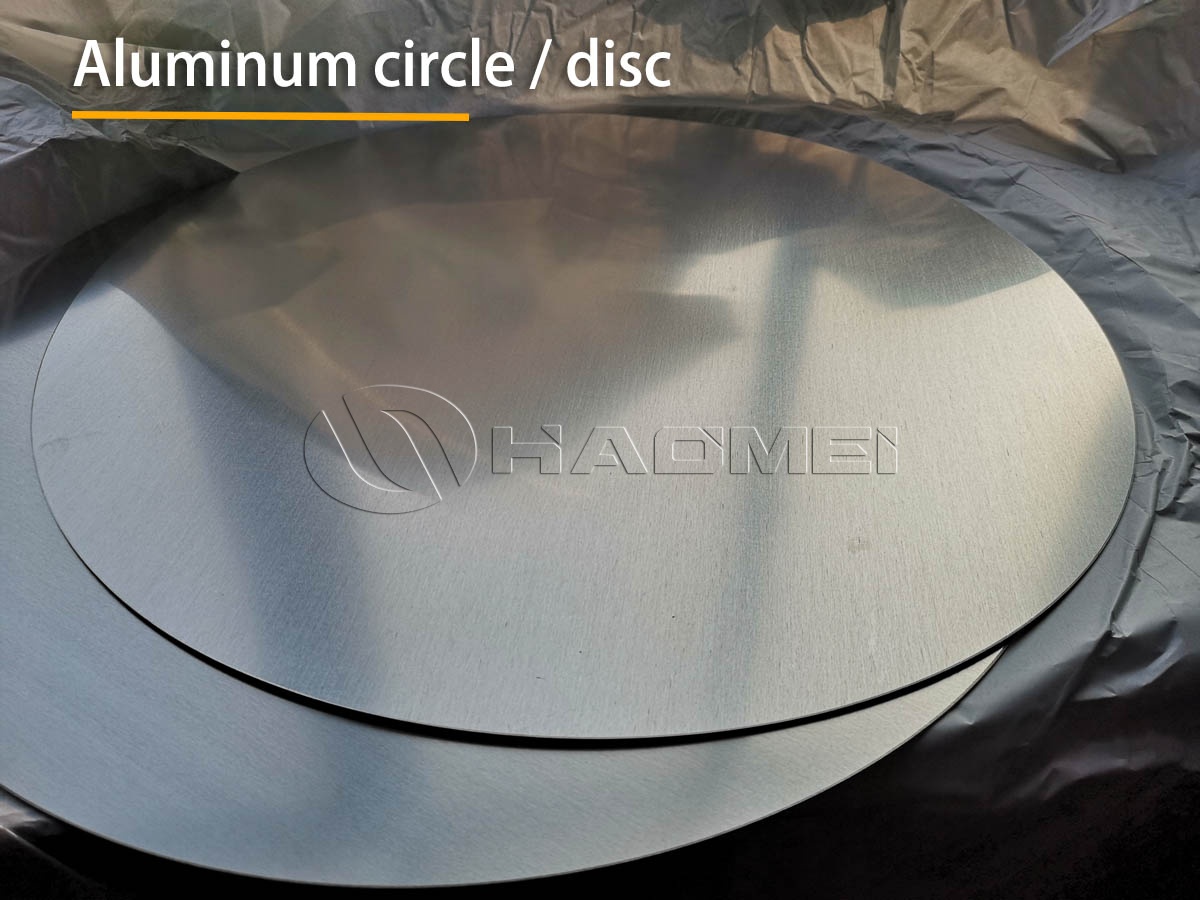
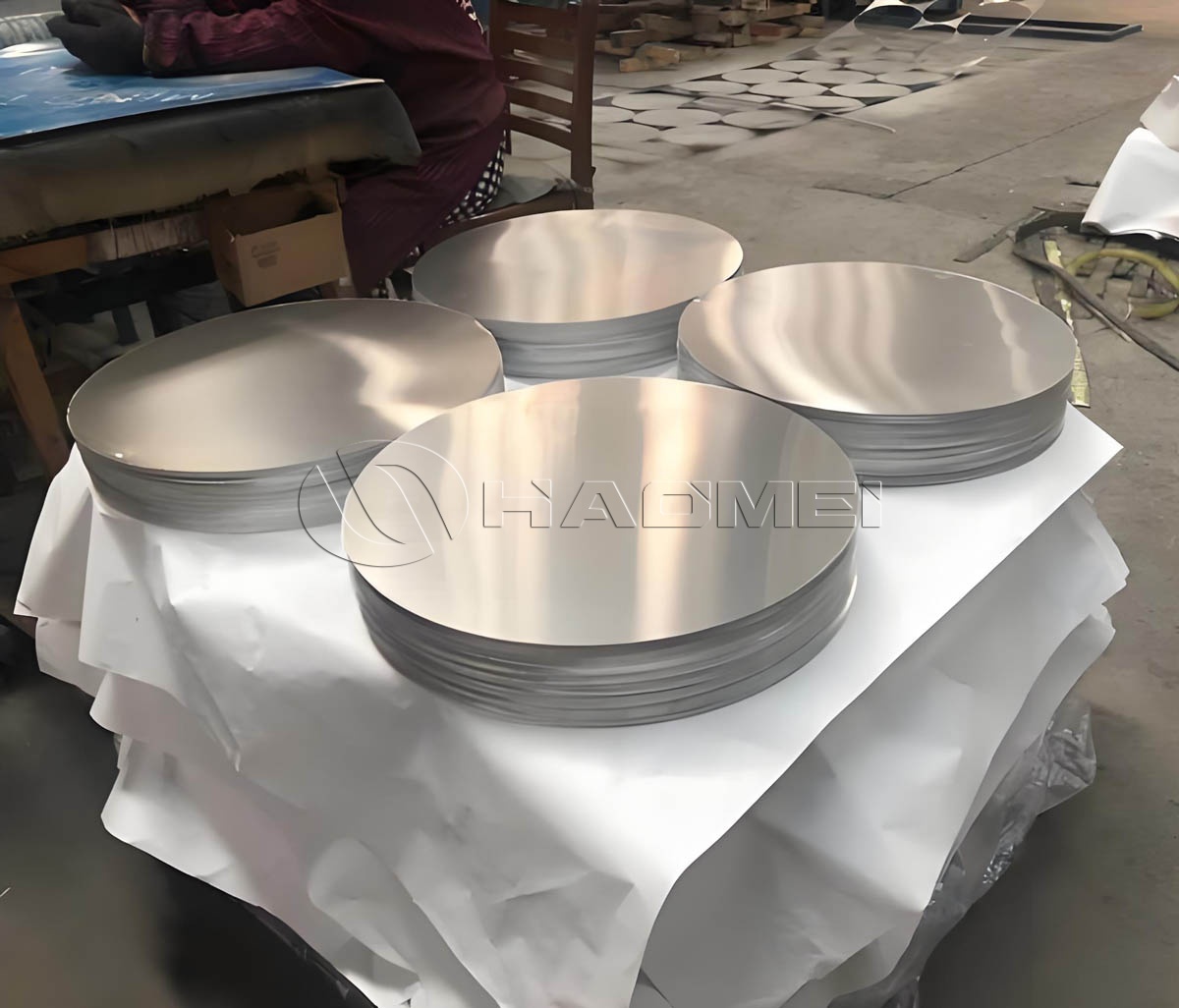
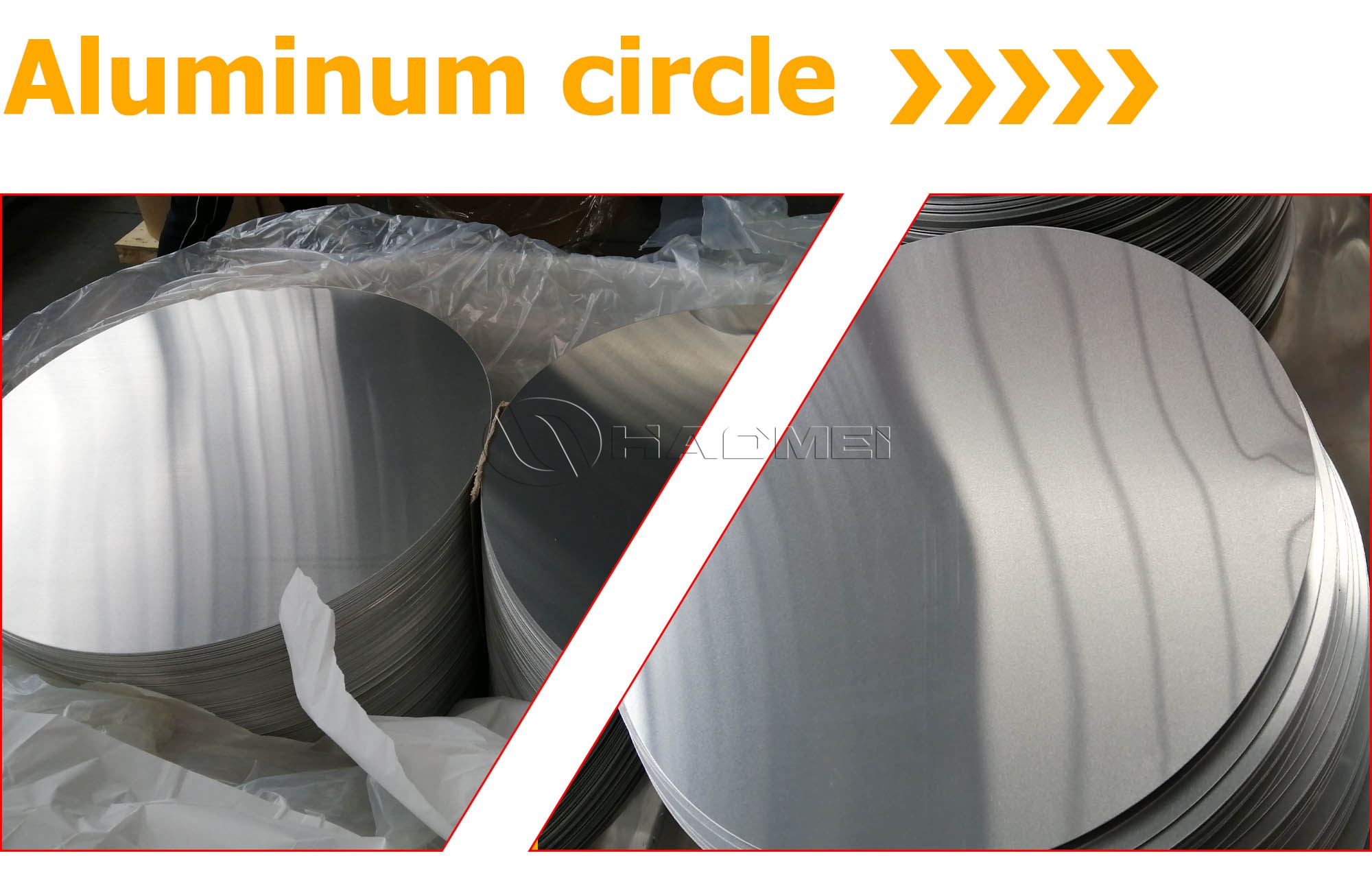
As an aluminum circle manufacturer, we produce 0.8-6mm thick aluminum circles for baking equipment, including baking pans, pizza trays, cake molds, oven cookware, griddles, and specialty food-processing components. Our aluminum circle discs are manufactured from selected aluminum coils and plates through controlled blanking, annealing, leveling, and surface inspection processes.
For baking applications, an aluminum circle must provide more than a round shape. It needs stable thickness, clean edges, reliable forming performance, and consistent thermal conductivity. These factors directly affect drawing quality, pan flatness, heat distribution, coating adhesion, and final product appearance. We manufacture cookware aluminum circles to meet the process requirements of cookware factories and metal forming companies serving international baking markets.
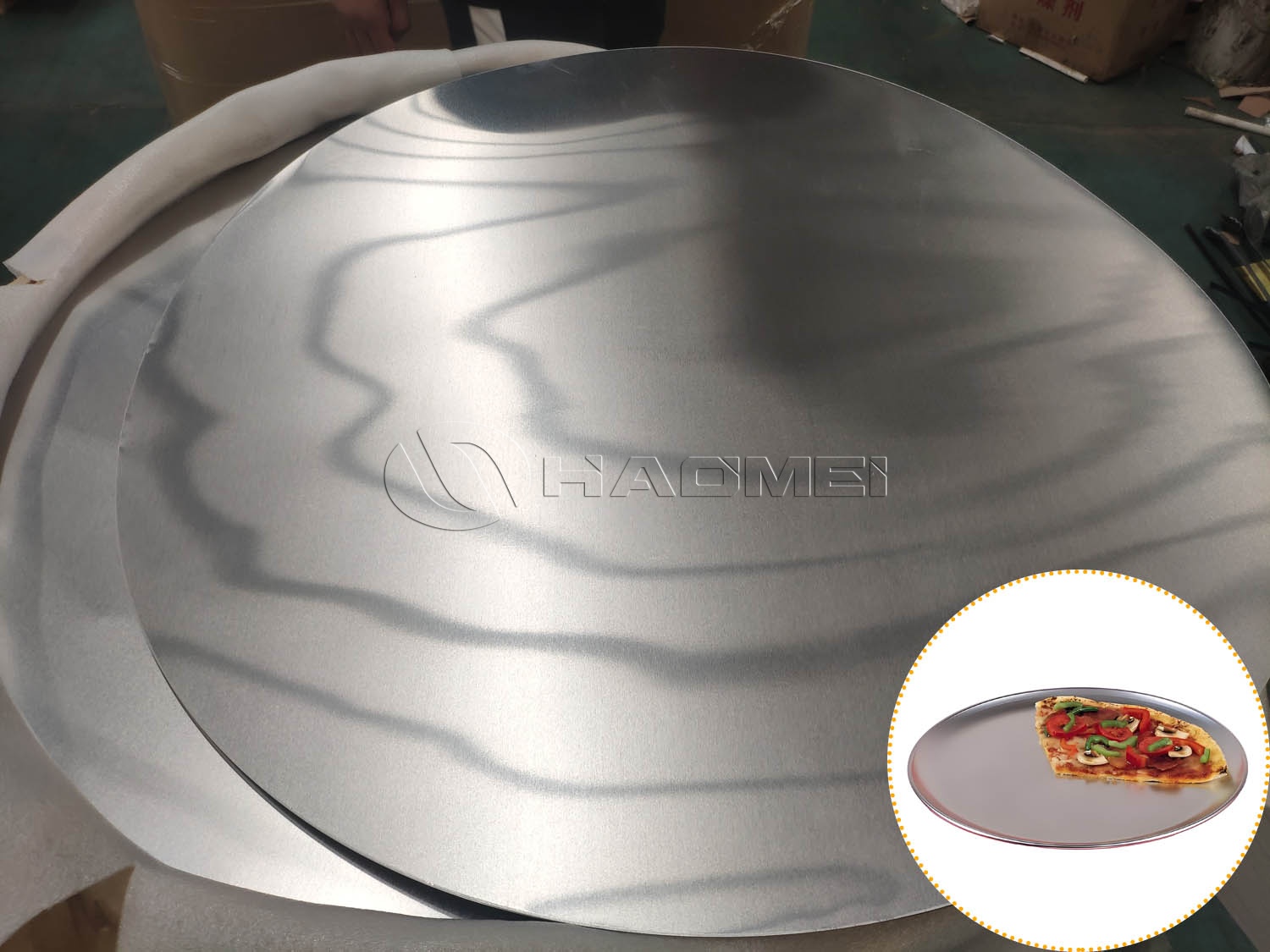
Aluminum is widely used in baking cookware because of its low weight, fast heat transfer, and practical forming properties. Compared with many heavier materials, aluminum allows manufacturers to produce baking pans and trays with efficient heat response while controlling material consumption and product weight.
Our aluminum circle disc products are suitable for both simple stamped baking trays and deeper drawn cookware. The selected alloy and temper depend on the final application. A shallow pizza pan, for example, may require good flatness and moderate strength. A deep cake mold or formed baking pot may need higher elongation and a softer temper to avoid cracking during pressing or deep drawing.
Key functional advantages of aluminum circles for baking include:
Uniform heat conduction across the pan base.
Low material weight for convenient handling.
Good blanking, stamping, spinning, and deep drawing capability.
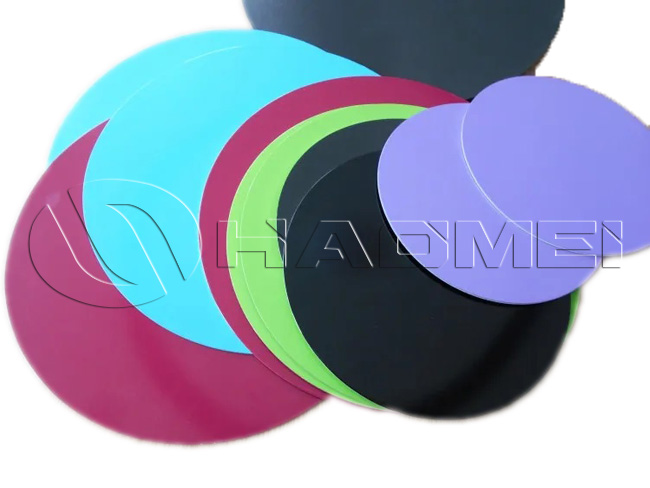
Compatibility with non-stick, anodized, painted, and other surface treatments.
Recyclable aluminum material suitable for long-term industrial production.
Available thicknesses from light-gauge baking trays to heavy-duty cookware bases.
We control incoming material chemistry and mechanical properties before production. This helps our customers maintain stable forming results across different batches, especially when producing large volumes of baking pans on automated press lines.
The following specifications represent our common production range for 0.8-6mm aluminum circles for baking. Customized requirements can be reviewed according to drawings, forming methods, and finished cookware standards.
| Parameter | Standard Production Range | Notes |
|---|---|---|
| Product name | Aluminum circle disc for baking | Also called aluminum round blank or cookware disc |
| Thickness | 0.8-6.0 mm | Tolerance subject to alloy, thickness, and order requirement |
| Diameter | 100-1,200 mm | Customized diameters available |
| Common alloys | 1050, 1060, 1070, 1100, 3003, 3004 | Alloy selection depends on forming depth and strength requirements |
| Common tempers | O, H12, H14, H16, H18 | O temper is commonly used for deep drawing and spinning |
| Surface finish | Mill finish, bright finish, anodizing-ready finish | Surface can be prepared for coating or further processing |
| Edge condition | Smooth edge, deburred edge | Controlled to reduce handling and forming issues |
| Roundness | According to customer specification | Important for spinning and automated stamping |
| Application | Baking pans, pizza trays, cake molds, cookware bases | Suitable for food-contact product manufacturing after appropriate finishing |
| Packaging | Paper interleaving, moisture protection, pallet or wooden case | Export packing available |
Correct alloy and temper selection is essential for baking pan production. As a factory, we do not recommend selecting aluminum material solely by thickness. The forming route, finished shape, coating process, and expected rigidity should all be considered before confirming the specification.
The 1xxx series is commonly selected where high aluminum content, good thermal conductivity, and excellent workability are required. These alloys are frequently used for simple baking trays, lightweight cookware, and products requiring spinning or moderate drawing.
In O temper, 1050 and 1060 aluminum circles offer reliable ductility for forming operations. Their clean surface also supports subsequent anodizing or non-stick coating preparation when the customer uses an appropriate pretreatment system.
1100 aluminum is another practical choice for baking products requiring good formability. It is used in applications where moderate strength and stable processing performance are important. Depending on the final design, it can be supplied in soft or strain-hardened tempers.
For baking pans requiring increased strength, 3003 and 3004 aluminum circle discs are often considered. These manganese-containing alloys provide higher strength than common 1xxx alloys while maintaining useful forming performance. They are suitable for heavier gauge pans, reinforced bases, and baking products requiring improved resistance to deformation during use.
For customers sourcing Aluminum Circles for Cookware, we can recommend alloy and temper combinations based on whether the final product will be stamped, spun, deep drawn, coated, or anodized.
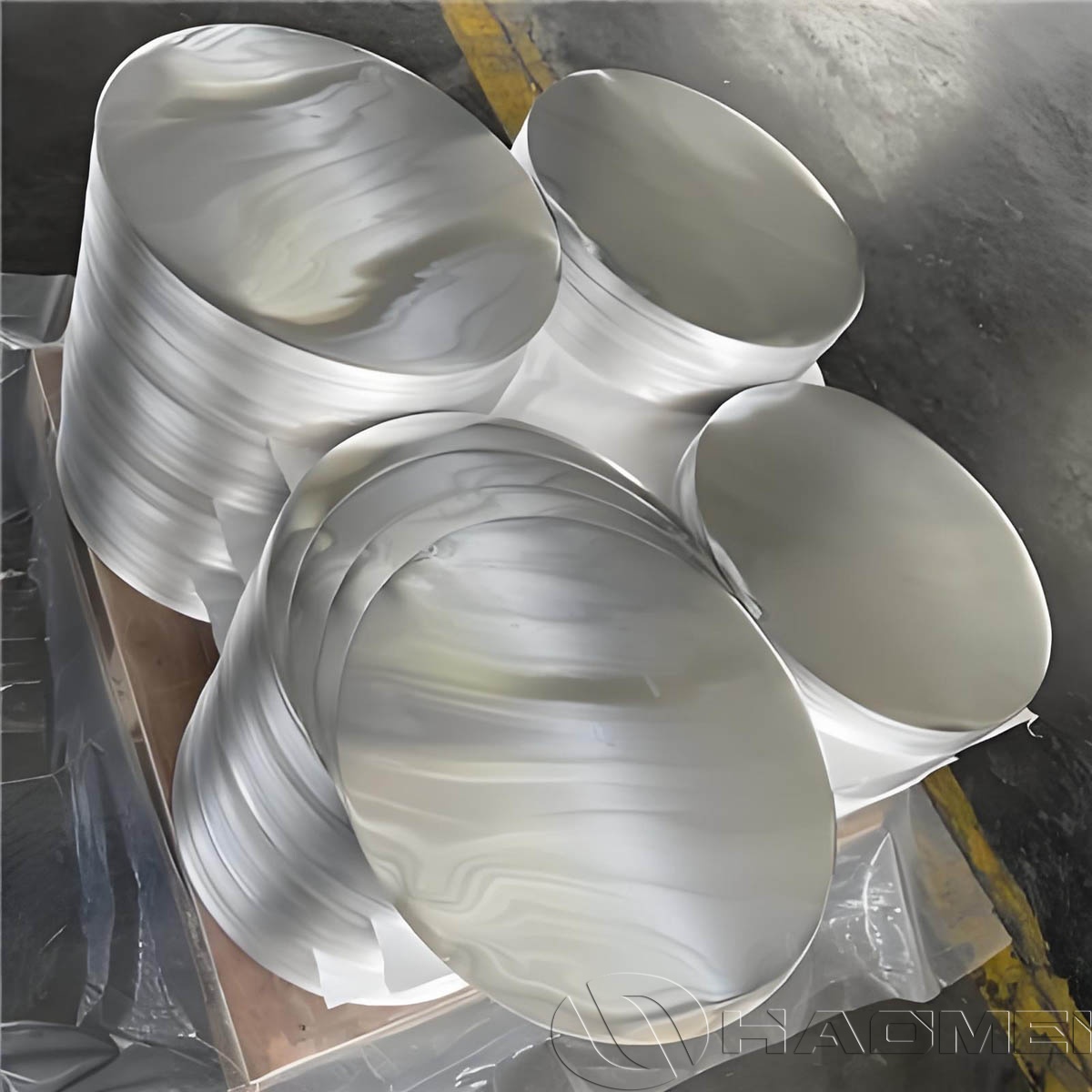
The thickness of an aluminum circle for baking should match the intended cooking function and manufacturing method. Using a thicker disc does not automatically improve the product. The optimal thickness depends on pan diameter, wall design, base rigidity, heating method, and target cost.
This range is commonly used for lightweight baking trays, disposable or semi-rigid food containers, shallow oven pans, and smaller formed baking components. The material is easier to stamp and form, but product design must compensate for lower rigidity where needed.
This is a common thickness range for pizza pans, cake molds, frying pan bodies, and general baking cookware. It provides a practical balance between heat response, forming capability, and structural stability. O temper circles in this range are frequently selected for deep drawing and spinning processes.
Medium-heavy aluminum discs are typically used for durable baking pans, larger cookware bases, and products needing improved resistance to warping. This thickness range can support better heat retention while maintaining the weight advantages of aluminum.
Heavy-gauge aluminum circle discs are used for specialty baking plates, commercial cookware bases, and products requiring substantial rigidity. Production control is particularly important at these thicknesses because surface flatness, blanking quality, and diameter tolerance influence later machining or forming operations.
For applications requiring strong mechanical properties or heavy-duty forming stock, our Hot Rolled Aluminum Circle options can be evaluated according to the required thickness and finished product structure.
We manufacture aluminum circles through a production process designed for consistent industrial supply. Depending on the product specification, raw material may be sourced from aluminum coil or plate suitable for the requested alloy, temper, and thickness range.
Our standard manufacturing control includes the following stages:
Raw material verification: We check material identification, alloy grade, thickness, surface condition, and mechanical properties.
Slitting or sheet preparation: Coil and sheet dimensions are prepared to optimize blanking efficiency and maintain material stability.
Circle blanking: Aluminum discs are punched or cut to the specified diameter using controlled tooling.
Annealing when required: Soft temper aluminum circles for deep drawing are processed to achieve the required ductility.
Deburring and edge inspection: Edges are checked to reduce burr-related problems during handling, coating, or forming.
Surface and dimensional inspection: Thickness, diameter, roundness, flatness, and visible surface defects are inspected according to the order specification.
Export packaging: Finished circles are separated and protected to reduce scratching, moisture exposure, and deformation during transport.
Our inspection process focuses on the practical factors that affect baking pan production. These include thickness consistency, clean surface condition, absence of serious oil marks, controlled edge quality, and stable mechanical performance between production lots.
Many baking products receive a final surface treatment, such as non-stick coating, hard anodizing, decorative coating, or polishing. The aluminum circle surface must therefore be appropriate for the next process rather than simply visually bright.
For non-stick coated baking pans, customers generally require a clean, uniform surface that supports degreasing, chemical pretreatment, and coating adhesion. For anodized cookware, surface consistency is important because marks, unevenness, or contamination may become more visible after anodizing.
We can supply mill finish aluminum circles with controlled surface quality for further processing. When placing an order, customers should specify the intended finishing process, including coating type, anodizing method, polishing requirement, or decorative treatment. This information allows us to align material selection and inspection standards with the actual production route.
Our 0.8-6mm aluminum circles are used by cookware and bakeware manufacturers for a broad range of products, including:
Pizza pans and perforated pizza trays.
Cake molds and springform pan components.
Baking sheets and oven trays.
Pie pans and tart molds.
Baking bowls and formed food containers.
Griddle plates and cookware bases.
Specialty bakery equipment components.
Commercial and household aluminum cookware.
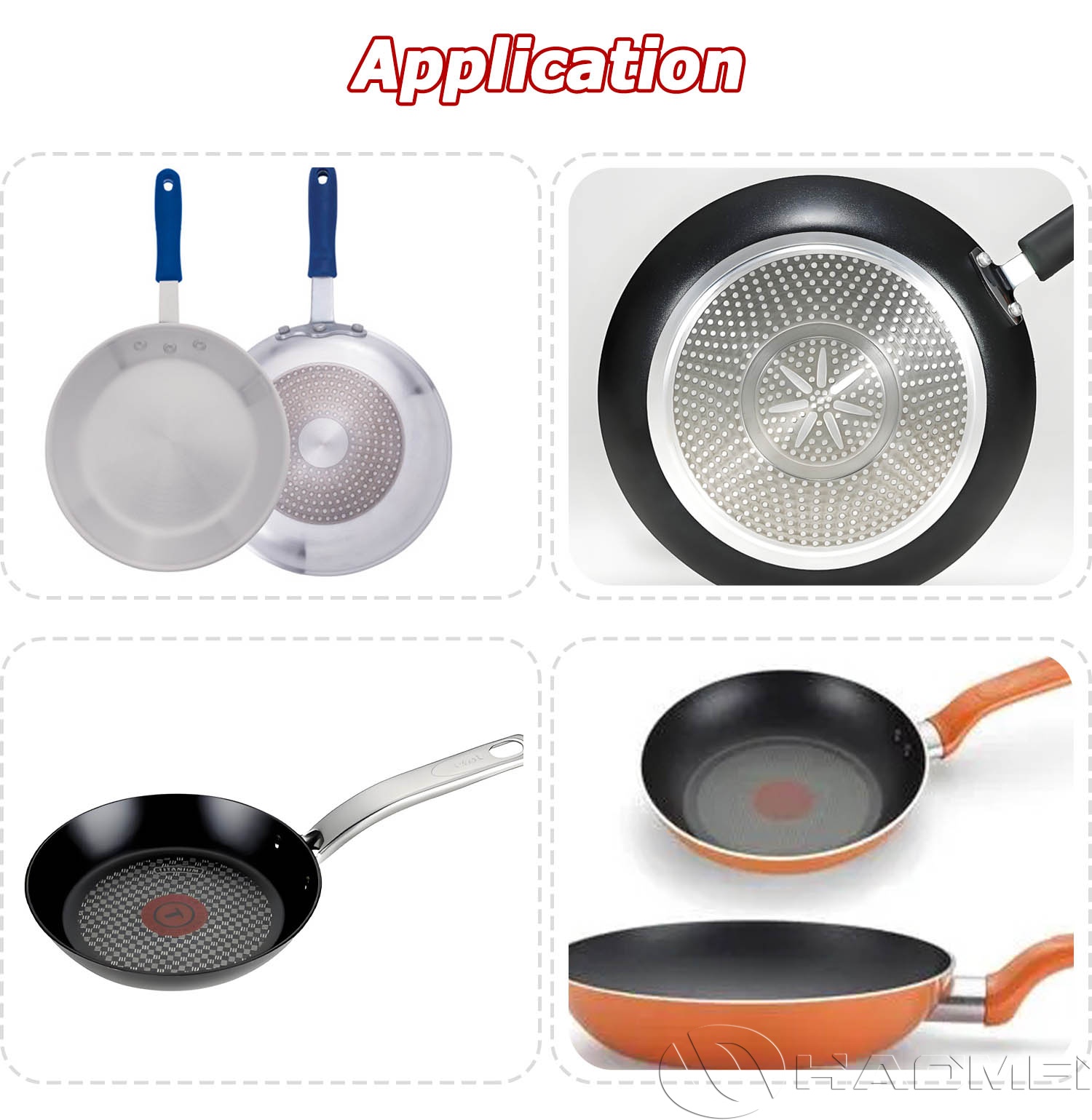
The same aluminum circle disc can behave differently depending on tooling, lubricant, drawing ratio, and forming speed. For this reason, we encourage buyers to provide details such as finished pan dimensions, drawing depth, production process, and surface treatment requirements during technical confirmation.
To quote an aluminum circle for baking accurately, we require the alloy, temper, thickness, diameter, quantity, and application. If the disc will be deep drawn, spun, or used for coated bakeware, this should be stated clearly. For custom projects, product drawings and quality specifications help us determine appropriate material and inspection conditions.
We supply aluminum circles in export-ready packaging with paper interleaving and moisture protection as required. Packaging methods can be adjusted according to disc diameter, thickness, loading method, and container shipment conditions.
A 0.8-6mm aluminum circle for baking must be selected according to the finished product's forming method, heat performance, rigidity, and surface treatment requirements. As a manufacturer, we provide aluminum circle discs in suitable alloys, tempers, diameters, and thicknesses for baking pans, pizza trays, cake molds, and cookware production.
By controlling raw material selection, blanking quality, annealing condition, surface cleanliness, and export packaging, we help bakeware manufacturers obtain stable aluminum blanks for efficient downstream processing. For new projects, technical confirmation before mass production is the most reliable way to match the aluminum circle specification with the final baking application.

Office Address:
No.14 Waihuan Road, CBD, Zhengzhou, China
Contact Us
HAOMEI Aluminum offer an custom aluminum circle for you!
whatsapp: +86-18703635966
Email: sales@alummc.com
Email: alummc@hotmail.com
Request Free Sample & Quotation
Copyright © 2026 By HAOMEI Aluminum CO., LTD. All Rights Reserved. Sitemap
 +86-18703635966
 sales@alummc.com
 8618703635966
