
 No.14 Waihuan Road, CBD, Zhengzhou, China
 +86-18703635966

No.14 Waihuan Road, CBD, Zhengzhou, China
+86-18703635966
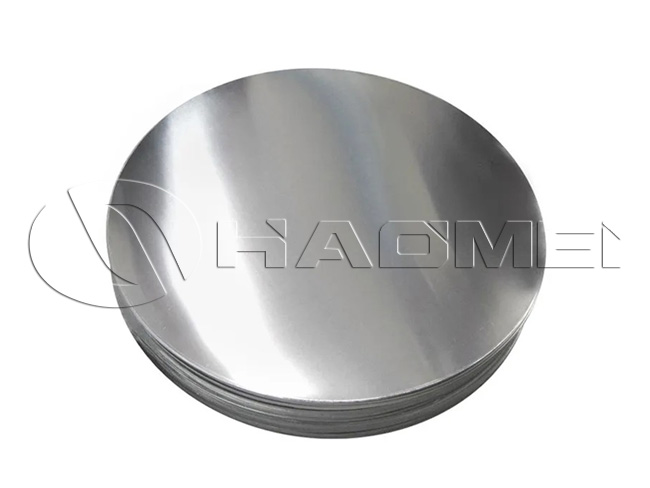
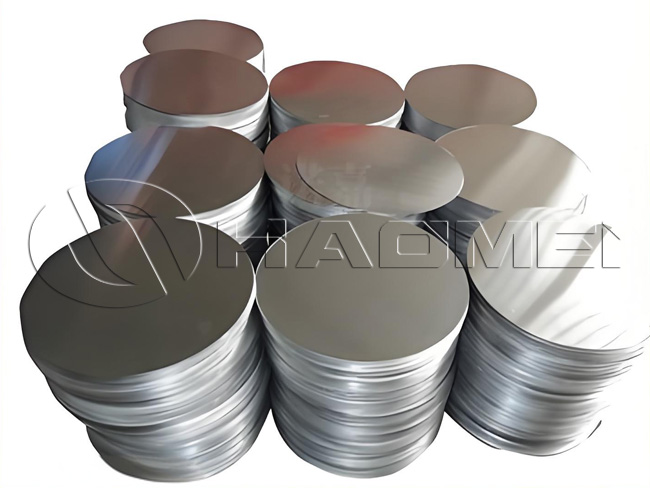
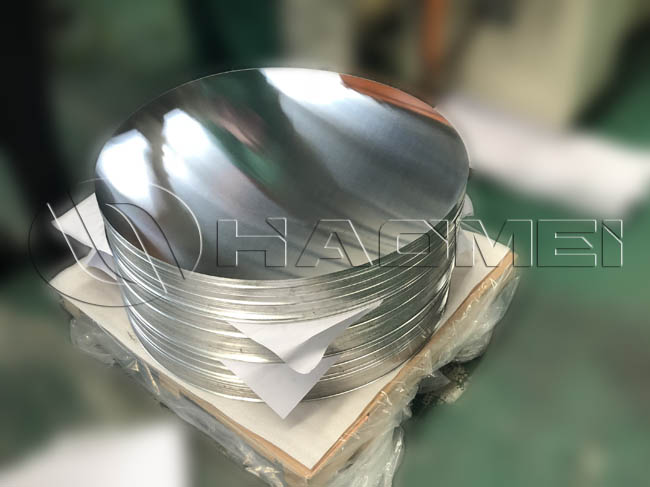
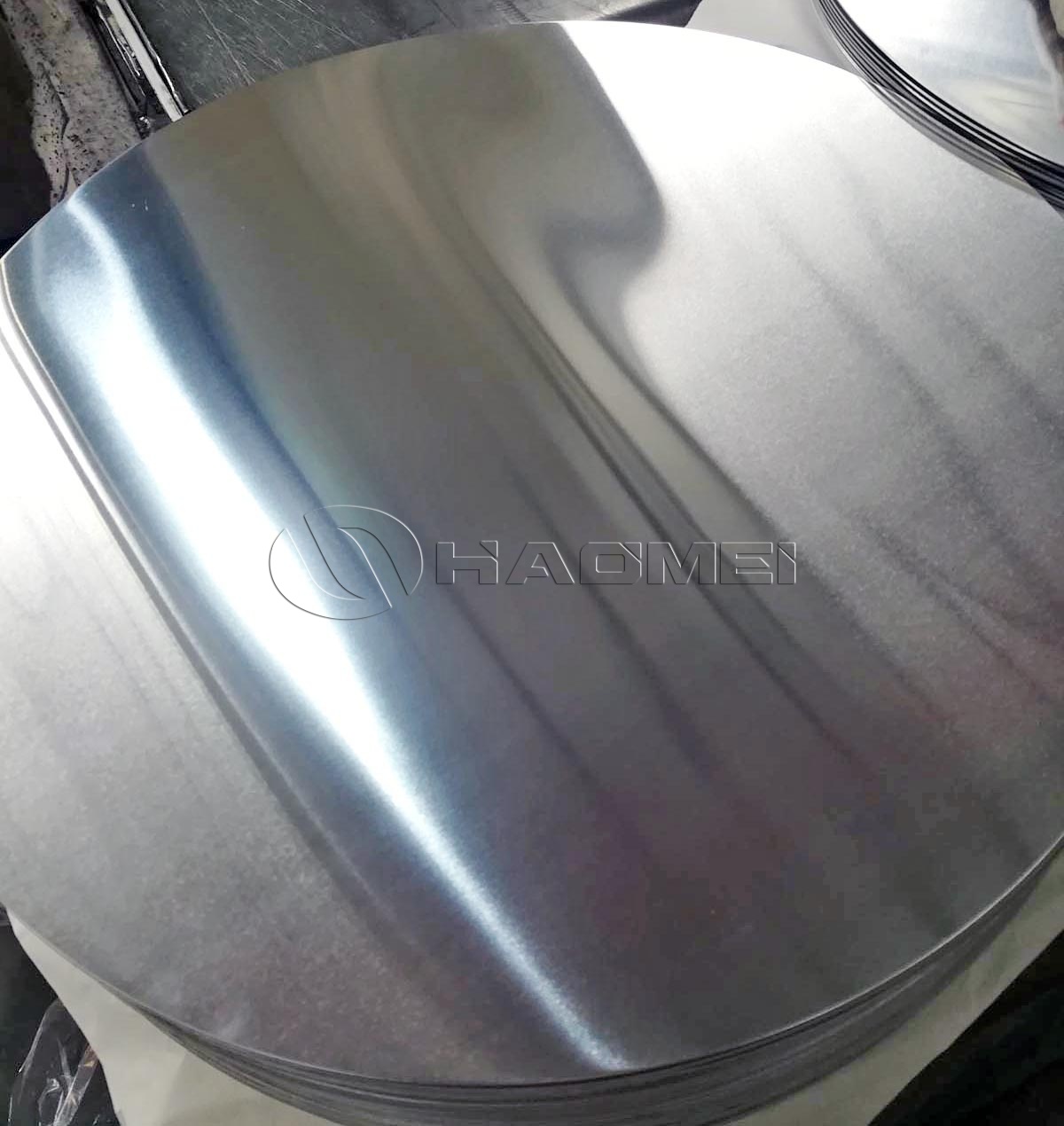
As an aluminum circle manufacturer, we produce CNC cut 1/4 inch thick aluminum circles for customers requiring stable dimensions, clean profiles, and dependable material performance. A nominal 1/4 inch thickness equals 6.35 mm, which is substantially heavier than the thin-gauge circles commonly used for deep drawing cookware. At this thickness, the product is generally specified as a precision aluminum round blank for machining, fabrication, thermal management, equipment components, fixtures, covers, and industrial assemblies.
Our production process begins with verified aluminum plate or sheet and continues through CNC cutting, deburring, dimensional inspection, protective packing, and export preparation. We manufacture to customer drawings and purchase specifications rather than supplying generic rounds without process control. Diameter, alloy, temper, flatness requirement, edge condition, and surface protection are confirmed before production.
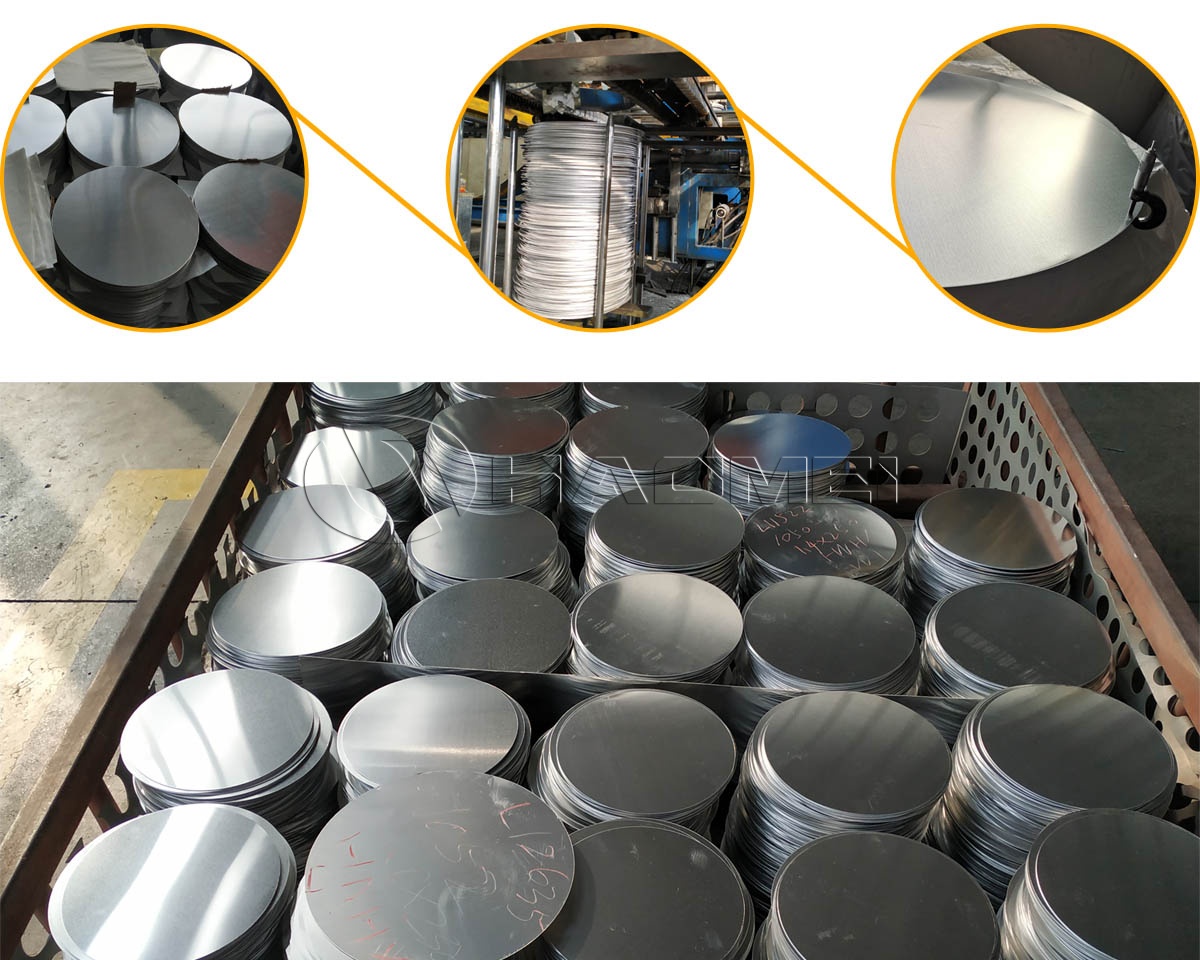
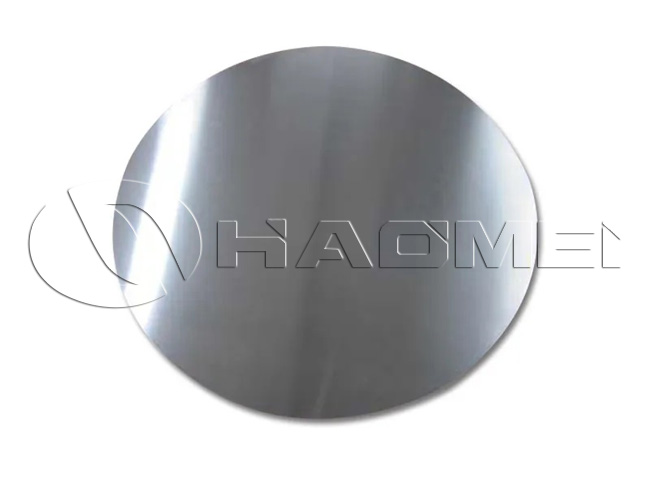
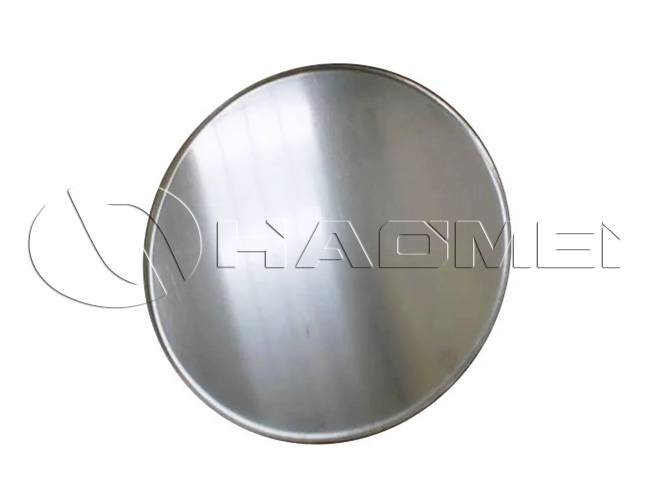
A 1/4 inch aluminum circle is a round aluminum workpiece with a target thickness of 0.250 inch, or 6.35 mm. Depending on the final application, it may be delivered as a CNC-cut disc, a near-net blank for secondary machining, or a finished component with holes, slots, counterbores, chamfers, and engraved identification.
For industrial buyers, thickness alone does not define the part. The required diameter tolerance, roundness, flatness, edge quality, alloy chemistry, temper, and surface condition all affect usability. For example, a lighting or electronics enclosure may prioritize cosmetic surface quality, while a machine spacer or fixture plate may require tighter thickness and concentricity control. Our engineering team reviews these requirements before selecting the cutting route and inspection method.
CNC cut aluminum circles are especially suitable when a customer needs repeatable geometry, mixed diameters, low-to-medium production volumes, or secondary features that cannot be achieved through conventional blanking alone. CNC programming also enables efficient production of custom profiles from approved CAD drawings.
The following table presents typical capabilities for CNC cut 1/4 inch thick aluminum circles. Final tolerances are determined by diameter, alloy, temper, part geometry, machining features, and order quantity.
| Parameter | Typical Specification | Notes |
|---|---|---|
| Product type | CNC cut aluminum circle or round blank | Plain discs or machined parts available |
| Nominal thickness | 1/4 inch / 6.35 mm | Other thicknesses available on request |
| Diameter range | 25 mm to 1,500 mm | Larger sizes subject to equipment and material availability |
| Common alloys | 1050, 1060, 1070, 1100, 3003, 5052, 6061 | Alloy selected according to forming, corrosion, and strength needs |
| Common tempers | O, H14, H24, H32, H34, H112, T6 | Temper depends on alloy and final application |
| Thickness tolerance | Per applicable material standard or customer drawing | Tighter control available after review |
| Diameter tolerance | Typically +/-0.10 mm to +/-0.50 mm | Depends on diameter and finishing process |
| Roundness | Controlled per drawing requirement | Precision machining available for critical parts |
| Edge condition | Deburred, chamfered, or machined edge | Burr limits can be specified |
| Surface finish | Mill finish, brushed, protective film, or custom finish | Surface defects controlled to agreed standard |
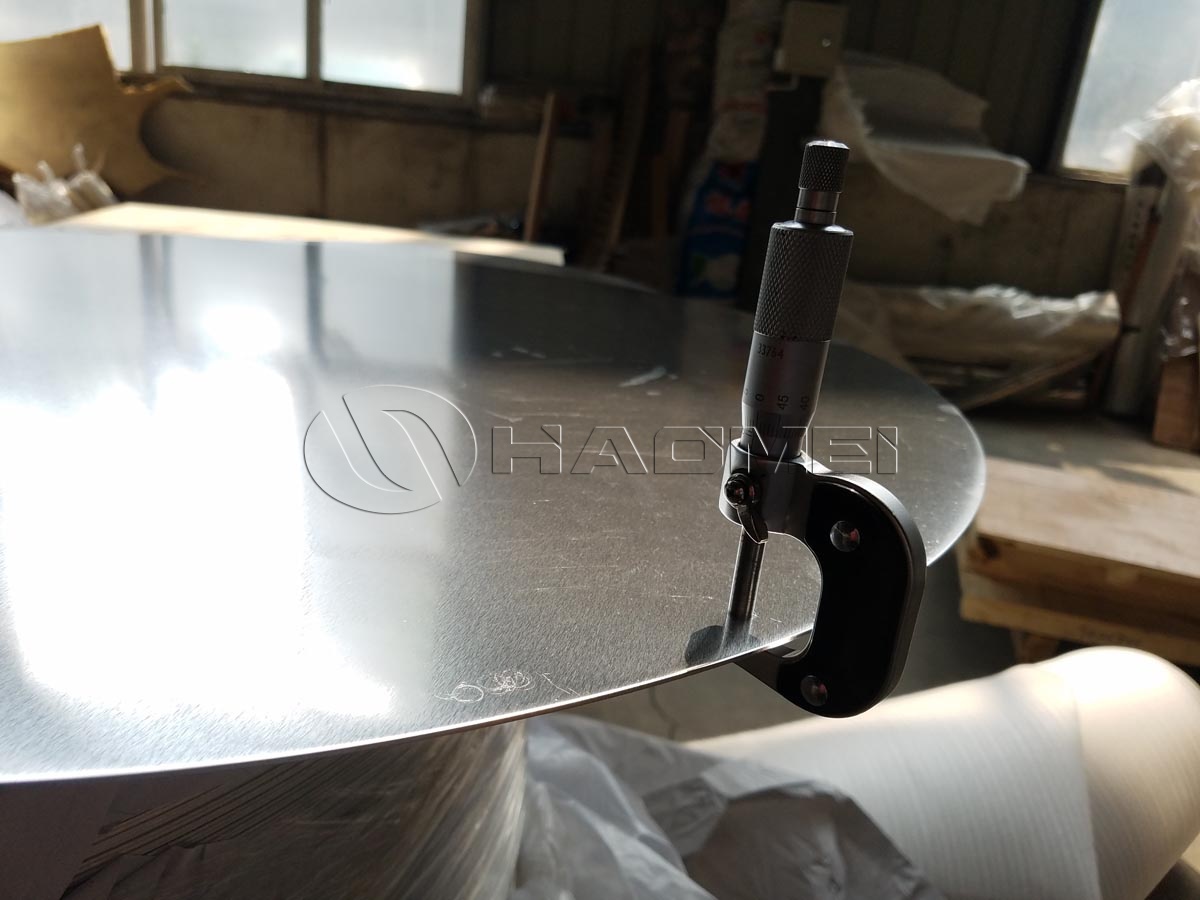
| Inspection | Caliper, micrometer, height gauge, CMM as required | Inspection records available by agreement |
| Packaging | PE interleaf, protective wrapping, wooden pallets or cases | Export-oriented moisture and impact protection |
Selecting the right alloy is essential for a 6.35 mm aluminum circle. We do not recommend choosing material solely by price, because machinability, corrosion resistance, conductivity, strength, and surface appearance may differ significantly between alloys.
1000 series aluminum is widely used where high aluminum purity, good corrosion resistance, thermal conductivity, and electrical conductivity are important. Grades such as 1050, 1060, 1070, and 1100 are relatively soft and easy to process. They are suitable for heat spreaders, reflectors, electrical components, covers, signage blanks, and selected cookware-related parts.
For applications requiring high-purity material, we can manufacture circles from 1000 Series Aluminum circle stock in suitable tempers and dimensions. Customers requesting good formability or conductivity often choose 1050 or 1060, while 1100 is also used for general fabrication and chemical-related environments.
3003 aluminum offers higher strength than pure aluminum while retaining good workability and corrosion resistance. It is often selected for general industrial covers, housings, tanks, fabricated parts, and applications where a moderate strength increase is required without moving to a heat-treatable alloy.
5052 aluminum provides good corrosion resistance, particularly in humid and marine-related service conditions. It is commonly specified for equipment covers, transportation components, marine-related assemblies, and fabricated parts that require better strength than 1000 series aluminum.
6061 aluminum is a common engineering alloy for CNC machined aluminum circles. In T6 temper, it provides a strong balance of strength, machinability, and structural reliability. It is suitable for machine parts, mounting plates, fixtures, adapters, flange blanks, and precision mechanical assemblies. Because 6061-T6 behaves differently from softer alloys during machining, we select cutting parameters and workholding methods accordingly.
Our manufacturing route is based on the part's end-use requirements. For simple 1/4 inch aluminum discs, CNC profile cutting may be followed by mechanical deburring and inspection. For parts requiring critical dimensions or added features, we use CNC machining operations to complete the diameter, holes, recesses, chamfers, and other drawing-defined geometry.
The typical process includes the following stages:
Material verification: We check alloy, temper, thickness, and surface condition against the production order.
Programming and nesting: Our technicians convert the approved drawing into machining instructions and optimize material utilization.
CNC cutting: Circles are cut using the appropriate process for the specified tolerance, edge requirement, and production quantity.
Deburring and edge treatment: Sharp edges and residual burrs are removed. Chamfers or radius edges can be added where specified.
Secondary machining: Drilling, tapping, milling, counterboring, pocketing, and engraving are available for finished components.
Quality inspection: Diameter, thickness, hole position, flatness, edge condition, and visual surface quality are checked according to the agreed inspection plan.
Protective packing: Parts are separated and secured to reduce scratching, deformation, and moisture exposure during shipment.
The CNC cutting method is selected carefully. Faster cutting processes can be appropriate for non-critical blanks, while finish machining is preferable for parts with tighter geometry or surface requirements. We explain the practical tolerance level before order confirmation so that buyers receive a technically suitable and cost-effective solution.
Precision requirements should be defined clearly in the purchase order or drawing. A requirement such as "6.35 mm aluminum circle" is incomplete without identifying the allowable variation in thickness, outside diameter, flatness, and edge condition. Our sales and technical teams help customers convert functional requirements into measurable specifications.
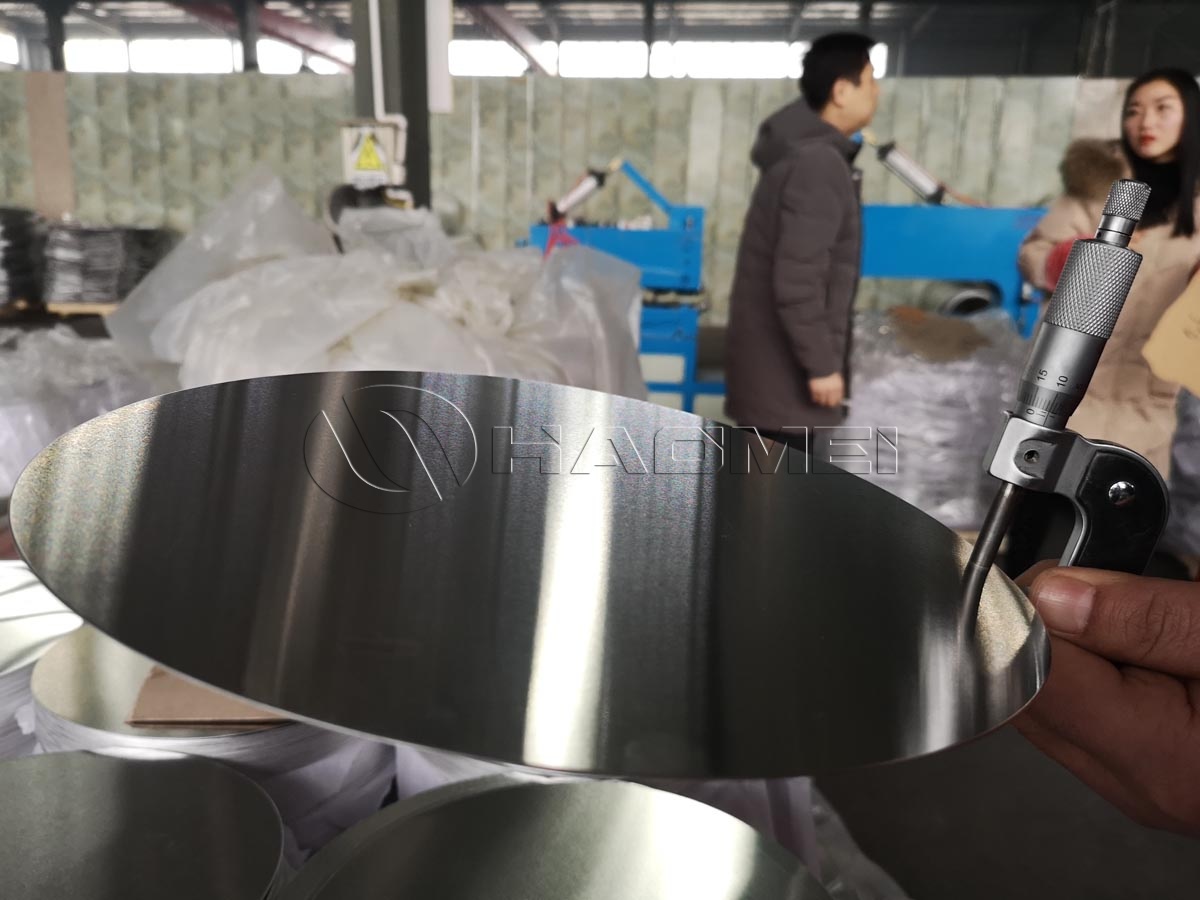
For CNC cut 1/4 inch thick aluminum circles, our inspection may include material certificate review, incoming thickness checks, first-piece approval, in-process sampling, and final inspection. Measuring tools are selected according to the part geometry. Calipers and micrometers are used for general dimensions, while height gauges, bore gauges, and coordinate measuring equipment may be used for more complex components.
Flatness deserves particular attention. Aluminum plate can contain residual stress, and material removal during machining may influence final flatness. If the circle will be mounted against a sealing surface, heat sink, or precision assembly, the flatness requirement should be stated on the drawing. We can then recommend the appropriate alloy, plate condition, machining allowance, and finishing sequence.
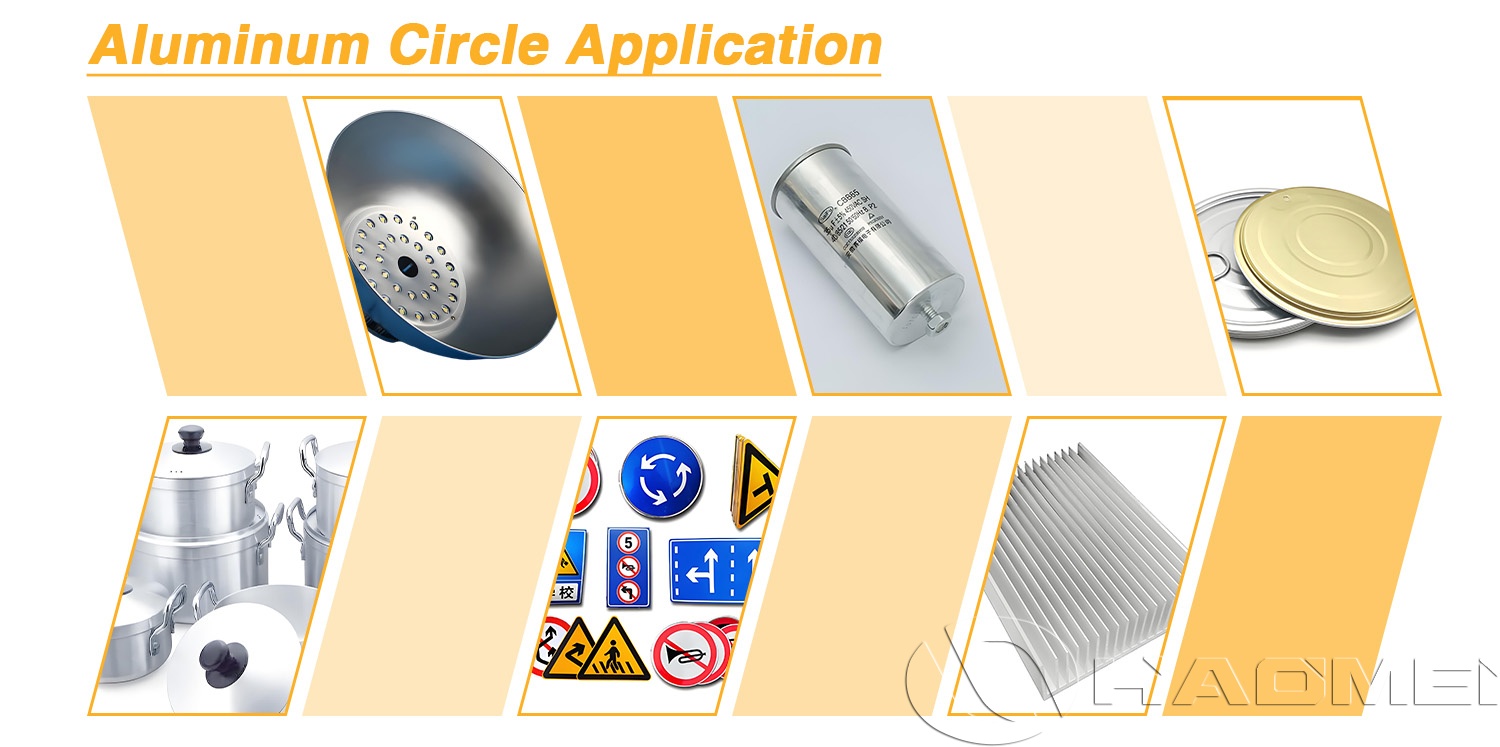
Our 1/4 inch aluminum discs are used as starting blanks and finished parts in a range of industrial sectors. Typical applications include:
Heat sinks, thermal spreaders, and electronic equipment bases.
Lighting housings, reflector supports, and fixture components.
Machine guards, covers, spacer rings, and mounting plates.
Flanges, adapters, inspection covers, and valve-related components.
Traffic, signage, display, and industrial identification assemblies.
Laboratory equipment, food processing equipment, and general fabrication.
Custom tooling, jigs, fixtures, and prototype parts.
For projects requiring softer, corrosion-resistant round blanks, our 1050 Aluminum Circle material can be considered for applications where high strength is not the primary requirement. For structural or heavily machined parts, 5052 or 6061 may be more appropriate after technical evaluation.
To quote CNC cut aluminum circles accurately, we request the following information: alloy and temper, diameter, thickness, tolerance, drawing or CAD file, required features, surface finish, quantity, inspection documents, and destination port. If a buyer does not yet have a complete drawing, we can review the functional requirements and propose a manufacturable specification.
For repeat programs, we maintain approved production parameters and packing methods to support consistent supply. Samples or first articles can also be arranged when dimensional verification is required before batch production.
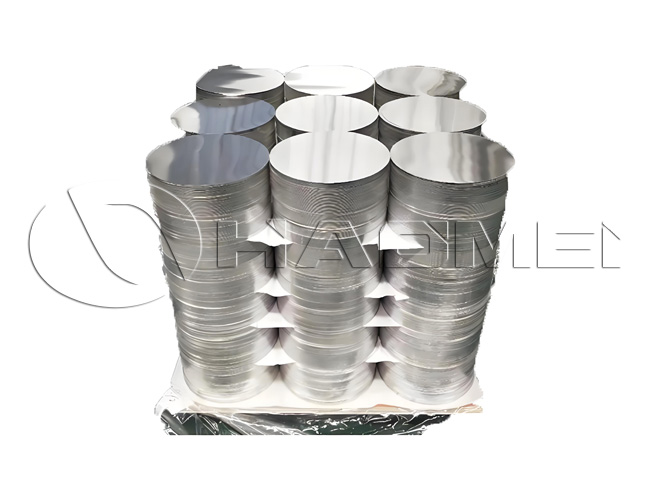
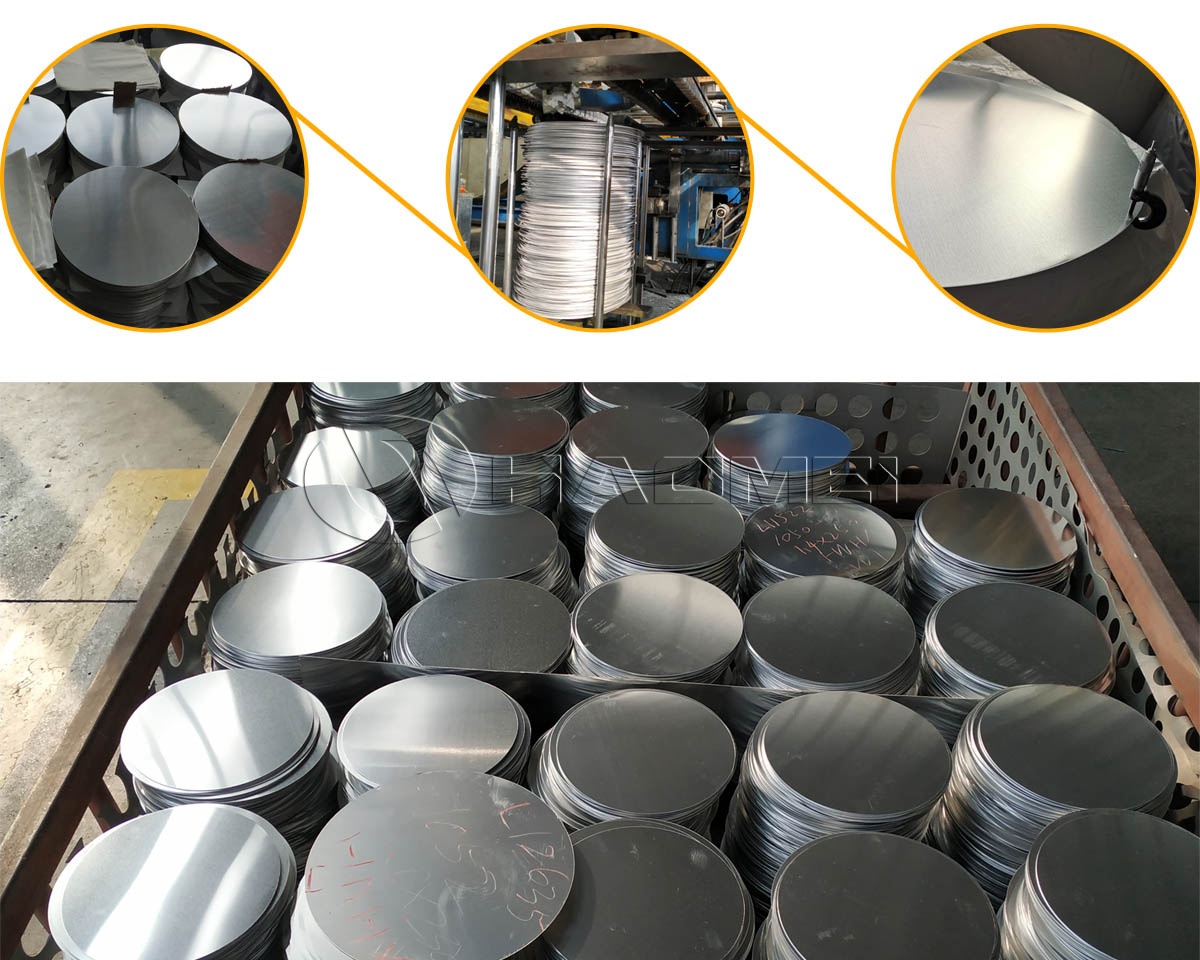
Thick aluminum circles must be protected from edge damage, surface scratching, moisture, and movement during transport. We use interleaving materials, protective film when required, reinforced wrapping, and pallet or wooden-case packing according to part size and destination. Each package can be marked with product identification, alloy, temper, dimensions, quantity, batch number, and customer reference information.
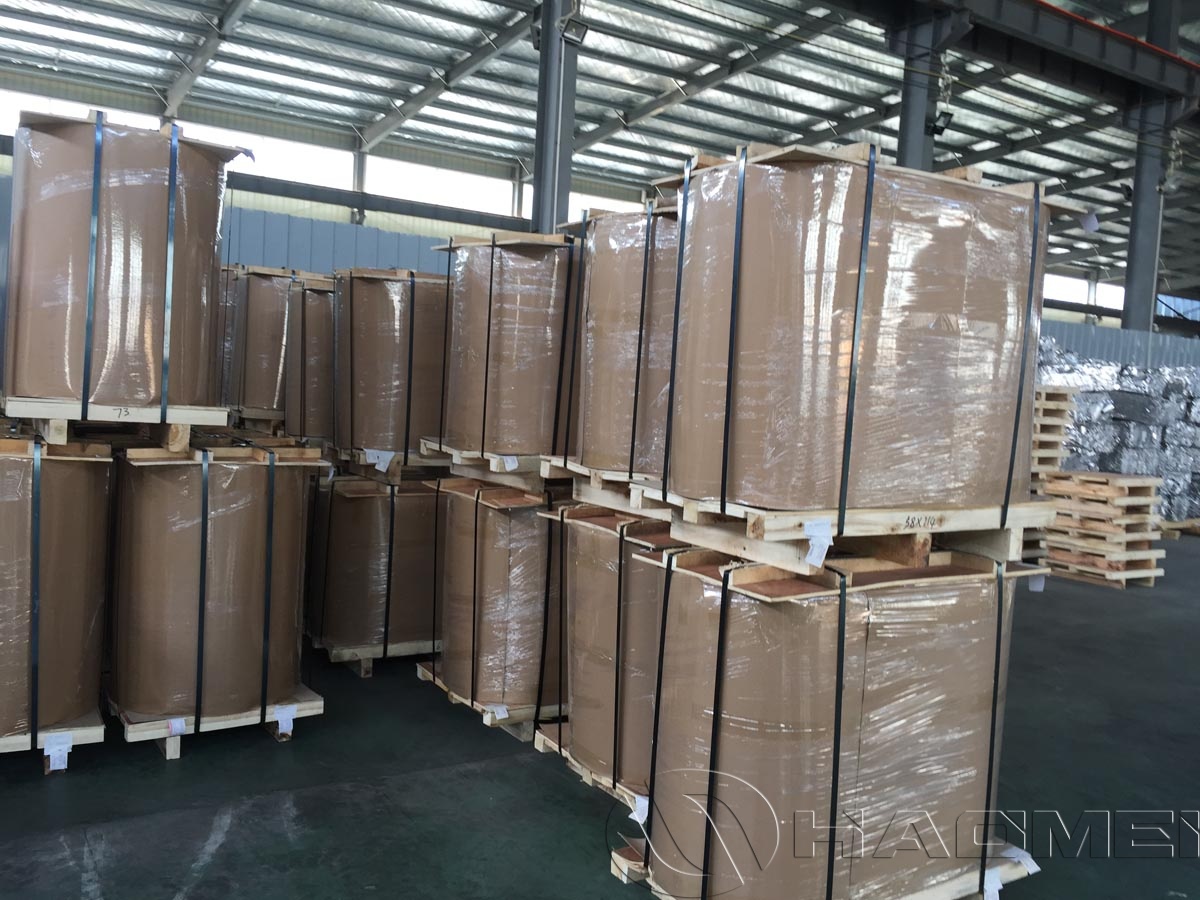
As a factory manufacturer, we coordinate production, inspection, packaging, and export documentation as one controlled process. This approach helps ensure that CNC cut 1/4 inch thick aluminum circles arrive with the material condition, dimensional accuracy, and protection required for downstream manufacturing.
CNC cut 1/4 inch thick aluminum circles provide a practical and reliable solution for industrial parts requiring 6.35 mm aluminum round blanks or finished machined discs. The correct result depends on more than diameter and thickness: alloy selection, tolerance definition, edge finishing, flatness control, and packaging all need to match the final application.
We manufacture custom aluminum circles from verified raw material through CNC cutting, inspection, and export packing. By supplying complete technical requirements at the inquiry stage, buyers can obtain aluminum discs that integrate efficiently into their fabrication, machining, or assembly process.

Office Address:
No.14 Waihuan Road, CBD, Zhengzhou, China
Contact Us
HAOMEI Aluminum offer an custom aluminum circle for you!
whatsapp: +86-18703635966
Email: sales@alummc.com
Email: alummc@hotmail.com
Request Free Sample & Quotation
Copyright © 2026 By HAOMEI Aluminum CO., LTD. All Rights Reserved. Sitemap
 +86-18703635966
 sales@alummc.com
 8618703635966
